
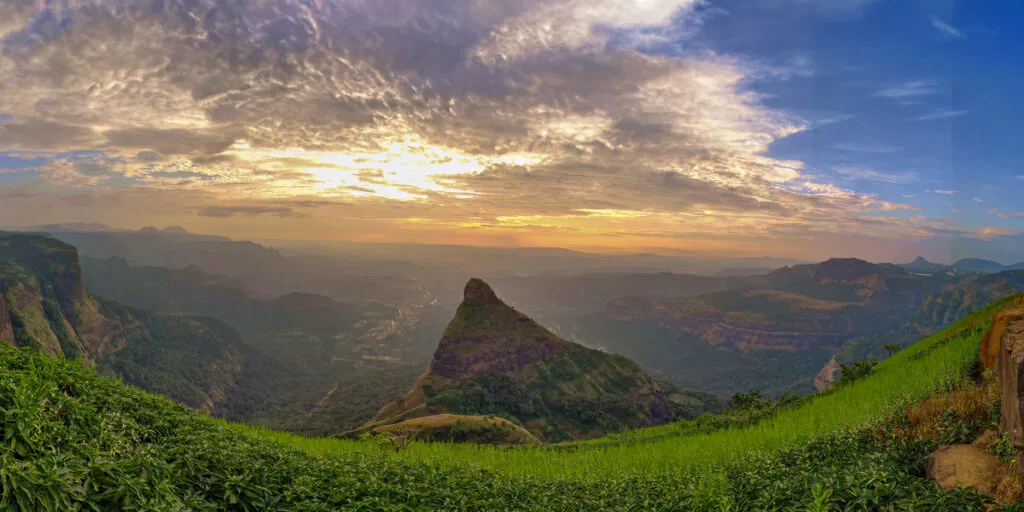
Lonavala: Complete Travel Plan Places And Weather

Ananya Sharma
February 18, 2026
Complete Lonavala travel guide with top attractions like Bhushi Dam, Karla Caves, Lohagad Fort, 2-3 day itineraries, budget breakdown, transport options & practical tips for monsoon trips.
Introduction to Lonavala
Nestled in the Sahyadri ranges of Maharashtra, Lonavala is one of India's most beloved hill stations and a favorite weekend getaway from Mumbai and Pune. This picturesque destination sits at an elevation of 622 meters above sea level, offering breathtaking views of the Western Ghats, cascading waterfalls, ancient caves, and historic forts. During monsoon, Lonavala transforms into a lush green paradise with misty valleys and gushing waterfalls that attract thousands of visitors seeking respite from city life. What makes Lonavala truly special is its perfect blend of natural beauty, historical significance, and modern accessibility. Whether you're a history buff exploring ancient Buddhist caves, a nature lover chasing waterfalls, a trekker scaling formidable forts, or simply someone looking to unwind amidst scenic beauty, Lonavala has something for everyone. The region's pleasant climate year-round makes it an ideal destination for family vacations, romantic getaways, and adventure trips alike. This comprehensive Lonavala travel guide covers everything you need to plan your perfect trip - from the best time to visit and top attractions to detailed itineraries, budget breakdowns, and practical tips that will help you make the most of your Maharashtra hill station adventure.
Quick Facts About Lonavala
| Item | Lonavala Snapshot |
|---|---|
| Location | Pune District, Maharashtra |
| Altitude | 622 meters (2,041 feet) above sea level |
| Distance from Mumbai | 83 kilometers (2 hours by road) |
| Distance from Pune | 64 kilometers (1.5 hours by road) |
| Best Time to Visit | June to September (Monsoon), October to March (Winter) |
| Ideal Duration | 2-3 days |
| Climate | Pleasant year-round (15°C to 30°C) |
| Famous For | Waterfalls, Caves, Forts, Chikki |
| Average Budget | ₹3,000-8,000 per day |
Best Time to Visit Lonavala
Lonavala has distinct seasons, each offering a unique experience. The timing of your visit largely depends on what you want to see and do.Monsoon (June - September)
The monsoon season is undoubtedly the best time to visit Lonavala. From June to September, the region receives heavy rainfall that transforms the entire landscape into a vibrant green paradise. This is when Lonavala's famous waterfalls - Bhushi Dam, Kune Falls, and Lion's Point - are at their majestic best. The mist-covered valleys and cool temperatures make it the perfect time for nature photography and romantic getaways. August is particularly spectacular as the waterfalls are in full flow, and the entire region is covered in a carpet of lush greenery. However, this is also peak tourist season, so expect crowds and higher hotel prices. Weekends during monsoon can be extremely crowded, so consider visiting on weekdays for a more peaceful experience.Winter (October - February)
Winter offers pleasant weather with clear skies, making it ideal for sightseeing and outdoor activities. The temperatures range from 12°C to 28°C, perfect for exploring caves, forts, and viewpoints. The landscape remains green from the monsoon, and the air is crisp and fresh. December and January are the coldest months, sometimes requiring light woolens in the evenings. This is an excellent time for trekking, camping, and adventure activities. The skies are clear, offering stunning views of the Sahyadri ranges. Winter is also ideal for families and those who prefer dry weather.Summer (March - May)
Summer in Lonavala is relatively pleasant compared to the scorching heat in Mumbai and Pune. Temperatures range from 20°C to 35°C. While it can get warm during the day, the evenings are cool and comfortable. This is the off-season, so you'll find fewer crowds and significantly lower hotel prices. Summer is perfect for those seeking solitude and budget-friendly travel. However, most waterfalls will be dry or have minimal water flow. If you visit during summer, focus on caves, forts, and viewpoints rather than waterfalls. Carry light cotton clothing, sunscreen, and stay hydrated.Top Attractions in Lonavala
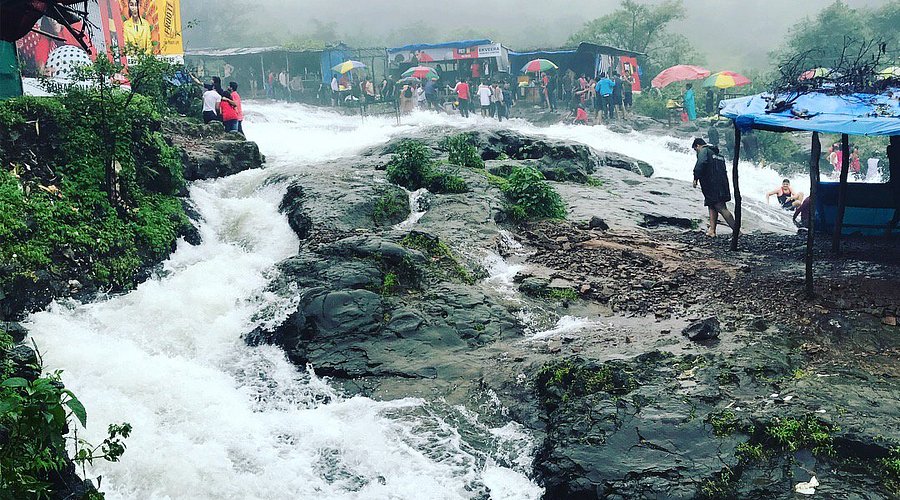
Bhushi Dam
Bhushi Dam is undoubtedly Lonavala's most popular attraction, especially during the monsoon. Built on the Indrayani River, this masonry dam becomes a magical spot when the overflow creates a series of small waterfalls cascading down the steps. Visitors flock here to wade in the cool waters, enjoy the misty atmosphere, and experience the sheer joy of monsoon in the Western Ghats. The dam is particularly beautiful in the evenings when illuminated. However, it gets extremely crowded on weekends during monsoon, with people sitting on the steps and getting drenched in the cascading water. Safety is important here - the rocks can be slippery, and water levels can rise suddenly. Visit on weekdays for a more relaxed experience, and carry a change of clothes.Lonavala Lake
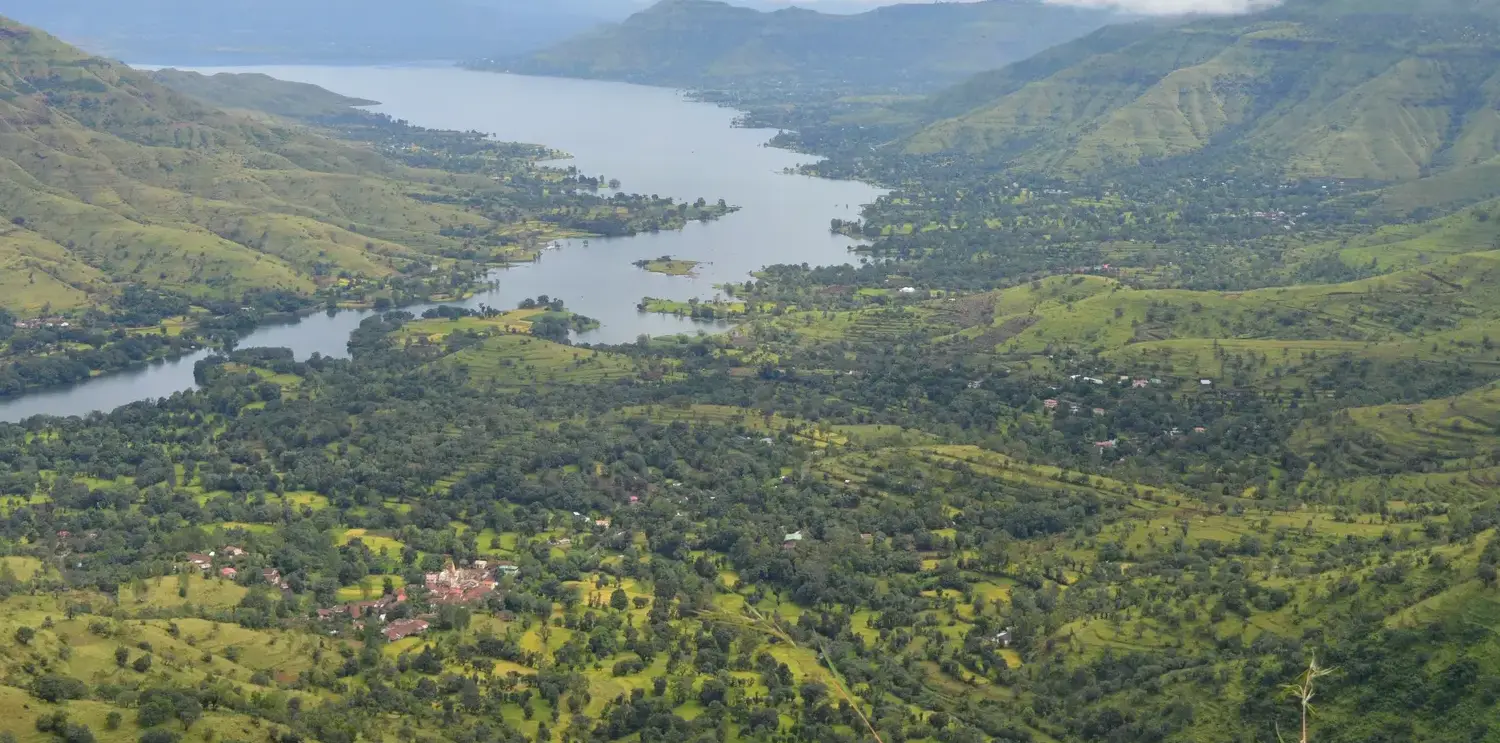
Located just 1.5 kilometers from the town center, Lonavala Lake (or Monsoon Lake) is a serene spot perfect for peaceful walks and picnics. The lake is surrounded by lush greenery and comes alive during the monsoon when it's full. It's an ideal place for birdwatching, with several migratory and local bird species visible here. The lake area has small food stalls selling snacks and drinks. Boating is available when water levels permit. Sunset views from the lake are particularly beautiful, with the surrounding hills reflecting in the calm waters. It's less crowded than Bhushi Dam, making it perfect for those seeking tranquility.Karla and Bhaja Caves
The Karla and Bhaja Caves are ancient Buddhist rock-cut caves dating back to the 2nd century BC. These architectural marvels showcase the ingenuity of ancient Indian craftsmen and offer fascinating insights into Buddhist history and culture.Karla Caves
Located about 11 kilometers from Lonavala, the Karla Caves are renowned for their magnificent Chaitya (prayer hall) with impressive wooden roof ribs that have survived for over 2,000 years. The main hall features intricate carvings, sculptures of Buddha, and beautifully carved pillars. The Great Chaitya is the largest of its kind in India and is a must-see for history enthusiasts.Bhaja Caves
The Bhaja Caves, about 6 kilometers from Lonavala, are older than Karla and consist of 22 caves. They're known for their impressive stupas and detailed carvings depicting scenes from the life of Buddha. Cave 12 is particularly famous for its spectacular Chaitya with arched ribs. The view from the caves over the surrounding valley is breathtaking. Both cave complexes require a short hike, which is part of the adventure. Wear comfortable shoes and carry water. The caves are open from 9 AM to 5 PM, and a nominal entry fee applies.Lohagad Fort
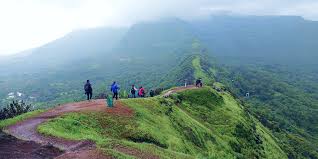
Lohagad Fort (Iron Fort) is one of Maharashtra's most impressive hill forts, situated at an elevation of 1,033 meters. This historic fort has witnessed numerous battles and changed hands between the Mughals, Marathas, and British. The fort's four massive gates - Ganesh Darwaja, Narayan Darwaja, Hanuman Darwaja, and Maha Darwaja - are architectural marvels. The trek to Lohagad is moderate and takes about 2-3 hours to reach the summit. The trail offers stunning views of the surrounding hills and valleys. At the top, you'll find ancient water tanks, a beautiful temple, and the famous Vinchu Kata (Scorpion's Tail) - a fortified spur that resembles a scorpion's tail. The fort is particularly beautiful during monsoon when the entire region is green. However, the rocks can be slippery, so wear good trekking shoes. Carry water, snacks, and a first-aid kit. The fort is open from 6 AM to 6 PM, and there's no entry fee.Tikona Fort
Tikona Fort (Triangular Fort) is located near Kamshet, about 20 kilometers from Lonavala. As the name suggests, the fort is built on a triangular hill and offers spectacular views of Pawna Lake and the surrounding forts. The trek to the summit is moderate and takes about 1.5 hours. The fort features a large entrance gate, several water cisterns, and a temple dedicated to Lord Trimbakeshwar Mahadev. The view from the top, especially at sunrise or sunset, is worth the trek. You can see Tung, Lohagad, and Visapur forts from here. Tikona is less crowded than Lohagad, making it perfect for those seeking solitude. The best time to visit is early morning to avoid the heat and crowds. Carry sufficient water and wear comfortable shoes.Rajmachi Fort
Rajmachi Fort consists of two fortified structures - Shrivardhan and Manaranjan forts - located in the Sahyadri mountain range. The fort offers a challenging trek through dense forests, crossing several waterfalls and streams along the way. It's a paradise for trekkers and nature lovers. You can reach Rajmachi via two routes - from Lonavala (a 15-kilometer trek that's moderately difficult) or from Karjat (easier but longer). The trek takes 4-5 hours each way from Lonavala. Many visitors choose to camp overnight at the base village to split the trek. The fort ruins offer panoramic views of the surrounding valley. The caves at the fort can accommodate trekkers for overnight stays. During monsoon, the entire trail is lush and beautiful, with numerous waterfalls along the way. This is a moderate to difficult trek, so be prepared with proper gear, food, and water.Pawna Lake
Pawna Lake is an artificial reservoir created by the Pawna Dam, surrounded by the Sahyadri ranges. The lake has become extremely popular in recent years for camping and picnics. The tranquil waters reflect the surrounding hills, creating picture-perfect scenery. Several camping operators offer tented accommodation along the lakeshore, ranging from basic to luxury options. Waking up to the mist rising over the lake is a magical experience. The lake is perfect for photography, boating, and simply unwinding amidst nature. The area around Pawna Lake also offers views of Lohagad, Tikona, and Tung forts. It's an excellent base for those planning to trek these forts. The best time to visit is during monsoon or winter when the weather is pleasant.Lion's Point
Lion's Point is a stunning cliff viewpoint located near INS Shivaji on the Lonavala - Aamby Valley road. The viewpoint offers dramatic vistas of the Sahyadri ranges and is particularly spectacular during sunset. During monsoon, clouds often float below the cliff level, creating an ethereal atmosphere. The viewpoint gets its name from a rock formation that resembles a lion's head. It's a popular spot for photography, especially during the golden hour. The road to Lion's Point is scenic, passing through dense forests and offering several pull-over spots for photos. The area can get crowded, especially on weekends during monsoon. Arrive early to secure a good parking spot and viewpoint position. Carry a light jacket as it can get windy and chilly, particularly in the evenings.Tiger's Leap
Tiger's Leap (Tiger Point) is another popular cliff viewpoint located near INS Shivaji. The viewpoint is named because the cliff resembles a tiger leaping into the valley below. It offers breathtaking views of the surrounding hills and valleys, and is particularly dramatic during monsoon when waterfalls cascade down the cliffs. The viewpoint is easily accessible by road and has a small plateau where visitors can sit and enjoy the scenery. There are small food stalls selling snacks and tea. Echo Point is nearby, where you can shout and hear your voice echo back - great fun for kids and adults alike.Duke's Nose
Duke's Nose (Nagphani) is a cliff viewpoint named after the Duke of Wellington, whose nose the cliff supposedly resembles. In Marathi, it's called Nagphani (Snake's Hood) due to its shape. The viewpoint offers spectacular panoramic views of the surrounding landscape and is a popular spot for rock climbing and rappelling. Reaching Duke's Nose requires a short trek from Kurvande village. The trek is moderate and takes about 1.5 hours. The view from the top is worth the effort - you can see Khandala, the Mumbai-Pune expressway, and numerous waterfalls during monsoon.Kune Falls
Kune Falls is one of Maharashtra's highest waterfalls, cascading down from a height of 200 meters in three distinct drops. Located just before the Kune village, these falls are spectacular during monsoon when they're in full flow. The falls are easily visible from the highway and have a dedicated viewpoint. The area around the falls is scenic and perfect for photography. You can walk down to the base of the falls, though the path can be slippery and dangerous during heavy rainfall. Exercise caution and admire the falls from the viewpoint if conditions seem risky.Sunrise Point
Sunrise Point is located near the Khandala Ghat and offers, as the name suggests, spectacular sunrise views. The viewpoint overlooks the beautiful valley and the Duke's Nose cliff. Arriving here early in the morning to watch the sun paint the sky in shades of orange and pink is a magical experience. The point is less crowded than other viewpoints, making it perfect for those seeking peace. The cool morning air, the silence broken only by bird calls, and the unfolding sunrise create a meditative atmosphere.Sample Lonavala Itineraries
2-Day Lonavala Itinerary
Day 1: Waterfalls & Viewpoints
Arrive in Lonavala by morning and check into your hotel. Start your exploration at Bhushi Dam, where you can wade in the cascading waters and enjoy the monsoon magic. Have lunch at a local restaurant. In the afternoon, visit Lion's Point for spectacular views and then Tiger's Leap. End the day at Sunset Point to watch the sun go down over the Sahyadri ranges. Enjoy dinner at your hotel or a local restaurant.
Day 2: Caves & Departure
Start early and head to Karla Caves to avoid crowds. Explore the ancient Buddhist rock-cut architecture and the magnificent Chaitya. On your way back, stop at Bhaja Caves if time permits. Visit Lonavala Lake for a peaceful walk and photography. Have lunch and collect some famous Lonavala chikki before departing.
3-Day Lonavala Itinerary
Day 1-2: Follow the 2-day itinerary for the first two days.
Day 3: Fort Trek & Departure
Start early (around 6 AM) for your Lohagad Fort trek. The summit takes about 2-3 hours and offers spectacular views. Explore the fort, including the Vinchu Kata spur. Descend by afternoon, have lunch, and visit Kune Falls viewpoint. Use your final hours for shopping and relaxation before departing.
Adventure Itinerary (2 Days)
Day 1: Rajmachi Trek
Start early (around 5 AM) for the Rajmachi Fort trek. The challenging trek takes 4-5 hours each way through forests and waterfalls. Explore the fort ruins, enjoy a packed lunch, and either return to Lonavala or camp overnight at the base village.
Day 2: Pawna Lake & Departure
Head to Pawna Lake for a morning of relaxation and boating. Enjoy breakfast at one of the lakeside cafes. If you have energy, visit Tikona Fort nearby. Depart in the evening after collecting souvenirs.
Lonavala Travel Cost Breakdown
Budget Traveler: ₹2,000-3,000 Per Day
Accommodation: ₹800-1,200 per night for budget hotels, guesthouses, or dormitories. Many offer basic amenities and decent views.
Food: ₹600-800 per day eating at local eateries and highway restaurants. Try Maharashtrian thalis, vada pav, and misal pav.
Transport: ₹400-600 per day using auto-rickshaws and local transport for nearby attractions.
Activities: ₹200-400 for entry fees to caves and parking charges.
Mid-Range Traveler: ₹4,000-7,000 Per Day
Accommodation: ₹2,000-3,500 per night for 3-star hotels and resorts. These offer comfortable rooms, often with mountain views and amenities like pools and restaurants.
Food: ₹1,000-1,500 per day at mid-range restaurants and cafes. Lonavala has several good options serving North Indian, Maharashtrian, and Chinese cuisine.
Transport: ₹800-1,200 per day for private taxis or hired vehicles for local sightseeing.
Activities: ₹500-1,000 including guide charges, camping fees, and activity costs.
Luxury Traveler: ₹10,000+ Per Day
Accommodation: ₹6,000+ per night for luxury resorts like Fariyas, Della Adventure, or premium properties with stunning views and excellent service.
Food: ₹2,000+ per day at fine dining restaurants and hotel restaurants.
Transport: ₹1,500+ for private SUVs and premium transport options.
Activities: ₹1,500+ including adventure activities, private tours, and premium experiences.
How to Reach Lonavala
By Road
Lonavala is excellently connected by road to both Mumbai and Pune. The Mumbai-Pune Expressway passes through Lonavala, making the journey smooth and scenic. From Mumbai, it's approximately 83 kilometers and takes about 2 hours via the Expressway. From Pune, it's 64 kilometers and takes about 1.5 hours. Self-driving is a popular option, and the roads are generally in excellent condition. The Expressway has several toll booths (approximately ₹230 total from Mumbai). State transport buses and private Volvo buses regularly ply between Mumbai-Pune and stop at Lonavala.By Train
Lonavala is a major railway station on the Mumbai-Pune railway line. Several trains, including the Deccan Queen and Deccan Express, stop at Lonavala. The journey from Mumbai takes about 2.5 hours by train, while from Pune it takes about 2 hours. The railway station is located in the town center, making it convenient for travelers. First-class and second-class tickets are available. During monsoon, the train journey offers spectacular views of waterfalls and lush green valleys. However, trains can be crowded on weekends, so book tickets in advance if possible.By Air
The nearest airports are in Pune (Lohegaon Airport, 64 kilometers) and Mumbai (Chhatrapati Shivaji Maharaj International Airport, 100 kilometers). Both airports are well-connected to major Indian cities. From Pune Airport, it's a 1.5-hour drive to Lonavala. From Mumbai Airport, the journey takes about 2.5 hours depending on traffic conditions.Getting Around Lonavala
- Private Vehicle: Most convenient for exploring Lonavala and surrounding areas.
- Hired Taxi: Available for local sightseeing and day trips.
- Auto-Rickshaws: Good for short distances within town.
- Walking: Many attractions in town center are walkable.
What to Eat in Lonavala
Famous Local Delicacies
- Chikki: Lonavala's most famous sweet - brittle made from jaggery, nuts, and sesame. Don't leave without trying the various varieties from Maganlal Chikki or Aflatoon.
- Fudge: Chocolate, vanilla, and fruit fudge are popular here.
- Maharashtrian Thali: Traditional Maharashtrian meal with bhakri, pithla, bhaji, and more.
- Misal Pav: Spicy curry with farsan, served with bread.
- Vada Pav: Maharashtra's favorite street food.
- Corn: Roasted corn sold at viewpoints during monsoon.
Popular Places to Eat
- Ram Krishna: Famous for pure vegetarian food and thalis.
- Shetty's Lunch Home: Excellent seafood and Malvani cuisine.
- Coffee House: Good for snacks and beverages.
- Highway Restaurants: Numerous options on Mumbai-Pune highway.
Shopping in Lonavala
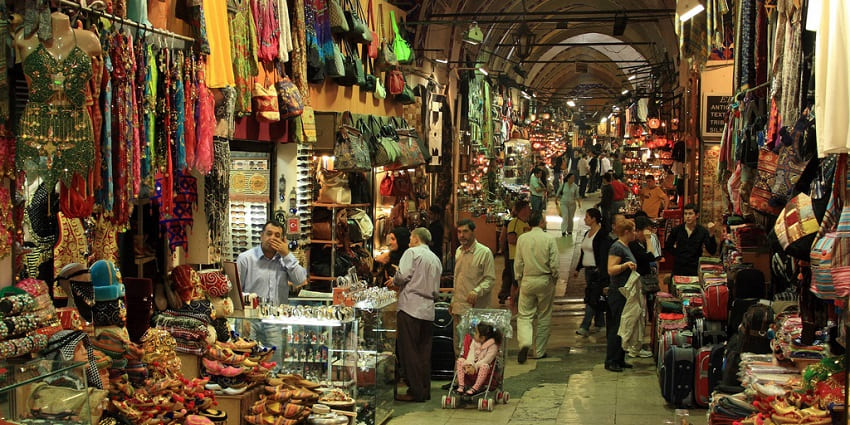
- Maganlal Chikki: Most famous for chikki and fudge.
- Aflatoon Chikki: Another renowned chikki shop.
- Local Market: Souvenirs, handicrafts, and snacks.
- Lonavala Bazaar: Street shopping for clothing and items.
What to Buy
- Chikki in various flavors (cashew, peanut, sesame)
- Fudge (chocolate, mango, pista)
- locally made jams and preserves
- Honey and pickles
- Handicrafts and souvenirs
Practical Travel Tips
Best Accommodation Areas
- Lonavala Town Center: Most convenient, close to restaurants and market.
- Tungarli Area: Quiet with good resort options.
- Near Lonavala Lake: Scenic and peaceful.
- Along Mumbai-Pune Highway: Good for quick stopovers.
Health & Safety
- Be extremely careful around waterfalls - rocks are slippery and currents can be strong.
- Carry a first-aid kit, especially if trekking.
- Wear comfortable shoes with good grip for forts and caves.
- Stay hydrated during treks.
- Don't venture into restricted areas at forts and viewpoints.
- Check weather conditions before planning outdoor activities during monsoon.
- Avoid visiting waterfalls when water levels are dangerously high.
What to Pack
- Rain gear (umbrella, raincoat) if visiting during monsoon
- Comfortable trekking shoes with good grip
- Light woolens for winter evenings
- Sunscreen and sunglasses for summer
- Insect repellent
- Camera for capturing scenic views
- Power bank
Trekking Tips
- Start early to avoid heat and crowds
- Carry sufficient water and snacks
- Wear proper trekking shoes - don't wear slippers
- Inform someone about your trekking plans
- Don't stray from marked paths
- Check weather forecasts before trekking in monsoon
- Consider hiring a local guide for unfamiliar forts
Photography Tips
- Early morning and late afternoon offer the best light
- Monsoon offers misty, dramatic shots
- Carry a waterproof cover for your camera during monsoon
- Lion's Point and Tiger's Leap are perfect for sunset photography
- The caves require low-light photography skills
Conclusion
Lonavala is more than just a hill station - it's an experience that combines natural beauty, historical grandeur, adventure, and culinary delights in a way few places can. Whether you're chasing waterfalls during monsoon, exploring ancient caves, trekking formidable forts, or simply unwinding by a serene lake, Lonavala has a way of refreshing your soul. The region's proximity to Mumbai and Pune makes it an ideal weekend getaway, but it deserves more than just a quick visit. Spend 2-3 days exploring its diverse attractions, hiking its trails, and savoring its famous chikki. The misty valleys, ancient rock-cut caves, and stunning viewpoints will leave you with memories that last a lifetime. For more specific experiences, check out detailed guides to forts in Lonavala for trekking enthusiasts, or explore the twin hill stations of Lonavala and Khandala for a broader exploration. History buffs might enjoy reading about the architectural marvels of the Lohagad Fort in detail. If you're planning to extend your Maharashtra trip, consider visiting Mumbai's attractions or exploring places near Pune. Most importantly, travel with respect for nature and local communities. Lonavala's beauty needs to be preserved - don't litter, avoid plastic, and follow responsible tourism practices. The Sahyadris will reward you with experiences that will stay etched in your memory forever. Safe travels!Location
Frequently Asked Questions
Q1.How many days are sufficient for a Lonavala trip?
Q2.What is the best time to visit Lonavala?
Q3.Is Lonavala worth visiting?
Q4.How can I reach Lonavala from Mumbai?
Q5.What is Lonavala famous for?
Q6.Is Lonavala safe for family trips?
Q7.What should I buy in Lonavala?
Q8.Are the cave temples in Lonavala worth visiting?
Q9.Is trekking to Lohagad Fort difficult?
Q10.What is the ideal budget for a Lonavala trip?
Q11.Can we visit Lonavala during summer?
Q12.What are the must-visit viewpoints in Lonavala?
Recommended For You
Best Places to Visit Near Pune: Weekend Trips by Distance
Discover top places to visit near Pune including hill stations, forts, lakes, and one-day road trips with practical distance, route, and timing tips.
Places to Visit in Maharashtra: Beaches, Forts & Hill Stations
Explore top places to visit in Maharashtra across Mumbai, Pune, Ajanta Ellora, hill stations, Konkan beaches, and pilgrimage routes with travel tips.
Best Places to Visit in Mumbai: Top Tourist Attractions
Discover the best places to visit in Mumbai from iconic Gateway of India and Marine Drive to Elephanta Caves and Juhu Beach. Explore Mumbai's top tourist attractions, heritage sites, beaches, and practical travel tips.
Never Miss an Adventure
Get the latest trekking guides, travel tips, and exclusive offers delivered straight to your inbox.
