
Lonavala and Khandala: Best Time, Places & Itinerary

Ananya Sharma
February 12, 2026
Complete guide to Lonavala and Khandala with best season, top attractions, things to do, transport options, stay tips, and a practical one-day itinerary.
Introduction: Why Lonavala and Khandala Are Always in Demand
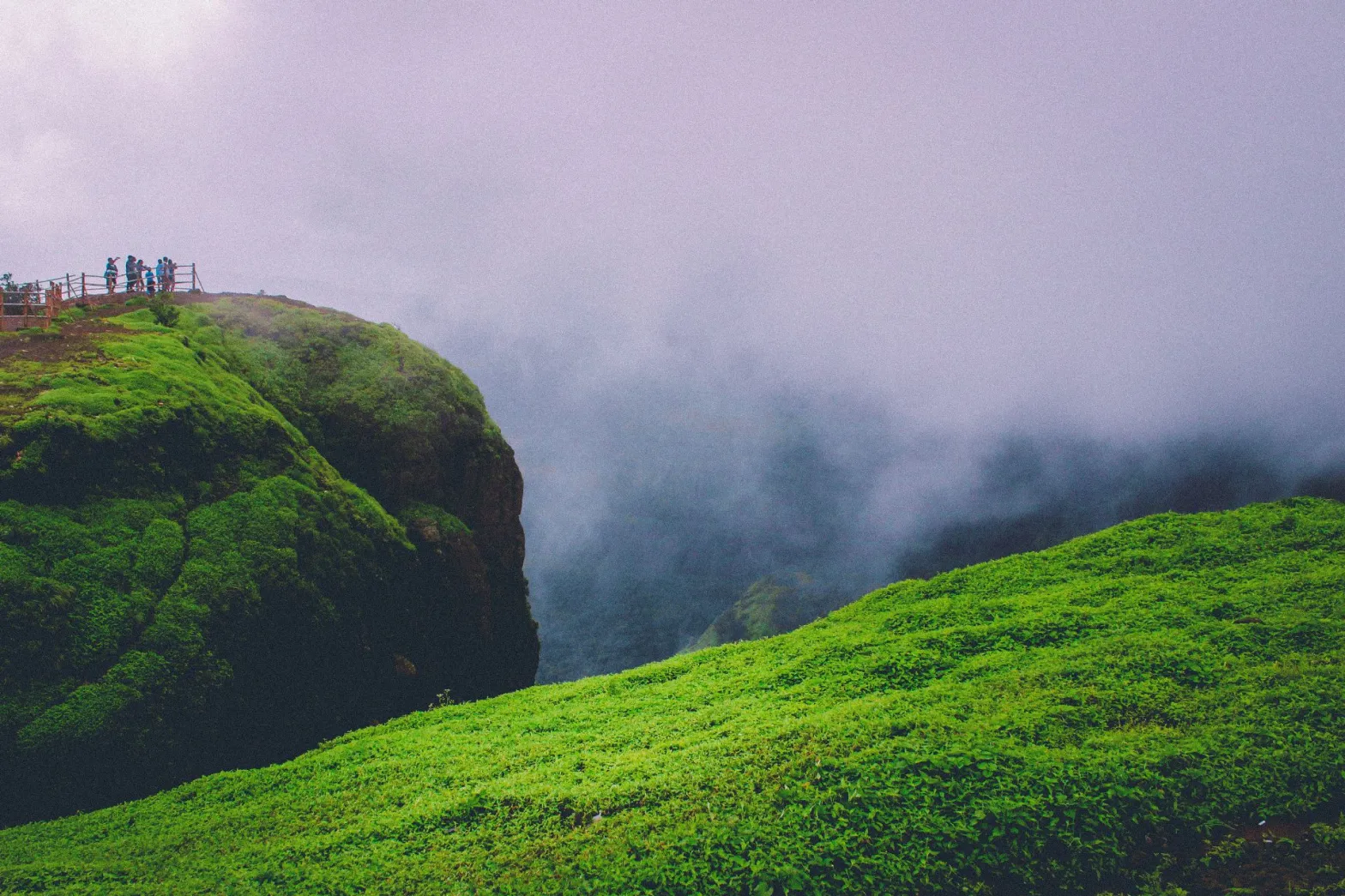
Lonavala and Khandala are among the most popular twin hill-station getaways for travelers from Mumbai and Pune. They are close enough for a one-day drive, yet scenic enough to feel like a real break from city life. During monsoon, the green slopes, mist, and waterfalls create a dramatic landscape; in winter, the weather stays pleasant for long drives and viewpoints; and in summer, the region still works as a cooler escape compared with the plains.
What makes these destinations practical is the combination of easy access, varied sightseeing, and flexible budgets. You can plan a quick viewpoint circuit, include fort treks, explore ancient caves, or simply do a relaxed weekend with food stops and rain views. This guide covers best season, top places, things to do, transport choices, stay planning, and a smart one-day itinerary. For deeper trip planning, also see Lonavala travel guide, forts Lonavala, and Lohagad Fort Lonavala.
Best Time to Visit Lonavala and Khandala
The best time depends on your travel style. Monsoon is visually the most dramatic, winter is the most comfortable for sightseeing, and summer works for quick escapes when hill weather is preferred over city heat. Each season offers a different experience.
| Season | What You Get | Things to Note |
|---|---|---|
| Monsoon (Jun-Sep) | Waterfalls, lush hills, cloud views | Slippery roads/trails; weekend crowds |
| Winter (Nov-Feb) | Pleasant weather, clear drives | Great for fort visits and full-day outings |
| Summer (Mar-May) | Quick break from city heat | Plan early starts to avoid afternoon glare |
If your focus is photography and dramatic scenery, monsoon is unmatched. If your priority is comfort and less weather uncertainty, choose winter. For calmer traffic, avoid peak holiday weekends whenever possible.
Top Attractions in Lonavala
Lonavala has a broad mix of nature points, rain-fed attractions, fort routes, and family-friendly stops. You can build an itinerary based on either pure sightseeing or light adventure.
Bhushi Dam and Monsoon Water Zones
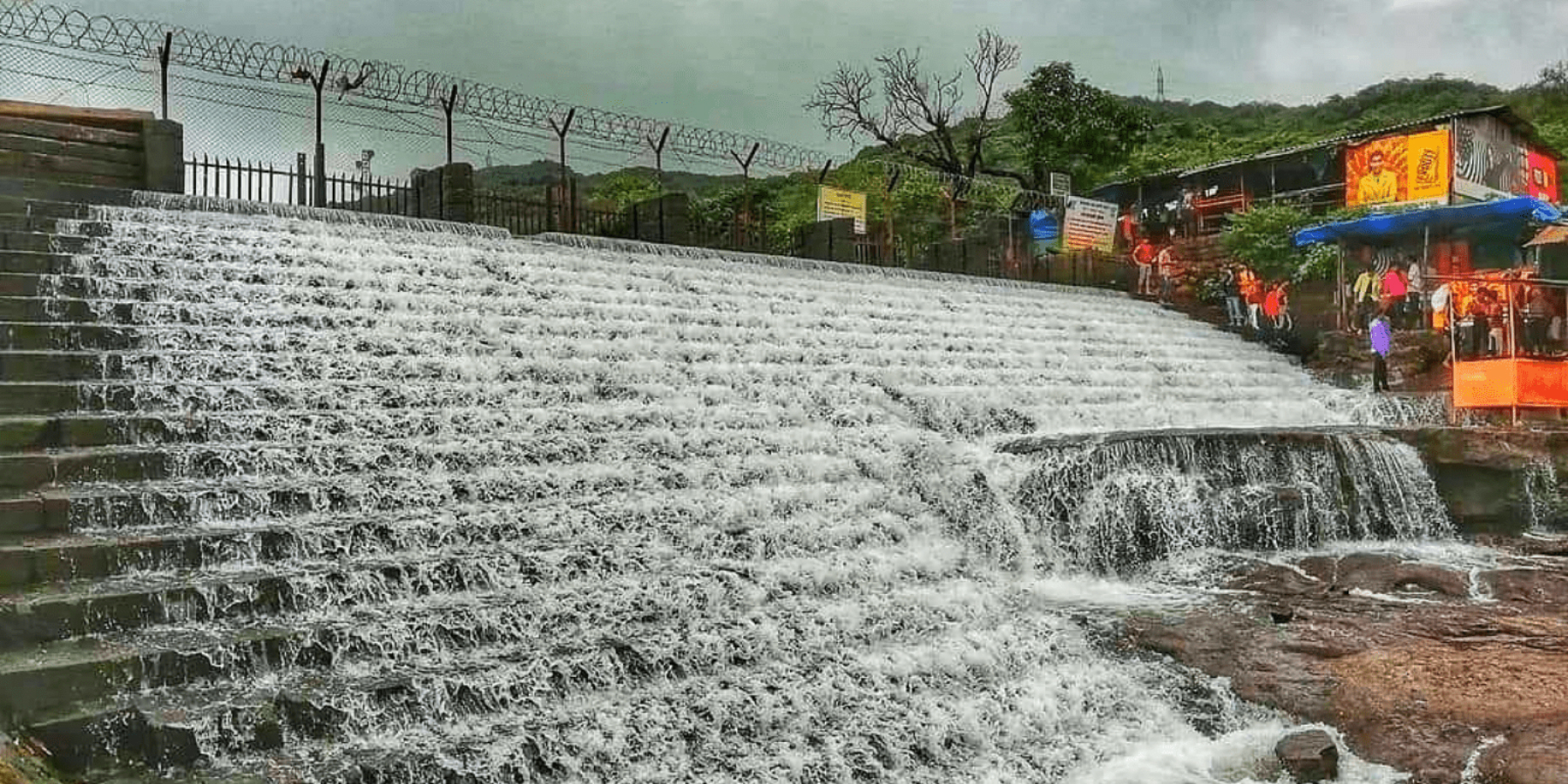
Bhushi Dam remains one of the most visited spots during rainy months. The water flow and stepped area attract large crowds, especially on weekends. Early morning arrival is best if you want safer movement and less congestion.
Tiger's Leap and Viewpoint Belt
Tiger’s Leap is known for its dramatic valley drop and panoramic lines. On clear days, you get expansive views; in monsoon, drifting cloud cover creates a very different visual mood.
Lonavala Lake and Nearby Calm Spots
Lonavala Lake areas are better for slower visits than rush sightseeing. These stops suit couples and families who want short nature breaks without trekking intensity.
Fort Trails: Lohagad and Beyond
Fort circuits are a major reason this region attracts repeat travelers. Lohagad, in particular, is one of the most practical trek options for beginners and casual hikers. Fort-focused planning can be paired with Lohagad Fort Lonavala and forts Lonavala.
Karla and Bhaja Caves
These ancient cave complexes add historical depth to your trip. If you want to balance viewpoints with heritage, caves are a strong inclusion in a one-day or two-day route.
Top Attractions in Khandala
Khandala is often quieter in feel and works well as a viewpoint-heavy extension to Lonavala plans. Its visual identity is built around ridges, valley lines, and pass-side landscapes.
Duke's Nose
Duke’s Nose is a famous landmark for both viewpoint visitors and adventure travelers. The area offers strong cliff and valley visuals, especially in clear morning windows.
Amrutanjan Point
A classic halt on the old highway side, this point is convenient for quick scenic breaks and sunset-oriented drives.
Kune Falls and Green Valley Routes
Kune Falls is a monsoon highlight in the Khandala belt. Water volume varies by season, but the surrounding greenery makes this section attractive through much of the year.
Rajmachi Point and Drive Stops
Rajmachi-facing zones provide broad mountain views and work well for short photo halts. Combined with Lonavala points, Khandala completes a full but manageable weekend circuit.
Things to Do in Lonavala and Khandala
These twin destinations are flexible: you can keep the trip easy and scenic or add active components based on your group profile.
- Viewpoint hopping: Ideal for first-timers and short visits.
- Fort treks: Lohagad and related routes for adventure-oriented plans.
- Cave exploration: Karla/Bhaja for culture + history.
- Rain drives: Monsoon road trips with controlled timing.
- Food trail: Local snacks, chikki shopping, and highway cafés.
- Photography sessions: Sunrise points, mist frames, and valley views.
Families with kids usually enjoy a mix of 2-3 easy points plus one major attraction. Trek groups often focus on one fort and one scenic stop instead of trying to cover everything.
How to Reach Lonavala and Khandala
From Mumbai
By road: Around 80-90 km depending on start point, usually 2 to 2.5 hours in normal conditions via expressway routes.
By train: Frequent rail options make this one of the easiest weekend escapes.
By bus/cab: Private and state operators are available, with peak weekend demand.
From Pune
By road: Around 60-70 km, often 1.5 to 2 hours depending on traffic windows.
By train: A practical and reliable choice for day trips.
By bus: Multiple departures through the day.
If your trip is tightly scheduled, avoid late Saturday starts and holiday return rush. For city-side movement context, check Mumbai travel guide and Pune travel guide.
Where to Stay: Budget to Premium
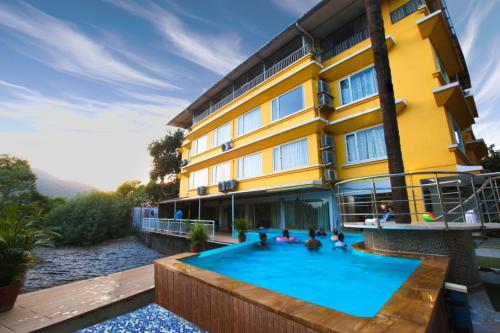
Stay options range from budget guesthouses to premium resorts, with strong variation by season and weekend demand. Monsoon and long weekends can trigger fast sell-outs in popular pockets, so pre-booking is highly recommended.
| Budget Type | Typical Option | Who It Suits |
|---|---|---|
| Budget | Guesthouses, simple hotels, homestays | Friends and short-break travelers |
| Mid-range | Comfort hotels, boutique stays | Families and couples |
| Premium | Resort-style properties, curated stays | Occasion trips and relaxed weekends |
For one-night plans, choose stay locations near your top two priorities (viewpoints, fort trailhead, or station side), not just cheapest rates. Commute time within hill roads can consume more time than expected in peak windows.
One-Day Lonavala and Khandala Itinerary (Practical)
This is a realistic day layout for travelers starting from Mumbai or Pune with limited time.
Morning (6:00 AM - 10:00 AM)
- Start early to beat traffic.
- Breakfast on highway corridor.
- First halt at Tiger’s Leap or a major viewpoint.
Late Morning (10:00 AM - 1:00 PM)
- Visit Bhushi Dam area or Lonavala lake-side point based on season.
- Optional short cave visit if your group prefers heritage.
Afternoon (1:00 PM - 4:00 PM)
- Lunch in Lonavala town belt.
- Drive toward Khandala and cover Amrutanjan/Duke’s Nose viewpoints.
- Keep buffer for weather and parking delays.
Evening (4:00 PM onward)
- Short market stop for local snacks/chikki.
- Begin return before heavy weekend rush peaks.
If you prefer less rushing, convert this into a two-day trip and keep one half-day free for relaxed exploration.
Food, Local Shopping, and Family-Friendly Stops
Lonavala and Khandala trips are not only about viewpoints. Food and local shopping are part of the experience, especially for family groups. Local chikki stores remain a signature stop, and many travelers also pick fudge varieties, masala snacks, and packaged regional sweets for the return journey. For meals, you will find highway dhabas, modern cafés, and sit-down restaurants across budget levels in and around Lonavala town.
For families with children or mixed-age groups, keep one low-effort stop in the plan such as a calm lake-side point, a scenic drive halt, or a short heritage stop with easy access. This balance prevents fatigue and makes the day enjoyable for everyone, especially when weather becomes humid in monsoon windows.
Two-Day Relaxed Itinerary Option
If you can spare one night, a two-day structure is far better than a rushed same-day return. On Day 1, focus on arrival, two scenic points, and an early evening market walk. On Day 2, start with either a fort trail or cave visit, then keep one post-lunch viewpoint before returning.
- Day 1: Tiger’s Leap, Bhushi-side zone (seasonal), market and food trail.
- Day 2: Lohagad or cave circuit, Khandala viewpoints, return drive.
This format reduces traffic stress, improves photography windows, and gives you enough buffer for weather changes.
Monsoon Safety and Trip Planning Tips
- Start early: both visibility and parking are better in morning windows.
- Avoid edge-risk selfies: cliffs and wet rocks become hazardous quickly.
- Wear grip footwear: especially if dam steps or trails are in plan.
- Track weather: heavy rain bursts can affect movement and route choices.
- Carry essentials: water, light rain gear, power bank, and offline map.
- Respect local controls: temporary barriers and police advisories exist for safety.
Good planning keeps this trip fun and safe, even in high-rain periods when visitor volume is high.
Final Takeaway
Lonavala and Khandala remain timeless weekend choices because they balance accessibility, scenery, and trip flexibility. Whether you want quick viewpoints, fort trekking, cave exploration, or a simple monsoon retreat, the twin destinations can fit your pace. Plan your timing smartly, keep realistic stop counts, and travel with weather-aware decisions. That approach gives you a far better experience than trying to cover everything in one rushed day.
Location
Frequently Asked Questions
Q1.What is the best time to visit Lonavala and Khandala?
Q2.How many days are enough for Lonavala and Khandala?
Q3.Which is better to stay in: Lonavala or Khandala?
Q4.What are the top attractions in Lonavala and Khandala?
Q5.How far is Lonavala from Mumbai and Pune?
Q6.Is Lonavala worth visiting in monsoon?
Q7.Are there good hotels in Lonavala for families?
Q8.Is it safe to drive to Lonavala and Khandala during rains?
Recommended For You
Best Places to Visit Near Pune: Weekend Trips by Distance
Discover top places to visit near Pune including hill stations, forts, lakes, and one-day road trips with practical distance, route, and timing tips.
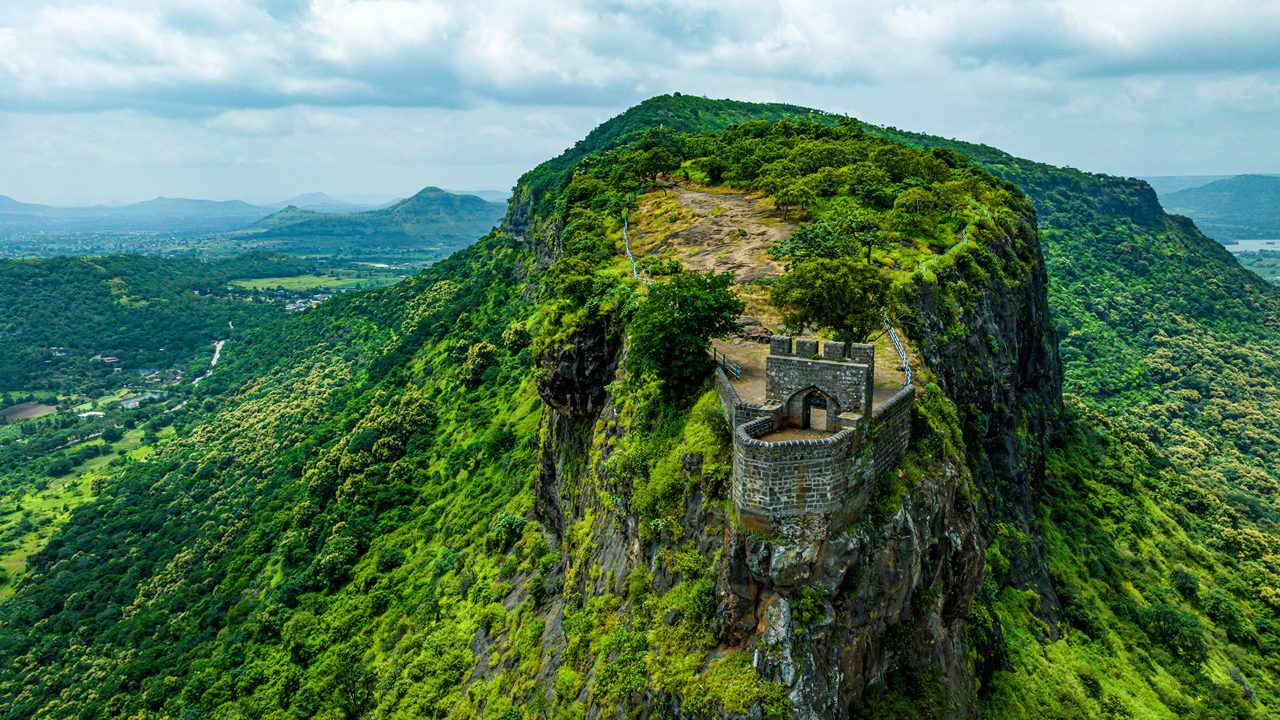
Pune: Complete Travel Plan Places And Weather
Complete Pune travel guide featuring Shaniwar Wada, Aga Khan Palace, cultural attractions, day trips & practical tips.
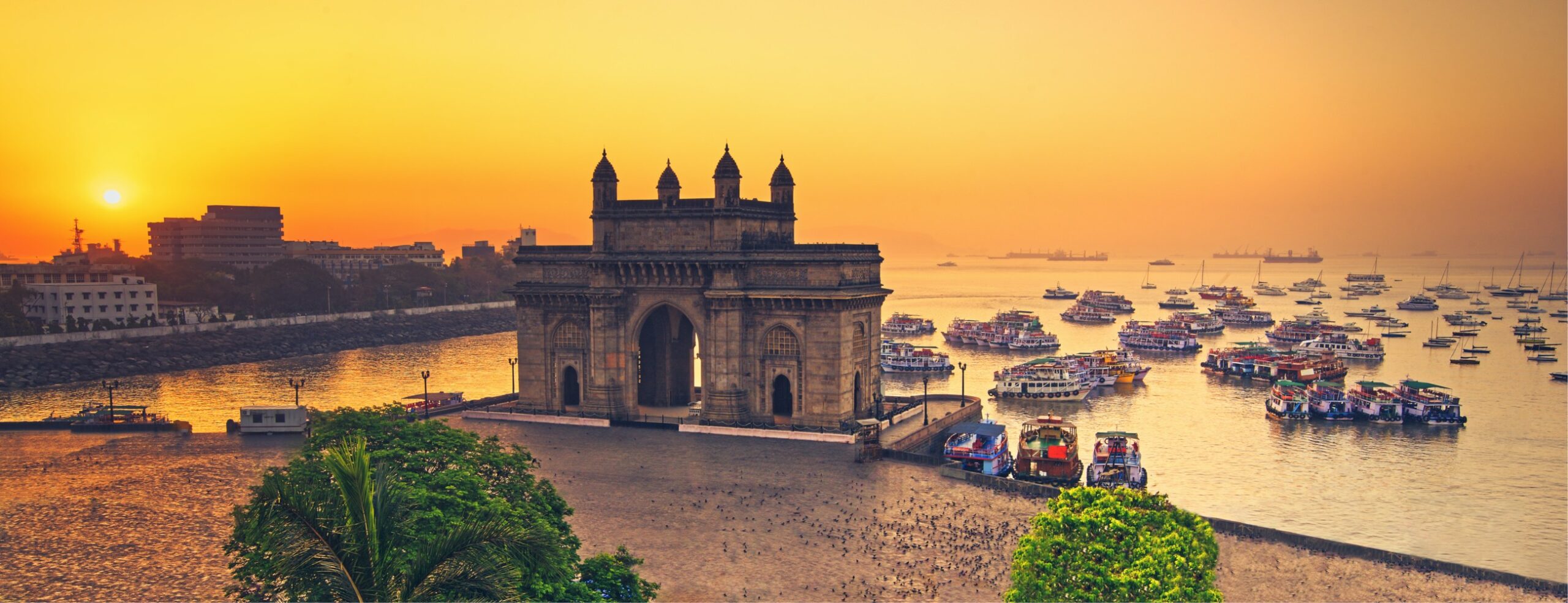
Mumbai: Complete Travel Plan Places And Weather
Complete Mumbai travel guide featuring Gateway of India, Marine Drive, Elephanta Caves, Bollywood, best time to visit & practical tips.
Never Miss an Adventure
Get the latest trekking guides, travel tips, and exclusive offers delivered straight to your inbox.
