
Lohagad Fort Lonavala: Trek Guide & Tips

Ananya Sharma
January 4, 2026
Complete trek guide to Lohagad Fort near Lonavala. Discover history, architecture, trek difficulty, best time to visit, how to reach from Mumbai/Pune, and practical trekking tips.
Introduction: Iron Fort of Maharashtra
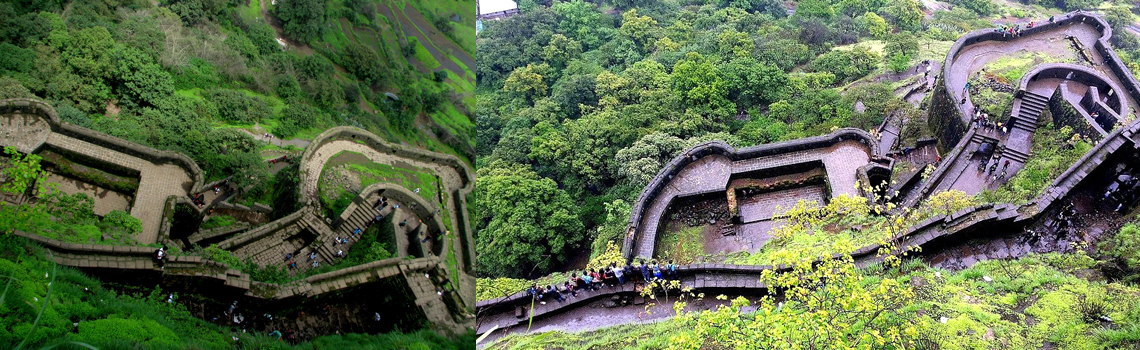
Rising dramatically above the Sahyadri mountain range, Lohagad Fort (Iron Fort) stands as one of Maharashtra's most majestic and accessible historical treasures. Located just 52 kilometers from Pune and 96 kilometers from Mumbai, this 18th-century fort offers trekkers and history enthusiasts the perfect blend of adventure, scenic beauty, and architectural wonder.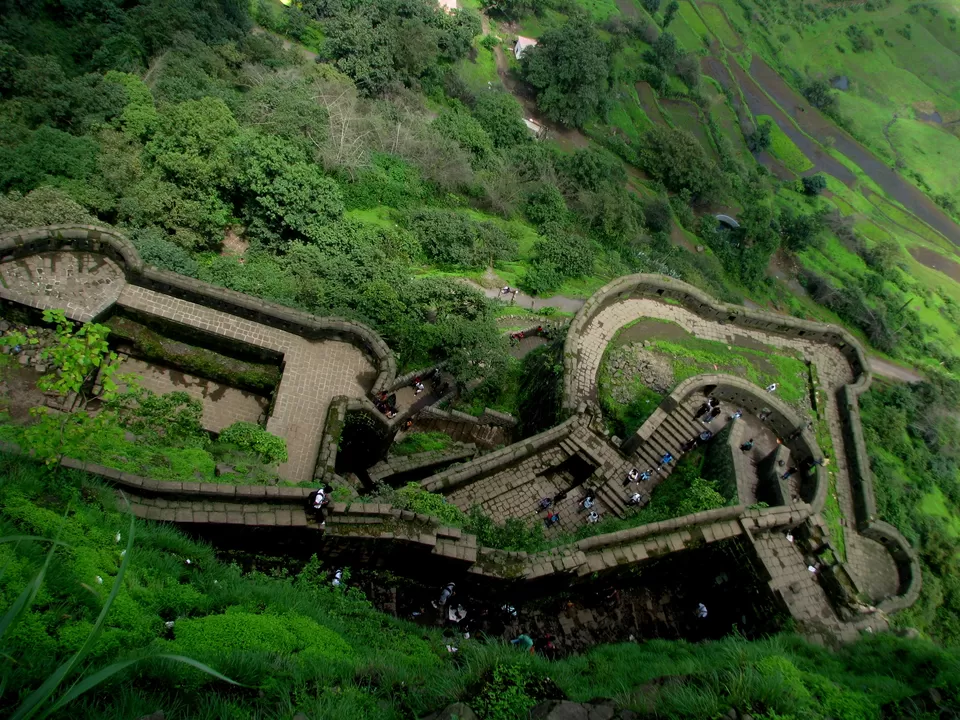 What makes Lohagad special is not just its impressive fortifications and fascinating history, but also its accessibility - making it one of the few forts near Lonavala that can be enjoyed by beginners and experienced trekkers alike.
The fort's name, Lohagad (Iron Fort), is well-earned - its massive stone walls have withstood centuries of battles, monsoons, and the passage of time. At an elevation of 1,033 meters above sea level, the fort offers panoramic views of the surrounding landscape, including the famous Pawna Lake and the lush green valleys of the Western Ghats. Whether you're a Mumbai resident looking for a weekend escape or a history buff exploring Maharashtra's rich heritage, Lohagad Fort promises an experience that's both enriching and exhilarating.
What makes Lohagad special is not just its impressive fortifications and fascinating history, but also its accessibility - making it one of the few forts near Lonavala that can be enjoyed by beginners and experienced trekkers alike.
The fort's name, Lohagad (Iron Fort), is well-earned - its massive stone walls have withstood centuries of battles, monsoons, and the passage of time. At an elevation of 1,033 meters above sea level, the fort offers panoramic views of the surrounding landscape, including the famous Pawna Lake and the lush green valleys of the Western Ghats. Whether you're a Mumbai resident looking for a weekend escape or a history buff exploring Maharashtra's rich heritage, Lohagad Fort promises an experience that's both enriching and exhilarating.
History of Lohagad Fort
Lohagad Fort's history spans several centuries, playing a significant role in Maharashtra's military and political landscape.Origins and Early History
The fort's origins trace back to the Satavahana dynasty, who ruled the region from around 200 BCE to 200 CE. However, the fort as we see it today was largely constructed during the Chhatrapati Shivaji Maharaj's reign in the 17th century. What makes Lohagad historically significant is that it was one of the few forts that Shivaji Maharaj captured not once, but twice - first in 1648 CE and again in 1670 CE.
Maratha Empire
Under the Maratha Empire, Lohagad served as a crucial treasury, storing the enormous wealth that the Marathas accumulated from their conquests. The fort's strategic location made it ideal for this purpose - it was easily defensible yet accessible when needed. The fort remained in Maratha control for most of its history, changing hands only briefly during various conflicts.
British Era
In 1818, the British East India Company captured Lohagad from the Marathas. The British recognized the fort's strategic importance and used it as a military outpost. Unlike many other forts that were destroyed or heavily modified by the British, Lohagad remained largely intact, which is why we can still appreciate its original architecture today.
Architecture & Features
Lohagad Fort's architecture represents the pinnacle of Maratha military engineering, with several features that make it unique among Maharashtra's forts.Four Massive Gates
The fort has four entrances (Ganesh Darwaja, Narayan Darwaja, Hanuman Darwaja, and Maha Darwaja), each strategically designed to provide maximum defense. The gates are impressive structures with intricate carvings and sturdy construction that have withstood centuries of weather. Each gate has its own character and purpose, with the Maha Darwaja (Main Gate) being the most magnificent.
Vinchukata (Scorpion Tail)
One of Lohagad's most unique features is Vinchukata - a fortified spur that resembles a scorpion's tail. This 1,500-meter-long wall extends from the main fort and provided additional defense against invading armies.
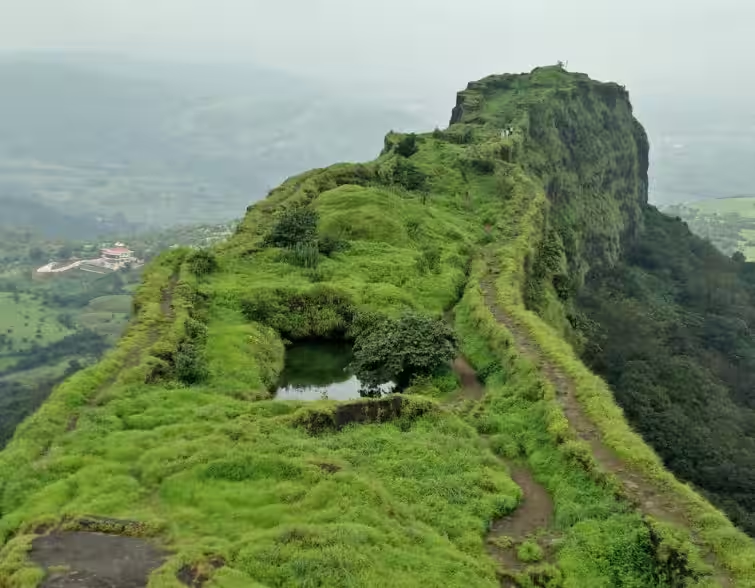 The wall is about 1.5 meters wide and follows the natural contour of the mountain ridge, creating a spectacular sight from below.
Dargah
Atop the fort, you'll find a dargah (shrine) that reflects the syncretic culture of the region. This religious structure stands as a testament to the peaceful coexistence of different faiths that has characterized Maharashtra for centuries.
Water Tanks and Caves
The fort has several water tanks that could store water for months during sieges. These tanks, carved directly into the rock, showcase the advanced engineering capabilities of the fort's builders. There are also several caves on the fort that provided shelter for soldiers and storage for supplies.
Best Time to Visit
Choosing the right time to visit Lohagad Fort can significantly enhance your experience.| Season | Best For | Experience |
|---|---|---|
| June-September | Lush greenery, waterfalls | Monsoon magic |
| October-February | Clear views, pleasant weather | Ideal trekking conditions |
| March-May | Early morning treks | Hot but manageable |
Monsoon (June-September)
Monsoon is undoubtedly the best time to visit Lohagad Fort. The entire region comes alive with lush greenery, and numerous waterfalls cascade down the fort's walls.
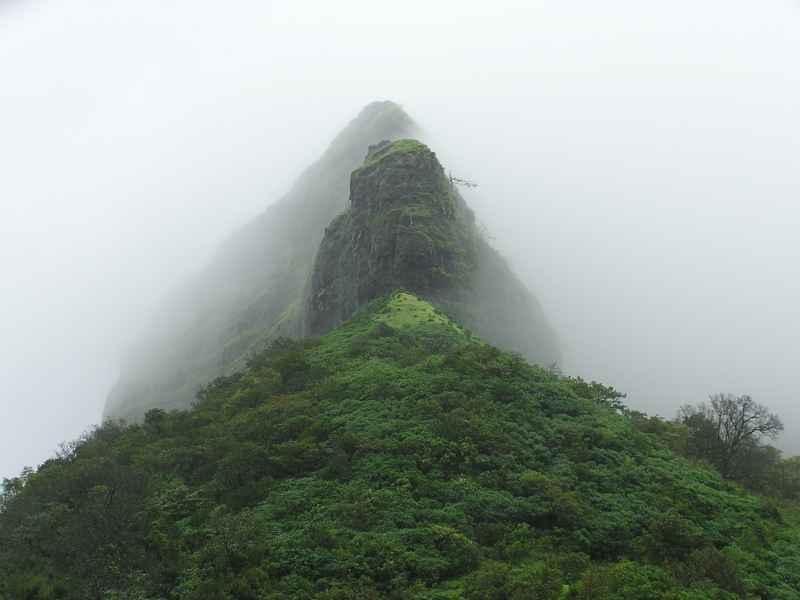 The trek becomes magical as you walk through clouds and mist. However, the rocks can be extremely slippery, so proper footwear and caution are essential. Weekends during monsoon are crowded with trekkers.
Winter (October-February)
Winter offers clear skies and excellent visibility. The views from the top are spectacular, and the pleasant weather makes trekking comfortable. Early mornings can be chilly, so carry a light jacket. This is the best time for photography and for those who prefer less challenging trekking conditions.
Summer (March-May)
Summer can be hot and humid. The trek is still doable if you start early morning (around 6 AM) to avoid the midday heat. Carry plenty of water and protect yourself from the sun. The landscape is dry and brown compared to monsoon, but the fort's architecture is more visible without the vegetation cover.
Trek Difficulty & Duration
One of Lohagad's biggest advantages is its accessibility to trekkers of all experience levels.Difficulty Level
Lohagad Fort trek is rated as EASY to MODERATE. Unlike many other forts in the Sahyadri range, Lohagad has a well-defined path that doesn't require technical climbing skills. The gradient is gentle for most of the trek, with a few steep sections that are manageable for most people. Beginners attempting their first fort trek will find Lohagad welcoming and confidence-building.
Trek Duration
The trek to the top takes approximately 2-3 hours one way. From the base village (Lohagadwadi), it's about 4 kilometers to the fort summit. Most trekkers take 1.5-2 hours to ascend, depending on fitness level and how often you stop for photos and rest. The descent typically takes 1-1.5 hours. Plan for 4-5 hours total if you want to explore the fort thoroughly at the top.
Trek Route
The main trekking route starts from Lohagadwadi village. The path is well-marked and mostly consists of stone steps.
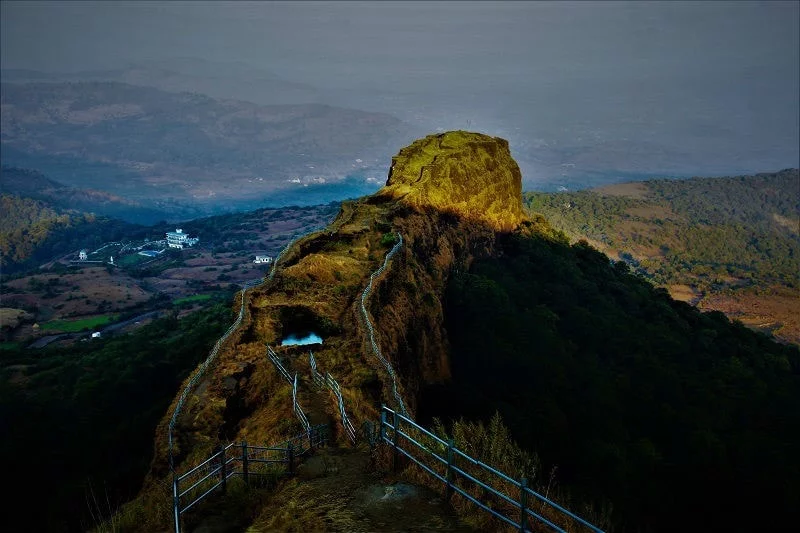 You'll pass through the four magnificent gates, each offering great photo opportunities. The final section involves some rock-cut steps that can be slightly challenging but are safe for most people. The path is shaded in sections, providing relief from the sun.
Fitness Requirements
Basic fitness is sufficient for Lohagad. If you can climb 4-5 flights of stairs without getting exhausted, you can complete this trek. The altitude gain is moderate (about 340 meters from base to summit). The trek is suitable for children, senior citizens, and first-time trekkers. Take breaks as needed and carry water to stay hydrated.
How to Reach
Reaching Lohagad Fort is straightforward, with good connectivity from both Mumbai and Pune.From Mumbai
Lohagad Fort is approximately 96 kilometers from Mumbai. The most convenient way is to take a train from Mumbai to Lonavala (all Mumbai-Pune trains stop at Lonavala). From Lonavala station, you can hire a taxi or auto-rickshaw to Lohagadwadi village (the base). The taxi ride takes about 30-40 minutes. By road, it's a 2-3 hour drive depending on traffic.
From Pune
Pune is closer at approximately 52 kilometers. Take a train from Pune to Lonavala (1.5-2 hours) or Malavli (closer, fewer trains). From Lonavala/Malavli station, hire local transport to Lohagadwadi. By road, it's a 1.5-2 hour drive from Pune. Many people drive down from Pune for a day trip to Lohagad.
Base Village: Lohagadwadi
Lohagadwadi is the base village from where the trek begins. The village has basic facilities including small shops selling water, snacks, and refreshments. Parking is available if you're driving. The village serves as the starting point, and you can also hire local guides here if needed.
Things to Carry
Proper preparation ensures a safe and enjoyable trekking experience.Essential Items
Footwear: Good trekking shoes with excellent grip are non-negotiable, especially during monsoon when rocks are slippery. Avoid wearing sandals or new shoes that haven't been broken in.
Water: Carry at least 2 liters of water per person. There are no water sources on the trek, and staying hydrated is crucial, especially in summer.
Snacks: Energy bars, chocolates, fruits, or sandwiches for quick energy boosts during the trek.
Rain Gear: During monsoon, carry a rain jacket or poncho. The weather can change suddenly.
Sun Protection: Sunscreen, hat, and sunglasses for summer treks.
First Aid: Basic first aid kit with band-aids, antiseptic, and any personal medications.
Camera: For capturing the stunning views and fort architecture.
Recommended Items
Carry some cash for buying refreshments at the base village. A power bank for your phone is useful. A lightweight backpack to hold all your essentials comfortably. Trekking pole if you prefer extra stability, though not necessary for this trek.
Location
Frequently Asked Questions
Q1.How difficult is Lohagad Fort trek?
Q2.Is there an entry fee for Lohagad Fort?
Q3.What is the best time to visit Lohagad Fort?
Q4.How do I reach Lohagad Fort from Mumbai?
Q5.How do I reach Lohagad Fort from Pune?
Q6.How long does it take to climb Lohagad Fort?
Q7.Is Lohagad Fort open in monsoon?
Q8.What should I carry for Lohagad Fort trek?
Q9.Is Lohagad Fort suitable for beginners?
Q10.What are the timings for Lohagad Fort?
Recommended For You
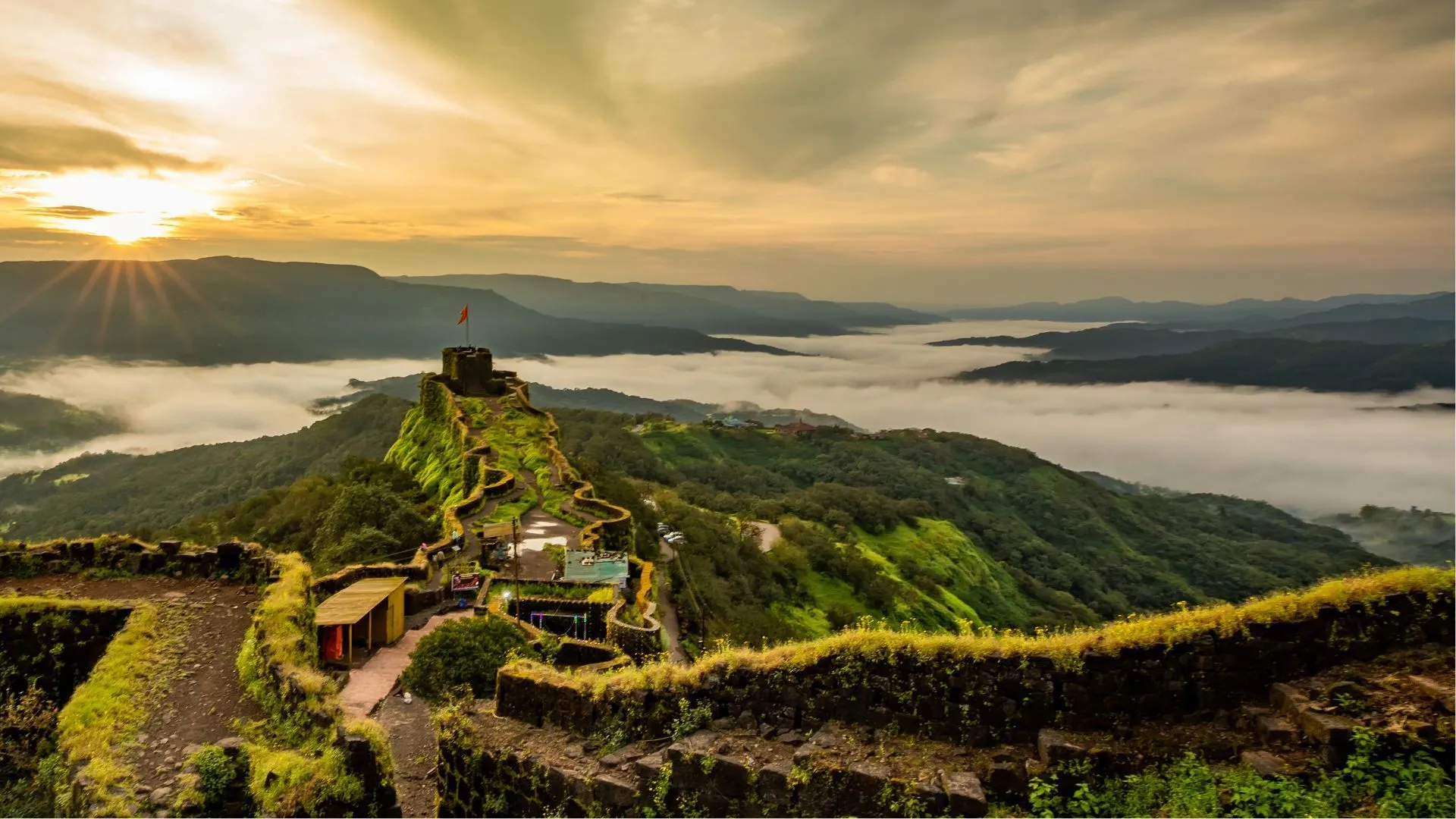
Places to Visit in Maharashtra: Beaches, Forts & Hill Stations
Explore top places to visit in Maharashtra across Mumbai, Pune, Ajanta Ellora, hill stations, Konkan beaches, and pilgrimage routes with travel tips.

New Year Celebration in Maharashtra: Top Cities, Parties & Events
Find the best New Year celebration options in Maharashtra across Mumbai, Pune, Lonavala, and coastal destinations with practical planning tips.
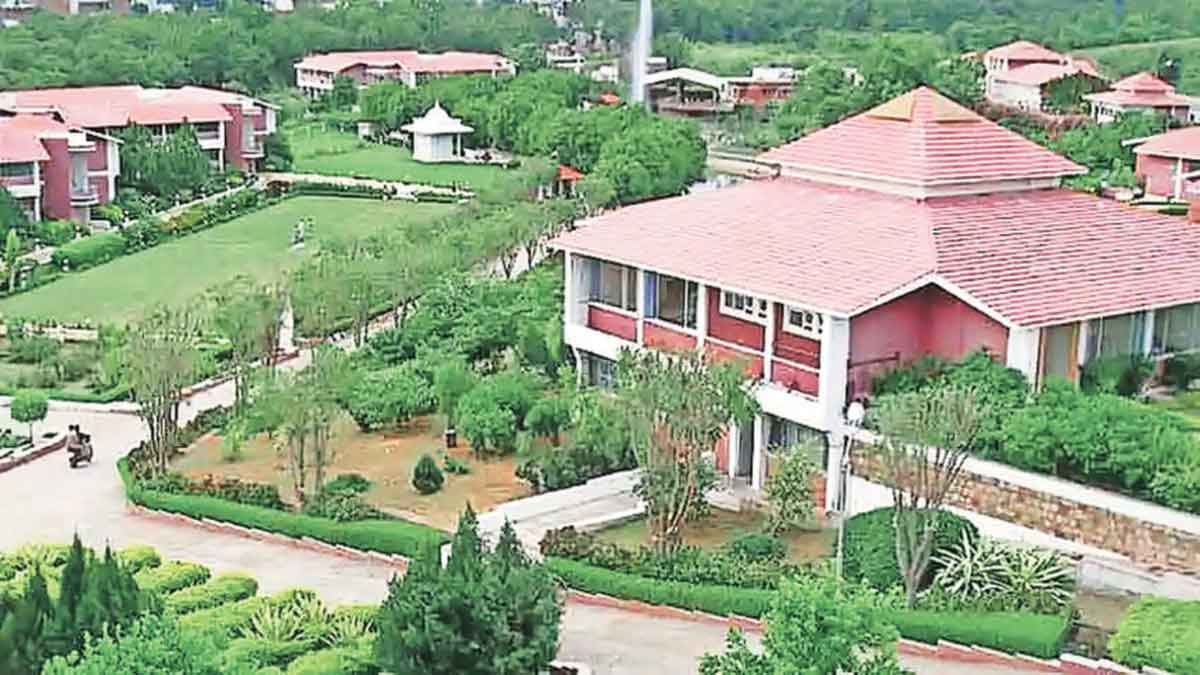
Hiware Bazar Maharashtra: Model Village Story & Visit Details
Visit Hiware Bazar Maharashtra to understand India's model village story with practical insights on water conservation, rural governance, route planning, and responsible travel.
Never Miss an Adventure
Get the latest trekking guides, travel tips, and exclusive offers delivered straight to your inbox.
