
Mahatma Gandhi Statue Pondicherry: Promenade Landmark & Best Visit Time

Neha Kapoor
February 20, 2026
Visit Mahatma Gandhi Statue Pondicherry with history, promenade planning, nearby landmarks, and practical tips for a better heritage walk experience.
Introduction: Pondicherry's Most Recognizable Landmark
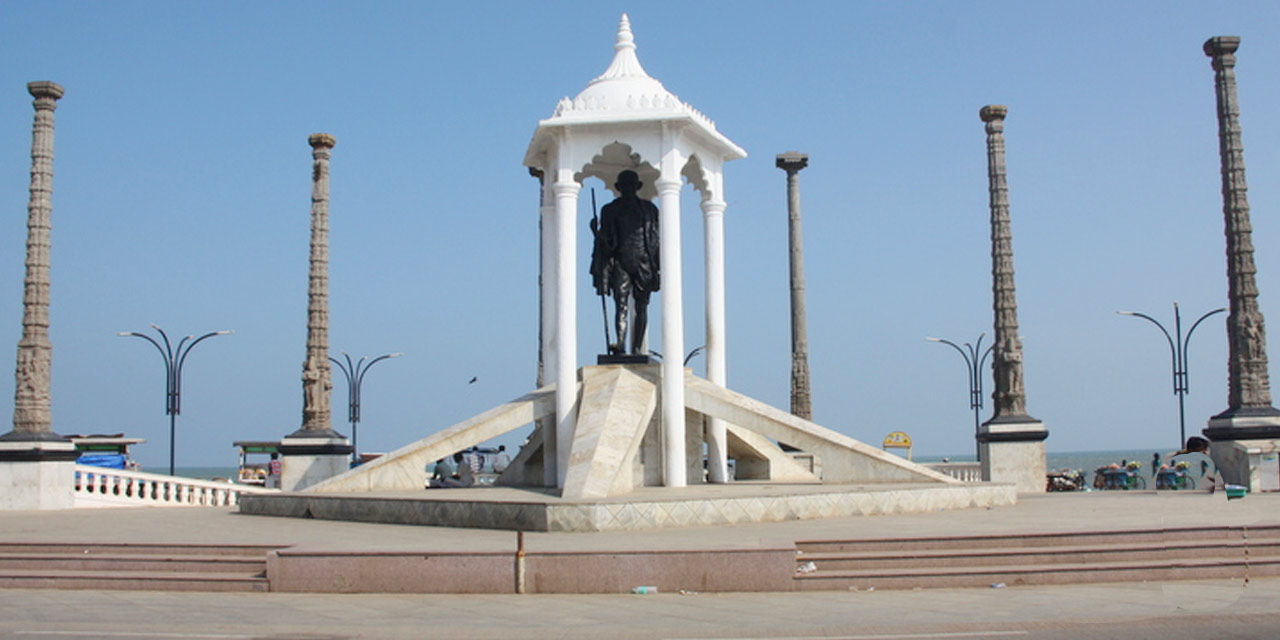
The Mahatma Gandhi Statue at Pondicherry Promenade is one of the city's most photographed and visited heritage points. Positioned along Beach Road near Rock Beach, it serves as a cultural anchor for visitors exploring White Town, waterfront walking circuits, and nearby colonial-era landmarks. While many travelers treat it as a quick photo stop, the area around the statue offers deeper context through architecture, memorial spaces, and public life on the promenade.
This guide covers history, layout, best visiting windows, nearby attractions, and practical route planning. For stronger local context, pair this with French War Memorial, colonial landmark mapping through Statue Dupleix, and heritage depth from Arikamedu Pondicherry.
About the Statue and Historical Meaning
The statue represents Mahatma Gandhi in a walking pose and functions as a symbolic reminder of peace, civic conscience, and India's freedom memory in a city shaped by layered Indian and French influences. Its placement on the promenade gives it both ceremonial and everyday significance, as locals and travelers pass through this public space across sunrise and evening periods.
Visitors who spend time here beyond a quick snapshot usually gain better insight into how Pondicherry's waterfront identity blends heritage and contemporary city life.
Mandapam Structure and Architectural Context
The surrounding mandapam-style canopy and columned framing create a formal visual setting for the statue. This architectural treatment helps the site function as both memorial and civic gathering point. The clean axis to the promenade and sea-facing orientation make it one of the strongest visual anchors on Beach Road.
For photographers, symmetrical framing and early light make this zone especially rewarding. Evening illumination gives a different mood and works well for slower heritage walks.

Promenade Beach Experience
The Gandhi Statue visit is best combined with a broader Promenade Beach circuit. This stretch is known for sea-facing walking, landmark clusters, and social evening activity. Since sections can become vehicle-restricted during peak hours, walking is often the most efficient way to cover the area. Keep your route simple: statue, memorial stops, waterfront break, and one nearby cafe or heritage building.
Unlike sandy beaches, this zone is more about coastal atmosphere, public space, and landmark continuity than swimming activity.
Best Time to Visit
Early morning offers cooler weather, calmer footfall, and softer photography conditions. Late evening provides stronger local energy, lights, and social atmosphere. Midday visits are possible but less comfortable in warmer months. If your trip is short, sunrise plus a nearby breakfast circuit is often the highest-value option.
Festival and holiday windows can increase crowd levels, so plan extra movement buffer if you want relaxed viewing.
Nearby Attractions to Pair in One Route
- French War Memorial: Good historical context and visual continuity.
- Statue Dupleix: Colonial-era reference point on heritage circuits.
- Church and cathedral zone: Works well for architecture-focused walkers.
- Rock Beach promenade: Best for evening atmosphere and city watching.
A half-day heritage walk can comfortably include these without rushing.

Visitor Logistics and Photography Tips
| Item | Recommendation | Benefit |
|---|---|---|
| Visit window | Sunrise or evening | Better comfort and visuals |
| Duration | 30-60 minutes at statue area | Enough for context and photos |
| Route type | Walk-based promenade loop | Efficient nearby exploration |
Use wide-angle shots for full mandapam framing and side-angle compositions for sea-backdrop perspective.
Detailed Planning Framework for Pondicherry Promenade and Gandhi Statue zone
The easiest way to improve trip quality in Pondicherry Promenade and Gandhi Statue zone is to treat each day as a three-block plan: one anchor experience, one supporting experience, and one buffer block. The anchor is your non-negotiable highlight. The supporting block adds depth without creating fatigue. The buffer absorbs delays, weather shifts, or longer queues. Most travelers lose quality when they stack too many attractions without realistic transition time. A simple framework with fewer commitments usually produces a richer result because you spend real time at each place instead of collecting rushed check-ins. This also helps group travel where interests vary and energy levels are different throughout the day.
Another useful approach is to plan around local rhythm. Early hours are usually better for photography, calmer movement, and meaningful observation. Midday often works best for indoor experiences, meals, and transport between areas. Evenings are ideal for waterfront walks, market circuits, or cultural performances. By aligning your route with these natural windows, you reduce friction and increase comfort. Keep one optional stop near your base so even if plans change, the day still feels complete. This method is especially effective for families and first-time visitors because it removes decision fatigue and makes each segment easier to execute.
Budget Control and Smart Booking Strategy
Budget control in Pondicherry Promenade and Gandhi Statue zone is less about finding the cheapest option and more about allocating spend to the moments that matter most. Start by deciding your priority: location convenience, food quality, guided access, or premium viewing. Then protect budget for that priority and optimize the rest. Many travelers overspend on last-minute transport and under-invest in advance reservations for high-demand experiences. If your itinerary includes peak-season dates, pre-book key tickets and one backup option. A flexible cancellation policy is often worth paying for because it protects you from weather or schedule disruptions.
Meal planning is another overlooked budget lever. A practical structure is one signature meal, one efficient meal, and hydration-focused snack stops. This keeps energy stable and avoids expensive impulse choices. For activities with fixed entry slots, add a 30-45 minute margin before and after so delays do not cascade across the day. Use digital maps offline, save booking confirmations in one folder, and keep small cash for quick purchases. These small details do not look exciting on paper, but they are the difference between a stressful itinerary and a smooth travel day that still leaves room for spontaneous discoveries.
Safety, Etiquette, and Responsible Travel
Responsible travel in Pondicherry Promenade and Gandhi Statue zone starts with local etiquette. Dress appropriately for cultural spaces, follow photography rules, and respect lines and access restrictions. If a site asks for silence, minimal disturbance, or no flash, treat those as core conditions rather than optional suggestions. Responsible behavior improves your own experience as much as it helps the destination. In crowded environments, keep valuables secure and avoid carrying more than you need during activity windows. Families should set clear meeting points in advance so short separations do not become stressful situations.
Safety planning should be practical and simple. Keep emergency contacts accessible offline, carry a light weather layer, and confirm return transport before evening hours if you are in an unfamiliar area. In waterfront or high-traffic zones, prioritize official viewing and walking areas over risky photo positions. If weather conditions change, shift to indoor alternatives quickly instead of forcing the original route. The best itinerary is not the one with maximum stops; it is the one that remains enjoyable and safe when real conditions change. Travelers who build this flexibility into their plan usually report better outcomes, better photos, and less end-of-day fatigue.
Conclusion
Mahatma Gandhi Statue Pondicherry is more than a landmark photo point; it is a meaningful start to understanding the city's waterfront heritage and public memory. With proper timing and a linked promenade route, you can turn a short stop into a complete cultural walk.
Plan a calm sunrise or evening session, combine nearby landmarks, and keep your pace slow for the best experience.
Advanced Local Insights for Pondicherry promenade heritage walks
Travel quality improves when you translate broad plans into realistic on-ground decisions. In Pondicherry promenade heritage walks, start each day with one clear objective, then assign supporting activities within the same geographic zone. This reduces backtracking and helps you conserve energy for high-value experiences. If weather, traffic, or crowd conditions change, switch to your nearest backup point rather than forcing the original route. The goal is not to preserve every planned stop, but to preserve the day's overall quality. Many travelers who use this approach end up with fewer rushed transitions and better memory value from each stop.
Another high-impact technique is to pre-decide thresholds for change. For example, if a queue exceeds a set limit, move to the next planned area. If transport delays exceed a set margin, activate a nearby alternative. These small rules remove indecision and prevent late-day schedule collapse. Pair this with deliberate meal timing and hydration windows, especially in crowded or climate-sensitive destinations. A structured but flexible method is the most reliable way to keep a trip enjoyable across all traveler types, from solo explorers to family groups with mixed priorities.
Finally, invest in context. Read basic cultural etiquette, check operating windows, and keep local emergency and transport contacts accessible offline. Respectful behavior at heritage, spiritual, or public spaces not only avoids friction but often results in a better and calmer experience. When you treat local norms as part of the itinerary rather than optional detail, the trip feels more connected and less transactional. In practice, this is often the deciding factor between simply visiting a place and actually understanding it.
Combine your visit with a short cafe break nearby to pace the walk and avoid midday heat stress on the promenade route. Nearby, the excavated trade port at Arikamedu and the colonial-era French War Memorial extend the heritage walk into Pondicherry's layered Roman-to-French past.
Location
Frequently Asked Questions
Q1.Where is Mahatma Gandhi Statue in Pondicherry?
Q2.What is the best time to visit Gandhi Statue Pondicherry?
Q3.Is there an entry fee for Gandhi Statue?
Q4.How much time is needed at the Gandhi Statue area?
Q5.Can I combine nearby attractions in one walk?
Q6.Is the area good for family visitors?
Q7.What should I carry for a promenade visit?
Q8.Is Rock Beach the same as a swimming beach?
Recommended For You
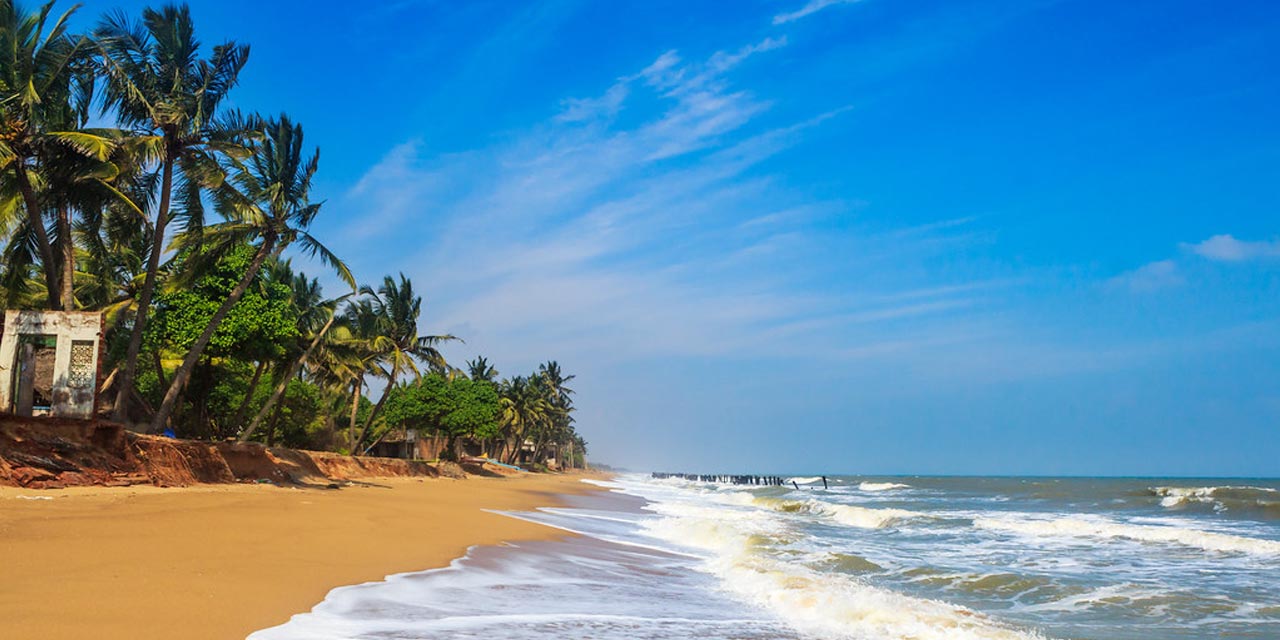
Auroville Beach Puducherry: Golden Sand & Sunrise Paradise
Discover Auroville Beach Puducherry - a pristine coastal paradise featuring golden sands, spectacular sunrise views, excellent surfing conditions, and peaceful atmosphere near the famous Auroville township. Complete travel guide with access, timings, activities, accommodation and tips.
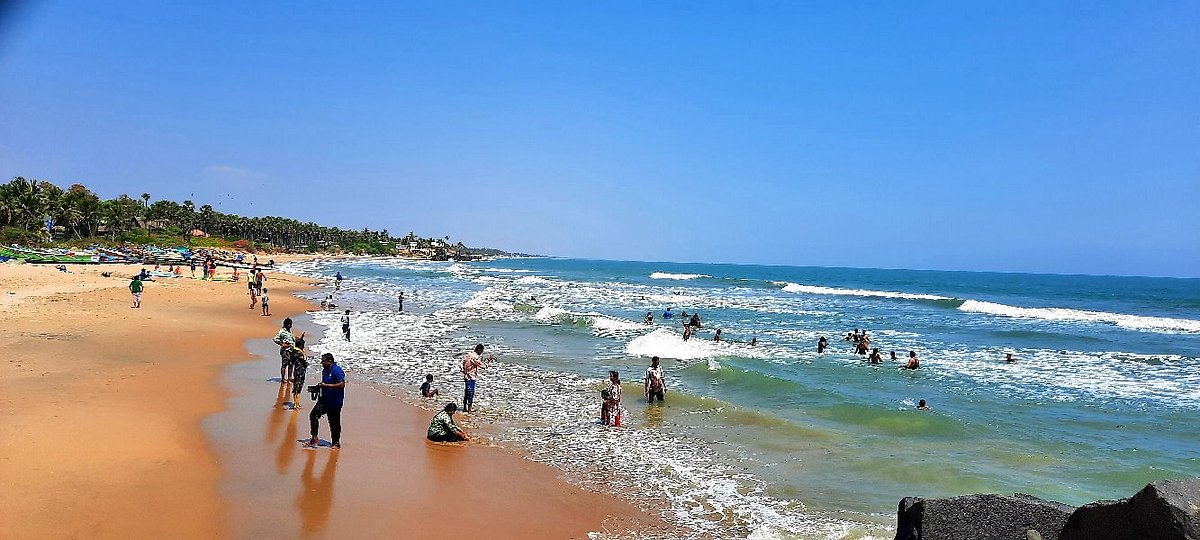
Best Beaches in Puducherry: Activities, Nearby Cafes & Stay Areas
Complete guide to the best beaches in Puducherry including Promenade, Serenity, Auroville, Paradise, and more. Discover surfing spots, timings, activities, and travel tips.
Bike Rentals in Pondicherry: Rates, Routes and Tips
Plan bike rentals in Pondicherry with practical checks, route logic, and safety tips for smooth and flexible city movement.
Never Miss an Adventure
Get the latest trekking guides, travel tips, and exclusive offers delivered straight to your inbox.
