
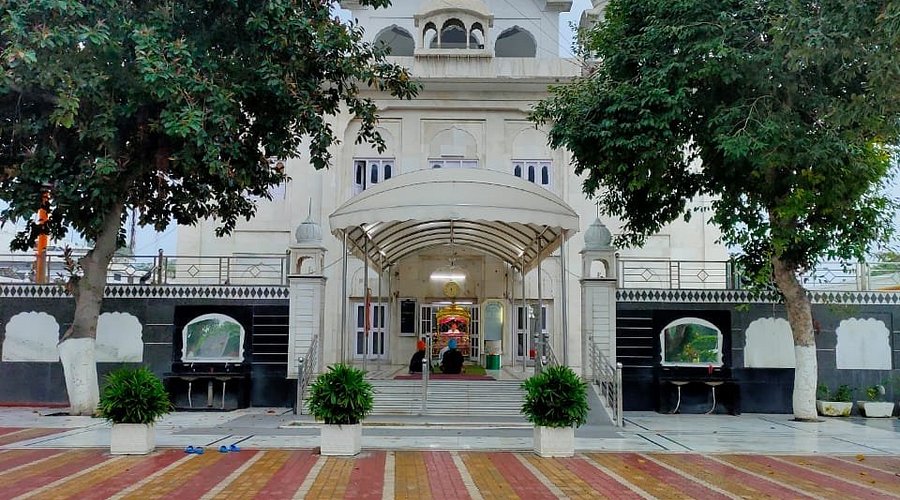
Majnu Ka Tilla Delhi: Tibetan Food, Markets & Monastery Walk

Rohan Malhotra
December 11, 2025
Explore Majnu Ka Tilla, Delhi's Tibetan colony. Discover authentic Tibetan culture, food, cafes, monasteries, shopping & how to reach. Complete travel guide.
Introduction: Little Tibet in Delhi
Hidden away in the busy streets of North Delhi lies a vibrant slice of Tibetan culture that feels worlds away from the bustling capital. Majnu Ka Tilla, often called Delhi's "Little Tibet," is a Tibetan refugee settlement that has evolved into one of the city's most captivating cultural destinations. Established in the 1960s, this compact colony offers an immersive experience into Tibetan life, complete with colorful prayer flags fluttering overhead, Buddhist monasteries, aromatic Tibetan cuisine, and warm hospitality that welcomes visitors with open arms. What makes Majnu Ka Tilla truly special is its authenticity. Unlike commercialized tourist spots, this is a living, breathing Tibetan community where traditions are preserved, and culture thrives. The narrow lanes are lined with Tibetan restaurants serving steaming momos and thukpa, shops selling handcrafted Tibetan artifacts, and monasteries where you can experience Buddhist prayer ceremonies. Whether you're a food lover, culture enthusiast, or simply seeking a unique Delhi experience, Majnu Ka Tilla offers something truly special. The area has become increasingly popular among Delhiites seeking an escape from the city's chaos. A visit here transports you to the Himalayan foothills without leaving the capital. From the moment you step into the colony, the aroma of Tibetan butter tea, the sight of maroon-robed monks, and the sounds of Tibetan conversations create an atmosphere that's both exotic and deeply welcoming.
History of Majnu Ka Tilla
The story of Majnu Ka Tilla is deeply intertwined with Tibetan history. The colony was established in the 1960s when Tibetan refugees fled their homeland following the 1959 Tibetan uprising and subsequent Chinese occupation. The Indian government offered refuge, and this small settlement near the Yamuna River became home to thousands of Tibetans who had to leave everything behind. The name "Majnu Ka Tilla" has an interesting origin story. It's named after a Sufi saint, Abdulla, who was nicknamed "Majnu" (meaning "crazy" in Persian) due to his intense devotion. Legend has it that he lived in this area during the Mughal era and was so devoted to spiritual pursuits that he was considered "mad" by worldly standards. The area became known as Majnu Ka Tilla (Majnu's Mound) long before the Tibetan settlement was established. When Tibetan refugees arrived here, they found a safe haven to rebuild their lives. What started as basic housing gradually transformed into a thriving community that preserved Tibetan culture, traditions, and way of life. Over the decades, the settlement has expanded and evolved, but it has retained its authentic character. Today, it stands as a testament to Tibetan resilience and a bridge between two rich cultures. The community has maintained strong ties with Tibetan Buddhism and the Dalai Lama's administration in Dharamshala. Many residents still speak Tibetan fluently, practice traditional customs, and participate in cultural activities. The colony has also become a center for Tibetan activism, with protests and awareness campaigns organized here regularly. Visiting Majnu Ka Tilla isn't just about exploring a tourist destination—it's about understanding a community's journey of displacement, resilience, and cultural preservation.Best Cafes and Restaurants
The heart of Majnu Ka Tilla lies in its incredible food scene. The cafes here are legendary, serving authentic Tibetan cuisine that rivals what you'd find in the Himalayan regions. These establishments range from humble momo joints to cozy cafes where you can linger for hours, savoring butter tea and people-watching. Dolma House is perhaps the most famous name here, known for its traditional Tibetan momos and thukpa. The momos are handmade fresh daily, with delicate wrappers and generous fillings. Their chicken momos and thukpa have earned a cult following among Delhi foodies. The ambience is simple and unpretentious—plastic tables, basic stools—but the food is outstandingly authentic. Wanchen Cafe offers a slightly more upscale experience with comfortable seating and a relaxed atmosphere. They're known for their extensive menu that includes not just momos and thukpa, but also Tibetan-style stir-fries, rice dishes, and specialty items. Their rooftop seating provides a peaceful retreat from the busy lanes below. Tee Dee is another local favorite, famous for its fried momos which are crispy, golden, and absolutely delicious. The portions are generous, and prices are incredibly budget-friendly. This is the kind of place where locals eat regularly, which is always a good sign. Other notable mentions include Bakthuk Kitchen, known for authentic Tibetan noodles, and Dolma Cafe, which offers a mix of Tibetan and Indian cuisine. What unites all these establishments is their commitment to authenticity—recipes passed down through generations, ingredients sourced carefully, and preparation methods that respect traditional techniques. For food enthusiasts looking for an in-depth exploration of the cafe scene here, our comprehensive guide to cafes in Majnu Ka Tilla covers everything from signature dishes to hidden gems and insider tips for the ultimate Tibetan food experience.
Popular Cafes Overview:
| Cafe Name | Specialties | Price Range | Best For |
|---|---|---|---|
| Dolma House | Traditional Momos, Thukpa | ₹100-180 | Authentic Tibetan Experience |
| Wanchen Cafe | Special Momos, Stir-fries | ₹150-250 | Rooftop Dining |
| Tee Dee | Fried Momos | ₹90-140 | Budget-Friendly |
| Bakthuk Kitchen | Noodle Soups | ₹120-200 | Comfort Food |
Tibetan Monastery
At the spiritual heart of Majnu Ka Tilla lies the Tibetan Buddhist monastery, a center of religious and cultural life for the community. This monastery is not just a place of worship but also a hub for cultural activities, language classes, and community gatherings. The moment you step inside, you're enveloped in an atmosphere of peace and spirituality. The monastery features traditional Tibetan Buddhist architecture with colorful murals depicting Buddhist deities and stories from the life of Buddha. Prayer wheels line the corridors, and devotees spin them clockwise while reciting mantras. The main prayer hall is adorned with thangkas (traditional Tibetan paintings), statues of Buddhist figures, and intricate woodwork. The scent of incense fills the air, adding to the meditative ambiance. Visitors are welcome to observe prayer ceremonies, which typically happen in the mornings and evenings. These ceremonies involve chanting of Tibetan Buddhist scriptures by monks in maroon robes, accompanied by traditional instruments like drums, bells, and cymbals. The chanting creates a mesmerizing, almost hypnotic atmosphere that's deeply moving even for non-Buddhists. The monastery also offers meditation sessions for visitors interested in experiencing Tibetan Buddhist meditation practices. These sessions are often conducted in English and provide an introduction to mindfulness techniques and Buddhist philosophy. It's a unique opportunity to learn from authentic practitioners. Visitor Guidelines:
- Dress Modestly: Ensure shoulders and knees are covered
- Maintain Silence: Speak softly and avoid disturbing worshippers
- Ask Permission: Request before taking photographs, especially during ceremonies
- Respect Customs: Walk clockwise around religious structures
- Remove Shoes: Take off footwear before entering the main prayer hall
Shopping and Markets
The shopping experience in Majnu Ka Tilla is a treasure hunt of unique Tibetan handicrafts, jewelry, and artifacts. Unlike the commercialized markets elsewhere in Delhi, the shops here are authentic, often run by Tibetans themselves, and offer items you won't find anywhere else in the city. Tibetan Jewelry is particularly popular, with shops offering beautifully crafted pieces using turquoise, coral, and silver—materials sacred in Tibetan culture. You'll find chunky silver bracelets, necklaces with traditional amulet boxes (ghau), and earrings featuring Buddhist symbols. Each piece carries cultural significance and is often handmade, making them truly unique souvenirs. Handicrafts and Artifacts include singing bowls, prayer flags, thangkas, and prayer wheels. Singing bowls, used in meditation and sound healing, come in various sizes and produce harmonic tones when struck. Colorful prayer flags (lung ta) are available in different lengths and feature Buddhist prayers printed in five colors representing the elements. Thangkas are intricate scroll paintings depicting Buddhist deities and scenes, requiring immense skill to create. Clothing and Apparel shops sell traditional Tibetan garments like chubas (the wrap-around dress) and modern adaptations. You'll also find cozy woolen sweaters, hats, and shawls perfect for cold weather. The quality is excellent, and prices are reasonable compared to tourist markets. Bookstores offer Tibetan literature, including Buddhist philosophy books, travel guides to Tibet, and books about Tibetan culture and history. Some also sell prayer books and Buddhist scriptures. It's a great place to learn more about Tibetan Buddhism and find resources for spiritual practice. Shopping Tips:- Negotiate Gently: Bargaining is acceptable but do it respectfully
- Ask Questions: Shop owners are happy to explain the significance of items
- Check Quality: Ensure jewelry and handicrafts are authentic
- Support Local: Your purchases support the refugee community
- Cash is King: While some shops accept cards, cash is preferred

Street Food Guide
The street food in Majnu Ka Tilla deserves a special mention—it's vibrant, delicious, and incredibly affordable. Beyond the cafes, the streets are lined with vendors selling quick bites that are perfect for snacking while exploring. Momos are, of course, the star attraction. You'll find vendors selling steaming plates of momos at incredibly low prices. What makes street momos special is their freshness—made in small batches throughout the day, ensuring each customer gets piping hot dumplings. The accompanying chutney is usually homemade and varies slightly from vendor to vendor, each with their unique spice blend. Tibetan Bread (Tingmo) is a soft, fluffy steamed bread that's a local favorite. It's slightly sweet and perfect on its own or paired with thukpa. Some vendors serve tingmo with butter or as a sandwich stuffed with vegetables or chicken. Noodle Varieties include quick stir-fried noodles and thukpa sold from large cauldrons. These are particularly popular during winter months when Delhi's cold weather makes a hot bowl of noodles incredibly appealing. Tea Houses dot the lanes, serving hot butter tea, sweet tea, and regular chai. These small establishments are perfect for a quick break between shopping sprees or meal hopping. Sipping butter tea while watching the world go by is one of the most authentic Majnu Ka Tilla experiences. Must-Try Street Food Items:- Steamed Momos: The classic version, perfect with spicy chutney
- Fried Momos: Crispy and golden, a popular variation
- Kothey: Pan-fried momos with crispy bottoms
- Thukpa: Hearty noodle soup, perfect for winters
- Tingmo: Soft steamed bread, great for dipping
- Butter Tea: Unique Tibetan beverage, an acquired taste
- Sweet Tea: Milder alternative to butter tea
How to Reach
Getting to Majnu Ka Tilla is straightforward, thanks to Delhi's excellent public transport system. The settlement is well-connected and accessible from various parts of the city.By Metro (Recommended)
The nearest metro station is Vidhan Sabha on the Yellow Line. From there, you have several options:- Auto-Rickshaw: The most convenient option, takes about 5-7 minutes and costs ₹30-50
- Walking: It's a pleasant 10-15 minute walk through local neighborhoods
- Cycle Rickshaw: Available outside the metro station, costs ₹20-30
By Road
Majnu Ka Tilla is located near ISBT Kashmere Gate, one of Delhi's major bus terminals. If you're arriving by bus from another city, you're already very close—just a short auto-rickshaw ride away.- From Central Delhi: 30-40 minutes by car depending on traffic
- From South Delhi: 45-60 minutes by car
- From Connaught Place: 25-35 minutes by car
Bus Connectivity
Several DTC (Delhi Transport Corporation) buses pass near Majnu Ka Tilla. Routes connecting Kashmere Gate, Civil Lines, and North Delhi areas serve the settlement. However, for tourists unfamiliar with the bus system, the metro-auto combination is more convenient.Transport Summary:
| Mode | Nearest Point | Time to Reach | Cost |
|---|---|---|---|
| Metro + Auto | Vidhan Sabha (Yellow Line) | 15-20 mins from metro | ₹40-80 total |
| Direct Auto/Taxi | From any Delhi location | Varies by location | ₹100-300 |
| DTC Bus | Routes via Kashmere Gate | Varies | ₹15-25 |
| Own Vehicle | Near GT Road | Varies by traffic | Parking challenges |

Best Time to Visit
Timing your visit to Majnu Ka Tilla can significantly enhance your experience. While the colony is open year-round, different times offer different vibes.Evenings (Recommended)
The evenings, particularly from 5:00 PM to 8:00 PM, are magical. The cafes are bustling, street food vendors are out in full force, and the entire area comes alive with energy. The cooler evening weather also makes exploring the lanes more comfortable. This is the best time for cafe hopping and enjoying the vibrant atmosphere.During Festivals
>Visiting during Losar (Tibetan New Year), which usually falls in February or March, offers a unique cultural experience. The entire colony celebrates with decorations, special food, cultural performances, and traditional ceremonies. It's crowded but culturally rich. Other important dates include Buddha Purnima and the Dalai Lama's birthday.Weekends vs. Weekdays
- Weekends: Crowded, vibrant, energetic. Great for soaking in the buzz but expect queues at popular cafes.
- Weekdays: Relaxed, quieter, more intimate. Better for leisurely exploration and photography.
Seasonal Considerations
- Winter (October-March): Best weather. Perfect for hot thukpa and butter tea. The most pleasant time to visit.
- Summer (April-June): Very hot. Visit during evenings or early mornings. Air-conditioned cafes provide relief.
- Monsoon (July-September): Humid with occasional rain. The lanes can get muddy, but the crowd is thinner.
Timing Summary:
| Time | Pros | Cons | Best For |
|---|---|---|---|
| Winter Evenings | Perfect weather, hot food | Crowded | Overall Experience |
| Weekday Afternoons | Quiet, relaxed | Hot in summer | Photography |
| Festivals | Cultural celebrations | Very crowded | Cultural Immersion |
| Sunday Mornings | Fresh food available | Getting crowded later | Early exploration |
Practical Tips for Your Visit
To make the most of your Majnu Ka Tilla experience, keep these practical tips in mind:- Cash is Essential: While some places accept digital payments, many small vendors and shops prefer cash. Carry sufficient cash for your visit.
- Wear Comfortable Shoes: The colony has narrow lanes and stairs. Comfortable footwear will make exploring much more enjoyable.
- Respect the Community: Remember that this is a living community, not a tourist attraction. Be respectful of residents, ask permission before photographing people, and maintain decorum near religious sites.
- Try Everything: Don't stick to just momos—explore thukpa, tingmo, butter tea, and other Tibetan specialties. This is the place to step out of your culinary comfort zone.
- Engage with Locals: Many cafe owners and shopkeepers are happy to share stories about Tibetan culture and the community's history. Don't hesitate to ask questions.
- Stay Hydrated: Delhi can be dehydrating. Carry water and stay hydrated, especially during summer visits.
- Plan for Time: Don't rush. Allow at least 3-4 hours to explore properly. A leisurely meal, monastery visit, and shopping will take time.
- Bargain Respectfully: When shopping, negotiate gently and respectfully. Remember that your purchases support the community.
Conclusion: Experience Tibet in Delhi
Majnu Ka Tilla is more than just a tourist destination—it's a cultural experience that stays with you. It offers a rare opportunity to immerse yourself in Tibetan culture without traveling to the Himalayas, and provides valuable insights into the story of a resilient community that has made Delhi their home while preserving their cultural identity. Whether you're savoring authentic momos, meditating in the monastery, shopping for unique handicrafts, or simply wandering through the colorful lanes, Majnu Ka Tilla offers moments of discovery at every turn. It's a reminder of Delhi's incredible diversity and the many cultures that coexist within this vibrant metropolis. The next time you're looking for something different in Delhi, skip the usual tourist trails and head to Majnu Ka Tilla. Let the prayer flags guide you through narrow lanes, let the aroma of butter tea lead you to cozy cafes, and let the warmth of Tibetan hospitality make you feel at home in this little corner of Tibet in the heart of India. For more Delhi experiences, explore our comprehensive guide to places to visit in Delhi, which covers all the major attractions in India's capital city.Location
Frequently Asked Questions
Q1.Where is Majnu Ka Tilla located in Delhi?
Q2.How to reach Majnu Ka Tilla by metro?
Q3.What is the best time to visit Majnu Ka Tilla?
Q4.Which are the best cafes in Majnu Ka Tilla?
Q5.What food is famous in Majnu Ka Tilla?
Q6.Is photography allowed in the monastery?
Q7.What can we buy from Majnu Ka Tilla?
Q8.What are the opening hours of cafes here?
Recommended For You
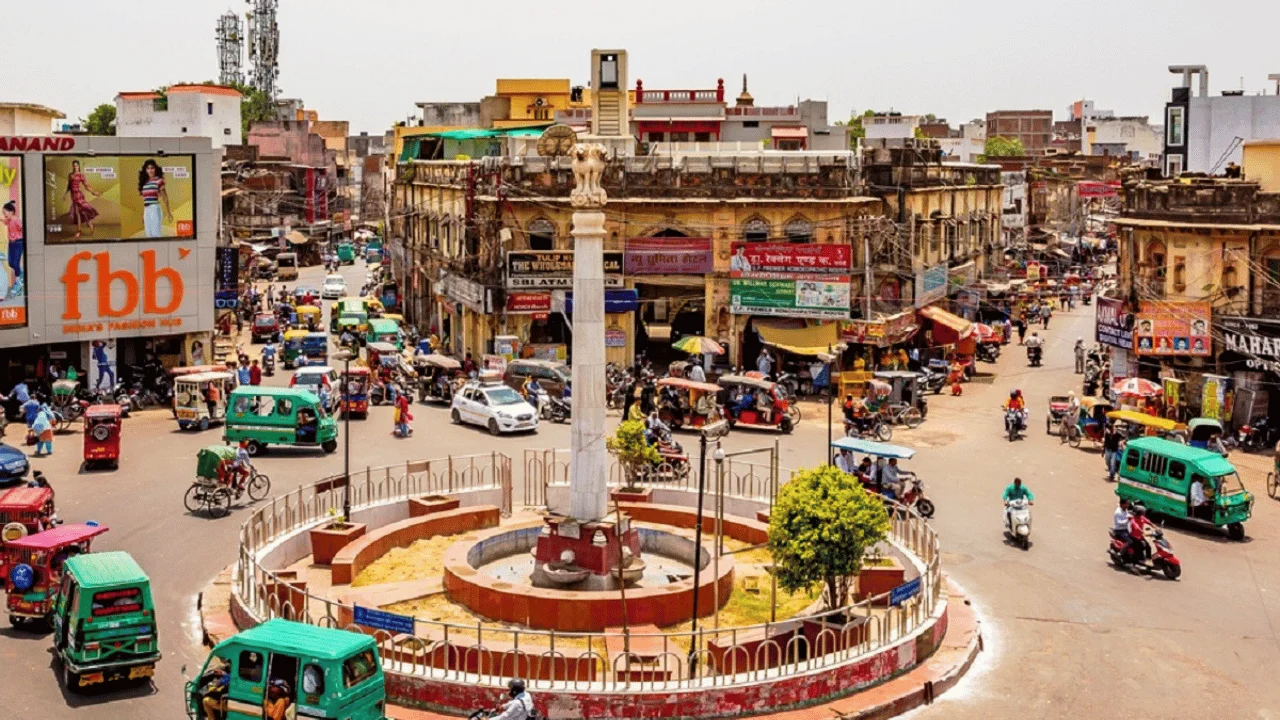
Chandni Chowk Delhi: Street Food Trail, Markets & Metro Access
Explore Chandni Chowk Delhi - Complete street food guide, shopping tips, timings & metro access. Famous for Paranthe Wali Gali, spice market & shopping.
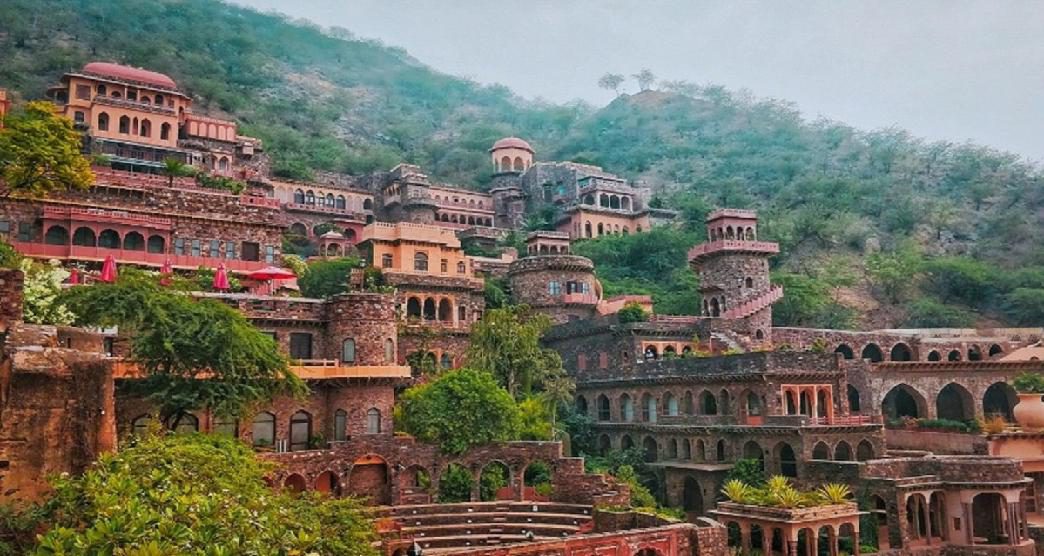
Best Places to Visit in Delhi: Monuments, Markets & Day Plans
Explore the best places to visit in Delhi including Red Fort, India Gate, Qutub Minar, Humayun's Tomb, Lotus Temple & Akshardham. Complete travel guide with timings, entry fees, and practical tips.
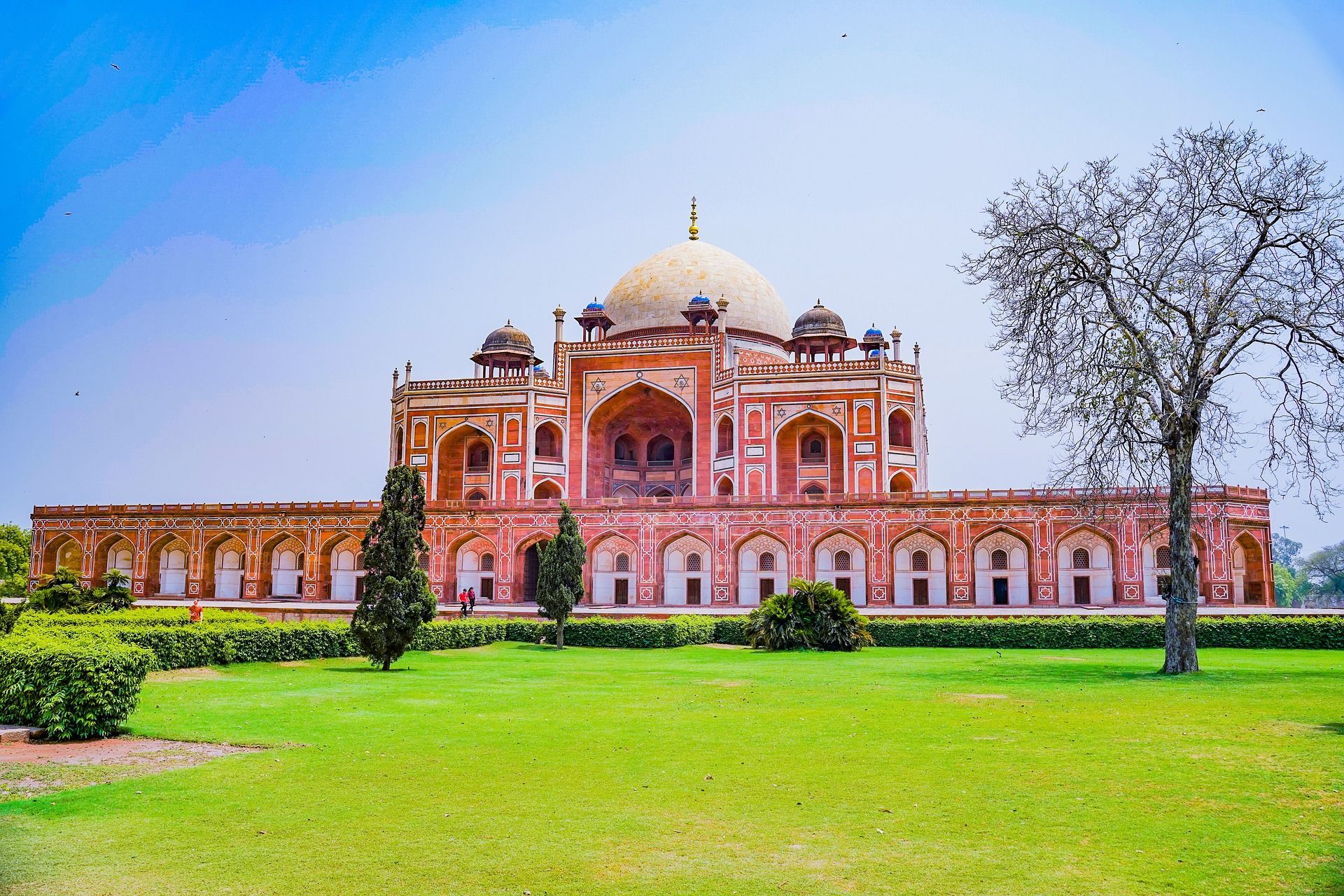
Historical Places in Delhi: Top 30 Heritage Monuments
Discover best historical places in Delhi! Find Red Fort, Qutub Minar, Humayun's Tomb, and complete travel guide to India's capital heritage monuments.
Never Miss an Adventure
Get the latest trekking guides, travel tips, and exclusive offers delivered straight to your inbox.
