
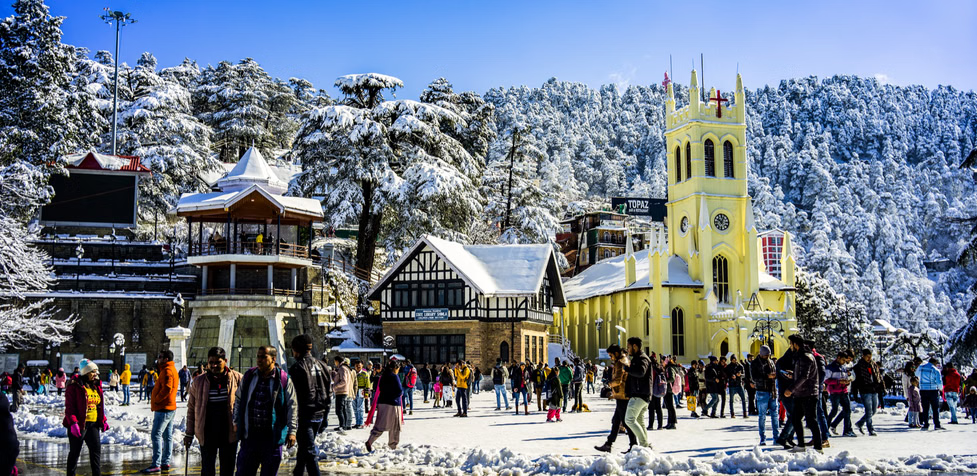
Shimla: Complete Travel Plan Places And Weather

Priya Mehta
February 25, 2026
Plan Shimla with practical day structures, seasonal timing, route efficiency, and balanced city-plus-nature travel ideas.
Why Shimla Still Works for First-Time Hill Travel
Shimla remains one of the most accessible hill destinations in India because it combines established infrastructure, scenic value, and straightforward planning. Families, couples, solo travelers, and weekend groups can all build manageable itineraries here. The city offers a mix of colonial heritage zones, market walks, viewpoints, and nearby excursion options.
The biggest mistake is treating Shimla as only a one-stop photo destination. The city performs best when planned in layers: core town walks, one nature loop, and one flexible session for weather adaptation. For circuit planning, pair this with one-day Shimla ideas, activity blocks from things to do in Shimla, and nearby route logic through trek options. For regional extension, compare with Himachal state routes.
Best Duration for Shimla
2 Days: Core city highlights and one viewpoint segment.
3 Days: Balanced city + one excursion + relaxed evening blocks.
4 Days: Best for slow travel, cafe culture, and nearby nature add-ons.
Trying to compress too much into one day usually reduces the hill-town experience quality.
When to Visit Shimla
Each season gives a different experience. Cooler months are ideal for crisp mountain atmosphere, while shoulder periods often balance comfort and crowd levels. Peak tourism windows can still be rewarding with early starts and pre-booked stays. Monsoon travel needs route flexibility and weather checks.
Choose timing based on your priority: views, weather comfort, or seasonal ambience.
How to Plan Daily Movement
Use a low-transfer structure: morning walkable cluster, midday rest or indoor break, evening local market and food block. Hill cities become tiring when you force constant back-and-forth movement. Group nearby stops and protect recovery windows.
If you are traveling with seniors or kids, one major outing per day is enough for a good experience.
Top Experiences to Include
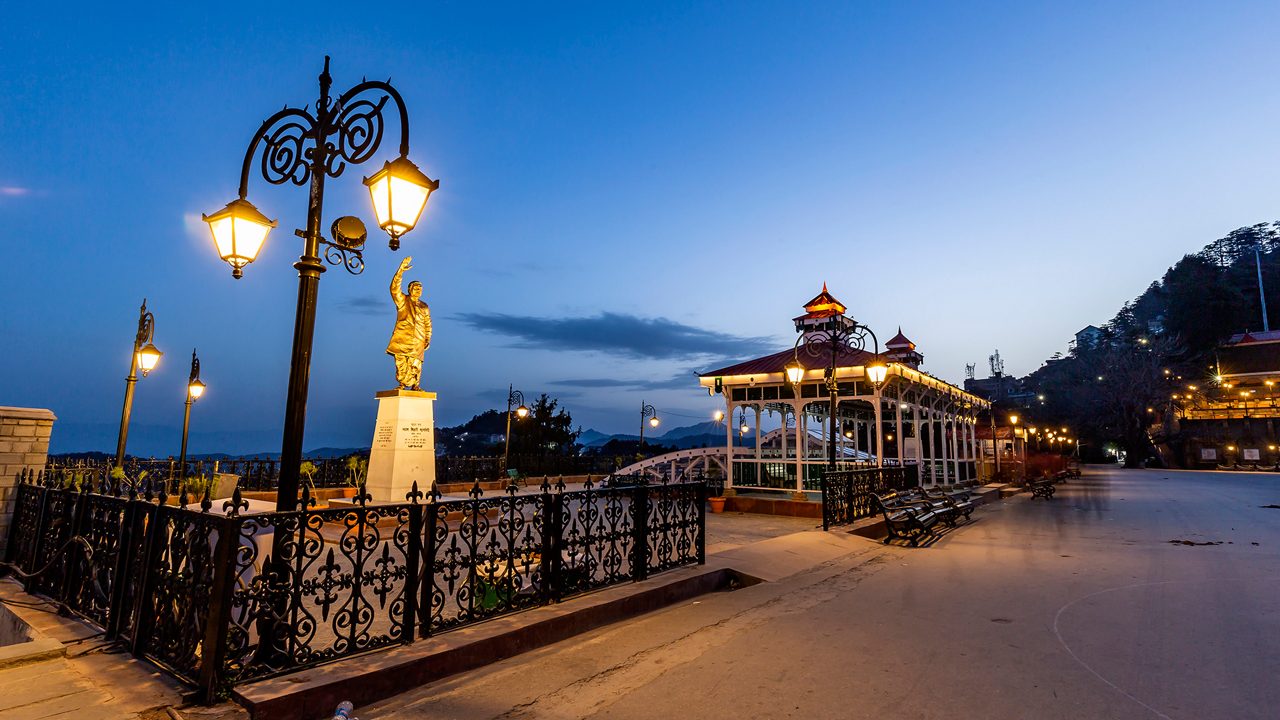
Mall Road and Ridge: urban-social core of Shimla.
Local heritage and architecture lanes: useful for slower cultural walks.
Nearby scenic drives or short trails: best kept for early day windows.
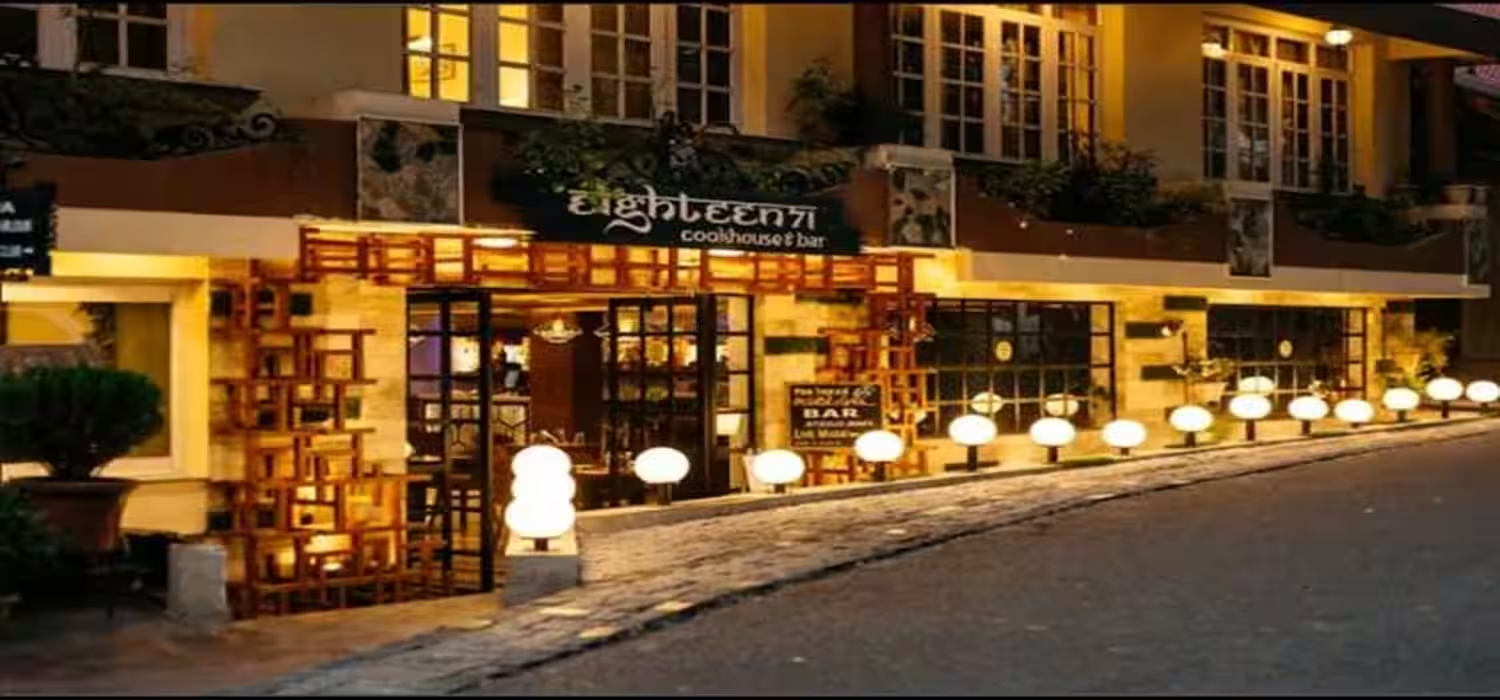
Food and cafe sessions: key part of hill-town rhythm.
Choose experiences that match your pace rather than copying dense itineraries.
Transport, Stay, and Comfort Notes
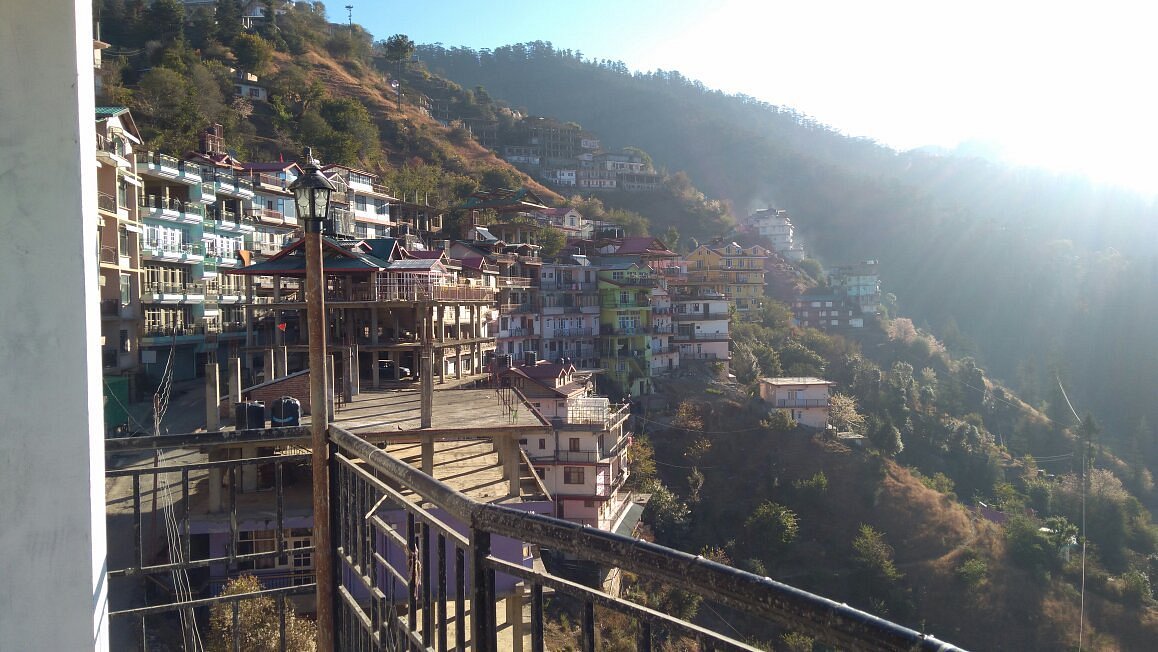
Choose accommodation based on practical access, not only view marketing. A beautiful property with difficult daily movement can reduce trip quality. Keep local transport flexibility and avoid late return plans in uncertain weather.
Carry layered clothing and comfortable shoes even in moderate seasons. Weather shifts can be quick in mountain towns.
Common Mistakes to Avoid
Overloading day plans, choosing far stays without transport planning, and ignoring weather buffers are common errors. Another issue is skipping rest and hydration in cold-weather excitement. Keep your structure simple and realistic.
Shimla rewards calm pacing and consistent route discipline.
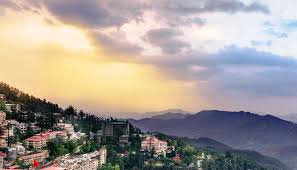
Detailed 3-Day Shimla Execution Plan
Day one should be light: check-in, short local orientation, and an evening walk near central social zones. Day two can carry your main outing with one scenic or heritage focus and controlled return time. Day three should balance one short activity with relaxed cafe or market time before departure. This format reduces hill travel fatigue and improves overall satisfaction.
Most Shimla itineraries fail when travelers attempt too many spots on day one itself. Let the city open gradually and the trip will feel much better.
Managing Weekend Crowds in Shimla
Peak weekends can increase movement friction in central zones. The solution is timing, not avoidance. Start earlier, finish key movement before peak evening, and keep one fallback indoor block. If your stay is two nights, use one early-morning session for quieter city experience and reserve crowded windows for low-priority social exploration.
Crowd-aware timing often improves experience more than changing destination altogether.
Shimla for Different Travel Profiles
Couples usually enjoy sunset walks, cafe pauses, and short scenic drives. Families benefit from low-complexity day plans and predictable food/rest windows. Solo travelers can combine heritage walks, reading cafes, and short day loops for a high-quality independent trip. The city is flexible enough for each style if daily movement is realistic.
Plan by traveler type rather than generic itineraries and Shimla becomes more rewarding.
How to Combine Shimla with Nearby Routes
If you have extra days, extend carefully. Add one nearby region with compatible travel time rather than forcing multiple distant extensions. Keep Shimla as a base or transition point with one recovery night before major route changes. This preserves comfort and improves continuity.
Hill travel works best when route expansion is deliberate, not impulsive.
Packing and Comfort Essentials
Layered clothing, comfortable shoes, hydration, and weather-adaptive accessories are essential in Shimla across seasons. Even moderate days can shift quickly in temperature. Keep one compact day bag ready for city walks and short loops.
Prepared travelers enjoy Shimla more because small discomforts don’t interrupt the day.
What to Do on Weather-Affected Days in Shimla
Bad weather does not mean a lost day in Shimla. Shift to short heritage walks between covered zones, cafe and reading blocks, and local food exploration. Keep movement compact and avoid steep sections in heavy rain or low visibility. This adaptive approach preserves trip quality and safety.
Many travelers overreact to weather and cancel entire days. In reality, flexible low-range plans can still deliver a meaningful hill-city experience.
Making Shimla Repeat-Friendly
If you revisit Shimla, build themed days: architecture, food, viewpoints, or nearby villages. This prevents repetition and deepens your understanding of the city. Repeat travel works best when each visit has one clear focus rather than trying to relive the same standard route.
Another practical tip is to protect one “buffer evening” in every Shimla trip. Use it for relaxed walks, recovery, and local food rather than fixed bookings. This single flexible slot absorbs weather delays and keeps the itinerary resilient. Trips with buffer windows usually feel more enjoyable and less rushed, especially in mountain environments where conditions can shift quickly.
Shimla rewards travelers who stay adaptive and intentional with daily energy.
For first-time mountain travelers, Shimla is a good place to learn hill-city pacing: start early, avoid overcommitting afternoon movement, and prioritize walkable clusters. These habits become useful for every future hill trip. If your itinerary is short, focus on quality experiences in fewer zones rather than trying to replicate long social-media checklists. Shimla rewards travelers who slow down and observe city rhythm instead of constantly switching locations.
Simple planning discipline can turn a standard trip into a highly memorable one.
Add one extra low-pressure morning block for local observation and unhurried breakfast to improve overall trip quality. This single change often makes Shimla itineraries feel more relaxed and complete, especially for first-time visitors balancing sightseeing with rest.
Travelers extending beyond two nights can also add one thematic day focused on either heritage architecture or local food culture. This keeps the itinerary fresh without requiring long-distance movement. Structured thematic days are useful when weather changes reduce visibility for scenic plans.
Another practical upgrade is to keep one final-hour flexibility buffer each day for weather or traffic shifts. This helps preserve trip mood and avoids rushed closures in mountain conditions.
Conclusion
Shimla is one of the most practical and rewarding hill-city trips in India when planned with moderate movement and seasonal awareness. Build your itinerary around walkable clusters, one daily highlight, and enough recovery time. With this approach, Shimla delivers a comfortable and memorable mountain experience across all travel styles.
Location
Frequently Asked Questions
Q1.How many days should I plan for Shimla?
Q2.Can Shimla be done in one day?
Q3.What is the best travel style for Shimla?
Q4.Is Shimla suitable for family travel?
Q5.What should I avoid?
Recommended For You
Places to Visit in Himachal Pradesh: Smart Route Planning for Mountains, Culture, and Adventure
Plan the best places to visit in Himachal Pradesh with route-based travel strategy, season planning, and practical corridor-wise itinerary tips.
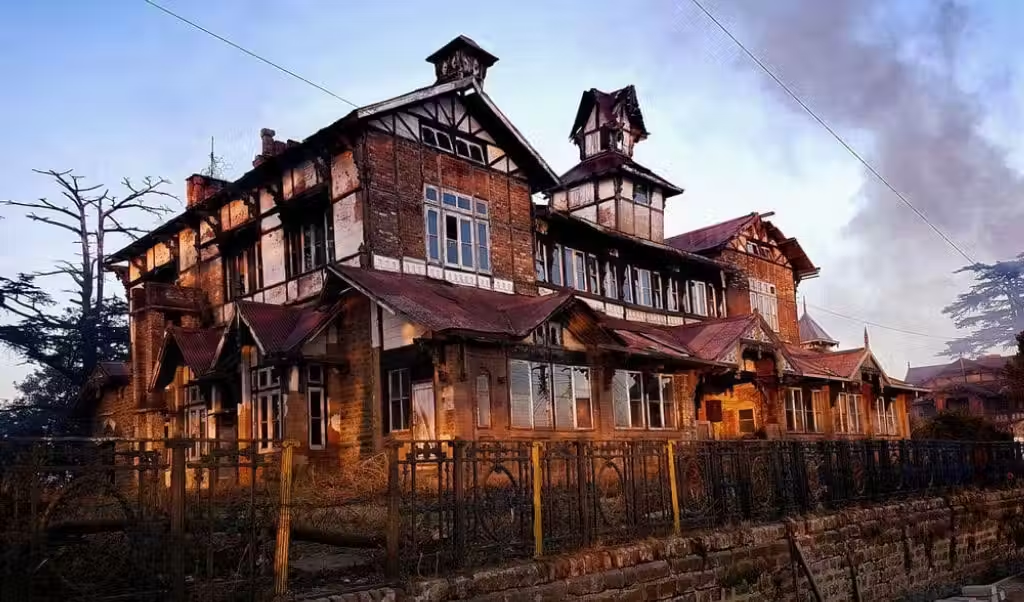
Haunted Places in Shimla: Spooky Spots & Ghost Stories
Discover haunted places in Shimla! Explore Tunnel 33, Charleville Mansion, IGMC Hospital & other spooky locations with ghost stories, history, and complete travel guide.
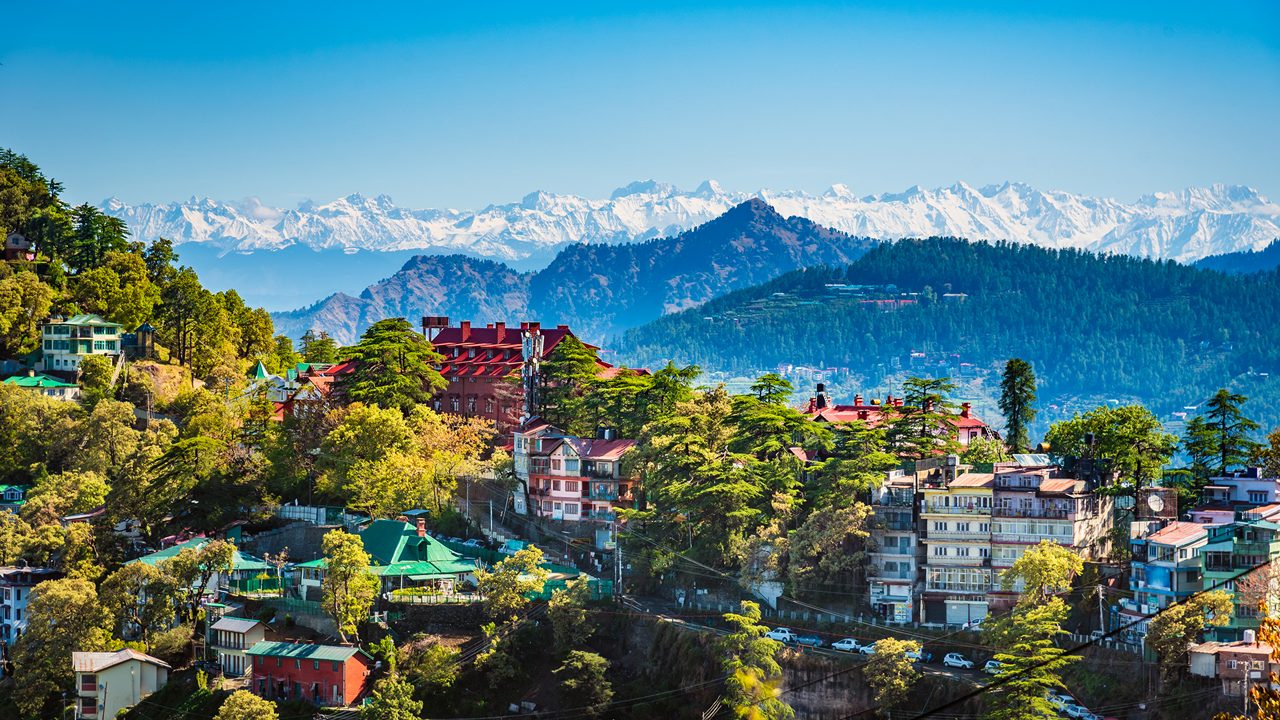
Top 10 Photography Spots in Shimla: Insta-Worthy
Discover the best photography spots in Shimla. From The Ridge & Christ Church to Toy Train & Viceregal Lodge. Capture stunning shots of the Queen of Hills.
Never Miss an Adventure
Get the latest trekking guides, travel tips, and exclusive offers delivered straight to your inbox.
