
Ladakh by Road: Complete Guide to Manali & Srinagar Routes

Ananya Sharma
January 18, 2026
Complete guide to traveling to Ladakh by road via Manali and Srinagar routes. Detailed itinerary, best time, vehicle preparation, acclimatization tips, costs, and essential information for this epic Himalayan road trip.
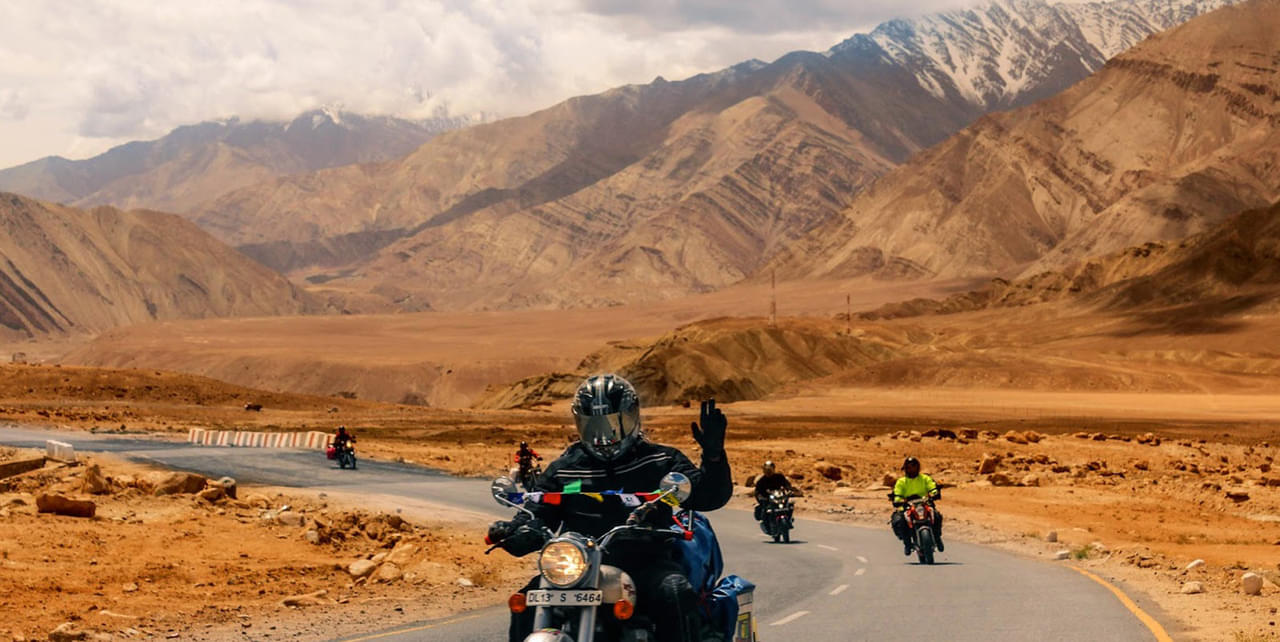
The journey to Ladakh by road is one of India's most epic adventures—a trans-Himalayan expedition that takes you through some of the world's highest motorable passes, past landscapes so dramatic they feel otherworldly, and into a region that has captured the imagination of travelers for centuries. Whether you choose the Manali-Leh Highway or the Srinagar-Leh Highway (or better yet, both!), driving to Ladakh is an experience that will stay with you long after you've returned home.
This comprehensive guide covers everything you need to know about traveling to Ladakh by road, from route details and best time to visit to vehicle preparation, altitude management, and insider tips that will make your journey safe, comfortable, and unforgettable.
Two Routes to Ladakh
There are two primary road routes to Ladakh, each offering dramatically different experiences:
Route 1: Manali-Leh Highway (NH 3)
Distance: 490 km
Duration: 2 days (recommended)
Best Time: Mid-May to October
Key Passes: Rohtang La (3,979m), Baralacha La (4,890m), Lachulung La (5,059m), Taglang La (5,328m)
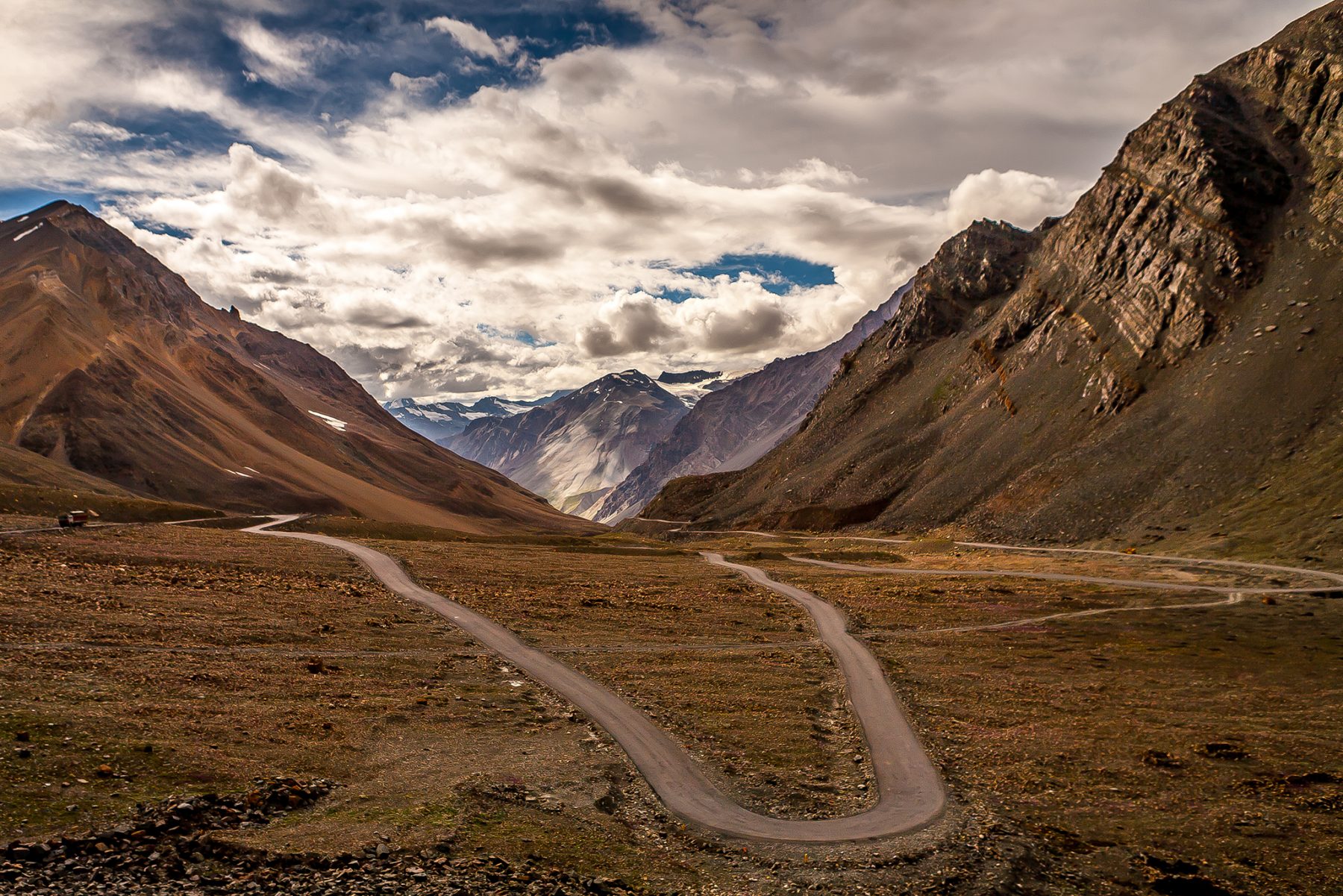
The Manali-Leh route is the more popular choice for adventure seekers. This highway crosses four high mountain passes, offers spectacular barren landscapes, and takes you through the breathtaking More Plains. The road is challenging, with rough surfaces, water crossings, and extreme altitude gain in a short period. It's an adventure that tests both you and your vehicle.
Popular Stops: Keylong, Jispa, Sarchu, Pang, Upshi, Leh
Route 2: Srinagar-Leh Highway (NH 1)
Distance: 434 km
Duration: 2 days (recommended)
Best Time: May to October
Key Passes: Zojila Pass (3,528m), Fotu La (4,108m), Namika La (3,719m)
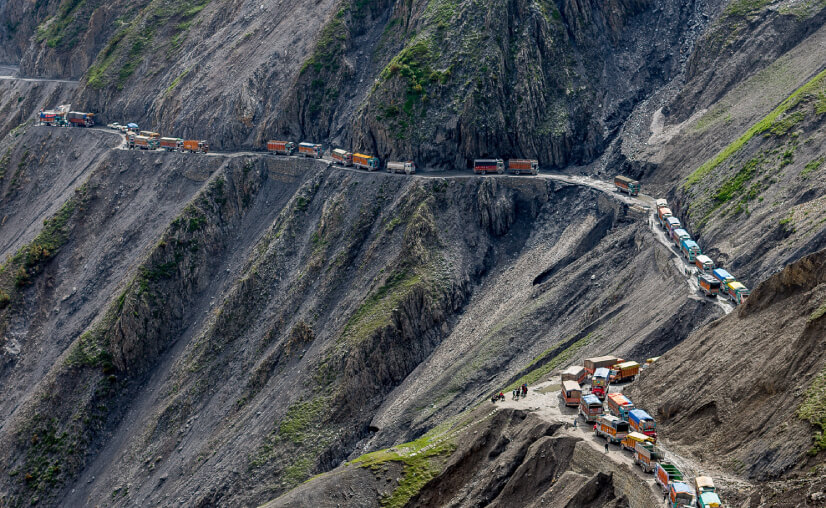
The Srinagar-Leh route offers a gentler introduction to Ladakh with more gradual altitude gain, better road conditions, and lush green valleys that gradually transform into the high-altitude desert of Ladakh. This route follows the historic trade route to Central Asia and passes through beautiful Kashmir valley before ascending to Ladakh.
Popular Stops: Sonamarg, Drass, Kargil, Mulbekh, Lamayuru, Leh
The Ultimate Ladakh Circuit: Both Routes!
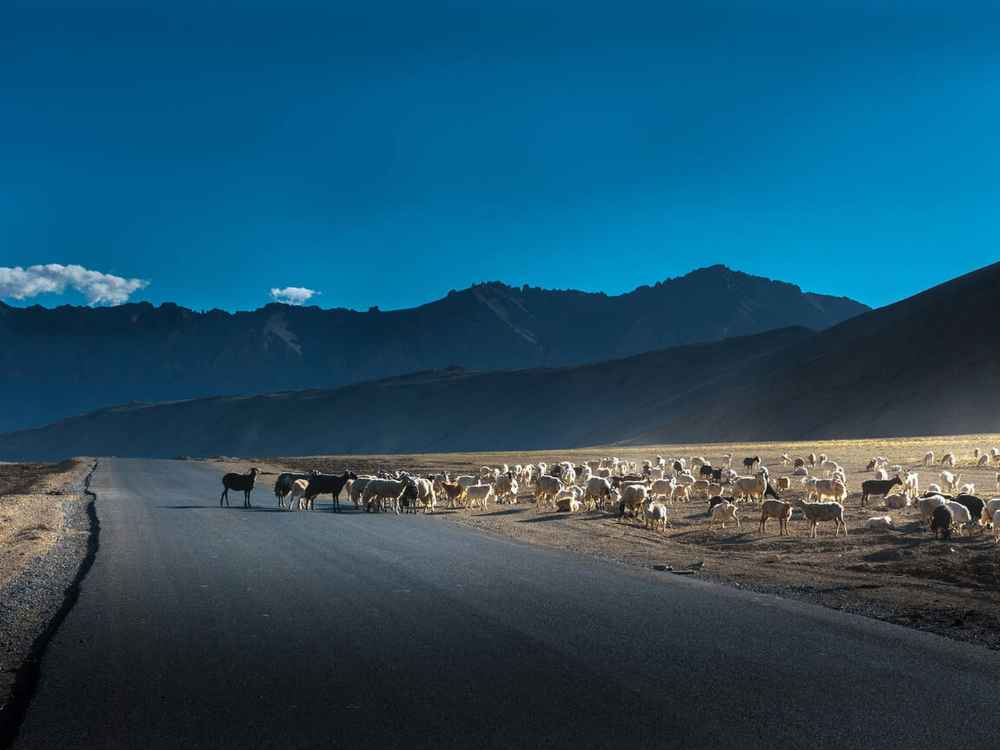
Many travelers choose to do a complete circuit—entering Ladakh via one route and exiting via the other. This allows you to experience both highways, see diverse landscapes, and create an unforgettable circular journey. The most popular circuit is: Srinagar → Ladakh → Manali (clockwise) or Manali → Ladakh → Srinagar (anti-clockwise).
When to Travel to Ladakh by Road
The timing of your road trip to Ladakh is critical—the roads are open only for a few months each year.
| Month | Manali Route | Srinagar Route | Recommendation |
|---|---|---|---|
| May | Just opening, snow on passes | Open, fewer tourists | Good for Srinagar route |
| June | Open, weather improving | Fully open | Excellent both routes |
| July | Fully open | Fully open | Ideal, but monsoon begins |
| August | Fully open, monsoon risk | Fully open | Good, expect rain |
| September | Fully open, clearing weather | Fully open | Best month overall |
| October | Closing mid-month | Open until late October | Early October only |
| November-April | CLOSED | CLOSED | Roads snowbound |
Best Time: June to September is the window when both routes are open. September is often ideal—weather is stabilizing, monsoon has passed, and roads are in good condition.
Avoid: Immediately after road opening in May (snow and ice on passes) and late October (unpredictable snowfall can close passes without warning).
Manali-Leh Highway: Detailed Route
Day 1: Manali to Keylong/Jispa
Distance: 140 km to Keylong / 180 km to Jispa
Duration: 6-8 hours
Altitude: Manali (2,050m) to Keylong (3,080m) or Jispa (3,200m)
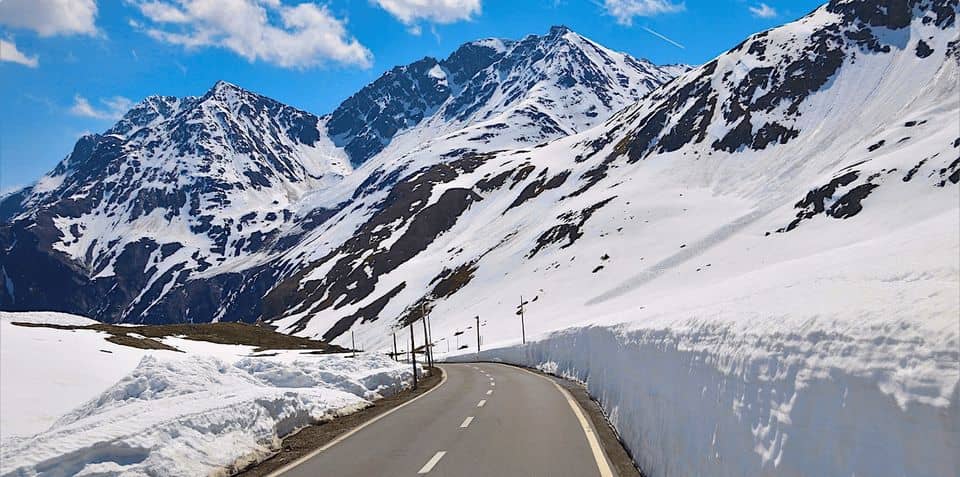
Start early from Manali (by 5 AM) to cross Rohtang Pass before it gets crowded and to have buffer time for delays. The climb to Rohtang Pass (3,979m) offers spectacular views—the transition from lush green Kullu valley to barren brown mountains is dramatic.
Beyond Rohtang, the landscape transforms completely. You're now in the Lahaul valley with its stark beauty, Buddhist culture, and the Chandra and Bhaga rivers accompanying you. Keylong is the administrative center of Lahaul-Spiti and has accommodation options. Jispa, further ahead, is a better choice for acclimatization due to higher altitude.
Stops: Marhi (views), Rohtang Pass, Kokhsar (first village in Lahaul), Sissu (waterfall), Keylong, Jispa
Where to Stay: Hotel Ibex (Keylong), Jispa Journey Camp or Hotel Dekyid (Jispa)
Day 2: Keylong/Jispa to Leh
Distance: 350 km from Jispa / 310 km from Keylong
Duration: 12-14 hours
Altitude: Jispa (3,200m) to Leh (3,524m)
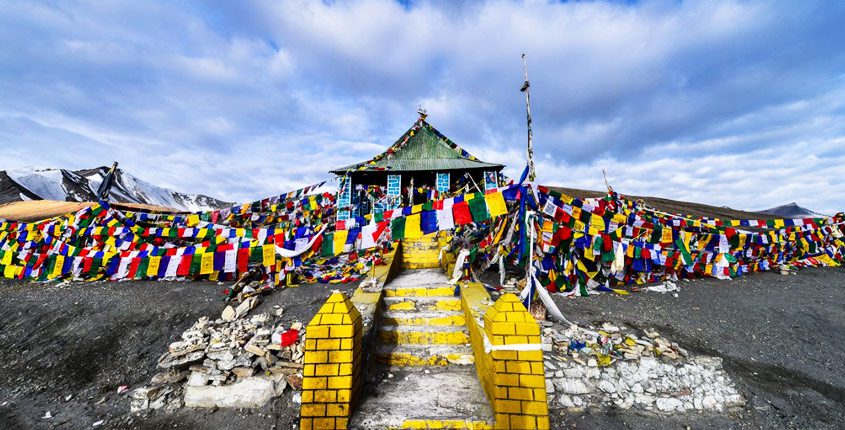
This is the BIG day—an early start (4 AM) is essential. Today you'll cross three high passes: Baralacha La (4,890m), Lachulung La (5,059m), and Taglang La (5,328m)—the second highest motorable pass in the world.
Baralacha La marks the entrance into the high-altitude desert of Ladakh. The vastness of the landscape here is humbling. Sarchu (4,290m), on the Himachal-J&K border, is a popular lunch stop. Beyond Sarchu, the famous Gata Loops (21 hairpin bends) begin the ascent to Lachulung La and Nakee La.
The landscape becomes more dramatic as you approach Pang—a tiny settlement at 4,630m. From Pang, the road ascends to the More Plains, a 40 km plateau at 5,000m+ that feels like driving on the roof of the world. Taglang La follows, and from there, it's a descent to Upshi and finally Leh.
Important: This is an extremely demanding day—both physically and mentally. The high altitude, rough roads, and long hours require serious preparation. Stop frequently to hydrate and rest. Don't rush.
Stops: Deepak Tal (lake), Baralacha La, Bharatpur (fuel), Sarchu (border/lunch), Gata Loops, Pang, More Plains, Taglang La, Upshi, Leh
Srinagar-Leh Highway: Detailed Route
Day 1: Srinagar to Kargil
Distance: 204 km
Duration: 6-7 hours
Altitude: Srinagar (1,585m) to Kargil (2,676m)
Start from Srinagar after breakfast (8 AM). The drive to Sonamarg is beautiful, passing through walnut orchards and alongside the Sindh River. Sonamarg (Meadow of Gold) lives up to its name with green meadows, snow-capped peaks, and the Thajiwas Glacier nearby.
The climb to Zojila Pass (3,528m) begins from Sonamarg. This strategic pass connects Kashmir to Ladakh and can be intimidating due to its narrow, rough road and drop-offs. On the Ladakh side, the landscape transforms dramatically from green to barren.
Drass, the second-coldest inhabited place on Earth, is your first stop in Ladakh. The Drass War Memorial here is worth visiting—a moving tribute to the 1999 Kargil War heroes. From Drass, it's a short drive to Kargil.
Stops: Sonamarg, Zojila Pass, Drass, Drass War Memorial, Kargil
Where to Stay: The Kargil Hotel, Hotel Greenland, or Zojila Residency
Day 2: Kargil to Leh
Distance: 217 km
Duration: 5-6 hours
Altitude: Kargil (2,676m) to Leh (3,524m)
Today's journey is more relaxed than the Manali route. The road follows the Suru Valley initially, offering stunning views of the Nun-Kun massif (7,135m). Mulbekh has a famous rock-cut Maitreya Buddha statue dating to the 8th century.
The climb to Fotu La (4,108m), the highest pass on the Srinagar route, offers spectacular views. Namika La (3,719m) follows. Lamayuru Monastery, perched dramatically on a hill, is worth a visit—it's one of Ladakh's oldest and most spectacular monasteries.
From Lamayuru, the road descends to the Indus River at Nimu, and from there it's a straightforward drive to Leh. The magnetic hill near Gurudwara Pathar Sahib is an interesting stop—cars appear to roll uphill!
Stops: Mulbekh (Maitreya Buddha), Fotu La, Namika La, Lamayuru Monastery, Magnetic Hill, Gurudwara Pathar Sahib, Leh
Vehicle Preparation & Requirements
For Motorcycles
Recommended Bikes: Royal Enfield Himalayan, Royal Enfield Classic/Standard 500 (well-maintained), KTM 390 Adventure, Bajaj Avenger (comfortable). 350cc+ recommended for power at high altitudes.
Essential Preparation:
- Get a full service done before the trip
- Check clutch plates, chain & sprocket, brakes
- New tires with good tread (off-road tires recommended)
- Carry spare tube, puncture kit, basic tools
- Install windshield and comfortable seat
- Jerry can for extra fuel (5-10 liters)
- Saddle bags or tank bag for luggage
For Cars
Recommended Vehicles: SUVs with high ground clearance—Toyota Innova, Mahindra Scorpio, Thar, Fortuner, Safari. Sedans can make it but are not recommended due to rough roads and low clearance.
Essential Preparation:
- Full service, check suspension and brakes
- All-terrain or mud-terrain tires
- Spare tire (essential—sharp rocks common)
- Extra fuel (20-30 liters)—last fuel on Manali route is Tandi, Srinagar route is Kargil
- Jumper cables, tow rope, basic tool kit
- First aid kit, oxygen cylinder (recommended)
Acclimatization: The Most Important Aspect
Altitude sickness is real and can be life-threatening. Proper acclimatization is non-negotiable.
Acclimatization Schedule
Manali Route (Recommended):
- Day 1: Manali (2,050m)—rest day
- Day 2: Manali to Jispa (3,200m)
- Day 3: Jispa rest day OR short ride to Sarchu and back
- Day 4: Jispa to Leh
- Day 5-6: Leh rest days—explore locally
Srinagar Route (Better for Acclimatization):
- Day 1: Srinagar (1,585m)—rest day
- Day 2: Srinagar to Kargil (2,676m)
- Day 3: Kargil to Leh
- Day 4-5: Leh rest days
AMS Prevention
- Hydrate: Drink 3-4 liters of water daily
- No Alcohol: Especially during ascent
- Take It Easy: Don't rush, rest frequently
- Diamox: Consider taking after consulting your doctor
- Descend If Symptomatic: Severe headache, vomiting, confusion—descend immediately
- Oxygen: Carry portable oxygen cylinders
What to Pack
Clothing (Layering is Essential)
- Thermal inner wear (top & bottom)
- Fleece jacket or pullover
- Windproof and waterproof outer jacket
- Warm hat, gloves, neck warmer
- Comfortable riding shoes with grip
- Rain gear (monsoon season)
Essential Items
- Sunscreen (SPF 50+), sunglasses, lip balm
- Water bottles (2+ liters capacity)
- First aid kit with AMS medication
- Power bank, car charger
- Cash (ATMs limited after Manali/Srinagar)
- Snacks (energy bars, dry fruits)
- Wet wipes, toilet paper
- Flashlight/headlamp
- Emergency blanket
Accommodation Options
| Stop | Options | Price Range |
|---|---|---|
| Keylong/Jispa | Hotels, camps | ₹800-2,500 |
| Sarchu | Camps only (tents) | ₹1,000-2,000 (including meals) |
| Kargil | Hotels, guesthouses | ₹800-2,000 |
| Leh | Hotels, guesthouses, homestays | ₹800-5,000 |
Note: Book in advance during peak season (July-August). Sarchu has only basic tent accommodation—no luxury options.
Permits Required
- Indian Nationals: Inner Line Permit (ILP) required for Nubra Valley, Pangong Tso, Tso Moriri, and some monasteries. Obtain in Leh.
- Foreign Nationals: Protected Area Permit (PAP) required for most areas including Ladakh region. Obtain in Leh or Delhi.
- Required Documents: ID proof (Aadhaar, passport, voter ID), passport-size photos, vehicle registration (for own vehicle)
- Cost: ILP: ₹200-400 per person; PAP: ₹500-700 per person
Fuel & ATMs
Manali Route Fuel Stops: Manali → Tandi (last fuel for 365km!) → Leh. Must carry extra fuel.
Srinagar Route Fuel Stops: Srinagar → Kargil → Leh. Better availability but carry extra as backup.
ATMs: Available in Manali, Srinagar, Kargil, Leh. Sarchu has none. Carry sufficient cash.
Estimated Costs
| Expense | Budget (per person) | Mid-Range (per person) |
|---|---|---|
| Accommodation | ₹800-1,500/night | ₹2,000-3,500/night |
| Food | ₹600-800/day | ₹1,200-1,800/day |
| Fuel | Same | |
| Permits | ₹200-500 | ₹200-500 |
| 5-Day Trip (one way) | Bike: ₹10,000-15,000 Car: ₹20,000-30,000 |
Bike: ₹18,000-25,000 Car: ₹35,000-50,000 |
Tips for a Safe Journey
Driving/Riding Tips
- Start early—cross passes before noon when weather is stable
- Don't rush—better to reach late than not at all
- Yield to uphill traffic (mountain rule)
- Use low gears on descents—save your brakes
- Stop at safe places only—no stopping at corners or narrow sections
- Watch for BRO (Border Roads Organization) workers—give them right of way
- Night driving is STRICTLY prohibited
Health Tips
- Carry first aid with Diamox, painkillers, bandages, antiseptic
- Portable oxygen can be lifesaving at high altitude
- Consult your doctor before the trip—especially if you have health conditions
- Know the symptoms of AMS—headache, nausea, dizziness, shortness of breath
- Descend immediately if AMS worsens—don't wait
Communication
- Jio and BSNL have the best connectivity (still patchy)
- No network for long stretches—inform family beforehand
- Carry a BSNL SIM as backup
- Satellite phones recommended for serious expeditions
Common Challenges & How to Handle Them
Landslides & Road Blocks
Monsoon (July-August) brings landslides, especially on Zojila and Rohtang passes. Be prepared for long waits—sometimes hours, occasionally overnight. Carry water, snacks, and warm clothes in case you're stranded.
Water Crossings
Several streams flow across the road, especially on the Manali route. Check the water depth first, cross in lower gear, keep moving—don't stop mid-stream! Early morning crossings are safest when water levels are lowest.
Rough Roads
Both routes have extremely rough sections. Slow down—speeding damages your vehicle and is dangerous. The More Plains and Taglang La descent have particularly bad roads—take it easy.
Extreme Weather
Weather can change rapidly at high altitude. Snow is possible even in July on high passes. Check conditions before starting each day, and be prepared to turn back if conditions deteriorate.
Sample Itineraries
Manali-Leh Only (5 Days)
- Day 1: Arrive Manali, rest
- Day 2: Manali to Jispa
- Day 3: Jispa rest/acclimatize
- Day 4: Jispa to Leh
- Day 5: Leh rest
Srinagar-Leh Only (4 Days)
- Day 1: Arrive Srinagar, rest
- Day 2: Srinagar to Kargil
- Day 3: Kargil to Leh
- Day 4: Leh rest
Ultimate Circuit: Srinagar-Leh-Manali (10 Days)
- Day 1: Arrive Srinagar
- Day 2: Srinagar to Kargil
- Day 3: Kargil to Leh
- Days 4-6: Explore Leh (Pangong, Nubra, monasteries)
- Day 7: Leh to Jispa
- Day 8: Jispa to Manali
- Day 9: Manali rest
- Day 10: Depart
Conclusion
Traveling to Ladakh by road is more than just a journey—it's an adventure that tests your limits, rewards you with spectacular beauty, and creates memories that last a lifetime. Whether you're navigating the high passes of the Manali route or enjoying the gentler ascent via Srinagar, every kilometer brings new landscapes, new challenges, and new moments of awe.
Preparation is key—acclimatize properly, prepare your vehicle, carry the right gear, and respect the mountains. The high-altitude environment demands respect, but for those who come prepared, Ladakh offers experiences that are simply unparalleled anywhere else on Earth.
So start planning, prepare thoroughly, and get ready for the road trip of a lifetime. The mountains are calling, and Ladakh awaits!
Location
Frequently Asked Questions
Q1.When is the best time to travel to Ladakh by road?
Q2.Which route is better—Manali-Leh or Srinagar-Leh?
Q3.How many days does it take to reach Leh by road?
Q4.Do I need a special permit to travel to Ladakh by road?
Q5.Is the Manali-Leh road trip safe?
Q6.What type of vehicle is best for Ladakh road trip?
Q7.How much does a Ladakh road trip cost?
Q8.Can I do the Ladakh road trip in a sedan car?
Recommended For You
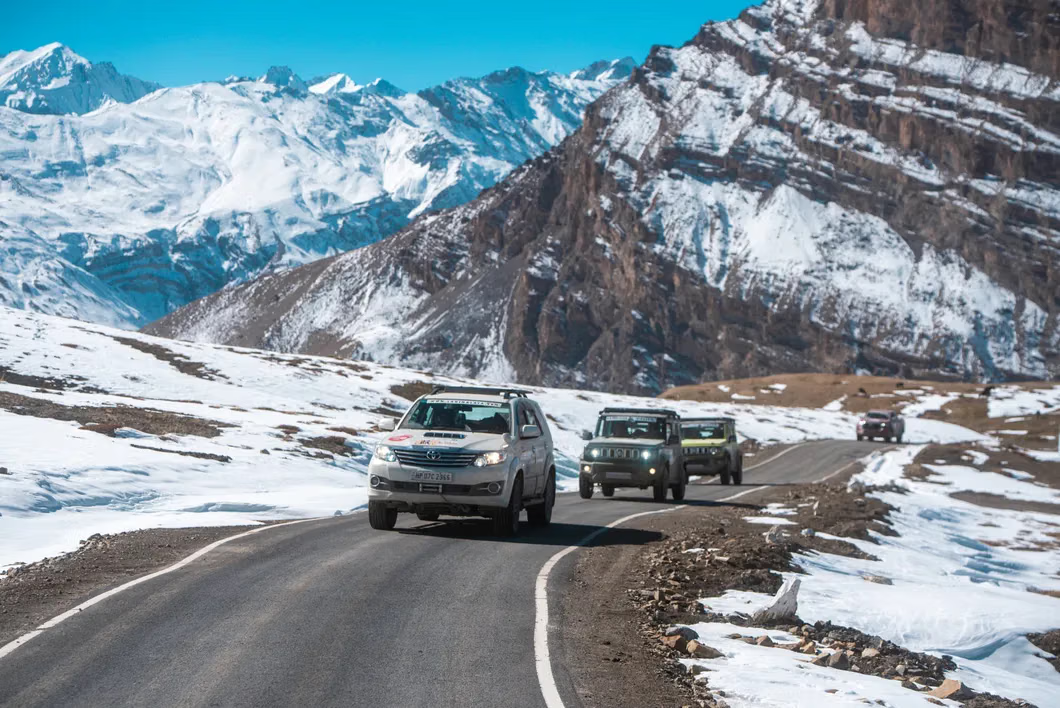
Spiti Valley Road Trip: The Ultimate Guide to Himalayan Adventure
Spiti Valley road trip guide: routes from Shimla/Manali, best time, permits, vehicles, itinerary, accommodation & tips for the ultimate Himalayan adventure.
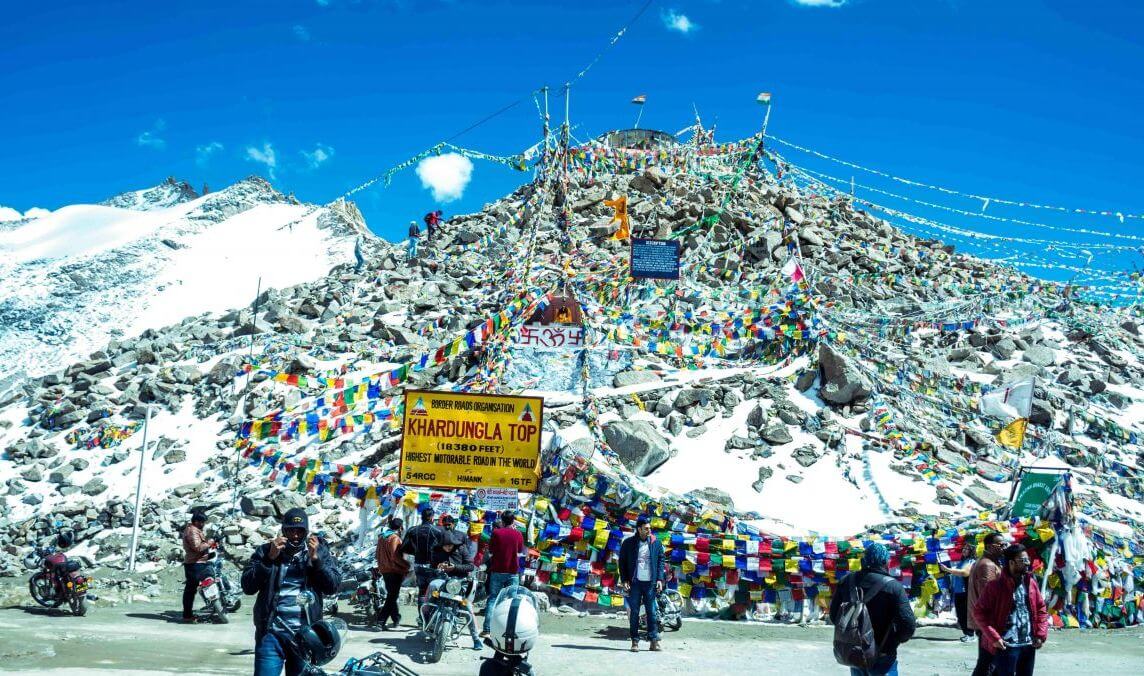
Khardung La Pass: Height, Permit, Weather and Safety
Plan Khardung La Pass with height facts, permit rules, weather windows, AMS safety, route planning, and practical Leh-to-Nubra travel execution tips.
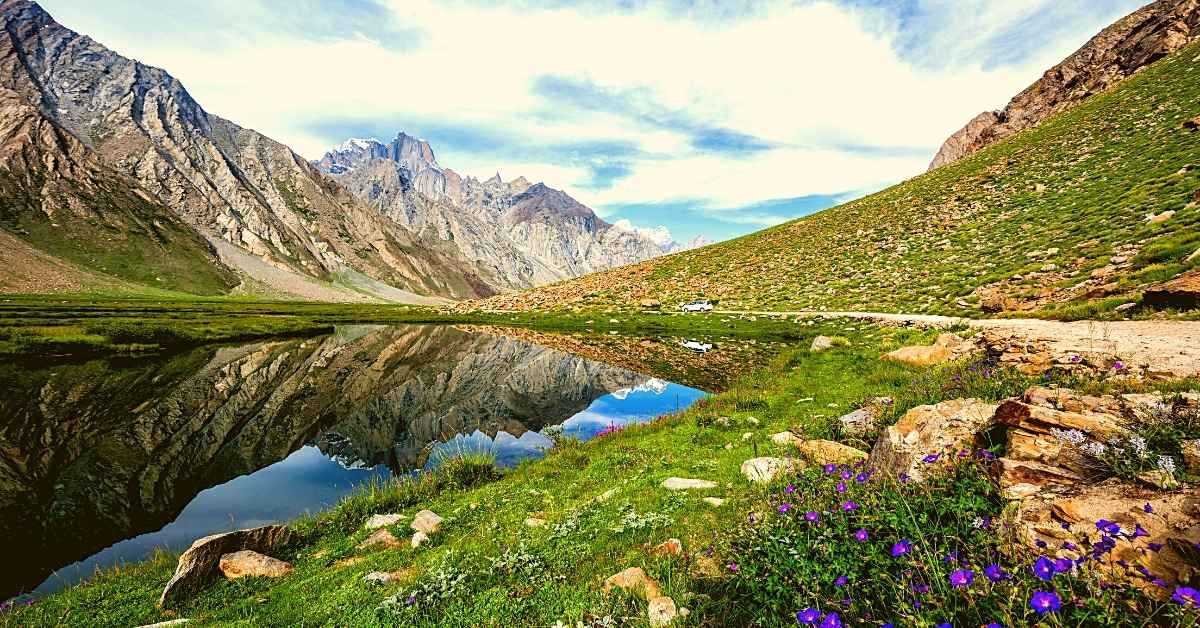
Zanskar Valley: Ladakh's Remote Paradise (Complete Travel Guide)
Complete travel guide to Zanskar Valley Ladakh. Best time to visit, how to reach, top places to visit, treks including Chadar, accommodation, cost, and practical tips for this remote Himalayan paradise.
Never Miss an Adventure
Get the latest trekking guides, travel tips, and exclusive offers delivered straight to your inbox.
