
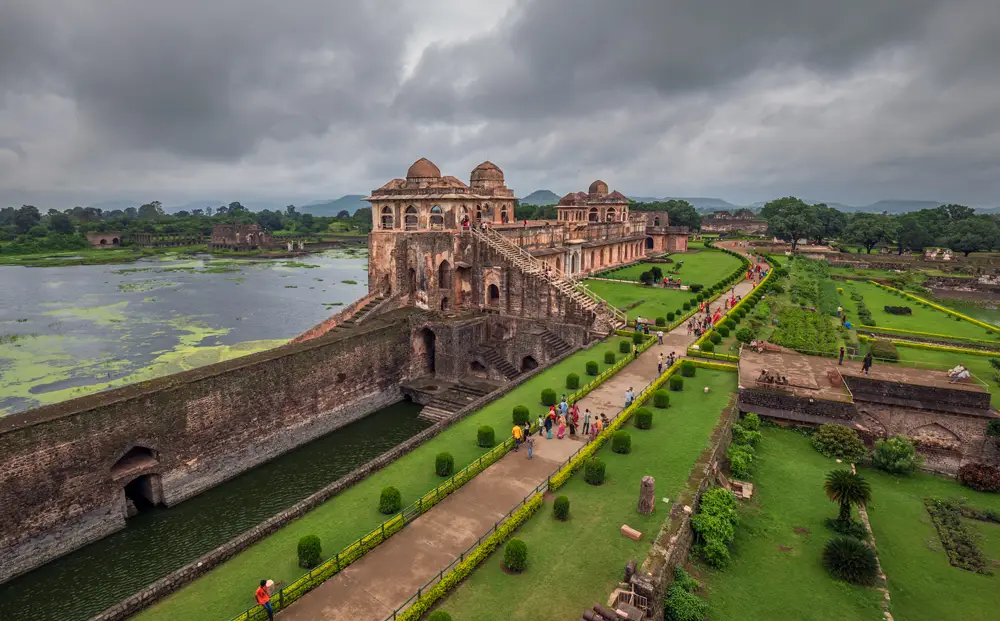
Mandu Forts Madhya Pradesh: Monuments, History & One-Day Circuit

Rohan Malhotra
December 11, 2025
Explore Mandu Forts in Madhya Pradesh - the magnificent 'City of Joy' with stunning Afghan architecture, romantic legends of Baz Bahadur & Rupmati, Jahaz Mahal & more.
Mandu Forts in Madhya Pradesh: Complete Heritage Guide
Mandu is one of central India’s most captivating heritage landscapes, known for dramatic fortifications, Afghan-era architecture, palaces, tombs, and monsoon-rich plateaus. Rather than a single monument, Mandu is a wide heritage zone where military planning, royal leisure spaces, and romantic legends coexist. Many travelers underestimate the scale and arrive without a route strategy, which leads to rushed visits and missed highlights.
If you are planning a Madhya Pradesh heritage circuit, Mandu deserves at least one full day. It combines beautifully with places to visit indore for base logistics and onward travel planning. The site rewards slow movement and structured sequencing, especially if you want both architectural understanding and strong photography output.

Historical Importance of Mandu
Mandu rose to prominence under the Malwa Sultanate and later remained important through political transitions. Its elevated location offered strategic defense advantages, while its architecture reflected ambition in both power projection and aesthetic refinement. Palaces, gateways, reservoirs, mosques, and tombs together show how the settlement balanced military security with royal lifestyle.
Today, Mandu is valued not only for historical chronology but for the way monuments remain integrated with topography. Hills, water systems, and seasonal mist enhance the experience and explain why Mandu occupies a distinct place in India’s heritage map.
Top Sites to Prioritize
Jahaz Mahal
One of Mandu’s signature monuments, Jahaz Mahal is famous for its long profile between water bodies, creating a ship-like visual effect. It is best visited when light is soft and reflections are clear.
Rani Roopmati Pavilion
This high vantage structure offers sweeping views and is deeply tied to Mandu’s romantic folklore. It also provides insight into surveillance, landscape relationship, and site planning.
Hoshang Shah’s Tomb
A key Indo-Islamic monument known for proportion and stone treatment. The tomb is often cited in discussions on later mausoleum influences in India.
Travelers interested in fort comparison across the state can also read asirgarh fort madhya pradesh for a different strategic model.

Architecture and Urban Logic
Mandu’s architecture features arches, domes, pavilions, defensive walls, and elevated viewing points coordinated with natural contours. Rather than tightly packed city blocks, the monuments are spread across a larger plateau environment, requiring transport planning between clusters. This dispersed pattern creates a unique rhythm: short drives, longer observation pauses, and repeated landscape-monument transitions.
Water engineering is another critical theme. Reservoirs and catchment design were essential for sustaining settlement on elevated terrain. Observing these systems adds depth beyond palace-centric tourism.
Best Time to Visit Mandu
Mandu is rewarding year-round, but monsoon and post-monsoon months create especially dramatic visuals with greenery, clouds, and softened stone tones. Winter offers comfortable walking conditions and clear skies. Summer visits are possible with early starts, but afternoon heat can reduce pace and attention.
If your goal is both comfort and photography, late monsoon to winter transition is often the strongest window. Weekdays generally offer lower crowd pressure at major points.
How to Reach and Move Around
Most travelers approach Mandu from Indore or nearby towns by road. Private cabs are common and convenient for covering dispersed monuments in one day. Keep flexible buffers for rural road conditions and weather shifts. Carry water, sun protection, and comfortable footwear because walking sections vary in surface quality.
For a broader cultural circuit, combine Mandu with places to visit ujjain and famous things of madhya pradesh in a multi-day plan.
Suggested One-Day Mandu Itinerary
| Time Block | Recommended Focus |
|---|---|
| 08:00-09:30 AM | Jahaz Mahal and nearby complex |
| 09:30-11:00 AM | Royal enclosure and interpretation stops |
| 11:00 AM-12:30 PM | Hoshang Shah Tomb + mosque zone |
| Lunch Break | Local meal and hydration reset |
| 02:30-04:30 PM | Roopmati Pavilion and scenic viewpoints |
This route balances major highlights while preserving time for context and photography.

Visitor Etiquette and On-Site Conduct
- Respect protected surfaces and avoid climbing fragile structures.
- Use designated pathways where available.
- Do not litter in open monument and landscape zones.
- Keep noise levels controlled in enclosed heritage spaces.
- Follow local instructions around restricted access points.
Mandu is large, and preservation pressure is cumulative. Responsible conduct from each visitor makes a difference.
Common Mistakes to Avoid
- Trying to “cover everything” in a few hours.
- Ignoring monument clusters and driving without a route map.
- Skipping water-system and context features.
- Visiting in harsh midday hours without hydration planning.
- Relying only on legends without reading historical context.
Why Mandu Is a High-Value Heritage Destination
Mandu stands out because it is both monumental and atmospheric. You get strong architecture, layered history, and one of the most distinctive fort landscapes in India. It works for historians, photographers, and general travelers alike, provided the itinerary is paced well.
Approach Mandu as a full-day cultural landscape instead of a quick monument list. That mindset turns the experience from tiring transit to meaningful exploration.
Before leaving, review three takeaways: one architectural insight, one historical point, and one landscape observation. This quick recap improves retention and gives your visit long-term value.
Interpreting Mandu as a Cultural Landscape
Mandu is best understood as a network, not a monument list. Each structure gains meaning when read with geography, water, and movement routes. Palaces show elite lifestyle logic, pavilions reveal surveillance and view control, and tomb complexes reflect devotional and political messaging. Once you connect these functions, the site becomes more coherent and far more impressive.
Legends such as those linked to Roopmati and Baz Bahadur are an important part of Mandu’s identity, but visitors should read them alongside architectural evidence and historical chronology. This balanced approach keeps the travel experience both emotionally rich and historically grounded.
Practical Strategy for Better Coverage
Because monuments are spread out, start with a zone map and group nearby sites into clusters. Use cooler morning hours for walking-heavy sections and reserve broader viewpoint points for later light. Keep hydration and rest breaks fixed in your plan; without them, attention drops and site quality suffers. If traveling with elders or children, reduce cluster count and increase time per stop.
Photography-focused travelers should prioritize soft light on major facades and reserve interior detail shots for mid-morning. Carry weather protection during monsoon months, as conditions can shift quickly on the plateau.
Why Mandu Remains Timeless
Mandu remains relevant because it demonstrates how architecture, engineering, and storytelling can coexist across centuries. It is one of the few places where romantic memory, political history, and landscape drama remain equally visible. A thoughtful visit here can reshape how travelers understand fort cities across India.
Research-Friendly Visit Tips
Travelers documenting Mandu should capture route order with each photo set. Monument interpretation improves when you know where each structure sits in relation to water systems and gateways. If possible, mark your sequence on an offline map to avoid confusion later.
Mandu can feel vast, so do not chase every point in one day. Prioritize quality over quantity and return for a second visit if needed. This approach produces deeper understanding and far less fatigue.
Before ending your Mandu day, summarize your route in order and note which structures felt defensive, ceremonial, or residential. This quick classification turns a long sightseeing session into a coherent historical map. Mandu is best remembered through relationships between sites, not isolated photos. Even ten minutes of recap can improve your understanding of the fort landscape dramatically and make future research or writing much stronger.
Location
Frequently Asked Questions
Q1.Where is Mandu located in Madhya Pradesh?
Q2.How far is Mandu from Indore?
Q3.What is the best time to visit Mandu?
Q4.What are the main forts in Mandu?
Q5.What is the history of Mandu Fort?
Q6.What are the timings of Mandu Fort?
Q7.What is the entry fee for Mandu monuments?
Q8.Is Mandu worth visiting?
Recommended For You
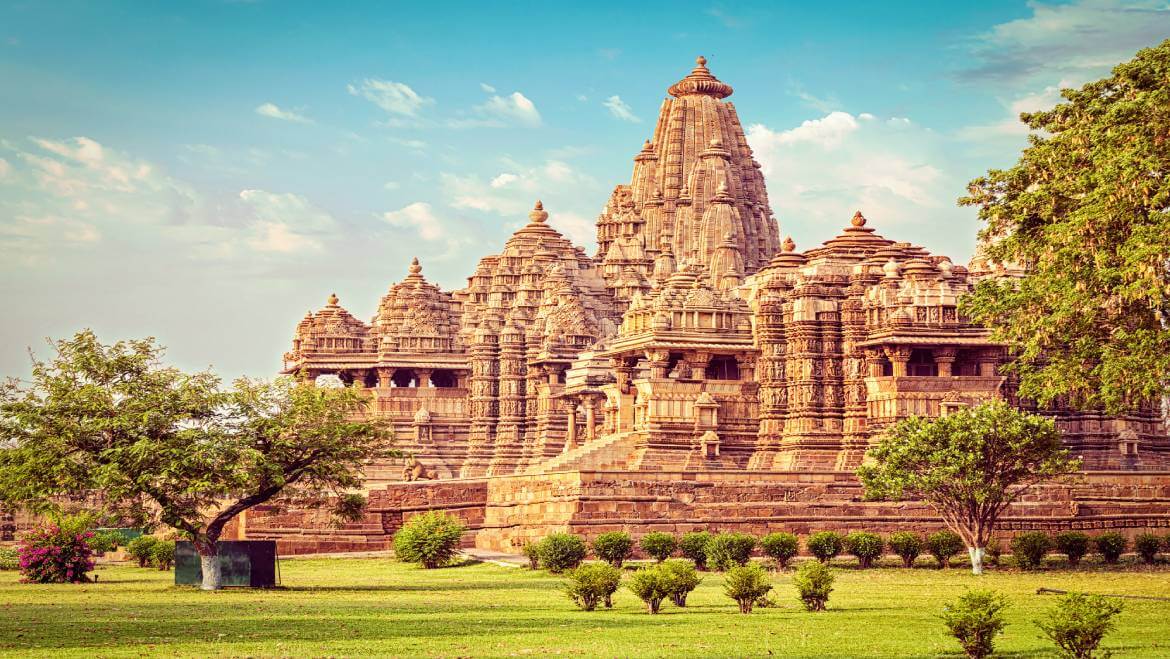
Famous Things of Madhya Pradesh: Culture, Food & Local Crafts
Discover famous things of Madhya Pradesh including monuments, textiles, food, tribal art, and the best places to shop across the state.

Indore: 15 Best Places to Visit - Food and Heritage
Explore the best places to visit in Indore, from Rajwada Palace and temples to Sarafa Bazaar food trails, museums, and easy one-day itineraries.
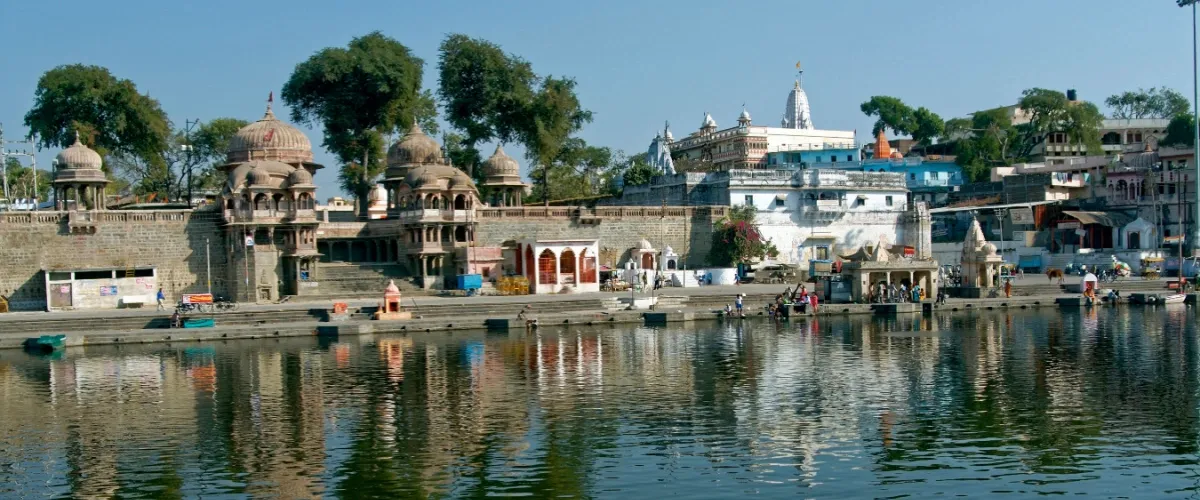
Best Places to Visit in Ujjain: Mahakal Temple & Attractions
Explore the best places to visit in Ujjain - from the sacred Mahakaleshwar Jyotirlinga to the spiritual Ram Ghat. Discover ancient temples, sacred ghats, and the rich cultural heritage of one of India's seven sacred cities.
Never Miss an Adventure
Get the latest trekking guides, travel tips, and exclusive offers delivered straight to your inbox.
