
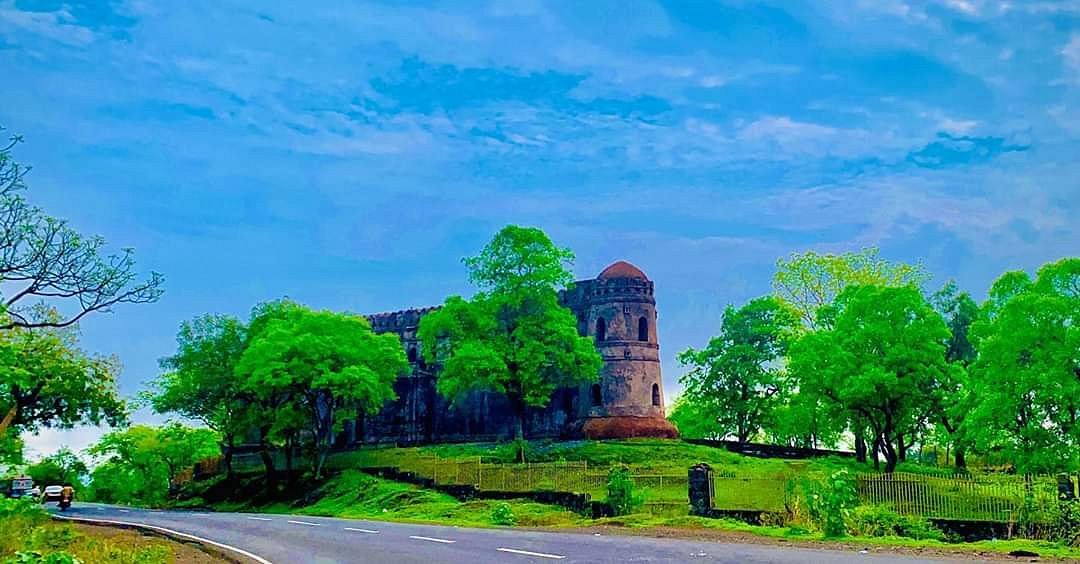
Asirgarh Fort Madhya Pradesh: Complete Guide to Key to Deccan

Rahul Garg
February 19, 2026
Explore Asirgarh Fort in Madhya Pradesh, the legendary 'Key to the Deccan' with fascinating Mughal-Maratha history, stunning architecture, and breathtaking views.
Asirgarh Fort Madhya Pradesh Guide
Asirgarh Fort Madhya Pradesh is one of the most important hill forts in central India and is often called the Key to the Deccan. The fort sits on a strategic ridge near Burhanpur and historically controlled movement between north India and the Deccan plateau. If you are planning a heritage route through Madhya Pradesh, Asirgarh deserves priority because it combines military history, architecture, legends, and wide valley views in one site.
The fort appeals to travelers who enjoy less-commercial monuments. It is not an over-curated complex with heavy tourist infrastructure, so the visit feels more raw and historically immersive. With proper planning, you can pair Asirgarh with Burhanpur sites and create a high-value day focused on medieval Deccan-era history.
Why Asirgarh Was Strategically Crucial
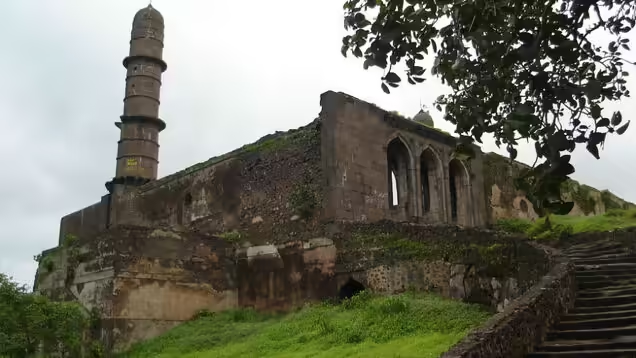
Asirgarh's importance came from geography. Whoever held this fort could monitor and influence trade, troop movement, and supply lines across a vital corridor. That is why multiple powers fought for control of it across centuries. The fort's elevation and layered defenses made direct attack difficult, forcing besieging armies to use long campaign strategies.
In practical terms, this means Asirgarh is not just another fort with old walls. It is a case study in pre-modern logistics and territorial control. When you walk its gates and ramparts, you are seeing a battlefield design built around terrain advantage, line-of-sight control, and long-duration defense readiness.
History Timeline You Should Know
Local and regional records connect Asirgarh to early medieval foundations, followed by major strengthening under later dynasties. It became central during Faruqi and Mughal periods, and its role in imperial campaigns made it politically significant beyond today's district boundaries. Control later shifted under Maratha and then British influence, adding more layers to the fort's story.
Many travelers focus only on one famous siege, but the site's historical value comes from continuity. Asirgarh remained relevant because each ruling power recognized the same tactical advantage and adapted the complex for its own military needs. This long relevance is what gives the monument depth for serious heritage travelers.
Architecture and Defensive Planning
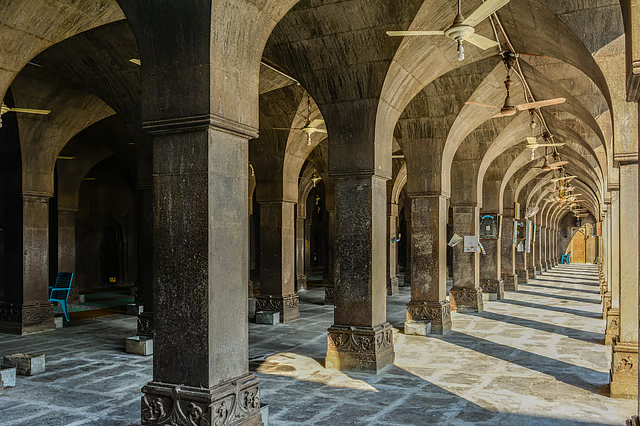
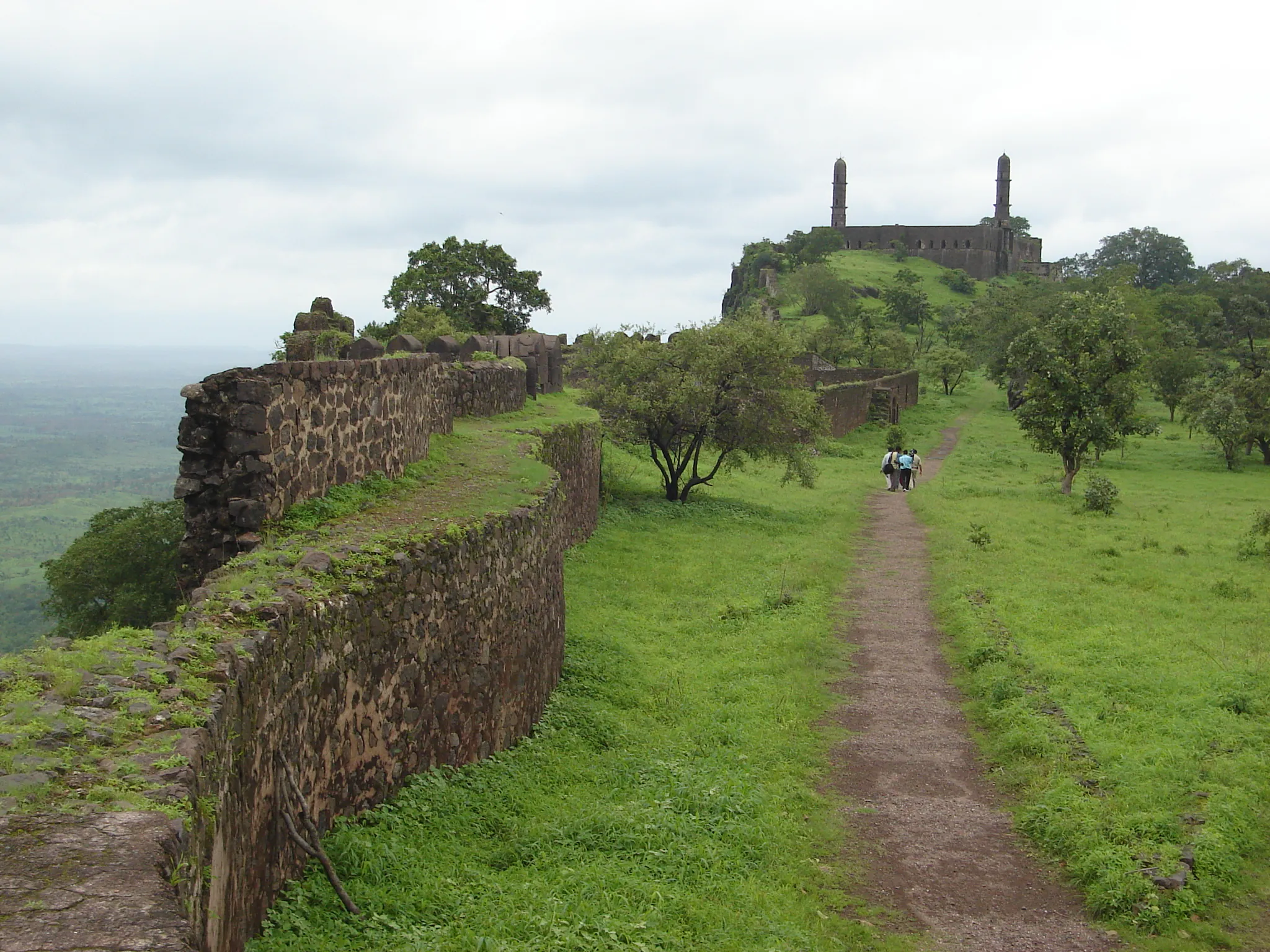
The fort's architecture is best understood as a defensive system rather than a single palace complex. You will notice gateways positioned to slow advancing troops, high walls shaped to terrain, and open visual command points. Sections of stonework from different periods reflect upgrades, repairs, and functional modifications made over time.
Inside the complex, remains of water systems, religious structures, and military spaces show how forts functioned as living settlements during conflict phases. Even in partially ruined condition, the layout communicates planning discipline. For architecture-focused visitors, the best approach is to read the site in sequence: access control, inner defense, water resilience, and observation advantage.
Legends and Local Narratives
Asirgarh is also known for folklore, including stories about hidden chambers and supernatural associations. These stories are common around old forts but at Asirgarh they are unusually persistent, partly because the site feels isolated and dramatic during low-crowd hours. Local guides often share oral narratives that blend history, faith, and fear.
Treat these accounts as cultural context rather than verified chronology. They still add value because they show how communities continue to interpret the monument. In heritage travel, this living narrative layer often matters as much as the architectural layer in shaping the visitor experience.
Best Time to Visit Asirgarh Fort
The most comfortable season is October to March. Daytime heat is manageable, visibility is better for panoramic views, and uphill walking is easier. Summer visits are possible but physically demanding in afternoon windows. Monsoon can make paths greener and photogenic, but surfaces may become slippery.
Start early if you want better light and lower fatigue. A sunrise or early-morning slot also improves photography quality and gives a quieter exploration experience. Carry water, sun protection, and proper footwear because on-site facilities are minimal compared with major city monuments.
Timings, Entry, and Practical Ground Reality
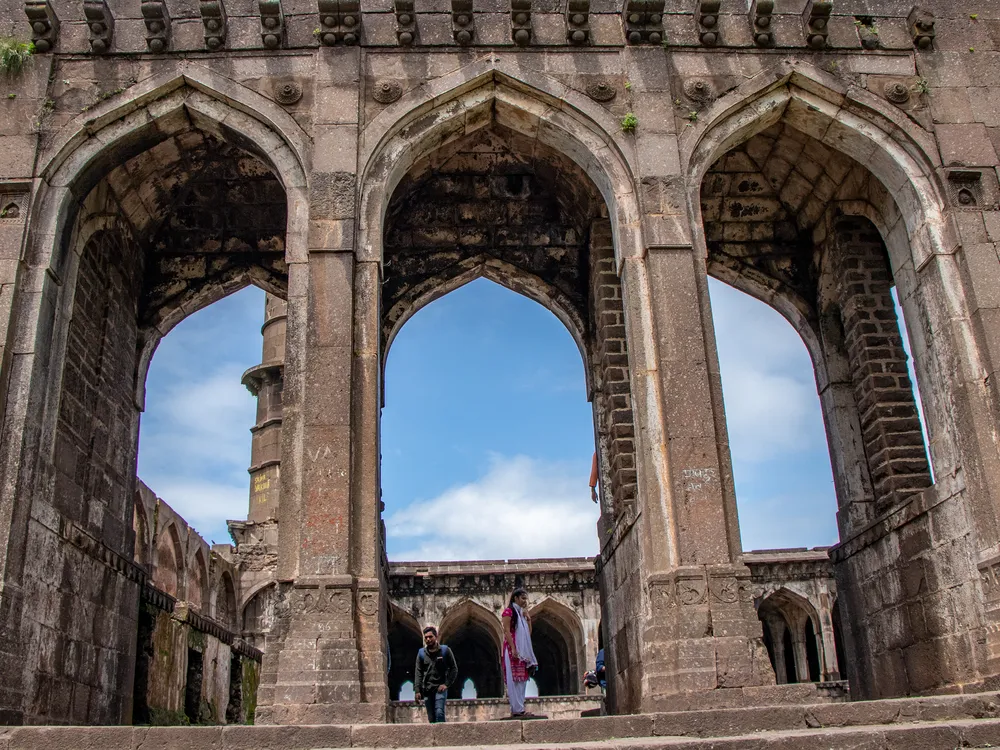
Asirgarh generally follows daylight-based visitation patterns, and many travelers treat it as a sunrise-to-sunset site. Entry fee policies can change by administration updates, so verify locally when you arrive. Since this is a rugged heritage location, rely less on old internet listings and more on current local confirmation.
You should plan at least 2 to 3 hours at the fort, plus transfer time. If you like detailed architectural observation, keep 4 hours including breaks. Mobile signals may vary depending on your operator, so download maps and route notes in advance.
How to Reach Asirgarh Fort
Burhanpur is the most practical base and is connected by rail to key routes. From Burhanpur, local taxi and hired vehicle options are the easiest way to reach the fort approach point. Road conditions can vary seasonally, so keep some time buffer in your plan.
If you are coming from Indore side, the drive is longer but workable for dedicated heritage travelers. Some visitors combine Asirgarh with city stops in a loop, but this only works well if you start early and keep realistic stop durations.
Suggested Day Plan from Burhanpur
A practical plan is: early departure to Asirgarh, fort exploration before heat, return for lunch, then continue to core Burhanpur heritage sites. This sequence helps you avoid energy drop and improves pacing. If you are doing multi-day central India travel, add a buffer day rather than stacking too many monuments in one schedule.
For broader circuit planning, many travelers compare this route with monuments like Sanchi Stupa, Khajuraho Temples, and temples in Orchha to balance fort, temple, and urban-heritage experiences in one state itinerary.
What to Observe Inside the Fort
Do not rush straight to viewpoints. Start by reading gate geometry and access channels, then move to internal structures and water features. Many visitors miss the logic behind storage and survival planning, which is actually the strongest part of Asirgarh's heritage value.
Look for construction differences across sections. Variations in masonry and repair style indicate historical phases and changing military priorities. This is where guided interpretation helps, but even self-guided visitors can understand a lot by slowing down and observing how terrain and architecture interact.
Photography Tips for Asirgarh
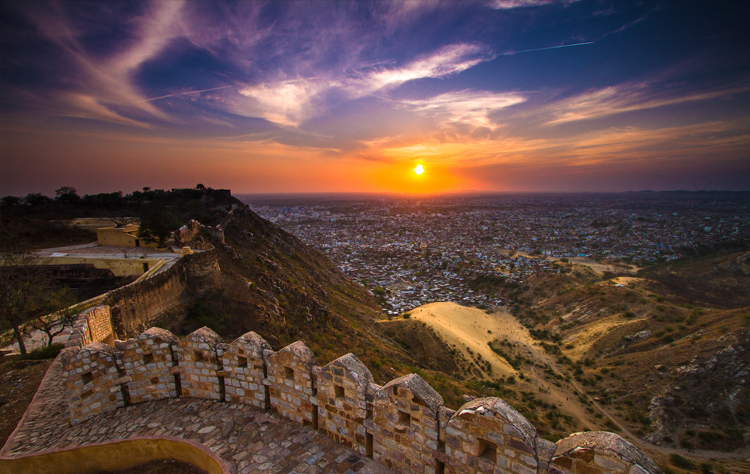
Use early light for walls and gate texture. Midday contrast can flatten details on stone surfaces, while morning or late-evening light creates depth. For landscape frames, include parapets or arches as foreground anchors so your images communicate scale.
Carry a lens-cleaning cloth and hydrate frequently, especially in dry months. If you shoot from high points, prioritize safety over framing and avoid unstable edges. The best image set is usually a mix of wide fort context, medium historical details, and one or two dramatic horizon frames.
Travel Tips and Common Mistakes
Most first-time visitors underestimate physical effort and overestimate on-site services. Carry water, basic first aid, and snacks. Wear shoes with good grip. Avoid planning this site as a casual short stop between long drives.
Another common mistake is depending on one outdated web source for timings and transport. Cross-check locally at your stay, with drivers, or at district tourism counters. This keeps your schedule realistic and prevents missed windows.
Why Asirgarh Is Worth Visiting
Asirgarh Fort gives you more than a scenic ruin. It explains how geography shaped military history in India and why certain sites kept strategic value for centuries. The monument's combination of tactical planning, layered history, and dramatic setting makes it one of the strongest fort experiences in the region.
If you are building a serious heritage list, Asirgarh belongs on it. It rewards travelers who observe patiently, plan sensibly, and engage with both documented history and local memory.
Location
Frequently Asked Questions
Q1.Where is Asirgarh Fort located?
Q2.What is the history of Asirgarh Fort?
Q3.How do I reach Asirgarh Fort from Burhanpur?
Q4.What is the best time to visit Asirgarh Fort?
Q5.Is there an entry fee for Asirgarh Fort?
Q6.How difficult is the trek to Asirgarh Fort?
Q7.What are the main attractions within Asirgarh Fort?
Q8.Why was Asirgarh Fort called the 'Key to the Deccan'?
Recommended For You
Khajuraho Temples: Complete Guide to India's Erotic Sculptures
Discover Khajuraho Temples, UNESCO World Heritage site famous for stunning architecture & erotic sculptures. Complete guide with timings, history, and travel tips.
Best Places to Visit in Ujjain: Mahakal Temple & Attractions
Explore the best places to visit in Ujjain - from the sacred Mahakaleshwar Jyotirlinga to the spiritual Ram Ghat. Discover ancient temples, sacred ghats, and the rich cultural heritage of one of India's seven sacred cities.
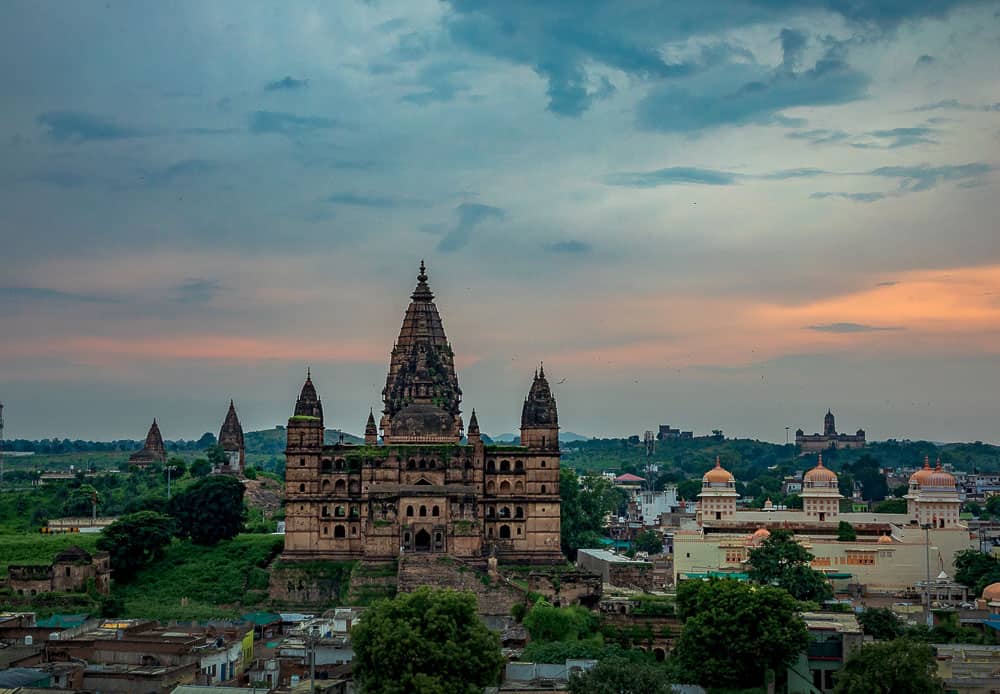
Temples in Orchha: A Journey Through Bundelkhand's Sacred Heritage
Discover the magnificent temples in Orchha, MP - from the unique Ram Raja Temple where Lord Rama reigns as king to the architectural marvel of Chaturbhuj Temple. A complete travel guide.
Never Miss an Adventure
Get the latest trekking guides, travel tips, and exclusive offers delivered straight to your inbox.
