
Mawryngkhang Bamboo Trek Meghalaya: Route, Safety & Best Time
Rohit Verma
December 5, 2025
Complete Mawryngkhang Bamboo Trek guide with route details, difficulty level, timing, safety tips, Shillong approach plan, and nearby Meghalaya trekking attractions.
Introduction: Meghalaya's Most Thrilling Bamboo Trail
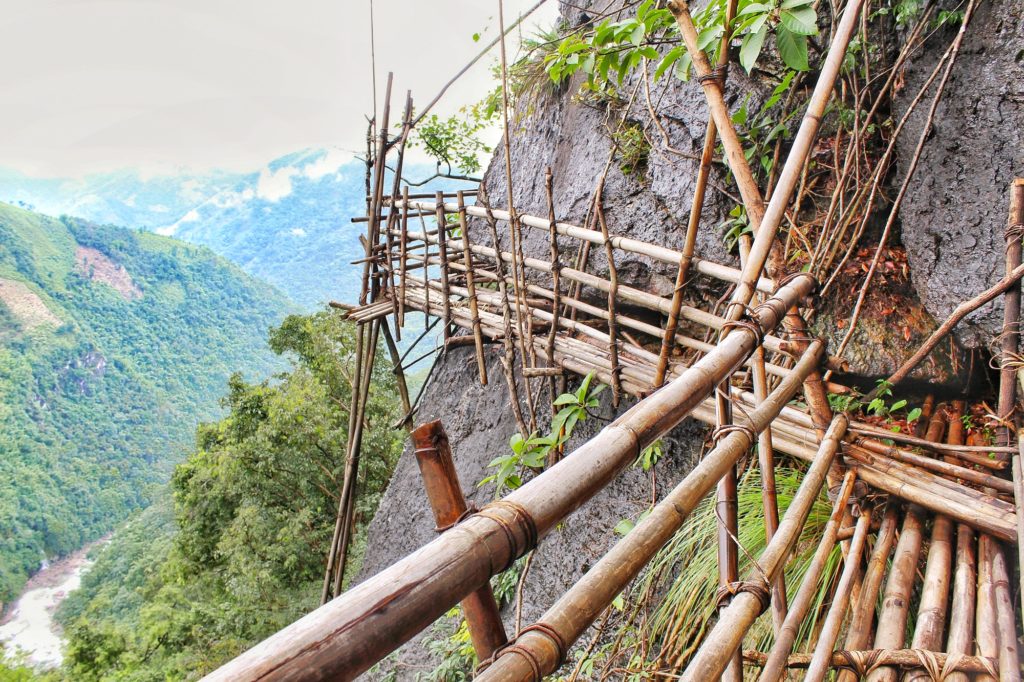
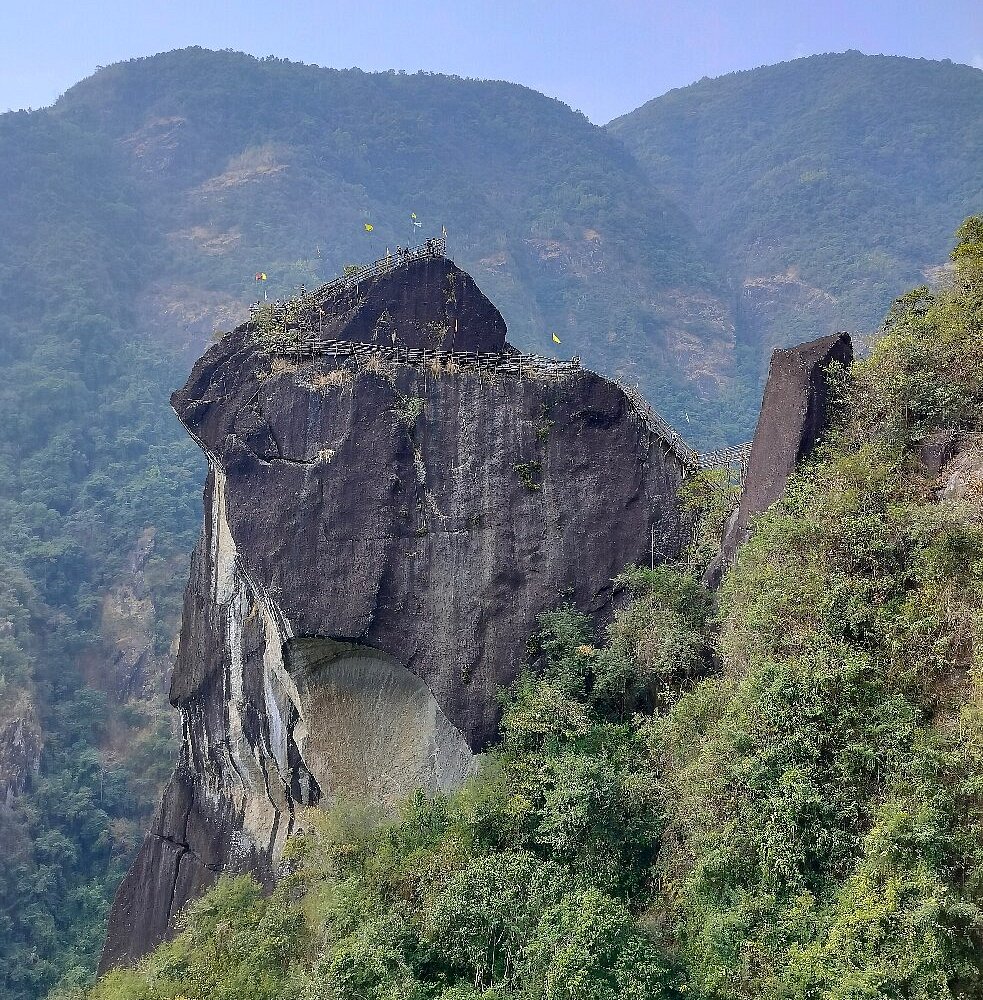
Mawryngkhang Bamboo Trek is one of Meghalaya's most unique adventure experiences, known for narrow bamboo walkways built along dramatic cliffs and valleys. Unlike regular hill treks that follow broad dirt trails, this route is defined by suspended bamboo sections, steep drops, and sharp turns that demand focus at every step. It is a high-adrenaline trail with strong visual rewards, making it popular among adventure seekers exploring East Khasi Hills.
The trek begins near Mawryngkhang village and offers a mix of cultural-local engineering and raw landscape exposure. For many travelers, it is the highlight of their Meghalaya itinerary because the route feels unlike mainstream trekking circuits. If you are planning an extended trip, combine this with Double Decker Living Root Bridge, broader route planning from Meghalaya travel guide, and regional ideas in places to visit Meghalaya.
About Mawryngkhang Village and the Trek Route
Mawryngkhang village is part of the East Khasi Hills belt and serves as the base access point for the bamboo trail. The trek route is community-linked and reflects local knowledge of terrain and practical mountain mobility. The bamboo pathways are not decorative attractions; they are functional trail structures shaped by local techniques adapted to difficult geography.
From a travel-planning perspective, this is not a casual roadside stop. You should treat it like a proper trek with route timing, weather checks, and fitness awareness. While total distance is moderate, trail character makes the experience feel more intense than standard forest walks.
| Trek Snapshot | What It Means | Planning Impact |
|---|---|---|
| Trail style | Bamboo walkway + cliff-side sections | Needs focus and balance |
| Region | East Khasi Hills | Can be clubbed with Meghalaya circuits |
| Effort type | Moderate with exposed sections | Best for fit beginners/intermediate trekkers |
| Experience value | High thrill and strong scenery | One of Meghalaya's standout adventure routes |
The Bamboo Bridge Experience
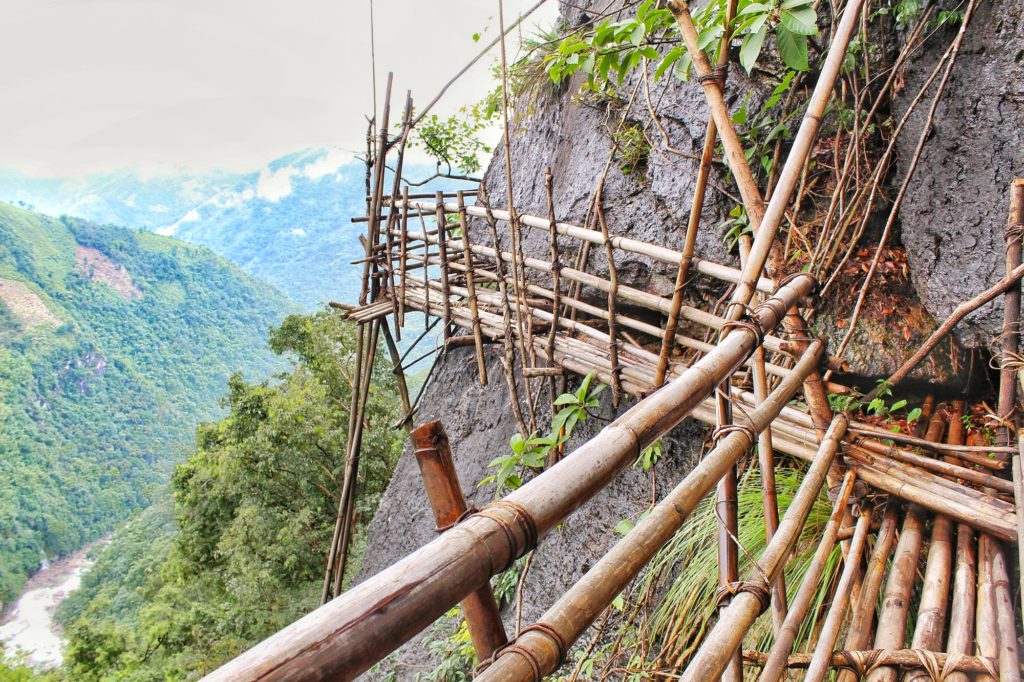
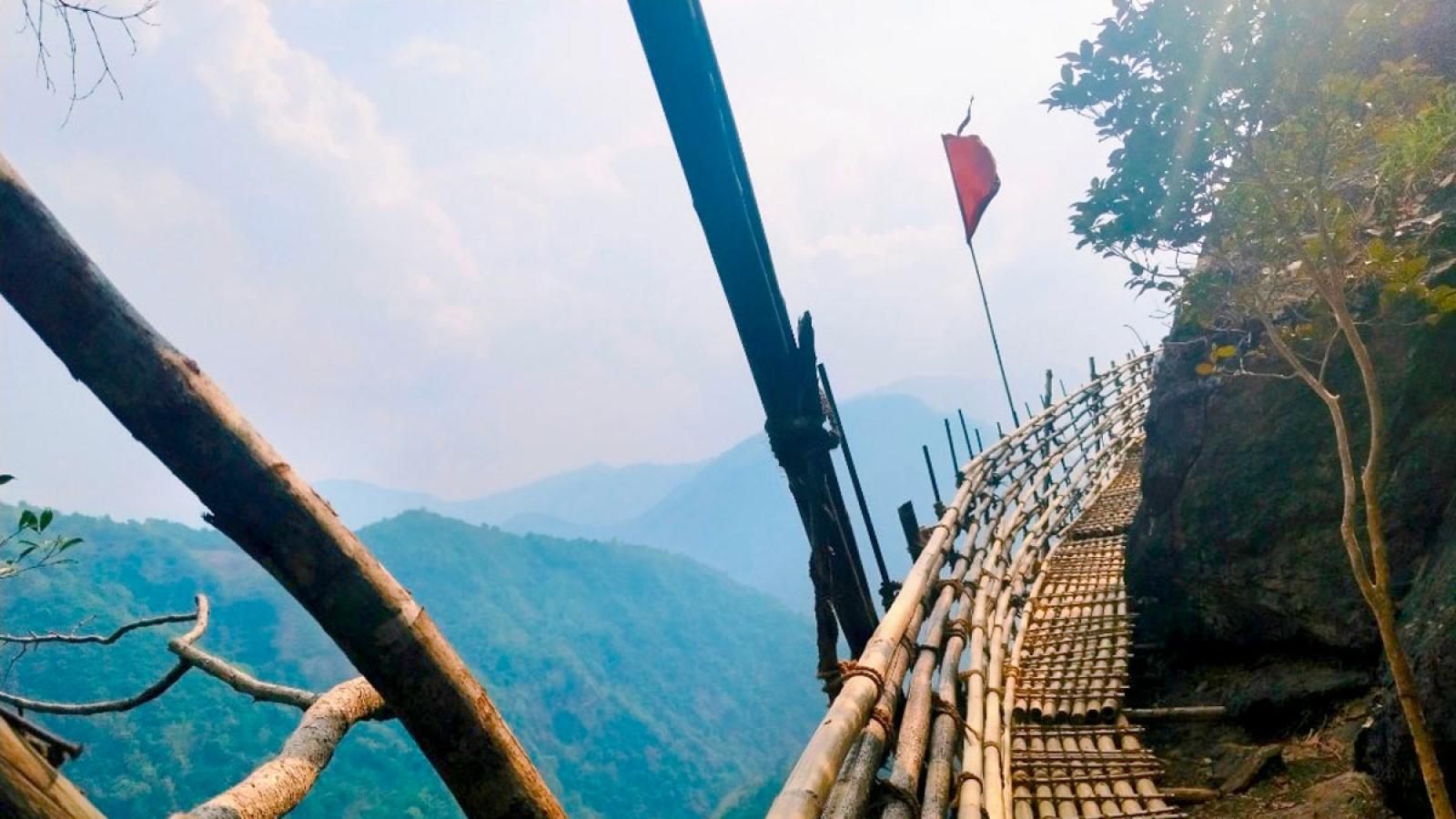
The defining feature of the Mawryngkhang trek is the bamboo bridge network attached to rock edges and narrow mountain contours. Walking these sections gives a real sense of exposure because valley depth is visible beside you in many stretches. This is the part that creates the route's reputation.
What It Feels Like on Trail
Movement on bamboo sections is controlled and rhythmic rather than fast. Most trekkers naturally slow down and focus on foot placement. The route is exhilarating, but safety comes from steady pacing and awareness, not speed.
Why It Is Special
Unlike metal rail structures in commercial viewpoints, Mawryngkhang's trail character feels raw and close to the landscape. It gives you a direct, immersive sense of topography and local trail-building ingenuity.
Photography Considerations
Shots are stunning here, but safety must come first. Stop only at stable sections before taking photos, and avoid blocking narrow crossing points while framing shots.
Trek Difficulty, Duration, and Fitness Level
Mawryngkhang is generally described as moderate, but difficulty perception depends on comfort with height and narrow pathways. The route is more mentally demanding than many similar-distance treks because exposed bamboo sections require concentration.
Difficulty Level
Physically moderate for fit trekkers, but psychologically challenging for those uncomfortable with cliff-edge movement. If you have strong fear of heights, this route may feel significantly harder than expected.
Time Required
Most trekkers keep around 3 to 4 hours including careful movement, short rests, and photo stops. Faster completion is possible but not recommended for first-time visitors.
Who Can Do It
Fit beginners with reasonable balance and steady pace can complete the trek. It is less suitable for travelers with knee instability, strong vertigo, or very low endurance.
| Trek Factor | Typical Range | Advice |
|---|---|---|
| Duration | 3-4 hours | Keep weather and break buffer |
| Difficulty | Moderate | Higher if fear of heights |
| Trail width | Narrow in key sections | Single-file movement recommended |
| Fitness need | Basic to good stamina | Do not attempt in fatigue state |
Best Time for Mawryngkhang Bamboo Trek
The best season depends on your balance between trail safety and landscape mood. Clearer conditions generally make movement easier, while wetter conditions increase route drama but also risk.
Winter and Post-Monsoon
Usually preferred for more stable footing and better visibility. This is the most practical period for first-time trekkers.
Monsoon Conditions
Landscape looks lush and dramatic, but surfaces become slippery and exposure feels more intense. Trek only if weather is manageable and local guidance supports it.
Time of Day
Start earlier in the day for better pacing, less rush, and safer return timing. Late starts can compress your exit window unnecessarily.
How to Reach Mawryngkhang from Shillong
Mawryngkhang is commonly accessed by road from Shillong side, usually through route segments connected to Pynursla direction. Private cab or self-drive arrangements are generally the most practical transport methods for trekkers carrying gear.
Distance and Travel Time
The drive from Shillong is generally around 2 to 2.5 hours, depending on road conditions, weather, and stop frequency.
Transport Options
- Private taxi: Most reliable for same-day return flexibility.
- Self-drive vehicle: Useful for group control and custom halts.
- Public route mix: Possible but less practical for strict trek timing.
Road Strategy
Leave Shillong early and keep buffer for local route variability. This helps avoid trail entry during late-hour pressure.
Permits, Local Rules, and Guide Coordination
Before starting, check local entry procedures and trek-operating norms at the base point. In community-managed trails, rules can be updated based on weather, trail repairs, or safety conditions. Some days may have temporary restrictions in exposed sections, and following these is essential for safe movement.
First-time trekkers should consider local guidance, especially if trail conditions are wet or fog is heavy. Local support helps with pacing, route awareness, and practical decisions at narrow crossings. Do not rely only on social media route impressions; on-ground conditions can differ significantly.
Safety, Gear, and Trek Preparation
Mawryngkhang is not a technical expedition, but safety preparation matters because of trail exposure. Simple errors in footwear, hydration, or pacing can reduce control on narrow sections.
Essential Gear
- Grip shoes: Mandatory for bamboo and rock traction.
- Water: Carry enough for full trek duration.
- Light pack: Avoid heavy load that affects balance.
- Rain protection: Weather can change quickly in Meghalaya.
- Basic first-aid: Useful for minor trail discomfort.
Movement Rules on Trail
- Single-file on narrow sections.
- No sudden overtaking on exposed stretches.
- Pause only at stable points for photos.
- Follow local guidance without shortcuts.
Responsible Trekking and Environmental Care
Mawryngkhang's appeal depends on its natural integrity and community stewardship. Keep the trail clean, avoid leaving plastic waste, and carry all disposable items back with you. Do not damage bamboo sections or attempt risky movement outside designated paths for photos.
Respect local village spaces around the trek base and maintain low-noise behavior in shared zones. Responsible trekking not only protects the route but also supports the long-term viability of adventure tourism in the region.
Nearby Attractions to Combine
Mawryngkhang can be part of a larger Meghalaya adventure-nature plan if you sequence days sensibly.
Root Bridge and Nature Route Extensions
Add Double Decker Living Root Bridge on a separate day for balanced effort distribution. You can also include broader trail context through living root bridges in Meghalaya.
General Meghalaya Circuit Planning
For multi-day structure, use places to visit Meghalaya and Meghalaya travel guide so high-effort days and low-effort scenic days are alternated well.
Sample Day Plan for First-Timers
A practical first-timer plan: leave Shillong early, reach Mawryngkhang base by morning, complete trek in 3-4 hours at controlled pace, take recovery break, and return before late-evening fatigue sets in. Do not stack another difficult trek on the same day.
If your group includes mixed fitness levels, assign one lead and one tail pace so no one gets isolated on narrow sections. Keep communication simple and frequent at decision points.
Weather, Visibility, and Trail Decision-Making
On this trek, weather awareness is not optional. Fog, light rain, and slippery bamboo can change trail confidence quickly even for fit trekkers. Before starting, take a quick local weather read and ask about the latest section conditions. If visibility is very low, move with extra caution at exposed turns and avoid unnecessary stops in narrow zones.
A practical approach is to keep decision checkpoints: one at the start, one mid-trail, and one before the final exposed segments. If group energy drops or weather worsens, prioritize safe turnaround rather than forcing completion. Adventure quality is always better when the group stays in control and returns without avoidable risk.
Common Mistakes to Avoid
- Underestimating exposure: Trail feels harder if you fear heights.
- Wearing poor footwear: Biggest avoidable risk factor.
- Late start: Compresses safe return window.
- Overpacking: Reduces balance and agility.
- Rushing for photos: Unsafe on narrow bamboo sections.
Final Preparation Checklist
- Fitness check: Attempt only if comfortable with sustained stair and cliff-edge movement.
- Footwear check: Confirm grip before starting; avoid smooth soles.
- Weather check: Reconfirm local conditions at the trek base.
- Hydration check: Carry enough water for entire trail duration.
- Time check: Keep enough daylight for safe return.
Final Takeaway
Mawryngkhang Bamboo Trek is one of Meghalaya's most distinctive adventure experiences, combining local bamboo engineering, cliff-edge trail excitement, and unforgettable valley views. With proper preparation, steady pacing, and weather-aware planning, it becomes a rewarding trek for fit first-timers and experienced adventure travelers alike.
Location
Frequently Asked Questions
Q1.Where is Mawryngkhang Bamboo Trek located?
Q2.How far is Mawryngkhang from Shillong?
Q3.What is the difficulty level of this trek?
Q4.How long does the Mawryngkhang trek take?
Q5.Is the trek safe for beginners?
Q6.What makes this trek special?
Q7.Is guide service required for Mawryngkhang trek?
Q8.What should we carry for the trek?
Recommended For You
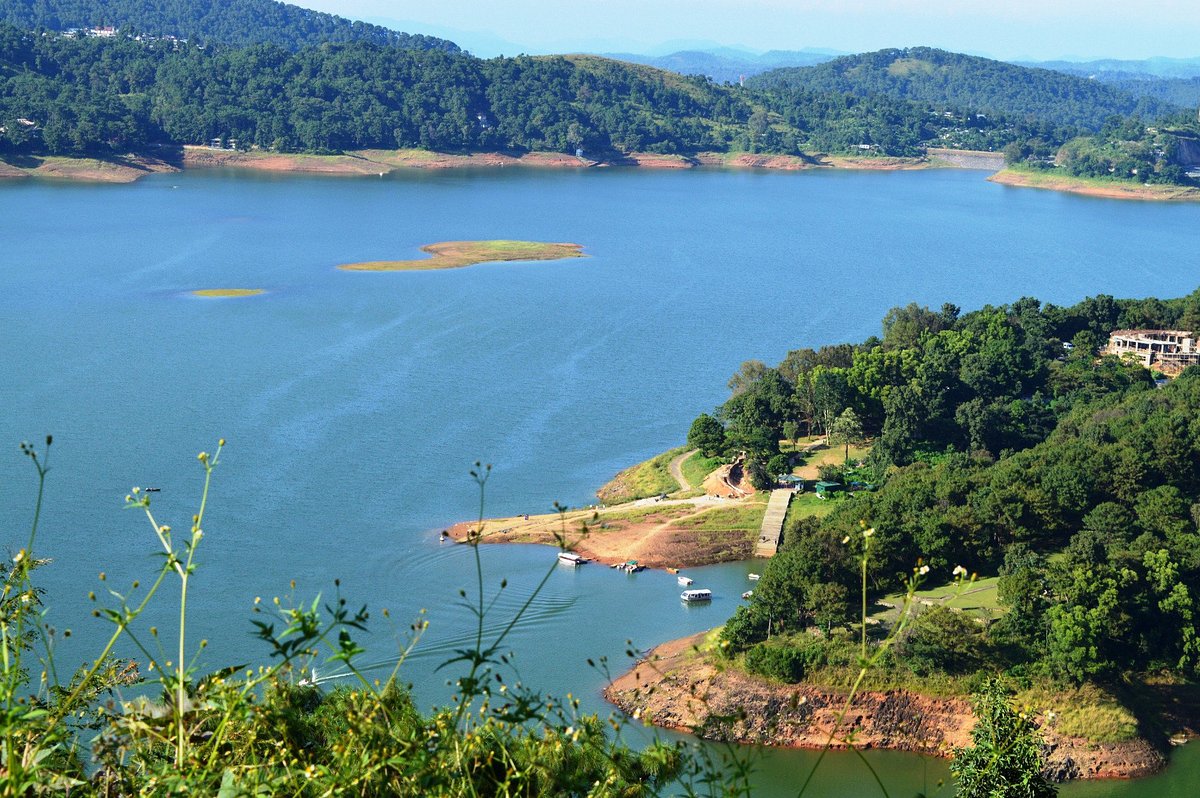
Umiam Lake Shillong: Boating, Stay Options & Sunset Views
Visit Umiam Lake (Barapani) near Shillong. Enjoy boating, water sports, resorts, picnic spots, and discover the best time to visit with our complete travel guide.
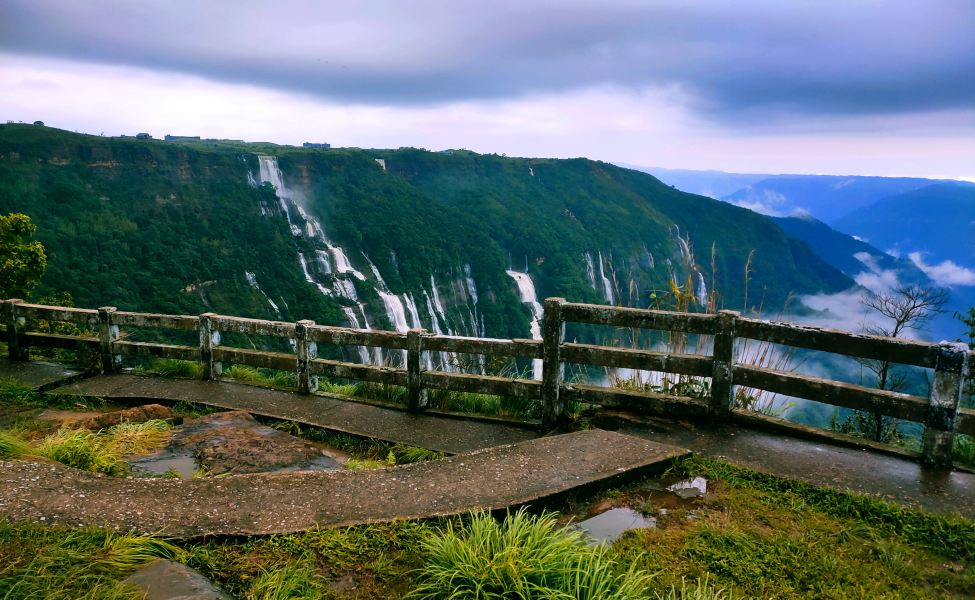
Meghalaya: Complete Travel Plan Places And Weather
Complete Meghalaya travel guide featuring living root bridges, Cherrapunji, Shillong, Dawki, caves, waterfalls & practical tips.
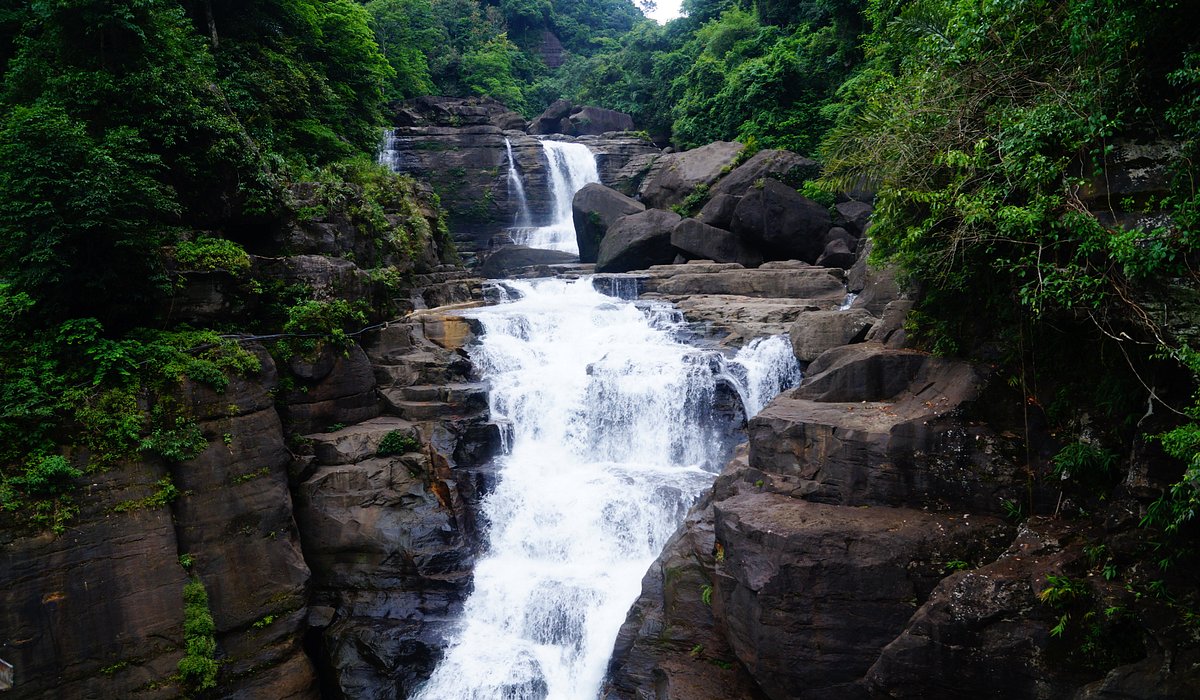
Best Places to Visit in Meghalaya: Waterfalls, Caves & Villages
Explore top places to visit in Meghalaya including Shillong, Cherrapunji, Dawki, Living Root Bridges, and practical route planning tips for travelers.
Never Miss an Adventure
Get the latest trekking guides, travel tips, and exclusive offers delivered straight to your inbox.
