

Jharkhand in Monsoon: Waterfalls, Forests, and Travel Tips

Rohan Malhotra
February 20, 2026
A detailed Jharkhand monsoon guide covering best waterfalls, route planning, weather, safety tips, tribal culture, and practical budgeting.
Jharkhand in Monsoon: Why the Landscape Transforms
Jharkhand in monsoon is one of eastern India’s most underrated seasonal experiences. As rains arrive, plateaus turn green, streams become active, and major falls near Ranchi and surrounding districts gain force. The state’s forest-heavy geography means monsoon is not just about rain; it is about dramatic color change, misty roads, and revived water systems.
Search intent here is practical: travelers want to know which waterfalls are worth visiting, whether roads stay accessible, how much rain to expect, and how to plan safely. This guide focuses on those decisions so your monsoon trip is scenic but controlled. It also covers culture, wildlife windows, and realistic daily pacing for rain-prone itineraries.
Before finalizing routes, compare with places to visit in Jharkhand, waterfalls in Cherrapunji, and West Bengal in monsoon.
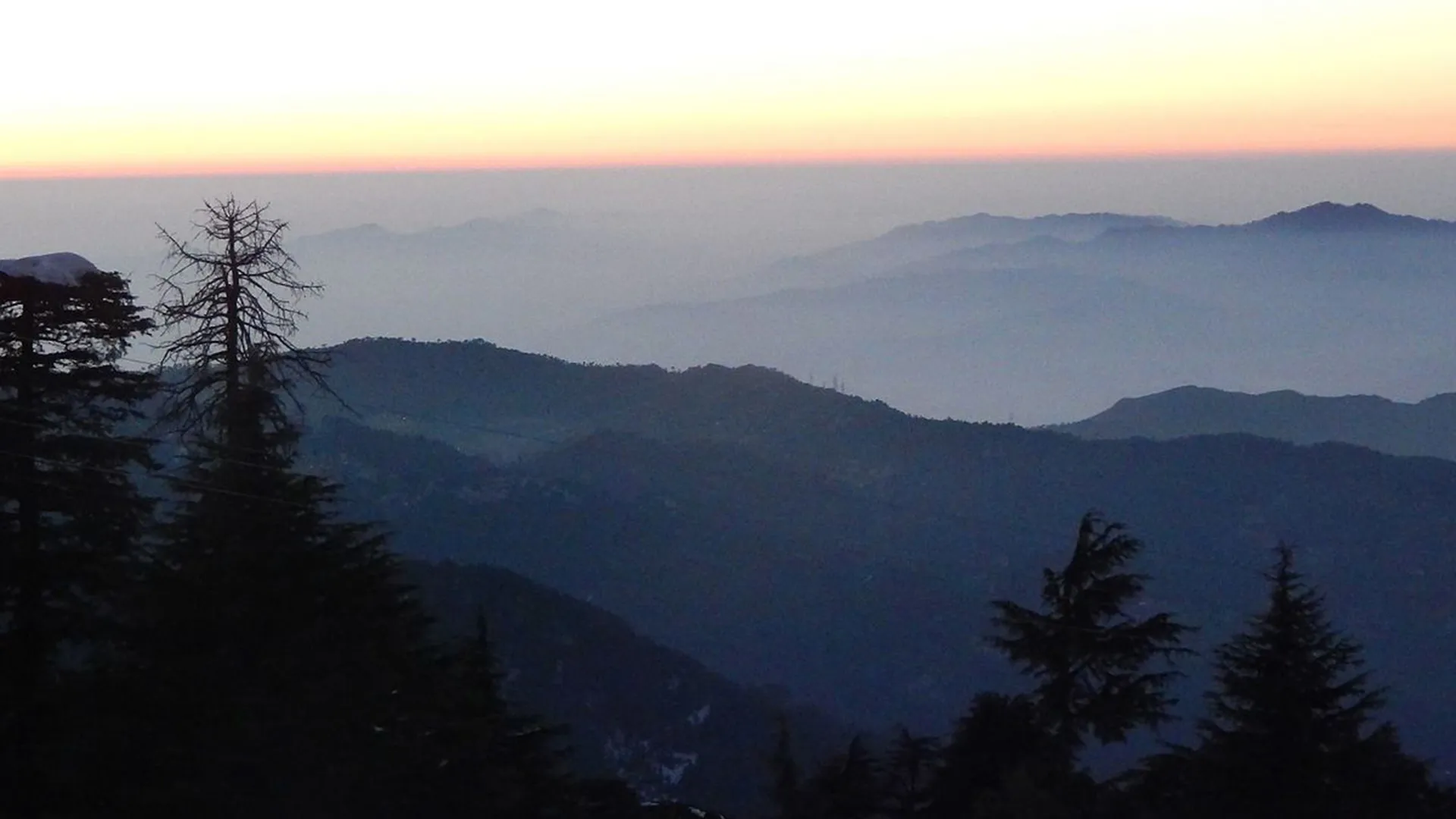
Monsoon Season in Jharkhand: Months, Weather, and Rain Pattern
Monsoon in Jharkhand usually strengthens from late June, peaks around July-August, and gradually tapers in September. Rainfall varies by district, but most popular monsoon circuits around Ranchi, Khunti, and West Singhbhum experience frequent showers and periodic heavy bursts.
| Month | Typical Condition | Travel Note |
|---|---|---|
| June | Monsoon onset, intermittent rain | Good for lighter crowd travel |
| July | High rainfall and active waterfalls | Carry rain gear, keep buffer time |
| August | Lushest landscapes and strong water flow | Best visual season, cautious driving needed |
| September | Declining rain, greener trails | Easier mobility with scenic value |
For first-time visitors, late August to mid-September often offers the best balance of scenery and road usability.
Best Waterfalls to Visit in Jharkhand During Monsoon
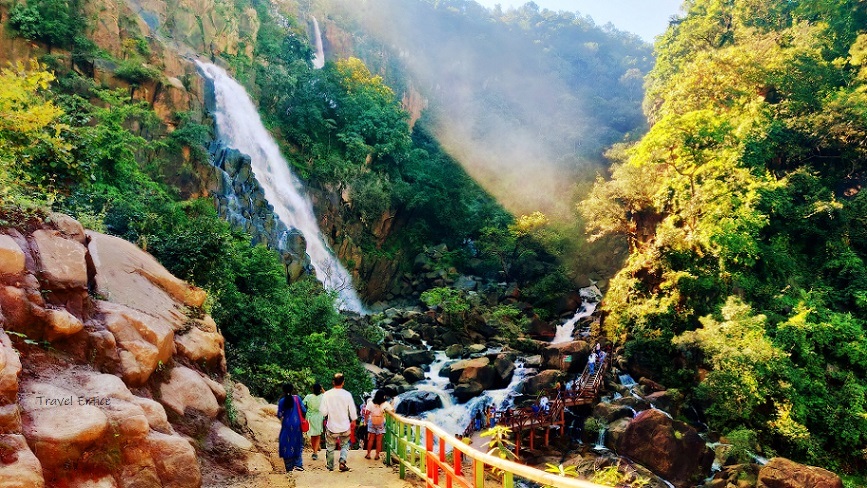
Waterfalls are the core reason many travelers choose Jharkhand’s rainy season. Flow volume, fog, and surrounding greenery make even familiar sites look different from winter months.
- Hundru Falls: one of the best-known falls near Ranchi, powerful in peak rains.
- Dassam Falls: strong monsoon flow and photogenic multi-stream effect.
- Jonha Falls: popular among weekend travelers; steps and surface can be slippery.
- Hirni Falls: scenic and forest-linked route, good for slow-view drives.
- Panchghagh Falls: broad water spread and accessible family-friendly atmosphere.
During heavy rain spells, never attempt risky edge viewpoints. Water current and rock grip change quickly in these zones.
Top Monsoon Destinations Beyond Waterfalls
Jharkhand monsoon trips work best when you combine waterfalls with hill, forest, and quiet valley stretches. This keeps your itinerary flexible when rainfall intensity changes by day.
| Destination | Why Visit in Monsoon | Ideal Time on Ground |
|---|---|---|
| Netarhat | Cool weather, cloud movement, plateau views | 1-2 days |
| Ranchi outskirts | Cluster of falls and short drives | 2 days |
| Dalma zone (Jamshedpur side) | Green reserve belt and scenic roads | 1 day |
| Betla region | Forest atmosphere and heritage-nature mix | 1-2 days |
If your trip window is short, base yourself in Ranchi and do radial day routes with weather checks every morning.
Tribal Culture and Local Life in the Rainy Season
Jharkhand’s identity is closely tied to indigenous communities and village traditions. Monsoon months influence agriculture, local food rhythms, and market activity in many districts. Travelers should approach this part of the journey with respect, not as a checklist stop.
Local weekly markets, traditional produce, and seasonal food habits can be observed in small-town and village belts. Ask for permission before taking portraits. Cultural immersion works best through slow travel: local meals, guided village visits, and conversations with community-approved hosts.
If culture is your focus, pair rain-season nature circuits with one dedicated local-market day instead of rushing only waterfall points.
Wildlife and Forest Travel in Monsoon
Monsoon brings dense vegetation and active ecosystems, but also access limitations in some forest zones. Certain safari routes or sections can close temporarily based on weather and safety advisories.
- Check forest-entry status one day before travel.
- Use local guides for trail or edge-route decisions.
- Avoid deep forest movement during storm alerts.
- Carry leech protection in very wet belts.
- Keep children close on slippery natural paths.
Monsoon wildlife travel is less about sightings and more about ecosystem atmosphere, soundscape, and canopy density.
Road Conditions, Safety, and Practical Mobility
Roads in monsoon can shift from clear to slow within a few hours due to rain bursts, visibility drops, and local waterlogging. Plan conservative driving windows and avoid late-evening intercity movement in peak rain weeks.
| Risk Area | Common Issue | Practical Action |
|---|---|---|
| Falls approach roads | Slippery bends and parking congestion | Arrive early and park in designated zones |
| Rural links | Patches of broken surface | Use daylight travel and slower speed |
| Viewpoint steps | Wet moss and limited grip | Use anti-slip footwear and hand support |
| Return routes | Unexpected rain after sunset | Keep buffer and backup stay option |
Hiring a local driver is often worth it for first-time monsoon visitors because route familiarity matters more than map distance.
What to Pack for Jharkhand Monsoon Travel
- Quick-dry clothing and light rain jacket
- Waterproof phone pouch and daypack cover
- Anti-slip trekking or sports footwear
- Basic medicines, ORS, and mosquito repellent
- Power bank and offline maps
- Small towel and spare socks for waterfall routes
Avoid overpacking heavy cotton items. Wet clothing recovery is slower in high-humidity conditions.
Monsoon Budget Planning (Per Day, Per Person)
Jharkhand remains relatively budget-flexible compared with many peak-season destinations. Costs vary by transport style and stay category.
| Travel Style | Indicative Daily Budget | Includes |
|---|---|---|
| Budget | INR 1,500-2,500 | Basic stay, shared transport, local meals |
| Mid-range | INR 2,500-5,000 | Private transfers, better hotels, mixed dining |
| Comfort | INR 5,000+ | Premium stay and curated local experiences |
Keep 10-15% contingency budget for weather-driven route changes or unplanned overnight stays.

3-Day Sample Monsoon Plan for First-Time Travelers
Day 1: arrive Ranchi, visit one major waterfall, evening local food trail. Day 2: two waterfalls + scenic drive route with early return. Day 3: short cultural market visit and departure.
If rainfall is intense, drop one far route and replace it with closer nature spots to avoid road fatigue.
Why Ranchi Works as the Best Monsoon Base
For most first-time travelers, Ranchi is the most practical base for a monsoon-focused Jharkhand trip. It provides better accommodation options, stronger transport availability, and access to multiple waterfall routes without daily hotel changes. In heavy-rain destinations, reducing luggage movement significantly improves comfort.
From Ranchi, you can build short radial circuits and return before evening weather uncertainty. This structure is safer than long continuous drives through unfamiliar wet roads.
Photography and Weather Windows
Monsoon photography in Jharkhand is highly rewarding when timed right. Midday rain bursts can reduce visibility, while short post-rain windows create the strongest contrast, mist layers, and flow textures. Carry weatherproof gear and avoid placing equipment on wet rock edges near strong current.
- Use waterproof covers for camera and phone.
- Shoot from designated viewpoints, not unstable ledges.
- Prefer polarizing filters for water-surface glare control.
- Keep one dry cloth and sealed pouch in daypack.
Family-Friendly Monsoon Route Design
Families traveling with children or senior members should avoid overpacked waterfall lists in one day. Pick one primary waterfall and one secondary easy-access stop. Add local food or market time rather than forcing long back-to-back drives in rain.
| Group Type | Recommended Daily Pattern | Why It Works |
|---|---|---|
| Families | 1 main falls + 1 short scenic stop | Lower fatigue and safer mobility |
| Couples | 2 scenic points + flexible café break | More time for photography and slow travel |
| Adventure-focused | Early departure + multiple route checks | Maximizes coverage with weather control |
What to Eat in Rainy-Season Jharkhand Trips
Monsoon travel improves when meals are planned around warm, simple, and reliable options. In and around Ranchi, prioritize clean local restaurants and avoid overly risky roadside choices during prolonged rain days. Hydration and light hot food often feel better than heavy meal experiments before waterfall drives.
A practical food pattern is early breakfast, mid-route tea/snack, then proper lunch after your main nature stop. This keeps energy stable and reduces discomfort during winding drives.
Weekend Crowd Pattern and How to Avoid Rush
Popular falls near Ranchi attract higher local crowd volume on weekends and public holidays, especially when weather is pleasant after rain. If you want quieter viewpoints, visit on weekdays and start early in the day. This also improves parking access and reduces waiting time on approach roads.
Travelers with limited weekend schedules should choose one popular site and one less crowded fallback, instead of trying to cover only high-demand points.
Rain-Day Backup Plan for Unstable Weather
On days with intense rainfall, avoid forcing long waterfall loops. Use a fallback plan with shorter city drives, local markets, and indoor meal stops. A flexible backup preserves trip quality and reduces unnecessary travel risk.
Smart monsoon travel is not about maximum checklist coverage. It is about safe pacing, clear weather windows, and one strong scenic experience per day.
Final Take
Jharkhand in monsoon rewards travelers who value nature depth over rushed sightseeing. Waterfalls are the highlight, but forests, plateau weather, and local culture make the season complete. Plan with weather buffers, stay safety-first near water edges, and keep your itinerary adaptable. With that approach, monsoon becomes one of the best times to experience Jharkhand’s natural character.
Location
Frequently Asked Questions
Q1.Is it safe to visit Jharkhand in monsoon?
Q2.What is the best time for waterfalls in Jharkhand?
Q3.Which are the best waterfalls in Jharkhand during rains?
Q4.How many days are enough for a monsoon trip to Jharkhand?
Q5.Are roads accessible during heavy rain in Jharkhand?
Q6.Can I visit wildlife areas in Jharkhand during monsoon?
Q7.What should I pack for Jharkhand monsoon travel?
Q8.Is monsoon crowded in Jharkhand tourist areas?
Recommended For You

Highest Rainfall in India: Mawsynram vs Cherrapunji Explained
Explore why Mawsynram and Cherrapunji record India's highest rainfall, when to visit, and how to plan a safe, weather-smart Meghalaya trip.

Rajasthan in Monsoon: Top Places to Visit
Discover the best places to visit in Rajasthan in monsoon with city-wise ideas, seasonal highlights, and practical travel tips.

15 Monsoon Places Near Bangalore: Waterfalls, Hills & Scenic Drives
Discover practical monsoon getaways near Bangalore with destination ideas, road planning tips, waterfall safety guidance, and weekend itinerary structure.
Never Miss an Adventure
Get the latest trekking guides, travel tips, and exclusive offers delivered straight to your inbox.
