
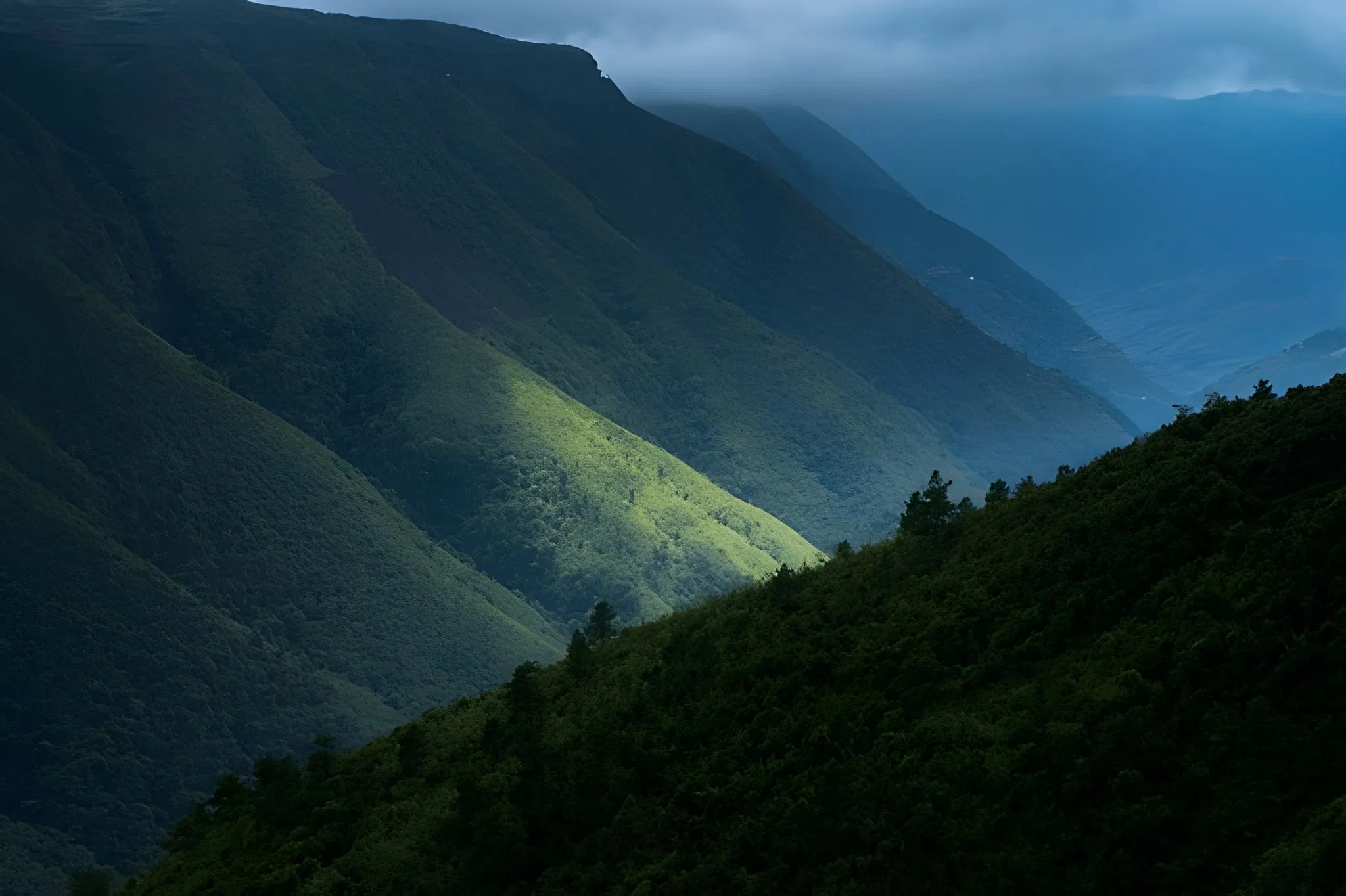
Highest Rainfall in India: Mawsynram vs Cherrapunji Explained
Rohit Verma
February 18, 2026
Explore why Mawsynram and Cherrapunji record India's highest rainfall, when to visit, and how to plan a safe, weather-smart Meghalaya trip.
Highest Rainfall in India: What Makes Meghalaya So Wet
When people search for the highest rainfall in India, the same question appears again and again: is it Mawsynram or Cherrapunji? Both are in Meghalaya, both receive intense monsoon rain, and both are known worldwide for dramatic cloud-and-waterfall landscapes. For travelers, this is not only a climate fact. It is a practical planning topic, because weather in this region directly affects roads, trekking windows, visibility, and the type of experience you get.
This guide explains why rainfall is extreme here, how Mawsynram and Cherrapunji differ in travel experience, which other regions in India also receive heavy rain, and how to plan safely. If you are building a larger Northeast route, you can combine this with Cherrapunji tourist places, then continue to places to visit in Guwahati as an entry or exit point.
Mawsynram: India’s Rainfall Benchmark
Mawsynram is widely treated as the wettest place in India and is often cited among the wettest locations on Earth. It sits in the East Khasi Hills where moisture-heavy winds moving inland are forced upward by terrain. That uplift cools air rapidly, turns moisture into persistent rain, and repeats across the monsoon period. The result is not just one big storm event, but an annual pattern of sustained high precipitation.
Travelers should think of Mawsynram as a weather-first destination. Landscapes are beautiful, but movement speed is slower than in many hill stations. You need realistic transit expectations, backup plans, and rain-ready gear. If your idea of travel includes atmospheric roads, rolling fog, and raw monsoon intensity, the place delivers exceptionally well.

Cherrapunji (Sohra): Historic Rainfall Icon
Cherrapunji, also called Sohra, has a deep identity in monsoon geography and remains one of India’s most famous rain destinations. Even when rankings vary by method or year, Sohra still represents extreme rainfall culture, and it tends to be easier to pair with nearby attractions. Waterfall circuits, viewpoint stops, caves, and root-bridge routes make it a stronger multi-stop day plan for many visitors compared with a single-point weather landmark trip.
A practical route choice is to use Cherrapunji as your activity base and Mawsynram as a focused weather and landscape extension. If you like waterfall-heavy itineraries, add waterfalls near Shillong to distribute activities across days and avoid weather pressure on one schedule.

Why This Region Gets Such Intense Rain
The science is straightforward: high moisture input, terrain-triggered uplift, and repeated monsoon flow alignment. Moist winds from the Bay of Bengal move inland and hit the Khasi hills. As air rises quickly, it cools and condenses, generating heavy precipitation. In simple terms, local geography acts like a rain amplifier. Micro-variations in slope and valley orientation then create pockets where totals remain very high over a season.
| Rain Driver | What It Does | Travel Impact |
|---|---|---|
| Bay moisture feed | Supplies large water vapor volume | Frequent rain windows |
| Orographic uplift | Forces air upward over hills | Sudden visibility changes |
| Localized funnels | Concentrates rainfall in select belts | Uneven road conditions by route |
| Persistent monsoon cycles | Repeats condensation and showers | Need for flexible day planning |
Other Heavy Rainfall Zones in India
Although Meghalaya dominates the conversation, other places also record strong monsoon patterns. Agumbe in Karnataka is known for rainforest-like wet conditions. Amboli in Maharashtra gets dense fog and seasonal downpours. Chinnakalar in Tamil Nadu also appears in high-rainfall discussions. These places are useful comparisons because they show how Western Ghats rain differs from Northeast rain in route design, road style, and seasonality.
If your trip is specifically for dramatic water flow and green terrain, Meghalaya still feels more concentrated for first-time visitors. Distances between major rain experiences are manageable when planned well, and the cloud mood remains consistent across multiple stops.
Best Time to Visit: Experience vs Comfort
There is no universal best month. The right window depends on what you value most.
- Peak monsoon: Maximum rain drama, stronger waterfalls, darker cloud layers, but slower movement and greater chance of delays.
- Shoulder windows: Better balance of greenery, road comfort, and visibility. Good for mixed itineraries with viewpoints and short treks.
- Drier phases: Easier transfers and cleaner logistics, but less of the iconic rain intensity that defines the destination.
For many travelers, the best approach is a hybrid: include one day with weather tolerance and one day optimized for mobility. That structure protects the trip if conditions shift unexpectedly.
Travel Planning Framework for High-Rainfall Trips
Use a simple framework before departure. First, split plans into fixed and flexible components. Keep hotel check-ins and long transfers fixed; keep viewpoint timing flexible. Second, minimize night driving in unfamiliar hill roads during active rain windows. Third, prioritize safety gear over extra clothing. Fourth, keep one low-risk backup activity for every day.
Pack with function in mind: waterproof outer shell, quick-dry base layers, anti-slip footwear, dry bags, phone rain cover, and a small towel. Also carry cash backup in case connectivity or digital payments are inconsistent in outer belts. If traveling with seniors or children, reduce stop-count and increase transit buffers.

What to Expect on Ground
Conditions can change within an hour. A clear valley can become fog-heavy, and a light drizzle can become intense rain. This is normal for the region, not a failed travel day. The best mindset is to treat weather as the main event. Photography can still be excellent in mist and low contrast, especially around cliff edges and waterfall viewpoints. Keep electronics protected and accept slower pacing.
If you build your itinerary around weather-aware movement, Meghalaya’s rain belt becomes one of the most distinctive nature experiences in India rather than a stressful logistics problem.
Quick Monsoon Day Checklist
Before leaving your stay, confirm route condition, carry rain protection, and keep at least one indoor backup point in your day plan. This simple checklist reduces decision fatigue and helps travelers enjoy the landscape even when weather shifts quickly.
Conclusion
The highest rainfall in India discussion points clearly to Mawsynram and Cherrapunji, but the real value for travelers is understanding how rain shapes the journey. Plan for flexibility, keep safety margins, use realistic road timing, and combine major stops thoughtfully. Do that, and this region offers unmatched monsoon landscapes, powerful waterfalls, and a memorable climate experience that very few destinations can match.
Location
Frequently Asked Questions
Q1.Which place has the highest rainfall in India?
Q2.What is the rainfall in Cherrapunji?
Q3.Why does Mawsynram receive so much rain?
Q4.Is Mawsynram better than Cherrapunji for rain tourism?
Q5.What is the best time to visit these places?
Q6.Is it safe to visit in peak monsoon?
Q7.How to reach Mawsynram from Shillong?
Q8.What should I pack for high-rainfall destinations?
Recommended For You
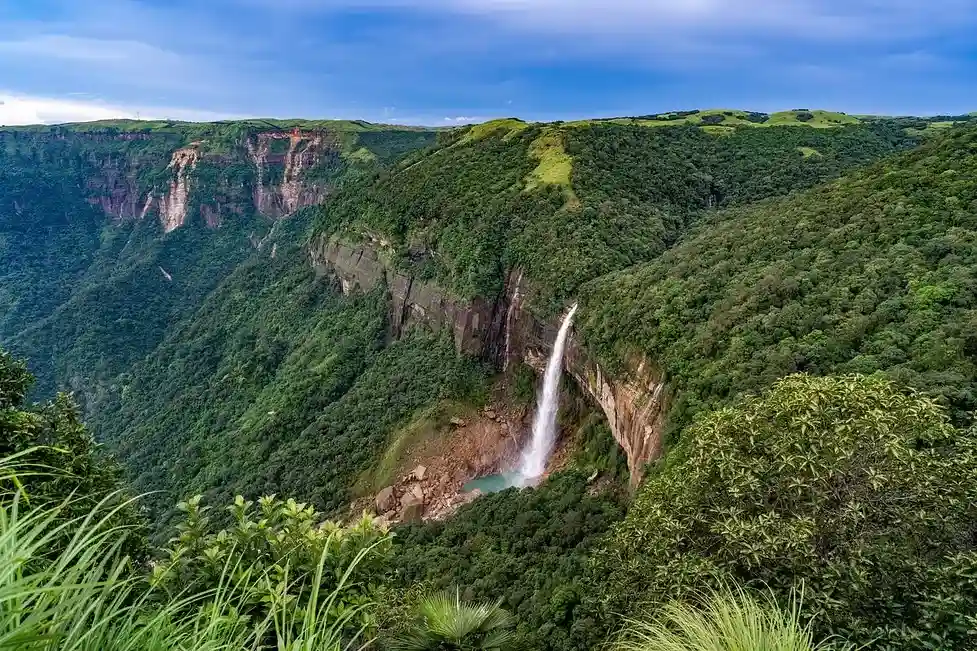
Bishop Falls Shillong: Height, Best Viewpoints & Visit Timings
Explore Bishop Falls in Shillong, Meghalaya - a spectacular 135m waterfall. Complete guide to timings, best season, trekking route, photography tips & nearby attractions including Beadon Falls.
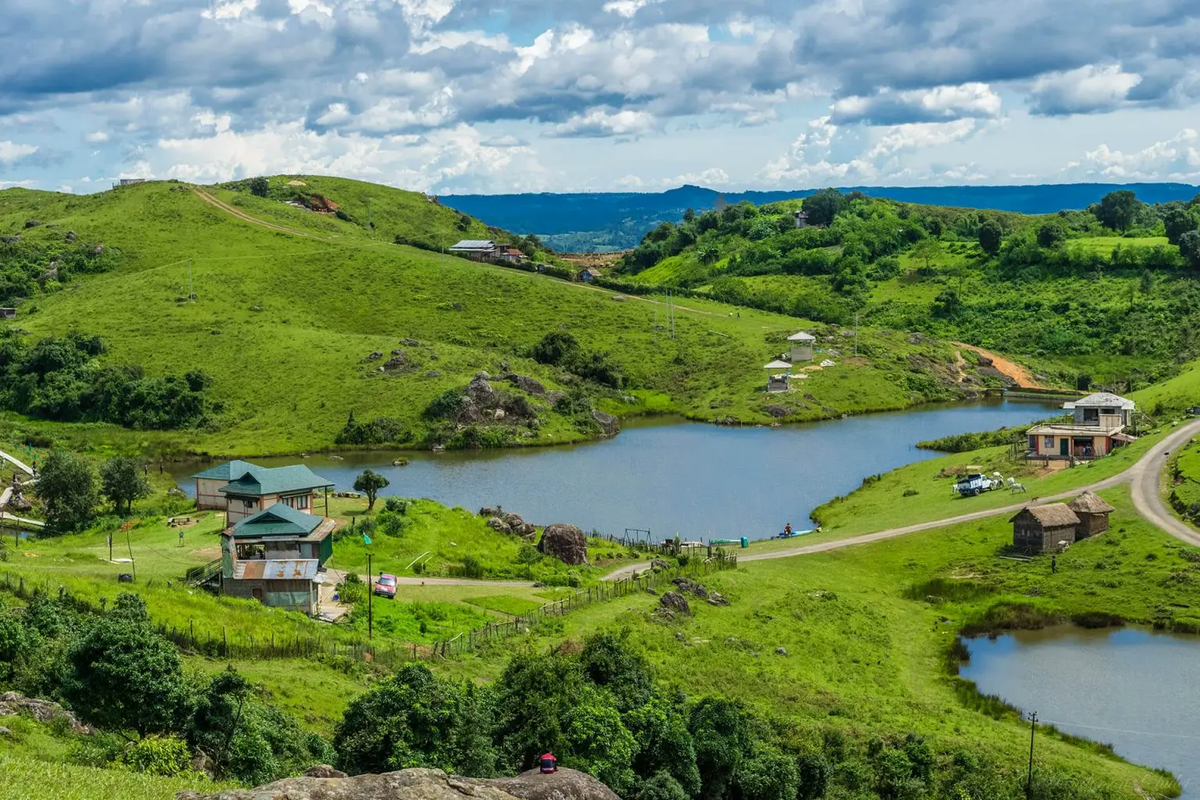
Khasi Hills Meghalaya: Best Places, Waterfalls & Travel Itinerary
Explore Khasi Hills in Meghalaya with top places, best time, living root bridges, culture, and practical itinerary tips in this complete travel guide.
Spread Eagle Falls Shillong: Route, Timing and Safety
Visit Spread Eagle Falls Shillong with practical route, timing, and safe-viewing guidance for smoother waterfall travel.
Never Miss an Adventure
Get the latest trekking guides, travel tips, and exclusive offers delivered straight to your inbox.
