
Museum of Christian Art Goa: Timings, Tickets & Collection Highlights

Rohan Malhotra
December 28, 2025
Visit Museum of Christian Art Goa - India's only museum dedicated to Christian art. Explore exhibits, timings, entry fee, history, and practical guide to this unique heritage site.
Introduction: India's Only Museum Dedicated to Christian Art
Museum of Christian Art Goa is a unique cultural institution that stands as India's sole museum dedicated exclusively to Christian art. Located within the historic Convent of Santa Monica in Old Goa, this remarkable museum preserves and showcases the rich artistic heritage of Goa's Indo-Portuguese Christian tradition. For travelers interested in art history, religious culture, or Goa's colonial past, this museum offers an intimate glimpse into centuries of artistic synthesis between Indian craftsmanship and European religious iconography.
Unlike Goa's more famous churches that attract millions of visitors, the Museum of Christian Art provides a quieter, contemplative experience where art enthusiasts can examine exquisite artifacts up close. The museum's collection includes gold and silver religious objects, intricate ivory carvings, Indo-Portuguese paintings, sculptures, liturgical vestments, and rare manuscripts that tell the story of Goa's unique Christian artistic evolution. What makes this collection particularly special is how it demonstrates how local Goan artisans adapted European religious themes using traditional Indian techniques and materials.
The museum's location within Old Goa's UNESCO World Heritage vicinity adds another layer of significance. Visitors can easily combine a museum visit with nearby heritage churches like the Basilica of Bom Jesus and Se Cathedral, creating a comprehensive Old Goa heritage experience. Whether you are an art historian, a cultural traveler, or simply someone curious about Goa beyond its beaches, this museum offers an enriching journey through Goa's lesser-known artistic legacy.
History & Significance: Preserving Goa's Christian Artistic Heritage
The Museum of Christian Art was established in 1994, following a collaborative effort between the Indian government and the Calouste Gulbenkian Foundation of Portugal. This international collaboration recognized the need to preserve and document Goa's unique Christian artistic tradition, which was at risk of deterioration, dispersal, or loss. The museum's creation marked an important milestone in India's cultural preservation efforts, acknowledging the significance of Indo-Portuguese Christian art within the broader narrative of Indian art history.
The Convent of Santa Monica
The museum is housed within the Convent of Santa Monica, which was built in 1627 and once served as a monastery for nuns. This historic setting provides an atmospheric backdrop for the museum's collection, allowing visitors to experience the art within a space originally designed for religious contemplation. The convent itself is an architectural treasure, representing one of the oldest and largest religious buildings in Goa. The thick laterite stone walls, high ceilings, and serene cloisters create an environment that enhances the spiritual and artistic appreciation of the exhibits.
Indo-Portuguese Artistic Synthesis
The collection's significance lies in its demonstration of how European Christian art was transformed through Indian artistic sensibilities. When Portuguese missionaries arrived in Goa in the 16th century, they brought religious art and artifacts to aid in conversion efforts. Over time, local Goan artisans began creating these objects using indigenous materials and techniques, resulting in a distinctive artistic style that blended European iconography with Indian craftsmanship. This synthesis is particularly visible in the treatment of Christian figures, the use of tropical materials like ivory and local hardwoods, and the incorporation of Indian decorative motifs into primarily Christian religious art.
Cultural Importance
Beyond its artistic value, the museum plays a crucial role in preserving Goan Christian community identity. For Goa's Catholic population, which constitutes roughly a quarter of the state's population, the museum documents their community's cultural evolution and artistic contributions. The artifacts represent centuries of faith, craftsmanship, and cultural adaptation that shaped Goa's unique identity within both Indian and Lusophone worlds. The museum also serves educational purposes, helping younger generations of Goans understand their heritage while introducing visitors from other parts of India and abroad to this distinctive artistic tradition.
| Historical Period | Development | Significance |
|---|---|---|
| 16th-18th Century | Creation of original Christian artifacts | Establishment of Indo-Portuguese artistic style |
| 1627 | Convent of Santa Monica built | Created historic home for future museum |
| 1961 | Goa's integration with India | Need to preserve Portuguese-era heritage recognized |
| 1994 | Museum established | Formal preservation and public access to collection |
| Present | Active conservation and education | Continued preservation of Goan Christian art |
Exhibits & Collections: A Journey Through Indo-Portuguese Christian Art
The Museum of Christian Art's collection, though not enormous, is carefully curated and exceptionally significant. Each piece represents the highest standards of Goan Christian craftsmanship and provides insights into the artistic, religious, and cultural history of the region. The exhibits are displayed thematically, allowing visitors to understand different aspects of Christian artistic production in Goa.
Gold and Silver Artifacts
One of the museum's most precious collections includes gold and silver religious objects used in liturgical ceremonies. These include intricately worked chalices, monstrances (vessels for displaying the Eucharist), censers (incense burners), and processional crosses. The metalwork demonstrates exceptional technical skill, with pieces featuring filigree work, repoussé hammering, and enamel inlay. What makes these objects particularly interesting is how Indian silversmiths adapted European liturgical vessel forms while incorporating decorative motifs familiar from Hindu and Islamic artistic traditions. The level of craftsmanship in these pieces rivals the finest ecclesiastical metalwork found anywhere in the Christian world.
Indo-Portuguese Paintings
The museum's painting collection showcases the distinctive Indo-Portuguese style that developed in Goa. These works, primarily from the 17th and 18th centuries, depict Christian religious themes and saints, but with stylistic elements that reflect both European and Indian artistic conventions. Many paintings feature border decorations, textile patterns, or figure treatments that suggest Hindu miniature painting influences. The pigments used often include locally available materials, and the canvas preparation follows Indian artistic practices. Particularly noteworthy are portraits of saints that were venerated by both Portuguese missionaries and local converts, serving as visual bridges between European Christianity and Indian converts.
Sculptures and Carvings
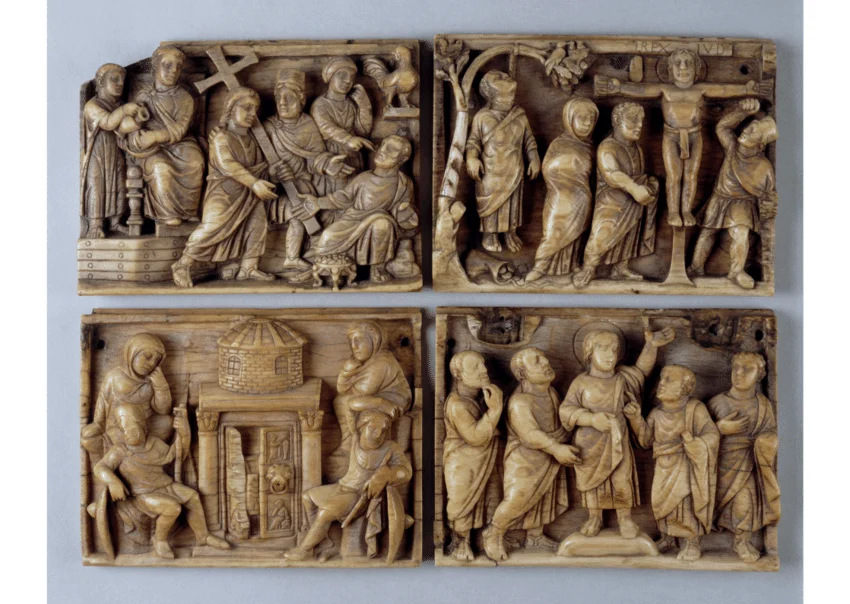
The sculptural collection is one of the museum's strengths, featuring ivory, wood, and stone carvings of remarkable quality. Ivory carvings deserve special mention—Goa was famous for its ivory workshops, and the museum contains beautiful crucifixes, saints' figures, and religious reliefs carved from this precious material. The ivory pieces demonstrate how Goan artisans mastered this demanding medium, creating works that combine European devotional imagery with Indian decorative sensibility. Wooden sculptures, often painted or gilded, include large-scale crucifixes, saint statues, and altar components that once adorned Goan churches. The collection also includes bronze statues and plaster reliefs, showing the range of sculptural media employed by Goan Christian artists.
Liturgical Objects and Vestments
The museum houses an extensive collection of objects used in Catholic worship, providing insights into the ritual aspects of Goan Christianity. Liturgical vestments—priestly robes worn during Mass—are displayed, showcasing the luxurious textiles and elaborate embroidery that characterized Goan church dress. These vestments, often made from silk, velvet, or brocade embroidered with gold or silver thread, demonstrate the importance of beauty in Catholic worship and the resources the Goan Christian community invested in religious practice. Other liturgical objects include altar candlesticks, holy water fonts, incense boats, religious books with jeweled covers, and ceremonial vessels used during important church festivals like Holy Week.
Rosewood Furniture
The museum's collection of Goan rosewood furniture represents a significant decorative arts tradition. These pieces—including chairs, tables, cabinets, and chests—were crafted from local rosewood using Indian joinery techniques but often incorporate European decorative elements like carved motifs, turned legs, and inlay work. The furniture demonstrates how secular objects in Goan Christian households reflected the same Indo-Portuguese aesthetic seen in religious art. Particularly interesting are pieces that combine utility with artistry, such as Bible boxes with carved biblical scenes or cabinets with religious iconography integrated into their decorative programs.
Manuscripts and Rare Documents
For scholars and history enthusiasts, the museum's manuscript collection holds special interest. These documents include liturgical books, theological treatises, parish records, and historical accounts written in Portuguese, Latin, and sometimes local languages. Many manuscripts feature elaborate illuminations, decorative initials, and leather bindings that are themselves works of art. These documents provide valuable insights into the intellectual life of Goan Christians, the theological education of local clergy, and the administrative history of Goa's churches. Some manuscripts date back several centuries, making them precious historical artifacts beyond their artistic merit.
Notable Pieces and Their Stories
While the entire collection deserves careful attention, certain pieces stand out for their artistic quality or historical interest. A particularly remarkable ivory crucifix, dating from the 17th century, demonstrates the Goan mastery of this challenging medium while portraying Christ with a dignity and sensitivity that transcends cultural boundaries. An elaborately worked silver monstrance, used for Eucharistic adoration, features intricate filigree work that would be impressive in any major European cathedral. A series of saint portraits shows how Christian iconography was adapted to make it more accessible to Indian converts, with some saints depicted with features or attributes that would be familiar to Hindu devotees. Each notable piece has a story—of creation, use, preservation, and recovery—that adds human interest to its artistic appeal.
Best Time to Visit Museum of Christian Art Goa
Choosing the right time to visit the Museum of Christian Art can significantly enhance your experience, both in terms of comfort and the quality of your visit. Goa's climate and tourist patterns vary considerably throughout the year, and timing your visit strategically can help you avoid crowds and enjoy the museum in optimal conditions.
Winter Season (November to February)
The winter months offer the most comfortable weather for visiting Goa in general, and this applies to the Museum of Christian Art as well. Daytime temperatures are pleasant, humidity is lower, and the clear winter light creates good viewing conditions in the museum. Winter is also peak tourist season in Goa, so while the weather is ideal, you may encounter more visitors at popular attractions. However, the Museum of Christian Art, being less frequented than major churches, usually remains relatively peaceful even during peak season. If visiting in winter, weekday mornings are particularly good for avoiding tour groups that sometimes visit Old Goa heritage sites.
Shoulder Season (March to May, October)
The shoulder months—October before peak season begins, and March through May after winter crowds depart—can be excellent times for museum visits. October offers the benefit of post-monsoon greenery and comfortable temperatures before tourist numbers peak. March through May sees increasing heat and humidity, but also thinner crowds at most attractions. The museum itself is indoor and climate-controlled in many areas, making it a comfortable refuge from outdoor heat. If you don't mind warmer weather, visiting during these shoulder months means you'll likely have the museum nearly to yourself, allowing for unhurried viewing and photography without crowds blocking your shots.
Monsoon Season (June to September)
The monsoon season divides visitor opinions but offers unique advantages for cultural tourism in Goa. Rainfall is heavy, humidity is high, and outdoor sightseeing can be challenging, but this makes indoor attractions like museums especially appealing. The monsoon atmosphere actually enhances the experience of visiting Old Goa's heritage buildings, as the rain creates a moody, atmospheric backdrop for historic architecture. The Museum of Christian Art provides a perfect monsoon day activity—you can spend hours examining the collection comfortably while rain falls outside. Many travelers find that monsoon-season Goa offers a more authentic experience with fewer tourists, lower prices, and a chance to see local life without the tourist circus. If visiting during monsoon, check weather conditions and plan indoor activities like museum visits on the heaviest rainfall days.
Time of Day Considerations
Regardless of season, the time of day you visit affects your experience. Morning visits (shortly after opening) offer the best lighting conditions for viewing and photography, and you're likely to encounter fewer visitors. The museum's opening hours allow for good morning light entering through historic windows, creating atmospheric conditions that enhance the viewing experience. Late morning through early afternoon tends to be busier, especially if tour groups are scheduled. Afternoon visits can work well, especially if you're combining the museum with other Old Goa attractions. The museum's indoor environment means you're not as affected by outdoor weather conditions as you would be at churches without controlled environments.
| Season | Pros | Cons |
|---|---|---|
| Winter (Nov-Feb) | Ideal weather, pleasant temperatures | Higher tourist numbers, peak pricing |
| Shoulder (Mar-May, Oct) | Fewer crowds, authentic local experience | Increasing heat and humidity |
| Monsoon (Jun-Sep) | Atmospheric, fewer tourists, lower costs | Heavy rain, high humidity |
| Morning Hours | Best lighting, peaceful atmosphere | Must plan early day schedule |
| Afternoon | Good for combining with other sites | Potentially more visitors, tour groups |
How to Reach Museum of Christian Art Goa: Location & Access
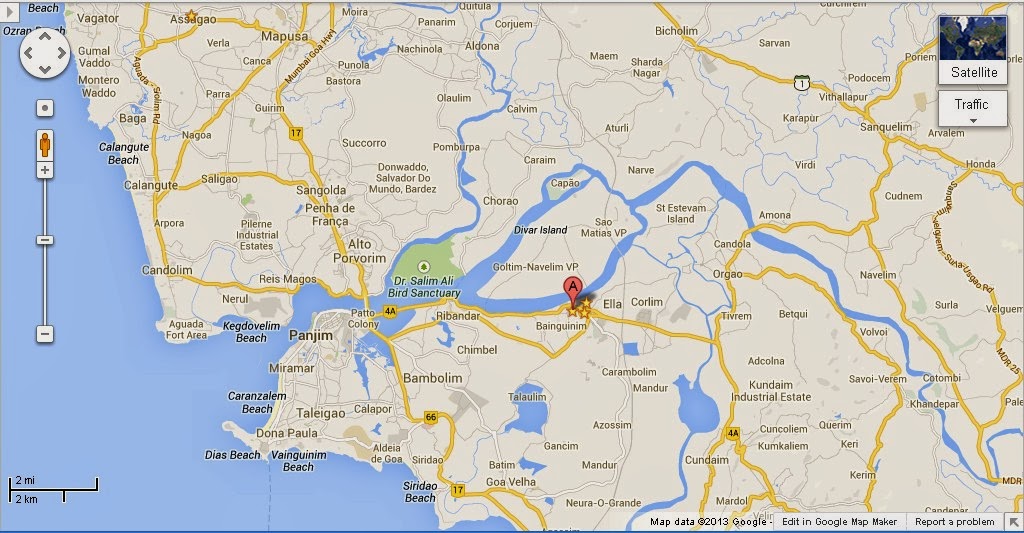
The Museum of Christian Art is located in Old Goa (also known as Velha Goa), approximately 10 kilometers east of Panjim, the state capital. The museum's location within the Convent of Santa Monica places it in the heart of Old Goa's UNESCO World Heritage monument complex, making it easily accessible as part of a broader Old Goa heritage itinerary.
Exact Location and Address
The museum is situated within the Convent of Santa Monica complex on Holy Hill in Old Goa. The address is typically referenced as 'Convent of Santa Monica, Holy Hill, Old Goa, Goa 403402' for navigation purposes. The area is well-signposted, with brown tourist signs directing visitors to major monuments including the museum. For digital navigation, searching for 'Museum of Christian Art Old Goa' or 'Convent of Santa Monica Goa' will generally provide accurate directions. The museum is located near other major Old Goa churches, making it easy to find once you're in the general monument area.
From Panjim (Panaji)
Panjim, Goa's capital city, is the most common departure point for Old Goa visits. The distance is approximately 10 kilometers, and travel time varies from 20-30 minutes by private vehicle depending on traffic conditions. The most direct route is via the NH-748 highway, which connects Panjim to Old Goa via the Ponda road intersection. Taxis, app-based cabs, and rental scooters or cars are all viable options for the journey. If you're staying in central Panjim or near the bus stand, you can also take a local bus heading toward Old Goa or Ponda, though you'll need to confirm with the conductor that the bus stops near Old Goa monuments.
From North Goa Beach Areas
Popular beach destinations like Candolim, Calangute, Baga, and Anjuna are approximately 25-35 kilometers from Old Goa, with travel times of 45-75 minutes depending on traffic. The most practical approach is to hire a taxi or private car for the day, as this allows you to visit Old Goa and return conveniently. Many North Goa hotels and guesthouses can arrange taxis or provide information on tour operators who include Old Goa in day tours. If you're comfortable driving in India, renting a scooter or car gives you flexibility to explore at your own pace. The route typically involves traveling south on major highways before turning east toward Old Goa via the Ponda road junction.
From South Goa Beach Areas
South Goa beaches like Palolem, Colva, and Benaulim are roughly 40-50 kilometers from Old Goa, with journey times of 1-1.5 hours depending on traffic and road conditions. South Goa travelers typically route through Margao, Goa's commercial capital, before heading north to Old Goa. Given the distance, hiring a taxi or private car for a full-day tour that includes Old Goa makes the most sense. Some visitors combine Old Goa with other North Goa attractions to justify the travel time from South Goa bases.
Public Transportation Options
Goa's public bus system connects major towns and tourist areas, and buses to Old Goa are available from Panjim, Margao, and Ponda. However, bus travel requires some local knowledge and comfort with non-tourist transportation. The bus experience is certainly economical, but you'll need to confirm routes and stops in advance. Buses typically drop passengers at the main Old Goa junction, from where you'll need to walk or take an auto-rickshaw to the specific monument complex. For first-time visitors or those with limited time in Goa, private transport or organized tours generally work better than public buses for Old Goa visits.
Organized Tours and Guides
Many tour operators in Goa offer Old Goa heritage tours that include the Museum of Christian Art along with major churches. These tours typically include transportation, guide services, and sometimes entrance fees. If you're interested in deep historical context, hiring a knowledgeable guide can significantly enhance your museum experience, as they can explain the significance of various pieces and their role in Goan Christian history. Some tour companies specialize in cultural and heritage tourism, offering more in-depth experiences than standard tourist tours.
Museum Timings, Entry Fee & Practical Information
Planning your visit requires understanding the museum's operating schedule, entry requirements, and practical facilities. Unlike Goa's major churches which have longer operating hours, the museum maintains specific visiting hours that reflect its status as a curated cultural institution rather than an active religious site.
Opening Hours and Days
The Museum of Christian Art typically opens from 9:30 AM to 5:00 PM, with a lunch closure usually from 1:00 PM to 2:00 PM. These hours can vary slightly by season, and it's always wise to verify current timings before your visit. Importantly, the museum is generally closed on Sundays and all public holidays. This closure schedule reflects the fact that the museum is located within an active religious complex, and Sunday closures allow staff and the convent community their day of rest. If you're planning to visit on a Sunday or holiday, you'll need to adjust your itinerary to explore other attractions in Goa. Plan your Old Goa visit for a weekday to ensure museum access.
Entry Fee Structure
The museum charges a nominal entry fee, which helps support conservation efforts and facility maintenance. Indian citizens and foreign visitors may have different fee structures, with foreign nationals typically paying a slightly higher rate (a common practice at Indian monuments). Fees are quite reasonable by international standards—usually under 100 rupees for Indians and slightly higher for foreigners. Students may qualify for discounted rates with valid identification. Payment is typically accepted in cash, though digital payment options are increasingly available. It's advisable to carry small currency denominations, as ticket counters may not always have change for large notes. Children below a certain age (usually 15) may be admitted free when accompanied by adults.
Facilities and Amenities
Being a specialized museum rather than a major tourist attraction, facilities at the Museum of Christian Art are relatively basic. There is typically a small reception area where you purchase tickets and possibly pick up informational brochures. Restroom facilities are available but may not meet the standards some international visitors expect. Photography policies should be confirmed at entry—some areas may allow photography without flash, while others may restrict photography entirely to protect delicate artifacts from light damage. There is no museum shop or cafe on-site, so any souvenir purchases or refreshments would need to happen elsewhere in Old Goa or back in Panjim. The museum is not fully air-conditioned but relies on natural ventilation and fans, which is generally adequate given Goa's climate and the historic building's design.
Recommended Visit Duration
A thorough visit to the Museum of Christian Art typically takes 1-2 hours, depending on your level of interest in art and history. Casual visitors who want a general overview can see the main exhibits in about an hour, while art enthusiasts or those with special interest in Christian iconography may spend two hours or more examining pieces in detail. The museum is not large, so it doesn't require half-day commitment like some major museums. This manageable size makes it easy to combine the museum with other Old Goa churches in a single morning or afternoon. If you're serious about photography or want to read every information panel thoroughly, plan for the longer end of the time range.
| Practical Detail | Information | Notes |
|---|---|---|
| Opening Days | Tuesday through Saturday | Closed Sundays and public holidays |
| Timings | 9:30 AM - 5:00 PM | Closed for lunch 1:00-2:00 PM |
| Entry Fee (Indians) | Nominal charge (approx ₹50) | Subject to change, confirm on arrival |
| Entry Fee (Foreigners) | Slightly higher (approx ₹100-200) | Subject to change, confirm on arrival |
| Photography | Check at entrance | May require additional fee or be restricted |
| Visit Duration | 1-2 hours recommended | Can be shorter or longer based on interest |
| Best for | Art lovers, history enthusiasts, cultural travelers | Less interesting for young children |
Nearby Attractions: Creating Your Old Goa Heritage Circuit
One of the great advantages of visiting the Museum of Christian Art is its location within Old Goa's UNESCO World Heritage monument complex. You can easily combine your museum visit with nearby heritage churches and historical sites to create a comprehensive Old Goa heritage experience. This clustering of attractions makes efficient use of travel time and provides context for understanding Goa's Portuguese Christian history.
Basilica of Bom Jesus
Located just a short walk from the Museum of Christian Art, the Basilica of Bom Jesus is Old Goa's most famous attraction and a UNESCO World Heritage Site. The basilica contains the tomb and mortal remains of St. Francis Xavier, the Jesuit missionary who played a crucial role in spreading Christianity in Asia. Built in the 16th century, the basilica is a masterpiece of Baroque architecture with distinctive laterite stone construction. The interior features elaborately carved altars, beautiful stained glass, and an atmosphere of intense devotion—St. Xavier's tomb is an active pilgrimage site, and you'll often see devotees praying there. Basilica of Bom Jesus receives millions of visitors annually, so expect crowds, but the historical and spiritual significance makes it unmissable. Combining the basilica with the museum provides a fuller picture of Goan Christianity—the basilica shows the public face of the faith, while the museum reveals its artistic and material culture.
Se Cathedral (Sé Catedral)
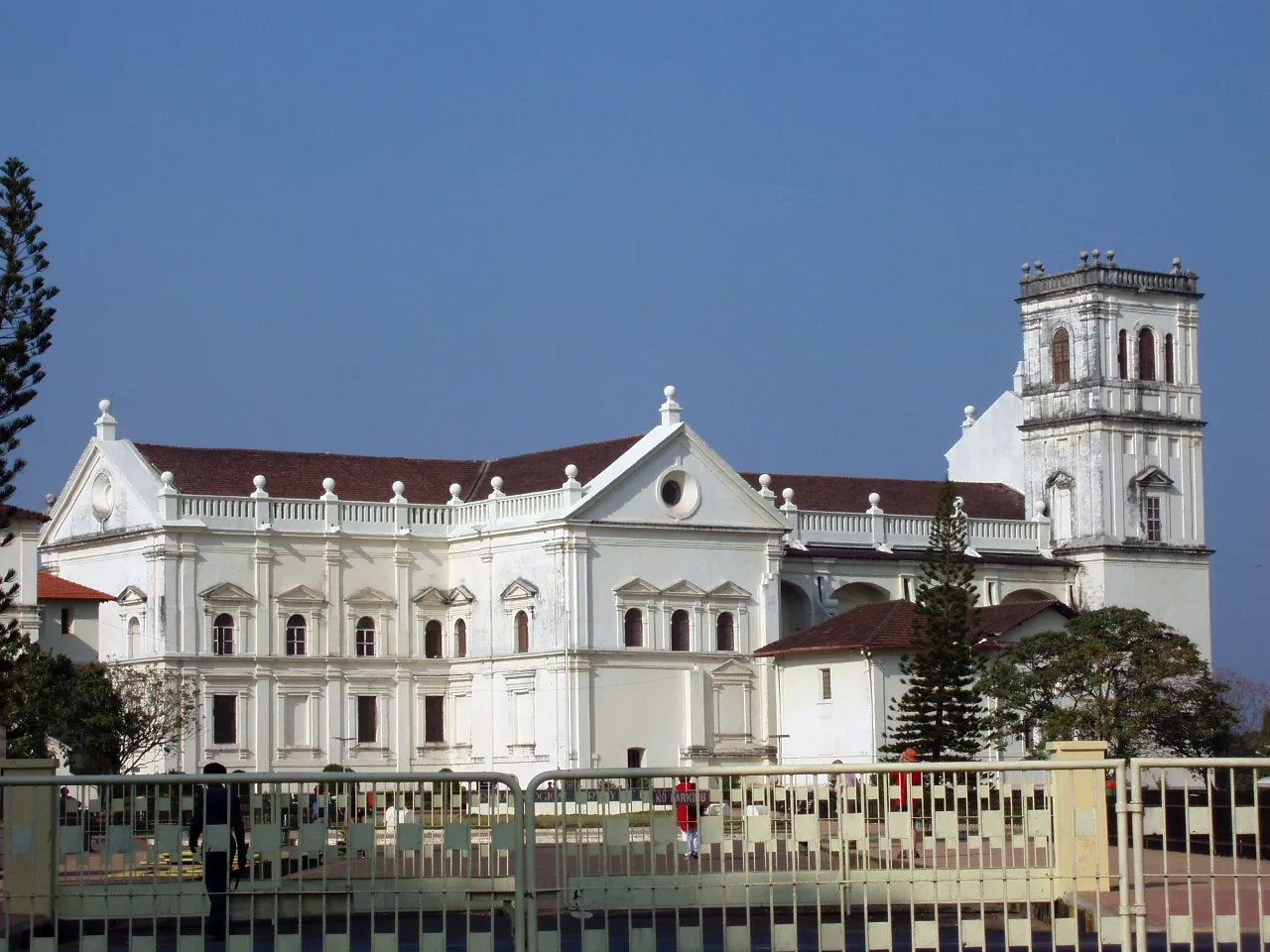
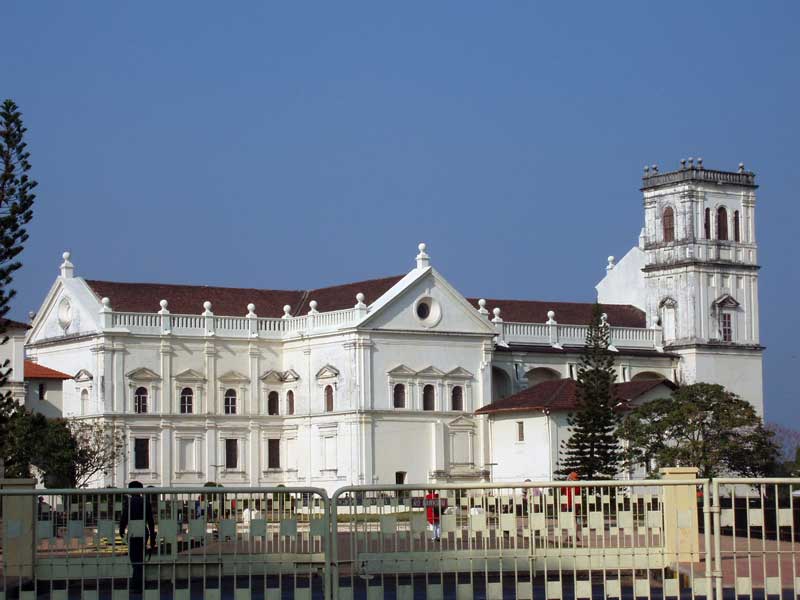
The Se Cathedral, dedicated to Catherine of Alexandria, is the largest church in Asia and another architectural jewel of Old Goa. Built to commemorate Portugal's victory over a Muslim army, the cathedral's scale and grandeur reflect the importance of Goa within the Portuguese colonial empire. The cathedral features an impressive Tuscan-style exterior, a vaulted interior, and a famous Golden Bell whose legendary sound once echoed across Old Goa. The cathedral's quiet corners provide space for reflection away from the more crowded Basilica of Bom Jesus. The architecture, religious art, and historical significance make it a perfect complement to the museum visit—you can see some of the types of liturgical objects displayed in the museum in their actual religious context at the cathedral. Se Cathedral is an active place of worship, so visitors should be respectful during services.
Church of St. Francis of Assisi
Located near the Se Cathedral, the Church of St. Francis of Assisi and its attached convent represent another important component of Old Goa's heritage complex. The church's interior features beautiful wood carving, ancient murals, and an atmosphere of historic piety. The attached convent building houses the Archaeological Museum, which contains additional artifacts from Goa's Portuguese period, including portrait galleries of Portuguese governors, colonial-era artifacts, and historical exhibits. Visiting both the Museum of Christian Art and the Archaeological Museum provides a more complete understanding of Portuguese-era Goan history and material culture. The Church of St. Francis of Assisi is architecturally distinct from the larger churches nearby, showing how different religious orders expressed their faith through varying architectural styles.
Viceroy's Arch
This ceremonial gateway, located near the Mandovi River, was built to commemorate the Portuguese conquest of Goa. Though less imposing than the great churches, the arch offers insights into Portuguese imperial symbolism and colonial administration. It's a good spot for photographs and provides a sense of the historical geography of Old Goa as a port city. The arch is relatively quick to visit but adds another layer to your understanding of Goa's colonial past.
Old Goa Heritage Walk Route
For travelers who enjoy walking and exploration, Old Goa can be experienced through a heritage walk that connects the major monuments. A typical route might start at the Basilica of Bom Jesus, proceed to the Se Cathedral, visit the Church of St. Francis of Assisi and Archaeological Museum, and continue to the Museum of Christian Art at the Convent of Santa Monica. This walk covers approximately 1-2 kilometers depending on the exact route and can be completed in 3-4 hours with time spent at each location. The walk takes you through atmospheric ruins, past laterite stone walls, and under ancient trees that have witnessed centuries of Goan history. Along the way, you'll encounter smaller chapels, archaeological remains, and views across the surrounding countryside that help you understand Old Goa's historical importance as a major city that once rivaled European capitals in size and splendor.
Photography Tips & Visitor Guidelines
Photography at the Museum of Christian Art requires attention to museum policies and respect for the artifacts' preservation needs. With proper preparation, you can capture beautiful images that preserve memories of your visit while following ethical guidelines.
Photography Policies
Photography rules may vary, and it's essential to check current policies when purchasing your entry ticket. Some museums allow photography without flash, while others restrict photography entirely to protect light-sensitive artifacts from cumulative damage. Flash photography is typically prohibited in museums with old paintings, textiles, or light-sensitive materials, as the intense light can cause irreversible fading and deterioration over time. If photography is permitted, be considerate of other visitors—don't block walkways or hold up displays while taking photographs. Some museums charge additional fees for photography or require special permits for professional shoots. Always follow the instructions of museum staff regarding photography.
Best Photography Subjects
If photography is allowed, certain subjects make particularly rewarding images. The museum's architectural details—arched doorways, historic stone walls, window grilles, ceiling details—provide atmospheric context shots. The ivory carvings and metalwork pieces photograph well with careful lighting, often revealing details that might be missed during casual viewing. Paintings and sculptures benefit from careful framing that eliminates distracting backgrounds. The museum's setting within the historic convent offers opportunities for atmospheric shots showing how the exhibits relate to their architectural context. Exterior shots of the convent building and surrounding monuments help document your visit's setting within Old Goa's heritage landscape.
Lighting Considerations
Museum lighting is typically designed to protect artifacts while making them visible to visitors. This often means relatively dim lighting with spot illumination on key pieces. For photography, this creates challenges but also opportunities. Avoid using flash (if prohibited) and instead use higher ISO settings on your camera or longer exposures with stabilization. Be patient and wait for moments when other visitors aren't blocking your shot. Some artifacts are behind glass, which requires careful positioning to avoid reflections and glare. Early morning visits often provide the best natural light through windows, creating atmospheric illumination of both artifacts and architecture.
Respectful Behavior Guidelines
The Museum of Christian Art is located within an active religious complex, and visitors should conduct themselves with appropriate respect. Speak quietly, avoid disruptive behavior, and be mindful of worshippers or nuns you may encounter in the broader convent area. Don't touch artifacts or cases unless specifically allowed—the oils on skin can damage delicate surfaces over time. Supervise children closely and ensure they understand the importance of respectful behavior. Follow all instructions from museum staff or security personnel. Remember that this collection holds deep religious significance for Goa's Christian community, so treat all artifacts with reverence regardless of your personal beliefs.
Making the Most of Your Visit
To get the most from your museum experience, consider visiting with some background knowledge of Indo-Portuguese Christian art or Goa's history. Even reading this guide in advance provides context that will enhance your appreciation of the exhibits. If available, hire a museum guide or audio guide to learn more about specific pieces and their significance. Take your time rather than rushing through—this is a collection that rewards careful observation. Consider bringing a notebook to record pieces that particularly interest you for further research later. If you're on an extended Goa trip, you might even visit twice—the first time for a general overview, and a second time to focus on specific aspects that caught your interest during the first visit.
Conclusion: Discovering Goa's Artistic Soul at the Museum of Christian Art
The Museum of Christian Art Goa offers travelers a unique window into a fascinating aspect of Goan and Indian cultural history that many visitors miss entirely. While Goa's beaches and nightlife attract millions, this quiet museum tells a deeper story about cultural synthesis, artistic excellence, and religious expression that shaped Goa's identity over centuries. For travelers seeking to understand Goa beyond its tourist facade, the museum provides essential context for comprehending how this small state became such a distinctive crossroads of cultures.
The collection demonstrates how art can bridge cultures—how Indian artisans learned European techniques, how Portuguese iconography was transformed by Indian aesthetic sensibilities, and how a global religious tradition found unique expression in the local context. The ivory carvers, goldsmiths, painters, and sculptors represented in this museum created works that stand as masterpieces in their own right while also documenting a remarkable historical moment of cultural exchange and adaptation.
For art lovers, the museum offers examples of craftsmanship that rival anything produced in Europe during the same period. For historians, the artifacts provide material evidence of how Christianity took root in Indian soil. For casual tourists, the museum offers a peaceful, air-conditioned respite from Goa's heat and crowds, where you can learn something new while surrounded by beautiful objects. The museum's manageable size means it never feels overwhelming, and its location within Old Goa's heritage precinct makes it easy to combine with other significant sites.
Perhaps most importantly, the Museum of Christian Art reminds us that India's cultural heritage includes more than just Hindu, Buddhist, or Islamic traditions—Christian artistic expression has been part of India's story for nearly five centuries, and nowhere is this more beautifully demonstrated than in Goa. The museum preserves a legacy that might otherwise be lost, ensuring that future generations can appreciate the artistic achievements of their Goan Christian ancestors.
Whether you spend an hour or an afternoon, whether you're a serious art historian or a curious traveler, the Museum of Christian Art Goa rewards your visit with insights, beauty, and a deeper appreciation for Goa's complex cultural tapestry. In a state often reduced to beach tourism stereotypes, this museum offers substance, depth, and an opportunity to connect with a dimension of Goan identity that deserves far wider recognition. Make time for it during your Goa travels—you'll be richer for the experience.
Location
Frequently Asked Questions
Q1.Where is Museum of Christian Art Goa located?
Q2.What are the timings of Museum of Christian Art?
Q3.What is the entry fee for Museum of Christian Art?
Q4.What can I see at Museum of Christian Art?
Q5.How much time should I spend at the museum?
Q6.Is photography allowed inside the museum?
Q7.How do I reach Museum of Christian Art from Panjim?
Q8.Is the museum open on Sundays?
Recommended For You
Three Kings Church Goa: Local Legend, Feast Date & Route
Explore Three Kings Church in Cansaulim, Goa with its famous legend, Epiphany feast context, route details, nearby attractions, and practical visit tips.
Goa in August: Weather, Best Places & Monsoon Experiences
Discover the best places to visit in Goa in August with monsoon-safe plans, Dudhsagar tips, heritage circuits, weather guidance, and practical travel advice.
Goa in July: Monsoon Weather, Waterfalls & Travel Tips
Discover the best places to visit in Goa in July with monsoon-friendly itineraries, Dudhsagar plans, heritage routes, weather tips, and safety guidance.
Never Miss an Adventure
Get the latest trekking guides, travel tips, and exclusive offers delivered straight to your inbox.
