
International
Se Cathedral Goa: Timings, Architecture & Visitor Information

Neha Kapoor
December 31, 2025
11 min read2,683 views
Complete guide to Se Cathedral Goa featuring history, Golden Bell, timings, architecture, location, and nearby UNESCO heritage churches in Old Goa.
Se Cathedral Goa: Asia's Largest Cathedral
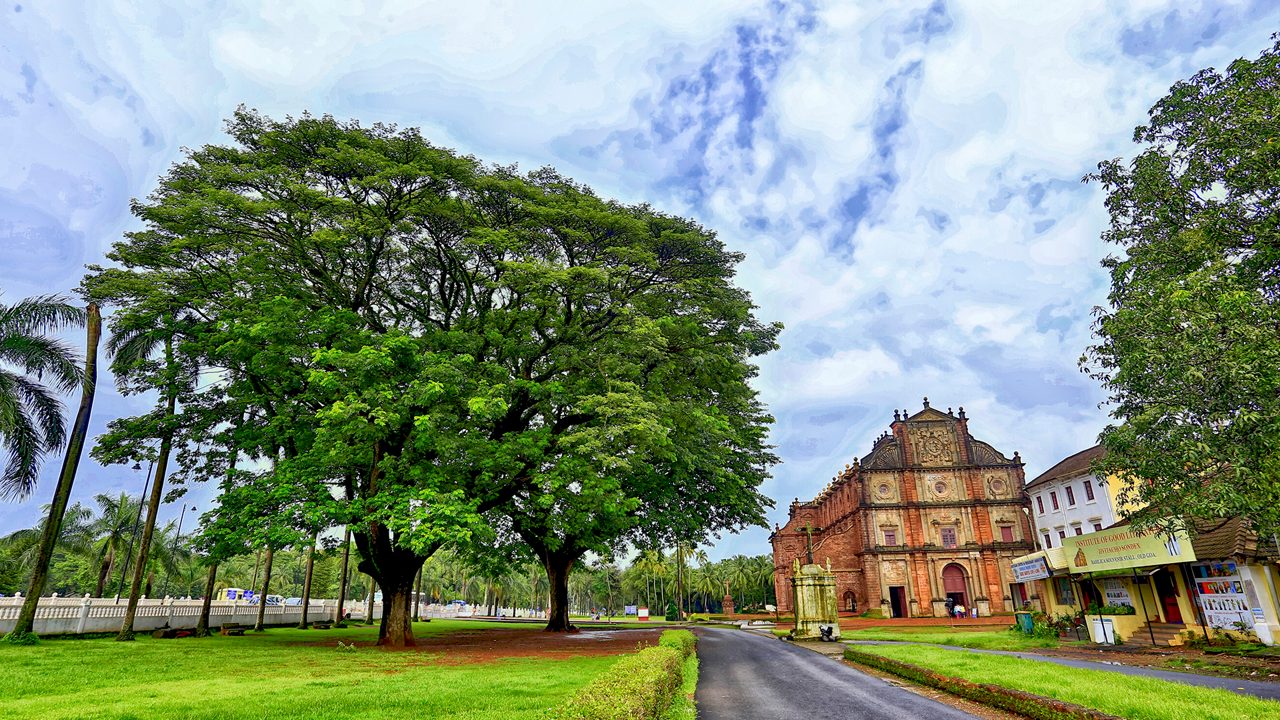
Standing as one of Old Goa's most magnificent monuments, the Se Cathedral (Sé Catedral de Santa Catarina) represents Portuguese colonial architecture at its grandest scale. Dedicated to Saint Catherine of Alexandria, this cathedral was built to commemorate Portugal's victory over the Muslim rulers in 1510. The cathedral's name "Se" comes from the Portuguese word for seat, reflecting its status as the headquarters of the Archdiocese of Goa. Construction of this massive structure began in 1562 under Portuguese rule and continued nearly a century until its completion in 1652. Built in the Portuguese-Manueline style, the Se Cathedral dominates Old Goa's skyline with its imposing facade and iconic towers. The cathedral's dimensions are staggering—76 meters long, 55 meters wide, with a facade standing 35.5 meters tall. For centuries, it held the distinction of being the largest church in Asia, a testament to Portuguese ambition and religious devotion in their eastern empire. The Se Cathedral earned UNESCO World Heritage status in 1986 as part of the "Churches and Convents of Goa" ensemble. The cathedral houses the revered Golden Bell, said to be one of the largest bells in the world with its distinct golden resonance. The Portuguese cross on the facade and the exquisite interior including fourteen altars dedicated to various saints create an atmosphere of profound religious and historical significance.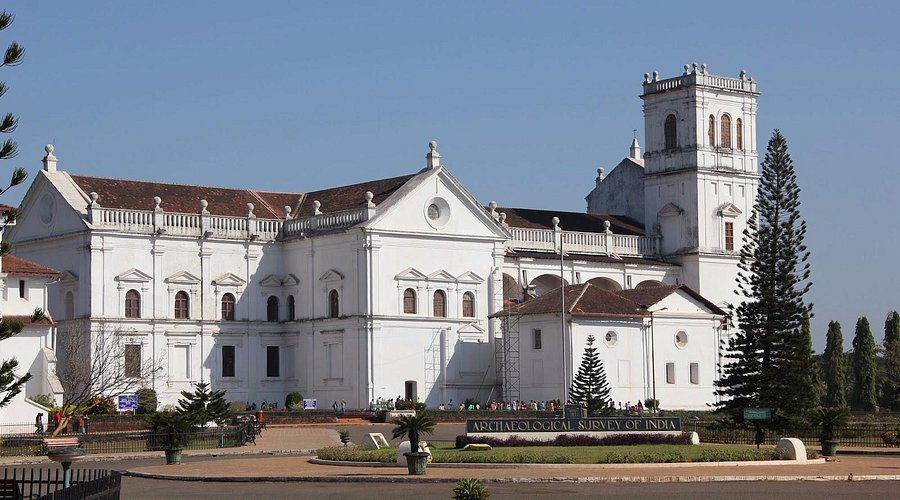
Historical Significance and Architecture
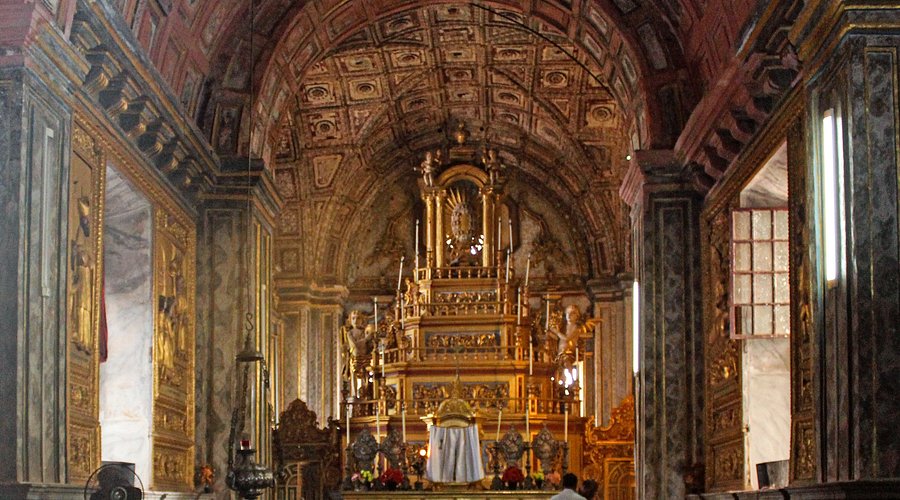
The Se Cathedral's history begins with Afonso de Albuquerque's conquest of Goa in 1510 on Saint Catherine's feast day, November 25th. The cathedral was built to honor this victory and the saint who inspired it. The original structure built on this site was smaller, but growing Portuguese power and wealth in Asia led to plans for a cathedral worthy of their eastern capital. The architectural style represents Portuguese-Manueline design blended with Baroque elements added during later renovations. The exterior features Corinthian-style columns and a majestic Tuscan facade divided into four sections by horizontal bands. The cathedral originally had two towers, but the northern tower collapsed in 1776 and was never rebuilt, leaving the distinctive asymmetric silhouette visible today. The surviving southern tower houses the famous Golden Bell, weighing approximately 2,300 kilograms. The bell earned its name not from being made of gold but from its rich, resonant tone that supposedly could be heard all over Goa. According to legend, the bell contains gold dust mixed into its bronze alloy, though this remains unverified. The bell's tolling marked important religious and civic occasions throughout Portuguese Goa's history. The cathedral's interior measures 91.4 meters in length and 20.5 meters in breadth, creating an incredibly spacious nave. The barrel-vaulted ceiling rises approximately 30 meters above the floor, supported by massive pillars. Eight chapels line the nave, each dedicated to different saints and featuring elaborate altars adorned with gold and precious stones. The main altar, dedicated to Saint Catherine, is particularly ornate with gilded work and paintings depicting scenes from the saint's life. The Se Cathedral witnessed centuries of Portuguese colonial rule, surviving earthquakes, pestilence, and the decline of Portuguese power. When Old Goa was abandoned due to plague and malaria in the 18th century, the cathedral remained active, maintaining its role as the seat of the Archbishop of Goa. Today, it continues functioning as an active church, holding daily services and welcoming visitors from around the world.Key Attractions Inside the Cathedral
The Se Cathedral's interior houses several remarkable features worth exploring. The Golden Bell remains the most famous attraction, located in the surviving tower. While visitors cannot access the bell itself, its resonant tone can sometimes be heard during special occasions. The bell's reputation for exceptional sound quality dates back centuries, with accounts claiming it could be heard from far beyond Old Goa's boundaries. The main altar dedicated to Saint Catherine features gilded work of exceptional beauty. The altar piece depicts Catherine's martyrdom and crowning in heaven with intricate detail. Side altars dedicated to other saints including Saint Sebastian, Saint Anthony, and the Blessed Virgin Mary display similar craftsmanship. The fourteen altars throughout the cathedral showcase Portuguese Baroque religious art at its finest. The cathedral's construction includes ancient architectural elements that survived from previous structures on the site. The baptismal font near the entrance was used by Saint Francis Xavier to baptize converts, creating a direct connection to one of Goa's most revered historical figures. The carved wooden pulpit represents Portuguese craftsmanship, though it's no longer used for services. The cathedral houses important religious paintings and artworks including a magnificent panel depicting scenes from Saint Catherine's life. The walls and vaulted ceiling feature paintings added during various restoration periods, though many original decorations have been lost to time. The cathedral's museum, housed in a separate building, displays sacred artifacts including statues, vestments, and liturgical objects used throughout the cathedral's history.Architectural Highlights:
| Feature | Details | Historical Significance |
|---|---|---|
| Facade | 35.5m tall, Tuscan style | Portuguese-Manueline architecture |
| Golden Bell | 2,300 kg weight | Largest in Asia, legendary tone |
| Main Altar | Dedicated to St. Catherine | Ornate gilded work, scenes of martyrdom |
| Nave | 76m x 55m dimensions | Largest cathedral in Asia for centuries |
Timings and Visitor Information
The Se Cathedral welcomes visitors throughout the week, but with specific timing distinctions between services and sightseeing. The cathedral opens at 7:30 AM for morning mass and remains accessible until 6:00 PM in the evening. Visitors can explore the interior during non-service hours, typically between 9:00 AM and 5:30 PM, though it's advisable to avoid times when services are in progress out of respect for worshippers. Sunday mornings see special services including Portuguese mass, and the cathedral becomes particularly crowded during important Christian festivals including Christmas, Easter, and the feast of Saint Catherine on November 25th. During these festivals, the cathedral celebrates with special decorations, processions, and extended services. Visitors during these times experience the cathedral at its most vibrant but should expect larger crowds and potential access limitations. There is no entrance fee to visit the Se Cathedral, making it accessible to all visitors regardless of budget. Photography inside the cathedral is generally permitted, though visitors should be respectful and avoid using flash during services. The cathedral maintains a dress code requiring modest attire—shoulders and knees must be covered, and hats should be removed before entering. This dress code is strictly enforced, so plan accordingly. The best time to visit depends on priorities. Early morning visits (8-9 AM) offer cooler temperatures, fewer crowds, and beautiful light for photography. Late afternoon visits (4-5 PM) provide golden hour lighting and often see fewer tour groups than midday. Avoid visiting between 12-2 PM when tour buses create maximum crowds. Plan at least 30-45 minutes for proper exploration, though history and architecture enthusiasts might spend an hour or more.How to Reach Se Cathedral
The Se Cathedral is located in Old Goa (Velha Goa), approximately 10 kilometers east of Panaji, the state capital. Old Goa is easily accessible by various transportation methods from anywhere in Goa. The most convenient way to reach Old Goa is by hired taxi, motorcycle taxi, or rented scooter, all readily available throughout Goa. Public buses connect Panaji to Old Goa regularly, with the journey taking approximately 30 minutes. Buses from Panaji's main bus stand (Kadamba Bus Stand) run frequently throughout the day. From South Goa cities like Margao, buses connect to Panaji first, then continue to Old Goa. The bus stand in Old Goa is within walking distance of the cathedral, though auto-rickshaws are available for those preferring not to walk. For those driving, parking is available near the cathedral complex, though spaces fill quickly during peak tourist season. The drive from North Goa beaches (Calangute, Baga) takes approximately 45-60 minutes depending on traffic. From South Goa beaches (Palolem, Colva), allow 90 minutes to 2 hours for the journey. Rental scooters and motorcycles offer flexibility and the freedom to explore Old Goa at your own pace. Old Goa can be combined with other attractions including the Basilica of Bom Jesus, Saint Francis of Assisi Church, and the Archaeological Museum, all within walking distance of each other. This clustering of monuments makes Old Goa a full-day destination for cultural tourists. Most visitors combine Old Goa with a visit to the nearby Divar Island or continue to Panaji for lunch and sightseeing.Transport Options from Major Locations:
| From | Distance | Time Required | Best Transport |
|---|---|---|---|
| Panaji | 10 km | 25-30 minutes | Bus, taxi, auto |
| Calangute Beach | 25 km | 50-60 minutes | Scooter, taxi |
| Margao | 35 km | 75-90 minutes | Bus via Panaji, taxi |
| Vasco da Gama | 30 km | 60-75 minutes | Taxi, train to Karmali |
Nearby Attractions in Old Goa
Old Goa's concentration of historical monuments makes it a comprehensive cultural destination. The Basilica of Bom Jesus, located just 300 meters from the Se Cathedral, contains the mortal remains of Saint Francis Xavier and represents another UNESCO World Heritage Site. This basilica's simpler architecture contrasts with the Se Cathedral's grandeur, providing architectural diversity within walking distance. The Church of Saint Francis of Assisi, formerly part of a convent complex, now houses the Archaeological Museum of Goa. This museum displays Portuguese-era artifacts including portraits, sculptures, and altarpieces from churches across Goa. The convent's cloisters and architectural elements provide insight into Portuguese colonial life and religious practices. The Saint Cajetan Church, modeled on Saint Peter's Basilica in Rome, features Corinthian architecture and a cruciform floor plan. Its relatively secluded location means fewer tourists and a more peaceful experience. The Chapel of the Weeping Cross nearby has a miraculous crucifix said to have opened eyes in the 19th century. The Viceroy's Arch, though partially ruined, remains impressive and offers views of the Mandovi River. This arch marked the entrance to Old Goa from the river, where viceroys traditionally received the keys to the city. The Adil Shah Palace Gate represents the earlier Islamic architecture predating Portuguese conquest. These scattered monuments create a comprehensive timeline of Old Goa's history from the Islamic Sultanate period through Portuguese colonial rule.Visitor Tips and Photography
Photography enthusiasts will find the Se Cathedral's exterior architecture particularly rewarding during golden hours—early morning and late afternoon when the sun creates dramatic shadows across the facade's details. The western facade receives beautiful light during late afternoon, while the eastern side (including the famous cross) lights up beautifully in morning sun. The interior's dim lighting requires careful camera settings—higher ISO and wider apertures help capture the ornate altar details. Respectful photography etiquette is essential. Avoid photographing worshippers during services without permission. Turn off flash to prevent disturbing the sacred atmosphere and damaging ancient paintings. Tripods may be prohibited during busy times, so handheld shooting or monopod support might be necessary. Consider bringing a lens with good low-light capability for interior shots. Dress modestly—shoulders and knees must be covered for both men and women. Carry a scarf or shawl to cover up if needed. Remove hats before entering. Footwear can be worn inside, though some visitors prefer removing shoes as a sign of respect. The cathedral can become warm and humid, so lightweight, breathable clothing that still meets modesty requirements works best. Combine Old Goa sightseeing with cooler parts of the day—mornings are ideal for beating both crowds and heat. Carry water and sun protection for the walk between monuments. During monsoon season (June-September), carry an umbrella or rain jacket. The cathedral provides shelter during sudden downpours, but walking between monuments means exposure to rain. Guided tours enhance understanding of the Se Cathedral's history and architecture. Licensed guides are available outside the cathedral, though quality varies. Consider arranging tours through Goa Tourism Department for certified guides. Audio guides are sometimes available through the archaeological museum. Guidebooks provide comprehensive historical context and are useful for self-guided exploration.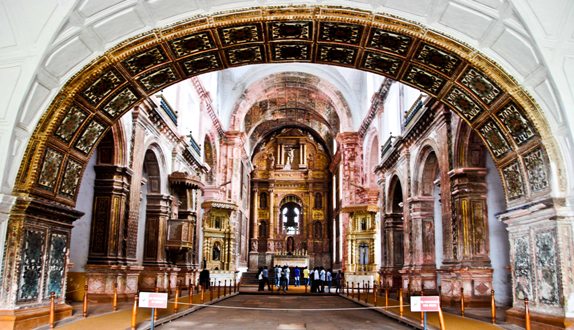
Festivals and Special Events
The Se Cathedral comes alive during major Christian festivals, offering visitors opportunities to experience Goa's Catholic traditions. Christmas Eve midnight mass draws enormous crowds, with the cathedral decorated beautifully for the celebrations. Easter services, particularly Good Friday and Easter Sunday, see special ceremonies reflecting Portuguese Catholic traditions brought to Goa centuries ago. The Feast of Saint Catherine on November 25th commemorates both the saint's martyrdom and Afonso de Albuquerque's conquest of Goa. This festival features special masses, processions, and sometimes cultural programs celebrating Goa's Portuguese heritage. The timing coincides with Goa's pleasant post-monsoon season, making it an ideal time to visit. The Novenas leading up to major feasts involve nine days of special prayers and services. While primarily attended by local Catholics, visitors are welcome to observe and experience these traditional practices. The atmosphere during novenas is particularly reverent and offers insight into contemporary Goan Catholic life. Weddings at the Se Cathedral are elaborate affairs following Portuguese Catholic traditions. While tourists cannot attend weddings without invitation, the sight of a wedding party in traditional attire around the cathedral adds cultural interest. The cathedral's beautiful setting makes it a coveted wedding location for Goa's Catholic community.Internal Links for Further Reading
For more Old Goa heritage, explore Basilica of Bom Jesus where Saint Francis Xavier is entombed. The complete guide to Goa's churches provides additional historical context. Visitors seeking information about Goa's top attractions can plan comprehensive itineraries combining cultural sites with beaches and other experiences.Location
Frequently Asked Questions
Q1.What are the Se Cathedral Goa timings?
The Se Cathedral is open daily from 7:30 AM to 6:00 PM. Visitors can explore the interior between 9:00 AM and 5:30 PM when services aren't in progress. Sunday mornings feature special services including Portuguese mass. The best visiting times are early morning (8-9 AM) for fewer crowds and cooler temperatures, or late afternoon (4-5 PM) for beautiful golden light photography. Plan at least 30-45 minutes for proper exploration.
Q2.Is there an entry fee for Se Cathedral Goa?
No, there is no entrance fee to visit the Se Cathedral. It remains free for all visitors, making it accessible regardless of budget. Photography inside is permitted without additional charges, though flash should be avoided during services. The nearby Archaeological Museum housed in the Church of Saint Francis of Assisi charges a nominal entry fee (₹5 for Indians, ₹100 for foreigners).
Q3.Why is the Se Cathedral famous?
The Se Cathedral is famous for being Asia's largest cathedral for centuries, built to commemorate Portugal's victory over Muslim rulers in 1510. It houses the legendary Golden Bell, one of the world's largest bells, renowned for its rich resonant tone. The cathedral's Portuguese-Manueline architecture, UNESCO World Heritage status, and role as the seat of the Archdiocese of Goa make it one of India's most significant religious monuments.
Q4.What is the Golden Bell in Se Cathedral?
The Golden Bell in Se Cathedral's southern tower weighs approximately 2,300 kilograms and is one of the largest bells in Asia. It earned its name from its rich, golden-toned resonance that supposedly could be heard all over Goa in historical times. According to legend, the bell contains gold dust mixed into its bronze alloy, though this remains unverified. The bell's exceptional sound quality made it famous throughout Portuguese Asia.
Q5.How do I reach Se Cathedral from Panaji?
The Se Cathedral in Old Goa is located approximately 10 kilometers from Panaji. Public buses run regularly from Panaji's Kadamba Bus Stand to Old Goa, taking 25-30 minutes. Taxis and auto-rickshaws are readily available and cost ₹200-400 depending on vehicle type. Rental scooters or motorcycles offer flexibility and take approximately 30 minutes to drive. The journey is scenic and crosses the Mandovi River, providing views of the countryside.
Q6.What is the dress code for visiting Se Cathedral?
The Se Cathedral maintains a modest dress code requiring shoulders and knees to be covered for both men and women. Hats must be removed before entering. Visitors wearing inappropriate clothing may be denied entry. Carry a scarf or shawl to cover up if needed. While footwear can be worn inside, some visitors prefer removing shoes as a sign of respect. Lightweight, breathable clothing that meets modesty requirements works best in Goa's warm, humid climate.
Q7.Can I take photos inside Se Cathedral?
Yes, photography is permitted inside the Se Cathedral without additional charges. However, visitors should be respectful and avoid using flash during services or photographing worshippers without permission. The interior's dim lighting requires cameras with good low-light capability. Tripods may be prohibited during busy times. The exterior facade is particularly photogenic during golden hours (early morning and late afternoon).
Q8.What other attractions are near Se Cathedral?
Old Goa's UNESCO World Heritage monuments cluster near the Se Cathedral within walking distance. The Basilica of Bom Jesus (300 meters away) contains Saint Francis Xavier's remains. The Church of Saint Francis of Assisi houses the Archaeological Museum. Other nearby monuments include Saint Cajetan Church, the Viceroy's Arch, and the Chapel of the Weeping Cross. Plan 2-3 hours to explore all major monuments in Old Goa.
Recommended For You
Beaches
Goa Complete: Plan Beaches Weather And Activities
Complete Goa travel guide featuring beaches, nightlife, water sports, churches, cuisine, markets, North vs South Goa, and practical travel tips.
Feb 20Read More

Beaches
Goa: Complete Travel Plan Beaches And Weather
Complete Goa travel guide featuring beaches, North vs South Goa, water sports, Portuguese heritage, nightlife & practical tips.
Feb 20Read More
Heritage
Basilica of Bom Jesus Goa: History, Timings and Tips
Visit Basilica of Bom Jesus Goa with historical context, pilgrimage significance, architecture insights, and practical Old Goa planning tips.
Feb 18Read More
Never Miss an Adventure
Get the latest trekking guides, travel tips, and exclusive offers delivered straight to your inbox.
