
Basilica of Bom Jesus Goa: History, Timings and Tips

Rahul Garg
February 18, 2026
Visit Basilica of Bom Jesus Goa with historical context, pilgrimage significance, architecture insights, and practical Old Goa planning tips.
Basilica of Bom Jesus Goa: Heritage, Faith, and Smart Visit Planning
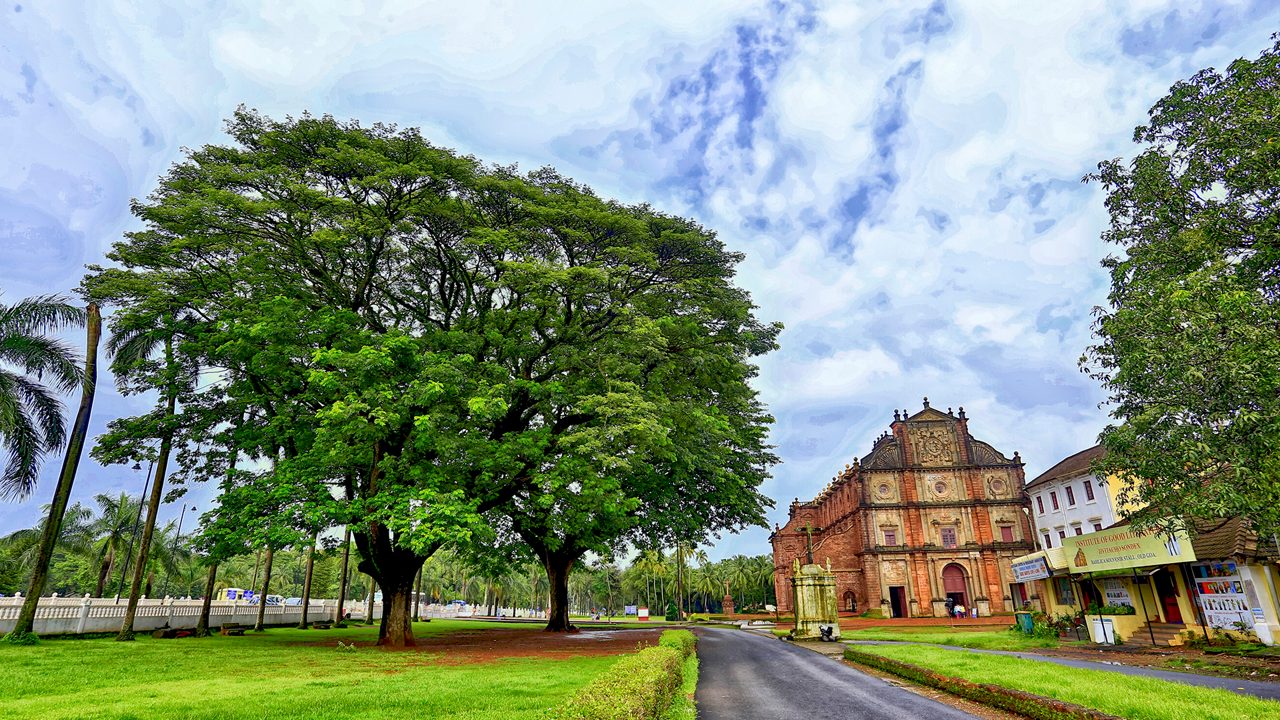
The Basilica of Bom Jesus in Old Goa is one of India's most important Christian heritage monuments, and it deserves more than a rushed photo stop. Travelers come for architecture, pilgrimage significance, and historical depth connected to Portuguese-era Goa. The church complex is compact, but the story it carries is extensive, especially when viewed through faith history and conservation context.
A high-quality visit starts with realistic timing and circuit planning. Combine the basilica with nearby heritage anchors such as Se Cathedral, museum context from Archaeological Museum Goa, and optional evening extension like Chapora Fort. Keeping your route structured avoids crowd stress and improves on-site focus.
Historical Significance of the Basilica
The Basilica of Bom Jesus dates to the late 16th and early 17th centuries and remains a central marker of Jesuit and colonial-era religious architecture in India. It is also part of the UNESCO-listed church complexes of Old Goa, which increases its global heritage importance. For visitors, this means the site should be approached with both curiosity and respect.
The historical value is not limited to dates. It includes the church's continued role in devotion, cultural memory, and public heritage. A good interpretation method is to read the structure as living heritage: still active in spirit, still visited in faith, and still relevant in tourism planning.
St. Francis Xavier and Pilgrimage Relevance
The basilica is internationally known for its association with St. Francis Xavier. Pilgrims and history travelers alike come to understand the missionary journey, relic tradition, and devotional culture attached to this space. During high-devotion periods, movement can be slower, and visitors should expect queue variation and stricter etiquette.
Respectful behavior matters throughout the visit. Keep voices low, avoid disruptive photography during prayer moments, and move with patience. If you are visiting with children or first-time heritage travelers, brief them beforehand on basic site conduct so the experience remains smooth for everyone.
Architectural Features Worth Observing
The basilica presents a compelling contrast: a robust exterior and a richly detailed interior. This inside-out transition is one of the site's strongest visual and symbolic qualities. First-time visitors often spend too little time inside; plan at least one deliberate observation block for altar details and interior composition.
| Section | What to Observe | Practical Tip |
|---|---|---|
| Facade | Material character and symmetry | Take wide shots early before crowd buildup |
| Interior | Altars, gilded details, vertical scale | Pause in one spot for full visual reading |
| Devotional Zones | Pilgrim movement and ritual rhythm | Stay clear of active prayer flow |
This structure helps you experience architecture and spirituality together, not as separate elements.

Best Time to Visit and Seasonal Planning
The best time for most travelers is during cooler and drier months when walking circuits in Old Goa are easier. Morning slots are usually calmer and better for detailed observation. Peak tourist windows can increase crowd density, so keep waiting-time buffers in your itinerary.
Religious dates and special commemorations can transform the visit atmosphere. These are meaningful periods but require additional patience. If your goal is deep architecture study, pick non-peak windows. If your goal is devotional immersion, choose major religious periods and plan for slower movement.
How to Reach and Move Around Old Goa
Old Goa is accessible from key Goa hubs by cab, self-drive, and local transport, but execution quality depends on sequencing. Start with one fixed heritage anchor and walk or short-transfer to nearby churches and museum zones. Avoid long back-and-forth movement between coastal leisure areas and heritage points in the same short block.
- Begin early and complete the main heritage circuit before late afternoon.
- Carry water and keep sun protection ready even in cooler months.
- Use digital + cash payment flexibility for local travel continuity.
- Allocate at least 2.5 to 3.5 hours for a calm Old Goa circuit.
Good sequencing improves both understanding and comfort.
Dress Code, Etiquette, and Photography Rules
As an active religious site, modest clothing is strongly recommended. This is not only about access; it is about respect. Avoid loud group behavior and do not block pathways for prolonged photos. If signs indicate restricted photography zones, follow them strictly.
For better photography outcomes, shoot exterior angles first, then reduce camera use inside and focus on observation. Many visitors over-document and under-experience the site. Balanced pacing gives stronger memories and better respect for the place.

Nearby Attractions to Build a Full Heritage Day
The basilica works best inside a short Old Goa heritage chain. Keep adjacent churches and museum stops within one half-day, then move to leisure or sunset locations later. This split avoids fatigue and prevents heritage overload, especially for family groups.
If you are in Goa during monsoon planning windows, see places to visit in Goa in July to align travel style with seasonal conditions. The key is intentional planning: heritage first, leisure second.
Common Mistakes and Better Alternatives
Common mistakes include arriving late in peak hours, ignoring dress expectations, and trying to combine too many distant Goa regions in one day. Better alternatives are early arrival, modest attire, and one compact heritage block with realistic transfer estimates.
For most travelers, one quality Old Goa session is better than repeated rushed returns. Read, observe, and pause. This site is historically dense and spiritually significant; it rewards thoughtful attention.

How Long to Spend at the Basilica
Most visitors benefit from a 45-75 minute dedicated block at the Basilica itself, excluding nearby church stops. Shorter visits often miss interior interpretation, while very long sessions can disrupt the rest of your Old Goa circuit. Keep your time objective clear before arrival: faith reflection, architecture study, or both.
If you are traveling with elders or young children, include short seated pauses and avoid peak standing queues whenever possible. Thoughtful pacing improves comfort and helps everyone stay engaged with the site's history and atmosphere.
Family and Group Coordination Tips
In group travel, designate one person for timing decisions and another for local navigation. This reduces confusion around entry, exits, and next-stop coordination in crowded heritage zones. Keep one fixed regroup point near the complex to avoid fragmentation during photo or prayer pauses.
Small operational discipline matters in Old Goa because multiple heritage sites sit close together and small delays can cascade through the day. Clear communication and simple role-splitting are often enough to keep the itinerary smooth.
Conclusion
The Basilica of Bom Jesus Goa is not just a checklist attraction. It is a layered heritage destination where architecture, faith, and history meet in a living setting. Plan your route in clusters, visit in respectful time windows, and approach the site with patience. With this method, your visit becomes richer, calmer, and far more meaningful than a quick stop-and-go experience.
Location
Frequently Asked Questions
Q1.Where is Basilica of Bom Jesus located?
Q2.Why is Basilica of Bom Jesus famous?
Q3.Is there an entry fee?
Q4.What is the best time to visit?
Q5.Is there a dress code?
Q6.How much time should I allocate?
Q7.Can I combine this with other Old Goa attractions?
Q8.Is photography allowed?
Recommended For You
Chapora Fort Goa: Sunset Views, Route & Filming Spot Details
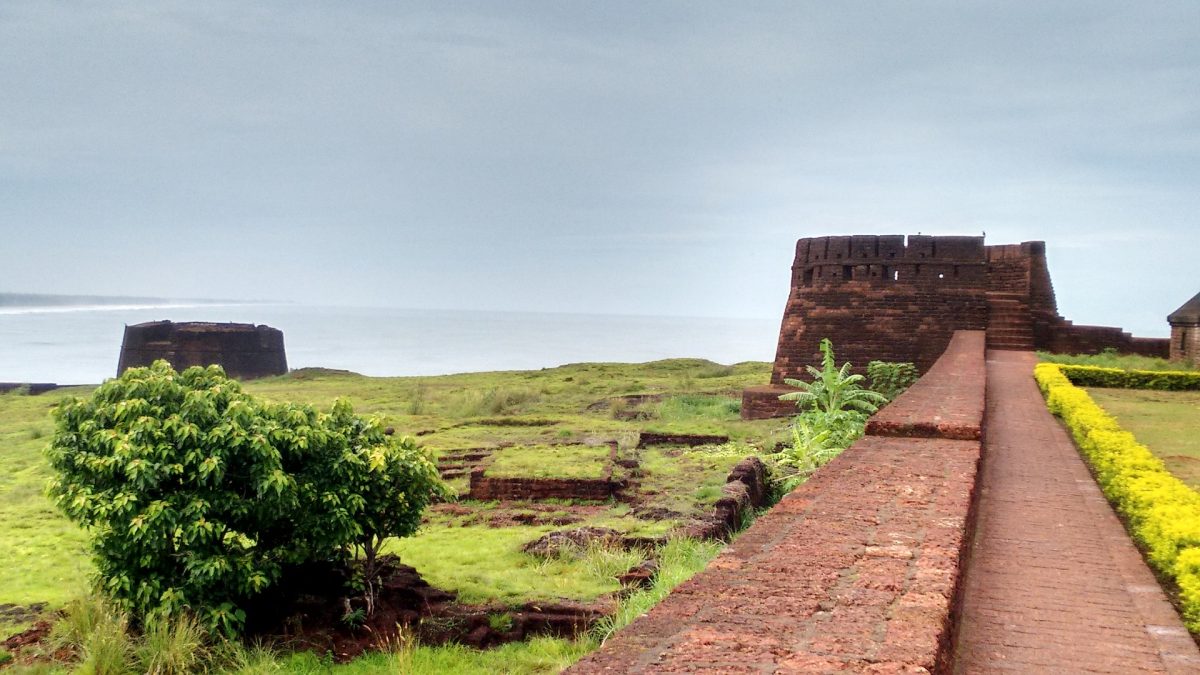
Explore Chapora Fort in North Goa, the iconic 'Dil Chahta Hai' location offering breathtaking sunset views over Vagator Beach and a rich Portuguese-Maratha history.
Museum of Christian Art Goa: Timings, Tickets & Collection Highlights
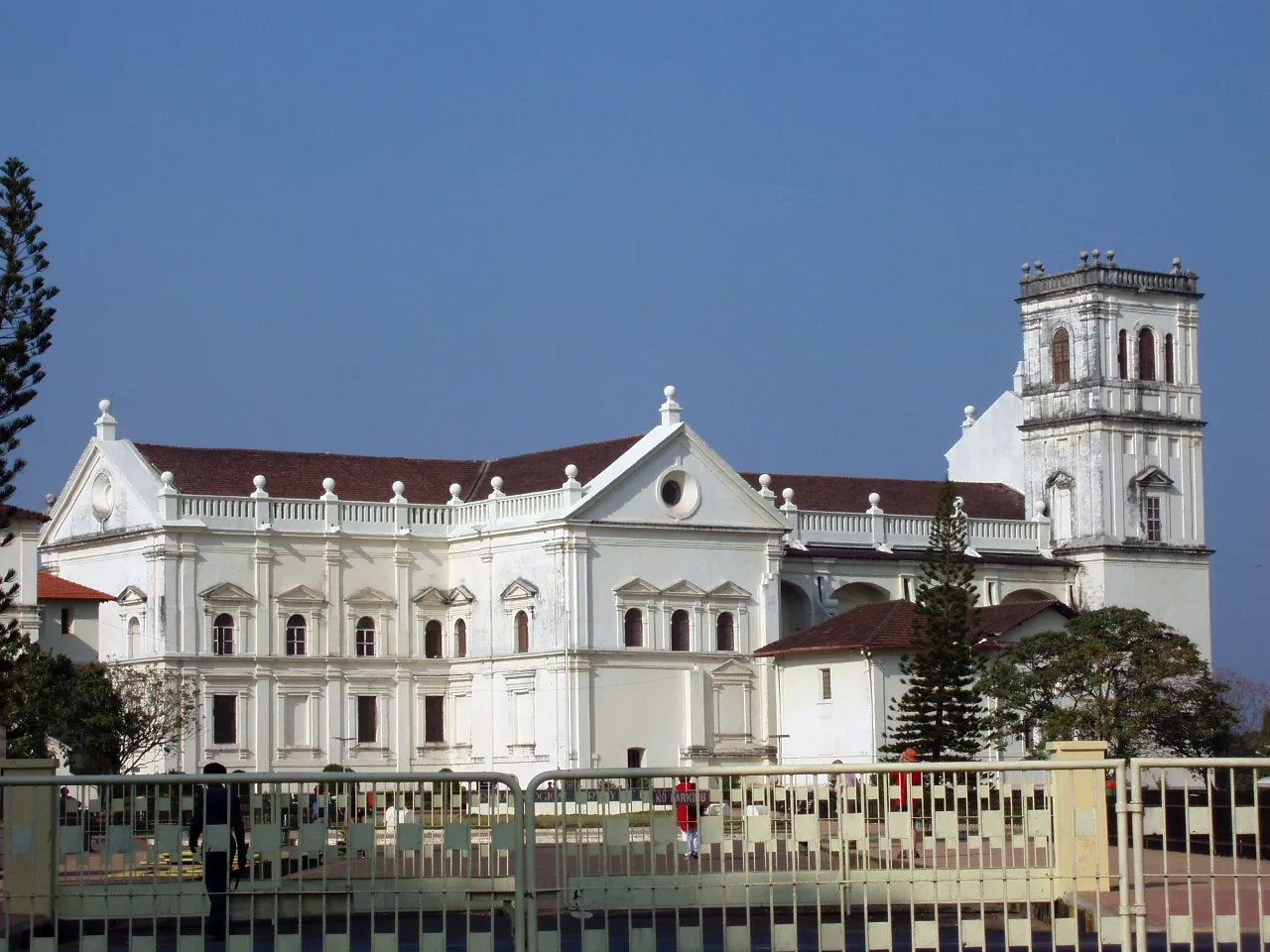
Visit Museum of Christian Art Goa - India's only museum dedicated to Christian art. Explore exhibits, timings, entry fee, history, and practical guide to this unique heritage site.
Goa in August: Weather, Best Places & Monsoon Experiences
Discover the best places to visit in Goa in August with monsoon-safe plans, Dudhsagar tips, heritage circuits, weather guidance, and practical travel advice.
Never Miss an Adventure
Get the latest trekking guides, travel tips, and exclusive offers delivered straight to your inbox.
