
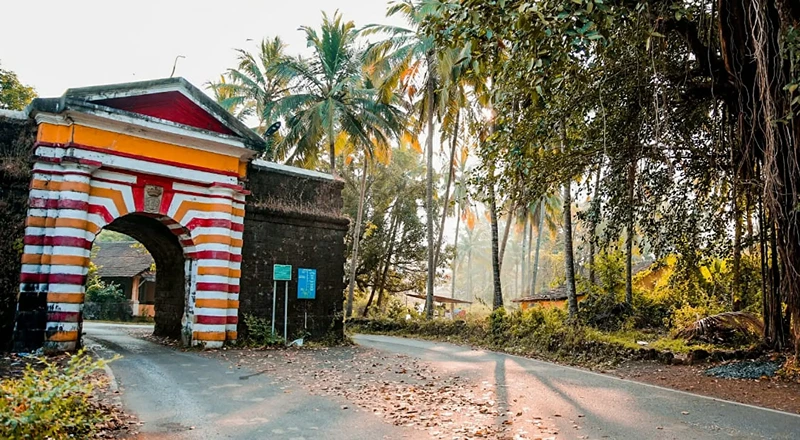
Rachol Seminary Goa: Heritage Church, Mass Timings & Visit Info

Rohan Malhotra
February 19, 2026
Discover Rachol Seminary Goa, Asia's first theological college. Explore its rich history, Portuguese architecture, mass timings, and practical visit guide.
Rachol Seminary Arch Goa: Complete Heritage and Cultural Guide
Rachol Seminary Arch in Goa is a lesser-known yet historically rich stop for travelers interested in colonial-era educational and religious heritage. Located in South Goa near the village of Rachol, this site is connected to one of the region’s oldest seminaries and reflects centuries of cultural transition under Portuguese influence. Unlike Goa’s beach-led destinations, Rachol offers quiet architecture, layered history, and reflective atmosphere.
If your Goa trip includes old churches and heritage circuits, Rachol should be added as a half-day cultural detour. It pairs well with basilica of bom jesus goa and archaeological museum goa for a stronger understanding of ecclesiastical and educational history in the state.
Historical Significance of Rachol Seminary
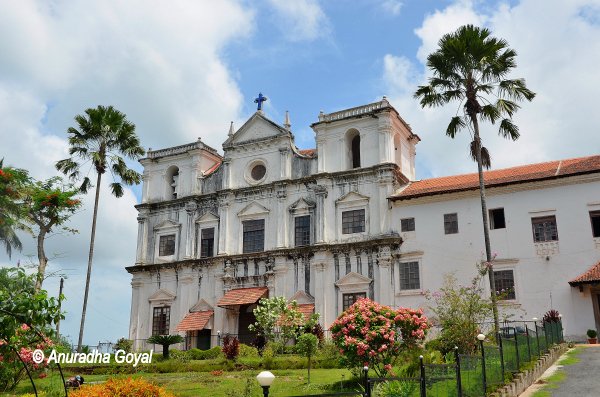
Rachol Seminary has long been an important religious training institution in Goa’s Catholic heritage landscape. Over centuries, it functioned as a center for theological instruction, language learning, and cultural mediation. The arch and surrounding built fabric represent this continuity, preserving architectural memory connected to institutional and missionary history.
For heritage travelers, the value of Rachol lies in this depth. It is not only a visual structure but an entry point into conversations on education, religion, colonial governance, and local adaptation.
Architecture and Spatial Character
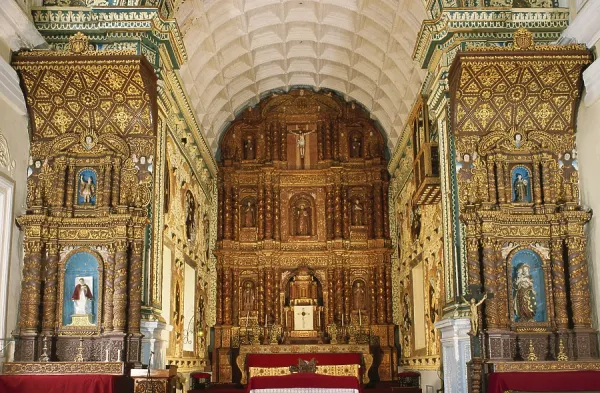
The arch and adjoining structures show restrained yet elegant design language linked to Portuguese ecclesiastical architecture in Goa. Visitors can observe masonry detailing, proportional façade treatment, and cloister-like transitions in parts of the complex. The setting is calmer than major tourist-heavy churches, which makes careful observation easier.
Rachol’s appeal is subtle. It rewards travelers who spend time reading surfaces, inscriptions, and spatial sequencing rather than looking for monumental scale.
What to Expect During a Visit
- Quiet heritage environment with low crowd intensity on most days.
- Architectural elements connected to seminary and church traditions.
- Opportunities for reflective photography and slow walking.
- Contextual links to broader Old Goa ecclesiastical circuits.
- A culturally sensitive site where respectful behavior is essential.
Because parts of the institution may remain functionally active, always follow local guidance around access, photography, and movement boundaries.
Best Time to Visit Rachol
October to March is typically best for comfortable cultural walks in Goa. Monsoon season can add atmospheric beauty and lush surroundings, but movement may be slower in heavy rain periods. If your goal is detailed exploration and photography, morning slots with softer light are ideal.
Weekday visits often provide a more contemplative experience than weekends. Keep at least 60–120 minutes for meaningful engagement.
How to Reach Rachol Seminary Arch
Rachol is accessible by road from major Goa hubs. Private cabs, self-drive rentals, and guided heritage routes are common options. Since the site is usually combined with other South Goa cultural points, plan transport with buffer time and avoid overpacking the same day with distant beach transfers.
A practical route can include this stop before or after chapora fort goa only if travel direction aligns; otherwise, cluster heritage sites first and leisure stops later.
Suggested Half-Day Heritage Plan
| Time Block | Suggested Activity |
|---|---|
| 09:00-09:30 AM | Arrival and exterior orientation |
| 09:30-10:30 AM | Seminary arch and surrounding architectural reading |
| 10:30-11:00 AM | Quiet reflection and photography |
| 11:00-12:00 PM | Transit to next heritage or cultural stop |
This keeps the visit focused and avoids heritage fatigue.
Photography and Etiquette Tips
- Use wide frames for contextual architecture and grounds.
- Ask permission before photographing active institutional spaces.
- Keep voice levels low and avoid disruptive behavior.
- Dress modestly for religiously sensitive environments.
- Do not touch fragile surfaces or restricted sections.
Responsible conduct is crucial because this is a heritage space with continuing spiritual and educational associations.
Common Mistakes to Avoid
- Treating Rachol as a quick photo stop without historical context.
- Combining too many far-apart Goa destinations in one day.
- Ignoring local etiquette and access instructions.
- Skipping interpretation in favor of only social-media capture.
- Missing nearby seasonal route planning like places to visit goa in july.
Why Rachol Seminary Arch Is Worth Visiting
Rachol offers a quieter and more intellectual heritage experience than mainstream Goa circuits. It deepens your understanding of how faith, education, and architecture shaped the region’s social fabric over time. For travelers who value cultural depth, this site delivers far more than its modest scale suggests.
Visit with patience and context, and Rachol becomes one of the most rewarding heritage pauses in Goa.
Before you leave, spend a final minute at the arch itself and observe proportions and weathering. That small pause often captures the full character of the place.
Deep-Dive Heritage Approach
Rachol becomes far more meaningful when approached as an institutional landscape rather than a single arch photo point. Travelers should study how seminary spaces organize movement, discipline, and reflection through architecture. Courtyard transitions, corridor rhythms, and chapel orientation often reveal educational intent and religious practice patterns. This is especially useful for visitors comparing ecclesiastical heritage in Goa across different centuries. By noticing how quieter sites like Rachol differ from high-traffic church complexes, you gain clearer insight into the diversity of Catholic heritage in the region.
Another strong approach is to read Rachol in relation to social history. Institutions like this were shaped by local language adaptation, clerical training needs, and shifting community relationships over time. Even if your visit is brief, asking these questions changes the quality of observation. Instead of only “old architecture,” the site becomes evidence of intellectual and cultural exchange in colonial and post-colonial Goa.
Route Planning and Experience Quality
Most visitors can combine Rachol with one major church and one museum stop in a half-day or full-day heritage loop. Avoid pairing it with distant beach-heavy itineraries on the same day unless you have strong transport coordination. The best visits happen when you reduce transit pressure and allow at least one unhurried hour on-site. This gives space for reflection, better photography, and meaningful reading of environment details.
Travelers interested in seasonal contrasts may revisit in monsoon and winter windows. Monsoon adds lush texture and atmosphere, while winter supports clearer movement and documentation. In both cases, respectful behavior is essential: avoid intrusive photo behavior around active spaces and keep conversations low in prayer-associated zones. When treated carefully, Rachol rewards visitors with an uncommon sense of stillness and continuity rarely found in mainstream Goa circuits.
Why Rachol Adds Depth to Goa Travel
Goa is often reduced to beach narratives, but its heritage fabric is much broader. Rachol Seminary Arch offers a quieter entry into that wider story through architecture, pedagogy, and religious memory. It suits travelers who value context over crowds and substance over speed.
Before leaving, take one final slow walk through the approach axis and note how scale, silence, and structure work together. That final pass often becomes the most memorable part of the visit.
Location
Frequently Asked Questions
Q1.Where is Rachol Seminary located?
Q2.What are the visiting hours for Rachol Seminary?
Q3.Is there an entry fee for Rachol Seminary?
Q4.When was Rachol Seminary built?
Q5.Why is Rachol Seminary famous?
Q6.Who built Rachol Seminary?
Q7.What are the mass timings at Rachol Seminary?
Q8.Can tourists attend mass at Rachol Seminary?
Recommended For You

Kayak in Goa: Routes, Best Spots, and Essential Tips
Discover kayaking in Goa with comprehensive route guides, best spots, safety tips, and operator recommendations for all skill levels.
Baga Beach Goa: Activities, Nightlife & Tips
Baga Beach Goa - Enjoy exciting water sports, legendary nightlife at Tito's Lane, beach shack dining and complete travel guide with prices, best time to visit and how to reach.
Goa in July: Monsoon Weather, Waterfalls & Travel Tips
Discover the best places to visit in Goa in July with monsoon-friendly itineraries, Dudhsagar plans, heritage routes, weather tips, and safety guidance.
Never Miss an Adventure
Get the latest trekking guides, travel tips, and exclusive offers delivered straight to your inbox.
