
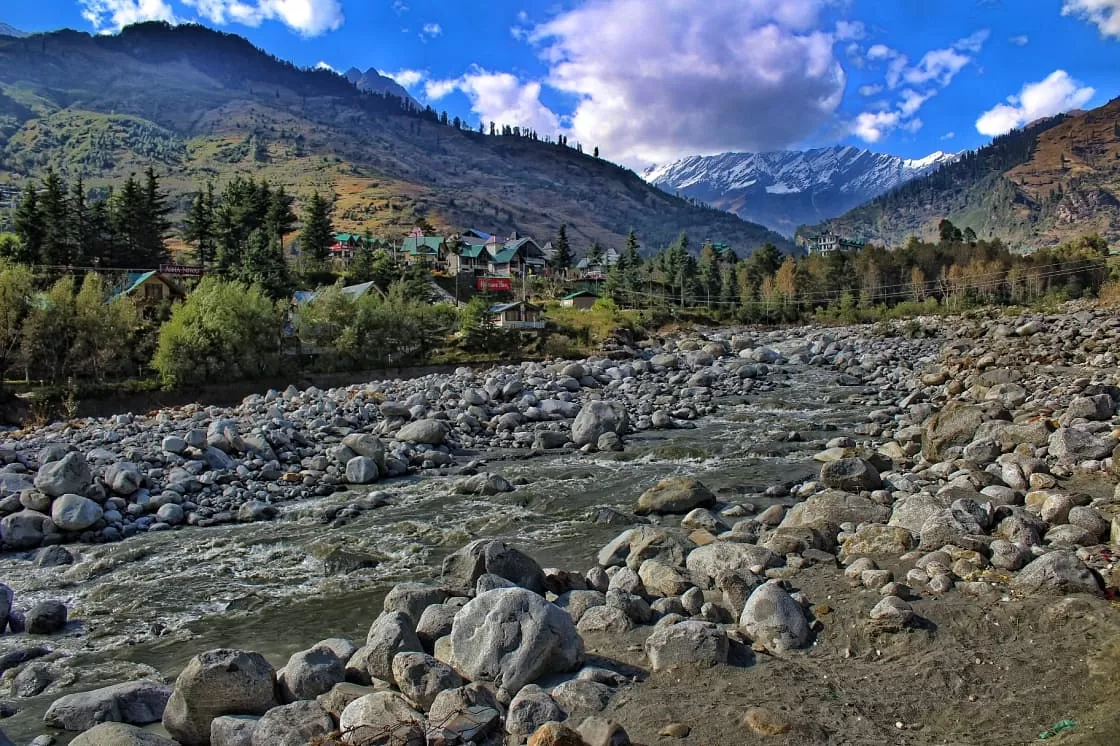
Nehru Kund Manali: Location, Best Time & Nearby Attractions

Ananya Sharma
February 15, 2026
Complete guide to Nehru Kund Manali including history, natural spring characteristics, best time to visit, how to reach, photography tips, and nearby attractions.
Nehru Kund Manali: Complete Sightseeing and Route Guide
Nehru Kund is one of Manali’s easiest scenic stops, popular for its natural spring setting and quick accessibility from town. Travelers search this keyword to understand whether it is worth visiting, how much time to keep, what to combine with it, and when to go. This guide answers those questions in a practical one-stop format.
Nehru Kund works best as part of a broader day plan rather than a standalone destination. For better itinerary flow, combine this with places to visit in Manali and Solang Valley guide so route timing stays efficient.
What Is Nehru Kund
Nehru Kund is a natural spring point on the Manali-Leh highway side, known for clear water flow and mountain surroundings. It is often visited by tourists heading toward higher attractions. The stop is short but visually refreshing, especially in clear weather windows.
The place is associated with historical travel narratives linked to Jawaharlal Nehru and remains a frequently photographed point during Manali day tours.
How to Reach Nehru Kund
It is located a short drive from central Manali and can be reached by taxi, private car, rented two-wheeler, or local tour vehicle. The road is straightforward, making it suitable for families and first-time hill visitors.
To avoid traffic clustering, plan morning or early afternoon visits. Late evening return movement near popular hubs can slow down significantly.
Best Time to Visit
Spring and summer: easiest access and pleasant stop windows. Monsoon: lush views but weather can change quickly. Winter: colder experience with beautiful surroundings, but road caution increases.
For season alignment with your full Manali trip, compare with Manali in May and Rohtang Pass route guide.

How Much Time to Spend
Nehru Kund is generally a 20 to 45 minute stop depending on crowd and photo time. It is ideal for a short break in a longer sightseeing day. Keep it paired with nearby attractions to avoid fragmented travel planning.
Most travelers include it en route to Solang side or when returning from upper-route day loops.
What to Do at Nehru Kund
- Quick photo session with spring and mountain frames.
- Short pause for fresh-air break between route segments.
- Light tea/snack stop from nearby vendors where available.
- Combine with nearby high-value stops for complete day plan.
Nearby Attractions to Combine
Nehru Kund pairs well with Solang Valley, Vashisht side experiences, and other upper-route points based on road and weather condition. Smart pairing saves commute time and improves overall day quality.
To expand your route planning, use Vashisht hot springs and Manu Temple guide in the same day map.

Entry Fee, Parking, and Practicals
Nehru Kund is typically a low-cost or free stop depending on current local arrangements. Parking is generally available in nearby pull-off areas, but peak season crowd can reduce convenience. Arrive early for smoother access.
Carry cash for small purchases and avoid leaving valuables in visible car zones.
Travel Tips
- Visit in daylight for better visibility and safer movement.
- Use layered clothing; weather can shift quickly.
- Avoid long roadside halts during peak traffic hours.
- Keep children supervised near wet, uneven surfaces.
- Do not litter; keep the stop clean for future visitors.
Final Verdict
Nehru Kund is a short but worthwhile scenic stop in Manali’s route network. It is best used as part of a larger day circuit, not as a standalone attraction. With correct timing and pairing, it adds a refreshing break and strong photo value to your trip.
For full-day optimization, pair it with Solang Valley and seasonal Manali planning for a more complete sightseeing experience.
Detailed Itinerary Optimization
A stronger trip comes from sequencing, not just destination count. Keep each day focused on one core movement axis and one flexible backup option. For example, in mountain routes, start with viewpoint windows in the morning and keep denser transfers for later only if weather remains stable. This pattern protects both safety and travel satisfaction while reducing rushed decision-making.
Meal and rest planning also influence experience quality more than most travelers expect. Schedule one stable meal stop and one lighter break in every active day. Hydration and temperature management are especially important in high-altitude or coastal humidity conditions. These small decisions improve energy, photography outcomes, and your ability to adapt when plans shift.
Accommodation selection should be based on route logic, not only visuals. A scenic stay that adds two hours of daily commute can reduce overall trip quality. Prioritize location, access reliability, and essential comfort features. If remote work or calls are needed, confirm network consistency before booking. For family travel, check meal timing and heating or cooling support in advance.
When weather uncertainty is high, build a layered plan: primary route, secondary route, and local fallback loop. This avoids day loss and keeps momentum during unpredictable windows. Keep offline maps, cash backup, and emergency essentials ready. Experienced travelers treat these as standard planning, not optional extras.
If you are extending the journey, useful related reading includes places to visit manali, solang valley manali, manali in may, rohtang pass manali.
Local Culture and Responsible Travel
Respect for local culture improves both safety and hospitality outcomes. Dress appropriately in spiritual spaces, ask before close-up photography, and avoid high-noise behavior in quiet settlements. In sensitive ecological zones, follow no-litter discipline and avoid single-use plastics where possible. Responsible behavior helps preserve destinations and keeps local communities supportive of tourism.
Support local businesses where feasible: guides, homestays, regional eateries, and small handicraft sellers. This gives your trip stronger local value and often produces better insight than standardized tourist circuits. Authentic recommendations usually come from people who live in the destination, so leave time for conversation and flexible discovery.
Finally, maintain realistic pace. High-output itineraries look impressive on paper but often reduce enjoyment in real conditions. A good trip is not measured by maximum check-ins, but by quality of experience, safety, and meaningful memory retention. Plan smart, stay flexible, and let the destination unfold with its natural rhythm.
Detailed Itinerary Optimization
A stronger trip comes from sequencing, not just destination count. Keep each day focused on one core movement axis and one flexible backup option. For example, in mountain routes, start with viewpoint windows in the morning and keep denser transfers for later only if weather remains stable. This pattern protects both safety and travel satisfaction while reducing rushed decision-making.
Meal and rest planning also influence experience quality more than most travelers expect. Schedule one stable meal stop and one lighter break in every active day. Hydration and temperature management are especially important in high-altitude or coastal humidity conditions. These small decisions improve energy, photography outcomes, and your ability to adapt when plans shift.
Accommodation selection should be based on route logic, not only visuals. A scenic stay that adds two hours of daily commute can reduce overall trip quality. Prioritize location, access reliability, and essential comfort features. If remote work or calls are needed, confirm network consistency before booking. For family travel, check meal timing and heating or cooling support in advance.
When weather uncertainty is high, build a layered plan: primary route, secondary route, and local fallback loop. This avoids day loss and keeps momentum during unpredictable windows. Keep offline maps, cash backup, and emergency essentials ready. Experienced travelers treat these as standard planning, not optional extras.
If you are extending the journey, useful related reading includes places to visit manali, solang valley manali, manali in may, rohtang pass manali.
Local Culture and Responsible Travel
Respect for local culture improves both safety and hospitality outcomes. Dress appropriately in spiritual spaces, ask before close-up photography, and avoid high-noise behavior in quiet settlements. In sensitive ecological zones, follow no-litter discipline and avoid single-use plastics where possible. Responsible behavior helps preserve destinations and keeps local communities supportive of tourism.
Support local businesses where feasible: guides, homestays, regional eateries, and small handicraft sellers. This gives your trip stronger local value and often produces better insight than standardized tourist circuits. Authentic recommendations usually come from people who live in the destination, so leave time for conversation and flexible discovery.
Finally, maintain realistic pace. High-output itineraries look impressive on paper but often reduce enjoyment in real conditions. A good trip is not measured by maximum check-ins, but by quality of experience, safety, and meaningful memory retention. Plan smart, stay flexible, and let the destination unfold with its natural rhythm.
Location
Frequently Asked Questions
Q1.Where is Nehru Kund located in Manali?
Q2.What is special about Nehru Kund?
Q3.What is the best time to visit Nehru Kund?
Q4.Can we drink water from Nehru Kund?
Q5.How much time does it take to visit?
Q6.Is Nehru Kund open in winter?
Q7.What is the entry fee for Nehru Kund?
Q8.How to reach Nehru Kund from Manali mall?
Q9.Is parking available at Nehru Kund?
Q10.Are there food options available nearby?
Recommended For You
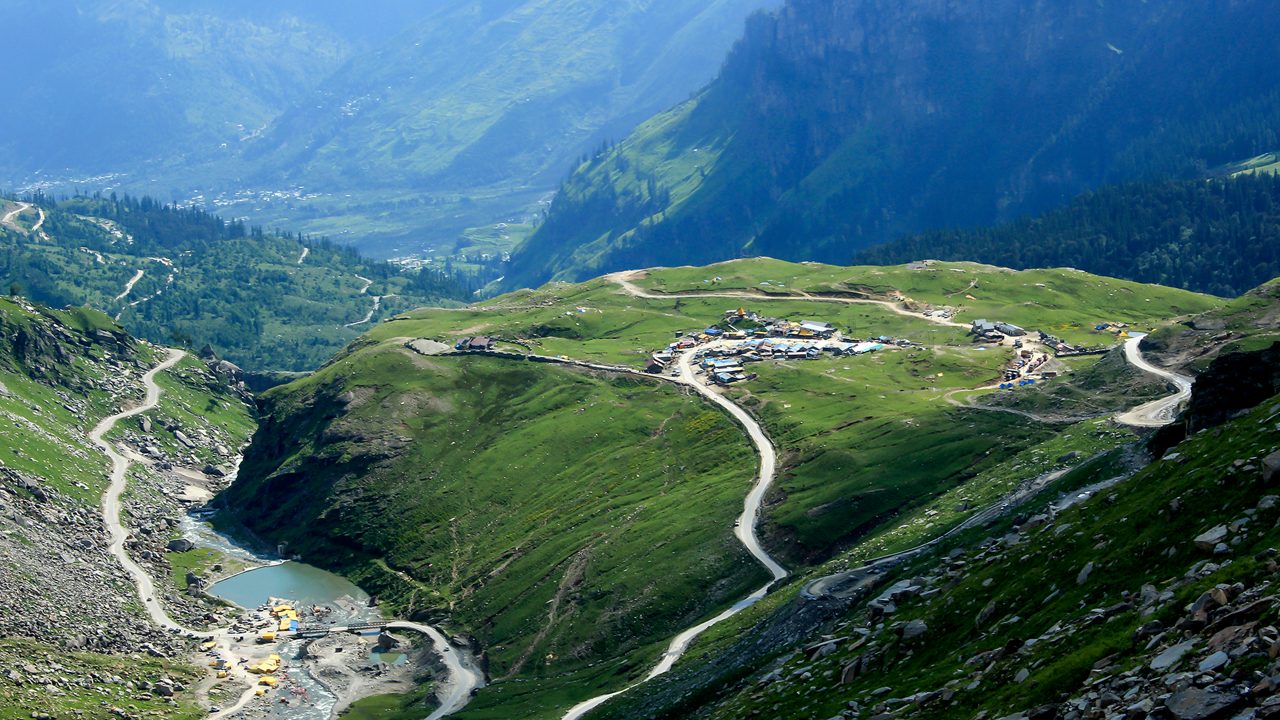
Rohtang Pass Manali: Complete Guide to Himalayan Adventure
Complete Rohtang Pass Manali guide: permits, best time, activities, costs & safety tips. Experience the Himalayas at 3,978 meters.
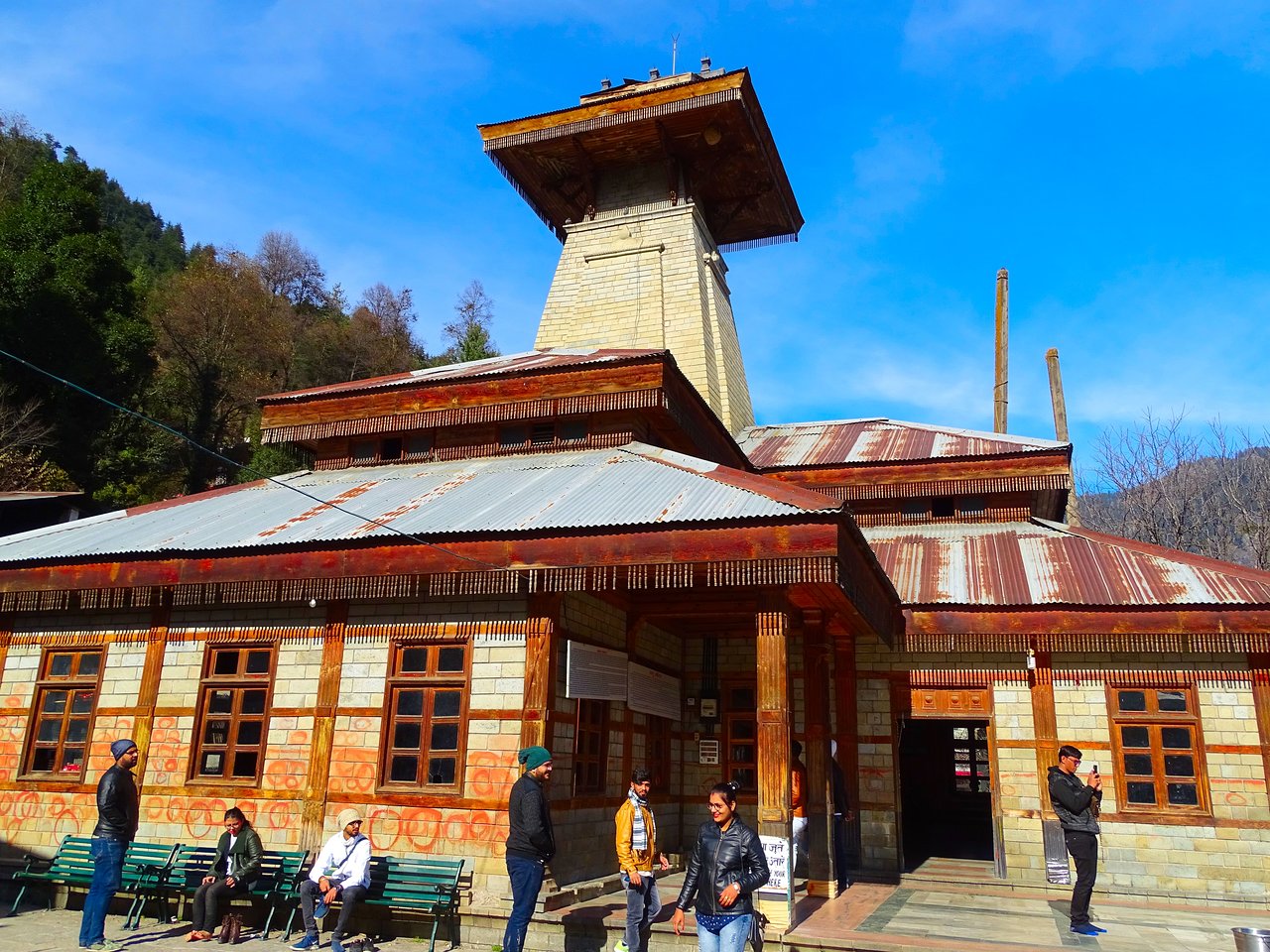
Manu Temple Manali: Timings, Mythology & How to Reach
Visit Manu Temple in Manali - the only temple dedicated to Sage Manu, believed to be the progenitor of humanity, with ancient history and traditional Himachali architecture.
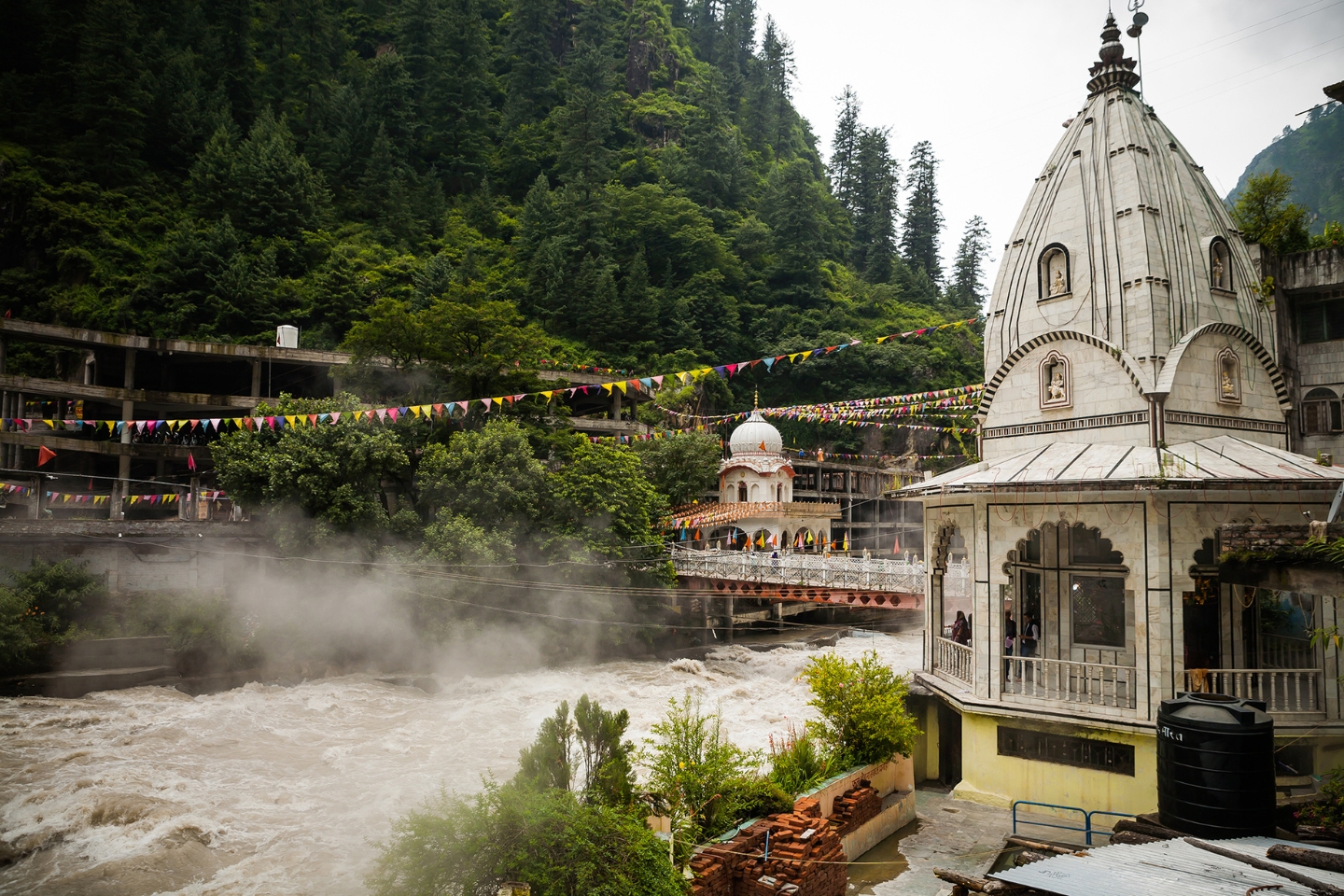
Vashisht Hot Water Springs Manali: Timings, Bath Rules & Tips
Plan your Vashisht Hot Water Springs Manali visit with bathing tips, timings guidance, temple context, and route combinations for a smoother day.
Never Miss an Adventure
Get the latest trekking guides, travel tips, and exclusive offers delivered straight to your inbox.
