
Manu Temple Manali: Timings, Mythology & How to Reach

Neha Kapoor
January 19, 2026
Visit Manu Temple in Manali - the only temple dedicated to Sage Manu, believed to be the progenitor of humanity, with ancient history and traditional Himachali architecture.
Introduction: The Only Temple of Sage Manu
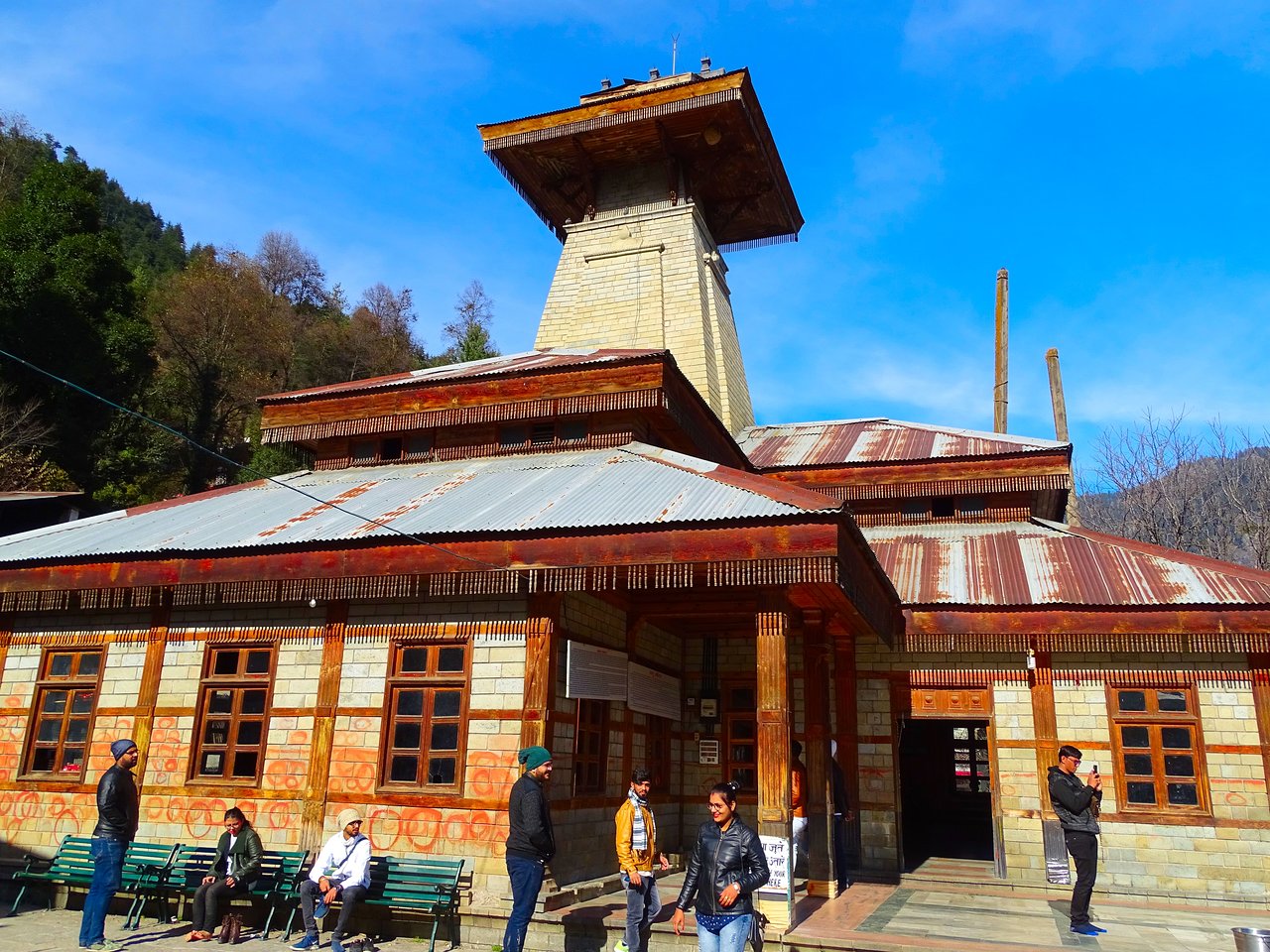
Nestled in the picturesque valley of Manali in Himachal Pradesh, the Manu Temple stands as a unique and sacred site—believed to be the only temple in the world dedicated to Sage Manu, the progenitor of humanity according to Hindu mythology. While Hidimba Devi Temple is Manali's most famous temple, Manu Temple offers a quieter, equally spiritually significant experience. Located in Old Manali, this ancient temple exudes spiritual serenity and offers visitors a profound connection to India's rich mythological heritage. Surrounded by towering deodar cedar trees, snow-capped mountains, and the gentle sound of the Beas River flowing nearby, the temple provides an atmosphere of tranquility that seems far removed from the bustling tourist areas of New Manali.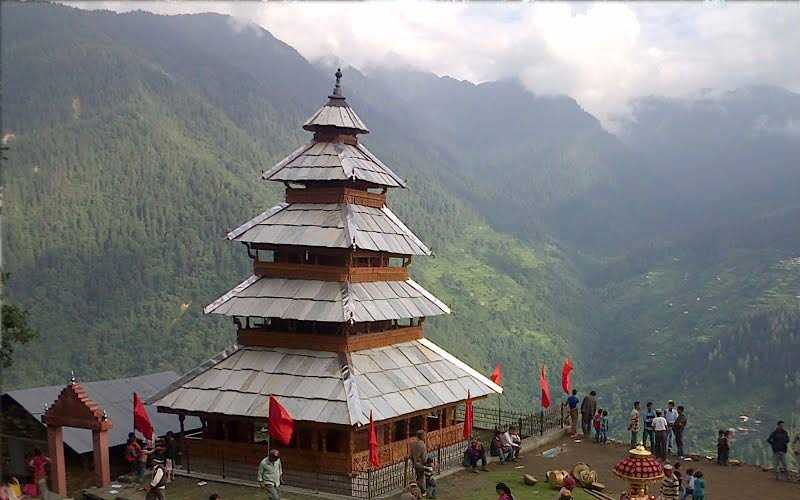 What makes the Manu Temple particularly significant is its connection to the very name of Manali itself. According to local belief and Hindu mythology, "Manali" derives from "Manu-Alaya," meaning "the abode of Manu." Legend has it that Sage Manu meditated at this very spot after stepping off his boat at a place nearby, following the great flood that destroyed the world. The temple stands as a testament to this ancient legend and draws devotees and curious travelers alike who come to pay respects to the sage who is credited with starting human civilization anew.
Unlike the more commercialized attractions in Manali, the Manu Temple has maintained its authentic character and peaceful ambiance. The traditional Himachali architecture with its wooden carvings and pagoda-style roof reflects the rich cultural heritage of the region. A visit here is not just a sightseeing excursion but a spiritual experience that allows you to step away from the crowds and connect with centuries of tradition and devotion.
What makes the Manu Temple particularly significant is its connection to the very name of Manali itself. According to local belief and Hindu mythology, "Manali" derives from "Manu-Alaya," meaning "the abode of Manu." Legend has it that Sage Manu meditated at this very spot after stepping off his boat at a place nearby, following the great flood that destroyed the world. The temple stands as a testament to this ancient legend and draws devotees and curious travelers alike who come to pay respects to the sage who is credited with starting human civilization anew.
Unlike the more commercialized attractions in Manali, the Manu Temple has maintained its authentic character and peaceful ambiance. The traditional Himachali architecture with its wooden carvings and pagoda-style roof reflects the rich cultural heritage of the region. A visit here is not just a sightseeing excursion but a spiritual experience that allows you to step away from the crowds and connect with centuries of tradition and devotion.
History and Significance of Sage Manu
To truly appreciate the Manu Temple, it's essential to understand who Sage Manu was and why he holds such an important place in Hindu cosmology and mythology.Who Was Sage Manu?
In Hindu tradition, Sage Manu (also known as Vaivasvata Manu) is considered the progenitor of humanity—the first man and the lawgiver. According to ancient texts, Manu was the son of Vivasvan (the Sun God) and thus often called Vaivasvata Manu. He is credited with writing the Manusmriti, the ancient legal text that formed the basis of Hindu law and social structure. The significance of Manu in Hindu mythology cannot be overstated. He is believed to be the seventh Manu in the current cosmic cycle, with each Manu presiding over an era called a Manvantara. Manu is mentioned in numerous Hindu scriptures including the Rigveda, Puranas, and Mahabharata, making him one of the most revered figures in Hindu tradition.The Legend of the Great Flood
The most famous legend associated with Sage Manu is the story of the great flood (Pralaya), which bears striking similarities to flood myths found in other cultures around the world. Similar to how Badrinath Temple has its own legends of divine intervention, the story of Manu and Matsya avatar represents the preservation of dharma. According to the Matsya Purana, Lord Vishnu appeared to Manu in the form of a small fish (Matsya avatar) and warned him of an impending flood that would destroy the world. The fish instructed Manu to build a boat and gather all living beings, seeds, and sacred texts. When the great deluge arrived, Lord Vishnu in his Matsya form guided the boat through the waters, eventually tying it to Mount Manu's peak (believed to be in the Himalayas) until the waters receded. After the flood, Manu meditated and performed penance in the Himalayas. It is believed that he stepped off his boat at a place near present-day Manali and settled here to meditate and begin the task of repopulating the earth. Thus, Manali is considered the sacred spot where human civilization began anew.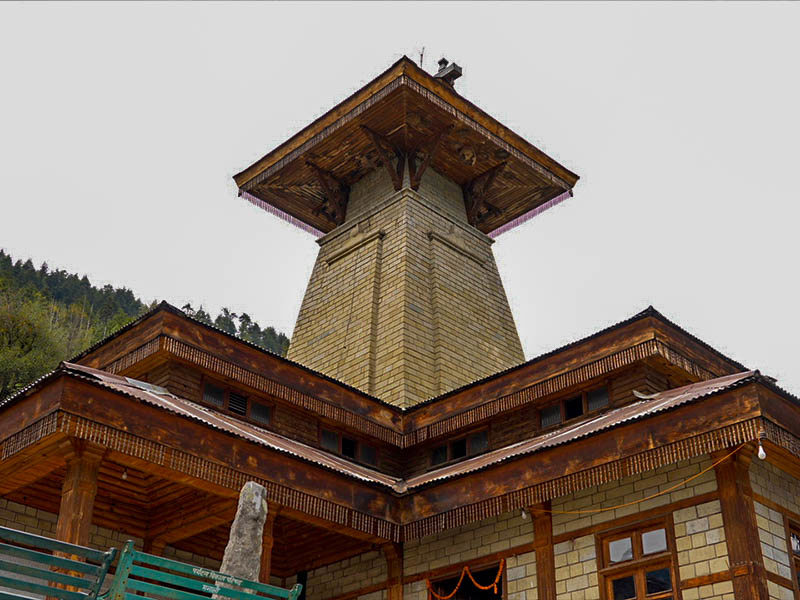
Manu-Alaya: The Abode of Manu
The name "Manali" itself derives from "Manu-Alaya," which literally translates to "the abode of Manu." Local tradition holds that Manu chose this beautiful valley for his meditation and penance due to its natural beauty, peaceful atmosphere, and spiritual energy. The temple marks the spot where Sage Manu is believed to have meditated. For centuries, this has been a place of pilgrimage and worship, with devotees visiting to seek blessings for new beginnings, as Manu represents the start of a new cycle of creation. Many visitors come here specifically to pray for progeny, the well-being of their families, and new ventures—seeking Manu's blessings as the one who began human civilization.Religious and Cultural Significance
The Manu Temple holds special importance for several reasons:- Unique Dedication: It is believed to be the only temple in the world dedicated exclusively to Sage Manu
- Ancient Heritage: The temple has been a place of worship for centuries, possibly millennia
- Connection to Manali: The temple's existence explains the origin of Manali's name
- Living Tradition: The temple continues to be actively worshipped, maintaining ancient rituals and traditions
- Mythological Connection: It represents a tangible link to Hindu mythology's flood narrative
Historical Development of the Temple
While the exact date of the temple's construction is lost to antiquity, local tradition holds that the temple has existed in some form for thousands of years. The current structure, with its traditional Himachali architectural style, is believed to have been built approximately 400-500 years ago, though the site itself has been sacred for much longer. The temple has been maintained and renovated over the centuries by the local community and devotees. What makes the temple particularly special is that it has retained its authentic character despite the massive tourism development that Manali has witnessed in recent decades.Architecture and Design
The Manu Temple showcases the distinctive architectural style of Himachal Pradesh, characterized by wooden craftsmanship, intricate carvings, and harmony with the natural surroundings.Traditional Himachali Style
The temple follows the traditional temple architecture of the Kullu Valley region:- Pagoda-Style Roof: The temple features a tiered, pagoda-style roof characteristic of Himalayan temples
- Wood Construction: Extensive use of deodar cedar wood, which is abundant in the region and considered sacred
- Stone Walls: Lower walls built from local stone, providing stability and insulation
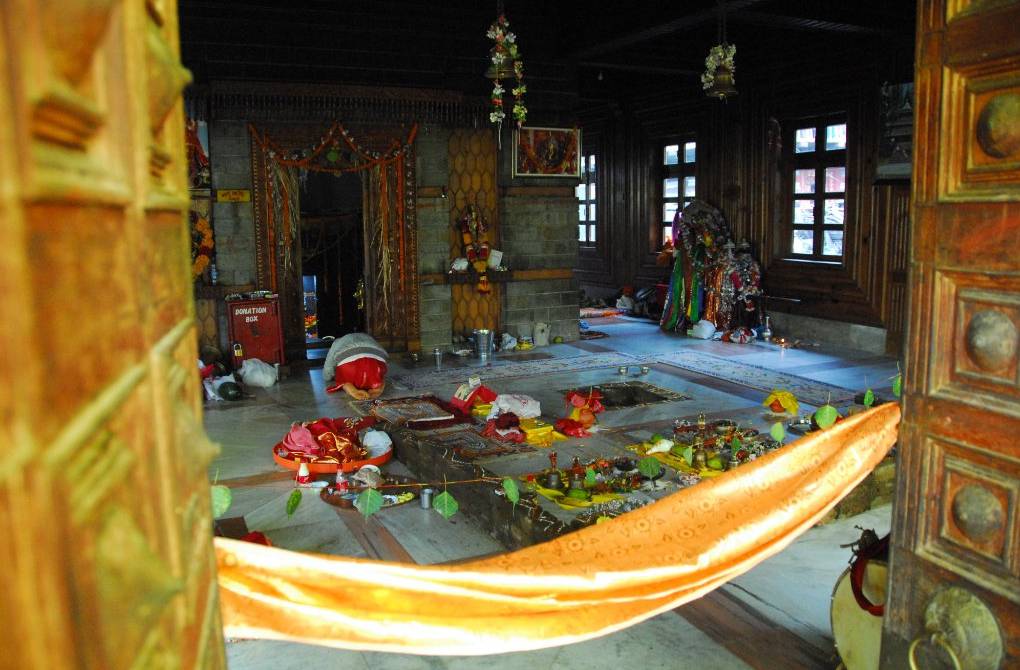
- Intricate Carvings: Beautiful wooden carvings depicting deities, floral patterns, and mythological scenes
- Slate Roofing: Traditional slate tiles covering the upper structures
Temple Layout
The temple complex, while not large, is beautifully designed:| Feature | Description |
|---|---|
| Entrance | Simple wooden door with traditional carvings |
| Courtyard | Small open space for circumambulation (pradakshina) |
| Main Shrine | Sanctum housing the deity (Sage Manu) |
| Verandah | Covered area around the main shrine |
| Surroundings | Lush deodar trees, mountains, peaceful atmosphere |
Artistic Elements
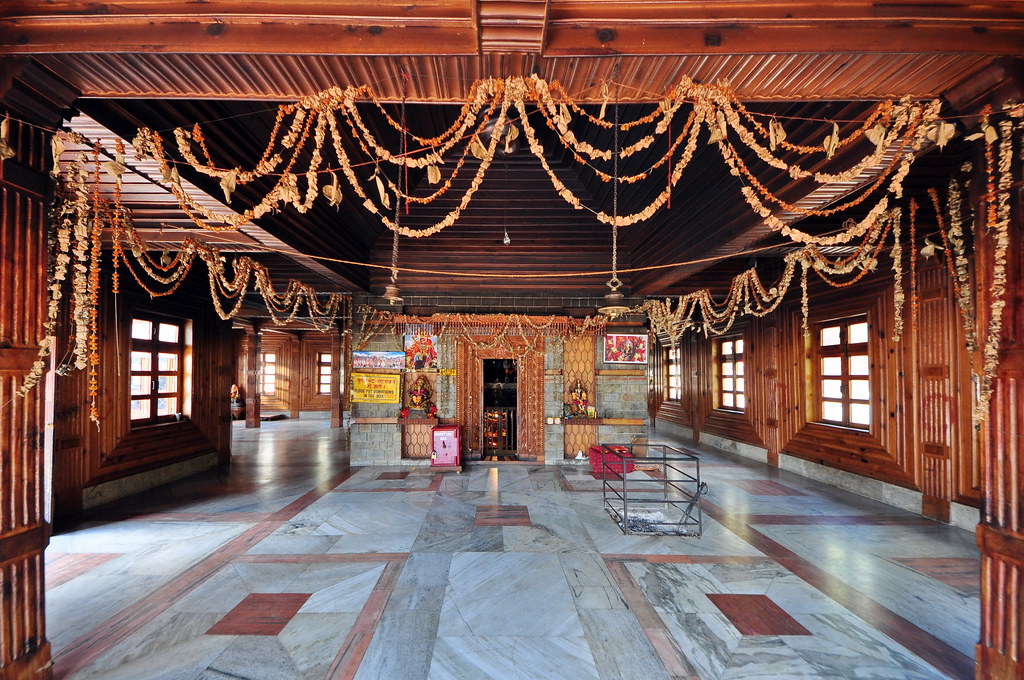
The temple features several beautiful artistic elements:- Wooden Pillars: Intricately carved pillars with floral and geometric patterns
- Deity Images: Carvings of various Hindu deities on the wooden panels
- Mythological Scenes: Wooden panels depicting scenes from Hindu mythology
- Bell: Temple bell that devotees ring upon entering
- Trishul: Trident symbol of Lord Shiva installed near the entrance
Natural Setting
One of the most beautiful aspects of the Manu Temple is its natural setting:- Deodar Forest: The temple is surrounded by magnificent deodar cedar trees, considered sacred in Himalayan culture
- Mountain Views: Stunning views of snow-capped peaks surrounding the valley
- Peaceful Atmosphere: Away from the main road, the temple offers tranquility
- Sound of River: The gentle sound of the Beas River can be heard in the distance
Temple Timings and Rituals
Daily Temple Timings
The Manu Temple follows the traditional pattern of Himalayan temples, opening twice daily for devotees:| Session | Timings | Significance |
|---|---|---|
| Morning Session | 6:00 AM - 1:00 PM | Morning abhishekam, arti, and darshan; ideal for peaceful worship |
| Afternoon Break | 1:00 PM - 3:00 PM | Temple closes briefly; priests rest and prepare for evening rituals |
| Evening Session | 3:00 PM - 8:00 PM | Evening arti, special prayers, and darshan; sunset visits are peaceful |
Best Time for Darshan
Early Morning (6:00-8:00 AM): The early morning hours are considered the most auspicious time for temple visits. The atmosphere is particularly peaceful, the air is crisp and cool, and the morning light creates a beautiful setting. You can participate in the morning arti ceremony and witness the abhishekam (ritual bathing of the deity). Evening (5:00-7:00 PM): Evening visits offer a different but equally spiritual experience, especially in summer when the temperature is pleasant. The evening arti is spiritually uplifting, and the setting sun creates a beautiful backdrop to the temple. In winter, the early sunset means the temple is quieter during evening hours.Rituals and Ceremonies
The temple follows traditional Hindu worship practices:- Abhishekam: Daily ritual bathing of the deity with water, milk, honey, yogurt, and ghee
- Arti: Waving of lamps before the deity accompanied by bells, conch shells, and devotional songs
- Archana: Recitation of sacred mantras and offering of flowers
- Prasad Distribution: Sacred offering distributed to devotees after worship
- Satyanarayan Puja: Special puja performed by devotees on request
Special Occasions
The temple witnesses increased devotee footfall during:- Manali Snowfall: Winter season when the temple looks magical covered in snow
- Navratri: Nine nights dedicated to the Divine Mother, though Manu Temple primarily worships Sage Manu
- Makar Sankranti: Harvest festival celebrating the transition of the sun into Capricorn
- Shivratri: While primarily a Shiva festival, this period sees increased temple visits
Location and How to Reach
Temple Location
The Manu Temple is located in Old Manali, approximately:- 3 kilometers from Manali Mall Road
- 1.5 kilometers from Manali Bus Stand
- 1 kilometer from Hidimba Devi Temple
From Manali Mall Road
The most common starting point for visitors is Manali Mall Road:| Transport Mode | Time | Cost (Approx.) |
|---|---|---|
| Walk | 30-40 minutes | Free - scenic walk through Old Manali |
| Auto-Rickshaw | 10-15 minutes | ₹50-100 |
| Two-Wheeler | 8-10 minutes | Rental: ₹400-600/day |
| Taxi | 10-15 minutes | ₹100-200 |
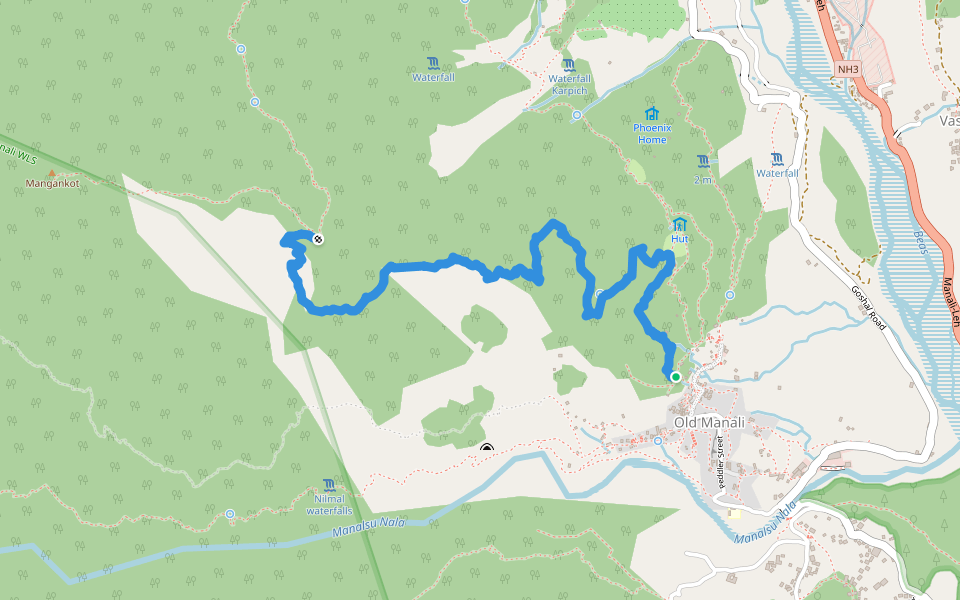
Walking Route from Mall Road
Walking to Manu Temple from Mall Road is a pleasant experience:- Start from the Mall Road main area
- Head toward Old Manali through the main market
- Cross the Manalsu River bridge
- Follow the road toward Manu Market area
- Take the small road leading uphill to the temple
- The temple is clearly marked with signboards
Parking
Limited parking is available:- Two-wheelers can be parked near the temple entrance
- Four-wheelers may need to park a short distance away and walk
- Parking is free but very limited
Best Time to Visit Manu Temple
Seasonal Guide
| Season | Months | Temperature | Experience |
|---|---|---|---|
| Summer | Apr - Jun | 10°C - 25°C | Pleasant weather, clear views, ideal for exploration |
| Monsoon | Jul - Sep | 15°C - 20°C | Lush greenery, but landslides possible |
| Autumn | Oct - Nov | 8°C - 20°C | Clear skies, excellent views, fewer crowds |
| Winter | Dec - Feb | -5°C - 10°C | Snowfall possible, magical atmosphere, very cold |
Recommended: Summer (April-June)
Summer is the best time to visit Manu Temple for several reasons:- Pleasant Weather: Daytime temperatures are comfortable (10°C to 25°C), making walks and exploration enjoyable
- Clear Views: The skies are generally clear, offering excellent views of the surrounding mountains and valley
- Accessibility: All roads and paths are open and easily accessible
- Temple Comfort: The temple premises are comfortable for extended visits
Magical: Winter (December-February)
Winter transforms Manali into a magical wonderland:- Snowfall: When it snows, the temple and surroundings look incredibly beautiful
- Spiritual Atmosphere: The winter quiet enhances the temple's peaceful ambiance
- Photography: Snow-covered temple and mountains create spectacular images
- Fewer Tourists: Except during Christmas/New Year, winter sees fewer crowds
Beautiful: Autumn (October-November)
For those seeking a balance of good weather and fewer crowds:- Post-Monsoon Clarity: The air is crisp and clean after the monsoon rains
- Clear Mountain Views: Excellent visibility of snow-capped peaks
- Comfortable Temperature: Pleasant days and cool nights
- Less Crowded: Between summer and winter peaks
Time of Day Recommendations
- Early Morning: 6:00-8:00 AM offers the most peaceful darshan experience
- Evening: 5:00-7:00 PM provides beautiful light and a tranquil atmosphere
- Avoid: Midday (11 AM - 3 PM) can be crowded and, in summer, quite warm
Nearby Attractions
Hidimba Devi Temple
Distance: 1.5 kilometers Dedicated to Hidimba Devi, wife of the Pandava prince Bhima, this is Manali's most famous temple. For those exploring spiritual destinations in Himachal Pradesh, Key Monastery in Spiti Valley is another sacred site worth visiting. The temple's distinctive architecture, set amidst a cedar forest, is worth visiting. Many tourists combine visits to both Hidimba Temple and Manu Temple in a single trip.Manu Market
Distance: Walking distance The traditional market area of Old Manali offers:- Local handicrafts and souvenirs
- Himachali woolens and shawls
- Small cafes serving local food
- Traditional Himachali architecture
Old Manali Village
Distance: Temple is located within Old Manali Exploring Old Manali village gives you a glimpse of traditional Himachali life:- Traditional wooden houses
- Apple orchards (especially beautiful in spring and autumn)
- Local cafes popular with backpackers
- Peaceful walks through village lanes
Vashisht Temple and Hot Water Springs
Distance: 3 kilometers Famous for:- Ancient temple dedicated to Sage Vashisht
- Natural hot water springs with medicinal properties
- Public baths for dipping in the hot springs
- Beautiful stone temple architecture
Manali Sanctuary
Distance: 2 kilometers A wildlife sanctuary with:- Various Himalayan wildlife species
- Nature trails and walking paths
- Dense deodar forest
- Birdwatching opportunities
Visitor Tips
Dress Code
While there's no strictly enforced dress code:- Modest Attire: Wear modest clothing out of respect for the religious site
- Warm Clothing in Winter: Heavy woolens essential from November to March
- Comfortable Shoes: Necessary, especially if walking from Mall Road
- Layers: Useful as temple interiors can be cool even in summer
Temple Etiquette
- Footwear: Remove shoes before entering the temple premises
- Photography: Usually allowed in temple complex, but avoid photographing inside sanctum
- Behavior: Maintain silence and respect the peaceful atmosphere
- Offerings: Puja materials available near temple
- Respect: Be mindful of devotees engaged in worship
Best Time to Visit
- Season: April to June, and September to November offer the best weather
- Time of Day: Early morning (6-8 AM) or late afternoon (5-7 PM)
- Weekdays: Less crowded than weekends
Recommended Duration
- Temple Visit: 30 minutes to 1 hour
- With Nearby Attractions: 2-3 hours to combine with Hidimba Temple and Old Manali exploration
What to Carry
- Offerings (flowers, prasad) if desired
- Cash for donations and purchases
- Camera for photography
- Water bottle
- Warm clothing in winter
- Comfortable walking shoes
Conclusion: Why Manu Temple Deserves Your Visit
In the crowded landscape of Manali's tourist attractions, the Manu Temple stands apart as a place of genuine spiritual significance and authentic cultural heritage. Unlike many commercialized attractions, this temple offers visitors an opportunity to connect with ancient traditions, mythology, and the peaceful ambiance that has drawn seekers to this valley for centuries. The temple's unique distinction as the only temple in the world dedicated to Sage Manu makes it a special pilgrimage site. But even for those not interested in religious aspects, the temple's traditional Himachali architecture, beautiful wooden carvings, and stunning natural setting make it worth visiting. The craftsmanship displayed in the wooden panels, the traditional construction methods, and the harmony between the built structure and natural environment all showcase the rich architectural heritage of the Himalayas. What makes a visit to Manu Temple particularly rewarding is the atmosphere of Old Manali itself. Away from the noise and commercialization of New Manali, this area retains its traditional character with wooden houses, apple orchards, and a slower pace of life. Walking through the village lanes to reach the temple is as much a part of the experience as the temple visit itself. The temple also offers a different perspective on Manali beyond its popular image as a honeymoon destination and adventure tourism hub. It reminds visitors that this valley has been considered sacred for millennia, that people have been coming here for spiritual purposes long before modern tourism discovered its beauty. This sense of continuity, of being part of an ancient tradition of pilgrimage and devotion, adds depth to any visit. For spiritual seekers, the temple provides a peaceful space for meditation and reflection. The Himalayan region is home to many such sacred sites, including Kedarnath Temple, which is one of the Char Dham pilgrimage sites. For history enthusiasts, it offers a connection to ancient mythology and local traditions. For architecture lovers, it showcases traditional Himalayan craftsmanship. For casual tourists, it provides a serene break from the crowds and a glimpse into authentic Himachali culture. Whether you're visiting Manu Temple for its religious significance, its architectural beauty, its mythological connections, or simply to experience a peaceful moment away from the tourist crowds, the temple offers something meaningful. It stands as a reminder that in every destination, beyond the obvious attractions and popular spots, there are deeper stories and more ancient traditions waiting to be discovered by those willing to look. A visit to Manu Temple is not just about seeing another monument—it's about connecting with the very essence of Manali, understanding why this valley has been considered special for thousands of years, and experiencing the peace and beauty that made Sage Manu choose this spot as his abode.Location
Frequently Asked Questions
Q1.Where is Manu Temple located in Manali?
Q2.What are the timings of Manu Temple?
Q3.How far is Manu Temple from Manali mall road?
Q4.Who is Sage Manu?
Q5.What is the history of Manu Temple?
Q6.Is there an entry fee for Manu Temple?
Q7.How much time to spend at Manu Temple?
Q8.How to reach Manu Temple from Manali?
Recommended For You
Manali: Complete Travel Plan Places And Weather
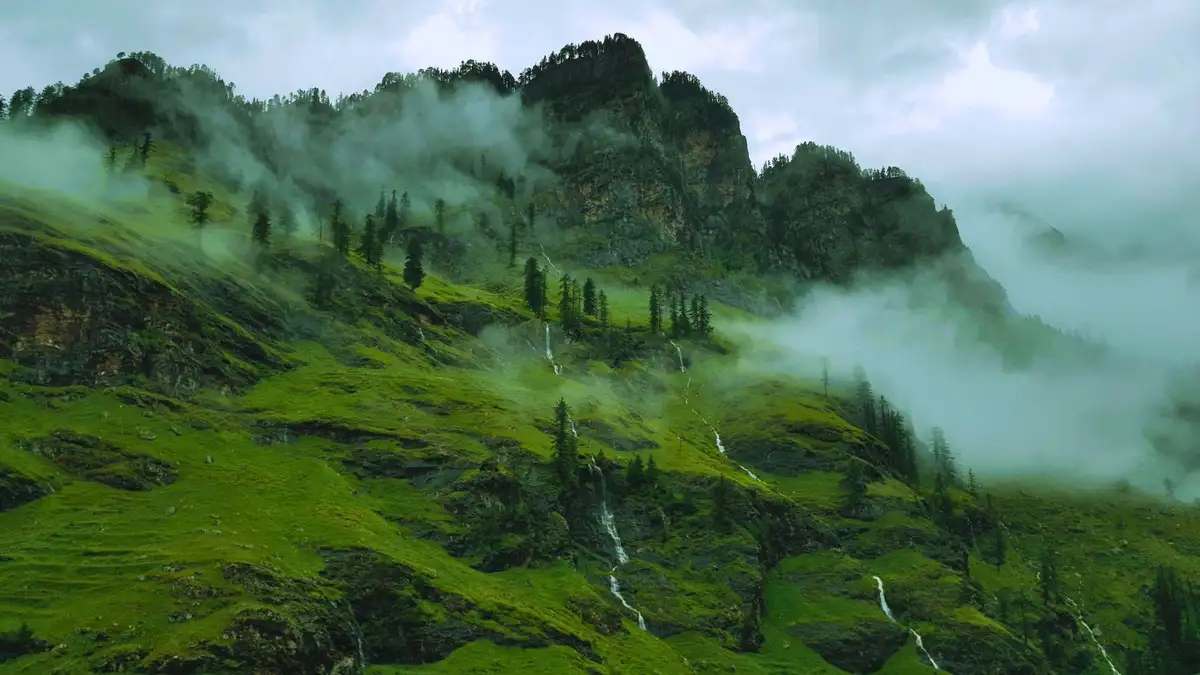
Complete Manali travel guide featuring Rohtang Pass, Solang Valley, Hadimba Temple, adventure activities, best time to visit & practical tips.
Best Cafes in Old Manali: Riverside Vibes, Coffee & Live Music
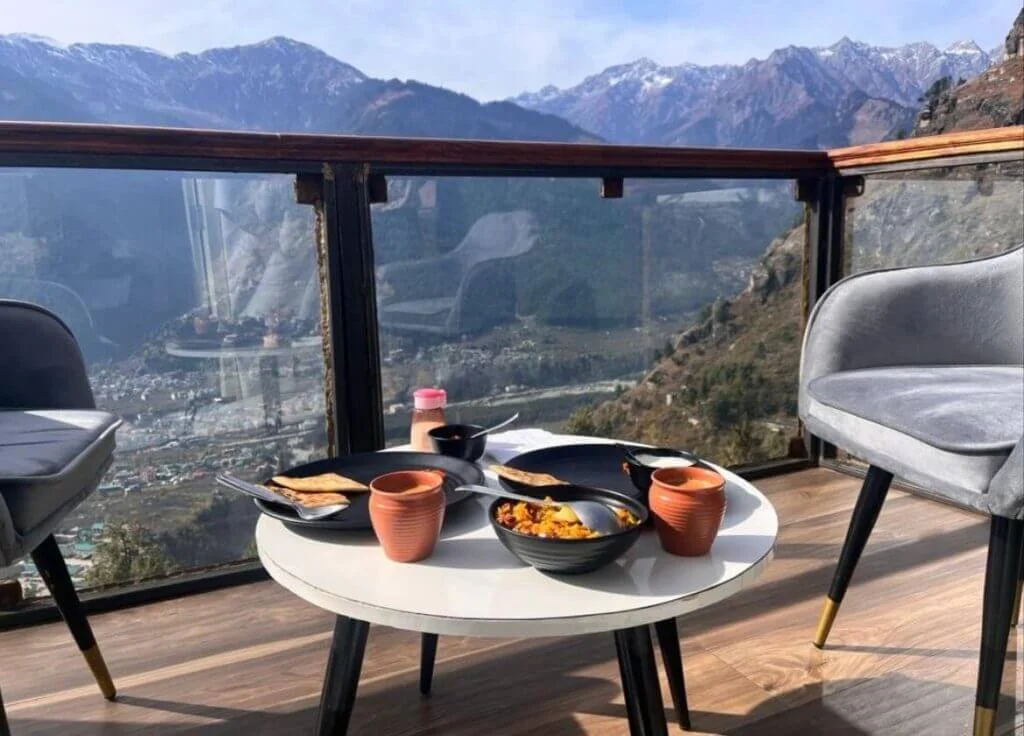
Discover Old Manali's enchanting cafe culture with our comprehensive guide. From historic institutions to Israeli cuisine, riverside dining to hidden gems in the Himalayas.
Vashisht Hot Water Springs Manali: Timings, Bath Rules & Tips
Plan your Vashisht Hot Water Springs Manali visit with bathing tips, timings guidance, temple context, and route combinations for a smoother day.
Never Miss an Adventure
Get the latest trekking guides, travel tips, and exclusive offers delivered straight to your inbox.
