
Adventure
Rohtang Pass Manali: Complete Guide to Himalayan Adventure

Ananya Sharma
February 18, 2026
15 min read1,766 views
Complete Rohtang Pass Manali guide: permits, best time, activities, costs & safety tips. Experience the Himalayas at 3,978 meters.
Introduction: Gateway to the Lahaul Valley
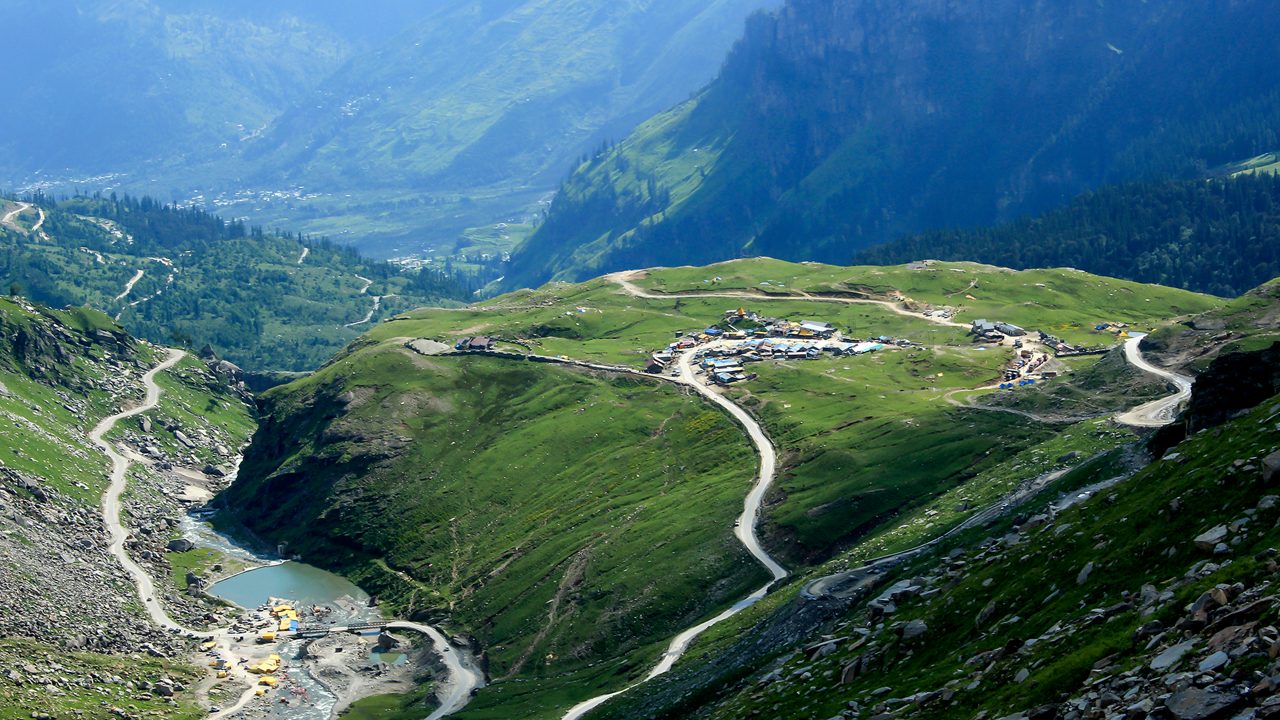
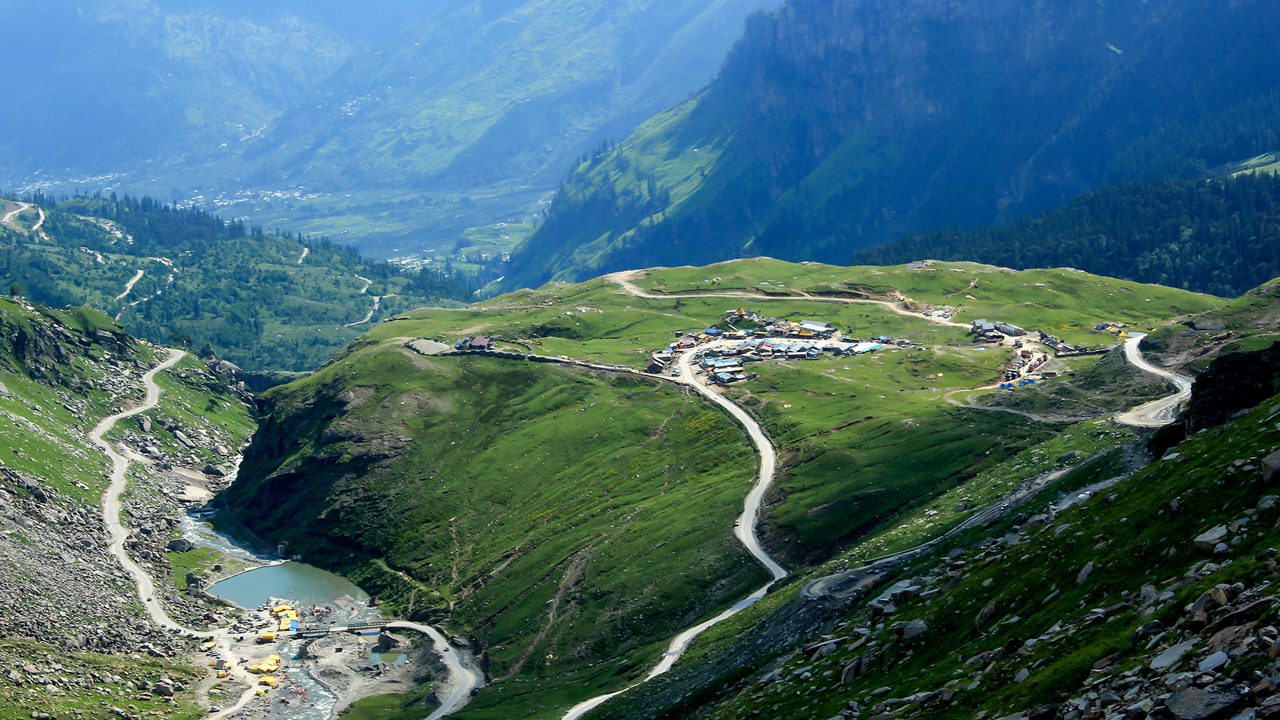
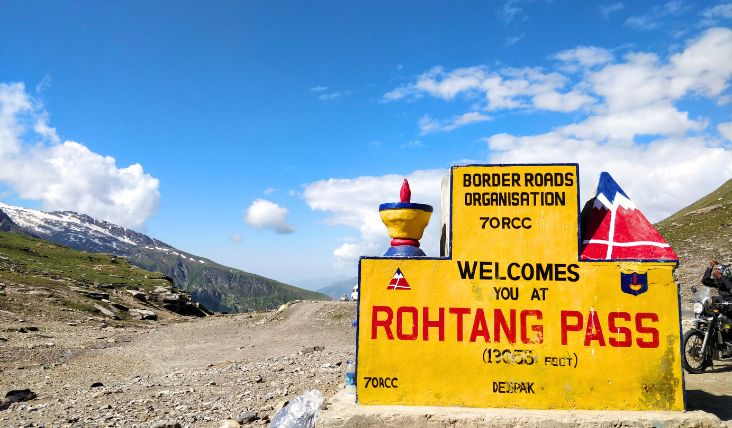
Rohtang Pass, standing tall at 3,978 meters above sea level, is one of the most spectacular mountain passes in the world. The name literally translates to "pile of corpses," a stark reminder of the treacherous conditions that have claimed many lives throughout history. Today, however, it stands as a testament to human engineering and nature's grandeur, offering travelers an unforgettable Himalayan experience. Located just 51 kilometers from Manali, Rohtang Pass serves as the gateway to the Lahaul and Spiti valleys. The journey itself is an adventure, with winding roads carved into mountainsides, cascading waterfalls, and ever-changing landscapes that transition from lush green valleys to barren high-altitude deserts. This comprehensive guide covers everything you need to know about visiting Rohtang Pass - from permits and best time to visit to practical tips that will make your journey safe and memorable. Whether you're a first-time visitor or a seasoned traveler, Rohtang Pass promises an experience that will stay etched in your memory forever.Why Rohtang Pass is a Must-Visit Destination
Rohtang Pass isn't just a mountain pass - it's a transformative experience. The moment you ascend from Manali's green valleys to the pass's snow-covered landscape, you enter a completely different world. Here's why it deserves a spot on every traveler's bucket list:- Natural Grandeur: Panoramic views of Himalayan peaks, glaciers, and valleys that stretch as far as the eye can see.
- Adventure Activities: From skiing and snowboarding to sledging and snow biking, there's something for everyone.
- Engineering Marvel: The road to Rohtang is an incredible feat of engineering, cut through solid rock.
- Photography Paradise: Every turn offers frame-worthy landscapes - from the Beas River to the Chandra River.
- Gateway to Spiti: For adventure seekers, it's the starting point for epic road trips to Lahaul and Spiti valleys.
Best Time to Visit Rohtang Pass
The timing of your visit to Rohtang Pass is crucial. Unlike many tourist destinations, Rohtang has a very specific operating window dictated by weather conditions.Summer Season (May to June)
This is the peak season when the pass first opens after winter snow clearance. The landscape is a stunning contrast - you'll find snow at the top while the valleys below are lush green. Temperatures range from 5°C to 15°C. Pros: Maximum snow, all activities available, best photography opportunities Cons: Highest crowds, peak prices, traffic jams Best For: Snow activities, families, first-time visitorsMonsoon Season (July to September)
While Manali receives rainfall, Rohtang Pass often remains accessible. The landscapes are greener, and waterfalls are at their spectacular best. However, sudden weather changes can lead to temporary closures. Pros: Lush landscapes, fewer crowds than peak summer Cons: Unpredictable weather, landslide risk on approach roads Best For: Photography, nature lovers, budget travelersAutumn Season (October to Early November)
A hidden gem! The skies are crystal clear, offering the best visibility of the Himalayan peaks. The crowds have thinned significantly, and temperatures are pleasant (5°C to 12°C). Pros: Clear views, fewer crowds, pleasant weather Cons: diminishing snow cover, some activities may not be available Best For: Photography, peaceful experience, trekkersWinter Season (Mid-November to April)
Rohtang Pass remains closed during these months due to heavy snowfall. The region receives 10-20 feet of snow, making it impossible to maintain the pass. However, you can still experience snow at nearby Gulaba and Marhi. Alternatives: Visit Gulaba (20 km from Manali) for snow activitiesHow to Reach Rohtang Pass
The Journey from Manali
The 51-kilometer journey from Manali to Rohtang Pass takes approximately 2-3 hours, depending on road conditions and traffic. The route itself is an attraction:- Manali to Palchan: 14 km, paved roads through scenic valleys
- Palchan to Gulaba: 6 km, ascent begins, landscapes change
- Gulaba to Marhi: 12 km, mountain views intensify, road becomes winding
- Marhi to Rohtang Pass: 19 km, final ascent to the pass
Transport Options
Private Taxi: Most convenient option. Costs INR 3,500-5,000 for a full day. Includes pickup from your hotel, permit assistance, and waiting time. Shared Taxi: Budget-friendly at INR 800-1,200 per person. Available from Manali Mall Road in the morning (6-7 AM). Return trip is fixed timing. Self-Drive: Possible if you have your own vehicle or rental. Ensure it's in good condition and you're experienced with mountain driving. Check current vehicle restrictions (BS-4 compliance). Bus: HRTC operates occasional buses to Rohtang, but these are unreliable and weather-dependent. Not recommended for tourists.The Permit System: Everything You Need to Know
Rohtang Pass requires a permit for all tourists, implemented to control traffic and protect the fragile ecosystem. Here's your complete guide to obtaining permits:Permit Costs
- Vehicle Permit: INR 500 (valid for one day)
- Passenger Fee: INR 50 per person (Indians), INR 100 per person (foreigners)
- Environmental Fee: INR 100 (sometimes included in vehicle permit)
- Additional: INR 50 for pony/sledge if applicable
How to Apply
Online Application (Recommended): Visit the Himachal Pradesh Tourism website (rohtangpermit.in). Fill in vehicle details, upload documents (vehicle RC, ID proof), select your date, and pay online. Print the permit and carry it with you. Offline Application: Visit the SDM Office in Manali (near Circuit House). Submit vehicle RC, ID proof, and fill out the form. Same-day permits are possible but not guaranteed.Important Rules
- Only 1,000 vehicles are permitted per day (800 petrol, 200 diesel)
- Permits are valid only for the specified date
- Wednesdays are closed for maintenance (no permits issued)
- Check posts verify permits at multiple points
- Vehicle restrictions apply (check current BS norms)
Pro Tips for Permit Success
- Apply at least 3-4 days in advance during peak season (May-June)
- Have multiple date options in case your first choice isn't available
- Carry both digital and physical copies of the permit
- Local agents can arrange permits for an additional fee (INR 500-800)
- Start early! Permits are checked at multiple points, and queues build up
Top Attractions at Rohtang Pass
1. The Pass Itself
Standing at the top of Rohtang Pass is an awe-inspiring experience. At 3,978 meters, you're surrounded by some of the highest peaks in the world. The panoramic view includes:- Indrasan Peak: 6,221 meters, the highest in the Kullu Valley
- Deo Tibba: 6,001 meters, a stunning snow-capped peak
- Chandra River: Originating near the pass, flowing through Lahaul
- Glaciers: Several hanging glaciers visible from the pass
2. Snow Activities
Rohtang Pass is famous for its snow activities, available from May to October:- Skiing: INR 500-1,500 for 30 minutes (instruction included for beginners)
- Sledge Rides: INR 300-800 depending on duration and distance
- Snowboarding: INR 800-1,500
- Snow Biking: INR 500-1,000
- Snow Tube: INR 300-600
3. Beas Kund
A short trek from Rohtang Pass leads to Beas Kund, the origin of the Beas River. This glacial lake is sacred and considered the source of the river that flows through Manali. The trek takes 1-2 hours and offers stunning views.4. Rohtang Falls
On the way to the pass, you'll pass several beautiful waterfalls. Rohtang Falls is particularly spectacular, especially during monsoon when it's in full flow. It's a great spot for photography and a quick break.5. Marhi
Located 19 kilometers before Rohtang Pass, Marhi is a picturesque meadow surrounded by mountains. It's a popular stopover point with several food stalls and small shops. Many travelers stop here for breakfast or lunch.6. Kothi
A scenic village on the way to Rohtang, Kothi offers stunning views of the valley and glaciers. It's less crowded and perfect for photography enthusiasts.A Perfect Day at Rohtang Pass: Sample Itinerary
Early Morning (5:00 AM - 7:00 AM)
Start early! Leave Manali by 5:00 AM to avoid traffic jams and ensure you reach the pass early. The early morning light is perfect for photography, and you'll beat the crowds.Morning at Marhi (7:30 AM - 8:30 AM)
Stop at Marhi for breakfast. Try the local maggie (noodles) and tea while enjoying the mountain views. This is also a good time to use the restrooms.Arrival at Rohtang Pass (9:00 AM - 12:00 PM)
Spend these hours exploring the pass. Start with photography while the light is good, then try snow activities. This is the best time to avoid crowds.Lunch Break (12:00 PM - 1:00 PM)
Enjoy a packed lunch or eat at one of the small food stalls. The options are limited, so carrying your own food is recommended.Afternoon Activities (1:00 PM - 3:00 PM)
Continue with activities or short treks. This is also a great time to visit Beas Kund if you're interested.Return Journey (3:00 PM - 6:00 PM)
Begin your descent by 3:00 PM to avoid descending in the dark. Stop at scenic points for photography. You'll reach Manali by evening.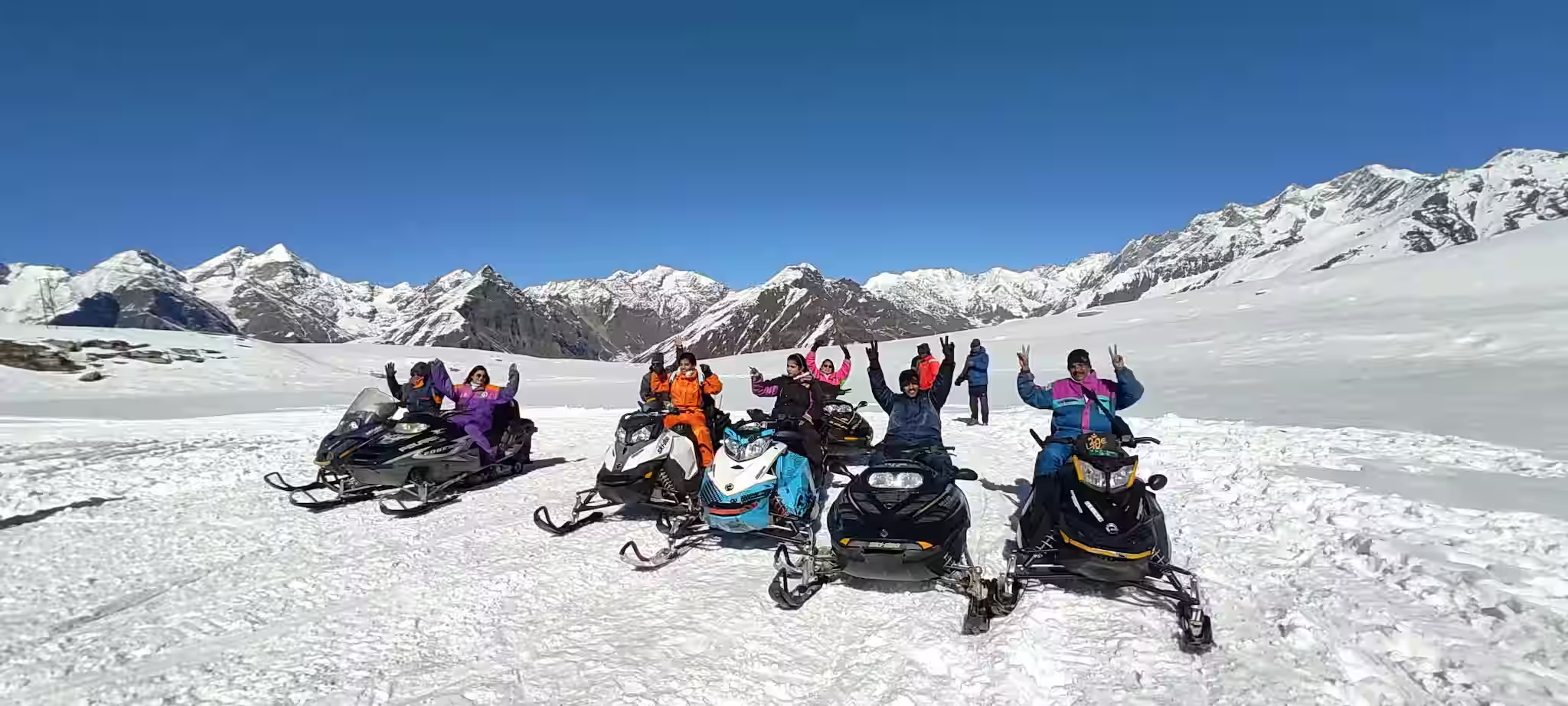
Practical Travel Tips
Acclimatization: Stay Safe at Altitude
Rohtang Pass's high altitude can cause Acute Mountain Sickness (AMS). Symptoms include headache, nausea, dizziness, and shortness of breath. Here's how to stay safe:- Spend at least 2 days in Manali before attempting Rohtang Pass
- Drink plenty of water - altitude causes dehydration
- Avoid alcohol and smoking the night before your visit
- Carry Diamox tablets (consult your doctor first)
- Descend immediately if symptoms are severe
- Don't rush - take your time ascending
- Carry oxygen cylinders (available for rent in Manali)
What to Pack
Even in summer, temperatures at Rohtang Pass can be near freezing. Pack smart:- Warm Clothing: Heavy jacket, gloves, cap, scarf (even in May-June)
- Sunglasses: UV radiation is intense at altitude
- Sunscreen: SPF 50+ recommended
- Lip Balm: Cold wind causes chapped lips
- Comfortable Shoes: Waterproof shoes with good grip
- Water: Carry 2-3 liters per person
- Snacks: Energy bars, chocolates, nuts
- First Aid Kit: Basic medicines, bandages
- Power Bank: Your phone battery drains faster in cold
- Plastic Bags: For wet clothes and trash
- ID Proof: Required for permits
Food and Water
Food options at Rohtang Pass are limited and expensive. Carry your own:- Breakfast and lunch from Manali
- Plenty of snacks and water
- Hot water in a thermos (available at hotels)
- Avoid oily food - it can cause discomfort at altitude
Weather Considerations
Mountain weather is unpredictable. Be prepared for:- Sudden rain or snowfall even in summer
- Temperature drops of 10-15°C from Manali to Rohtang
- Strong winds at the pass
- Rapid weather changes
- Temporary closures due to landslides or weather
Photography Tips
- Early morning and late afternoon offer the best light
- Carry extra batteries - cold drains them fast
- Use UV filters to protect your lens
- Carry a waterproof bag for equipment
- The pass offers 360-degree views - use a wide-angle lens
Responsible Tourism
Rohtang Pass's fragile ecosystem needs protection:- Don't litter - carry all trash back to Manali
- Avoid plastic - it takes centuries to decompose
- Respect local culture and customs
- Don't disturb wildlife
- Stay on designated paths
- Don't pick plants or flowers
Budget Breakdown
Per Person Cost Estimate
Shared Taxi: INR 1,200-1,500 (including permit) Private Taxi: INR 3,500-5,000 divided by 4-5 passengers Permits: INR 100-150 Food: INR 300-500 Activities: INR 500-2,000 (depending on choices) Total: INR 2,000-4,000 per personCost-Saving Tips
- Visit on weekdays - lower taxi rates and easier permits
- Join shared taxis instead of hiring private ones
- Carry your own food and water
- Limit activities to 1-2 instead of trying everything
- Travel in October - fewer crowds and better rates
Where to Stay
While most visitors stay in Manali, options exist closer to Rohtang:- Manali: Most convenient, wide range of options
- Vashisht: quieter, hot springs, good homestays
- Gulaba: Basic accommodation, closer to Rohtang
- Marhi: Tent accommodation, very basic
Connecting Your Journey
Rohtang Pass is often part of a larger Himalayan adventure. Consider combining it with:- Spiti Valley: Continue beyond Rohtang to explore the stunning Spiti Valley
- Ladakh: Manali-Leh highway passes through Rohtang
- Kullu: Explore the "Valley of Gods" on your return
- Manali Sightseeing: Visit Hadimba Temple, Vashisht, and Old Manali
Is Rohtang Pass open throughout the year?
No, Rohtang Pass is closed from mid-November to May due to heavy snowfall. The pass typically opens in late May or early June, depending on snow clearance operations by the Border Roads Organisation (BRO). During winter, Gulaba serves as an alternative for snow activities. Always check current status before planning your trip, as opening dates vary each year.Do I need a permit to visit Rohtang Pass?
Yes, permits are mandatory for all tourists visiting Rohtang Pass. The permit system regulates traffic to protect the fragile Himalayan ecosystem. You can apply online through the Himachal Pradesh Tourism website or offline at the SDM office in Manali. Permits cost INR 500 for vehicles and INR 50 per person. Only 1,000 permits are issued daily, so book in advance during peak season.How much time does it take to reach Rohtang Pass from Manali?
The journey takes approximately 2-3 hours one way (51 kilometers), depending on road conditions and traffic. The drive is scenic but challenging, with numerous hairpin bends and steep ascents. Start early (5-6 AM) to avoid traffic jams and ensure you have enough time at the pass. The total trip including return takes 8-10 hours.Is Rohtang Pass safe for families with children?
Yes, Rohtang Pass is generally safe for families with children. However, take precautions regarding altitude. Children are more susceptible to AMS, so ensure proper acclimatization. Dress them warmly - temperatures are much lower than Manali. Avoid long exposure to cold wind. Carry snacks and water. Consult your pediatrician before travel, especially for children under 5 years.What should I wear to Rohtang Pass?
Even in summer (May-June), dress warmly! Wear layers - thermal inner wear, sweater, and heavy windproof jacket. Don't forget gloves, woolen cap, and scarf. Sturdy waterproof shoes with good grip are essential. Sunglasses and sunscreen are mandatory due to high UV radiation. In colder months (September-October), add heavier woolens. Rentals are available in Manali if you don't have warm clothes.Can I drive my own car to Rohtang Pass?
Yes, you can drive your own vehicle if you have a valid permit. However, ensure your vehicle is in excellent condition - mountain driving demands good brakes and tires. Check current vehicle restrictions (only BS-4 compliant vehicles allowed as per latest regulations). Experience with mountain driving is essential - the road has steep drops and hairpin bends. If you're not confident, hire a local driver.What food options are available at Rohtang Pass?
Food options are limited and expensive. Small stalls serve basic items like maggi (noodles), tea, coffee, and snacks. Quality and hygiene can vary significantly. It's strongly recommended to carry your own food from Manali - pack breakfast, lunch, and plenty of snacks. Carry a thermos with hot water or tea. Avoid oily food as it can cause discomfort at high altitude.Is there any network connectivity at Rohtang Pass?
Network connectivity is very poor to non-existent at Rohtang Pass. Jio and Airtel might work intermittently at certain points, but don't rely on it. Inform family about your itinerary beforehand. Download offline maps. Carry a power bank. In emergencies, you might find connectivity at Marhi or on the way back. Plan accordingly for digital payments - carry cash.What if I get altitude sickness at Rohtang Pass?
If you experience symptoms of AMS (headache, nausea, dizziness, shortness of breath), descend immediately to lower altitude. Don't continue upward. Rest, drink water, and take prescribed medication. Oxygen cylinders are available for rent in Manali - consider carrying one. If symptoms are severe (vomiting, confusion, difficulty breathing), seek medical help immediately and descend as fast as possible.Can I visit Rohtang Pass during winter?
No, Rohtang Pass remains closed during winter (mid-November to April) due to heavy snowfall. The region receives 10-20 feet of snow, making the pass inaccessible. During winter, visit Gulaba (20 km from Manali) for snow activities. The Atal Tunnel, opened in 2020, provides year-round connectivity to Lahaul Valley and can be visited in winter for snow experiences.Conclusion: Why Rohtang Pass Should Be on Your Bucket List
Rohtang Pass is more than just a tourist destination - it's an experience that transforms you. The moment you stand at 3,978 meters, surrounded by some of the highest peaks in the world, you understand why travelers have been drawn here for centuries. The journey teaches you humility in the face of nature's grandeur. The landscapes remind you how beautiful our planet is. The challenges of the road make you appreciate human resilience. And the memories stay with you long after you've returned to the plains. Whether you're seeking adventure, spiritual solace, or simply want to witness the Himalayas in all their glory, Rohtang Pass delivers. It's a place where every turn offers a new vista, every challenge brings a reward, and every moment becomes a memory. So pack your warmest clothes, charge your camera, and prepare for an unforgettable journey. Rohtang Pass awaits, ready to show you why the Himalayas have captivated travelers for generations. The mountains are calling, and this is one adventure you don't want to miss. After experiencing the magic of Rohtang, consider exploring more of what Manali has to offer. From ancient temples to adventure sports and serene monasteries, the Himalayan region has endless discoveries waiting for you.Location
Frequently Asked Questions
Q1.Is Rohtang Pass open throughout the year?
No, Rohtang Pass is closed from mid-November to May due to heavy snowfall. The pass typically opens in late May or early June, depending on snow clearance operations by the Border Roads Organisation (BRO). During winter, Gulaba serves as an alternative for snow activities. Always check current status before planning your trip, as opening dates vary each year.
Q2.Do I need a permit to visit Rohtang Pass?
Yes, permits are mandatory for all tourists visiting Rohtang Pass. The permit system regulates traffic to protect the fragile Himalayan ecosystem. You can apply online through the Himachal Pradesh Tourism website or offline at the SDM office in Manali. Permits cost INR 500 for vehicles and INR 50 per person. Only 1,000 permits are issued daily, so book in advance during peak season.
Q3.How much time does it take to reach Rohtang Pass from Manali?
The journey takes approximately 2-3 hours one way (51 kilometers), depending on road conditions and traffic. The drive is scenic but challenging, with numerous hairpin bends and steep ascents. Start early (5-6 AM) to avoid traffic jams and ensure you have enough time at the pass. The total trip including return takes 8-10 hours.
Q4.Is Rohtang Pass safe for families with children?
Yes, Rohtang Pass is generally safe for families with children. However, take precautions regarding altitude. Children are more susceptible to AMS, so ensure proper acclimatization. Dress them warmly - temperatures are much lower than Manali. Avoid long exposure to cold wind. Carry snacks and water. Consult your pediatrician before travel, especially for children under 5 years.
Q5.What should I wear to Rohtang Pass?
Even in summer (May-June), dress warmly! Wear layers - thermal inner wear, sweater, and heavy windproof jacket. Don't forget gloves, woolen cap, and scarf. Sturdy waterproof shoes with good grip are essential. Sunglasses and sunscreen are mandatory due to high UV radiation. In colder months (September-October), add heavier woolens. Rentals are available in Manali if you don't have warm clothes.
Q6.Can I drive my own car to Rohtang Pass?
Yes, you can drive your own vehicle if you have a valid permit. However, ensure your vehicle is in excellent condition - mountain driving demands good brakes and tires. Check current vehicle restrictions (only BS-4 compliant vehicles allowed as per latest regulations). Experience with mountain driving is essential - the road has steep drops and hairpin bends. If you're not confident, hire a local driver.
Q7.What food options are available at Rohtang Pass?
Food options are limited and expensive. Small stalls serve basic items like maggi (noodles), tea, coffee, and snacks. Quality and hygiene can vary significantly. It's strongly recommended to carry your own food from Manali - pack breakfast, lunch, and plenty of snacks. Carry a thermos with hot water or tea. Avoid oily food as it can cause discomfort at high altitude.
Q8.Is there any network connectivity at Rohtang Pass?
Network connectivity is very poor to non-existent at Rohtang Pass. Jio and Airtel might work intermittently at certain points, but don't rely on it. Inform family about your itinerary beforehand. Download offline maps. Carry a power bank. In emergencies, you might find connectivity at Marhi or on the way back. Plan accordingly for digital payments - carry cash.
Q9.What if I get altitude sickness at Rohtang Pass?
If you experience symptoms of AMS (headache, nausea, dizziness, shortness of breath), descend immediately to lower altitude. Don't continue upward. Rest, drink water, and take prescribed medication. Oxygen cylinders are available for rent in Manali - consider carrying one. If symptoms are severe (vomiting, confusion, difficulty breathing), seek medical help immediately and descend as fast as possible.
Q10.Can I visit Rohtang Pass during winter?
No, Rohtang Pass remains closed during winter (mid-November to April) due to heavy snowfall. The region receives 10-20 feet of snow, making the pass inaccessible. During winter, visit Gulaba (20 km from Manali) for snow activities. The Atal Tunnel, opened in 2020, provides year-round connectivity to Lahaul Valley and can be visited in winter for snow experiences.
Recommended For You
Adventure
Himvalley Amusement and Cultural Park Manali: Rides, Tickets & Timings
Plan a smoother visit to Himvalley Amusement and Cultural Park Manali with timing tips, family-focused guidance, and itinerary pairing advice.
Feb 20Read More
Adventure
Solang Valley Manali: Activities, Ropeway & Winter Sports
Explore Solang Valley Manali! Guide to adventure activities, best time, how to reach, skiing, paragliding & travel tips.
Feb 12Read More
Spiritual
Vashishta Gufa Rishikesh: Meditation Experience, Timings & Route
Visit Vashishta Gufa in Rishikesh, where Sage Vashishta meditated for thousands of years. Discover this ancient cave's spiritual significance, meditation practices, and complete travel guide.
Jan 14Read More
Never Miss an Adventure
Get the latest trekking guides, travel tips, and exclusive offers delivered straight to your inbox.
