
Culture of Vietnam: Traditions, Customs, and Daily Life

Rohan Malhotra
February 20, 2026
Discover the culture of Vietnam through traditions, values, festivals, cuisine, family customs, and practical etiquette for respectful travel.
Culture of Vietnam: Traditions, Food, and Everyday Etiquette
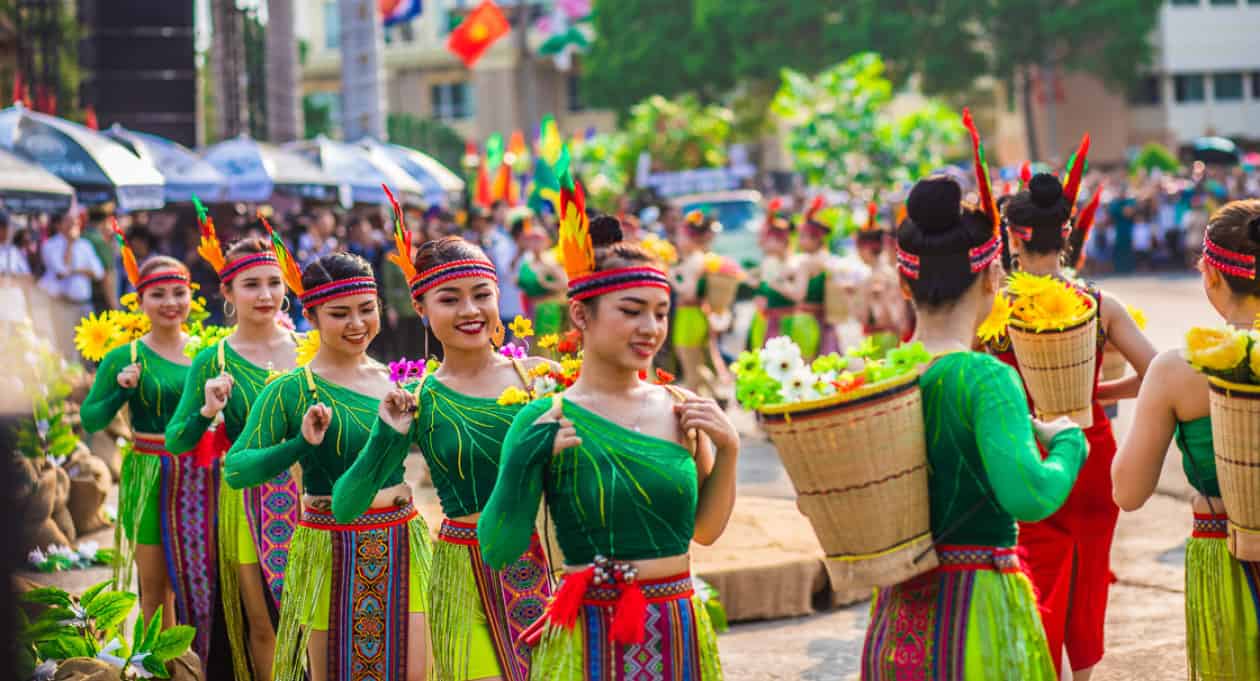
The culture of Vietnam is a rich blend of ancient traditions, regional identities, family values, and modern urban energy. Travelers experience this through temple practices, street life, food culture, craft traditions, and festivals across north, central, and south Vietnam.
A better Vietnam trip begins with cultural context. For route planning, pair this with Best Places to Visit Vietnam and Things to Do in Vietnam.
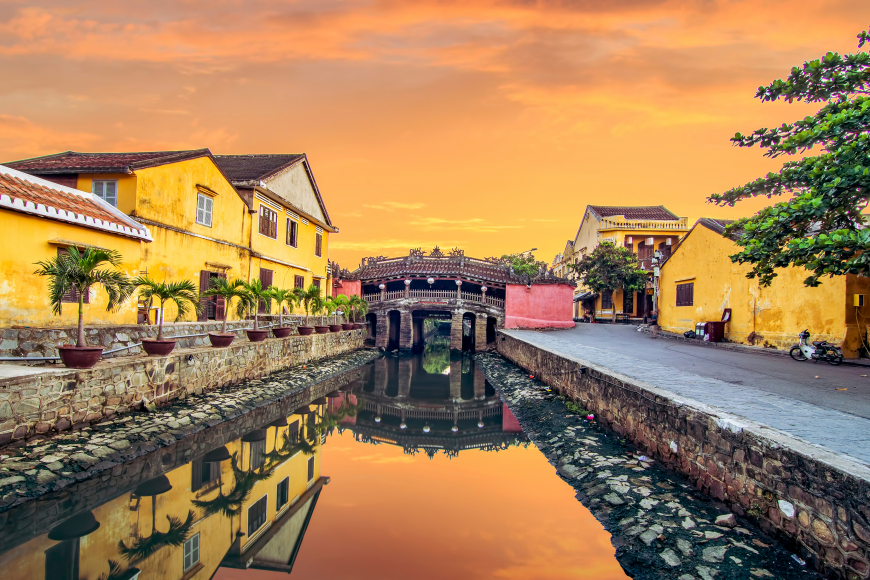
Vietnam’s cultural fabric is also shaped by its long history of resilience and adaptation. Over centuries, the country absorbed influences from Chinese Confucian philosophy in the north, Cham and Khmer traditions in the central and southern regions, and French colonial architecture that still lines the boulevards of Hanoi and Ho Chi Minh City. This layered history means that a single trip can reveal Buddhist pagodas, Taoist temples, Catholic cathedrals, and colonial villas within the same city walk. Understanding this blend helps travelers appreciate why Vietnamese identity feels both deeply traditional and remarkably open to outside influence.
Language and communication also carry cultural weight. Vietnamese is a tonal language, and even simple greetings like "xin chao" (hello) are appreciated when attempted by visitors. Names and titles matter in conversation, with older or more senior people addressed with respectful pronouns. Business cards, gift-giving, and social introductions often follow subtle hierarchy-based customs, especially in more formal settings such as family gatherings or official meetings, so observing local cues before jumping into casual conversation is a good habit for visitors.
Key Cultural Themes
- Family-centered social structure and respect for elders.
- Strong local identity in food and regional customs.
- Temple and ancestor-related traditions in daily life.
- Craft villages and market culture across cities and towns.
Regional Cultural Differences
| Region | Cultural Character |
|---|---|
| North Vietnam | Historic urban heritage and traditional rhythms |
| Central Vietnam | Imperial influence and craft-heavy traditions |
| South Vietnam | Dynamic street culture and modern trade energy |
Food as Cultural Identity
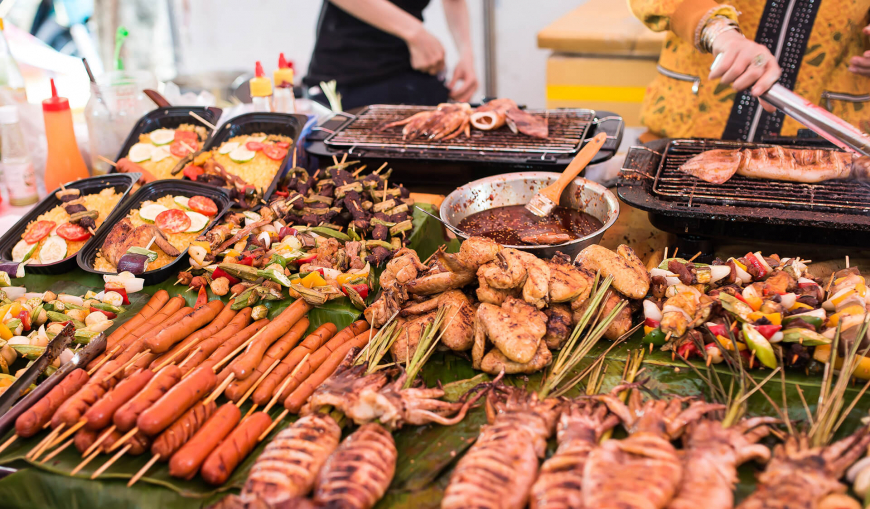
Vietnamese food is one of the best ways to understand local culture. Street food, family restaurants, and market eating habits reveal regional lifestyle differences. If you need food context, check Indian Restaurants in Vietnam for traveler-friendly options alongside local meals.
Traditional Clothing and Symbols
The ao dai, a fitted silk tunic worn over trousers, remains Vietnam’s most recognizable traditional garment and is still worn during weddings, Tet celebrations, and school ceremonies in some regions. The non la, or conical hat, continues to serve a practical role protecting farmers and market vendors from sun and rain while also functioning as a lasting cultural symbol seen in art and souvenirs across the country. Lacquerware, silk weaving, and hand-embroidered textiles produced in craft villages near Hanoi remain sought after by both collectors and casual travelers looking for authentic keepsakes.
Etiquette for Responsible Travelers
- Dress modestly in temple and spiritual spaces.
- Use calm behavior in religious areas.
- Ask before photographing local people closely.
- Respect queue and street-market movement norms.
Festival and Community Traditions
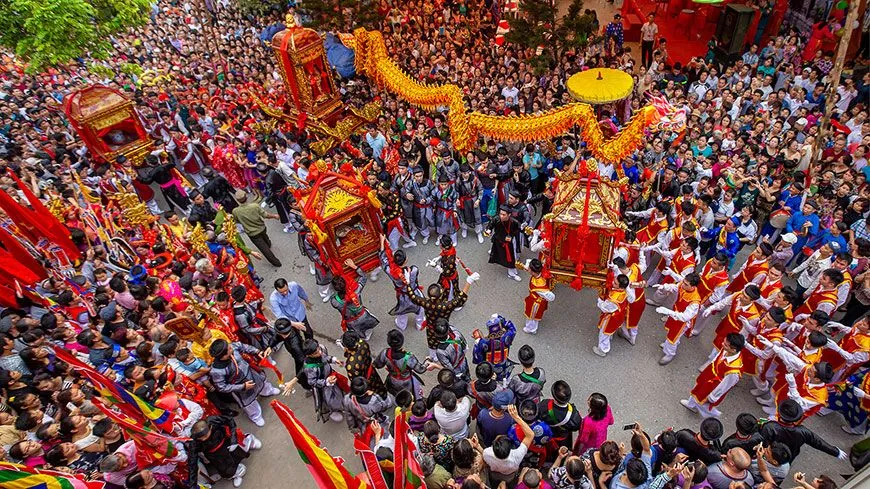
Vietnam has strong festival culture linked to seasonal and historical themes. Travelers should check event calendars before visits, as festivals can affect transport and city crowd patterns.
For destination combinations, use Culture of Vietnam as your base cultural lens and build city-specific routes around it.
Final Takeaway
The culture of Vietnam is best explored through local behavior, food, and community spaces rather than fast attraction-only itineraries. Give time to markets, temples, neighborhoods, and regional traditions for a deeper travel experience.
Location
Frequently Asked Questions
Q1.What is unique about Vietnamese culture?
Q2.What are core Vietnamese values?
Q3.How has history shaped the culture of Vietnam?
Q4.What are the major festivals in Vietnam?
Q5.What is traditional Vietnamese food culture like?
Q6.What is the traditional dress of Vietnam?
Q7.How important is family in Vietnamese society?
Q8.Is Vietnam considered a collectivist culture?
Recommended For You
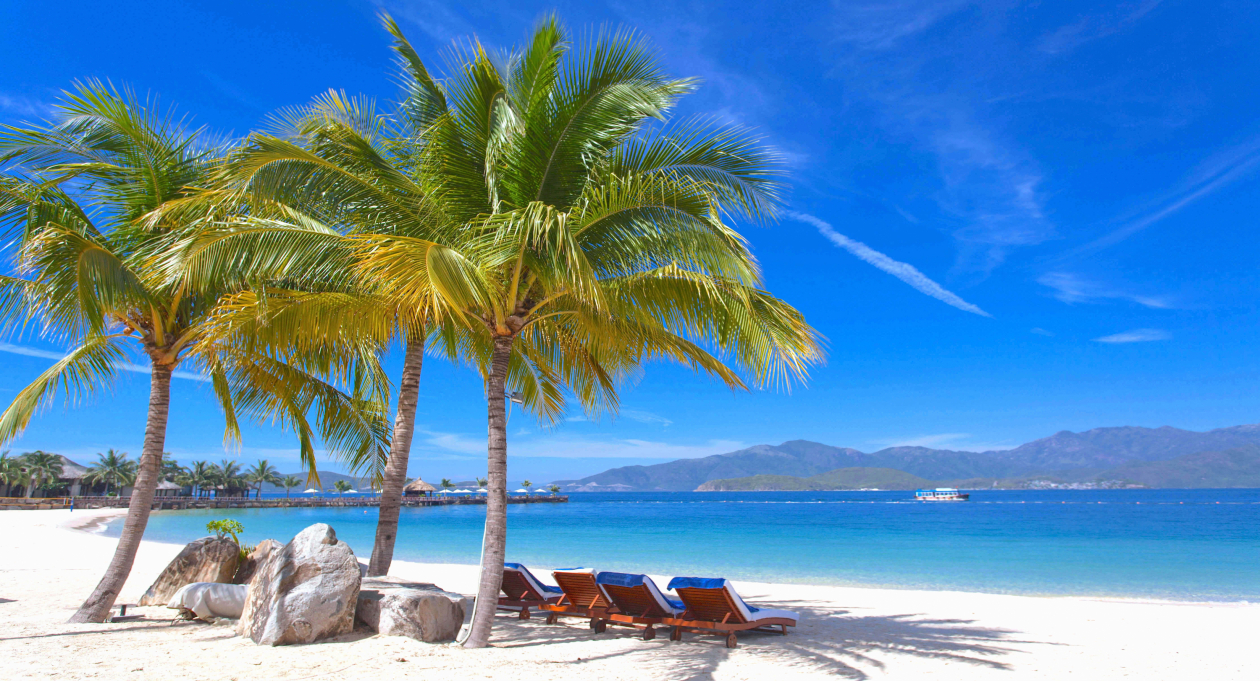
Vietnam Beach Resorts: Luxury Stays, Regions & Budget Range
Discover the best Vietnam beach resorts in Phu Quoc, Nha Trang, Da Nang, Mui Ne, and Con Dao. Complete guide with resort reviews, pricing, and booking tips for luxury coastal getaways.
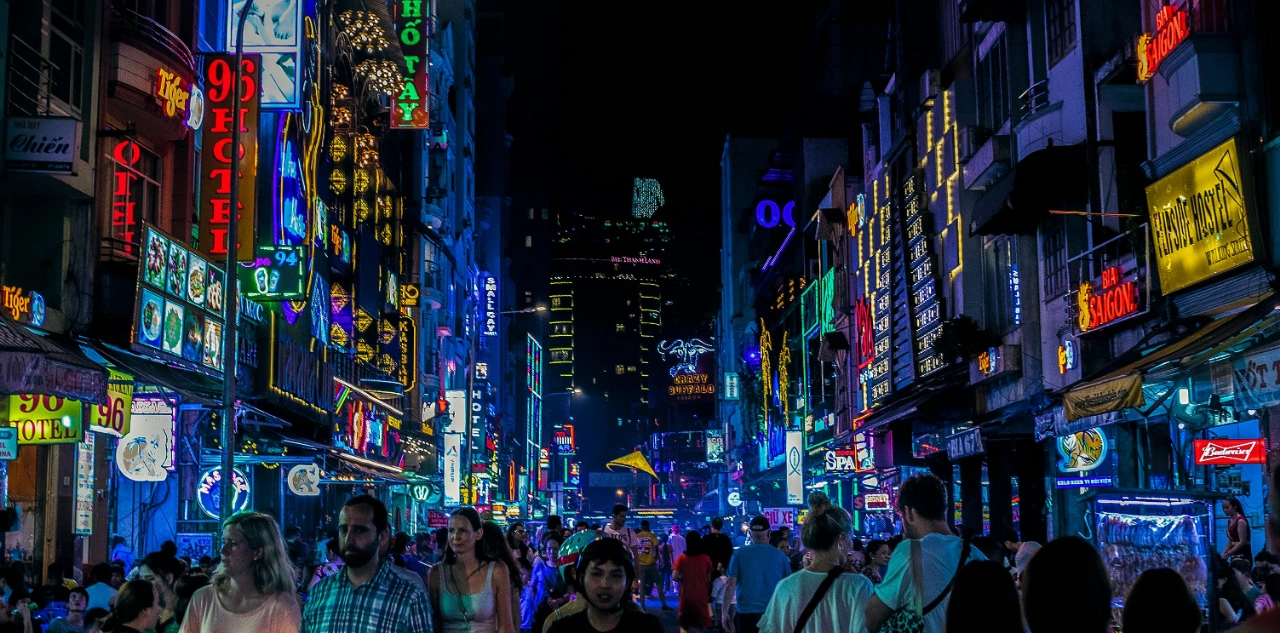
Vietnam Nightlife Guide: Bars, Clubs, Cities & Safety
Explore Vietnam nightlife city by city with practical bar, club, market, budget, legal-age, and safety guidance for Hanoi, HCMC, Da Nang, Hoi An, and beyond.
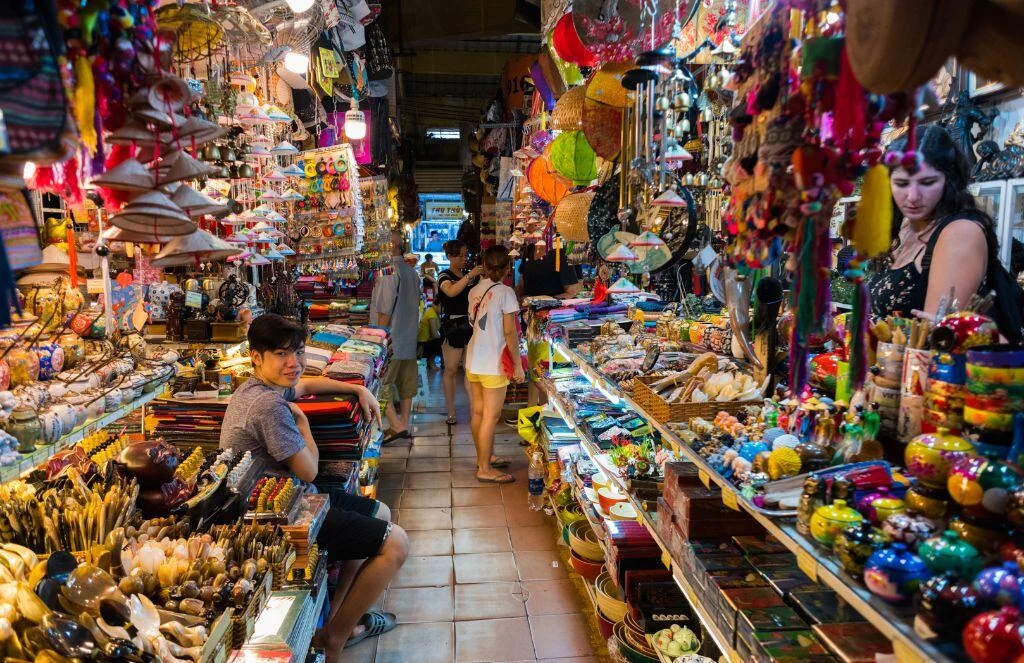
Shopping in Vietnam: Markets, Malls & Tips
Shopping in Vietnam: Complete guide to Hanoi, HCMC, Hoi An, best buys, bargaining tips, markets, malls & authentic Vietnamese products.
Never Miss an Adventure
Get the latest trekking guides, travel tips, and exclusive offers delivered straight to your inbox.
