
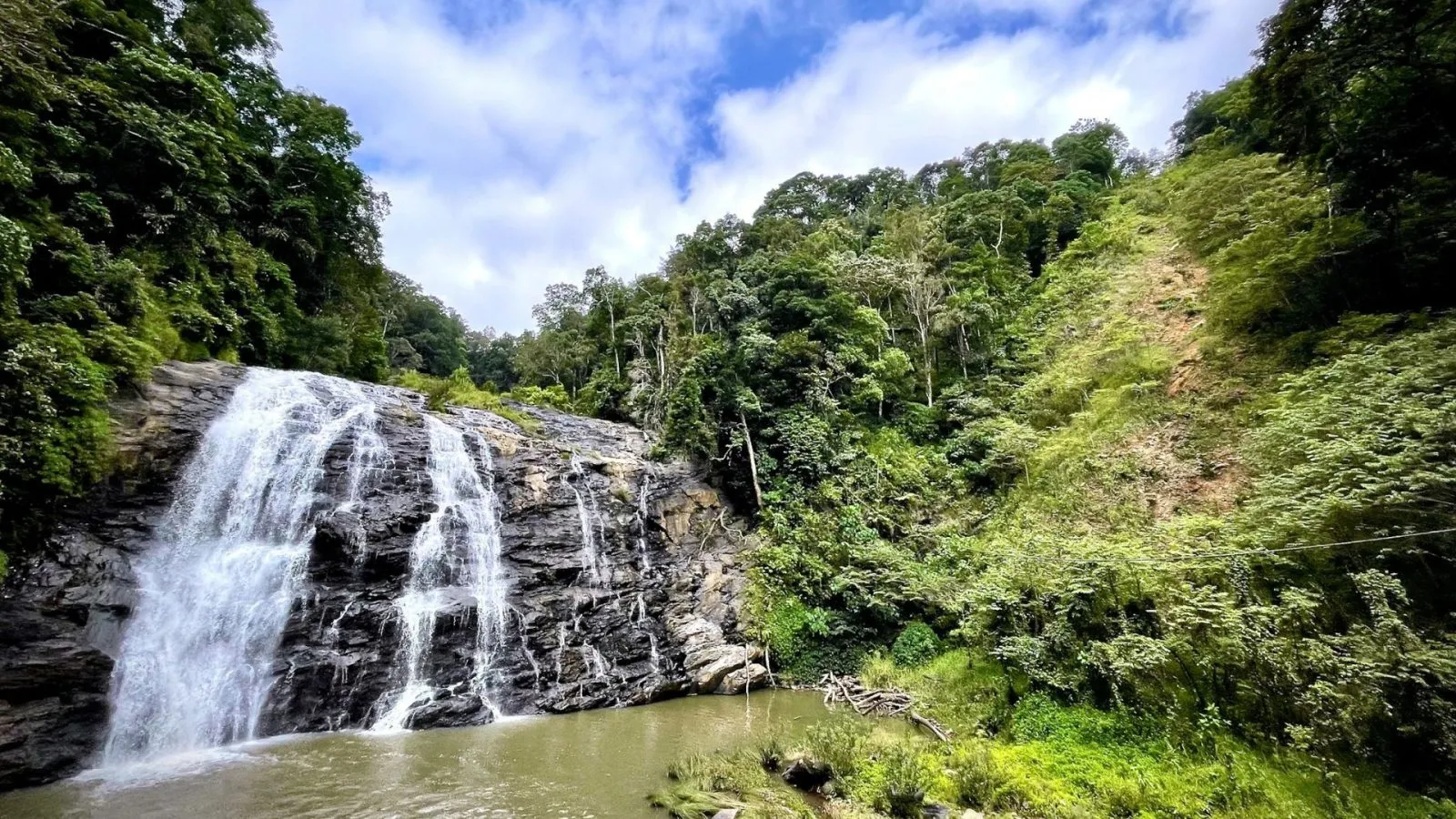
15 Offbeat Places in Coorg Beyond Tourist Crowds
Priya Mehta
February 6, 2026
Discover 15 offbeat places in Coorg beyond the tourist crowds. Hidden waterfalls, ancient temples, remote villages, and authentic experiences await in this comprehensive guide to exploring the real Coorg.
Coorg (Kodagu) is often called the "Scotland of India" for its rolling hills, misty landscapes, and coffee plantations. While popular spots like Abbey Falls, Dubare Elephant Camp, and Raja's Seat draw thousands of tourists, the real magic of Coorg lies in its lesser-known corners. Hidden waterfalls that require treks through dense forests, ancient temples shrouded in mist, remote villages where time stands still, and viewpoints that offer solitude instead of selfie sticks—these are the offbeat places that make Coorg special.
This guide takes you beyond the typical tourist trail to discover 15 offbeat destinations in Coorg that offer authentic experiences, pristine nature, and the kind of tranquility that's increasingly hard to find. Whether you're a nature lover, culture enthusiast, adventure seeker, or simply someone looking to escape the crowds, Coorg's hidden gems have something special for you.
Why Explore Offbeat Coorg?
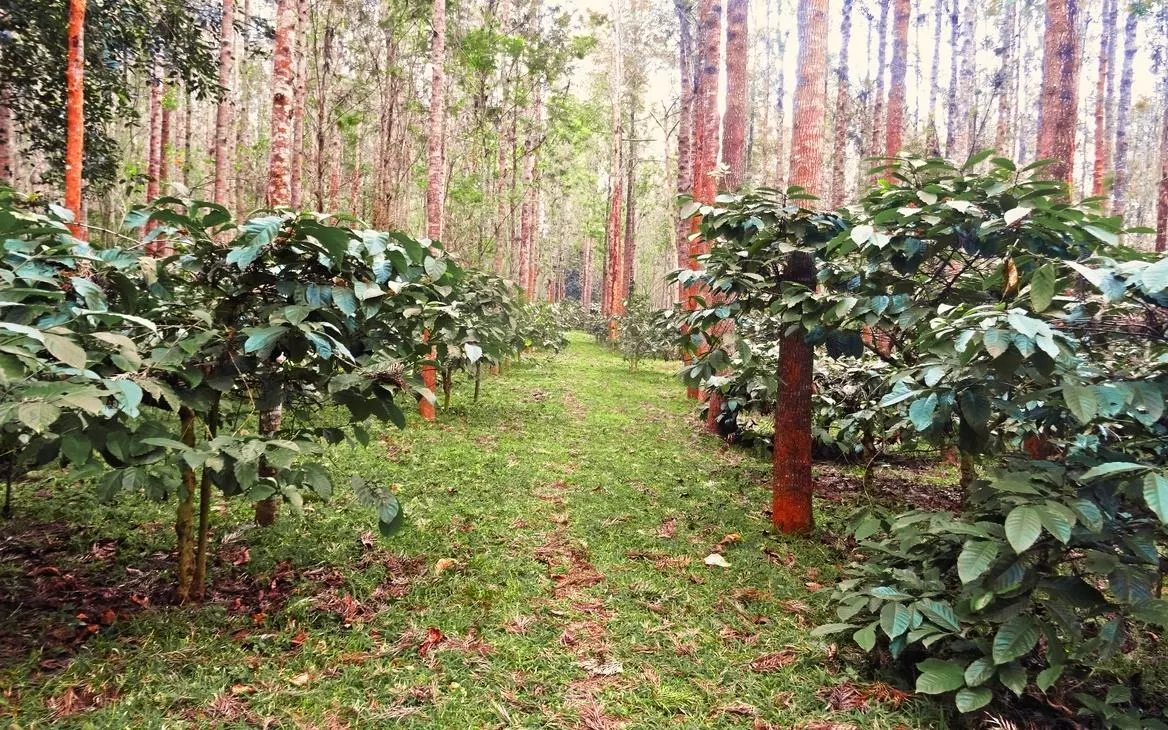
Coorg's mainstream attractions, while beautiful, can get crowded, especially on weekends and holidays. Abbey Falls sees hundreds of visitors daily, and Raja's Seat is packed for sunset. The offbeat places, however, offer a different Coorg—one where you might be the only visitor for hours, where the sounds of nature replace tourist noise, and where experiences feel genuine rather than staged.
These hidden places also offer better photography opportunities, more meaningful interactions with locals, and a deeper understanding of Kodava culture. Plus, many of these locations are free or have minimal entry fees, making them perfect for budget travelers seeking authentic experiences.
Nature & Waterfalls
1. Chelavara Falls
Distance from Madikeri: 35 km
Trek Required: 15-minute walk through forest
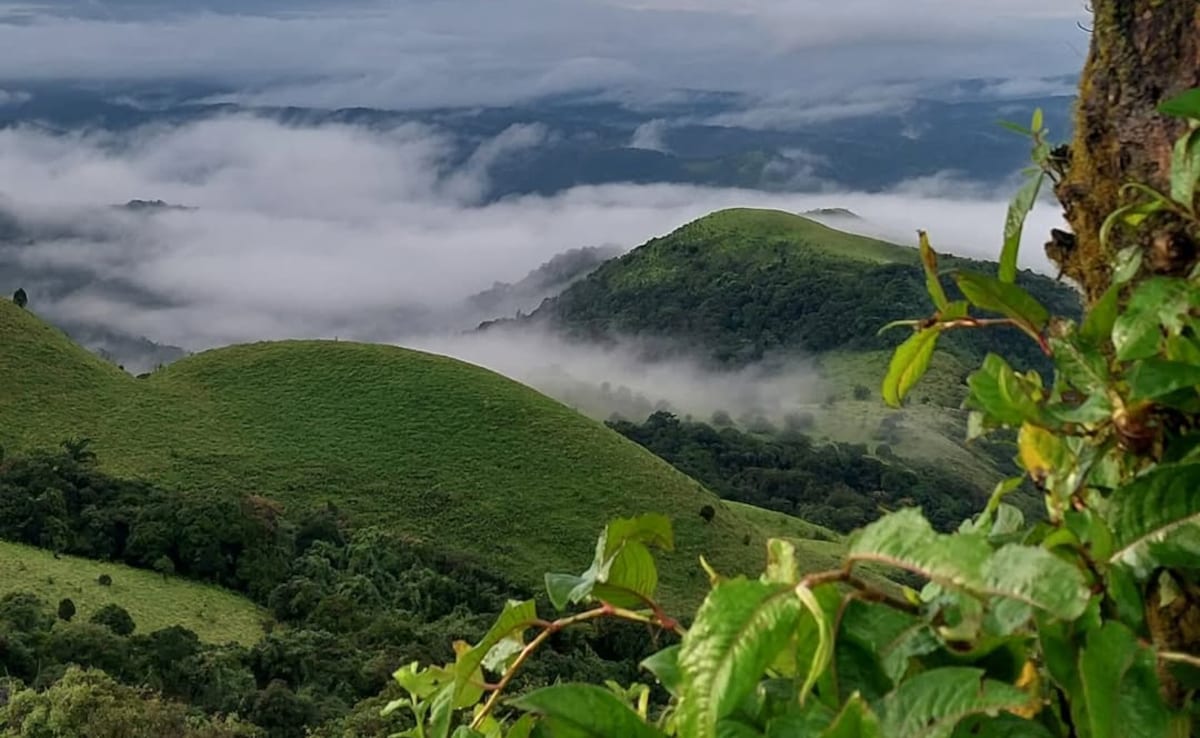
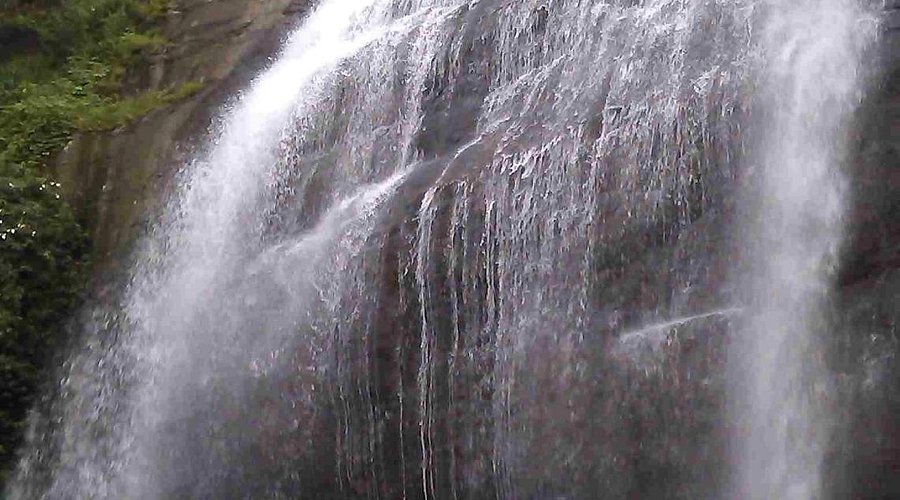
While Abbey Falls gets all the attention, Chelavara Falls is Coorg's hidden jewel. This spectacular waterfall cascades down from a height of 150 feet in a remote location surrounded by dense coffee plantations and forests. Unlike Abbey Falls, there's no ticket counter, no crowd control, and no designated viewpoints—just raw, unbridled nature.
The walk to the falls is an experience in itself, passing through coffee estates, spice gardens, and patches of dense forest. The path can be slippery after rain, so wear good footwear. Once you reach the falls, the roar of water and the mist in the air create an atmosphere that's genuinely magical. There are no barriers—be careful near the edge as the rocks are slippery.
Best Time to Visit: Monsoon (June-September) when the falls are at their most powerful. Post-monsoon (October-November) offers safer access and clearer pools.
Tip: Combine with a visit to the ancient Cheyyandane Mallikarjuna Temple nearby.
2. Mallalli Falls
Distance from Madikeri: 25 km
Best For: Photography, nature lovers
Mallalli Falls is where the Kumaradhara River plunges down the Pushpagiri Hills in a dramatic display of nature's power. What makes Mallalli special is its setting—the falls are surrounded by lush green hills and coffee plantations, creating picture-perfect frames at every turn.
The falls cascade down in multiple tiers, and you can get surprisingly close to the edge (though you must be extremely careful). During monsoon, the volume of water is impressive, and the entire valley reverberates with the sound. There's a nominal entry fee of ₹10, but unlike Abbey Falls, you won't find crowds here even on weekends.
Best Time to Visit: August to November. Post-monsoon offers the best balance of water flow and accessibility.
Tip: Early morning visits offer the best light for photography and fewer visitors.
3. Irupu Falls
Distance from Madikeri: 75 km (in Brahmagiri range)
Trek Required: Easy 10-minute walk
Located in the Brahmagiri Wildlife Sanctuary, Irupu Falls is both scenic and sacred. According to legend, Lord Rama shot an arrow into the Brahmagiri hills, creating the Lakshmana Theertha River which forms these falls. The falls are considered holy, and many pilgrims bathe here before proceeding to the nearby Thirunelli Temple in Kerala.
The journey to Irupu is an attraction in itself—the road passes through dense forests, coffee plantations, and offers glimpses of wildlife. The falls themselves are surrounded by lush vegetation, and the pool at the base is inviting (though cold!). This is one of the few waterfalls in Coorg where you can actually get into the water.
Best Time to Visit: October to May. The sanctuary is closed during heavy monsoon (June-July).
Tip: Combine with a trek to Brahmagiri Peak if you're feeling adventurous.
4. Choma Kund Hill
Distance from Madikeri: 40 km
Trek Required: Moderate 1-hour trek
For those willing to hike, Choma Kund offers one of the most rewarding views in Coorg. This hilltop viewpoint requires a moderate trek through forests and grasslands, but the panoramic view from the top is worth every step. On a clear day, you can see the entire Coorg region, including the Pushpagiri Hills, Brahmagiri range, and even the peaks of Kerala.
The trek is not well-marked, so hiring a local guide is recommended. The path passes through shola forests (high-altitude tropical stunted forests), patches of grassland, and rocky outcrops. The summit has a small temple, and the peacefulness here is profound—you're likely to have the entire place to yourself.
Best Time to Visit: October to March for clear views. Monsoon makes the trek dangerous.
Tip: Start early morning to catch the sunrise over the hills.
Cultural & Historical
5. Bylakuppe Tibetan Settlement
Distance from Madikeri: 35 km
Highlight: Namdroling Monastery (Golden Temple)
One of the largest Tibetan settlements in India, Bylakuppe offers a cultural experience that's completely different from the rest of Coorg. The settlement was established in 1961 when Tibetan refugees fled China after the Chinese occupation of Tibet. Today, it's home to over 10,000 Tibetans and several monasteries.
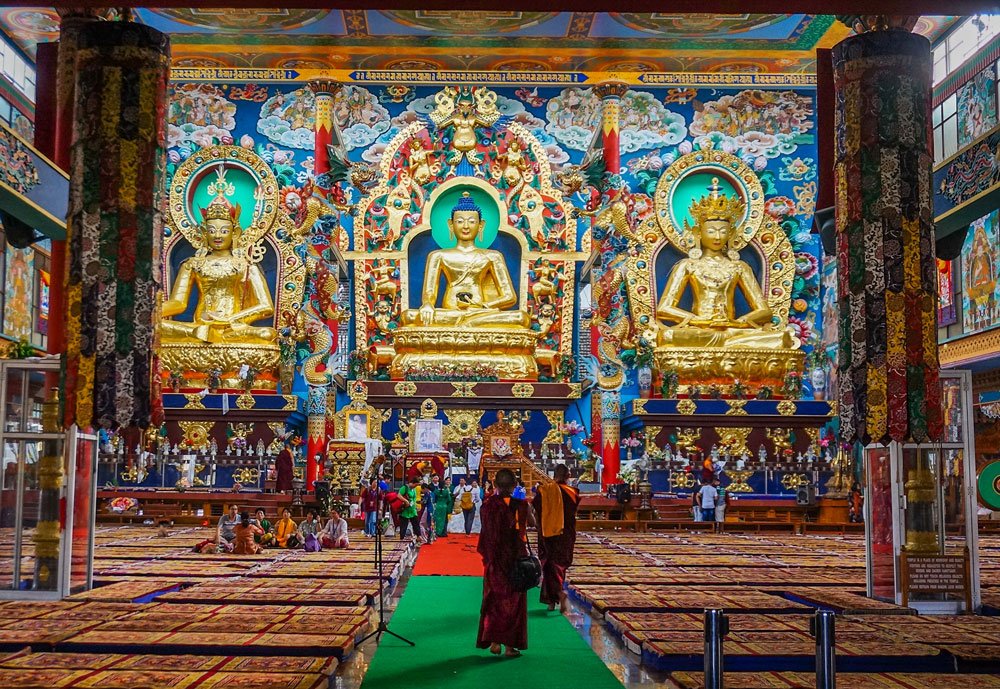
The highlight is Namdroling Monastery, also known as the Golden Temple for its magnificent gold-painted statues. The monastery houses a 60-foot tall golden Buddha, along with statues of Padmasambhava and Amitayus. The atmosphere inside is deeply spiritual, with monks chanting, butter lamps flickering, and the scent of incense filling the air.
Visit during prayer sessions (usually 6 AM, 9 AM, and 4 PM) to hear the monks' chanting—a powerful experience. The settlement also has traditional Tibetan cafes serving momos and thukpa, shops selling Tibetan handicrafts, and a carpet weaving center.
Best Time to Visit: Year-round. Losar (Tibetan New Year, usually February-March) is particularly special with celebrations.
Tip: Try the butter tea at one of the local cafes—it's an acquired taste but essential for the authentic experience.
6. Nalknad Palace
Distance from Madikeri: 40 km
Historical Significance: 18th-century Kodava palace
Hidden in a remote corner of Coorg, Nalknad Palace (also known as Nalknad Aramane) is a fascinating piece of Kodava history that most tourists miss. Built in 1792 by Dodda Virarajendra, the last Kodava king, this two-story palace was the last refuge of the Kodava royalty before British annexation.
The palace is small but architecturally interesting, with intricate wood carvings, faded murals depicting royal life, and a secret escape tunnel. The surrounding area is peaceful—coffee plantations, forests, and hills create a perfect backdrop. There's minimal signage, so hiring a local guide who can explain the history is worthwhile.
The palace is maintained by the Archaeological Survey of India but receives very few visitors. You might have the entire place to yourself, exploring the royal chambers, imagining the palace's heyday, and absorbing the melancholy atmosphere of a bygone era.
Best Time to Visit: October to March when the weather is pleasant.
Tip: Combine with a visit to the nearby Igguthappa Temple, one of the most important Kodava temples.
7. Byle Naga Temple
Distance from Madikeri: 30 km
Deity: serpent god (Naga)
Coorg has numerous Naga (serpent) temples, but Byle Naga is special for its remote location and authentic atmosphere. Nagas are guardian deities in Kodava culture, and these temples are simple structures without the elaborate architecture of mainstream Hindu temples.
Byle Naga Temple is located in a forest clearing, surrounded by ancient trees. The temple itself is small, with a Naga stone under a simple shelter. What makes it special is the lack of commercialization—no ticket counters, no shops, just a sacred place where locals come to pray. If you're lucky, you might witness a traditional ceremony or meet a priest who can explain Naga worship.
Best Time to Visit: Year-round, but avoid monsoon when access becomes difficult.
Tip: Dress modestly and remove footwear before entering the temple precincts.
8. Madikeri Fort's Hidden Corners
Distance from Madikeri: In town center
What Most Miss: Palace interiors, prison cells, graffiti gallery
While many tourists visit Madikeri Fort, most only see the exterior and the main viewpoints. But the fort has hidden corners that tell fascinating stories. The two-story palace inside has beautiful frescoes (though some are faded), ancient furniture, and collections of royal artifacts including weapons and coins.
The fort's prison cells are eerie—imagine being incarcerated here in the 19th century. The graffiti gallery, with etchings from British prisoners, offers a poignant connection to the past. The fort also houses a Ganesha temple, a church (built by the British), and a museum with Kodava artifacts.
Take time to explore the fort's nooks and crannies—each corner has a story, from the royal quarters to the British additions. The view from the fort walls over Madikeri town is excellent, especially at sunset.
Best Time to Visit: October to March. The fort can be hot and humid in summer.
Tip: Hire a local guide or read up on Kodava history before visiting—the fort's stories come alive with context.
Adventure & Offbeat Experiences
9. Kotebetta Trek
Distance from Madikeri: 25 km
Altitude: 1,620 meters (third highest peak in Coorg)
Trek Duration: 2-3 hours round trip
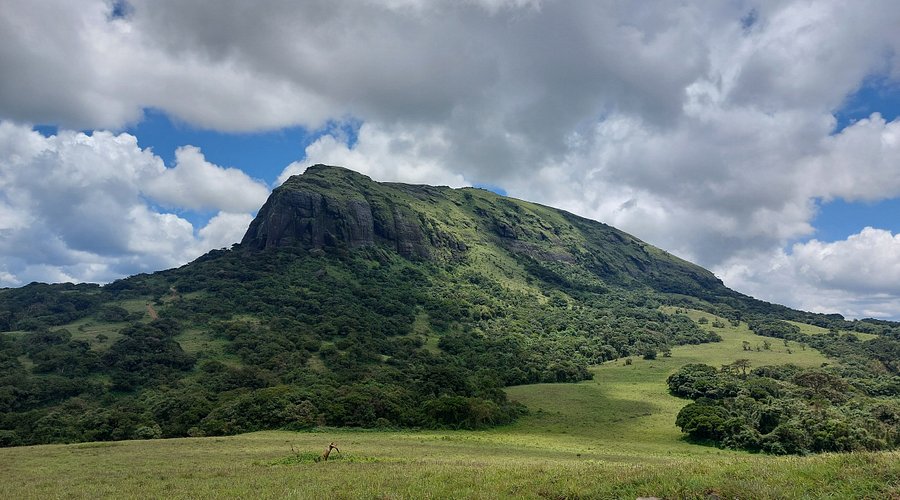
While Tadiandamol is Coorg's most famous trek, Kotebetta offers a more authentic and less crowded experience. The trek starts from the village of Hatty and passes through coffee plantations, forests, and grasslands before reaching the summit, which has a small Shiva temple.
The trail is moderately challenging but doable for most reasonably fit people. What makes this trek special is the changing landscape—you start in coffee estates, pass through dense forest with birdsong, and end in open grasslands with 360-degree views. On a clear day, you can see all the way to the Western Ghats and even the peaks of Kerala.
The summit is peaceful, with just the temple and a few prayer flags. Pack a lunch and enjoy the solitude—this is Coorg at its serene best.
Best Time to Visit: October to March. Post-monsoon offers greenest landscapes.
Tip: Start early to avoid afternoon mist that can obscure views.
10. Brahmagiri Trek
Distance from Madikeri: 60 km (from Brahmagiri Wildlife Sanctuary entrance)
Altitude: 1,608 meters
Trek Duration: 5-6 hours round trip
For serious trekkers, the Brahmagiri Peak trek offers the most rewarding experience in Coorg. This challenging trek takes you through the Brahmagiri Wildlife Sanctuary, home to elephants, gaurs (Indian bison), and numerous bird species. The trail passes through dense shola forests, grasslands, and offers spectacular views of the Western Ghats.
Unlike easier treks in Coorg, this one requires preparation—you need a permit from the Forest Department, should hire a guide (mandatory), and must carry adequate water and food. The trail is steep in sections and can be slippery after rain.
But the effort is worth it. From the summit, you can see the entire Coorg region, the Nilgiri Hills in the distance, and on very clear days, even the Arabian Sea. The sense of accomplishment at reaching the top is immense, and you're likely to have the summit to yourself.
Best Time to Visit: November to May. The sanctuary is closed during monsoon (June-September).
Tip: Book the guide and permit in advance through the Forest Department office in Srimangala.
11. Honey Valley Trek
Distance from Madikeri: 40 km
Base: Honey Valley estate
Trek Options: Multiple trails from easy to challenging
Honey Valley is a coffee estate that serves as a base for several excellent treks. Located in a remote area with stunning views, the estate offers various trekking options ranging from easy walks to challenging climbs. The property itself is beautiful—surrounded by forests and with views of the Pushpagiri Hills.
You can stay at the estate in basic but comfortable cottages, and the owner can arrange guides for various treks. Popular options include treks to Pushpagiri Peak (challenging), Kabbe Hills (moderate), and nature walks through the estate's coffee plantations and forests.
The real draw here is the offbeat experience—you're staying in a working coffee estate, waking up to bird calls, eating home-cooked Kodava food, and having access to trails that see very few trekkers. It's the kind of place where time seems to slow down.
Best Time to Visit: October to March.
Tip: Book accommodation in advance—Honey Valley has limited rooms and is popular among offbeat travelers.
Hidden Villages & Offbeat Stays
12> Kakkabe
Distance from Madikeri: 35 km
Highlight: Largest producer of honey in Coorg, ancient temples
Kakkabe is a small village that most tourists rush past on their way to other attractions. But those who stop discover an authentic Coorg experience. The village is surrounded by coffee plantations and forests, and is known for producing some of Coorg's best honey.
Visit the Padi Igguthappa Temple, one of the most important Kodava temples dedicated to the rain god. The temple's architecture is unique—you're allowed to walk on the roof, which offers excellent views of the surrounding countryside. The village also has ancient honey-gathering traditions, and you can visit local families to learn about sustainable honey production.
There are several excellent homestays in Kakkabe where you can experience traditional Kodava hospitality, eat authentic Coorgi food, and wake up to the sounds of a rural village.
Best Time to Visit: Year-round, but October-December is honey harvesting season.
Tip: Buy authentic Coorg honey directly from producers here—it's fresher and cheaper than in Madikeri.
13. Suntikoppa
Distance from Madikeri: 25 km
Claim to Fame: Coffee processing, trading
Suntikoppa is a small town that's the center of Coorg's coffee trade. While not a tourist destination per se, it offers fascinating insights into how Coorg's famous coffee makes it from plantations to your cup. The town has several coffee curing works where you can see (and smell!) the processing.
Visit during coffee harvesting season (November-March) to see the bustling activity. The town's market is interesting—you'll see bags of coffee beans being traded, farmers negotiating prices, and the entire supply chain in action.
Suntikoppa also has several old estates that welcome visitors for coffee tours. You can learn about different coffee varieties, processing methods, and even participate in cupping sessions (coffee tasting). It's a great place to buy authentic Coorg coffee directly from the source.
Best Time to Visit: November to March (coffee harvesting and processing season).
Tip: Visit a coffee estate for a guided tour—the process from cherry to bean is fascinating.
14. Virajpet Town
Distance from Madikeri: 30 km
Vibe: Authentic, non-touristy Kodava town
While Madikeri is geared toward tourists, Virajpet (also spelled Virajapete) is a living Kodava town where life revolves around coffee, spices, and local markets. Founded by Tipu Sultan, the town has an interesting history but has remained largely untouched by tourism.
Visit the lively market where farmers sell coffee, pepper, cardamom, and other spices. The town has several old buildings including the clock tower and ancient temples. The Ayyappa Temple is particularly beautiful, with traditional Kodava architecture.
Virajpet is also a great base for exploring southern Coorg—waterfalls like Irupu and temples in the region are more easily accessed from here. There are several good homestays and hotels in the area, offering a more authentic experience than those in Madikeri.
Best Time to Visit: Year-round, but the market is most active on Tuesdays and Fridays (market days).
Tip: Try the Coorgi pork at a local eatery—it's a Kodava specialty and Virajpet has some excellent places serving it.
15. Polayett Coffee Estate
Distance from Madikeri: 20 km
Experience: Working coffee plantation tour
While many coffee estates in Coorg are now resorts, Polayett remains a working plantation that welcomes visitors for authentic tours. Unlike commercialized estate tours where you're shown a few plants and sold overpriced coffee, Polayett offers a genuine look at coffee cultivation.
The tour takes you through the entire process—from seedlings in the nursery to mature plants, harvesting methods, processing, and roasting. You'll learn about shade-grown coffee, intercropping with pepper and cardamom, and sustainable farming practices. The tour ends with a cupping session where you taste different coffee varieties.
What makes Polayett special is the personal touch—the owner usually conducts tours himself, sharing stories of his family's 100-year relationship with the land. You can buy fresh coffee directly from the estate, knowing it's ethically produced and freshly roasted.
Best Time to Visit: November to March (harvesting season).
Tip: Call in advance to book a tour—the owner prefers small groups and gives personalized attention.
Practical Tips for Exploring Offbeat Coorg
Getting Around
- Best Option: Hire a private car with a local driver who knows the area. Many offbeat places have poor signage and are hard to find.
- Self-Drive: Possible but roads in remote areas can be challenging. GPS is unreliable—download offline maps.
- Public Transport: Buses connect major towns, but not practical for reaching offbeat places.
- Two-Wheelers: Scooters/bikes can be rented in Madikeri. Fun for some places but not ideal for long distances or bad roads.
Where to Stay
- Homestays: Best option for authentic experiences. Look for homestays in villages like Kakkabe, Suntikoppa, and around Madikeri. ₹800-2,000 per night including meals.
- Estate Stays: Coffee plantation homestays offer beautiful settings and insight into plantation life. ₹2,000-4,000 per night.
- Offbeat Hotels: Smaller hotels in Virajpet or away from Madikeri town center. ₹1,500-3,000 per night.
- Avoid: Large resorts in touristy areas—they're expensive and you'll miss the authentic Coorg experience.
What to Eat
- Pork Curry: A Kodava specialty. Try it at a local homestay or small eatery rather than hotel restaurants.
- Bamboo Shoot Curry: Traditional dish with a distinct flavor. Available at homestays.
- Kadambuttu: Steamed rice dumplings, usually served with pork curry.
- Coffee: Fresh estate coffee is a must. Buy directly from plantations.
- Honey: Coorg honey is famous. Buy from local producers, not tourist shops.
- Wine: Several wineries in Coorg offer tastings.
Responsible Tourism
- Respect Local Customs: Kodavas are proud of their culture. Dress modestly, especially at religious sites.
- Don't Litter: Pack out what you pack in. Many offbeat places have no waste management.
- Ask Before Photographing: Especially at religious sites or when photographing people.
- Support Local: Buy from local artisans, eat at local eateries, hire local guides.
- Stay on Trails: When trekking, don't venture off paths—you might disturb wildlife or damage fragile ecosystems.
- Respect Wildlife: Coorg has elephants, gaurs, and other wildlife. Observe from a distance, don't feed or approach animals.
Best Time to Visit Coorg for Offbeat Exploration
| Season | Months | Pros | Cons |
|---|---|---|---|
| Monsoon | June - September | Waterfalls at peak, lush green, minimal tourists | Heavy rain, leeches, treks dangerous |
| Post-Monsoon | October - November | Waterfalls still flowing, pleasant weather, coffee harvest begins | Some residual rain, humid |
| Winter | December - February | Best weather, clear views, trekking ideal | Peak tourist season, book in advance |
| Summer | March - May | Good weather, fewer crowds than winter | Hot afternoons, waterfalls reduced flow |
Conclusion
Coorg's offbeat places offer a different side of this beautiful region—one that's more authentic, peaceful, and rewarding. While Abbey Falls and Raja's Seat are definitely worth seeing, it's in the hidden corners that you'll discover the real Coorg: the land of coffee and spice, of ancient temples and living traditions, of warm hospitality and pristine nature.
So next time you're planning a Coorg trip, venture beyond the guidebook recommendations. Explore a remote waterfall, visit a village that time forgot, stay at a working coffee plantation, or trek to a viewpoint that sees few visitors. These are the experiences that will stay with you long after you've returned home.
The real Coorg isn't found at crowded tourist spots—it's discovered along winding forest paths, in conversations with locals at village chai shops, and in those moments of solitude when you're the only one watching a sunset over the hills. Explore offbeat Coorg, and you'll understand why those who come here keep returning.
Location
Frequently Asked Questions
Q1.What are the best offbeat waterfalls in Coorg?
Q2.Which are the best offbeat treks in Coorg besides Tadiandamol?
Q3.Where can I experience authentic Kodava culture in Coorg?
Q4.Is Bylakuppe Tibetan Settlement worth visiting in Coorg?
Q5.What is the best time to visit offbeat places in Coorg?
Q6.Where should I stay in Coorg for an offbeat experience?
Q7.How do I get around offbeat Coorg?
Q8.What should I pack for visiting offbeat Coorg?
Recommended For You
Places to Visit in Alleppey: Backwaters, Beaches & Day Trips
Best places to visit in Alleppey. Backwaters, houseboats, beaches & Kerala attractions. Complete travel guide.
Chikmagalur: Complete Travel Plan Places And Weather
Complete Chikmagalur travel guide with best time to visit, coffee plantations, Mullayanagiri, waterfalls, trekking, how to reach and travel tips.
Offbeat Places in Kerala: Hidden Gems for Unique Travel Experiences
Discover Kerala's hidden gems beyond tourist trails. Explore Vagamon, Silent Valley, Gavi, Munroe Island & more with this comprehensive guide to offbeat places in Kerala.
Never Miss an Adventure
Get the latest trekking guides, travel tips, and exclusive offers delivered straight to your inbox.
