
Ooty: Complete Travel Plan Places And Weather

Rohit Verma
February 20, 2026
Complete Ooty travel guide featuring Nilgiri Mountain Railway, Botanical Garden, Doddabetta Peak, tea gardens, best time to visit & practical tips.
Introduction to Ooty
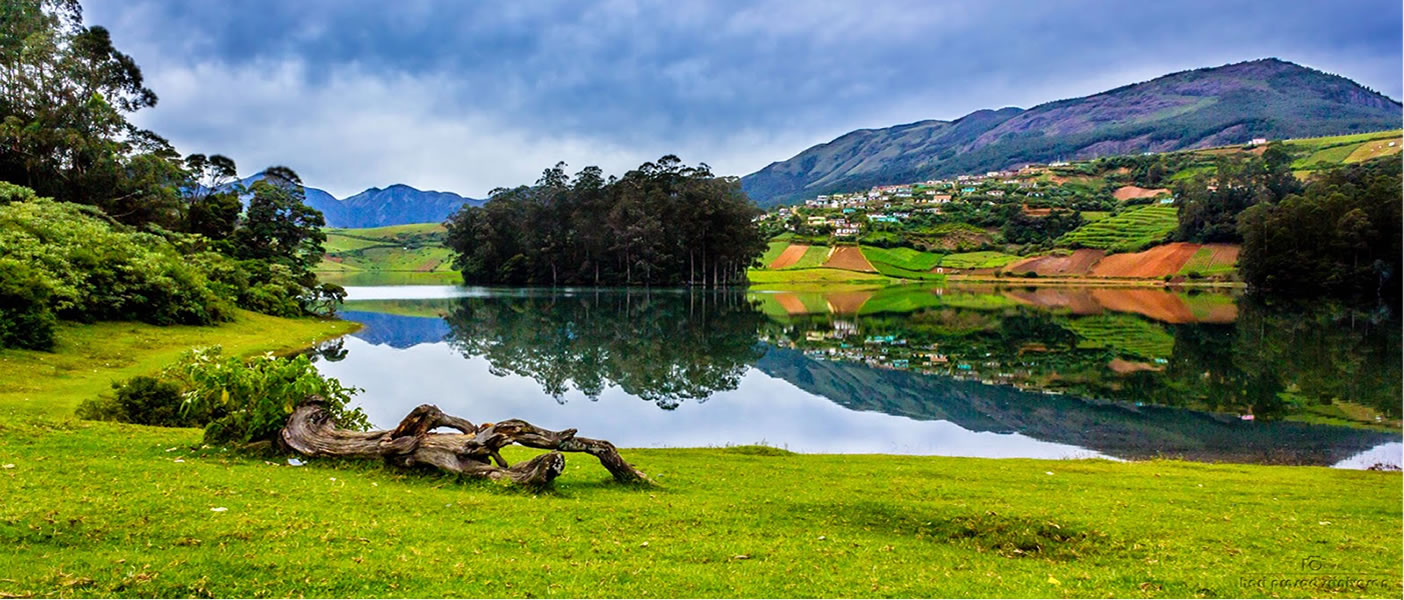
Ooty, short for Ootacamund and officially known as Udhagamandalam, is the crown jewel of the Nilgiri Hills in Tamil Nadu. Located at an altitude of 2,240 meters above sea level, Ooty earned the title 'Queen of Hill Stations' during British colonial times, and it continues to captivate visitors with its serene lakes, rolling tea gardens, dense forests, and pleasant climate. Established as the summer capital of the Madras Presidency by the British in the 19th century, Ooty retains much of its colonial charm while embracing modern tourism.
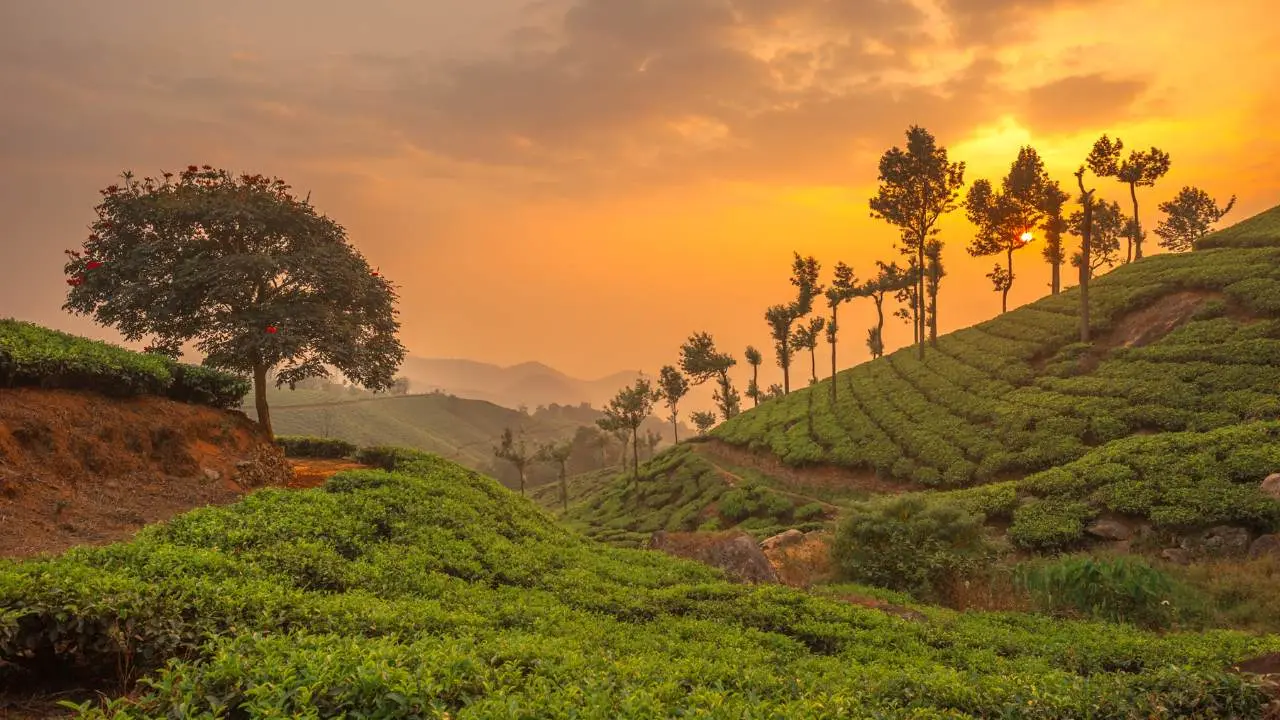
What makes Ooty truly special is its remarkable blend of natural beauty, colonial heritage, and accessibility. Unlike some remote hill stations, Ooty is well-connected and developed, offering comfortable infrastructure while maintaining its old-world charm. The town is surrounded by tea plantations that carpet the hills in brilliant green, dense forests with eucalyptus, pine, and wattle trees, and stunning viewpoints that offer panoramic views of the Nilgiri ranges.
Ooty's appeal is universal - it attracts honeymooners seeking romance, families on vacation, nature lovers, photographers, and those simply seeking respite from the heat of the plains. The town's centerpiece is Ooty Lake, an artificial lake created in 1824, where visitors can enjoy boating against a backdrop of eucalyptus trees and rolling hills. The famous Nilgiri Mountain Railway, a UNESCO World Heritage Site, connects Ooty to Mettupalayam, offering one of the most scenic train journeys in India.
Beyond the main town, the wider Nilgiri region offers numerous attractions including Doddabetta Peak (the highest point in South India), botanical gardens, tea factories, and charming nearby towns like Coonoor and Kotagiri. Whether you're taking a toy train ride, boating on the lake, trekking through tea gardens, or simply enjoying the cool mountain air, Ooty offers experiences that rejuvenate both body and soul.
Best Time to Visit Ooty
Ooty enjoys a pleasant climate throughout the year, though each season offers different experiences. The timing of your visit depends on whether you want to see flowers in bloom, experience the monsoon mist, enjoy winter chill, or avoid crowds.
March to June is the summer season when Ooty sees maximum tourists escaping the heat of the plains. Daytime temperatures range from 15°C to 25°C, making it perfect for outdoor activities and sightseeing. The skies are generally clear, offering excellent views of the surrounding hills and valleys. This is peak season, so expect crowds and higher prices on accommodations. However, this is also when Ooty is most vibrant, with all attractions operating at full capacity.
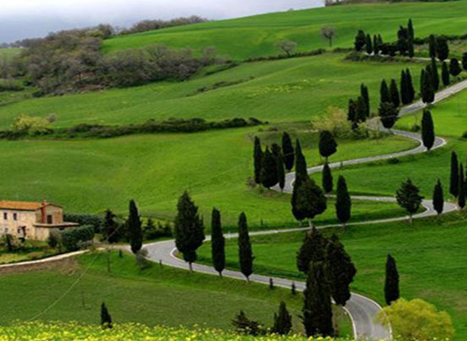
July to September brings the monsoon season when Ooty receives moderate to heavy rainfall. The town transforms into a misty, ethereal paradise with clouds descending into the streets and waterfalls at their spectacular best. The tea gardens look lush green, and the entire region takes on a magical quality. While outdoor activities can be challenging due to rain, this is the off-season with significantly fewer tourists and lower prices. If you enjoy monsoon ambiance, romantic misty weather, and don't mind getting wet, this can be a beautiful time to visit.
October to November, immediately after the monsoon, is perhaps the most beautiful time to visit. The rains have cleared, the skies are crystal clear offering excellent visibility, the landscape is lush green, and flowers are in bloom. The Botanical Garden is particularly spectacular during this time. Temperatures are pleasant during the day (15-20°C) but start getting chilly at night. This is an excellent time for photography, trekking, and outdoor activities.
December to February brings winter to Ooty with daytime temperatures of 10°C to 20°C and nighttime temperatures dropping to near freezing or below. The crisp winter air, occasional frost on the grass, and spectacular sunrises create a magical atmosphere. This is the quietest season with very few tourists, making it ideal for those seeking peace and solitude. Winter is perfect for long walks, hot beverages, and enjoying the colonial architecture of Ooty without crowds. Carry heavy woolens if visiting during winter months.
Top Attractions in Ooty
Ooty Lake
Ooty Lake, the heart of the town, is an artificial lake created by John Sullivan, the founder of Ooty, in 1824. The lake stretches for approximately 2.75 kilometers and is surrounded by eucalyptus trees and rolling hills. Boating on the lake is the most popular activity, with options including paddle boats, row boats, and motor boats. The boat house, constructed in 1823, offers these boating facilities and has been featured in numerous Indian films.
The lake area has developed into a tourist complex with a children's park, a mini-train that takes visitors around the lake, and various food stalls selling snacks and local treats. The lake is particularly beautiful in the early morning when mist rises off the water, creating a mystical atmosphere. Sunset views from the lake are spectacular, with the changing colors reflecting on the water surface. A visit to Ooty is incomplete without spending time at this iconic lake.
Botanical Garden
Established in 1848, the Government Botanical Garden in Ooty is one of the finest botanical gardens in South India. Spread over 22 hectares, the garden is laid out in terraced terrains on the slopes of a hill, offering stunning views of the surrounding countryside. The garden was designed by William Graham McIvor, a gardener from the Royal Botanic Gardens in Kew, England.
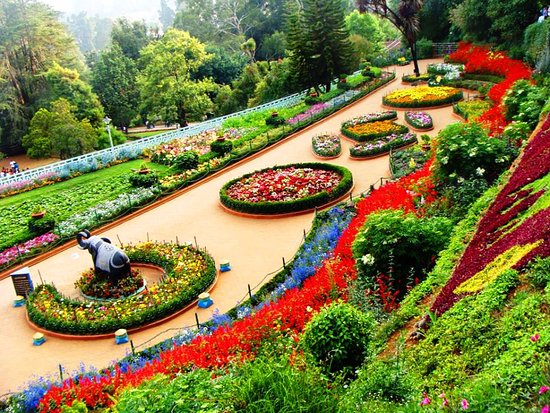
The garden features a fossilized tree trunk believed to be 20 million years old, a diverse collection of flowering plants, ferns, orchids, and bonsai trees. The garden is divided into various sections including the Lower Garden, New Garden, Italian Garden, and the Conservatory with its famous fern house. The annual flower show, held in May, is a spectacular event when the garden is at its most colorful. The garden is particularly beautiful just after the monsoon when flowers are in full bloom.
Doddabetta Peak
Located approximately 10 kilometers from Ooty town, Doddabetta Peak is the highest point in the Nilgiri Hills and the highest point in South India at 2,637 meters above sea level. The name Doddabetta means 'big mountain' in the Badaga language. The peak offers spectacular panoramic views of the surrounding Nilgiri ranges, the plains of Coimbatore, and on very clear days, even the Mysore plateau.
The peak has a telescope house that allows visitors to get closer views of the surrounding landscape. The drive to Doddabetta is scenic, passing through tea plantations and dense forests. The area around the peak has several small shops selling tea, souvenirs, and snacks. The peak can get crowded during peak season, so try to visit early morning or late afternoon for the best views and fewer crowds. The sunrise views from Doddabetta are particularly spectacular.
Nilgiri Mountain Railway
The Nilgiri Mountain Railway, connecting Mettupalayam to Ooty, is a UNESCO World Heritage Site and one of the oldest mountain railways in India. The railway was completed in 1908 and is an engineering marvel, featuring numerous bridges, tunnels, and steep gradients. The train uses a unique rack and pinion system to climb the steep slopes.

The train journey from Mettupalayam to Ooty takes approximately 4.5 hours and passes through stunning scenery, including tea plantations, forests, and bridges with spectacular views. The train crosses 250 bridges and 16 tunnels, offering a nostalgic journey reminiscent of the colonial era. The section between Coonoor and Ooty is particularly scenic. The train, affectionately called the 'toy train,' is pulled by a vintage steam locomotive on some days. The railway operates daily, though services can be disrupted during monsoon due to landslides.
Rose Garden
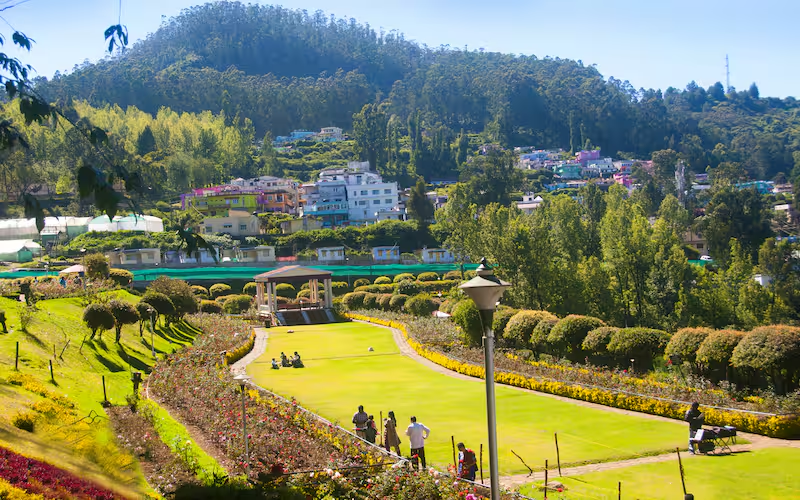
The Government Rose Garden, located on the slopes of the Elk Hill in Ooty, is one of the largest rose gardens in India. Established in 1995 to commemorate the centenary of the Botanical Garden, the rose garden features thousands of rose varieties spread over terraced terrains. The garden has more than 20,000 varieties of roses, including hybrid tea roses, miniature roses, floribunda, and ramblers.
The garden is particularly spectacular during the flower show season (May) when roses are in full bloom. The terraced layout offers excellent views of Ooty town and the surrounding valley. The garden is maintained by the Government Botanical Garden and is a must-visit for flower lovers and photographers. The best time to visit is early morning when the roses are fresh and the light is soft.
Tea Plantations and Museums
The Nilgiri region is famous for its tea, and visiting tea plantations is an essential Ooty experience. Numerous tea estates surround Ooty, their manicured bushes creating patterns on the hillsides. Several tea factories offer tours where visitors can see how tea is processed - from withering and rolling to fermentation, drying, and sorting.
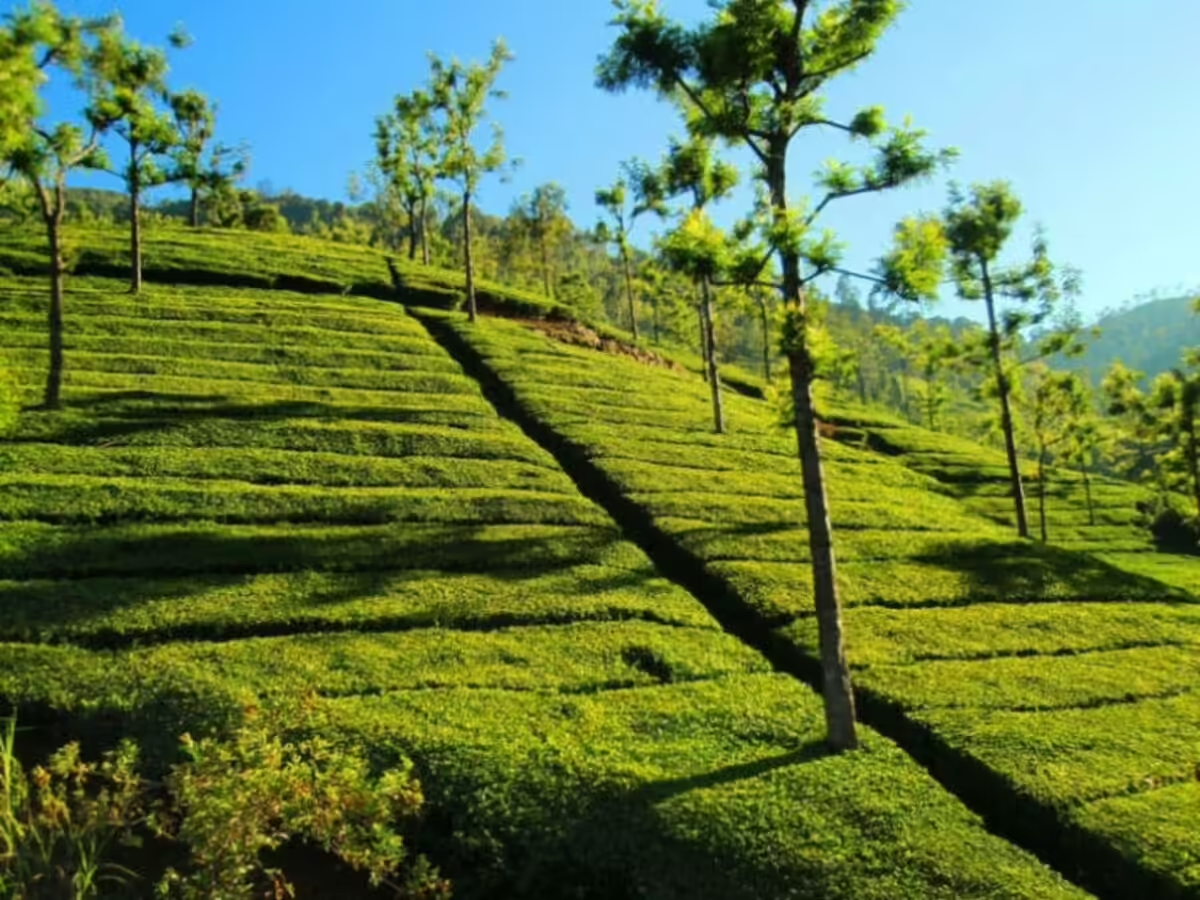
The Tea Museum in Ooty offers insight into the history of tea cultivation in the Nilgiris and the tea-making process. You can learn about different types of tea, taste various varieties, and purchase fresh tea directly from the source. Some estates like the Dodabetta Tea Factory and Museum offer guided tours. Walking through tea plantations, with their fresh aroma and stunning views, is a peaceful experience not to be missed.
Wax World Museum
Located approximately 2 kilometers from Ooty town, the Wax World Museum houses wax statues of famous Indian personalities and historical figures. Opened in 2007, the museum features statues of Mahatma Gandhi, Jawaharlal Nehru, Mother Teresa, and various other notable figures. While smaller and less famous than Madame Tussauds, the museum offers an interesting diversion and is particularly popular with families and children.
Nearby Attractions
Coonoor
Located approximately 19 kilometers from Ooty, Coonoor is the second largest hill station in the Nilgiri Hills. Situated at an altitude of 1,856 meters, Coonoor is less crowded than Ooty and offers its own attractions including Sim's Park (a botanical garden), Dolphin's Nose viewpoint (offering spectacular views of the Catherine Falls), Lamb's Rock, and the Tea Gardens. Coonoor can be visited as a day trip from Ooty or as a destination in its own right.
Pykara
Located approximately 20 kilometers from Ooty, Pykara is a scenic village known for its Pykara Lake and Pykara Falls. The Pykara River is considered sacred by the Toda tribe (the indigenous people of the Nilgiris). The lake offers boating facilities, and the area around it has been developed into a tourist spot with a restaurant and snack shops. The Pykara Falls, cascading down in multiple tiers, are particularly beautiful after the monsoon. The journey to Pykara is scenic, passing through pine forests and offering excellent views.
Adventure and Nature in Ooty
Trekking
The Nilgiri Hills around Ooty offer excellent trekking opportunities for various fitness levels. Popular trekking routes include the trek to Doddabetta Peak, which can be done directly through forests and tea plantations rather than by road. The trek from Ooty to Mukurthi National Park is more challenging and takes you through shola forests and grasslands.
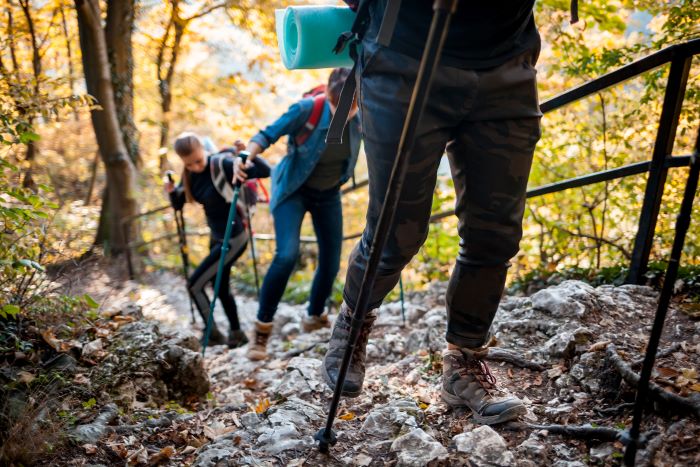
For experienced trekkers, the trek to Mudumalai Wildlife Sanctuary through the thick forests offers excellent wildlife viewing opportunities. The trek from Ooty to Coonoor is a moderate day trek that follows old mountain paths. If you're looking for a more comprehensive guide to this nearby hill station, check out our Coonoor travel guide which details all its attractions and viewpoints. Most treks in the Nilgiris require permission from the Forest Department, especially those passing through protected areas. The best trekking season is from December to May. Always go with a licensed guide, carry adequate water, and be prepared for changing weather in the mountains.
Wildlife Sanctuaries
Mudumalai National Park, located approximately 67 kilometers from Ooty, is one of South India's most important wildlife sanctuaries. Part of the Nilgiri Biosphere Reserve, Mudumalai is home to elephants, tigers, leopards, gaurs, and numerous bird species. The park offers jeep safaris that take visitors deep into the forest in search of wildlife. For those interested in exploring other hill stations in South India, you might also enjoy reading our Kodaikanal travel guide or Munnar travel guide, both of which offer unique mountain experiences similar to Ooty.
Mukurthi National Park, closer to Ooty, is known for the Nilgiri Tahr (an endangered mountain goat) and the Nilgiri marten. The park features shola forests and montane grasslands and offers excellent trekking opportunities. Permission from the Forest Department is required to visit. The best time for wildlife viewing is during the summer (March-May) when animals congregate around water sources.
How to Reach Ooty
By Air
The nearest airport to Ooty is Coimbatore International Airport, located approximately 88 kilometers away. Coimbatore has regular flights from major Indian cities including Bangalore, Chennai, Mumbai, and Hyderabad. From the airport, you can hire a taxi (₹2000-2500) or take a bus to Ooty. The drive takes approximately 3-4 hours and is scenic, passing through the plains before climbing into the hills.
Another option is to fly to Bangalore (approximately 290 kilometers from Ooty). While farther, Bangalore has better flight connectivity. The drive from Bangalore to Ooty takes approximately 7-8 hours and passes through Mysore and Bandipur National Park, offering opportunities for wildlife sightings along the way.
By Train
The most famous way to reach Ooty by train is the Nilgiri Mountain Railway from Mettupalayam. The meter gauge train connects Mettupalayam to Ooty in approximately 4.5 hours, offering one of India's most scenic train journeys. However, the train is slow and books out well in advance, especially during peak season.
Mettupalayam is well-connected by broad gauge trains from Coimbatore and Chennai. Another option is to take a train to Coimbatore and then travel by road to Ooty. The train journey combined with road travel is a popular option for those wanting to experience the toy train without spending the entire journey on it.
By Road
Ooty is well connected by road to major cities in South India. The most common route is from Coimbatore (approximately 88 kilometers) via Mettupalayam and the Nilgiri ghat roads. The journey takes approximately 3-4 hours and features 36 hairpin bends as the road climbs into the hills. The views during the ascent are spectacular.
From Bangalore, the distance is approximately 290 kilometers via Mysore and Bandipur. The journey takes 7-8 hours. Private buses run from Bangalore to Ooty. State-run TNSTC buses also connect Ooty to various cities. Self-driving is an option but the ghat sections require careful driving. The road from Mysore to Ooty passes through Bandipur and Mudumalai wildlife sanctuaries, so driving after dark is restricted.
Getting Around Ooty
Ooty town is relatively compact and can be explored on foot or by auto-rickshaw for short distances. However, attractions like Doddabetta Peak, Botanical Garden, and others are spread out and require transportation.
Taxis are the most convenient option for sightseeing around Ooty. Taxis can be hired for specific trips or for full-day sightseeing. Rates are not metered and are typically charged per kilometer or for a full day (8 hours/80 km). Expect to pay ₹2000-2500 for a full-day local sightseeing taxi. Always negotiate rates beforehand.
Auto-rickshaws are available for short trips within Ooty town but not practical for visiting distant attractions. Local buses connect Ooty to nearby towns like Coonoor and Kotagiri, but services are infrequent and not always convenient for tourists. For those comfortable driving, rental cars and scooters are available in Ooty, though the hilly terrain and winding roads require cautious driving.
Where to Stay in Ooty
Ooty offers accommodation options for every budget, from budget guesthouses to heritage properties and luxury resorts. The location of your stay impacts your experience.
For budget travelers, numerous guesthouses and budget hotels are available in and around Ooty town. These offer basic rooms for ₹800-1500 per night. Many of these are located near the bus stand and market areas, making them convenient for exploring the town on foot.
Mid-range hotels (₹2000-4000 per night) offer comfortable rooms with amenities like attached bathrooms, hot water, and room service. These hotels are located throughout Ooty and some offer excellent views of the surrounding hills and valleys.

For luxury travelers, several heritage properties and upscale resorts offer excellent accommodation. Taj Savoy Hotel, a colonial-era property, offers old-world charm and modern luxury. Other luxury options include Fortune Sullivan Court, Gem Park Hotel, and various resorts located on the outskirts of Ooty with stunning views. These properties typically cost ₹6000-12000+ per night.
For a unique experience, several heritage bungalows and plantation stays are available in and around Ooty. These properties, often housed in colonial-era buildings or located within tea or coffee plantations, offer a glimpse into the region's colonial past and a more intimate experience.
Food in Ooty
Ooty's food scene reflects its colonial heritage and location. Traditional South Indian food is widely available, as are North Indian dishes, Chinese cuisine, and Continental food.
For South Indian food, try the numerous restaurants in Ooty town serving dosas, idlis, vadas, and various thalis (platter meals). Hot filtered coffee is a must-try - the cool climate makes it the perfect beverage throughout the day.

Ooty is famous for its homemade chocolates. Several shops sell various types of chocolates including fudge, marzipan, and various nut and fruit chocolates. These make excellent souvenirs or gifts. Try the chocolates at Modern Stores, King Star Confectionery, or various other shops in town.
Other Ooty specialties include various baked goods - the town has several bakeries selling fresh bread, cakes, and pastries. Try the local bakeries for the best products. For a unique experience, try Toda food, the traditional cuisine of the indigenous Toda tribe, though this is not widely available in restaurants.
Shopping in Ooty
Ooty offers excellent shopping opportunities, particularly for tea, chocolates, and local handicrafts. The main shopping areas are along Commercial Road and in the Municipal Market.
Popular purchases include Nilgiri tea - fresh tea from the numerous tea plantations around Ooty. You can buy various types including black tea, green tea, flavored teas, and blended teas. Buy from tea factories or government outlets for assured quality. Ooty's homemade chocolates are legendary - try and buy various flavors including fudge, marzipan, nut chocolates, and fruit creams.
Other local products include essential oils extracted from eucalyptus and other local plants, Toda handicrafts including shawls and embroidery, and various spices grown in the region. The Government Botanical Garden and various emporiums sell local products. For textiles, the region is known for its Nilgiri cotton and various handloom products.
Travel Tips for Ooty
Ooty's altitude (2,240 meters) means the weather is cooler than the plains, but altitude sickness is rarely a problem. However, take it easy for the first day and stay hydrated. The weather can change rapidly - even in summer, carry a light jacket or sweater as mornings and evenings can be chilly. For winter visits (December-February), pack heavy woolens including thermals, jackets, gloves, and caps.
Respect the environment - the Nilgiris are an ecologically fragile region. Don't litter, especially plastic waste. Many areas have strict rules about waste disposal. When visiting wildlife sanctuaries, maintain silence and don't disturb animals. The shola forests are particularly fragile - stick to marked trails.
Book accommodations and the toy train well in advance, especially during peak season (March-June) and flower show season (May). The best accommodations and train tickets get booked months ahead. The toy train has limited capacity and tickets sell out quickly.
Carry cash as many smaller establishments don't accept cards. ATMs are available in Ooty town but can run out of cash during peak season. Mobile connectivity is generally good for most networks. Download offline maps for navigation.
Conclusion
Ooty truly deserves its title as the 'Queen of Hill Stations.' The combination of stunning natural beauty, colonial heritage, pleasant climate, and accessibility creates a destination that appeals to all types of travelers. Whether you're taking a nostalgic toy train ride, boating on Ooty Lake, walking through tea gardens, exploring botanical gardens, or simply enjoying the cool mountain air and stunning views, Ooty offers experiences that rejuvenate and refresh.
The town's enduring popularity, spanning from colonial times to the present, is testimony to its timeless appeal. While modern development has changed Ooty from the quiet hill station the British knew, it retains its charm and continues to offer respite from the heat and chaos of the plains. The surrounding Nilgiri region, with its diverse attractions including Coonoor, Pykara, and various viewpoints, adds to Ooty's appeal. If you're planning to explore more hill stations in Karnataka, our Coorg travel guide provides excellent information on another beautiful hill station known for its coffee plantations and natural beauty.
Many who visit Ooty return year after year, drawn back by the cool climate, stunning scenery, tea gardens, and the relaxed pace of life in the hills. Whether you're seeking romance, family vacation, nature exploration, or simply peace, Ooty delivers experiences that create lasting memories.
Location
Frequently Asked Questions
Q1.What is the best time to visit Ooty?
Q2.How many days are enough for Ooty?
Q3.How do I book tickets for the Nilgiri Mountain Railway toy train?
Q4.Is Ooty good for honeymoon?
Q5.Is Ooty expensive?
Q6.What should I buy in Ooty?
Q7.Can I see snow in Ooty?
Q8.Is Ooty safe for tourists?
Recommended For You
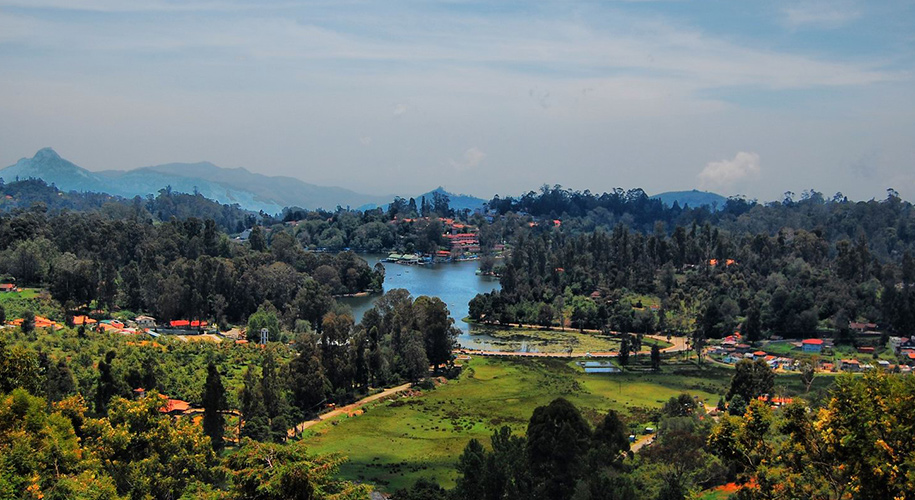
Kodaikanal: Complete Travel Plan Places And Weather
Complete Kodaikanal travel guide - discover the Princess of Hill Stations. Kodaikanal Lake, trekking, viewpoints, best time to visit & travel tips for Tamil Nadu's favorite hill station.
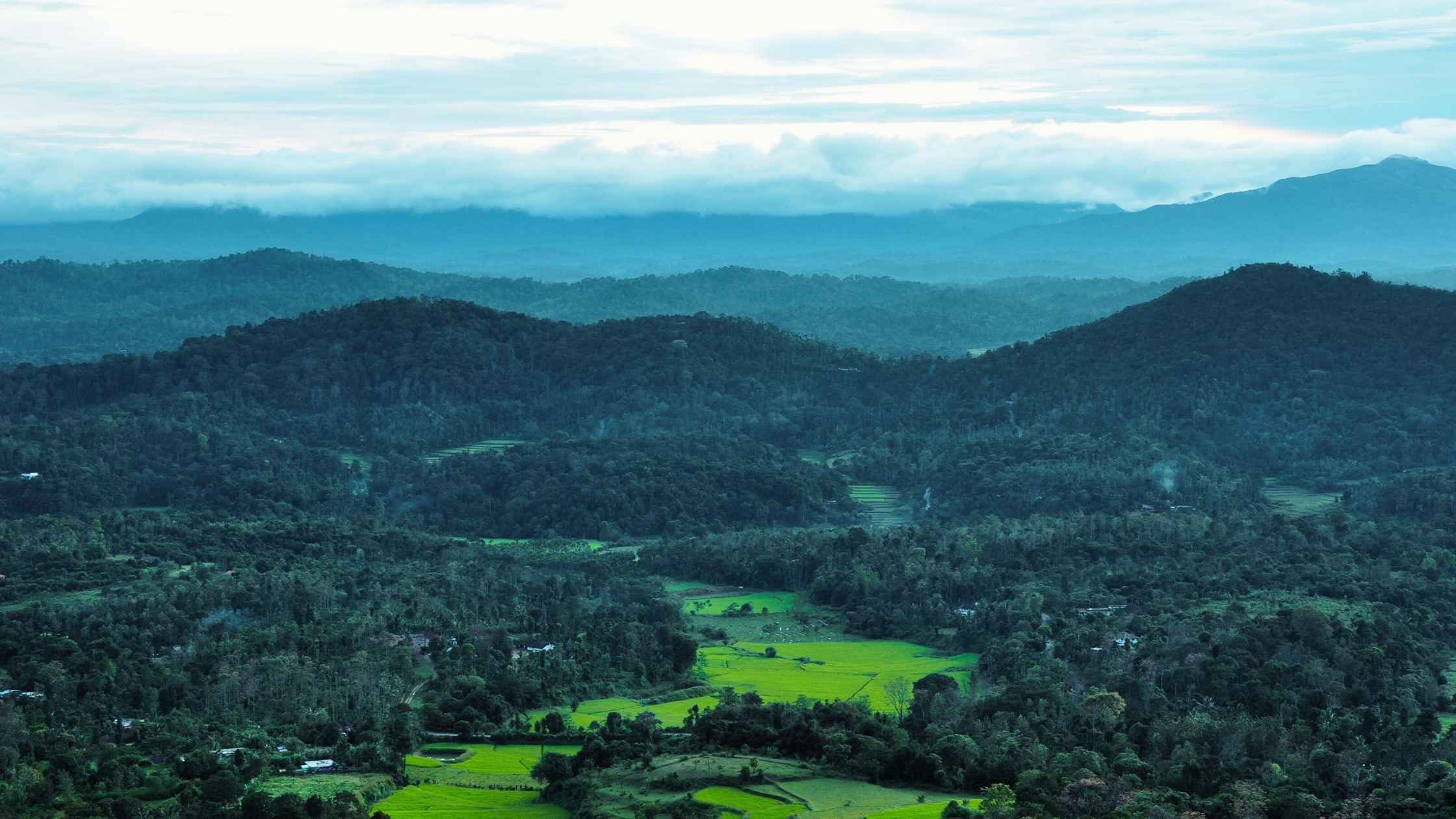
Coorg: Complete Travel Plan Places And Weather
Complete Coorg travel guide featuring coffee plantations, Abbey Falls, Madikeri, trekking, how to reach, accommodation, food and shopping tips.
Munnar: Complete Travel Plan Places And Weather
Complete Munnar travel guide. Best time to visit, top attractions, tea garden tours, adventure activities, accommodation, costs, and practical tips for Kerala's famous hill station.
Never Miss an Adventure
Get the latest trekking guides, travel tips, and exclusive offers delivered straight to your inbox.
