

Palace of the Shirvanshahs Baku: History, Tickets & Museum Highlights

Neha Kapoor
February 21, 2026
Explore the Palace of Shirvanshahs Baku: UNESCO World Heritage site, 15th-century Shirvanshah dynasty masterpiece with complete visitor guide, timings, tickets & architecture.
Introduction: A 15th-Century Architectural Masterpiece
Nestled within the ancient walls of Baku's Old City (Icherisheher), the Palace of the Shirvanshahs stands as Azerbaijan's most significant medieval monument and a UNESCO World Heritage site. This magnificent 15th-century palace complex, built during the golden age of the Shirvanshah dynasty, represents the pinnacle of Azerbaijani architecture and cultural achievement.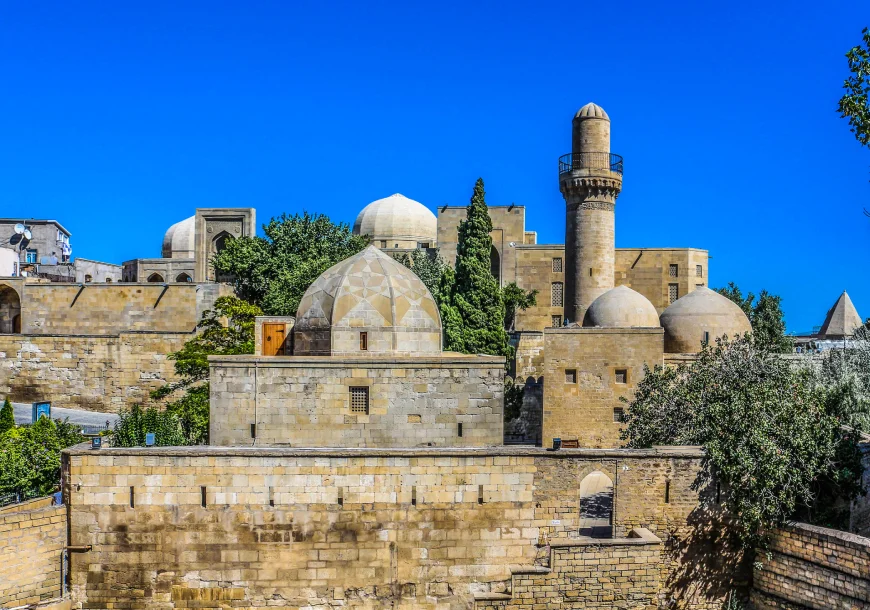 The palace complex served as the royal residence of the Shirvanshahs, who ruled the Shirvan region from the 9th to 16th centuries. Perched strategically on a hilltop overlooking the Caspian Sea, this architectural marvel showcases the sophisticated building techniques, artistic vision, and cultural richness of medieval Azerbaijan. Today, it attracts history enthusiasts, architecture lovers, and curious travelers seeking to explore Azerbaijan's royal heritage.
What makes the Palace of the Shirvanshahs truly remarkable is its preservation through centuries of turmoil, earthquakes, and changing empires. Unlike many historical monuments that have been lost to time, this palace complex has survived remarkably intact, offering visitors an authentic glimpse into the life of medieval Azerbaijani royalty and the architectural brilliance of the Shirvan-Absheron school.
The palace complex served as the royal residence of the Shirvanshahs, who ruled the Shirvan region from the 9th to 16th centuries. Perched strategically on a hilltop overlooking the Caspian Sea, this architectural marvel showcases the sophisticated building techniques, artistic vision, and cultural richness of medieval Azerbaijan. Today, it attracts history enthusiasts, architecture lovers, and curious travelers seeking to explore Azerbaijan's royal heritage.
What makes the Palace of the Shirvanshahs truly remarkable is its preservation through centuries of turmoil, earthquakes, and changing empires. Unlike many historical monuments that have been lost to time, this palace complex has survived remarkably intact, offering visitors an authentic glimpse into the life of medieval Azerbaijani royalty and the architectural brilliance of the Shirvan-Absheron school.
History of the Shirvanshah Dynasty
The Shirvanshah dynasty holds a prominent place in Azerbaijani history, ruling the historic Shirvan region for over seven centuries. This powerful lineage of rulers established their kingdom in what is now northern Azerbaijan, with their capital originally located in Shamakhi before moving to Baku. The dynasty's golden age began under the reign of Khalilullah I (1417-1465), considered one of the most enlightened and progressive rulers of the Shirvanshah line. It was during his rule that the Shirvanshahs moved their capital from Shamakhi to Baku in 1191, recognizing the strategic and commercial importance of this coastal city on the Caspian Sea.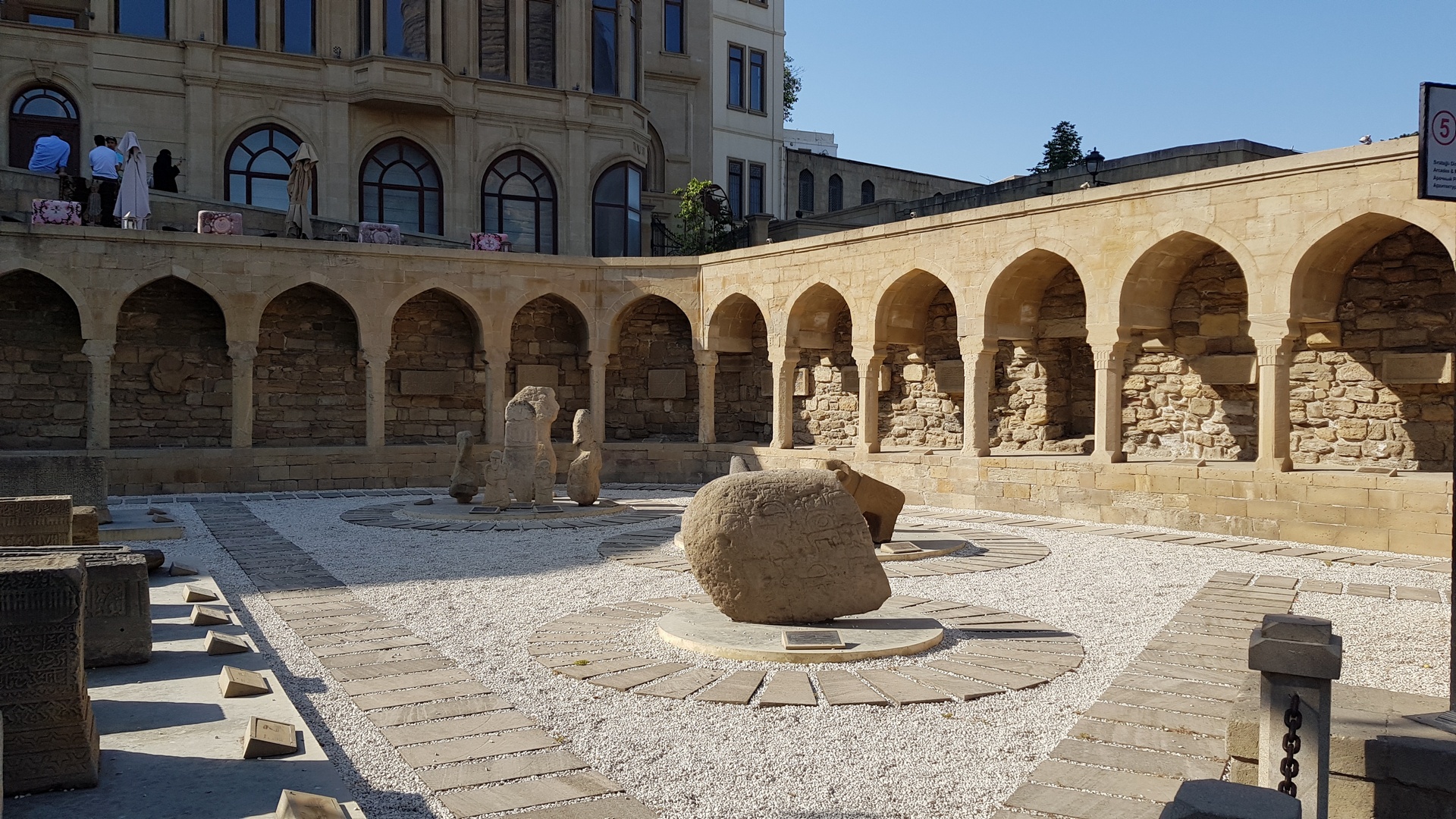 Khalilullah I's reign marked a period of unprecedented cultural and architectural development. He patronized scholars, poets, and architects, transforming Baku into a major center of learning and art. The construction of the Palace of the Shirvanshahs was his most ambitious architectural project, designed to showcase the dynasty's power, wealth, and refined taste.
The Shirvanshahs maintained their independence through skillful diplomacy and military prowess, navigating the complex political landscape between the Timurid Empire, Ottoman Turks, and various local powers. However, the dynasty's rule came to an end in 1538 when Shah Tahmasp I of Safavid Persia conquered the Shirvan region, incorporating it into the Persian Empire.
Following the conquest, the palace fell into gradual disrepair, no longer serving as a royal residence. Centuries of neglect and natural deterioration took their toll on this architectural masterpiece. However, the palace's significance was never forgotten, and it became a symbol of Azerbaijani cultural identity and resilience.
Khalilullah I's reign marked a period of unprecedented cultural and architectural development. He patronized scholars, poets, and architects, transforming Baku into a major center of learning and art. The construction of the Palace of the Shirvanshahs was his most ambitious architectural project, designed to showcase the dynasty's power, wealth, and refined taste.
The Shirvanshahs maintained their independence through skillful diplomacy and military prowess, navigating the complex political landscape between the Timurid Empire, Ottoman Turks, and various local powers. However, the dynasty's rule came to an end in 1538 when Shah Tahmasp I of Safavid Persia conquered the Shirvan region, incorporating it into the Persian Empire.
Following the conquest, the palace fell into gradual disrepair, no longer serving as a royal residence. Centuries of neglect and natural deterioration took their toll on this architectural masterpiece. However, the palace's significance was never forgotten, and it became a symbol of Azerbaijani cultural identity and resilience.
Architecture and Buildings Complex
The Palace of the Shirvanshahs is not a single building but a complex of interconnected structures that served various functions for the royal court. Each building within the complex was designed with specific purposes, creating a self-contained royal compound that exemplified the sophistication of medieval Azerbaijani architecture. Main Palace Building The two-story main palace building served as the primary royal residence and administrative center. Constructed from finely dressed stone, this structure features ornate carvings, elegant arches, and beautifully proportioned spaces. The ground floor housed the Shah's administrative offices and audience halls, while the upper floor contained the private living quarters of the royal family. The building's facade showcases exquisite stone carving, with geometric patterns, Arabic calligraphy, and symbolic motifs representing the dynasty's power and piety. Large windows provide natural light and ventilation, while the thick stone walls offered both comfort and security for the royal inhabitants. Divankhana (Reception Hall) This octagonal pavilion served as the formal reception hall for the Shirvanshahs, where they conducted official ceremonies, received ambassadors, and held court functions. The Divankhana's elegant design features a beautiful portal entrance with intricate stone decorations that showcase the master craftsmanship of medieval Azerbaijani artisans.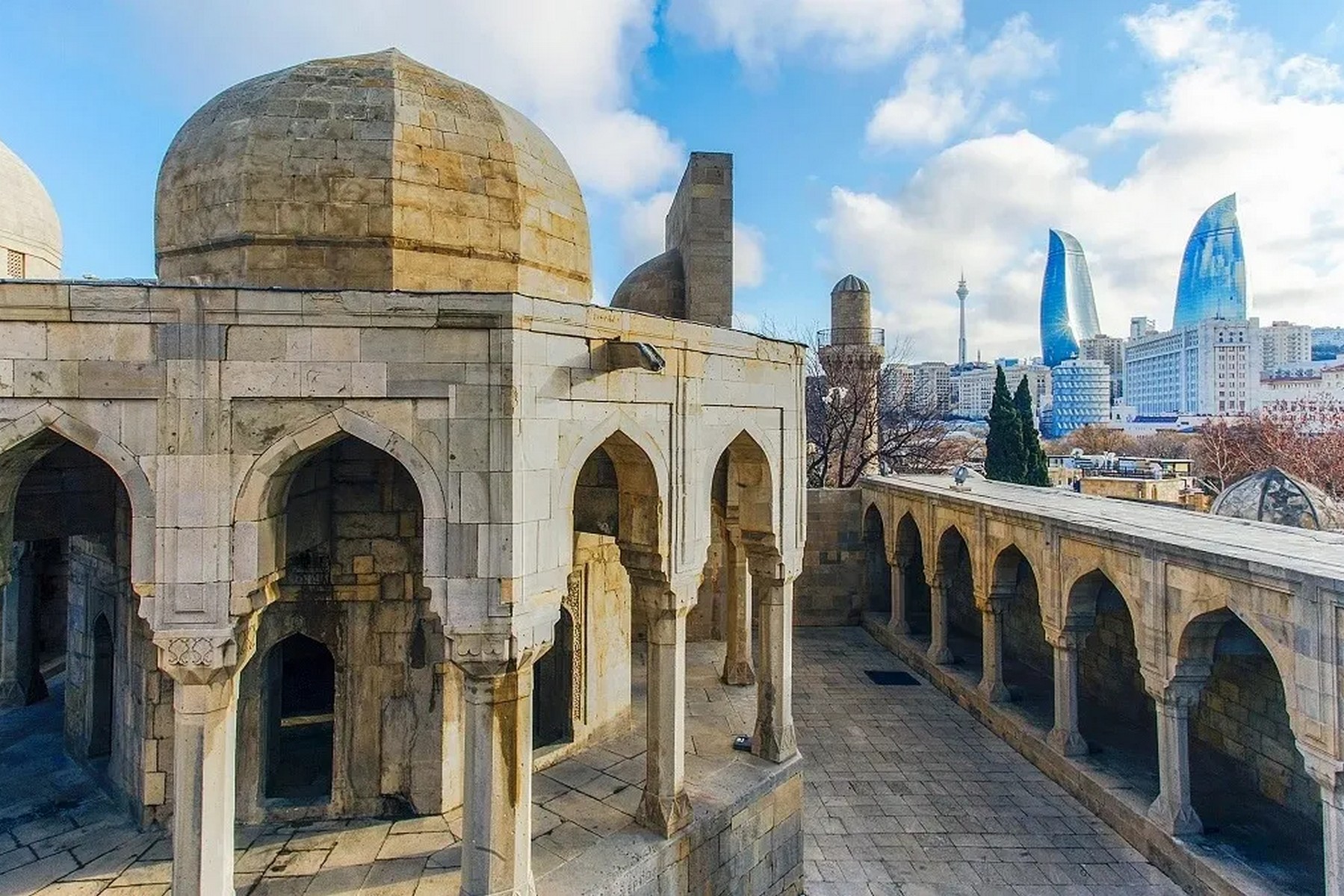 The hall's octagonal shape was deliberate, symbolizing infinity and eternity in medieval architectural symbolism. Inside, elaborate stone carvings and decorative elements create an atmosphere of royal dignity and cultural refinement. This building exemplifies the Shirvan-Absheron school's emphasis on combining functional architecture with artistic beauty.
Royal Tomb (Turbe)
The Royal Tomb serves as the burial place of several Shirvanshah rulers and their family members. This elegant dome structure features intricate tile work and ornate decorations befitting a royal mausoleum. The tomb's design reflects the Islamic architectural traditions of the period while incorporating distinctive Azerbaijani artistic elements.
The burial chamber contains several graves, including that of Khalilullah I, the ruler who commissioned the palace complex. The tomb's serene atmosphere and beautiful craftsmanship make it a moving testament to the dynasty's legacy and the medieval practice of honoring deceased royalty with architectural monuments.
Key Mosque (Shah Mosque)
The Key Mosque within the palace complex served as the primary place of worship for the royal family and court. This historical mosque features a traditional design with a minaret and prayer hall, adorned with ornate decorations that reflect the religious devotion of the Shirvanshahs.
What makes this mosque particularly significant is its continued use as an active place of worship. While much of the palace complex functions as a museum, the mosque maintains its spiritual purpose, allowing visitors to witness the continuity of religious practice in this sacred space that has served generations of worshippers.
Mausoleum of Seyid Yahya Bakuvi
This octagonal structure houses the tomb of Seyid Yahya Bakuvi, a famous 15th-century scientist and scholar who served the Shirvanshah court. Built during the palace's construction period, this mausoleum exemplifies the dynasty's respect for knowledge and learning.
Seyid Yahya Bakuvi was renowned for his contributions to astronomy, mathematics, and philosophy. His mausoleum within the palace complex symbolizes the Shirvanshahs' patronage of intellectual pursuits and their commitment to supporting scholars and scientists alongside warriors and administrators.
Murad's Gate
This ornate eastern entrance gate serves as the formal entrance to the palace complex. Built in the 16th century, Murad's Gate features an elaborate portal with decorative stone carvings that welcome visitors into the royal domain.
The gate's construction is attributed to Murad III, adding a later historical layer to the palace complex. Its ornamental design combines defensive considerations with artistic beauty, showcasing how even functional structures in medieval Baku were crafted with attention to aesthetic detail.
Bathhouse (Hamam)
The royal bathhouse complex demonstrates remarkable medieval engineering with its underground heating system and sophisticated water management. This functional building featured both hot and cold rooms, providing relaxation and purification spaces for the royal family and their guests.
The bathhouse's design included separate sections for men and women, reflecting medieval Islamic architectural principles of privacy and propriety. The underground heating system, which used hot air circulation beneath the stone floors, was particularly innovative for its time and shows the advanced technical knowledge of medieval Azerbaijani builders.
The hall's octagonal shape was deliberate, symbolizing infinity and eternity in medieval architectural symbolism. Inside, elaborate stone carvings and decorative elements create an atmosphere of royal dignity and cultural refinement. This building exemplifies the Shirvan-Absheron school's emphasis on combining functional architecture with artistic beauty.
Royal Tomb (Turbe)
The Royal Tomb serves as the burial place of several Shirvanshah rulers and their family members. This elegant dome structure features intricate tile work and ornate decorations befitting a royal mausoleum. The tomb's design reflects the Islamic architectural traditions of the period while incorporating distinctive Azerbaijani artistic elements.
The burial chamber contains several graves, including that of Khalilullah I, the ruler who commissioned the palace complex. The tomb's serene atmosphere and beautiful craftsmanship make it a moving testament to the dynasty's legacy and the medieval practice of honoring deceased royalty with architectural monuments.
Key Mosque (Shah Mosque)
The Key Mosque within the palace complex served as the primary place of worship for the royal family and court. This historical mosque features a traditional design with a minaret and prayer hall, adorned with ornate decorations that reflect the religious devotion of the Shirvanshahs.
What makes this mosque particularly significant is its continued use as an active place of worship. While much of the palace complex functions as a museum, the mosque maintains its spiritual purpose, allowing visitors to witness the continuity of religious practice in this sacred space that has served generations of worshippers.
Mausoleum of Seyid Yahya Bakuvi
This octagonal structure houses the tomb of Seyid Yahya Bakuvi, a famous 15th-century scientist and scholar who served the Shirvanshah court. Built during the palace's construction period, this mausoleum exemplifies the dynasty's respect for knowledge and learning.
Seyid Yahya Bakuvi was renowned for his contributions to astronomy, mathematics, and philosophy. His mausoleum within the palace complex symbolizes the Shirvanshahs' patronage of intellectual pursuits and their commitment to supporting scholars and scientists alongside warriors and administrators.
Murad's Gate
This ornate eastern entrance gate serves as the formal entrance to the palace complex. Built in the 16th century, Murad's Gate features an elaborate portal with decorative stone carvings that welcome visitors into the royal domain.
The gate's construction is attributed to Murad III, adding a later historical layer to the palace complex. Its ornamental design combines defensive considerations with artistic beauty, showcasing how even functional structures in medieval Baku were crafted with attention to aesthetic detail.
Bathhouse (Hamam)
The royal bathhouse complex demonstrates remarkable medieval engineering with its underground heating system and sophisticated water management. This functional building featured both hot and cold rooms, providing relaxation and purification spaces for the royal family and their guests.
The bathhouse's design included separate sections for men and women, reflecting medieval Islamic architectural principles of privacy and propriety. The underground heating system, which used hot air circulation beneath the stone floors, was particularly innovative for its time and shows the advanced technical knowledge of medieval Azerbaijani builders.
| Building | Purpose | Key Features |
|---|---|---|
| Main Palace | Royal residence | Two-story, ornate carvings, audience halls |
| Divankhana | Reception hall | Octagonal pavilion, portal entrance |
| Royal Tomb | Burial place | Elegant dome, tile work, graves |
| Key Mosque | Worship space | Minaret, prayer hall, active mosque |
| Bakuvi Mausoleum | Scientist's tomb | Octagonal, scholar's memorial |
| Murad's Gate | Eastern entrance | 16th century, ornamental portal |
| Bathhouse | Royal baths | Underground heating, hot/cold rooms |
Architectural Style and Construction Techniques
The Palace of the Shirvanshahs exemplifies the distinctive Shirvan-Absheron school of architecture, which flourished in medieval Azerbaijan between the 12th and 16th centuries. This architectural style is characterized by its use of local stone, geometric decorations, and functional design adapted to the region's climate and needs. One of the most remarkable aspects of the palace's construction is the complete absence of nails in its assembly. Medieval Azerbaijani builders used sophisticated techniques to fit stone blocks together precisely without metal fasteners, relying instead on gravity, friction, and careful planning. This construction method not only demonstrates exceptional craftsmanship but also contributed to the palace's longevity through centuries.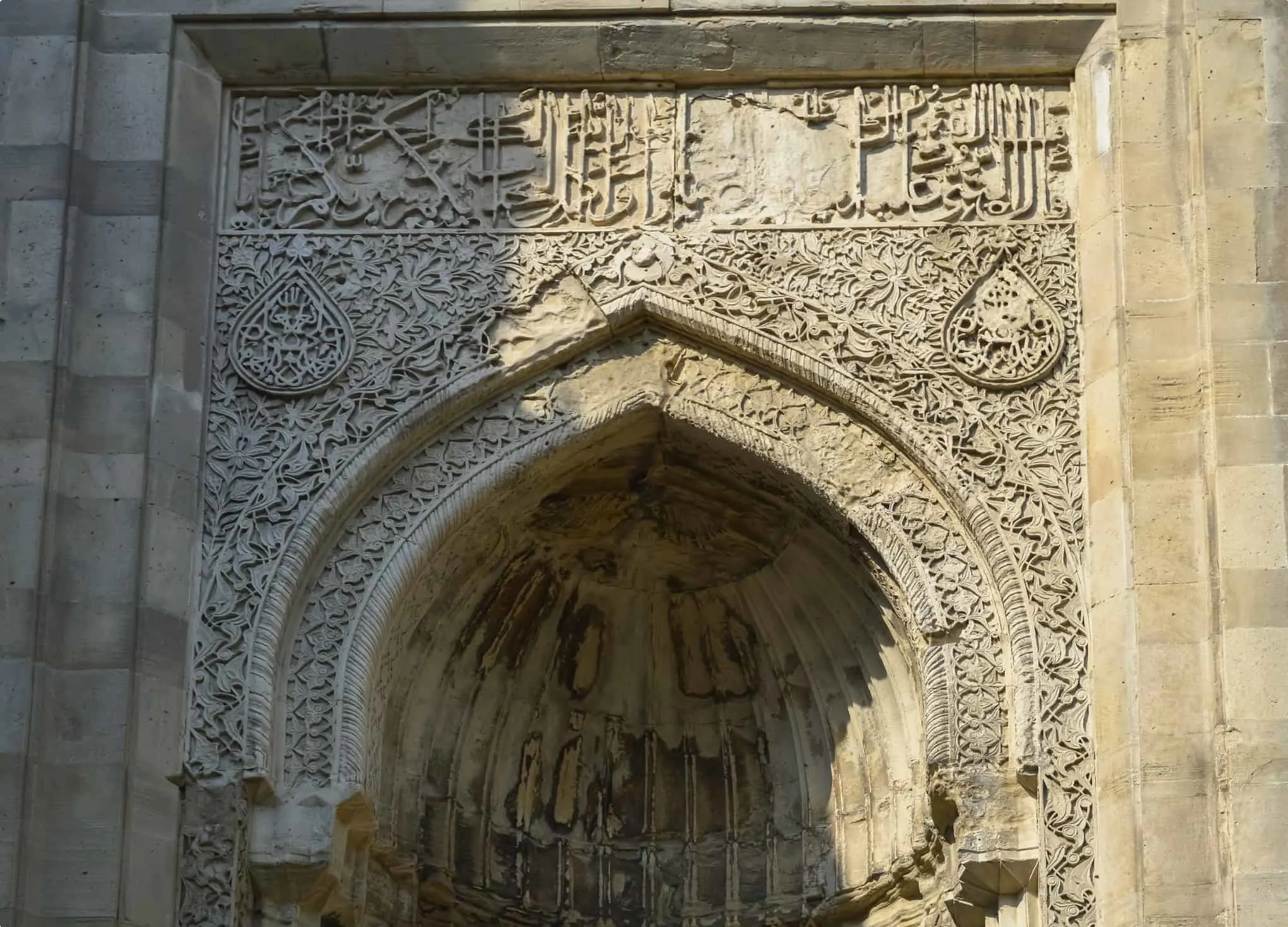 The stone used in construction was sourced from local quarries on the Absheron Peninsula, giving the palace its distinctive golden hue and helping it blend seamlessly with the surrounding landscape. This local material choice also made construction more practical, allowing builders to transport large blocks relatively short distances within Baku.
Decorative elements throughout the complex feature intricate geometric patterns, Arabic inscriptions with Quranic verses, and symbolic representations of plants and animals. These decorations served both aesthetic and spiritual purposes, creating spaces that were beautiful, meaningful, and conducive to contemplation and worship.
The palace's layout demonstrates sophisticated understanding of climate control. Thick stone walls provide insulation against Baku's hot summers, while strategic window placement ensures cross-ventilation for cooling. The underground heating system in the bathhouse shows innovative engineering to provide comfort during cold winters.
The stone used in construction was sourced from local quarries on the Absheron Peninsula, giving the palace its distinctive golden hue and helping it blend seamlessly with the surrounding landscape. This local material choice also made construction more practical, allowing builders to transport large blocks relatively short distances within Baku.
Decorative elements throughout the complex feature intricate geometric patterns, Arabic inscriptions with Quranic verses, and symbolic representations of plants and animals. These decorations served both aesthetic and spiritual purposes, creating spaces that were beautiful, meaningful, and conducive to contemplation and worship.
The palace's layout demonstrates sophisticated understanding of climate control. Thick stone walls provide insulation against Baku's hot summers, while strategic window placement ensures cross-ventilation for cooling. The underground heating system in the bathhouse shows innovative engineering to provide comfort during cold winters.
Key Highlights and Must-See Features
Exploring the Palace of the Shirvanshahs reveals numerous architectural and artistic treasures that showcase the brilliance of medieval Azerbaijani craftsmanship. These highlights help visitors appreciate the palace's significance beyond its function as a royal residence. Intricate Stone Carvings Throughout the palace complex, visitors will find exquisite stone carvings that represent the pinnacle of medieval decorative art. These carvings feature geometric patterns, floral motifs, and Arabic calligraphy that have survived centuries with remarkable preservation. Pay special attention to the portal decorations at Divankhana and the Royal Tomb, where master craftsmen created symmetrical designs with deep religious and cultural symbolism. The carvings demonstrate how the Shirvanshahs used architecture to express their faith, power, and artistic sensibility. Arabic Inscriptions and Calligraphy The palace walls feature numerous Arabic inscriptions containing Quranic verses, prayers, and dedications. These texts served both as decoration and as spiritual blessings, infusing the royal spaces with sacred meaning and calling for divine protection for the inhabitants. The calligraphy demonstrates the high level of literacy and cultural sophistication in the Shirvanshah court, where religious scholars and artists collaborated to create spaces that were both beautiful and theologically significant. These inscriptions also provide valuable historical documentation, naming rulers, dates, and purposes of various buildings. The Central Courtyard The heart of the palace complex is its central courtyard, which served as a gathering space for court activities and royal ceremonies. This open space is surrounded by the various buildings of the complex, creating an intimate and protected environment for royal life.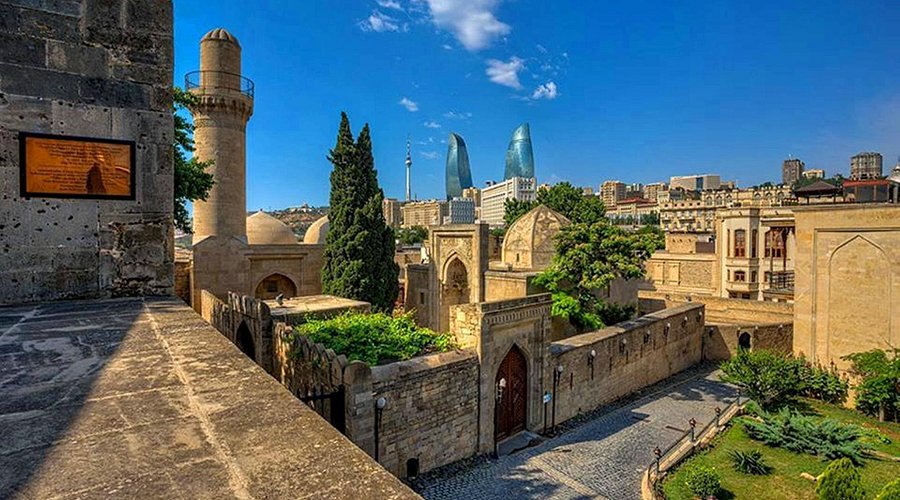 Standing in the courtyard, visitors can appreciate the harmonious layout of the complex and imagine the courtly life that once filled these spaces. The courtyard also provides excellent views of the surrounding Old City and the Caspian Sea beyond, connecting the royal enclave to the broader urban context.
Views from the Palace
One of the most spectacular features of visiting the palace is the panoramic view from its elevated position. Perched on a hilltop within the Old City, the palace offers sweeping vistas of Baku's historic center, the Caspian Sea, and the modern Flame Towers rising in the distance.
These views provide a powerful visual narrative of Azerbaijan's historical and modern identity. From the ancient palace walls, visitors can see how medieval Baku has evolved into a modern metropolis while maintaining its cultural heritage core. This juxtaposition of old and new makes the palace visit particularly meaningful.
The Water Supply System
An often-overlooked but engineering marvel is the palace's sophisticated water supply system. Medieval builders constructed underground channels and cisterns that brought water to the complex from distant sources, ensuring a reliable supply for royal needs.
This system demonstrates the advanced infrastructure planning of the Shirvanshahs, who understood that a palace required not just beautiful buildings but also functional utilities. The remaining portions of this water system provide insight into medieval urban planning and the challenges of sustaining a royal household in a semi-arid climate.
Underground Passages
Legends and historical documents suggest the existence of underground passages connecting the palace to other parts of the Old City. While not all passages are accessible to visitors, they speak to the defensive and escape considerations that influenced the palace's design.
These underground routes would have allowed the royal family to evacuate discreetly during attacks or move secretly between buildings without being observed. The mysterious nature of these passages adds an element of intrigue to palace exploration, reminding visitors of the complex political and military context.
Standing in the courtyard, visitors can appreciate the harmonious layout of the complex and imagine the courtly life that once filled these spaces. The courtyard also provides excellent views of the surrounding Old City and the Caspian Sea beyond, connecting the royal enclave to the broader urban context.
Views from the Palace
One of the most spectacular features of visiting the palace is the panoramic view from its elevated position. Perched on a hilltop within the Old City, the palace offers sweeping vistas of Baku's historic center, the Caspian Sea, and the modern Flame Towers rising in the distance.
These views provide a powerful visual narrative of Azerbaijan's historical and modern identity. From the ancient palace walls, visitors can see how medieval Baku has evolved into a modern metropolis while maintaining its cultural heritage core. This juxtaposition of old and new makes the palace visit particularly meaningful.
The Water Supply System
An often-overlooked but engineering marvel is the palace's sophisticated water supply system. Medieval builders constructed underground channels and cisterns that brought water to the complex from distant sources, ensuring a reliable supply for royal needs.
This system demonstrates the advanced infrastructure planning of the Shirvanshahs, who understood that a palace required not just beautiful buildings but also functional utilities. The remaining portions of this water system provide insight into medieval urban planning and the challenges of sustaining a royal household in a semi-arid climate.
Underground Passages
Legends and historical documents suggest the existence of underground passages connecting the palace to other parts of the Old City. While not all passages are accessible to visitors, they speak to the defensive and escape considerations that influenced the palace's design.
These underground routes would have allowed the royal family to evacuate discreetly during attacks or move secretly between buildings without being observed. The mysterious nature of these passages adds an element of intrigue to palace exploration, reminding visitors of the complex political and military context.
UNESCO World Heritage Status
In 2000, the Palace of the Shirvanshahs, together with the surrounding Old City (Icherisheher) and the iconic Maiden Tower, was inscribed on the UNESCO World Heritage List. This prestigious recognition highlights the palace's outstanding universal value and its importance to humanity's cultural heritage. UNESCO's recognition was based on several criteria that emphasize the palace's exceptional significance. The organization noted that the Palace of the Shirvanshahs represents a masterpiece of human creative genius, showcasing the architectural and artistic achievement of medieval Azerbaijan. The inscription also recognized the Old City of Baku as an outstanding example of a medieval urban center that has maintained its historic fabric through centuries of change. Within this living historic city, the palace stands as its crown jewel, offering visitors an authentic medieval experience. UNESCO status brings important benefits to the palace, including international funding for conservation, technical expertise for restoration projects, and global awareness of its cultural significance. This recognition helps ensure that future generations will be able to appreciate this architectural masterpiece. The UNESCO World Heritage designation also places responsibilities on Azerbaijan to preserve and protect the site while making it accessible to visitors. Balancing preservation with tourism, maintaining authenticity while providing visitor facilities, and managing the impact of tourism on the ancient structures are ongoing challenges that require careful stewardship.| UNESCO Criteria | Significance |
|---|---|
| Cultural Heritage | Masterpiece of human creative genius |
| Architectural Value | Exceptional medieval architecture example |
| Historical Authenticity | Well-preserved medieval complex |
| Urban Context | Part of living Old City |
Visiting Information: Tickets and Timings
Planning a visit to the Palace of the Shirvanshahs requires understanding the practical details of tickets, opening hours, and visit duration. Being prepared ensures you can make the most of your time exploring this remarkable historical site. Opening Hours The palace operates with different hours depending on the season, reflecting Baku's climate patterns and visitor preferences. During summer months (April to October), when days are longer and weather is pleasant, the palace welcomes visitors from morning until evening. Winter hours are slightly shorter due to limited daylight and colder weather. However, winter visits offer a special charm with fewer crowds and atmospheric lighting that enhances the palace's medieval character. The palace is open throughout the year, though some buildings within the complex may have limited access during prayer times, particularly the Key Mosque. Ticket Prices Entry to the Palace of the Shirvanshahs is reasonably priced, making it accessible to most visitors. The ticket structure includes discounts for students and children, reflecting a commitment to cultural education and family accessibility. Adult tickets cost approximately AZN 15 (roughly 750 INR), which is excellent value for a comprehensive historical site. Students with valid identification receive a significant discount at AZN 5, making the palace very affordable for young travelers and educational groups. Children under six years of age can enter free of charge. Guided tours are available for an additional cost, typically ranging from AZN 20 to AZN 50 depending on the size of the group and the duration of the tour. These tours are highly recommended for visitors interested in the palace's rich history and architectural details.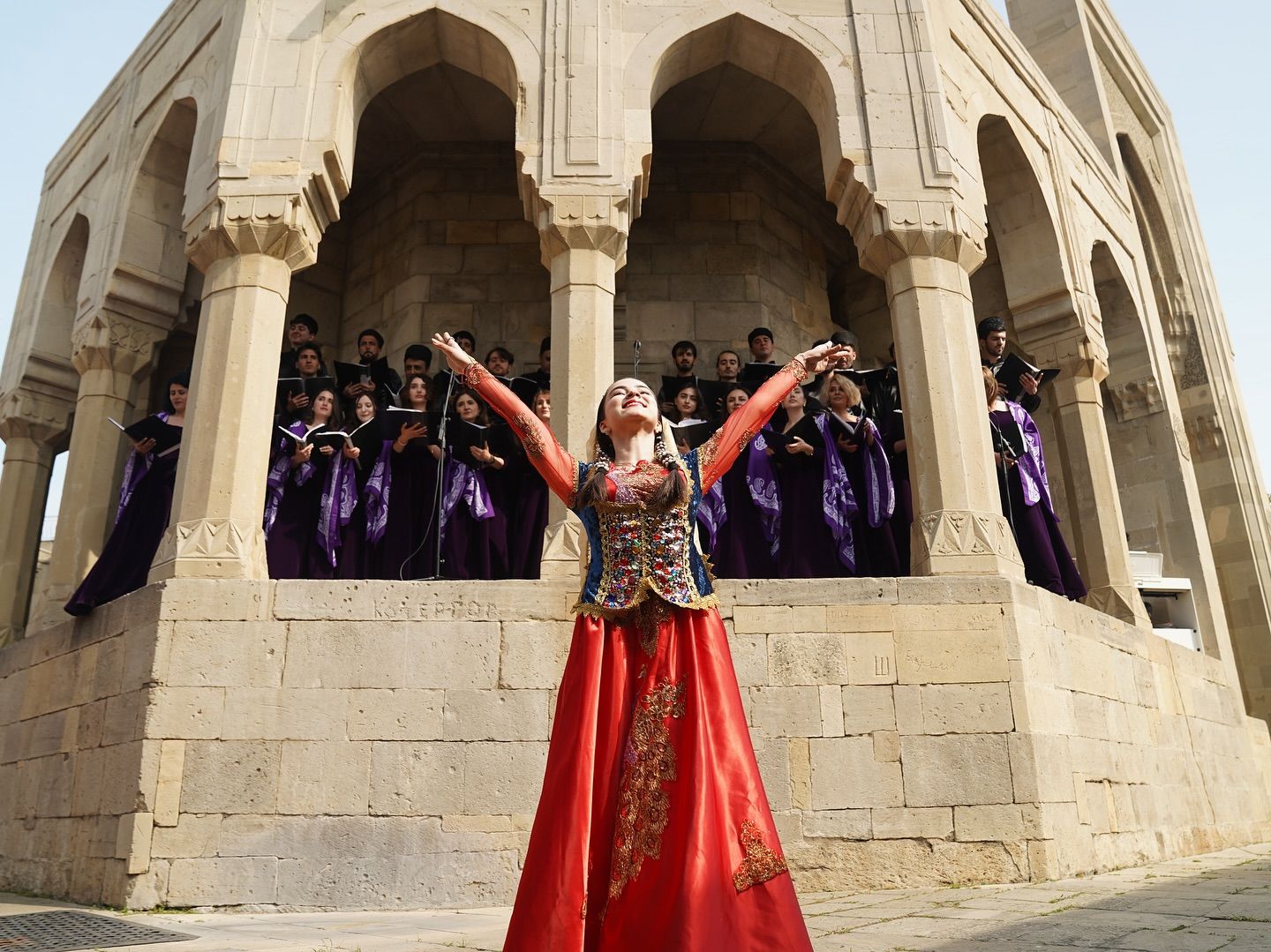 Recommended Visit Duration
The amount of time you need at the palace depends on your level of interest and whether you hire a guide. A quick overview can be completed in 1-2 hours, but visitors with deeper historical curiosity may want to spend 2-3 hours exploring thoroughly.
With a guided tour, plan for approximately 3 hours, as guides typically provide comprehensive explanations of each building, its historical significance, and architectural features. Independent visitors can move more quickly through the complex but may miss subtle historical and artistic details that enhance the experience.
Photography enthusiasts should allocate additional time, as the palace offers excellent opportunities for architectural photography. The interplay of light and shadow on the stone surfaces, the intricate carvings, and the various viewpoints all require time and patience to capture effectively.
Recommended Visit Duration
The amount of time you need at the palace depends on your level of interest and whether you hire a guide. A quick overview can be completed in 1-2 hours, but visitors with deeper historical curiosity may want to spend 2-3 hours exploring thoroughly.
With a guided tour, plan for approximately 3 hours, as guides typically provide comprehensive explanations of each building, its historical significance, and architectural features. Independent visitors can move more quickly through the complex but may miss subtle historical and artistic details that enhance the experience.
Photography enthusiasts should allocate additional time, as the palace offers excellent opportunities for architectural photography. The interplay of light and shadow on the stone surfaces, the intricate carvings, and the various viewpoints all require time and patience to capture effectively.
How to Reach and Location Details
The Palace of the Shirvanshahs is located within Baku's Old City (Icherisheher), making it easily accessible from anywhere in the Azerbaijani capital. The palace's central location means it can be part of any Baku sightseeing itinerary. Exact Location The palace is situated at the heart of the Old City, Baku's historic medieval center surrounded by ancient fortress walls. This location places the palace within walking distance of other major Old City attractions, including the famous Maiden Tower, numerous mosques, and traditional caravanserais. The Old City itself is a UNESCO World Heritage site, characterized by narrow winding streets, traditional stone houses, and historic buildings that have been preserved for centuries. Walking to the palace through these streets provides atmospheric context and helps visitors appreciate the palace's role within this medieval urban landscape. Transportation Options Getting to the Old City is straightforward from anywhere in Baku. The Icherisheher Metro station is just a few minutes' walk from the palace, making it the most convenient public transport option for visitors. Multiple bus routes stop near the Old City, providing economical transportation options. Taxis and ride-hailing apps like Bolt and Uber can drop visitors directly at the Old City entrances, avoiding the need for long walks with luggage. From Baku's city center and Fountain Square area, the palace is an easy 10-minute walk through the historic streets. This walk is pleasant and offers glimpses of Old City life, traditional shops, and historic architecture along the way. From the Airport Visitors arriving at Heydar Aliyev International Airport have several convenient options to reach the Old City and the palace. Airport buses and express routes connect the airport to the city center, from where visitors can transfer to the metro or take a short taxi ride. The journey from the airport to the Old City typically takes 30-45 minutes depending on traffic conditions. Pre-arranged airport transfers through hotels or tour operators offer the most direct and comfortable option, particularly for travelers with luggage or unfamiliar with the city. Walking from Central Baku For visitors staying in central Baku, the walk to the Palace of the Shirvanshahs is one of the most pleasant city strolls possible. The route typically passes through Fountain Square and enters the Old City through its historic gates. This 15-minute walk allows visitors to gradually transition from modern Baku to the medieval Old City, experiencing the atmospheric change as narrow cobblestone streets replace modern avenues. The walk itself is part of the Old City experience, with traditional shops, tea houses, and historic buildings along the route.Nearby Attractions in Old City
The Palace of the Shirvanshahs is ideally situated within the Old City, which contains numerous other historical attractions that can be combined for a comprehensive cultural experience. Exploring these nearby sites enhances understanding of medieval Baku and maximizes time spent in this historic district. Maiden Tower Just a five-minute walk from the palace stands the iconic Maiden Tower (Qiz Qalasi), perhaps Baku's most famous landmark. This mysterious ancient tower has become a symbol of Baku and appears on the city's official coat of arms. Historians debate the tower's original purpose, with theories ranging from Zoroastrian fire temple to defensive fortification. Regardless of its function, the Maiden Tower's distinctive silhouette and mysterious past make it a must-see attraction that perfectly complements the palace visit. Historic Mosques The Old City contains several historic mosques that date from different periods of Baku's Islamic heritage. The Mosque of Muhammad (or Juma Mosque) is particularly notable, featuring traditional architecture and serving as a functioning place of worship. These mosques provide insight into the religious life of medieval Baku and the continuity of Islamic practice in Azerbaijan. Visitors should be respectful when entering these active worship spaces, particularly during prayer times, while appreciating the architectural and cultural significance. Caravanserais Traditional inns known as caravanserais once lined the streets of the Old City, serving merchants and travelers along the ancient Silk Route. While most original caravanserais have been converted into other uses, some restored examples remain. These historic buildings remind visitors that the Old City was not just a royal enclave but a thriving commercial center where goods, ideas, and cultures from across the known world converged. The caravanserais' design reflects the hospitality traditions of Azerbaijani culture. Small Museums Scattered throughout the Old City are several small museums that focus on specific aspects of Baku's history. These include museums of carpets, miniature books, and archaeology that complement the palace visit by providing deeper context to Azerbaijani culture. These specialized museums allow visitors to explore particular interests in detail, from the intricate art of carpet weaving to the miniature book tradition that has UNESCO recognition. Together with the palace, they create a comprehensive picture of Baku's cultural heritage. Art Galleries and Craft Shops The Old City is home to numerous art galleries featuring local artists and craft shops selling traditional Azerbaijani products. These establishments provide opportunities to support local artisans and take home authentic souvenirs. Traditional crafts available include copperware, ceramics, textiles, and jewelry that reflect the artistic traditions developed during the Shirvanshah period. Purchasing these crafts from the Old City supports local artisans and ensures that the cultural heritage continues to thrive in modern Baku.Photography Tips and Best Time to Visit
Capturing the beauty of the Palace of the Shirvanshahs requires some planning and technique. The palace's architecture, light, and atmospheric setting offer excellent photography opportunities for those prepared with the right approach. Best Seasons for Photography The ideal seasons for visiting and photographing the palace are spring (April to June) and autumn (September to October). During these periods, Baku enjoys mild temperatures that make extended outdoor photography comfortable and pleasant. Summer months (July to August) can be quite hot, with temperatures often exceeding 30°C. While the palace interior provides some relief from the heat, outdoor photography during midday can be challenging due to harsh sunlight and intense shadows. Winter (November to March) offers a different photographic opportunity with fewer crowds and atmospheric light, though temperatures can be cold and daylight hours are shorter. The contrast of snow or overcast skies with the golden stone of the palace creates striking images. Golden Hour Photography The most magical time for palace photography is during golden hour—the hour after sunrise and the hour before sunset. The low-angle sunlight creates long, dramatic shadows that highlight the architectural details and textures of the stone surfaces. Morning golden hour is particularly peaceful, with fewer visitors and soft light that reveals the palace's true colors. The morning light enters through the windows and arches, creating beautiful interior illumination and atmospheric contrasts between light and shadow.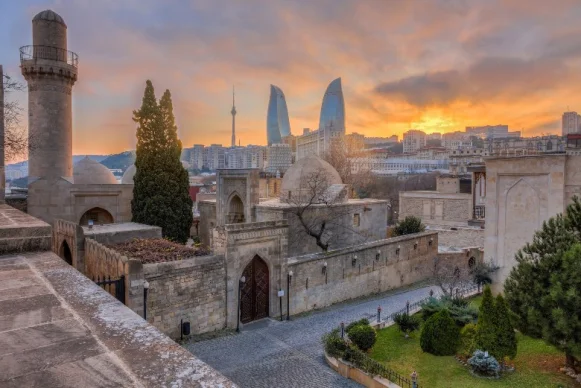 Evening golden hour provides breathtaking views as the sun sets over Baku, with the palace silhouetted against the colorful sky and the modern city illuminated in the distance. This is the best time for panoramic shots that capture both the palace and the surrounding urban landscape.
Interior Photography Tips
Interior photography requires different techniques than exterior shots. The palace's interior can be relatively dim, so visitors should be prepared to use higher ISO settings or wider apertures to capture clear images.
Avoid using flash when possible, as it can disturb other visitors and doesn't always capture the ambient atmosphere of the historic spaces. Instead, use available natural light from windows and doorways, or steady the camera for longer exposures if necessary.
Focus on capturing the architectural details—stone carvings, geometric patterns, and Arabic inscriptions—that make the palace unique. Close-up shots of these details, combined with wider shots showing their context within the overall building design, create a comprehensive photographic record.
Equipment and Preparation
A wide-angle lens is essential for capturing the palace's architecture, particularly in the courtyard and exterior spaces where distance from buildings makes normal lenses insufficient. A telephoto lens can be useful for detailed shots of carvings and inscriptions.
Bring extra batteries and memory cards, as you'll likely take more photos than expected when confronted with such visually rich subject matter. A tripod can be helpful for low-light interior shots, though be aware of restrictions on tripod use in certain areas.
What to Bring for Your Visit
Beyond photography equipment, there are several practical items that enhance the palace visit experience. Comfortable walking shoes are essential, as the palace complex involves considerable walking on uneven stone surfaces and stairs.
Bring water, especially during summer months, to stay hydrated during your exploration. While there are some vendors in the Old City, the palace complex itself has limited facilities for purchasing refreshments.
Sun protection including a hat and sunscreen is important during warmer months, as the palace's courtyard offers limited shade. A small notebook or guidebook can enhance your experience by helping you remember the historical context and architectural details provided on signage.
Evening golden hour provides breathtaking views as the sun sets over Baku, with the palace silhouetted against the colorful sky and the modern city illuminated in the distance. This is the best time for panoramic shots that capture both the palace and the surrounding urban landscape.
Interior Photography Tips
Interior photography requires different techniques than exterior shots. The palace's interior can be relatively dim, so visitors should be prepared to use higher ISO settings or wider apertures to capture clear images.
Avoid using flash when possible, as it can disturb other visitors and doesn't always capture the ambient atmosphere of the historic spaces. Instead, use available natural light from windows and doorways, or steady the camera for longer exposures if necessary.
Focus on capturing the architectural details—stone carvings, geometric patterns, and Arabic inscriptions—that make the palace unique. Close-up shots of these details, combined with wider shots showing their context within the overall building design, create a comprehensive photographic record.
Equipment and Preparation
A wide-angle lens is essential for capturing the palace's architecture, particularly in the courtyard and exterior spaces where distance from buildings makes normal lenses insufficient. A telephoto lens can be useful for detailed shots of carvings and inscriptions.
Bring extra batteries and memory cards, as you'll likely take more photos than expected when confronted with such visually rich subject matter. A tripod can be helpful for low-light interior shots, though be aware of restrictions on tripod use in certain areas.
What to Bring for Your Visit
Beyond photography equipment, there are several practical items that enhance the palace visit experience. Comfortable walking shoes are essential, as the palace complex involves considerable walking on uneven stone surfaces and stairs.
Bring water, especially during summer months, to stay hydrated during your exploration. While there are some vendors in the Old City, the palace complex itself has limited facilities for purchasing refreshments.
Sun protection including a hat and sunscreen is important during warmer months, as the palace's courtyard offers limited shade. A small notebook or guidebook can enhance your experience by helping you remember the historical context and architectural details provided on signage.
Practical Visitor Tips
Making the most of your Palace of the Shirvanshahs visit involves understanding a few key practical considerations that enhance the experience while showing respect for this important historical site. Respectful Behavior The palace is a site of significant historical and cultural importance, and visitors should conduct themselves with appropriate respect. Speak in moderate tones to avoid disturbing other visitors' appreciation of the space. Avoid touching or leaning on ancient stone surfaces, as oils from hands can damage these irreplaceable archaeological artifacts. Many areas are clearly marked with instructions not to touch particular features—follow these guidelines to help preserve the site for future generations. The Key Mosque within the complex remains an active place of worship, and visitors should be particularly respectful in this space. Avoid entering during prayer times, dress modestly, and maintain a quiet, reverent demeanor. Combining with Other Baku Attractions For those interested in exploring more of Azerbaijan's capital, the palace combines naturally with other Old City attractions like Maiden Tower. Consider also visiting the modern architectural wonders including Flame Towers and Heydar Aliyev Center to see Baku's contemporary face. For travelers exploring Azerbaijan's cultural heritage more broadly, the palace provides context for understanding other historical sites that showcase the region's ancient past. The petroglyphs and mud volcanoes at Gobustan offer a fascinating complement to the refined architecture of the palace. Those interested in Azerbaijan's spiritual and religious heritage should visit Ateshgah Temple, which showcases the country's ancient fire-worshipping traditions. Together with the palace, these sites provide a comprehensive understanding of Azerbaijan's diverse cultural and historical identity. Hiring a Guide While the palace can be explored independently, hiring a guide significantly enhances the experience by providing historical context and pointing out details that visitors might otherwise miss. Guides can explain the symbolism in carvings, the significance of Arabic inscriptions, and the stories behind various buildings. Guided tours are available at the palace entrance or can be pre-booked through tour operators. Many guides speak multiple languages, including English, Russian, and Azerbaijani, making the palace accessible to international visitors. If you have a particular interest in medieval Islamic architecture, Azerbaijani history, or the Shirvanshah dynasty, request a guide with expertise in these areas. A knowledgeable guide can transform your visit from a casual walk into a deep educational experience. Facilities Available The palace complex offers basic visitor facilities including restrooms, though these historic facilities may be less modern than what some travelers expect. Plan accordingly and use facilities in the Old City before or after your palace visit. A small gift shop near the entrance sells books, postcards, and souvenirs related to the palace and Azerbaijani culture. This is an excellent place to purchase mementos of your visit and support the preservation efforts. Accessibility is limited due to the historic nature of the site, with numerous stairs and uneven surfaces. Visitors with mobility concerns should contact the palace administration in advance to discuss specific needs and arrange any necessary accommodations. Best Day of Week to Visit Weekday visits typically offer a quieter experience with fewer crowds than weekends. Friday is considered a holy day in Islamic culture, so the palace may be busier with local visitors, though the Key Mosque will have active prayer services. Early morning visits are particularly peaceful and offer the best lighting for photography. If you want to avoid crowds, plan to arrive when the palace opens, giving you time to explore before tour groups arrive. Weather Considerations Baku experiences a semi-arid climate with hot summers and mild winters. Summer visitors should dress for heat, bring sun protection, and carry water for hydration during their exploration of the palace complex. Winter visitors will encounter cooler temperatures and possible rain, so dress in layers and be prepared for potentially slippery surfaces on the stone pavement. The palace's thick walls provide some shelter from wind, making winter visits atmospheric and pleasant if properly dressed.Conclusion: A Timeless Monument to Azerbaijani Heritage
The Palace of the Shirvanshahs stands as one of Azerbaijan's most precious cultural treasures, a testament to the vision, craftsmanship, and cultural achievement of the medieval Shirvanshah dynasty. Through centuries of change, this architectural masterpiece has survived to offer contemporary visitors a direct connection to Azerbaijan's royal past. What makes the palace truly exceptional is not just its architectural beauty but the stories it tells—of powerful rulers who patronized the arts, of master craftsmen who created enduring beauty from stone, and of a culture that valued both worldly achievement and spiritual devotion. Each building within the complex contributes to this narrative, from the administrative halls to the sacred mosque, from the royal tomb to the innovative bathhouse. UNESCO recognition has brought international attention to the palace, helping ensure its preservation while sharing its significance with the world. This global acknowledgment validates what Azerbaijani people have long known—that their heritage is not just of local importance but represents outstanding contributions to human civilization. As you walk through the courtyards, admire the stone carvings, and gaze from the palace walls over both the Old City and modern Baku, you participate in a journey through time. Whether you approach the palace as a historian, an architecture enthusiast, or simply as a curious traveler, the Palace of the Shirvanshahs offers an experience that is both profoundly educational and deeply moving—a true crown jewel of Azerbaijani cultural heritage.Location
Frequently Asked Questions
Q1.What is the Palace of Shirvanshahs?
Q2.Who built the Palace of Shirvanshahs?
Q3.When was the Palace of Shirvanshahs built?
Q4.What are the timings of Shirvanshah Palace?
Q5.Is there an entrance fee for Shirvanshah Palace?
Q6.Where is Palace of Shirvanshahs located?
Q7.How to reach Shirvanshah Palace in Baku?
Q8.Is Shirvanshah Palace open on Sundays?
Q9.How much time should I spend at Shirvanshah Palace?
Q10.Why is the Palace of Shirvanshahs a UNESCO site?
Q11.What buildings are in the Shirvanshah Palace complex?
Q12.Can I take photos inside the Palace of Shirvanshahs?
Recommended For You

Little Venice Baku: Boat Ride, Timings & Nearby Attractions
Discover Little Venice in Baku, a stunning canal system at Baku City Walk inspired by Venice, Italy. Complete guide with boat ride experience, best time to visit, pricing, and nearby attractions in Azerbaijan.

Baku January: Winter Travel Guide & Complete Itinerary
Discover Baku in January: winter weather, indoor attractions, Flame Towers, Old City, museums, thermal springs & travel tips for Azerbaijan winter.

Flame Towers Baku: Light Show Timings, Viewpoints & Access
Plan your Flame Towers Baku visit with light show expectations, best viewing points, how to reach, and practical evening itinerary tips.
Never Miss an Adventure
Get the latest trekking guides, travel tips, and exclusive offers delivered straight to your inbox.
