
Panna Meena ka Kund Jaipur: Stepwell History, Entry & Photo Tips

Ananya Sharma
December 7, 2025
Discover Panna Meena ka Kund, Jaipur's hidden stepwell gem near Amber Fort. Explore its 8-story symmetrical architecture, 3,500 steps, and rich history dating back to the 16th century.
Introduction: The Hidden Stepwell of Jaipur
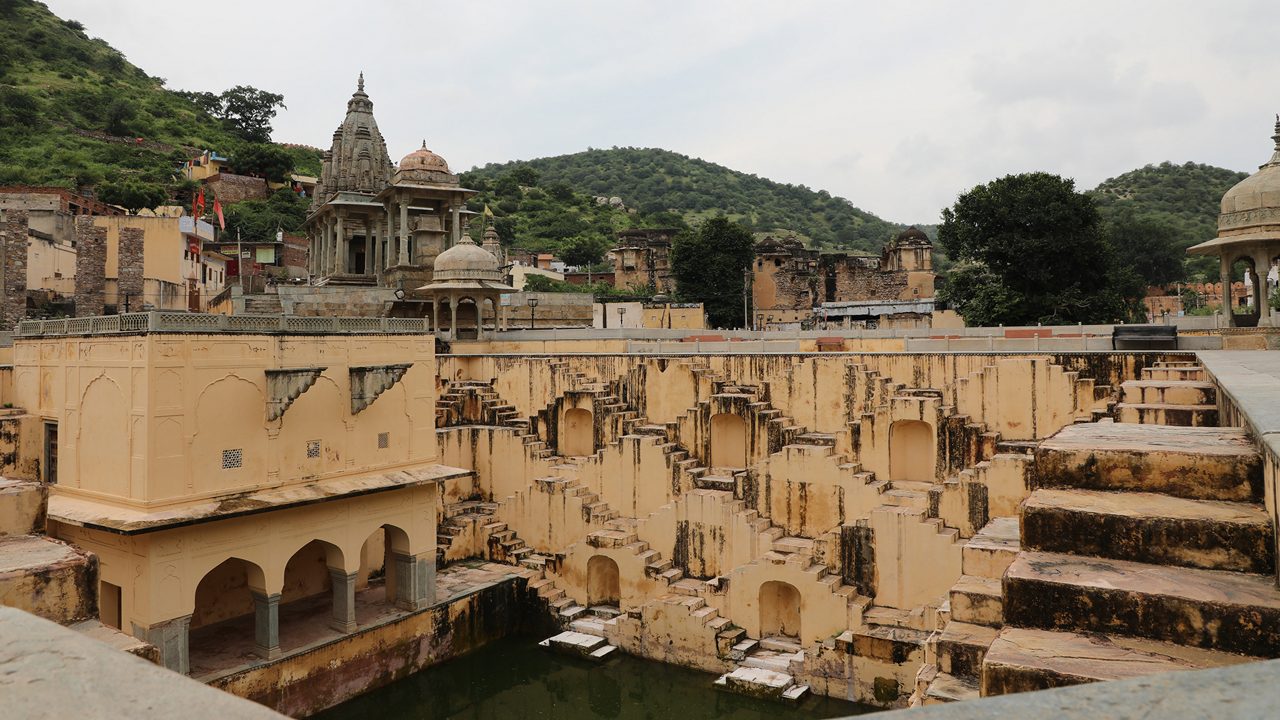
Nestled in the shadows of the magnificent Amber Fort lies one of Jaipur's most captivating yet overlooked architectural treasures – Panna Meena ka Kund. This eight-story deep stepwell, also known as Panna Mian ki Baori, stands as a testament to the ingenious water conservation methods employed by Rajasthan's ancestors. While most tourists flock to the grand forts and palaces of Jaipur, this hidden gem offers a unique glimpse into the region's rich architectural heritage and the sophisticated engineering prowess of a bygone era.
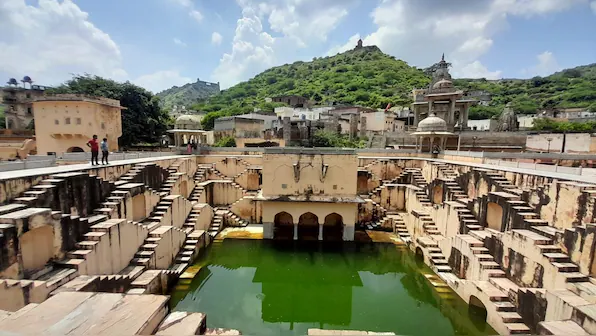
Panna Meena ka Kund represents the quintessential Rajputana style of stepwell architecture, showcasing an intricate network of 3,500 steps arranged in a stunning symmetrical pattern. Built as both a functional water reservoir and a community gathering space, this stepwell served as a lifeline for the local population during the arid months. Today, it stands as a silent witness to centuries of history, offering visitors a chance to step back in time and marvel at the architectural brilliance that defined medieval Rajasthan.
History and Significance
The origins of Panna Meena ka Kund can be traced back to the 16th century, a period marked by remarkable architectural achievements in Rajasthan. Commissioned by the Meena community, one of the region's earliest inhabitants, this stepwell was constructed during a time when water conservation was not just a necessity but an art form. The Meenas, known for their deep understanding of water management systems, built this stepwell as a sustainable solution to the region's perpetual water scarcity.
The stepwell derives its name from a prominent Meena community leader, Panna Meena, who played a pivotal role in its construction. Unlike many other stepwells built by royalty, Panna Meena ka Kund was a community project, reflecting the collective effort and social cooperation that characterized life in medieval Rajasthan. The structure served multiple purposes beyond water storage – it was a place where villagers gathered to escape the scorching heat, women came to collect water and socialize, and travelers found respite during their long journeys across the desert landscape.
For centuries, Panna Meena ka Kund remained an integral part of daily life in the region, until changing times and modern water supply systems led to its gradual abandonment. Like many stepwells across India, it faded into obscurity, only to be rediscovered by heritage enthusiasts and conservationists in recent years. Today, it stands as a protected monument, offering visitors a rare opportunity to witness the architectural legacy of the Meena community and understand the vital role that stepwells played in Rajasthan's history.
Architecture and Design: A Geometric Marvel
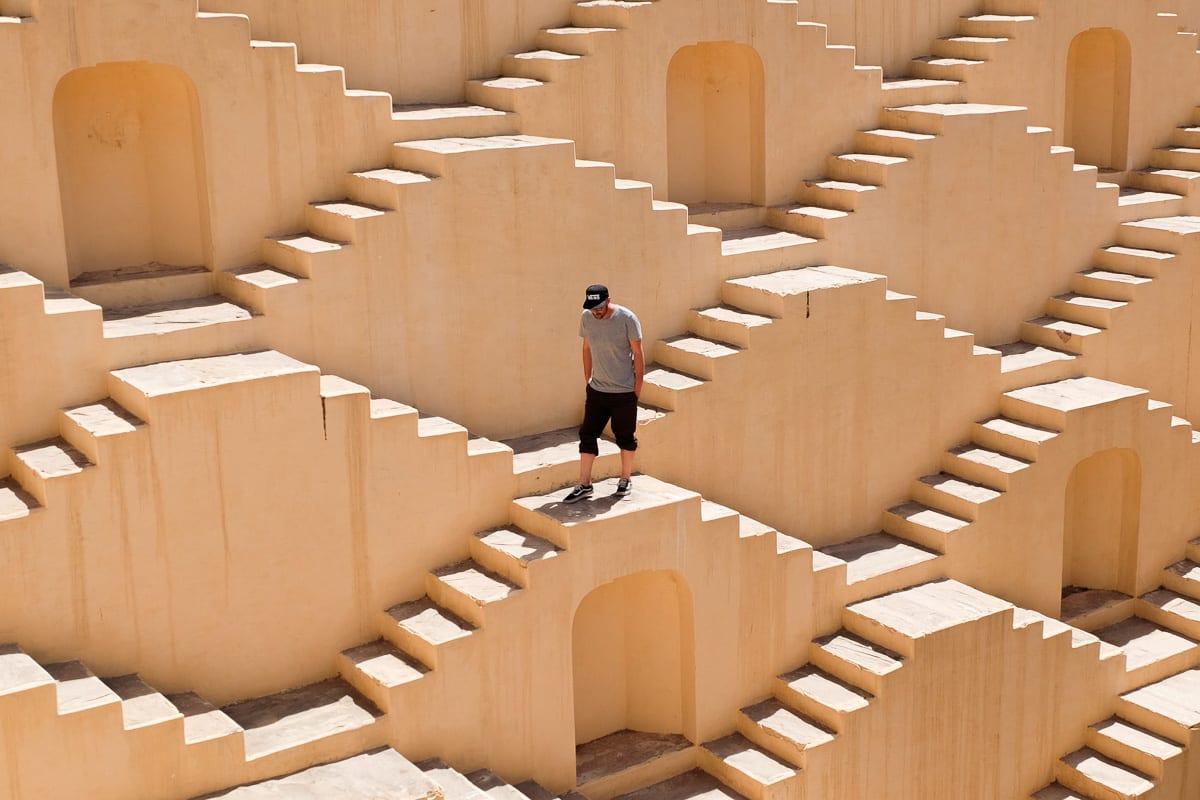
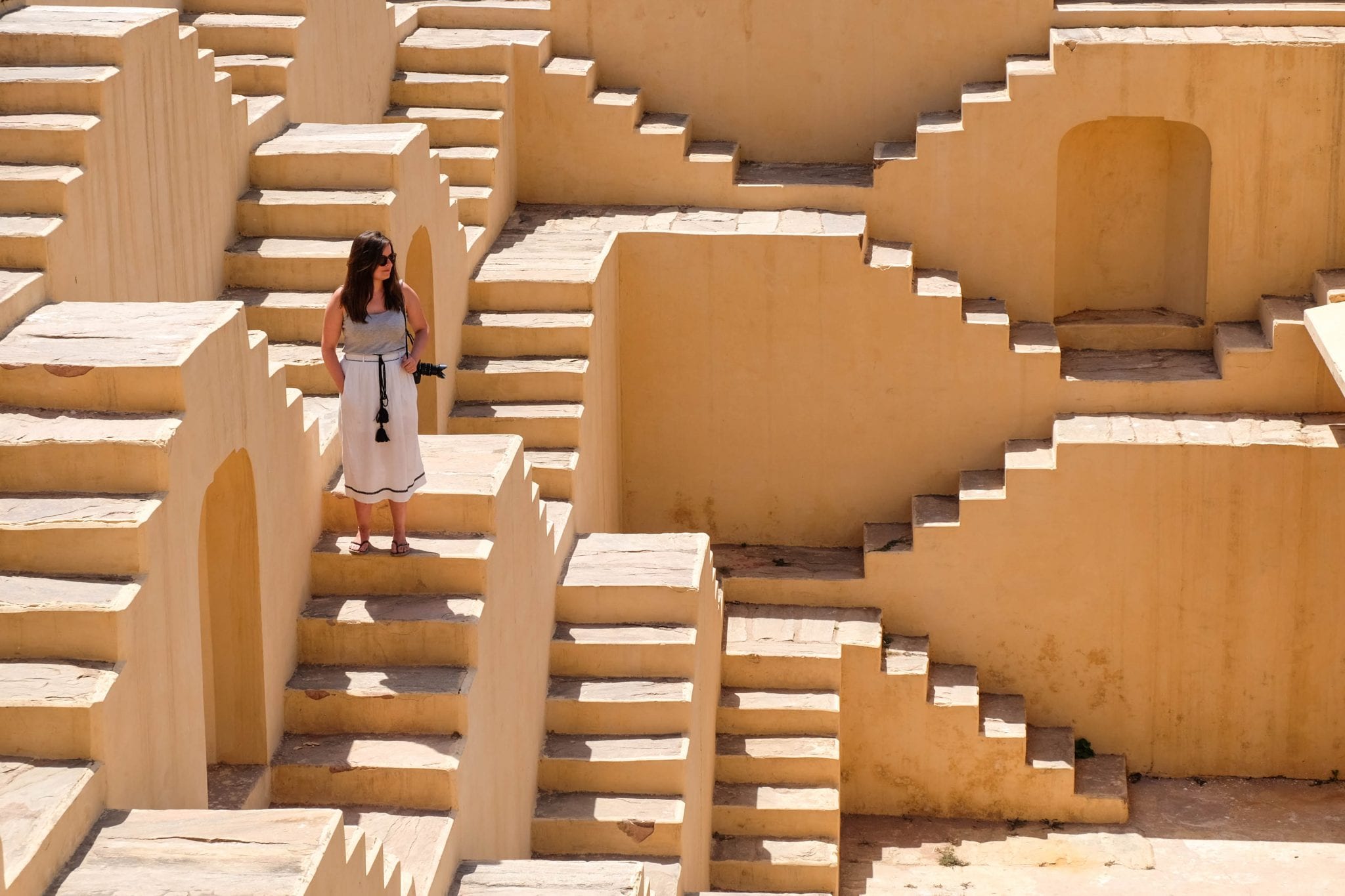
Panna Meena ka Kund is a masterpiece of geometric precision and architectural ingenuity. The stepwell descends eight stories into the earth, with approximately 3,500 steps creating a mesmerizing crisscross pattern that seems to defy the laws of symmetry. What makes this structure particularly remarkable is its octagonal shape, a design choice that sets it apart from many other stepwells in Rajasthan.
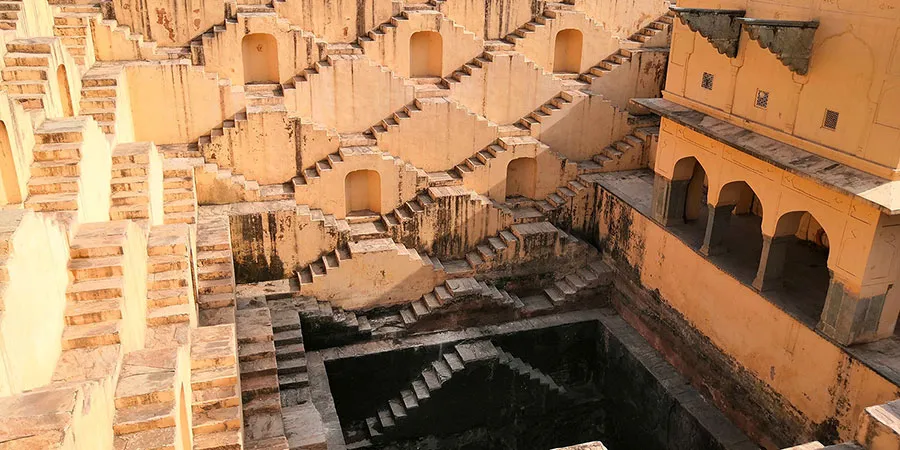
The architectural brilliance of Panna Meena ka Kund lies in its symmetrical staircase design. The steps are arranged in a series of flights that crisscross each other, creating a visually stunning pattern that draws the eye downward into the depths of the well. This symmetrical design wasn't merely aesthetic – it served a practical purpose, allowing multiple people to ascend and descend simultaneously without obstruction. The precision with which these steps were carved is a testament to the advanced mathematical and engineering knowledge possessed by the artisans of that era.
Key Architectural Features
| Feature | Description |
|---|---|
| Stories | 8 levels descending into the earth |
| Total Steps | Approximately 3,500 steps |
| Shape | Octagonal base with symmetrical staircases |
| Depth | Nearly 20 meters deep |
| Construction Material | Local sandstone and mortar |
| Vastu Shastra | Designed following ancient Vastu principles |
The stepwell's design is deeply rooted in Vastu Shastra, the ancient Indian science of architecture. Every aspect of its construction, from its orientation to the placement of its steps, follows these traditional principles, believed to harmonize the structure with cosmic forces. The cool temperature at the bottom of the stepwell, several degrees lower than the surface, is not just a natural consequence of its depth but also a result of careful design considerations that optimized natural ventilation.
Artistically, the stepwell features intricate carvings and decorative elements that showcase the craftsmanship of the period. While not as ornate as some other stepwells in Rajasthan, the simplicity of Panna Meena ka Kund's design is its greatest strength – the focus remains on the geometric purity of its form rather than excessive ornamentation. The use of local sandstone gives the structure a warm, golden hue that seems to glow in the sunlight, making it a photographer's delight.
Things to See and Do
Visiting Panna Meena ka Kund is more than just sightseeing – it's an immersive experience that engages all your senses. Here's what you can do when you visit this architectural wonder:
Descend the Steps
The primary experience at Panna Meena ka Kund is walking down its ancient steps. As you descend from the bright sunlight at the top into the cool shadows below, you'll notice a dramatic temperature drop. The air becomes noticeably cooler and more refreshing, providing welcome relief from Jaipur's heat. Take your time navigating the stairs – each level offers a different perspective of the stepwell's geometric patterns. However, be cautious while walking, as the steps can be uneven in places.
View from the Top
Before you descend, take a moment to stand at the edge and look down into the stepwell. The view from above offers the best perspective of the symmetrical design – you can see how the crisscrossing staircases create a mesmerizing geometric pattern that seems to go on infinitely. This is also one of the most popular photography spots at the site, so don't miss the opportunity to capture this unique architectural marvel from above.
Observe the Symmetry
Architecture enthusiasts will appreciate the perfect symmetry of Panna Meena ka Kund. Notice how each side mirrors the other, creating a harmonious balance that is pleasing to the eye. The octagonal shape means there are eight sides to explore, each offering a slightly different angle and perspective. Take time to study the construction techniques – the way the stones fit together without mortar in some places is remarkable.
Study the Carvings
While not as elaborately carved as some other stepwells, Panna Meena ka Kund does feature subtle decorative elements worth examining. Look for small carvings and patterns on the stone surfaces, particularly around the openings and landings. These artistic touches reveal the skill and artistry of the craftsmen who built this structure.
Feel the Temperature Difference
One of the most fascinating aspects of visiting Panna Meena ka Kund is experiencing the dramatic temperature difference between the top and bottom. The stepwell functions as a natural air-conditioner – as you descend deeper, the air becomes significantly cooler. This natural cooling effect was one of the reasons stepwells were popular gathering places during hot summers.
Learn About Water Conservation
Use your visit as an opportunity to learn about traditional water conservation methods. Stepwells like Panna Meena ka Kund were sophisticated rainwater harvesting systems that collected and stored water during the monsoon for use throughout the year. Reflect on how our ancestors lived sustainably long before modern environmental concerns made such practices important again.
Photography Tips for Panna Meena ka Kund
Panna Meena ka Kund is a photographer's paradise, offering countless opportunities for stunning shots. Here are some tips to help you capture the beauty of this architectural gem:
Best Shooting Angles
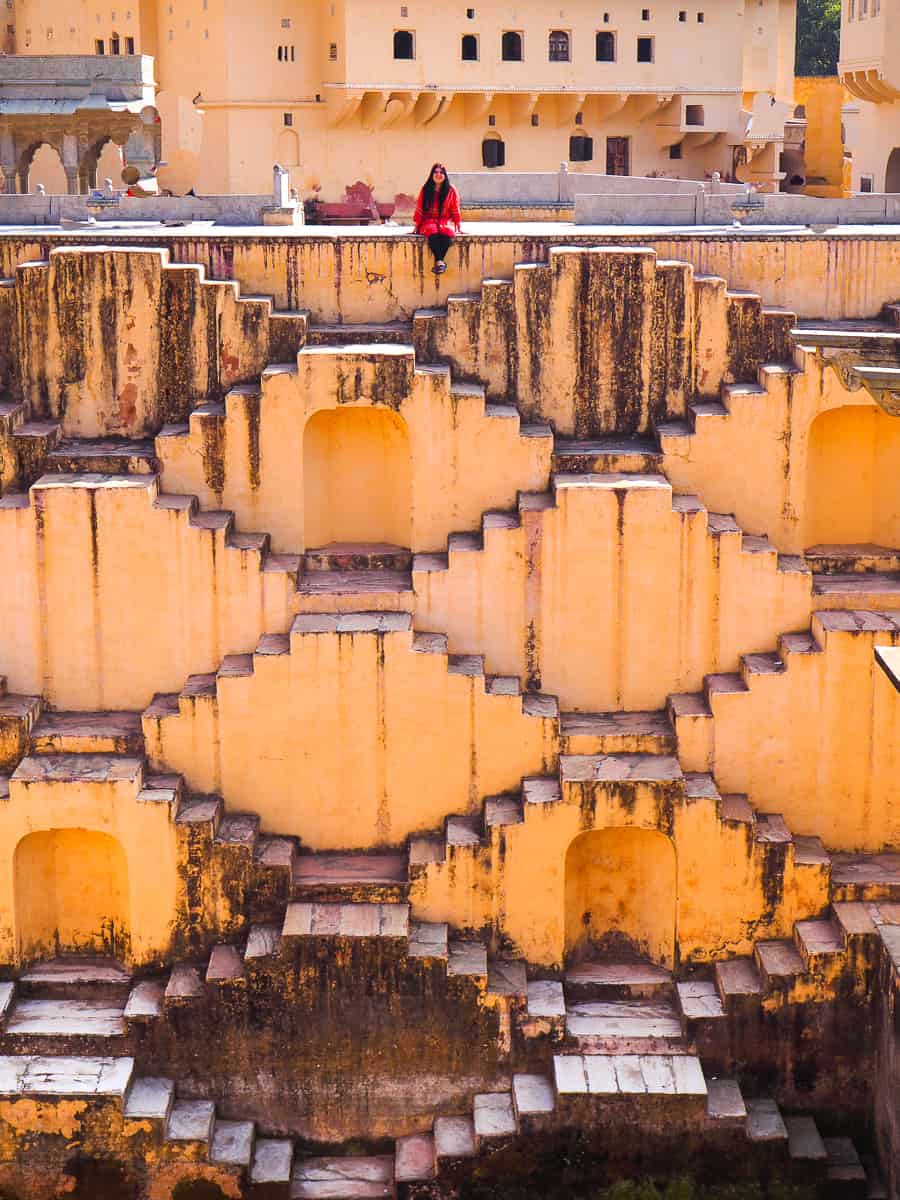
The most iconic shot of Panna Meena ka Kund is taken from the top corners, looking down into the stepwell. This angle captures the full symmetry of the structure and emphasizes the depth of the eight-story descent. Shoot from different corners to see which perspective works best – the changing light throughout the day can dramatically alter the mood of your photos.
Light Conditions
The golden hours – early morning and late afternoon – are ideal for photography at Panna Meena ka Kund. The soft, angled light enhances the textures of the stone and creates dramatic shadows that accentuate the geometric patterns. Midday sun, while harsh, can create interesting high-contrast shots that highlight the stepwell's structural elements. Experiment with different lighting conditions to capture the mood you want.
Symmetry and Composition
Emphasize the inherent symmetry of the stepwell in your compositions. Use the central axis to create perfectly balanced shots. Wide-angle lenses are particularly useful here, as they allow you to capture the full depth and scale of the structure. Don't be afraid to experiment with different aspect ratios – vertical panoramas can effectively convey the impressive verticality of the stepwell.
Technical Considerations
Due to the high contrast between bright sunlight and deep shadows, HDR photography can be very effective at Panna Meena ka Kund. Bracket your exposures to capture details in both the highlights and shadows, then combine them in post-processing. If you're shooting with a smartphone, use the HDR mode to handle the dynamic range. A tripod can be helpful, especially if you want to shoot during low-light conditions or create long-exposure images.
Adding Human Element
While empty architectural shots are beautiful, including people in your photographs can help convey the massive scale of the stepwell. A person descending the stairs or standing at the bottom provides a sense of scale that makes the structure's size more relatable. Just be respectful of other visitors and ask for permission before including them in your shots.
Reflection Shots
If there's water in the stepwell during your visit (which depends on recent rainfall), look for opportunities to capture reflections. The still water at the bottom can create mirror-like reflections of the surrounding architecture, resulting in stunningly symmetrical compositions.
Best Time to Visit Panna Meena ka Kund
Choosing the right time to visit Panna Meena ka Kund can significantly enhance your experience. Here's a seasonal breakdown to help you plan your visit:
| Season | Months | Pros | Cons |
|---|---|---|---|
| Winter | October - March | Pleasant weather, ideal for exploring | Can get crowded during peak tourist season |
| Summer | April - June | Fewer crowds, cooler inside the well | Extremely hot outside, brief visits only |
| Monsoon | July - September | Atmospheric, green surroundings | Steps can be slippery, humid weather |
Winter (October to March)
Winter is undoubtedly the best time to visit Panna Meena ka Kund. The weather is pleasant, with daytime temperatures ranging from 15°C to 25°C, making it comfortable to explore the stepwell thoroughly. This is also the peak tourist season in Jaipur, so while you'll have great weather, you may also encounter more visitors. If you prefer a quieter experience, try to visit early in the morning or late in the afternoon.
Summer (April to June)
Summer in Rajasthan can be scorching, with temperatures often exceeding 40°C. However, this also means fewer tourists, so you might have the stepwell largely to yourself. The interesting paradox of visiting in summer is that while it's unbearably hot outside, the temperature at the bottom of the stepwell remains pleasantly cool. If you visit during these months, plan your visit for early morning or late afternoon, and stay hydrated.
Monsoon (July to September)
The monsoon season brings a different kind of beauty to Panna Meena ka Kund. The surrounding countryside turns lush green, and if there's been recent rainfall, you might even find water at the bottom of the stepwell – a rare sight. However, the humidity can be high, and the wet stone steps can be slippery, requiring extra caution. The dramatic cloud formations and moody atmosphere can make for spectacular photography during this season.
Time of Day
Regardless of the season, the time of day you choose to visit matters. Early morning (around sunrise) offers the softest light and the fewest crowds. Late afternoon provides beautiful golden light that makes the sandstone glow. Midday visits can be challenging due to the harsh sun, but this is also when the contrast between light and shadow is most dramatic.
Weekday vs Weekend
For a more peaceful experience, plan your visit on a weekday. Weekends tend to attract more local tourists, which can result in crowds and longer waiting times for photography. If you must visit on a weekend, try to arrive as early as possible to beat the rush.
How to Reach Panna Meena ka Kund
Getting to Panna Meena ka Kund is relatively straightforward, and it's easily combined with a visit to the famous Amber Fort. Here's everything you need to know about reaching this hidden gem:
Location and Distance
Panna Meena ka Kund is located in the Nahargarh area, near the Amber Fort, approximately 12 kilometers from the center of Jaipur city. Its proximity to Amber Fort makes it an ideal addition to your Jaipur itinerary – you can easily visit both attractions in the same trip.
By Taxi or Auto-Rickshaw
The most convenient way to reach Panna Meena ka Kund is by hiring a taxi or auto-rickshaw from anywhere in Jaipur. The drive from the city center takes about 30-40 minutes, depending on traffic. Taxis can be hired for a half-day or full-day, which allows you to combine your visit with other nearby attractions like Amber Fort, Nahargarh Fort, and Jaigarh Fort.
By Bus
For budget travelers, RSRTC (Rajasthan State Road Transport Corporation) operates buses that connect Jaipur city to the Amber Fort area. You'll need to take a bus to Amber Fort and then walk or take a short auto-rickshaw ride to Panna Meena ka Kund. The bus ride is economical but can be crowded and less comfortable than a taxi.
Combining with Amber Fort Visit
Since Panna Meena ka Kund is so close to Amber Fort, we highly recommend visiting both on the same trip. Amber Fort is one of Jaipur's most famous attractions, and combining it with the stepwell makes for a culturally rich morning or afternoon. You can hire a taxi that will take you to both sites, or if you're feeling adventurous, you can even walk between the two – it's a pleasant walk of about 15-20 minutes.
Parking
If you're driving your own vehicle or have hired a car with a driver, there is limited parking available near Panna Meena ka Kund. The parking area is small and can fill up quickly during peak tourist season, so arriving early is advisable. Alternative parking is available at Amber Fort, from where you can take a short walk or auto-rickshaw ride to the stepwell.
Walking Directions from Amber Fort
If you're visiting Amber Fort first, getting to Panna Meena ka Kund on foot is quite straightforward. Exit the fort complex and ask locals for directions to "Panna Meena ki Baoli" – most people in the area know it by this name. The walk takes you through some interesting local streets and gives you a glimpse of life in the older part of Jaipur. The walk should take no more than 15-20 minutes at a leisurely pace.
Nearby Landmarks
To help with navigation, here are some nearby landmarks:
- Amber Fort: 1.5 kilometers away – the most prominent nearby attraction
- Nahargarh Fort: 4 kilometers away – perched on the hill above
- Jaigarh Fort: 3 kilometers away – home to the world's largest cannon
- Jal Mahal: 6 kilometers away – the water palace en route to the city
Nearby Attractions: Plan Your Jaipur Itinerary
Panna Meena ka Kund is perfectly positioned to be part of a comprehensive Jaipur sightseeing tour. The area around the stepwell is rich with historical and cultural attractions that can easily be visited in a single day. Here's what you can explore nearby:
Amber Fort
Amber Fort, also known as Amer Fort, is the crown jewel of Jaipur's attractions and sits just a short distance from Panna Meena ka Kund. This magnificent fort-palace complex, built in the 16th century, showcases the grandeur of Rajput architecture with its elaborate mirror work, intricate carvings, and stunning blend of Hindu and Mughal styles. The fort's Sheesh Mahal (Mirror Palace) is particularly famous for its thousands of tiny mirrors that create a dazzling effect when lit.
A visit to Amber Fort can easily take 2-3 hours, especially if you explore its various sections including the Diwan-i-Aam, Diwan-i-Khas, and the beautiful gardens. Don't miss the chance to take an elephant ride up the fort's ramparts – a quintessential Jaipur experience. Combining Amber Fort with Panna Meena ka Kund makes for a perfect morning of heritage exploration.
Nahargarh Fort
Perched on the edge of the Aravalli Hills, Nahargarh Fort offers breathtaking panoramic views of Jaipur city. Built in 1734 by Maharaja Sawai Jai Singh II, this fort was part of the defense ring for the city along with Amber Fort and Jaigarh Fort. The fort's name means "abode of tigers," and it offers some of the best sunset views in Jaipur.
Nahargarh Fort has a more relaxed atmosphere compared to Amber Fort and is particularly popular among couples and photographers. The fort's Madhavendra Bhawan palace, with its unique suite of rooms for the king's twelve queens, is fascinating to explore. The fort is especially beautiful at night when it's illuminated, and it's a popular spot for evening outings.
Jaigarh Fort
Home to the world's largest cannon on wheels – the Jaivana – Jaigarh Fort is a military structure that offers insights into the defense systems of medieval Rajasthan. Unlike the more palace-like Amber Fort, Jaigarh is rugged and imposing, with its thick walls and strategic positioning. The fort's foundry, armory, and museum provide fascinating glimpses into the military technology of the past.
Walking from Jaigarh to Amber Fort is possible via a connecting path that offers spectacular views of the surrounding hills and Maota Lake below. The cannon foundry and the extensive water reservoirs within the fort complex are particularly interesting to see.
Jal Mahal
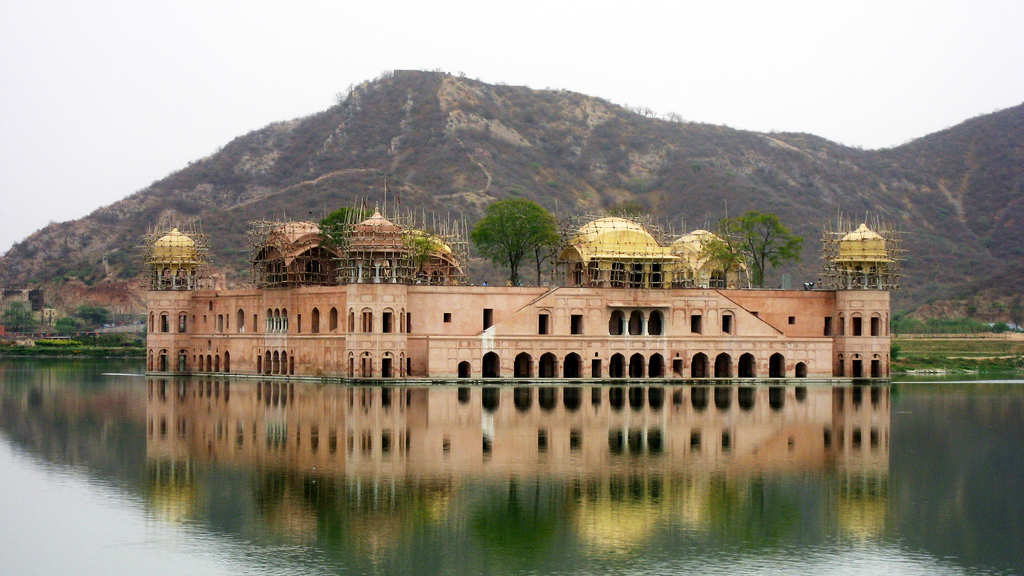
Located in the middle of Man Sagar Lake, Jal Mahal (Water Palace) is one of Jaipur's most photographed monuments. While you cannot enter the palace itself (it's undergoing restoration), viewing it from the lakeshore is a beautiful experience, especially at sunset when the palace glows against the darkening sky. The lake is also a birdwatcher's paradise, particularly during winter when migratory birds arrive.
City Palace
Located in the heart of Jaipur, the City Palace is a sprawling complex that houses museums, courtyards, and gardens. Still the residence of the Jaipur royal family, part of the palace has been converted into a museum displaying royal costumes, manuscripts, and weapons. The architecture is a beautiful blend of Rajput and Mughal styles, and the peacock gate is a photographer's delight.
Hawa Mahal
The iconic Palace of Winds, with its 953 intricately carved windows (jharokhas), is one of Jaipur's most recognizable landmarks. Built to allow royal ladies to observe street festivals and everyday life without being seen, this five-story structure is shaped like a crown of Lord Krishna. Early morning is the best time to visit when the light is soft and the street is less crowded.
Suggested Itinerary
Here's how you can combine Panna Meena ka Kund with other attractions in a full day of sightseeing:
Morning (8:00 AM - 12:00 PM): Start early at Amber Fort when it opens. Explore the fort complex thoroughly, taking in the Sheesh Mahal, the various courtyards, and the elephant stables. Around 10:30 AM, make your way to Panna Meena ka Kund (you can walk or take a quick auto-rickshaw ride). Spend an hour at the stepwell, photographing and exploring its geometric marvels.
Midday (12:00 PM - 2:00 PM): Break for lunch at one of the restaurants near Amber Fort or head back toward the city. You'll find several rooftop restaurants offering views of the forts.
Afternoon (2:00 PM - 6:00 PM): Visit Jaigarh Fort in the afternoon to see the Jaivana cannon and explore the military structures. From there, proceed to Nahargarh Fort for sunset – the views from here are spectacular as the city lights begin to twinkle below.
This itinerary covers the major attractions in the Amber area while giving you plenty of time to appreciate each site. If you have additional days in Jaipur, you can explore more attractions in the city, including the City Palace, the pink-hued Hawa Mahal, the astronomical instruments at Jantar Mantar, and the vibrant bazaars.
Panna Meena ka Kund may be lesser-known compared to Jaipur's grand forts and palaces, but it offers a unique perspective on the region's architectural heritage. Its geometric perfection, historical significance, and the tranquility that pervades its depths make it a must-visit for anyone interested in experiencing the hidden gems of Rajasthan. So the next time you're in Jaipur, take a detour from the usual tourist trail and step into the mesmerizing world of Panna Meena ka Kund – you won't be disappointed.
Location
Frequently Asked Questions
Q1.Where is Panna Meena ka Kund located in Jaipur?
Q2.What is the history of Panna Meena ka Kund?
Q3.Why was Panna Meena ka Kund built?
Q4.What are the timings of Panna Meena ka Kund?
Q5.Is there an entry fee for Panna Meena ka Kund?
Q6.How much time is needed to visit Panna Meena ka Kund?
Q7.Can we enter the stepwell and descend the steps?
Q8.Is Panna Meena ka Kund good for photography?
Q9.What is the best time to visit for photos?
Recommended For You
Things to Do in Rajasthan: Desert, Heritage & Cultural Experiences
Discover 50 amazing things to do in Rajasthan - explore forts, palaces, deserts, culture & cuisine. Complete guide with timings, fees & tips for 2026.
Best Places to Visit in Jaipur: Forts, Bazaars & Royal Landmarks
Discover the best places to visit in Jaipur with forts, palaces, markets, timings strategy, transport tips, and practical 2-3 day itinerary planning.
Jal Mahal Jaipur: Best Viewpoints, Timings & Photo Spots
Visit Jal Mahal (Water Palace) in Jaipur. Discover best viewpoints, history, architecture, night view, and how to reach. Complete travel guide.
Never Miss an Adventure
Get the latest trekking guides, travel tips, and exclusive offers delivered straight to your inbox.
