
Jal Mahal Jaipur: Best Viewpoints, Timings & Photo Spots

Rohit Verma
November 21, 2025
Visit Jal Mahal (Water Palace) in Jaipur. Discover best viewpoints, history, architecture, night view, and how to reach. Complete travel guide.
Jal Mahal Jaipur: Practical Guide to the Water Palace
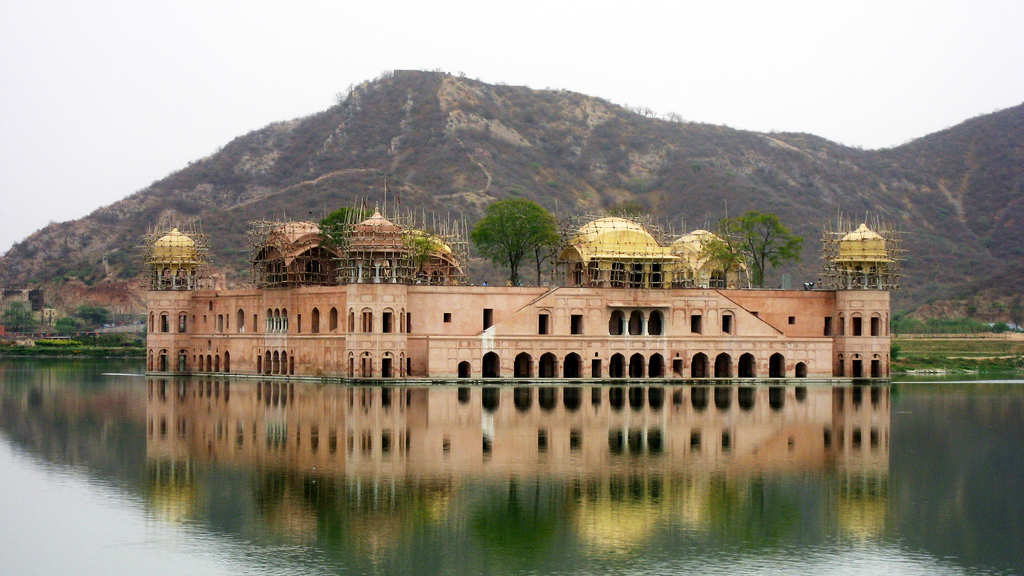
Jal Mahal is one of Jaipur’s most photographed landmarks, but many travelers visit without understanding what they are seeing. The palace sits in the center of Man Sagar Lake and appears to float, especially during calm evenings when reflections are clear. Unlike palace complexes where visitors enter large interiors, Jal Mahal is experienced mainly from the lakeside promenade. That makes planning and expectations important.
If you are building a Jaipur day plan, treat Jal Mahal as a viewpoint-and-atmosphere stop between larger heritage sites. It works especially well after amber fort jaipur because both locations are on compatible routes. Jal Mahal gives visual relief after fort walking: open sky, still water, and a slower pace. It is short in duration but high in impact when timed correctly.

History in Brief: From Royal Retreat to Iconic Landmark
Jal Mahal is generally associated with the Kachhwaha rulers of Jaipur and was developed as a pleasure retreat around Man Sagar Lake. Historic references describe its role in royal leisure, seasonal stays, and lake-centered activities. Over time, changing urban pressures and lake degradation affected the site’s condition, but restoration and conservation efforts helped revive the surrounding environment and improve visitor experience from the promenade.
The palace is an important reminder that Jaipur heritage is not limited to hill forts and city palaces. Water architecture also played a role in royal planning, aesthetics, and climate response. Studying Jal Mahal with that lens gives richer insight than a quick social-media photo stop.
Architecture: Why the Palace Looks Submerged
A widely shared fact about Jal Mahal is that the structure has multiple levels, while only the upper section remains prominently visible when lake levels are high. This creates the dramatic “floating palace” effect. The visible superstructure includes chhatris, terraces, and balanced symmetry typical of Rajput aesthetics with Mughal influence.
The building materials and design logic were selected for a challenging moisture-heavy environment. Though public access is restricted, visual details from shore and boat perspectives reveal how proportion, roofline, and water framing were used deliberately to produce serenity and grandeur at once.
For travelers comparing Jaipur’s military and leisure heritage in one itinerary, read jaivana cannon to connect the city’s defensive legacy with its refined landscape architecture.
Can You Go Inside Jal Mahal?
Most visitors cannot enter the palace interior in standard tourist flow. This is the key point that prevents disappointment. The regular experience is from the banks of Man Sagar Lake and nearby viewpoints. On select occasions or under controlled access programs, special entry formats may happen, but those are not routine public walk-ins.
So plan Jal Mahal as an exterior heritage experience. Spend time observing light shifts, bird activity, and skyline alignment rather than expecting interior rooms and galleries. This expectation reset improves satisfaction immediately.

Best Things to Do at Jal Mahal
1. Sunset Viewing
Late afternoon to sunset is the strongest time window. The palace façade, Aravalli backdrop, and water reflections become visually richer as daylight softens.
2. Photography Walk
Take wide compositions first, then medium shots with foreground activity like birds or promenade railings. Avoid overexposure in bright midday hours.
3. Birdwatching in Season
Man Sagar Lake attracts birdlife, especially in cooler months. Carry binoculars if this interests you and keep distance from nesting zones.
4. Jaipur Route Integration
Use Jal Mahal as a calm pause between high-intensity attractions and market circuits.
Timings, Entry, and Cost Expectations
| Visitor Detail | What to Know |
|---|---|
| Promenade Access | Generally available through most of the day |
| Palace Interior | Not open for standard unrestricted public entry |
| Entry Fee | No typical separate fee for promenade viewing |
| Best Visit Slot | Late afternoon to early evening |
| Recommended Duration | 45-90 minutes |
Timings and movement controls can change during special events or administrative updates. Confirm locally if you are planning a tightly scheduled itinerary.
How to Reach Jal Mahal
Jal Mahal is on Amer Road and is easy to access by cab, auto, or app-based taxis from most Jaipur neighborhoods. If you are already visiting Amer and Jaigarh, adding Jal Mahal requires minimal detour. Parking can get congested in peak evening slots, so buffer extra time on weekends and holidays.
You can pair this with nahargarh fort jaipur for a complete Jaipur skyline day: ridge views, fort history, and lakeside calm in one route.
Best Season to Visit Jal Mahal Jaipur
October to March offers the most comfortable weather for promenade walks. Winter evenings are popular, so arrive slightly early to secure better viewpoints. Summer visits are possible but harsh in afternoon heat; choose sunrise or late-evening windows. Monsoon can create dramatic skies and fuller lake visuals, though movement may slow during rain.
If you want cleaner photos with fewer people, target weekday evenings outside long weekends. This one scheduling change improves both shot quality and overall experience.

Suggested Jaipur Itinerary with Jal Mahal
- Morning: Amer Fort and optional fort-side viewpoints.
- Midday: Transition to city lunch and short rest.
- Late Afternoon: Jal Mahal promenade, photography, birdwatching.
- Evening: Market walk at bapu bazar jaipur for shopping and street food.
This flow balances physical effort and keeps travel fatigue lower than back-to-back fort climbs.
Common Mistakes to Avoid
- Expecting unrestricted palace interior entry without checking current rules.
- Visiting only at noon and concluding the site is overrated.
- Skipping time buffer for evening traffic on Amer Road.
- Ignoring weather and lake-side wind shifts in winter evenings.
- Treating Jal Mahal as a stand-alone destination instead of integrating it into a route.
Why Jal Mahal Is Worth Visiting
Jal Mahal proves that heritage value is not only about large interiors or long museum circuits. Its power comes from placement, proportion, and atmosphere. It is one of Jaipur’s best examples of how architecture and landscape can create a memorable public experience with minimal movement and low fatigue.
When visited at the right hour and combined with nearby attractions, Jal Mahal becomes a high-return stop that improves the entire Jaipur itinerary. Keep expectations realistic, focus on visual experience, and use it as a deliberate pause in your day. That approach gives much better results than rushed, checklist-style travel.
Jal Mahal at Night: What Changes After Sunset
Evening lighting transforms the palace silhouette and makes reflections more dramatic. The atmosphere is calmer than daytime, and the lake edge often feels breezier. If you enjoy low-light photography, use stable hand support or tripod settings allowed in public zones and avoid blocking the walkway. Night-time visits are short but highly rewarding when weather is clear.
Families with children usually prefer this slot because walking demand is low and the visual payoff is immediate. Keep a light layer in winter, as lake winds can feel colder than city-center conditions. Also plan return transport in advance during festival weekends.
Street Experience Near the Promenade
The Jal Mahal stretch often has local snack points and mobile vendors depending on season and municipal controls. Choose cleaner, high-turnover stalls and keep hydration simple before moving to dinner. If you want a planned food-and-heritage evening, continue onward to old city zones after your promenade stop.
Travelers looking for a classic Jaipur architecture continuation can add hawa mahal jaipur in a separate morning slot. This gives you two very different but complementary visual experiences: a lake-framed palace and a street-facing facade masterpiece.
Location
Frequently Asked Questions
Q1.Can tourists go inside Jal Mahal?
Q2.Is boating allowed in Jal Mahal?
Q3.What is the best time to visit Jal Mahal?
Q4.How many floors does Jal Mahal have?
Q5.Is there an entry fee for Jal Mahal?
Q6.Where is Jal Mahal located?
Q7.Why is Jal Mahal called the Water Palace?
Q8.What is the history of Jal Mahal?
Recommended For You
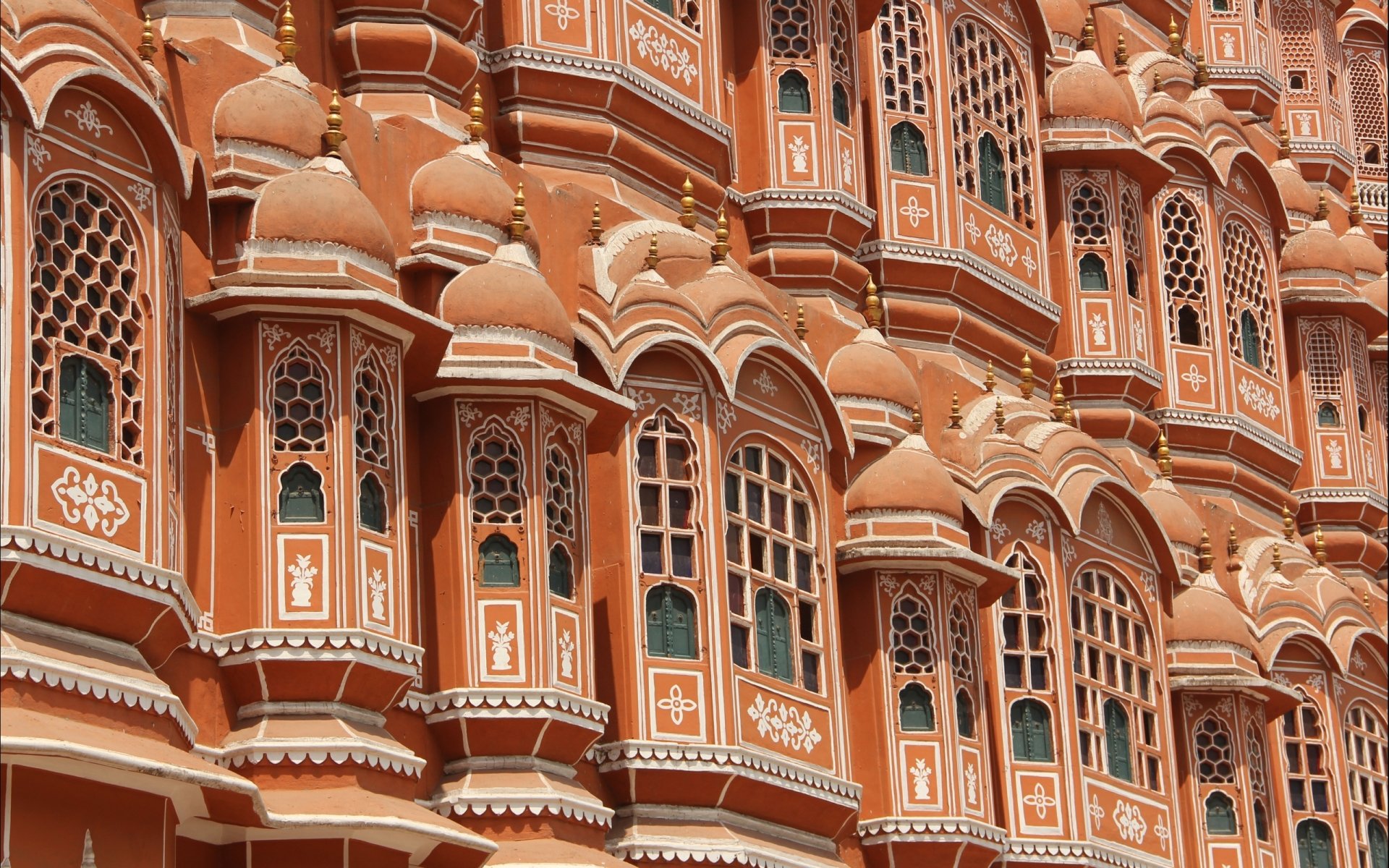
Hawa Mahal Jaipur: Complete Guide to Palace of Winds
Discover Hawa Mahal, Jaipur's iconic Palace of Winds with 953 windows. Explore its history, unique architecture inspired by Lord Krishna's crown, and practical visitor information.
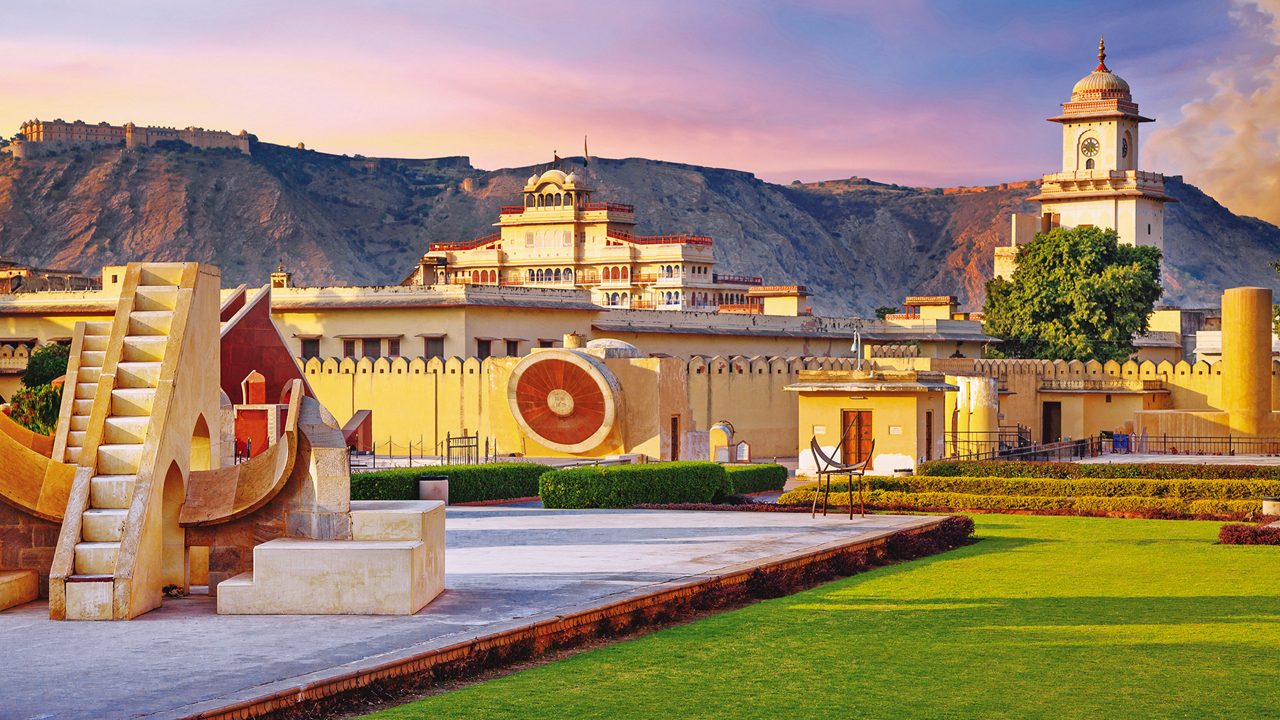
Jantar Mantar Jaipur: Timings, Tickets & Observatory Highlights
Explore Jantar Mantar Jaipur - the world's largest stone astronomical observatory. Get timings, entry fee, instruments guide & UNESCO heritage details.
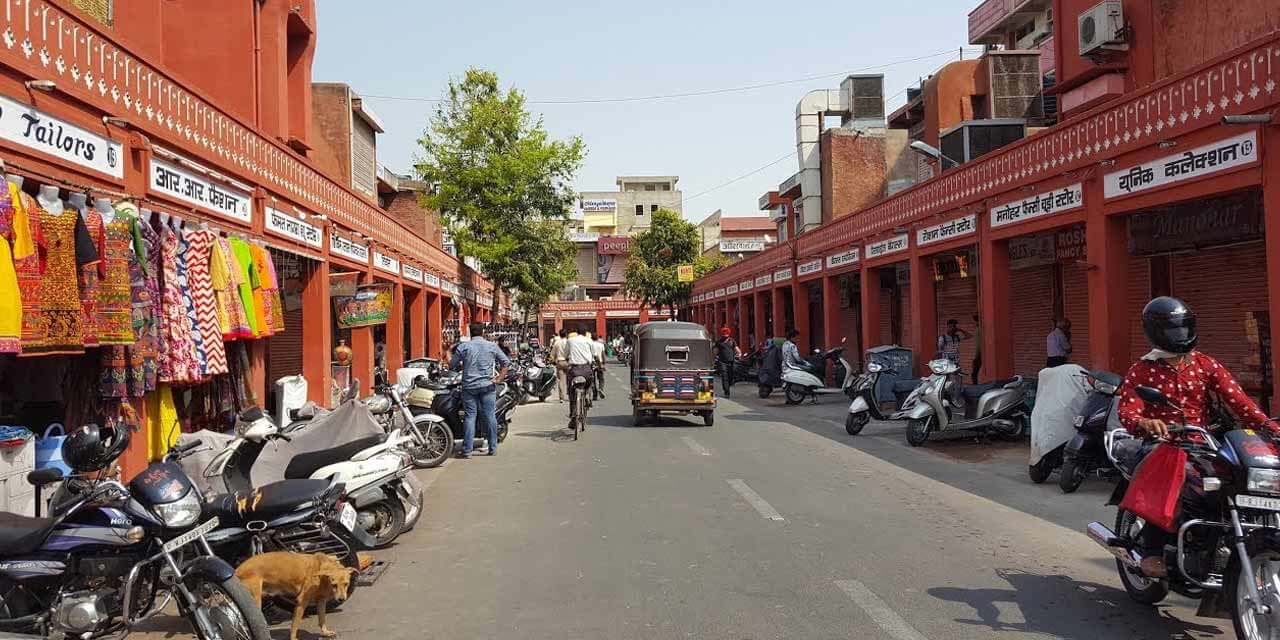
Bapu Bazar Jaipur: Shopping Guide, Timings and Tips
Plan your Bapu Bazar Jaipur visit with what-to-buy priorities, timings, bargaining strategy, and practical route tips for smarter Pink City shopping.
Never Miss an Adventure
Get the latest trekking guides, travel tips, and exclusive offers delivered straight to your inbox.
