
50 Amazing Facts About Rajasthan India

Ananya Sharma
January 17, 2026
Discover 50 fascinating facts about Rajasthan: history, culture, forts, palaces & geography. Unknown stories about India's royal state.
Introduction: The Land of Kings
Rajasthan, the largest state in India, stands as a magnificent testament to India's royal heritage and cultural grandeur. Known as the "Land of Kings," Rajasthan spans an impressive 342,239 square kilometers, encompassing vast deserts, majestic forts, opulent palaces, and vibrant traditions that have flourished for centuries. This northwestern state, with its golden sands and colorful festivals, offers a window into the valorous past of Rajput warriors and the sophisticated lifestyles of Maharajas.
What makes Rajasthan truly fascinating is its unique blend of history, culture, and geography. From the ancient Aravalli mountains to the golden Thar Desert, from the intricately carved temples of Dilwara to the living fort of Jaisalmer, every corner of Rajasthan tells a story. The state's diverse attractions include UNESCO World Heritage Sites, thriving wildlife sanctuaries, culinary delights like dal baati churma, and warm hospitality embodied in the phrase "Padharo Mhare Desh." Let's explore 50 amazing facts about this incredible state.
Historical Facts
Formerly Known as Rajputana
Rajasthan wasn't always called by its current name. Before independence, the region was known as "Rajputana," meaning "Land of the Rajputs." The Rajputs were a martial clan known for their bravery, chivalry, and fierce loyalty. They ruled over numerous kingdoms in the region for over 1000 years, establishing a legacy of valor that continues to inspire. The name "Rajasthan" was adopted after independence when these princely states merged to form the modern state we know today.
Home to the Oldest Mountain Range
The Aravalli Range, running through Rajasthan from northeast to southwest, is the oldest fold mountain range in India and one of the oldest in the world. Dating back approximately 350 million years, these ancient mountains are older than the Himalayas! The range stretches for about 692 kilometers and plays a crucial role in regulating the state's climate. It's also home to diverse flora and fauna, several wildlife sanctuaries, and some of Rajasthan's most important historical sites, including Mount Abu, the state's only hill station.
Over 1000 Years of Rajput Rule
The Rajput dynasty ruled Rajasthan for more than 1000 years, establishing numerous kingdoms across the region. The Rajputs were known for their code of honor, martial prowess, and patronage of arts and architecture. They built magnificent forts, palaces, and temples that still stand today as monuments to their glory. Famous Rajput clans include the Rathores of Marwar (Jodhpur), the Sisodias of Mewar (Udaipur), and the Kachwahas of Amber (Jaipur). Their legacy lives on in Rajasthan's rich cultural traditions and architectural marvels.
Never Unified Under One Ruler
Unlike many other regions of India, Rajasthan was never unified under a single ruler during ancient or medieval times. The region consisted of numerous independent kingdoms and princely states, each with its own ruler, culture, and traditions. This fragmentation created a rich diversity in Rajasthani culture, with each kingdom developing its own unique styles of architecture, art, music, and cuisine. It was only after independence in 1949 that these princely states were merged to form the unified state of Rajasthan.
Jaipur: India's First Planned City
Jaipur, the capital of Rajasthan, holds the distinction of being India's first planned city. Founded in 1727 by Maharaja Sawai Jai Singh II, the city was meticulously designed by the Bengali architect Vidyadhar Bhattacharya. The city's layout followed the principles of Vastu Shastra and Shilpa Shastra, with nine rectangular sectors representing the nine planets. The streets were laid out in a grid pattern, and the city was divided into nine blocks, each surrounded by high walls. This careful planning earned Jaipur the nickname "Pink City" due to the distinctive color of its buildings.
Founded in 1949
The modern state of Rajasthan was founded on March 30, 1949, shortly after India gained independence. It was formed through the merger of 22 princely states and chiefdoms. This was the largest merger of princely states in independent India. The process of unification was complex, as each princely state had its own ruler, administration, and identity. Over time, more regions were added, and Rajasthan achieved its current form in 1958 when the Ajmer state was merged with it. Today, Rajasthan is divided into 50 districts.
22 Princely States Merged
Rajasthan was created by merging 22 princely states, including prominent ones like Jaipur, Jodhpur, Udaipur, Bikaner, Jaisalmer, and Kota. The merger process was handled skillfully by the Indian government through a combination of diplomacy and the Instruments of Accession. Each princely state had its own ruler, many of whom continued to hold symbolic titles even after the merger. The diversity of these states contributed to Rajasthan's rich cultural tapestry, with each region retaining its unique traditions, dialects, and artistic styles.
Padharo Mhare Desh: State Slogan
"Padharo Mhare Desh" is the official state slogan of Rajasthan, which translates to "Welcome to my land" in English. This phrase embodies the legendary hospitality of Rajasthani people and reflects the state's warm, welcoming nature. The slogan was adopted to promote tourism and showcase Rajasthan's culture to the world. When you visit Rajasthan, you'll experience this hospitality firsthand through the warm greetings, generous servings of food, and genuine care extended to guests. This tradition of hospitality is deeply rooted in Rajput culture, where guests were treated like gods.
Home to the World's Oldest Cannon
Jaipur's Jaigarh Fort houses the world's oldest cannon still in existence, known as "Jaivana." Weighing a massive 50 tons and measuring 6.15 meters in length, this cannon was cast in 1720 during the reign of Maharaja Sawai Jai Singh II. Despite its massive size, it has been fired only once, and that single shot is said to have traveled a distance of 35 kilometers! The cannon is a marvel of metallurgical engineering and demonstrates the advanced technical skills of Rajasthan's craftsmen. Today, Jaivana stands as one of Jaipur's most popular attractions.
Mehrangarh Fort: Never Conquered
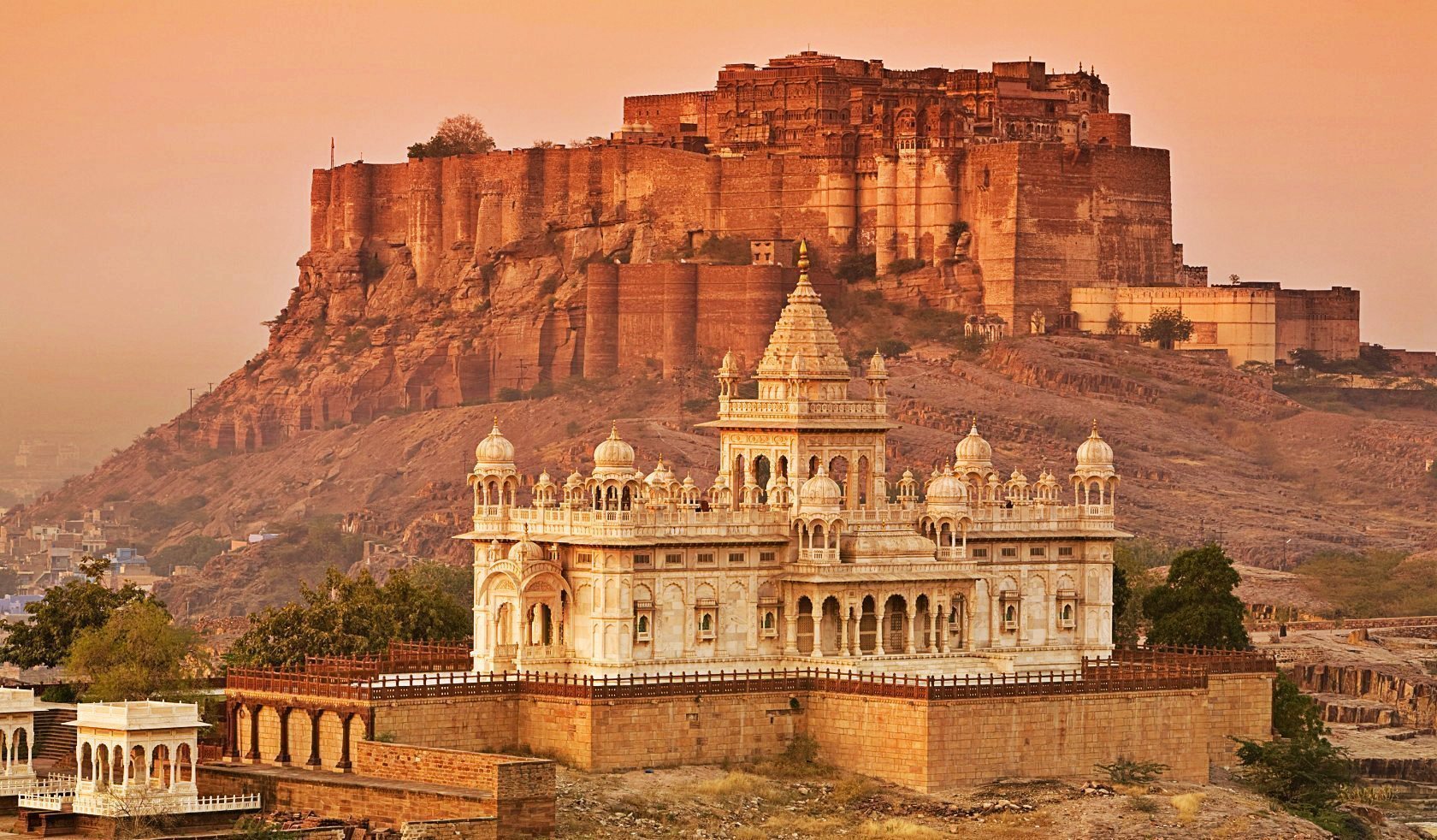
Mehrangarh Fort in Jodhpur is one of the largest forts in India and has the distinction of never being conquered in battle. Built around 1459 by Rao Jodha, the fort stands 400 feet above the city and is surrounded by thick walls that are up to 36 meters high and 21 meters wide. The fort has witnessed many battles but has always stood firm. According to legend, to build this invincible fort, Rao Jodha displaced a hermit called Cheeria Nathji, who cursed the fort with water scarcity. Today, the fort houses a museum showcasing royal artifacts and offers breathtaking views of the blue city of Jodhpur.
Jaisalmer Fort: The Living Fort
Unlike most forts in India that stand abandoned, Jaisalmer Fort is a "living fort" with thousands of people still residing within its walls. Built in 1156 by Rawal Jaisal, this golden sandstone fort rises from the Thar Desert like a mirage. It houses hotels, shops, temples, and homes, with about 3,000-4,000 people living inside. The fort is a UNESCO World Heritage Site and features beautiful Jain temples, elaborate havelis (mansions), and intricate carvings. Walking through its narrow lanes feels like stepping back in time, making it one of Rajasthan's most unique attractions.
Chittorgarh: Where 7,00,000 Warriors Died
Chittorgarh Fort, the largest fort in India by area, witnessed one of the most tragic events in Rajput history. In 1568, during the siege by Mughal Emperor Akbar's army, the fort's ruler Maharana Udai Singh II decided to abandon it. Before leaving, around 7,00,000 people, including warriors, women, and children, performed jauhar - a mass self-immolation ritual to avoid capture and dishonor. This sacrifice exemplifies the Rajput code of honor and valor. The fort, spread over 700 acres, stands as a monument to their courage and is home to several beautiful palaces and temples.
Kumbhalgarh Fort's 36 km Long Wall
Kumbhalgarh Fort is famous for its massive wall, which stretches 36 kilometers and is the second-longest continuous wall in the world after the Great Wall of China. Built in the 15th century by Rana Kumbha, this formidable wall is wide enough for eight horses to ride abreast. The fort contains over 360 temples, 300 of which are ancient Jain temples. Located at an elevation of 1,100 meters in the Aravalli Range, the fort offers stunning panoramic views of the surrounding landscape. It was designed to be almost impregnable and played a crucial role in defending the Mewar kingdom.
Prithviraj Chauhan: The Last Hindu King
Prithviraj Chauhan, who ruled from 1178 to 1192 AD, was the last Hindu king to rule over Delhi and parts of Rajasthan. He is remembered for his bravery and military prowess, particularly his victories in the Battles of Tarain. However, he was defeated by Muhammad Ghori in the Second Battle of Tarain in 1192, marking the beginning of Muslim rule in northern India. Prithviraj Chauhan's life and deeds are celebrated in the epic poem "Prithviraj Raso" and numerous folk songs and legends across Rajasthan. His legacy continues to inspire Rajasthani culture.
Rajasthan's Role in Freedom Struggle
Rajasthan played a significant role in India's freedom struggle. Despite being under princely rule where political activities were restricted, the state witnessed several important movements. Prominent freedom fighters like Sir Kisan Singh, Gokul Bhai Bhatt, and Harivijay Suri emerged from Rajasthan. The Praja Mandal movement fought for democratic rights and integration with independent India. After independence, Rajasthan's princely states played a crucial role in the integration of India by acceding to the Union. The state's contribution to the freedom movement is commemorated through various monuments and museums across the region.
Cultural Facts
Ghoomar Dance: UNESCO Heritage
Ghoomar, a traditional Rajasthani folk dance, has been inscribed on UNESCO's Representative List of the Intangible Cultural Heritage of Humanity. This graceful dance, performed by women wearing swirling ghagras (long skirts), involves pirouetting movements that create a mesmerizing visual effect. Originating from the Bhil tribe, Ghoomar was traditionally performed during celebrations, festivals, and weddings. The dance is accompanied by folk songs and traditional instruments like the dhol, tabla, and sarangi. Its recognition by UNESCO has helped preserve this beautiful art form and bring international attention to Rajasthan's rich cultural heritage.
Kalbeliya: The Snake Charmer Dance
Kalbeliya is another UNESCO-listed Rajasthani folk dance performed by the Kalbeliya tribe, traditionally associated with snake charming. The dance mimics the movements of snakes, with dancers wearing traditional black costumes adorned with silver jewelry and colorful thread work. The performance is accompanied by traditional instruments like the pungi (wind instrument) and the dholak. The Kalbeliya dance is not just an art form but a way of life for this nomadic tribe, whose music and dance have been passed down through generations. Today, it's one of the most popular folk dances of Rajasthan, performed at cultural events worldwide.
Traditional Attire: Ghagra Choli
The traditional dress of Rajasthani women is the Ghagra Choli, a colorful ensemble consisting of a long skirt (ghagra), a blouse (choli), and a dupatta (long scarf). The ghagra is heavily embroidered with mirror work, thread work, and bandhani (tie-dye) patterns, making it visually stunning. The colors are vibrant - red, yellow, green, and orange being favorites. This attire is not just clothing but a reflection of Rajasthan's rich textile traditions and artistic craftsmanship. Men traditionally wear dhotis, kurtas, and colorful turbans (pagdis). These traditional clothes are still worn during festivals, weddings, and special occasions, keeping the cultural heritage alive.
Pagdi (Turban): Symbol of Identity
The Rajasthani turban, known as "pagdi" or "safa," is much more than headwear - it's a symbol of honor, caste, region, and status. There are over 1,000 different styles of tying turbans in Rajasthan, each with its own significance. The color of the turban also has meaning: saffron for valor, white for peace, and red for newly married men. Tying a turban requires skill and practice, and it's an art passed down through generations. Different regions have distinctive turban styles - Jodhpuris wear the Jodhpuri pagdi, Jaipuris wear the Jaipuri safa, and Bikaneris wear the Bikaneri pagdi. The turban is a proud part of Rajasthani identity.
Five Main Rajasthani Dialects
Rajasthan is home to five main dialects of the Rajasthani language: Marwari, Mewari, Dhundhari, Shekhawati, and Harauti. Marwari, spoken in the Jodhpur region, is the most widely known and has given its name to the Marwari community of traders and businessmen. Mewari is spoken in Udaipur region, Dhundhari in Jaipur region, Shekhawati in the Shekhawati belt, and Harauti in the Kota region. Each dialect has its unique vocabulary, accent, and literary tradition. While Hindi is widely understood, these dialects are deeply tied to regional identities and are preserved through folk songs, literature, and everyday conversations.
Puppetry: A 3000-Year-Old Art
Rajasthan is famous for its traditional puppetry, known as "Kathputli," which dates back over 3,000 years. The word "Kathputli" combines "kath" (wood) and "putli" (doll), referring to the wooden puppets used in the shows. These colorful puppets, dressed in traditional Rajasthani attire, are manipulated by strings to tell stories from mythology, folklore, and history. Puppetry has traditionally been performed by the Bhat community, who travel from village to village entertaining audiences. The art form is not just entertainment but a means of preserving and passing down stories and cultural values. UNESCO has recognized this traditional art form as part of India's intangible cultural heritage.
Bandhani: The Tie-Dye Technique
Bandhani, also known as "Bandhej," is an ancient tie-dye textile art form that originated in Rajasthan over 5,000 years ago. The technique involves tying small portions of fabric with thread before dyeing, creating intricate patterns when the ties are removed. Different regions in Rajasthan have their unique Bandhani styles - Jaipur, Jodhpur, Sikar, and Udaipur are famous for their distinctive designs and color combinations. The fabric is usually cotton or silk, and the process is entirely hand-done. Bandhani sarees, dupattas, and turbans are popular traditional wear, and the art form has gained international recognition for its beauty and craftsmanship.
Handicrafts Exported Globally
Rajasthan is a hub of traditional handicrafts that are exported to countries worldwide. The state is renowned for its leather footwear (Jodhpuri mojari), pottery, blue pottery from Jaipur, metalwork, jewelry, textiles, and wooden handicrafts. Artisans use techniques passed down through generations to create exquisite items that blend traditional designs with contemporary appeal. Places like Jaipur, Jodhpur, Udaipur, and Bikaner are major handicraft centers. These crafts provide livelihood to millions of artisans and contribute significantly to the state's economy. Rajasthan's handicrafts are sought after for their quality, uniqueness, and cultural significance.
Desert Festival: Jaisalmer's Signature Event
The Desert Festival of Jaisalmer, held annually in February, is one of Rajasthan's most vibrant cultural events. This three-day festival celebrates the rich cultural heritage of the Thar Desert with performances of folk music and dance, camel races, turban tying competitions, and the famous Mr. Desert contest. The festival takes place against the backdrop of the golden Jaisalmer Fort and the Sam Sand Dunes, creating a magical atmosphere. Other highlights include puppet shows, camel polo, and traditional Rajasthani cuisine. The Desert Festival attracts tourists from around the world who come to experience Rajasthan's desert culture at its colorful best.
Teej Festival: Monsoon Celebration
Teej is a major festival celebrated with great enthusiasm across Rajasthan, especially in Jaipur. This monsoon festival honors the union of Lord Shiva and Goddess Parvati and is dedicated to married women and young girls. Women dress in colorful leheriya (tie-dye) sarees, apply elaborate mehendi (henna) designs, and sing traditional songs while swinging on decorated swings. In Jaipur, a grand procession featuring an idol of Goddess Teej is taken through the streets, accompanied by palanquins, folk dancers, and musicians. The festival marks the arrival of the monsoon season and celebrates marital bliss, love, and the rejuvenation of nature.
| Rajasthani Dance Form | Origin | Significance |
|---|---|---|
| Ghoomar | Bhil Tribe | UNESCO Intangible Cultural Heritage |
| Kalbeliya | Kalbeliya Tribe | Snake charmer dance, UNESCO listed |
| Bhavai | Jodhpur Region | Performed with balancing pots |
| Kachhi Ghodi | Shekhawati Region | Performed with dummy horses |
Architectural Facts
Hawa Mahal: 953 Windows
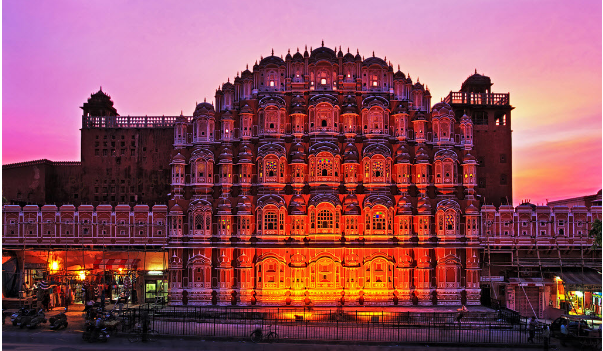
Hawa Mahal, or the "Palace of Winds," is one of Jaipur's most iconic landmarks. Built in 1799 by Maharaja Sawai Pratap Singh, this five-story pink sandstone structure features 953 small windows, known as "jharokhas," each with intricate latticework. The design allowed royal women to observe street festivals and everyday life without being seen, as they had to follow the purdah system. The honeycomb design of the windows also creates a cooling effect, allowing natural ventilation throughout the building. Standing 50 feet high, Hawa Mahal is shaped like a crown and represents the fusion of Rajput and Mughal architectural styles. It's a must-visit when exploring Jaipur's attractions.
City Palace Udaipur: Largest Palace Complex
The City Palace in Udaipur is one of the largest palace complexes in Rajasthan, spanning over 5 acres. Built over 400 years, starting in 1559 by Maharana Udai Singh II, the palace is a stunning blend of Rajasthani and Mughal architectural styles. The complex includes several palaces like the Manak Mahal, Moti Mahal, and Sheesh Mahal, each with its own unique features. The palace offers breathtaking views of Lake Pichola and is still partially occupied by the royal family of Mewar. The City Palace Museum houses a remarkable collection of royal artifacts, including paintings, armor, and crystal furniture. It's a testament to the grandeur of the Mewar dynasty.
Umaid Bhawan: Private Residence
Umaid Bhawan Palace in Jodhpur is one of the world's largest private residences, covering 26 acres. Built between 1929 and 1943, this sandstone palace was commissioned by Maharaja Umaid Singh to provide employment during a famine. What makes Umaid Bhawan unique is that it's still partially inhabited by the Jodhpur royal family, while another part serves as a luxury hotel and a third houses a museum. The palace features Art Deco architecture blended with traditional Rajasthani elements and has 347 rooms. Named "Chittar Palace" during construction for the stones used from Chittar Hill, it's one of the few palaces in India that continues to be a residence for the royal family.
Jantar Mantar: 19 Astronomical Instruments
The Jantar Mantar in Jaipur is an astronomical observatory built in 1734 by Maharaja Sawai Jai Singh II. It houses 19 architectural astronomical instruments, each designed to measure time, predict eclipses, track stars, and determine celestial altitudes with remarkable accuracy. The largest instrument, the "Samrat Yantra," is a giant sundial standing 27 meters tall and can tell time with an accuracy of up to 2 seconds. Another fascinating instrument is the "Jai Prakash," which allows observers to track the movement of stars. Declared a UNESCO World Heritage Site in 2010, Jantar Mantar demonstrates the advanced scientific knowledge of 18th-century India and is the largest of its kind in the country.
Chand Baori: 13-Story Stepwell
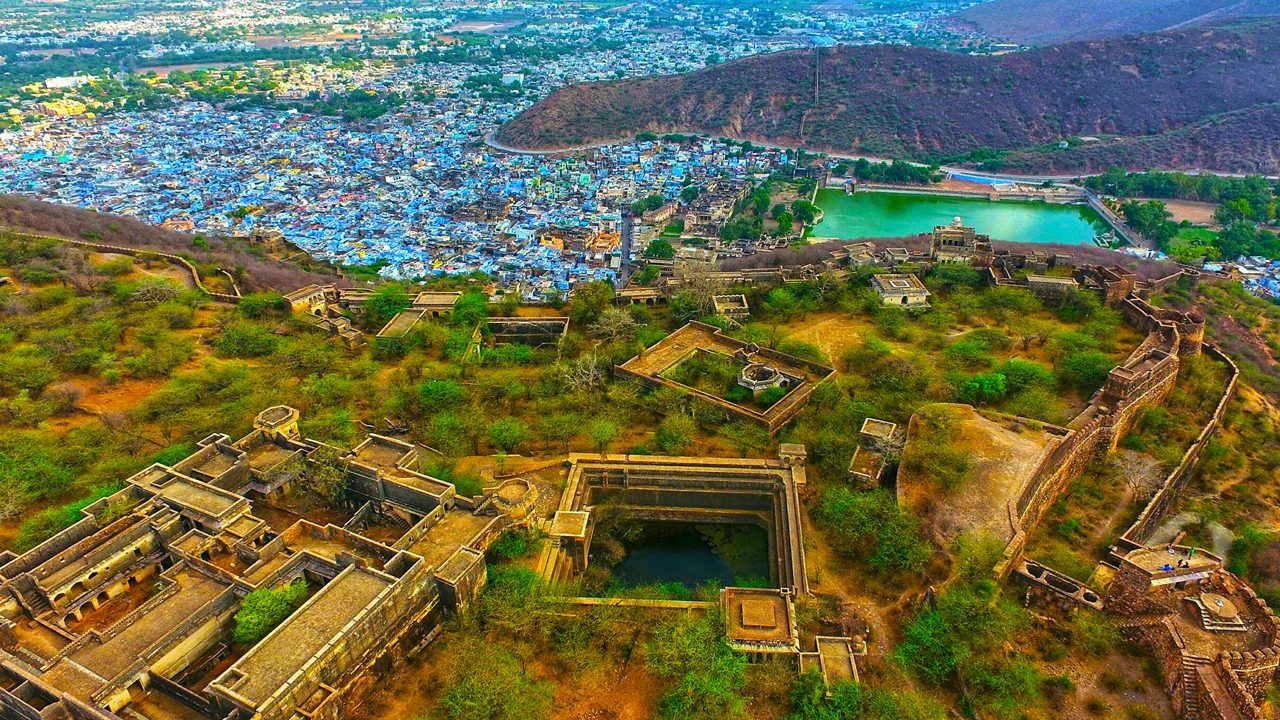
Chand Baori in the village of Abhaneri, near Jaipur, is one of the deepest and largest stepwells in India. This architectural marvel, built in the 9th century by King Chanda of the Nikumbha Dynasty, features 3,500 perfectly symmetrical steps arranged in 13 levels over 100 feet deep. The stepwell was not just a source of water but a cool retreat during scorching summers and a gathering place for social and religious activities. The geometrical pattern of the steps creates a mesmerizing visual effect, and the stepwell's design prevented water evaporation. Chand Baori has been featured in several international films and continues to attract visitors with its stunning architecture and ancient engineering.
Sheesh Mahal: The Mirror Palace
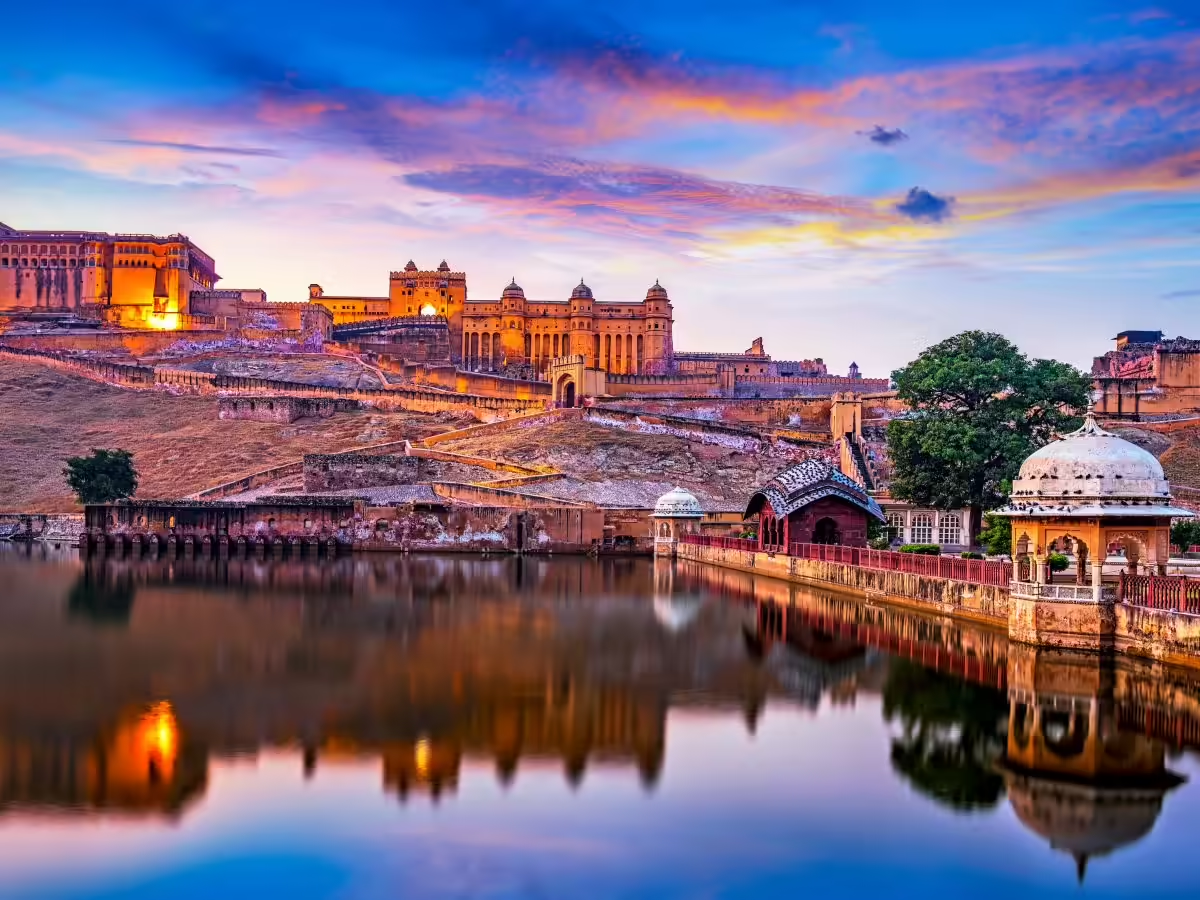
The Sheesh Mahal, or "Mirror Palace," is a breathtaking chamber found in several Rajasthani palaces, most notably in Amer Fort (Jaipur) and City Palace (Jaipur). These chambers are decorated with thousands of tiny mirrors embedded in the walls and ceilings, creating a dazzling effect when light shines through. The Sheesh Mahal in Amer Fort is famous for its flower motifs made from Belgian mirrors - legend says that even two candles reflected in the mirrors could illuminate the entire hall. The mirrors are so skillfully placed that they create multiple reflections, making the room appear infinitely large. This delicate work demonstrates the exceptional craftsmanship of Rajasthani artisans during the Mughal era.
Havelis of Jaisalmer
Jaisalmer is famous for its beautiful havelis (mansions) built by wealthy merchants in the 18th and 19th centuries. These sandstone mansions feature intricate carvings, jaali (lattice) work, and elaborate facades. The most famous are Patwon ki Haveli (a cluster of five havelis), Salim Singh ki Haveli, and Nathmal ki Haveli. Patwon ki Haveli, built by a wealthy brocade merchant, is the largest and most elaborate, with 60 balconies and numerous rooms. Salim Singh ki Haveli is known for its distinctive peacock-shaped brackets and arched roof. These havelis showcase the wealth and artistic patronage of Jaisalmer's merchants and are excellent examples of Rajputana architecture. They are must-see attractions when exploring Jaisalmer.
Dilwara Temples: Jain Architecture Marvel
The Dilwara Temples near Mount Abu are among the most beautiful Jain temples in the world, renowned for their exquisite marble carvings. Built between the 11th and 13th centuries, these five temples are dedicated to Jain Tirthankaras and represent the pinnacle of Jain temple architecture. The intricate carvings on the ceilings, pillars, and doorways are so delicate that they look like lacework. The main temple, Vimal Vasahi, took 14 years to complete and cost over 180 million rupees - a fortune in the 11th century. The temples' simplicity on the exterior contrasts dramatically with the lavish interiors. Despite being located in a hill station, these temples attract pilgrims and tourists from around the world for their artistic and spiritual significance.
Ranakpur Temple: 1444 Pillars
The Ranakpur Jain Temple, dedicated to Adinatha (the first Tirthankara), is famous for having 1,444 marble pillars, each uniquely carved. Built in the 15th century, this architectural wonder spreads over 48,000 square feet and features a four-faced statue of Adinatha. What's remarkable is that no two pillars are alike - each features different carvings of gods, dancers, musicians, and mythical creatures. The temple's dome has more than 1,400 intricate carvings. The changing sunlight through the domes creates a magical effect inside the temple. Located in a valley of the Aravalli Range near Udaipur, this temple is a UNESCO World Heritage Site and represents the zenith of Western Indian temple architecture.
Frescoes of Shekhawati
Shekhawati, a region in northeastern Rajasthan, is known as an "open art gallery" for its beautiful frescoes painted on havelis, forts, and temples. These frescoes, created between the 18th and 20th centuries, depict scenes from mythology, daily life, and contemporary events like the arrival of the British and technology like trains and airplanes. The most famous fresco towns are Mandawa, Nawalgarh, Dundlod, and Fatehpur. The art form combines Rajput, Mughal, and European influences. Many havelis have been converted into heritage hotels, allowing visitors to experience these artistic treasures firsthand. The frescoes of Shekhawati represent the golden age of Rajasthani art and are a photographer's paradise.
Geographical Facts
Largest State in India
Rajasthan is the largest state in India by area, covering 342,239 square kilometers, which is about 10.4% of India's total land area. It's larger than many countries, including the United Kingdom, Italy, and New Zealand. The state is located in northwest India and shares borders with five Indian states - Punjab, Haryana, Uttar Pradesh, Madhya Pradesh, and Gujarat - and one country, Pakistan. Its vast size means it has diverse geographical features, including the Thar Desert, the Aravalli Range, lakes, and fertile plains. Despite its size, Rajasthan's population density is relatively low, with about 70% of people living in rural areas.
Thar Desert Covers 61%
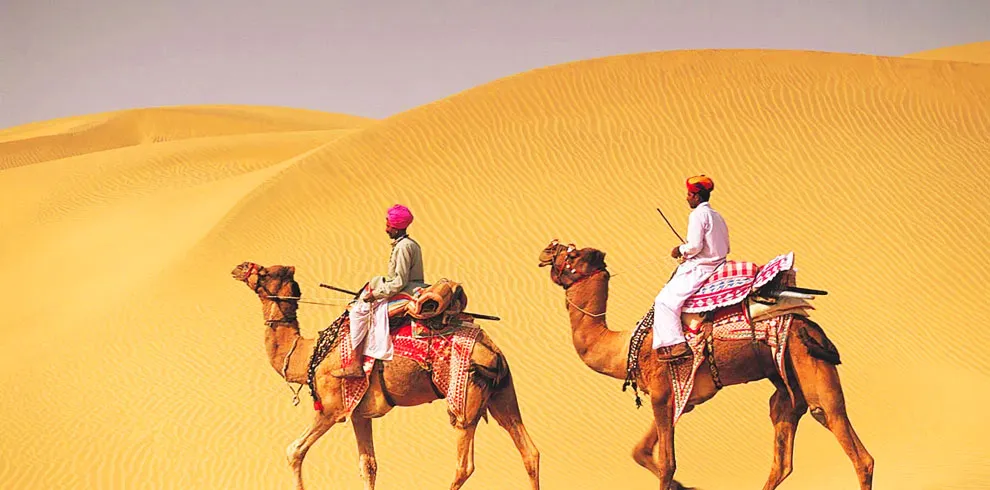
The Thar Desert, also known as the Great Indian Desert, covers approximately 61% of Rajasthan's land area. This vast desert, spanning over 200,000 square kilometers, is one of the most densely populated deserts in the world. The desert landscape is characterized by sand dunes, dry scrub vegetation, and extreme temperatures - scorching summers and chilly winters. Despite the harsh conditions, the Thar Desert supports a rich ecosystem with unique flora and fauna adapted to arid conditions. The desert is also home to vibrant communities, colorful villages, and camel pastoralists. Cities like Jaisalmer, Bikaner, and Jodhpur have developed along the desert's edge, offering visitors a chance to experience desert life through camel safaris and desert festivals.
India's Only Saline Lake: Sambhar
Lake Sambhar, located 96 kilometers southwest of Jaipur, is India's largest inland salt lake and the only saline lake of such significant size in the country. The lake covers an area of about 190-230 square kilometers, varying with the seasons. It produces approximately 200,000 tons of salt annually, which accounts for about 9% of India's total salt production. The lake is divided into two sections by a 5-kilometer long dam. It's a Ramsar site (wetland of international importance) and attracts thousands of migratory flamingos and other waterbirds during winter. The pink waters of the lake, caused by algae and brine shrimp, create a stunning visual spectacle against the surrounding desert landscape.
Aravalli Range: Oldest Fold Mountains
The Aravalli Range, stretching across Rajasthan from northeast to southwest, is not just the oldest mountain range in India but one of the oldest fold mountain systems in the world. Dating back approximately 350 million years, these ancient mountains are even older than the Himalayas! The range extends for 692 kilometers and reaches its highest point at Guru Shikhar (1,722 meters) in Mount Abu. The Aravallis play a crucial ecological role - they act as a barrier against the spread of the Thar Desert and influence the monsoon patterns. Despite being heavily eroded over millions of years, the range is home to diverse wildlife and several important historical sites. The range's unique geology and biodiversity make it a region of significant scientific importance.
Shares Border with 5 States & Pakistan
Rajasthan's strategic location in northwest India gives it a unique position - it shares borders with five Indian states (Punjab, Haryana, Uttar Pradesh, Madhya Pradesh, and Gujarat) and one country (Pakistan). The international border with Pakistan spans approximately 1,070 kilometers, with key border districts being Jaisalmer, Barmer, Bikaner, and Ganganagar. This border region has significant historical and strategic importance, having witnessed several battles and conflicts. The international border also presents cultural exchange opportunities, with influences from neighboring regions visible in Rajasthani art, cuisine, and architecture. The border area includes the Thar Desert, which extends into Pakistan, creating a shared desert culture across the political boundary.
Keoladeo National Park: UNESCO Site
Keoladeo National Park, formerly known as Bharatpur Bird Sanctuary, is a UNESCO World Heritage Site and one of the most famous bird sanctuaries in India. Located in Bharatpur, this 29 square kilometer park was created over 250 years ago as a royal hunting ground but was declared a national park in 1982. The park is home to over 375 bird species, including rare and endangered ones like the Siberian crane, which migrates thousands of kilometers to winter here. It's also a habitat for various mammals, reptiles, and fish. The park's wetlands are created by an artificial system of dams and sluices, creating an ideal ecosystem for waterbirds. It's a paradise for bird watchers and nature lovers, attracting visitors from around the world.
Sariska Tiger Reserve
Sariska Tiger Reserve, located in the Alwar district of Rajasthan, is one of India's prominent tiger reserves and part of Project Tiger. Covering an area of 866 square kilometers, this reserve was established in 1955 and became a tiger reserve in 1978. Apart from tigers, the reserve is home to leopards, wild dogs, jungle cats, hyenas, sambar, chital, nilgai, and numerous bird species. The reserve is known for its scenic landscape, which includes dry deciduous forests, rocky hills, and grasslands. It also features historical attractions like the Kankwari Fort and ancient temples. Sariska has a unique conservation history - after tigers disappeared from the reserve in the early 2000s, they were successfully reintroduced in 2008, making it a notable case study in tiger conservation efforts.
Mount Abu: Only Hill Station
Mount Abu is Rajasthan's only hill station and a popular summer retreat. Located at an altitude of 1,220 meters in the Aravalli Range, it offers a cool respite from the scorching heat of the plains. The hill station is famous for the Dilwara Jain Temples, Nakki Lake, and the Guru Shikhar peak (highest point in Rajasthan). Mount Abu is also home to the Achalgarh Fort and wildlife sanctuary. According to legend, the mountain is named after Arbuda, a serpent who rescued Nandi, Lord Shiva's bull. The town developed as a summer retreat for British officials and royalty during the colonial period. Today, it attracts tourists for its pleasant weather, scenic beauty, and religious significance. The hill station is also home to the Brahma Kumaris World Spiritual University.
| Geographical Feature | Location | Key Fact |
|---|---|---|
| Thar Desert | Western Rajasthan | Covers 61% of the state |
| Lake Sambhar | Near Jaipur | India's largest salt lake |
| Aravalli Range | Across the state | 350 million years old |
| Keoladeo National Park | Bharatpur | UNESCO World Heritage Site |
Unique & Interesting Facts
Karni Mata Temple: India's Only Temple of Rats
The Karni Mata Temple in Deshnoke, near Bikaner, is famous for its approximately 25,000 rats that are revered as holy. These rats, called "kabbas," are believed to be the reincarnated descendants of Karni Mata's family members. Devotees consider seeing a white rat (extremely rare) especially auspicious. Surprisingly, the temple remains remarkably clean despite the large rat population. Visitors must walk barefoot, and if someone accidentally steps on a rat and kills it, they must replace it with a gold or silver rat. The temple's architecture is beautiful, featuring marble carvings and silver doors. Built in the early 20th century, the temple is dedicated to Karni Mata, a mystic who is believed to be an incarnation of Goddess Durga. It attracts thousands of devotees and curious tourists daily.
Asia's Largest Truck Terminal: Jaipur
Jaipur is home to Asia's largest integrated truck terminal, the Jaipur Transport Nagar. Spread over 110 acres, this state-of-the-art facility can accommodate over 2,000 trucks at a time. The terminal was developed to decongest Jaipur's city roads and provide better facilities for truck drivers and transporters. It features modern amenities including parking bays, repair workshops, fuel stations, hotels, restaurants, banks, and healthcare facilities. The terminal handles a significant portion of Rajasthan's freight transport and serves as a major logistics hub connecting northern and western India. This facility is a prime example of Rajasthan's modern infrastructure development alongside its rich historical heritage.
Highest Number of Forts in India
Rajasthan has the highest number of forts in India, with estimates ranging from 100 to 150 forts across the state. These forts, built by various Rajput clans over several centuries, are architectural marvels and represent the military genius of their time. Some of the most famous forts include Mehrangarh (Jodhpur), Amer Fort (Jaipur), Kumbhalgarh (Udaipur), Chittorgarh (Chittor), Jaisalmer Fort (Jaisalmer), and Junagarh Fort (Bikaner). Many of these forts are UNESCO World Heritage Sites and feature stunning palaces, temples, and gardens within their walls. Rajasthan's forts are not just monuments but living testimonies to the state's glorious past, offering insights into the lives of Rajput warriors and royalty. They are among the top attractions in Rajasthan.
70% Population is Rural
Despite being one of India's most popular tourist destinations, approximately 70% of Rajasthan's population lives in rural areas. These rural communities continue to preserve traditional lifestyles, crafts, and cultural practices. Rural Rajasthan offers an authentic experience of village life, with people practicing agriculture, animal husbandry, and traditional crafts. Villages are often characterized by colorful houses, mud walls, and thatched roofs. Many rural families depend on agriculture and livestock for livelihood, though migration to cities is increasing. Several initiatives, including rural tourism projects, are promoting sustainable development in rural Rajasthan. Visitors can experience village life through homestays and cultural tours that provide a glimpse into authentic Rajasthani rural culture.
Makrana Marble Used in Taj Mahal
The famous white marble used in the Taj Mahal was quarried from Makrana, a town in Rajasthan's Nagaur district. Makrana marble is known for its pristine white color, durability, and ability to take a high polish. It has been used in several iconic buildings across India, including the Victoria Memorial in Kolkata, the Dilwara Temples in Mount Abu, and various Mughal monuments. The marble quarries of Makrana have been in operation for over 1,000 years and are a major source of employment for the region. The quality of Makrana marble is such that it doesn't turn yellow with age, which is why the Taj Mahal retains its pristine white appearance centuries after its construction. This contribution to one of the Seven Wonders of the World is a matter of great pride for Rajasthan.
Jaipur Painted Pink in 1876
Jaipur acquired the nickname "Pink City" in 1876 when Maharaja Sawai Ram Singh painted the entire city pink to welcome Prince Albert of Wales (later King Edward VII) during his visit to India. Pink was chosen because it represents hospitality in Rajasthani culture. The color was achieved using terracotta pink stone, and the entire old city was uniformly colored. The tradition continues even today, with residents required by law to maintain the pink color of buildings. This distinctive appearance makes Jaipur one of the most photogenic cities in India. The pink buildings contrast beautifully with the blue turbans of men and colorful sarees of women, creating a vibrant visual tapestry that has become synonymous with Jaipur's identity.
Camel Safari Capital of India
Rajasthan is undoubtedly the camel safari capital of India, offering unforgettable desert experiences to tourists. The Bikaner district is known as the "country of camels" and has Asia's only camel breeding farm and research center. Camel safaris are most popular in Jaisalmer, where tourists can ride camels into the Thar Desert, sleep under the stars, and experience desert life. The annual Camel Festival in Bikaner celebrates these "ships of the desert" with competitions, races, and cultural performances. Camels have been integral to Rajasthani culture for centuries, used for transportation, milk, meat, and even wool (camel hair products are famous). The state's desert landscape and the close bond between Rajasthani people and camels make it the perfect destination for authentic camel safari experiences.
Best Time to Visit Rajasthan
The ideal time to visit Rajasthan is between October and March when the weather is pleasant and suitable for sightseeing. During these months, temperatures range from 10°C to 27°C, making it comfortable for exploring forts, palaces, and desert attractions. The winter season (December-February) is particularly popular, though nights can get quite cold. This is also when Rajasthan hosts several colorful festivals, including the Desert Festival (Jaisalmer), Pushkar Fair, and the Camel Festival (Bikaner). Avoid visiting between April and June when temperatures can soar above 45°C, especially in desert regions like Jaisalmer and Bikaner. The monsoon season (July-September) brings relief from the heat but can make outdoor activities challenging. For detailed information on planning your trip, check out the best time to visit Rajasthan.
Each season in Rajasthan offers a different experience - winter is perfect for desert safaris and sightseeing, summer is great for visiting Mount Abu (the hill station), and monsoon brings the desert to life with occasional rains that create a unique landscape. Whatever time you choose to visit, Rajasthan's royal heritage and warm hospitality will ensure a memorable experience.
Location
Frequently Asked Questions
Q1.What is Rajasthan famous for?
Q2.What is the old name of Rajasthan?
Q3.Which is the largest fort in Rajasthan?
Q4.What is the culture of Rajasthan?
Q5.What is the traditional dress of Rajasthan?
Q6.Which dance is famous in Rajasthan?
Q7.What is the best time to visit Rajasthan?
Q8.How many districts are there in Rajasthan?
Recommended For You
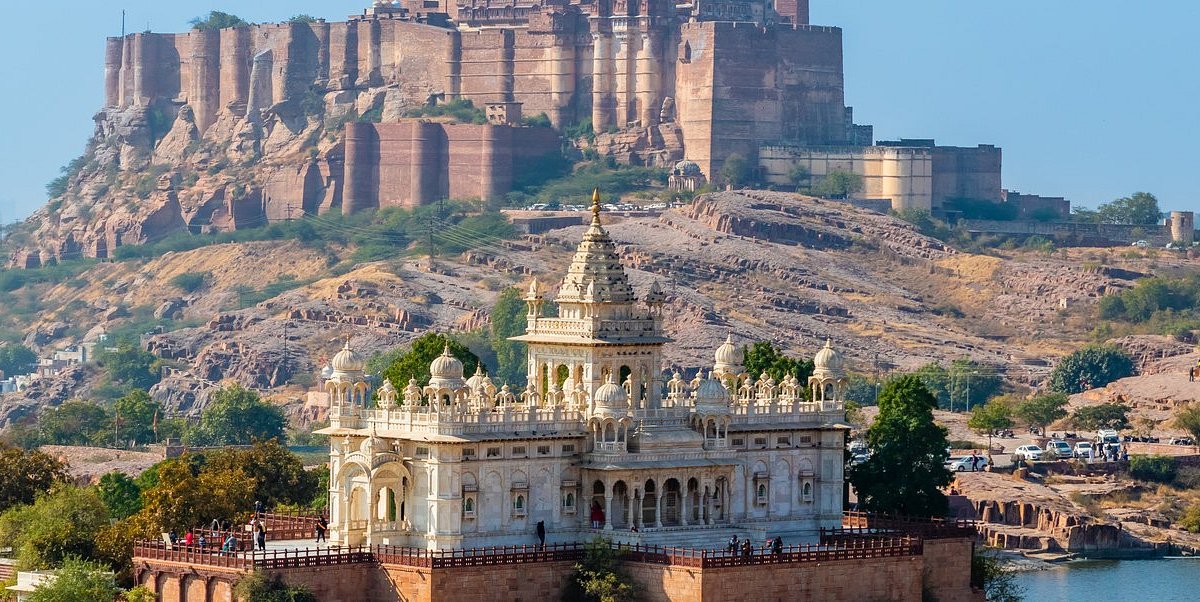
Things to Do in Rajasthan: Desert, Heritage & Cultural Experiences
Discover 50 amazing things to do in Rajasthan - explore forts, palaces, deserts, culture & cuisine. Complete guide with timings, fees & tips for 2026.
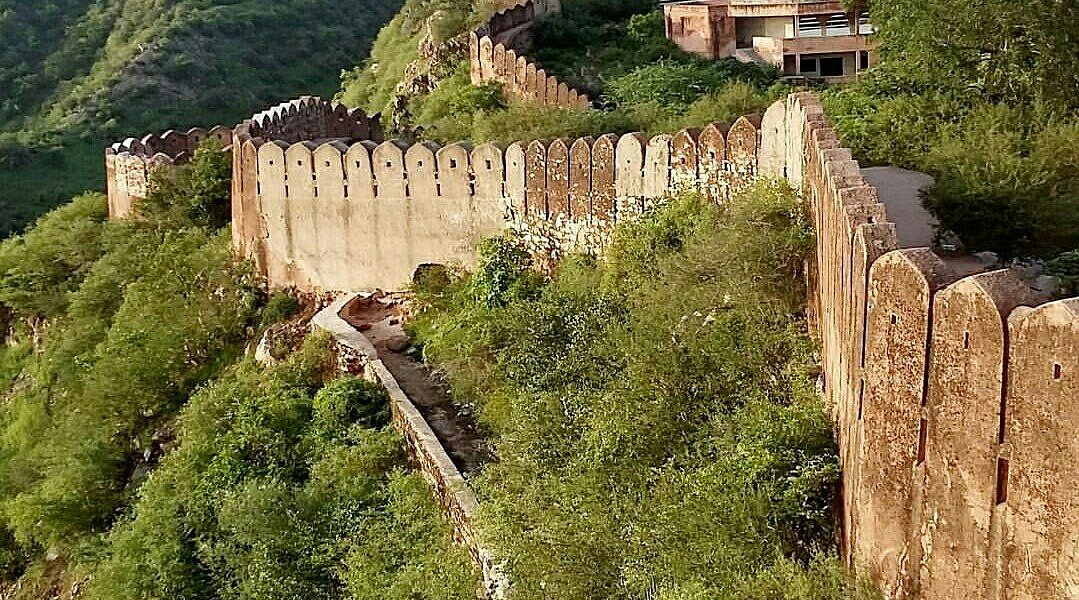
Best Places to Visit in Jaipur: Forts, Bazaars & Royal Landmarks
Discover the best places to visit in Jaipur with forts, palaces, markets, timings strategy, transport tips, and practical 2-3 day itinerary planning.
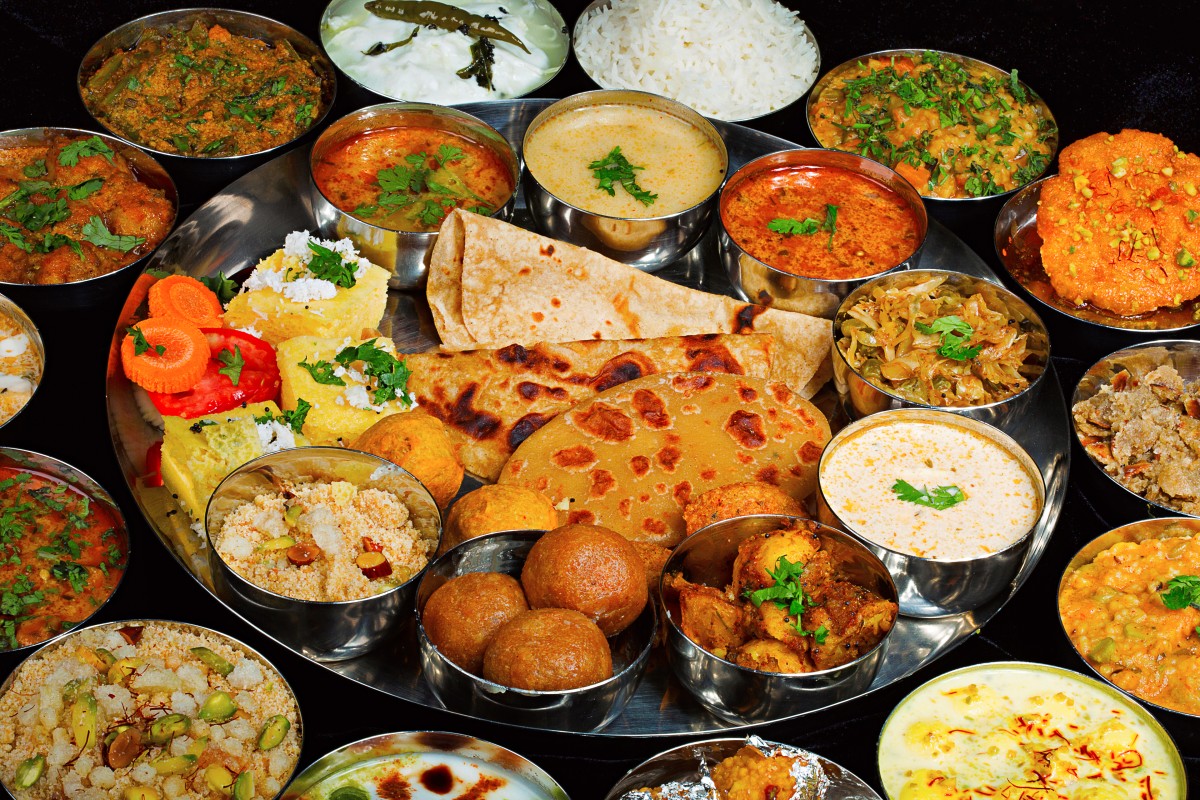
Famous Foods of Rajasthan: 20 Must-Try Rajasthani Dishes
Discover the famous foods of Rajasthan - from iconic Dal Baati Churma and Laal Maas to Gatte ki Sabzi and Ghevar. Explore 20 must-try Rajasthani dishes with our complete cuisine guide.
Never Miss an Adventure
Get the latest trekking guides, travel tips, and exclusive offers delivered straight to your inbox.
