
Chinatown Kuala Lumpur: Petaling Street Markets, Food & Timings

Rahul Garg
February 19, 2026
Explore Chinatown Kuala Lumpur with Petaling Street shopping, food tips, nearby temples, best visiting hours, and easy transport routes for visitors.
Introduction
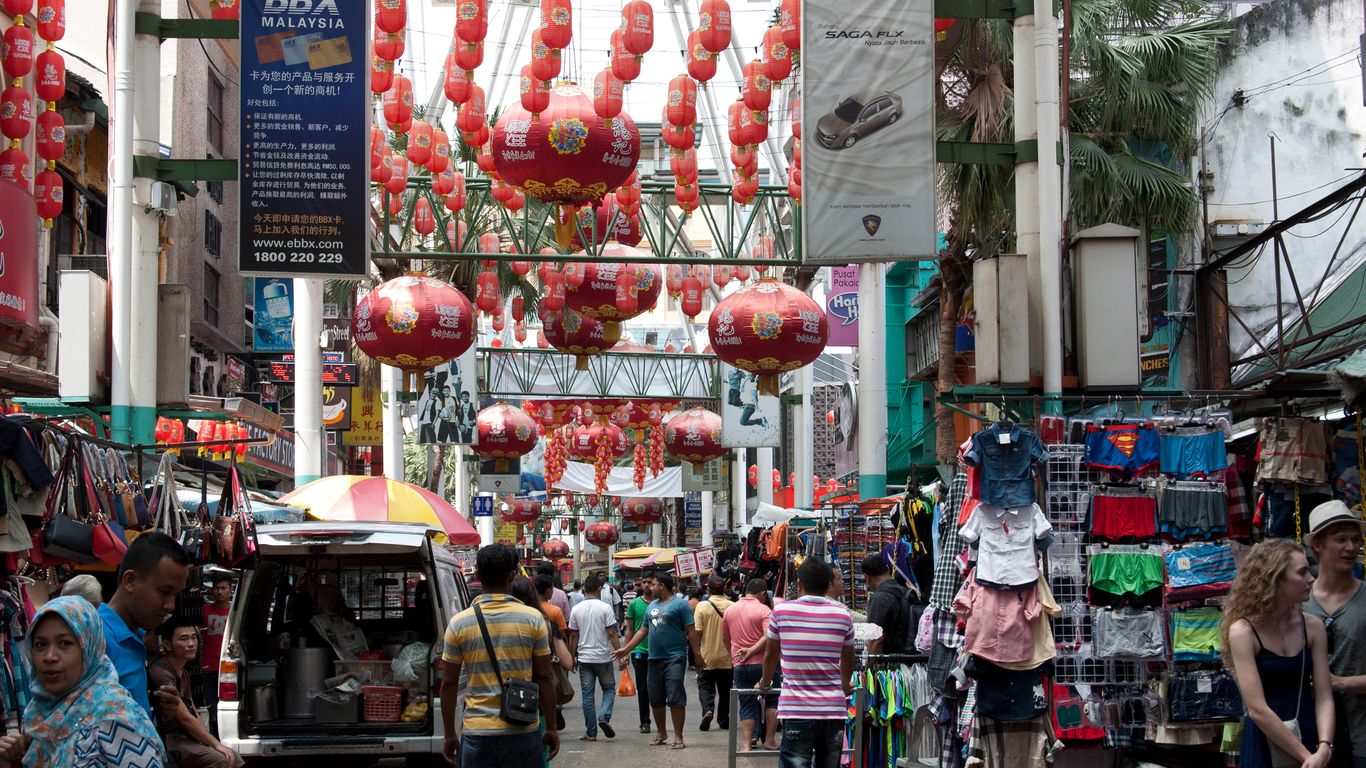
Chinatown Kuala Lumpur is one of the city’s most energetic heritage-shopping districts, centered around Petaling Street and its surrounding lanes. It is where budget shopping, street food, old shophouse architecture, and temple culture come together in a compact walkable zone. Visitors usually arrive for bargains and food, but many stay longer for the neighborhood’s layered history and late-evening street atmosphere.
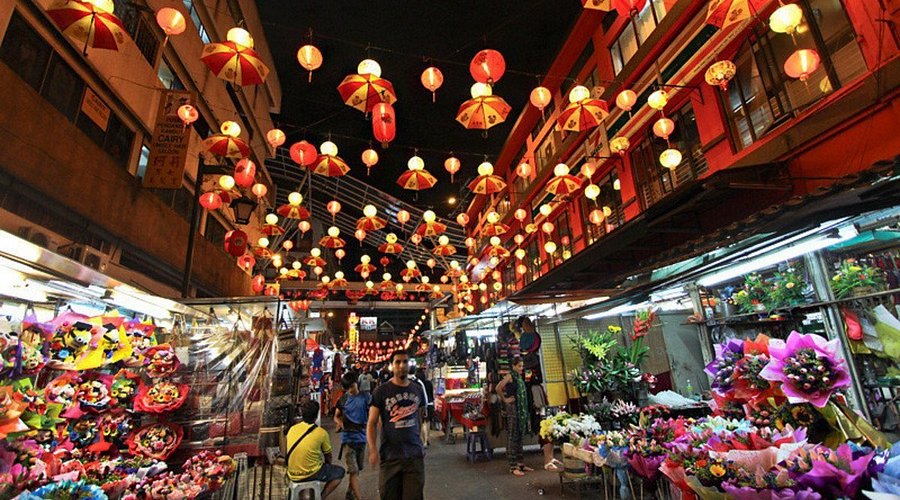
If your intent is practical trip planning, this guide covers what matters most: what to expect at Petaling Street, what to buy, how bargaining works, where to eat, best visiting hours, nearest public transport stations, and nearby attractions to combine in one route. Location and access references were cross-checked on February 19, 2026 with currently available travel and transit pages, including Pasar Seni rail access context and Central Market proximity guidance. You can combine Chinatown with Petaling Street details, temples in Kuala Lumpur, and KL nightlife for a full city evening plan.
Where Is Chinatown Kuala Lumpur?
Chinatown is in central Kuala Lumpur around Jalan Petaling and nearby streets such as Jalan Sultan and Jalan Tun H.S. Lee. The district is close to major city landmarks and can be reached quickly by LRT, MRT, bus, taxi, or walking from adjacent heritage areas. Travelers commonly use Pasar Seni station as the most convenient rail drop point for short walking access.
One reason Chinatown remains popular is this location efficiency. You can fit market shopping, temple visits, and local food stops into a half-day plan without long transfers. It works well for both first-time KL travelers and repeat visitors who want a budget-friendly neighborhood experience.
| Area Snapshot | Visitor Benefit |
|---|---|
| Central city location | Easy to combine with other KL attractions |
| Near Pasar Seni transit | Simple public transport access |
| Dense market lanes | High variety in shopping and food |
| Mixed heritage zone | Cultural and architectural interest beyond shopping |
Petaling Street Market: What to Expect
Petaling Street is the heart of Chinatown KL and is known for dense rows of stalls selling fashion items, accessories, souvenirs, electronics add-ons, luggage, gifts, and street snacks. The area is usually active from late morning onward, with stronger market energy in late afternoon and evening as food activity rises and footfall increases.
This is a bargaining market, so first quoted prices are often negotiable. Shoppers who compare multiple stalls and negotiate politely usually get better value. It is also common to find similar items across many sellers, so don’t feel pressured to buy at the first stop unless quality and pricing are clearly acceptable.
Typical Product Categories
- Budget fashion: T-shirts, caps, streetwear basics.
- Accessories: bags, wallets, sunglasses, belts.
- Souvenirs: fridge magnets, keychains, gift items.
- Tech add-ons: cables, covers, mobile accessories.
- Snack and drink stalls: quick local bites while walking.
| Shopping Style | Best Approach | Result |
|---|---|---|
| Impulse buying | Ask final price only once | Usually higher spend |
| Smart bargain | Compare 2-3 stalls first | Better value and quality check |
| Bulk souvenir buy | Negotiate bundled quantity rates | Lower per-item cost |
Bargaining Rules and Buyer Safety
Bargaining is normal in Petaling Street, but good negotiation is calm and respectful. Start with a reasonable counter-offer, not an extreme one, and be prepared to walk away politely. Vendors often adjust quickly if they sense serious intent. Carrying some cash can help for small purchases, though digital payments are increasingly available in many shops.
As with any busy market, check product quality before paying. For apparel and accessories, inspect stitching, zippers, and packaging. For electronics accessories, confirm compatibility on the spot where possible. Keep valuables secure because crowd density can be high in peak evening windows.
- Compare price across multiple stalls.
- Inspect goods before payment.
- Use small-denomination cash for easier transactions.
- Avoid blocking pathways while negotiating.
- Keep wallet/phone in secure front pockets or zip pouches.
Street Food in Chinatown KL
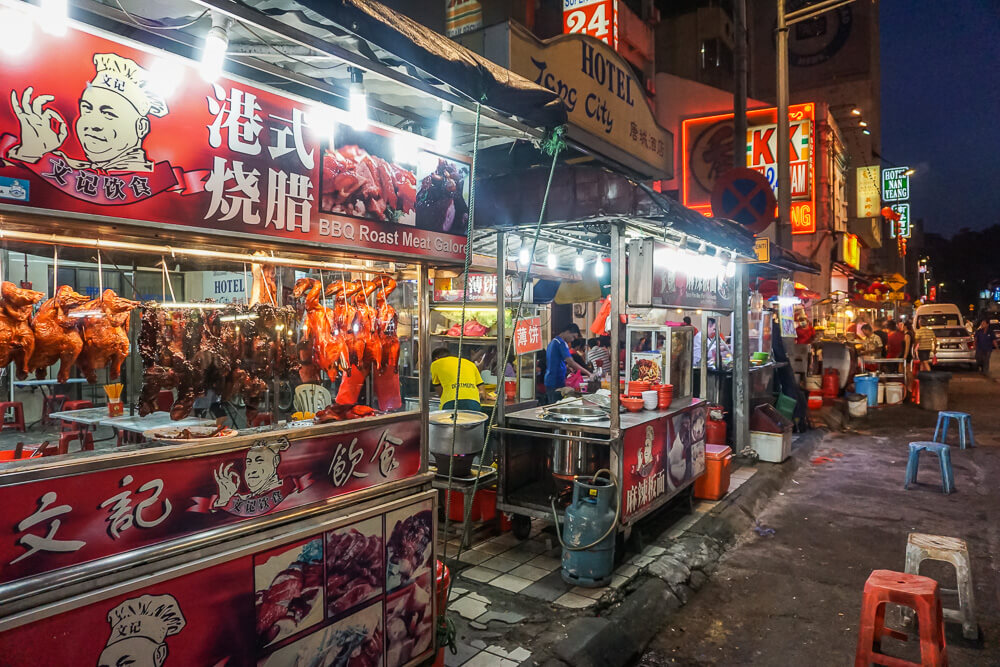
Food is a major reason to visit Chinatown after sunset. The area around Petaling Street and neighboring lanes offers hawker-style dishes, Chinese-Malaysian favorites, noodles, grilled items, and dessert drinks. The vibe is casual, fast-paced, and generally budget-friendly compared with premium mall dining zones.
If you are food-focused, arrive before peak dinner rush and scan stall turnover. Busy stalls with quick table turnover are often safer choices for freshness and consistency. Travelers with dietary restrictions should ask clearly about ingredients because recipes can vary from stall to stall.
| Food Experience | Best Time | Tip |
|---|---|---|
| Casual snack walk | Late afternoon | Try small portions at multiple stalls |
| Main dinner stop | Evening peak | Choose high-turnover popular vendors |
| Dessert and drinks | Post-dinner | Good add-on before returning to transit |
Cultural and Heritage Stops Near Petaling Street
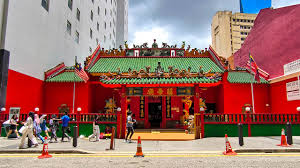
Chinatown is not only a shopping corridor. The surrounding area includes prominent religious and heritage landmarks that reflect Kuala Lumpur’s multicultural history. Visitors can combine market time with temple visits and nearby heritage walks for a more complete neighborhood experience.
This mixed cultural character is one reason Chinatown remains relevant even as KL develops new retail districts. It is one of the few places where you can move quickly from street stalls to heritage architecture and places of worship within minutes.
| Nearby Cultural Stop | Why Visit | Visit Style |
|---|---|---|
| Temple circuit nearby | Add spiritual and cultural depth | Short walk add-on |
| National Mosque area | Major landmark in broader central zone | Combine with heritage route |
| Thean Hou Temple | Architectural and religious contrast | Separate short cab hop |
Best Time to Visit Chinatown Kuala Lumpur
Chinatown can be visited throughout the day, but the atmosphere changes significantly by hour. Daytime is better for calmer browsing and easier movement. Evening offers maximum energy, open food stalls, and classic night-market feel, but with larger crowds and slower walking pace.
Weekends and festive periods are more vibrant but also more congested. If your priority is bargaining and product comparison, late afternoon on weekdays often gives a better balance between open stalls and manageable crowd levels.
| Timing Window | Experience | Best For |
|---|---|---|
| Late morning to afternoon | Lighter crowd, steady shopping | Comfort-first visitors |
| Evening | Peak market and food energy | Night-market seekers |
| Weekend nights | Most vibrant, most crowded | Atmosphere-focused travelers |
How to Reach Chinatown KL
Public transport is usually the easiest option. Pasar Seni LRT/MRT connectivity is commonly cited as the most direct rail access point for walking into Petaling Street area. Central Market’s official visitor guidance also reinforces this district-level connectivity and short walking distances among core sights.
Taxi and ride-hailing are convenient but can slow down in peak evening traffic. If you choose a car drop-off, keep pickup points clear in advance to avoid confusion after market crowds build.
| Transport Option | Best For | Limitation |
|---|---|---|
| LRT/MRT (Pasar Seni) | Fast and predictable access | Short walk still required |
| Grab/taxi | Doorstep convenience | Traffic delays at peak times |
| Walking from nearby landmarks | Heritage explorers | Less ideal in heavy rain |
What to Buy in Chinatown KL
Most visitors buy budget fashion, small gifts, accessories, and market-style souvenirs. If you are shopping for gifts, set a budget first and prioritize lightweight items that are easy to carry. For personal shopping, focus on practical use and build quality instead of only price.
Remember that not every item is authentic branded merchandise. Shop with clear expectations and avoid overpaying for items presented as premium without proof.
Good Value Picks
- Simple souvenirs and gift packs.
- Daily-use accessories at negotiated prices.
- Travel-friendly bags and pouches after quality check.
- Local snacks from high-turnover food vendors.
Sample 4-Hour Chinatown Plan
| Time Block | Suggested Flow |
|---|---|
| 16:00 to 16:30 | Arrive via Pasar Seni and orientation walk |
| 16:30 to 18:00 | Shopping round 1 and price comparison |
| 18:00 to 19:00 | Temple/heritage short detour |
| 19:00 to 20:30 | Street food dinner and dessert |
| 20:30 onward | Quick final shopping pass and return |
Practical Budget and Timing Tips
Set a clear spending cap before entering dense market lanes. Chinatown has many similar stalls, so unplanned browsing can quickly increase total spend. A simple method is to decide a total budget, split it into shopping and food portions, and keep a small reserve for last-minute buys after comparison.
For timing, avoid arriving too close to your dinner reservation or airport transfer. Petaling Street browsing takes longer than expected once crowds rise. Keep 20 to 30 minutes buffer for transit exits, especially in rain or peak evening traffic. Travelers who plan this buffer usually enjoy better food stops and less rushed bargaining.
| Plan Item | Recommended Rule |
|---|---|
| Shopping budget | Set cap before first purchase |
| Food budget | Reserve separate amount for hawker dinner |
| Transit buffer | Keep at least 30 minutes for return movement |
| Peak-hour visit | Choose one priority: shopping or food-first |
Common Mistakes to Avoid
- Buying at first quoted price without comparison.
- Arriving too late and rushing food + shopping together.
- Ignoring weather and carrying no light rain cover.
- Assuming all products are premium/authentic.
- Using unsafe pockets for valuables in crowded lanes.
Small planning adjustments make the Chinatown experience smoother and cheaper.
Conclusion
Chinatown Kuala Lumpur remains one of the city’s best-value neighborhoods for travelers who enjoy market culture, casual food exploration, and heritage street atmosphere. Petaling Street is lively, negotiable, and practical for budget shopping, while surrounding temples and landmarks add cultural depth.
Arrive at the right hour for your travel style, bargain smartly, protect your belongings, and combine one or two nearby attractions for a richer KL day. With this approach, Chinatown becomes more than a market stop; it becomes a complete city experience.
Location
Frequently Asked Questions
Q1.What are the opening hours of Petaling Street market?
Q2.What is the best time to visit Chinatown Kuala Lumpur?
Q3.How far is Chinatown from KLCC?
Q4.Is bargaining allowed at Petaling Street?
Q5.What can I buy at Petaling Street market?
Q6.What street food is available in Chinatown KL?
Q7.Are all goods at Petaling Street authentic?
Q8.How should I stay safe while shopping in Chinatown?
Recommended For You
Pavilion KL Kuala Lumpur: Luxury Shopping, Dining & Event Highlights
Explore Pavilion KL with shopping zones, dining options, opening-hour guidance, and practical tips for a smooth Bukit Bintang visit.
Suria KLCC Kuala Lumpur: Shopping, Dining, and Access
Plan Suria KLCC Kuala Lumpur with practical shopping, dining, and access tips for a smoother city-center experience.

Batu Caves Malaysia: Timings, Dress Code & Climb Information
Visit Batu Caves Malaysia with practical timing, dress code, access strategy, and Kuala Lumpur route-pairing tips for a smoother pilgrimage-style trip.
Never Miss an Adventure
Get the latest trekking guides, travel tips, and exclusive offers delivered straight to your inbox.
