
Shopping in Kashmir: Srinagar Markets, Pashmina & Handicraft Picks

Priya Mehta
January 9, 2026
Plan shopping in Kashmir with this Srinagar market guide covering Pashmina, carpets, saffron, handicrafts, authenticity checks, and practical buying tips.
Introduction: Shopping in Kashmir as a Cultural Experience
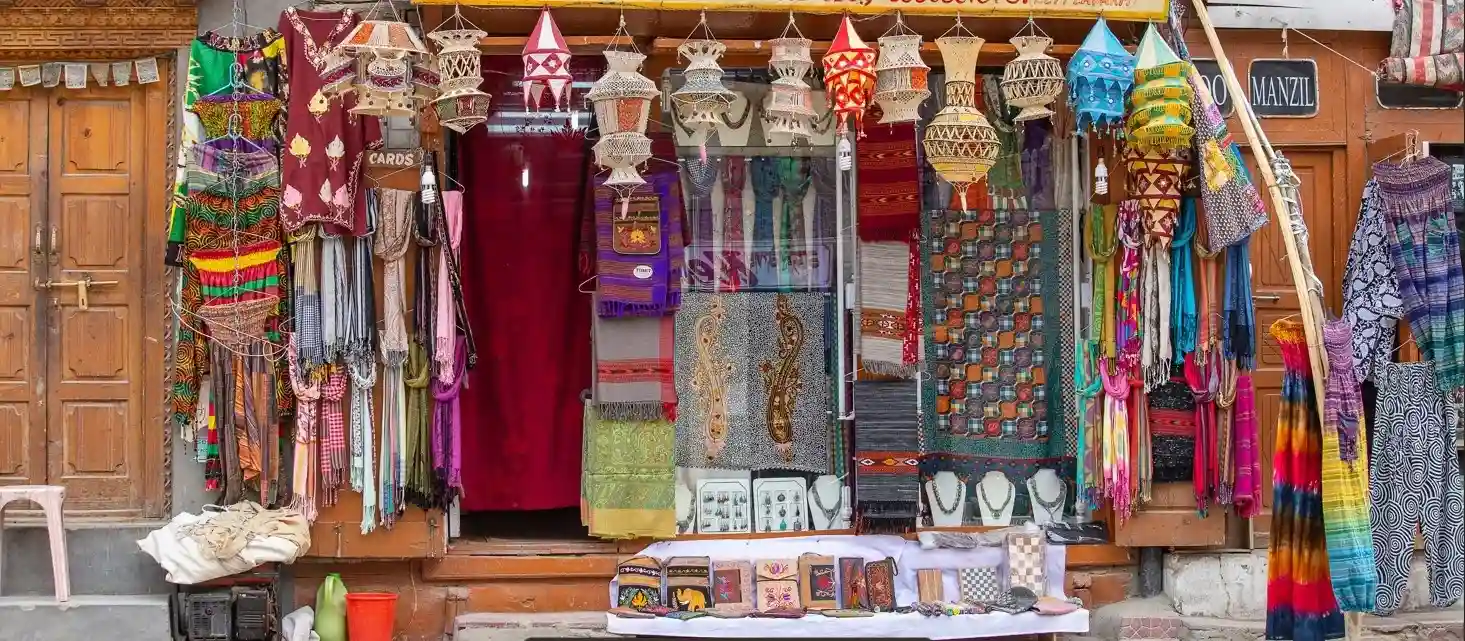
Shopping in Kashmir is not just about buying souvenirs; it is a way to experience the region's craft heritage, textile traditions, and local trade culture. Srinagar markets combine everyday commerce with centuries-old art forms, making them one of the most rewarding shopping landscapes in India. Whether you are looking for Pashmina, hand-knotted carpets, saffron, dry fruits, walnut wood craft, or papier-mache decor, Kashmir offers depth that is difficult to replicate elsewhere.
The most practical approach is to plan by product category rather than random market hopping. Different areas are stronger for different items: some for premium shawls, some for carpets, some for food products, and others for gifts and decorative crafts. This guide is designed to help you avoid common buying mistakes, identify better sources, and build a realistic shopping day in Srinagar.
For trip planning around shopping routes, combine with Lal Chowk, Shikara ride in Kashmir, and best places to visit in Kashmir.

Famous Markets in Srinagar
Srinagar has multiple market clusters, each with a different shopping character. If you are visiting for one day, choose one premium market plus one traditional bazaar zone. This gives both product quality and local market atmosphere without exhausting travel time.
Lal Chowk
Lal Chowk is one of the most recognized shopping references in Srinagar. It is useful for mixed-category shopping, including textiles, handicrafts, and dry goods. Because it is central and busy, it is also practical for first-time visitors. Many travelers start here to benchmark prices before moving to specialized stores.
Badshah Chowk and Nearby Craft Belts
This zone is often associated with carpets, shawls, and traditional products. It is useful when you want more curated craft-focused shopping compared with general retail stretches. Ask shopkeepers to explain production location and material details, especially for higher-value products.
Polo View and City-Center Lanes
Good for structured browsing and premium retail segments, especially if you prefer cleaner movement and organized storefronts. These lanes are useful for gift shopping when you want better presentation, fixed-label products, and easier comparison across stores.
Traditional Bazaars and Dal Lake Side Shopping
Older market lanes and Dal Lake-connected shopping pockets add cultural context to your buying experience. You may find small batches of handmade goods and regional snacks that are less visible in mainstream lanes. The key is to buy carefully with quality checks rather than impulse decisions.
| Market Zone | Best For | Shopping Style |
|---|---|---|
| Lal Chowk | Mixed categories and central access | General + traditional |
| Badshah Chowk belts | Craft and textile depth | Traditional and quality-focused |
| Polo View side | Premium browsing and gifting | Structured city shopping |
| Traditional lanes | Local products and souvenirs | Exploratory and culture-led |
Pashmina and Shawl Shopping
Kashmir Pashmina is among the most searched shopping categories, but also one of the most misunderstood. Many buyers confuse fine wool blends with genuine Pashmina. For better purchase decisions, prioritize certification and seller transparency over only touch-feel testing.
How to Shop Smarter for Pashmina
- Ask clearly whether the piece is GI-certified Pashmina or blended wool.
- Request invoice details specifying material composition.
- Check labeling and origin information carefully.
- Do not treat very low pricing as a bargain for pure Pashmina.
For travelers, authenticity is more important than buying the maximum number of items. One verified high-quality piece is better than multiple uncertain purchases. If needed, shortlist stores, compare documentation quality, and purchase on second visit instead of immediately.
Also check weave consistency near edges and tassel finishing. Poor finishing and vague product explanation often indicate lower-quality items being sold as premium Pashmina. When possible, ask the seller to explain care instructions in writing, as this improves post-purchase confidence.
Kashmiri Carpets: What Affects Price and Quality
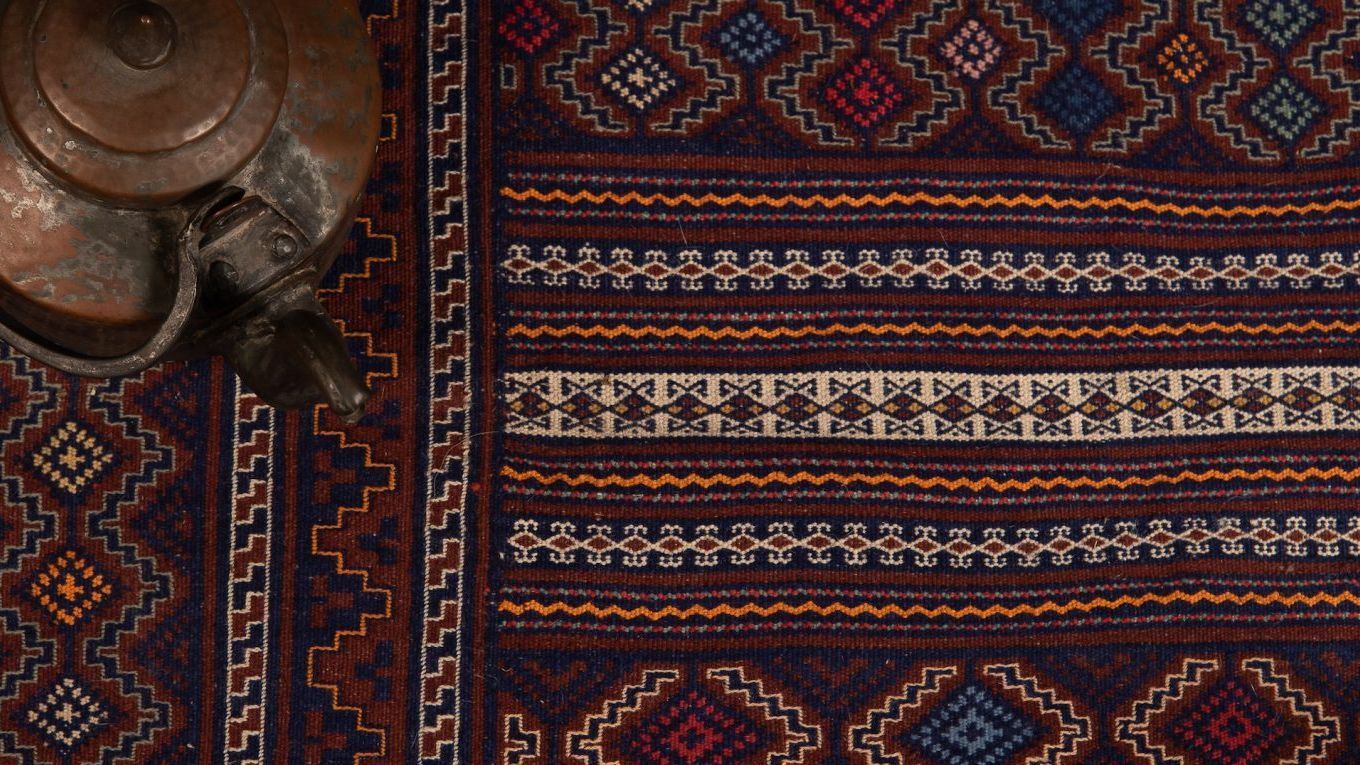
Kashmiri carpets are major-value purchases and should be treated as long-term buying decisions. Price usually depends on material type, knot density, size, complexity of pattern, and finishing quality. Hand-knotted work and finer detailing increase cost significantly.
If you are not familiar with carpet buying, ask for clear product explanation in writing and compare at least two sellers before finalizing. Verify return policy and packaging support, especially if you are flying out soon. For larger pieces, ask about shipping and transit insurance options.
Carpet Buyer Checklist
- Material clarity (silk, wool, or blend).
- Knot and weave explanation from seller.
- Final dimensions with border measurements.
- Packing and delivery timeline confirmation.
| Carpet Priority | What to Check | Why It Matters |
|---|---|---|
| Authenticity | Seller documentation and origin details | Avoids overpriced imitation buys |
| Durability | Material quality and weave consistency | Improves long-term value |
| Transport readiness | Packing and shipping clarity | Reduces damage risk |
Saffron and Dry Fruits: Buying with Quality Awareness
Saffron and dry fruits are among the most purchased products by visitors. Kashmir saffron is highly valued, so authenticity checks are essential. Buy from reputable sellers who explain grade and source clearly. For dry fruits, freshness, storage conditions, and packing quality matter as much as price.
What to Buy
- Saffron (with source and grade clarity)
- Walnuts and almonds
- Dried apricots and mixed dry-fruit packs
- Kahwa ingredients and spice mixes
If purchasing in bulk, request sealed packs and bill details for easier airport handling and home storage. Avoid buying delicate food products in open unsealed formats if you have long return travel.
For saffron, ask the seller to explain the grade and suggested usage quantity. Good sellers usually provide practical cooking guidance and storage advice. For dry fruits, prefer recent packing dates and moisture-safe packaging, especially in monsoon travel months.
Walnut Wood Carving and Home Decor
Walnut wood carving is a signature Kashmir craft segment and a popular shopping category for home decor buyers. You can find carved boxes, trays, frames, furniture accents, and gifting objects across different budget ranges.
Price usually reflects design complexity, carving depth, and finish quality. For higher-value purchases, inspect polish and joint finishing properly. If buying furniture-sized items, check delivery and assembly expectations before payment.
Papier-Mache, Souvenirs, and Gift Shopping
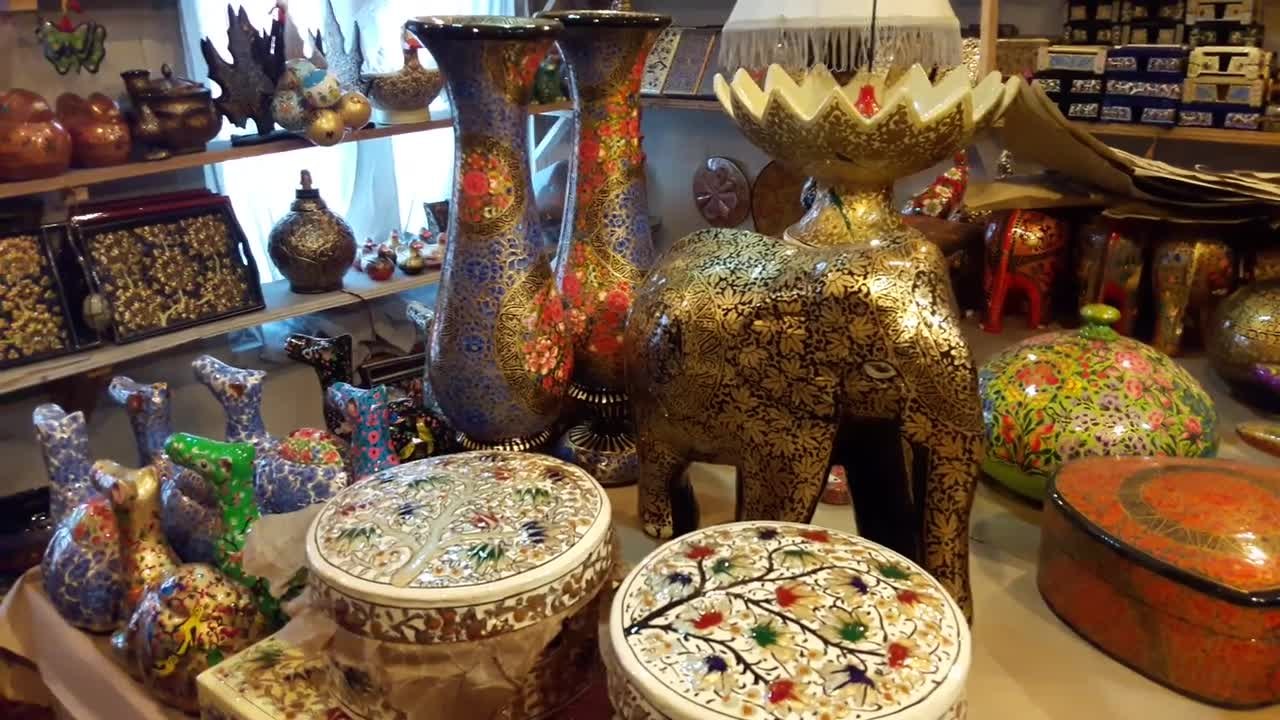
Papier-mache products are widely available in Kashmir markets and make good carry-home gifts when packed correctly. Decorative boxes, painted objects, and small display pieces are easy to transport and available in multiple price bands.
For gift shopping, combine one local craft item with one edible regional product (such as dry fruit or spice set). This creates more meaningful gift kits than generic tourist items.
Bargaining, Timings, and Practical Market Etiquette
Bargaining is common in many traditional markets, but approach it respectfully. In craft-heavy stores, aggressive bargaining without understanding workmanship can damage interaction quality. Ask questions first, compare second, negotiate last.
Market Visit Tips
- Visit in daytime for better visibility and comparison.
- Carry mixed payment options (digital + cash backup).
- Keep a written shortlist of products and budget caps.
- Avoid peak rush if you want calmer discussion.
For high-value items, never rush. Take photos of shortlisted products (with permission), compare, and finalize after one full market round.
If you are shopping during holiday rush periods, keep extra buffer time for billing and packaging. Some handcrafted categories require additional wrapping, and that can delay departure plans if you are heading directly to the airport.
How to Identify Better Authenticity Signals
No single field trick can guarantee authenticity for every Kashmir product. Use multiple checks together: seller credibility, invoice clarity, product labeling, material explanation, and consistency between price and workmanship.
For Pashmina, GI-linked verification is an important reference point in buyer awareness campaigns. For saffron and crafts, seller transparency and documentation quality are strong practical indicators. If a seller avoids basic questions, treat that as a warning.
| Product | Better Authenticity Indicator | Warning Sign |
|---|---|---|
| Pashmina | Clear composition and certification details | Unusually low “pure” price claims |
| Saffron | Source and grade explanation | No clarity on origin or quality |
| Carpets | Material and weave transparency | Confusing specs and no bill support |
| Craft items | Consistent finish and packing | Poor finishing with premium pricing |
What to Ask Before You Pay
Many shopping mistakes happen at billing, not during browsing. Before payment, ask direct and specific questions so there is no confusion later. This is especially important for Pashmina, carpets, and high-value craft products.
- What exactly is the product composition?
- Is there written quality/certification information on invoice?
- Can the seller provide safe packing for air travel?
- What is the exchange or return policy?
- For shipped items, what is the expected dispatch and delivery window?
Clear answers reduce post-trip disputes and help you compare value objectively across stores. When answers are vague, delay purchase and continue exploring. In Srinagar, spending one extra hour comparing can save both money and disappointment.
Seasonal and Shipping Considerations
Shopping comfort varies by season. In peak summer and holiday windows, markets are active and inventory is broader, but crowd levels can slow decision-making. In shoulder months, you may get more relaxed interactions and better time for product explanation. Either way, go with a list, budget cap, and product priorities.
For bulky items like carpets and carved wood pieces, ask for export-safe or courier-safe packaging. Confirm whether the package includes moisture protection, edge guards, and insured transit options. Always photograph packed goods before dispatch and keep invoice copies in both digital and paper format.
If you are combining shopping with sightseeing, place heavy-buy categories early in the itinerary. This leaves time for verification, repacking, and replacements if any issue appears. Travelers who shop only at the end often compromise on quality due to time pressure.
Sample Half-Day Srinagar Shopping Plan
- 10:30 AM - 12:30 PM: Start in central market zone for overview and textile shortlisting.
- 12:30 PM - 1:30 PM: Lunch and budget review.
- 1:30 PM - 3:30 PM: Craft/carpet-focused zone and final purchase decisions.
- 3:30 PM - 4:30 PM: Food products and gift packing completion.
This route keeps heavy decision categories (textile/carpets) before fatigue hours and simpler buys (gifts/foods) later.
Final Take
Shopping in Kashmir is most rewarding when you treat it as a cultural and quality-led process, not a rushed checklist. Srinagar markets offer strong depth across Pashmina, carpets, saffron, dry fruits, walnut wood, and handmade crafts, but smart buying requires comparison, documentation, and patience. Plan by category, verify authenticity signals, and keep enough time for thoughtful decisions. Done right, Kashmir shopping becomes one of the most memorable parts of your trip.
For wider itinerary planning, continue with Kashmir travel guide, Dal Lake Srinagar, and Kashmir trip cost.

Location
Frequently Asked Questions
Q1.What are the best shopping places in Srinagar?
Q2.Where can I buy authentic Pashmina in Kashmir?
Q3.Which market is famous for Kashmiri crafts?
Q4.How can I identify authentic Kashmiri Pashmina?
Q5.What should I buy in Kashmir?
Q6.Where can I buy genuine Kashmir saffron?
Q7.Is bargaining acceptable in Kashmir markets?
Q8.What are the best markets in Kashmir for souvenirs?
Recommended For You

Kashmir Trip Cost: Budget Breakdown for 3, 5 and 7 Days
Know Kashmir trip cost for couple, family & solo. Get breakdown of hotels, transport, food & sightseeing. Plan budget 3-7 days trip.

Dal Lake Srinagar: Shikara Rides, Houseboats & Stay Planning
Plan your Dal Lake Srinagar visit with practical shikara timing, houseboat stay tips, nearby attractions, and route-smart travel advice. Experience the jewel of Kashmir with our comprehensive guide.

Kashmir: Complete Travel Plan Places And Weather
Complete Kashmir travel guide! Discover best time to visit, places to visit, itineraries, things to do, budget planning & tips for your Kashmir valley trip.
Never Miss an Adventure
Get the latest trekking guides, travel tips, and exclusive offers delivered straight to your inbox.
