
Lal Chowk Srinagar: History, Shopping Streets & Local Tips

Rahul Garg
January 2, 2026
Lal Chowk Srinagar guide covering clock tower history, shopping tips, cultural context, nearby attractions, and practical city-travel advice.
Introduction: Lal Chowk, the Historic Heart of Srinagar
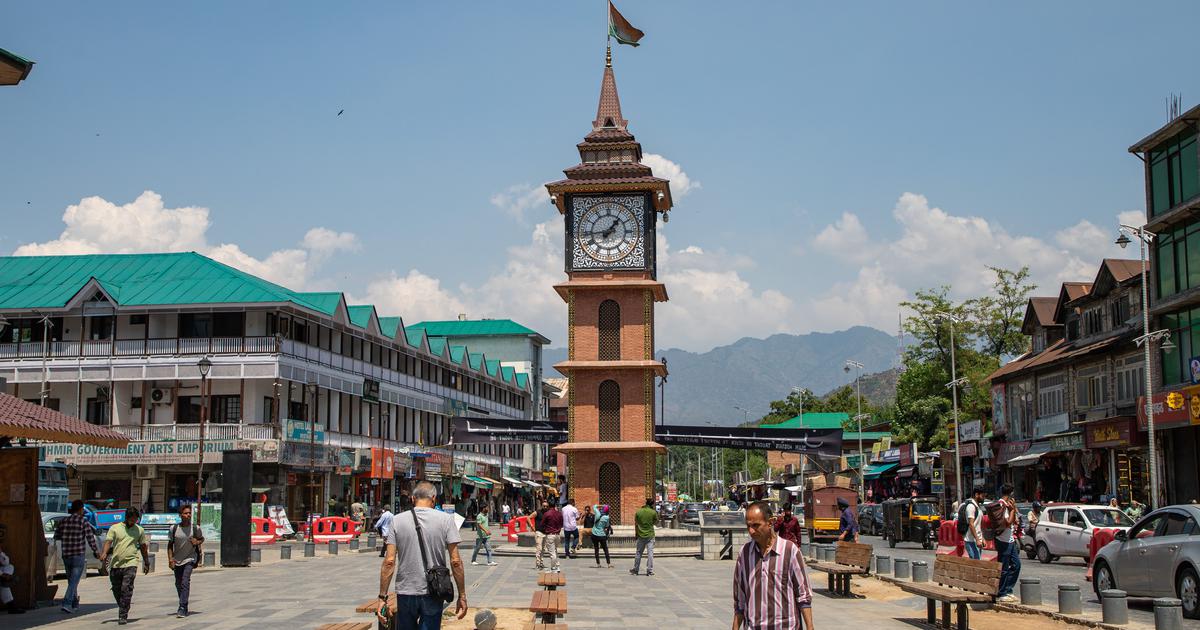
Lal Chowk in Srinagar is more than a city square—it is one of Kashmir's most recognized urban landmarks where daily life, history, memory, and commerce come together. For many travelers, the first visual association is the clock tower, but the wider importance of Lal Chowk includes its role as a civic reference point, political symbol, shopping district, and orientation hub for exploring Srinagar.
Unlike lakefront viewpoints that feel leisurely from the start, Lal Chowk is dynamic and active. You experience market movement, changing street rhythms, and strong local identity in a compact city-center setting. That makes it ideal for visitors who want to understand Srinagar beyond postcard visuals.
To build a better route, combine this guide with Dal Lake Srinagar, Shankaracharya Temple Kashmir, and a classic shikara ride in Kashmir plan.
History of Lal Chowk: Why It Became So Significant
Lal Chowk evolved as a central urban node in Srinagar and gradually became known far beyond Kashmir because of its civic and historical visibility. The square's identity developed through trade activity, public gatherings, and symbolic moments that connected local life to larger national conversations.
For travelers, this history matters because it changes how the place is experienced. You are not visiting an isolated monument; you are stepping into a lived public space layered with memory. That is why responsible behavior and contextual understanding are especially important here.
| Historical Layer | Current Relevance |
|---|---|
| City-center trading role | Explains dense market and transport flow |
| Civic landmark function | Makes it a core orientation point in Srinagar |
| Symbolic public visibility | Adds historical depth beyond tourism |
| Everyday commercial evolution | Keeps the area active and practical for visitors |
If you spend even an hour observing movement around the square, you can see how history and present-day routine overlap naturally.
The Iconic Clock Tower (Ghanta Ghar) Experience
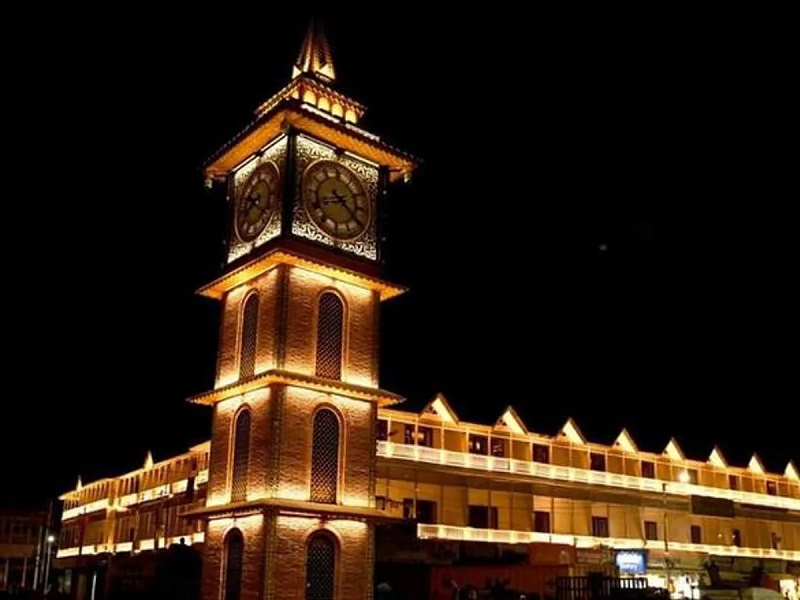
The clock tower at Lal Chowk is the visual anchor most visitors remember first. It works as a reference point for navigation, photography, and meeting coordination. While many travelers treat it as a quick stop, staying longer gives a better sense of the square's changing pace across the day.
Early hours are usually calmer for photos and orientation. As market activity increases, the same space feels more energetic and representative of Srinagar's urban rhythm. Evening can be atmospheric, but crowd movement is also denser, so a slower and aware pace is useful.
What to notice around the clock tower
- Traffic and pedestrian patterns by time block
- Market transitions between morning and evening
- Street-level culture reflected in nearby shops and cafés
- How locals use the square as a practical city hub
Shopping at Lal Chowk: What to Buy and How to Explore
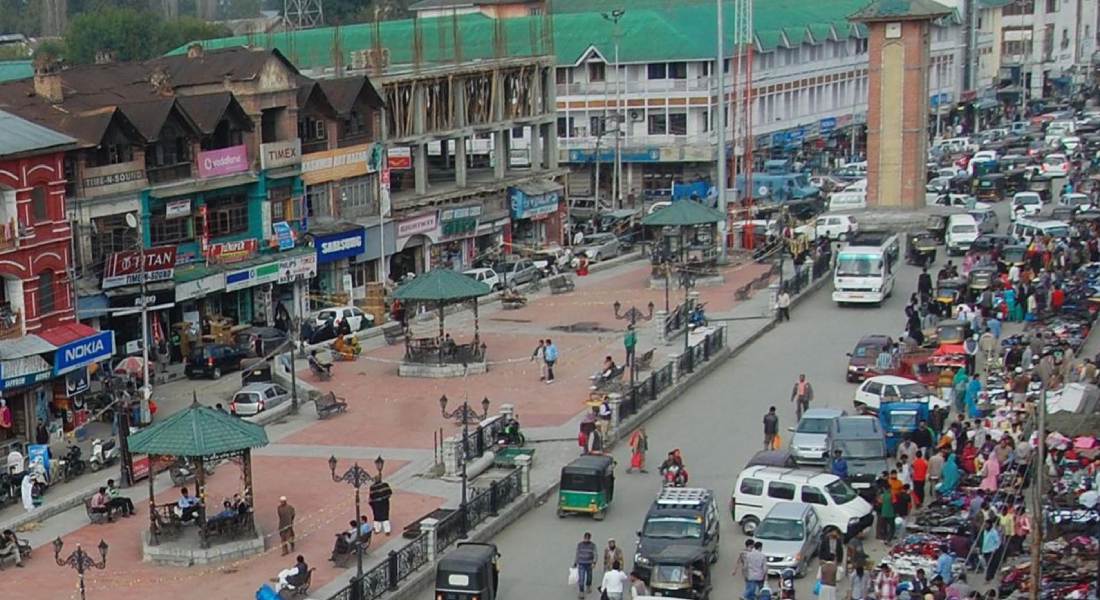
Lal Chowk is one of Srinagar's best-known shopping areas, especially for visitors interested in Kashmiri textiles, dry fruits, handicrafts, and local everyday retail. While it is not a curated luxury zone, that is exactly what makes it useful—you get a more grounded commercial experience.
Shopping quality improves when you move beyond the first storefront and compare options. Check product details, ask about material and origin, and keep expectations realistic between handcrafted items and machine-made alternatives.
| Shopping Type | What You Can Expect | Tip |
|---|---|---|
| Textiles and apparel | Kashmiri-style garments and winter wear | Compare quality across multiple shops |
| Handicraft items | Decor and souvenir options | Ask about workmanship details |
| Dry fruits and local products | Gift-friendly purchases | Check packaging and freshness |
| General retail | Day-to-day city shopping needs | Keep local cash/payment flexibility |
For broader buying insights, combine this stop with places for shopping in Kashmir and Kashmiri street food planning.
Nearby Attractions to Combine with Lal Chowk
Lal Chowk works best as part of a wider Srinagar city route rather than as a standalone destination. Pairing one heritage point, one nature/lake point, and one market segment usually gives the most balanced day.
- Zero Bridge Srinagar for riverfront atmosphere and photo breaks
- Hari Parbat Fort Srinagar for elevated historical context
- Mughal Garden Kashmir for landscape contrast
- Kashmir travel guide for complete route structuring
Keep travel segments realistic. Srinagar traffic can alter timing, so avoid tightly packed hour-by-hour plans.
Best Time to Visit Lal Chowk
Lal Chowk is visitable year-round, but comfort and crowd patterns vary.
| Season | Experience | Recommendation |
|---|---|---|
| Spring/Summer | Active city pace and longer day windows | Good for combined sightseeing days |
| Autumn | Pleasant weather and balanced crowd movement | Strong all-round visiting period |
| Winter | Cold conditions, layered clothing needed | Visit with weather-ready planning |
For photography and easier movement, morning or late-afternoon visits are typically better than peak midday windows.
Lal Chowk Visiting Tips and Safety-First Planning
- Keep your plan flexible around city traffic and local advisories.
- Wear comfortable shoes for market and street movement.
- Carry light cash and digital payment options.
- Avoid obstructing busy pedestrian lanes during photos.
- Respect local sentiment and public-space etiquette.
- Use trusted transport options for return movement after dark.
Lal Chowk is generally manageable for tourists with normal city awareness, but like any active market hub, situational attention improves your experience significantly.
Cultural Significance: Beyond a Tourist Checkpoint
What makes Lal Chowk memorable is not only architecture or shopping. Its significance lies in being a living urban square where public memory and present-day routine intersect. Tea stalls, local shoppers, commuters, and visitors all share the same space with different intentions—this everyday mix is the real character of the area.
For culture-focused travelers, this is an opportunity to observe respectfully rather than consume quickly. A slower pace, simple conversations with shopkeepers, and time spent reading the space can turn a basic stop into one of your most meaningful Srinagar experiences.
Sample Half-Day Lal Chowk Plan
| Time Block | Activity | Outcome |
|---|---|---|
| 09:00 - 10:00 | Clock tower area orientation and photos | Calmer visual experience |
| 10:00 - 11:30 | Market lanes and shopping exploration | Better product comparison and local interaction |
| 11:30 - 12:30 | Nearby attraction transfer | Balanced city circuit continuity |
| Evening option | Return for food and street atmosphere | Different energy and local city vibe |
This structure works for families, solo travelers, and first-time Kashmir visitors who want both context and convenience.
Common Mistakes to Avoid
- Treating Lal Chowk as only a 5-minute photo stop
- Ignoring local traffic and peak-hour movement patterns
- Shopping from the first store without comparing quality
- Planning too many distant stops in the same time block
- Skipping local etiquette in a high-visibility public space
Most weak visits are caused by rushed planning rather than destination limitations.
Budget and Practical Notes
Lal Chowk can fit almost any budget. You can keep the visit simple with a short market walk and tea break, or expand it into a shopping-heavy city segment. Transport cost depends on your base location in Srinagar and your itinerary shape for the rest of the day.
A practical budget split works well: city transfer, shopping allowance, and meal/snack amount. Keeping this structure avoids impulsive overspending and helps you track day-level costs across Kashmir travel plans.
Food and Café Stops Around Lal Chowk
One of the easiest ways to slow your pace in Lal Chowk is to add a planned tea or snack pause between market exploration and the next attraction. Local cafés and eateries around the central zone help break the trip into comfortable blocks, especially for families and senior travelers. A 20-30 minute stop can also help you reassess weather, traffic, and shopping priorities before continuing.
If food is part of your Srinagar experience goals, avoid overcommitting to too many stops in one slot. Keep one reliable meal break and one flexible snack break. This approach works better than trying to chase many recommendations quickly. You can continue your culinary planning through restaurants in Kashmir and Kashmiri food resources.
Responsible Shopping and Local Interaction Tips
Lal Chowk rewards respectful traveler behavior. Greet shopkeepers politely, ask before photographing storefronts or people, and avoid blocking small shop entrances during busy hours. If you are unsure about product authenticity, ask specific questions about material, craftsmanship, and care instructions rather than bargaining aggressively without context.
Local markets remain healthier when visitors shop thoughtfully. Buying fewer but better-chosen items often gives a better memory and supports quality-focused sellers. It also reduces travel clutter and impulse spending. In high-energy market areas, patience and courtesy usually improve both prices and interaction quality.
Visitor Flow and Time Management Strategy
A common mistake in Srinagar planning is treating Lal Chowk like an isolated stop while ignoring transfer reality. Build your day around two strong anchors only: one city-center segment and one lake or garden segment. Keep 20-30 minute timing buffers between segments, especially in afternoon traffic windows. This reduces missed bookings and makes the day feel less rushed.
If your itinerary includes shopping plus photography, split them into separate blocks rather than attempting both at peak crowd times. Shoppers usually do better mid-morning, while photographers often prefer early and late light windows around the square. This simple sequencing change improves both quality and comfort.
Conclusion
Lal Chowk Srinagar remains one of Kashmir's most important city landmarks because it combines historical depth, market culture, and practical centrality. It is ideal for travelers who want to understand Srinagar as a living city, not just a scenic backdrop.
With thoughtful timing, respectful behavior, and realistic route planning, Lal Chowk becomes more than a checkbox stop. It becomes a meaningful part of any Kashmir itinerary.
Location
Frequently Asked Questions
Q1.Where is Lal Chowk located in Srinagar?
Q2.Why is Lal Chowk famous?
Q3.What is the best time to visit Lal Chowk?
Q4.Is Lal Chowk safe for tourists?
Q5.What can I buy at Lal Chowk Srinagar?
Q6.How much time is enough for Lal Chowk?
Q7.Can Lal Chowk be combined with Dal Lake in one day?
Q8.What does Lal Chowk mean?
Recommended For You
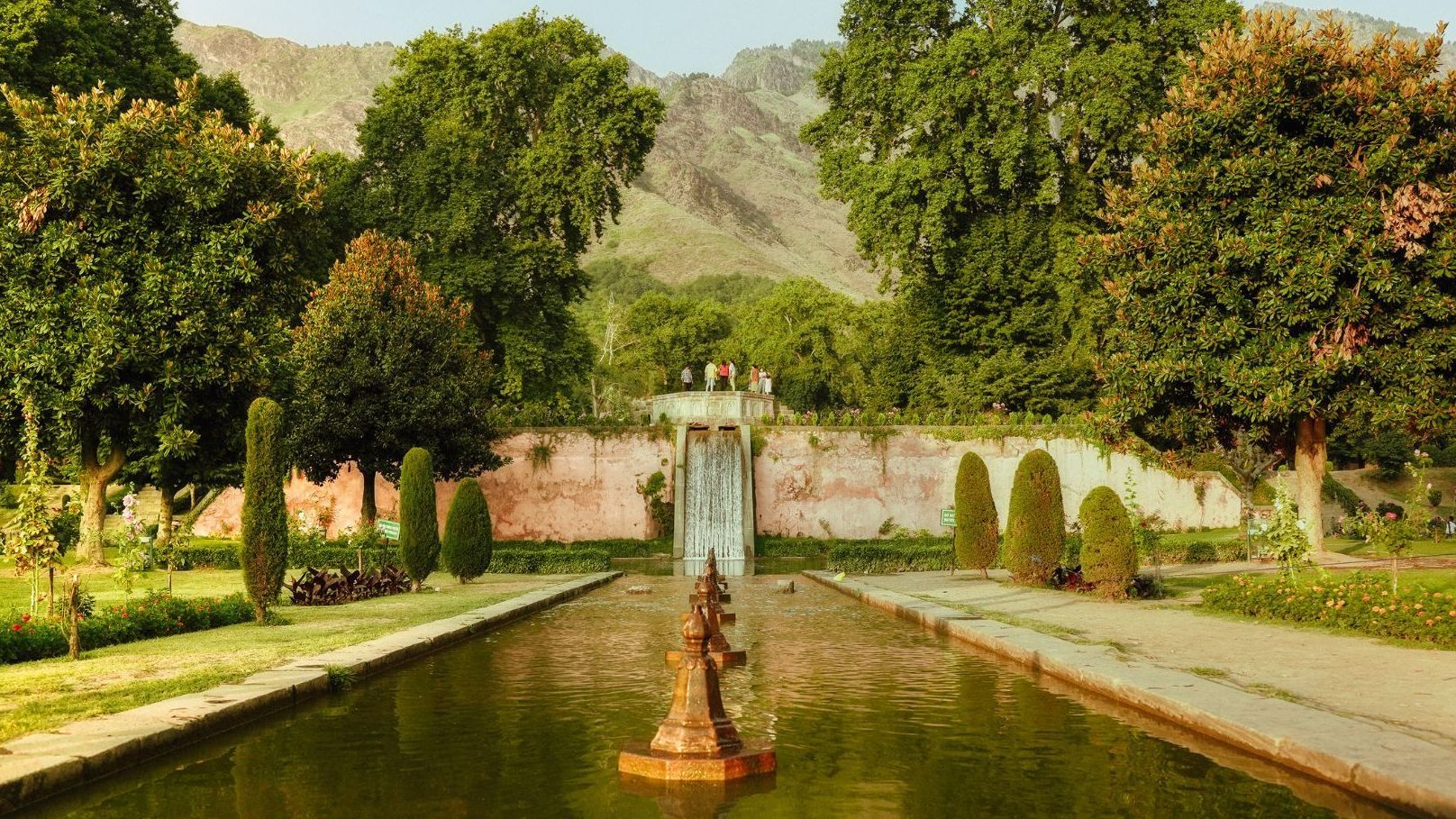
Mughal Gardens Kashmir: Complete Guide to 5 Gardens
Explore Mughal Gardens in Srinagar - Shalimar, Nishat, Chashme Shahi & more. Timings, entry fee, best time & travel guide.
Dal Lake Srinagar: Shikara Rides, Houseboats & Stay Planning
Plan your Dal Lake Srinagar visit with practical shikara timing, houseboat stay tips, nearby attractions, and route-smart travel advice. Experience the jewel of Kashmir with our comprehensive guide.
Shikara Ride Kashmir: Best Time, Rates, and Safety Tips
Plan your shikara ride in Kashmir with practical timing, fare clarity, and route-safety guidance.
Never Miss an Adventure
Get the latest trekking guides, travel tips, and exclusive offers delivered straight to your inbox.
