
Pul Kanjari Amritsar: History, Legacy Site & Entry Details

Neha Kapoor
February 20, 2026
Pul Kanjari Amritsar guide with historical context, architecture highlights, Moran legend, route planning, and practical heritage-visit tips.
Introduction: A Forgotten Heritage Stop Near Amritsar
Pul Kanjari near Amritsar is one of Punjab's lesser-visited historical sites linked to Maharaja Ranjit Singh's era. Travelers often pass this route while heading to Wagah Border, but very few allocate time to understand its historical context, architectural remnants, and folklore layers. That makes Pul Kanjari both underrated and culturally significant.
The site is associated with royal movement, strategic route use, and a story tradition connected with Moran. It may not have the scale of major forts, but it offers a compact heritage experience that adds valuable depth to Amritsar itineraries.
This guide covers history, built features, best time to visit, route planning, and practical logistics. To build a stronger Amritsar circuit, pair it with Golden Temple, Jallianwala Bagh, and Wagah Border Ceremony.
Historical Significance of Pul Kanjari
Pul Kanjari is tied to the period of Maharaja Ranjit Singh and is often described as a historic stopover built along an important route corridor. Over time, the location accumulated local folklore and symbolic association with royal-era movement.
Its significance today is twofold: it is a material reminder of Sikh-era landscape planning and a narrative site where local oral history remains active. For heritage travelers, this combination is especially interesting because it connects archive-level history with community memory.
- Linked with Maharaja Ranjit Singh's travel routes
- Associated with Moran-related folklore
- Part of regional heritage memory beyond mainstream tourist circuits
Architecture and Site Features
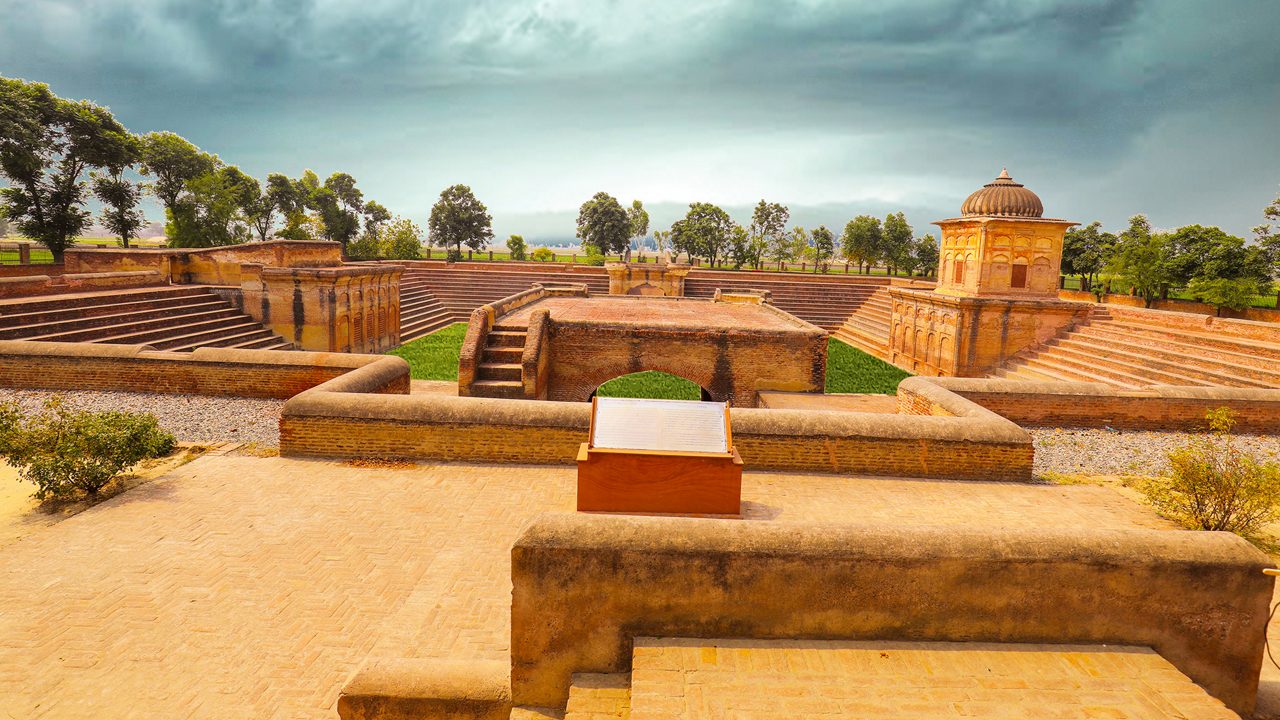
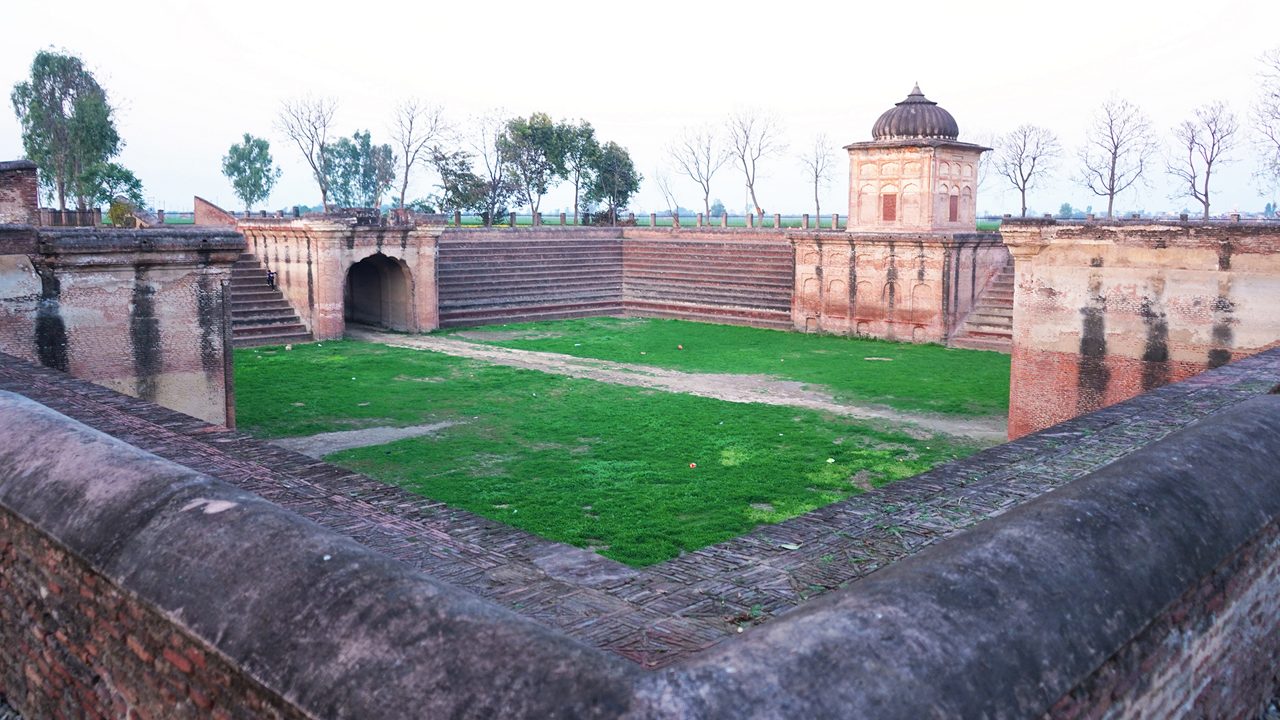
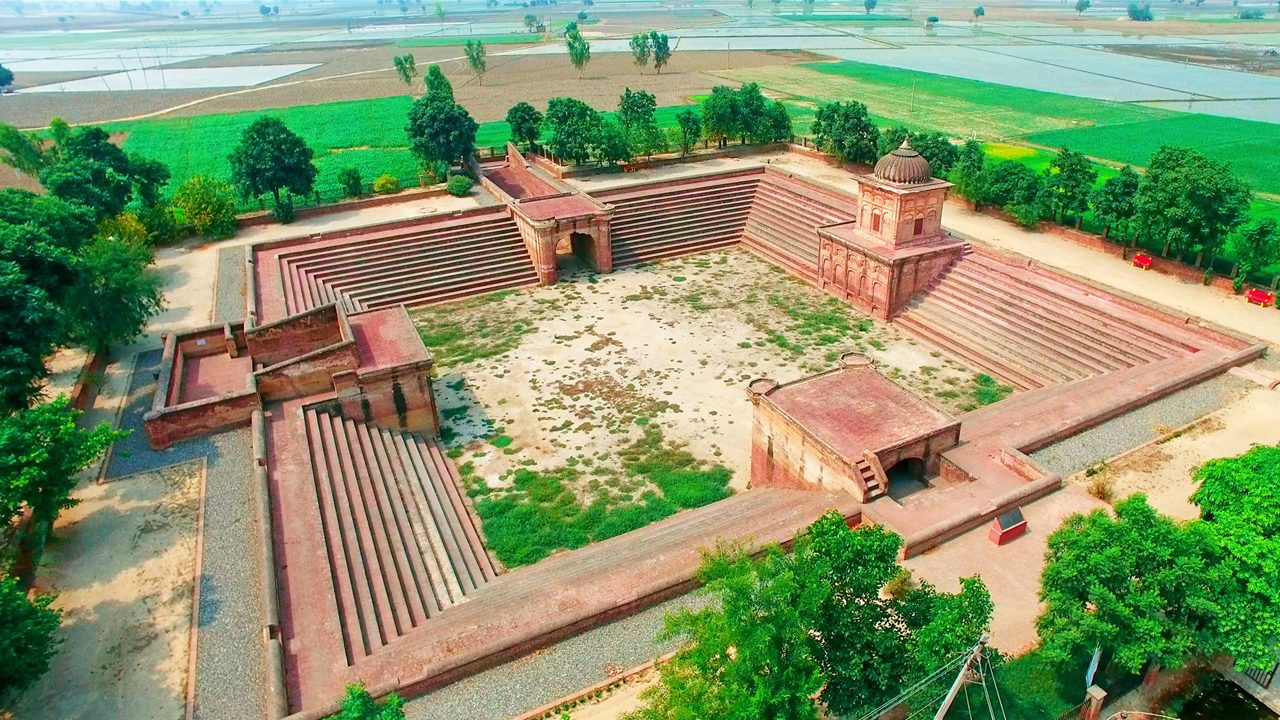
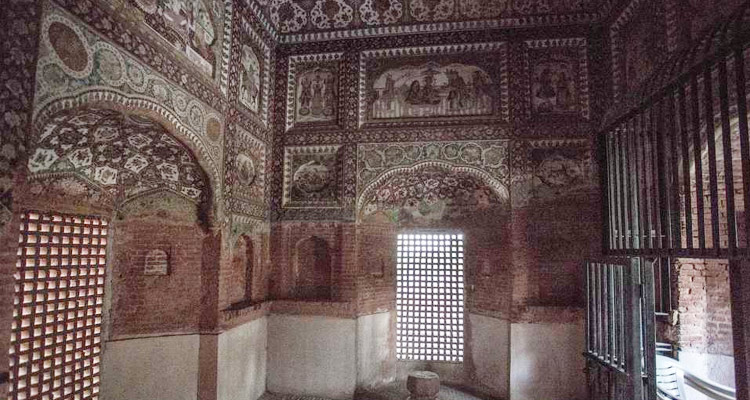
The complex includes structural remnants and open-space elements that reflect functional as well as symbolic usage. While restoration status may vary by section, visitors can still read the historical logic of the site through layout and surviving forms.
| Feature | Interpretation | Visitor Note |
|---|---|---|
| Baradari-like elements | Ceremonial/rest structure cues | Observe form and openings |
| Water-linked structures | Route utility and climate adaptation | Check surviving masonry detail |
| Open grounds | Movement and functional landscape | Useful for full-site perspective |
Architecture lovers should focus on proportion and site context rather than expecting fully restored monument polish.
The Moran Legend and Local Narrative
Pul Kanjari is frequently discussed through the story of Moran and its connection to Maharaja Ranjit Singh. Whether read as history, folklore, or both, this narrative has shaped how the site is remembered in Punjab's cultural memory.
For travelers, the key is to approach this story respectfully and understand that heritage sites often carry layered interpretations: political, social, and oral-tradition based. Local guides may offer different versions, which is part of the site's storytelling richness.
Best Time to Visit Pul Kanjari
Like most open heritage sites in Punjab, comfort is highest in cooler months and early/late daylight windows. Midday heat in peak summer can reduce site experience quality.
- Best season: Cooler months for easier exploration.
- Best time of day: Morning or late afternoon.
- Ideal duration: 45 minutes to 1.5 hours depending on interest depth.
If combining with Wagah, visit Pul Kanjari earlier and leave buffer for border-ceremony travel timing.
How to Reach from Amritsar
Pul Kanjari is generally visited via road from Amritsar and can be integrated into a wider day plan including border-side movement. Private cabs and app-based route planning usually offer the easiest flexibility.
- Start from central Amritsar after morning city heritage stops.
- Keep traffic and security-buffer time if adding Wagah visit.
- Carry water and sun protection for open-site conditions.
Sample Half-Day Heritage Add-On Plan
| Time | Stop | Purpose |
|---|---|---|
| 11:00 AM | Depart Amritsar | Mid-route heritage extension |
| 12:00 PM | Pul Kanjari | History and site walk |
| 1:15 PM | Break/meal | Reset before next movement |
| 3:00 PM+ | Wagah route (optional) | Ceremony integration planning |
Photography Tips for Pul Kanjari
- Use wide frames to capture site context.
- Take detail shots of surviving masonry patterns.
- Prefer low-angle light windows for texture contrast.
- Avoid intrusive behavior around heritage surfaces.
Because this site is less crowded than major monuments, patient framing can produce excellent documentation-style photos.
Historical Reading Framework for Visitors
Heritage visits at Pul Kanjari are most meaningful when approached with a reading framework. Start with context: understand where this site sits within Sikh-era movement networks. Next, observe built remnants as functional clues, not isolated decorative artifacts. Then, map local legend as memory layer. This three-layer framework helps you appreciate the site even if restoration is partial or visual grandeur is modest compared to major monuments.
Travelers who spend even 20 minutes on this method usually retain more than those doing a quick photo stop. It also improves how you connect Pul Kanjari with other Amritsar and Punjab sites in the same trip.
Route Integration with Wagah and City Heritage
Pul Kanjari works best as an itinerary connector. Morning can be used for Amritsar core heritage, midday for Pul Kanjari, and later hours for Wagah route movement where relevant. This sequencing avoids backtracking and keeps energy distribution balanced.
If you are traveling with elders or children, keep longer rest buffers because open-site heat and road movement can increase fatigue. A measured pace is better than packing too many stops in one day.
On-Site Etiquette and Preservation Awareness
- Do not climb or lean on fragile heritage surfaces.
- Keep site clean and avoid plastic litter.
- Respect local narratives even when versions differ.
- Use responsible photography behavior around sensitive spots.
Heritage continuity depends on visitor discipline. Small behaviors preserve long-term value for future travelers and researchers.
How to Experience Pul Kanjari in Context
Pul Kanjari is best understood as part of a wider Amritsar heritage narrative rather than a stand-alone quick stop. Travelers who pair it with city landmarks such as the Golden Temple and Jallianwala Bagh often appreciate its role more deeply. The contrast between major urban heritage sites and this quieter historical location gives perspective on regional governance, borderland movement, and cultural continuity.
Start your visit with a short orientation on the site background, then walk through visible structures at a slow pace. Take time to observe material details such as masonry patterns, layout logic, and restoration conditions. This reflective format improves retention and turns the visit into a meaningful learning experience, not only a photo session.
Suggested Half-Day Itinerary from Amritsar
Plan an early departure from Amritsar to avoid midday heat and optimize road conditions. Allocate transit buffers because local traffic and route conditions can vary by season and day. At the site, keep at least 60 to 90 minutes for structured exploration, interpretation, and photography. Carry drinking water, sun protection, and basic first-aid essentials if you are traveling with children or senior family members.
Post-visit, use your return leg for one additional city heritage stop or local Punjabi meal. This sequencing maintains thematic continuity while keeping fatigue manageable. If you have limited time in the city, half-day planning around Pul Kanjari can still deliver strong cultural value without disrupting your core Amritsar schedule.
Photography, Documentation, and Visitor Etiquette
Heritage photography is most useful when paired with responsible behavior. Avoid climbing on fragile structures, do not litter, and maintain respectful distance from protected sections. If local guides or caretakers are present, brief interaction can improve your understanding of oral history and current conservation needs. Their practical context is often absent from short online summaries.
For researchers, students, and history enthusiasts, carry a small note template with fields for structure condition, interpretive signage quality, and maintenance observations. This converts a casual visit into valuable field learning and supports better heritage awareness among travelers.
Why Lesser-Known Heritage Sites Matter
Popular monuments receive most tourist attention, but smaller sites like Pul Kanjari preserve critical layers of regional memory. Their lower footfall can be an advantage for learning because the environment supports slower observation and less crowd pressure. Responsible visitor presence also helps keep such places visible in public conversation, which can indirectly strengthen future preservation efforts.
If you enjoy historically grounded travel, include one lesser-known site in every destination itinerary. This habit expands your understanding of place beyond iconic landmarks and creates a more complete picture of cultural landscapes.
Travel Logistics and Time Management Notes
Before departure, verify route condition, daylight window, and fuel availability if you are self-driving. Keep printed or offline navigation backup in case mobile data varies on parts of the route. Families should carry snacks, basic medication, and sun cover because comfort facilities may be limited compared with city centers. These simple steps improve reliability and reduce avoidable stress.
Allocate conservative buffers between stops rather than stacking back-to-back commitments. Heritage travel becomes more rewarding when you have time to read signage, observe architectural details, and discuss context with local guides. A slower but intentional schedule is usually the right strategy for sites like Pul Kanjari.
Educational Value for Students and History Travelers
Pul Kanjari can be highly useful for learners studying regional history, architecture, and cultural exchange. Visiting with a question-led approach improves outcomes: what was the site function, how did location shape relevance, and what does current condition reveal about preservation priorities? This mindset turns a short visit into practical field education and makes the travel experience more meaningful.
Conclusion
Pul Kanjari Amritsar is a meaningful heritage stop for travelers who want to look beyond standard city highlights and understand regional historical memory. Its value lies in context, narrative depth, and route-based significance rather than monumental scale.
If you are already visiting Amritsar and Wagah corridors, adding Pul Kanjari is one of the best ways to enrich your Punjab heritage itinerary alongside a broader read on the Amritsar travel guide.
Location
Frequently Asked Questions
Q1.What is Pul Kanjari famous for?
Q2.Is Pul Kanjari worth visiting?
Q3.How much time should I keep for Pul Kanjari?
Q4.How do I reach Pul Kanjari from Amritsar?
Q5.Can Pul Kanjari be combined with Wagah Border visit?
Q6.What is the best time to visit Pul Kanjari?
Q7.Is photography allowed at Pul Kanjari?
Q8.Is Pul Kanjari crowded like central Amritsar attractions?
Recommended For You
Places to Visit in Amritsar: Golden Temple Circuit & City Highlights
Best places to visit in Amritsar. Golden Temple, Wagah Border, Jallianwala Bagh & Punjab attractions.
Things to Do in Punjab: Culture, Food Trails & Heritage Sites
Discover top things to do in Punjab, from Golden Temple and Wagah to food, festivals, heritage routes, and practical travel planning tips.
Best Time to Visit Amritsar: Weather Guide and Tips
Find the best time to visit Amritsar with season-wise planning, crowd-aware timing, and practical route tips for smoother travel.
Never Miss an Adventure
Get the latest trekking guides, travel tips, and exclusive offers delivered straight to your inbox.
