
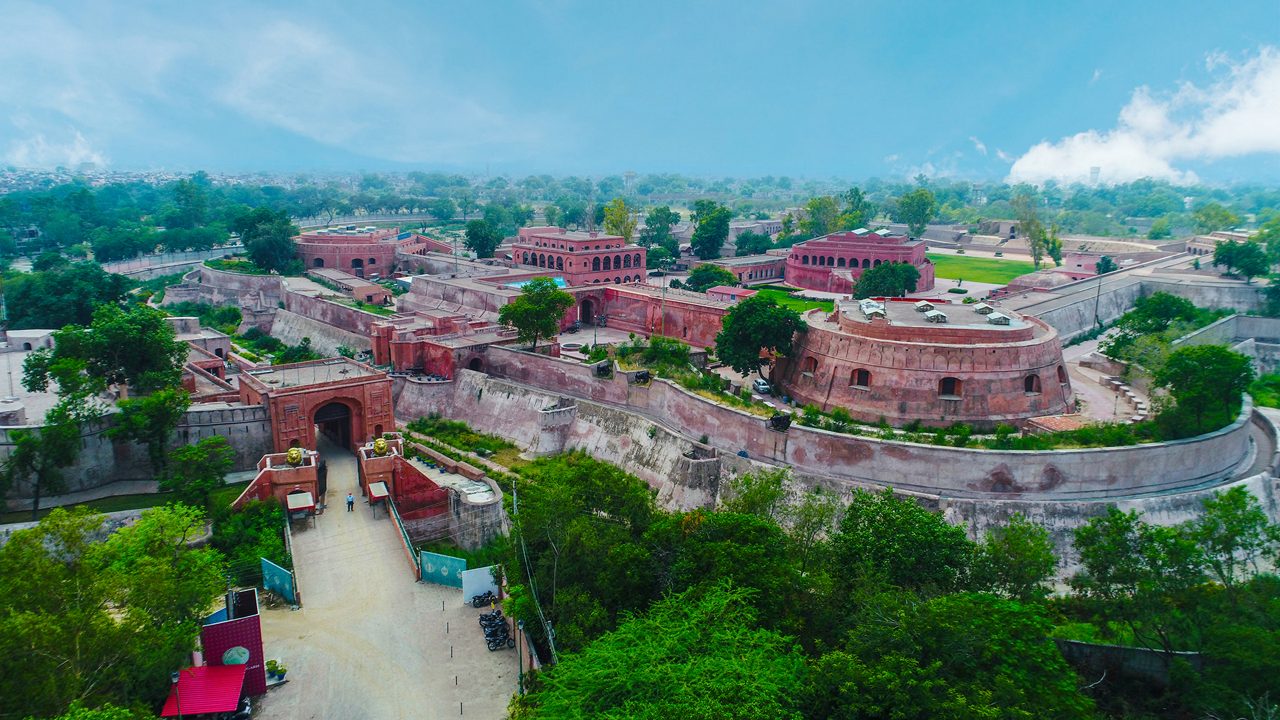
Best Time to Visit Amritsar: Weather Guide and Tips

Ananya Sharma
February 18, 2026
Find the best time to visit Amritsar with season-wise planning, crowd-aware timing, and practical route tips for smoother travel.
Best Time to Visit Amritsar: Weather, Season, and Activity Planner
The best time to visit Amritsar depends on how you want to experience the city. Some travelers prioritize comfortable weather for walking around heritage lanes, others plan around festivals, and many visit mainly for sunrise or evening hours at the Golden Temple and the Wagah Border ceremony. Amritsar can be visited year-round, but trip quality changes sharply by season, especially in summer heat and monsoon humidity.
The strongest planning approach is to map your top activities first, then select dates with realistic weather comfort. If your primary reason is spiritual and heritage travel, cooler months usually improve overall experience. For place planning and route add-ons, pair this guide with golden temple amritsar, places to visit amritsar, and shopping amritsar.

Amritsar Weather Overview by Season
Amritsar has clear seasonal swings. Winter is cooler and highly preferred for sightseeing, summer can be very warm during daytime hours, and monsoon brings intermittent rain with humidity. Your season choice should reflect walking tolerance, festival interest, and preferred crowd level.
Many travelers assume weather is the only factor, but local event calendar also influences crowd density, transport demand, and hotel pricing. Planning with both weather and calendar gives better outcomes.
Best Season to Visit Amritsar for Most Travelers
Winter (October to March): Most Comfortable for Sightseeing
Winter is usually considered the best time to visit Amritsar for families, first-time visitors, and heritage-focused travelers. Day temperatures are generally easier for long walks, food exploration, and multi-stop itineraries. Morning and evening visits to the Golden Temple are especially rewarding in this season.
This period can be busy around major holiday windows, so book central stays in advance if your dates are fixed. If you are balancing spiritual sites with cafés and slower city exploration, also check best cafes in amritsar.
Summer (April to June): Visit with Heat-Aware Timing
Summer is workable only with disciplined day structure. Use early morning and late evening activity blocks, and keep afternoons lighter or indoors. If budget is a key priority, summer may offer better deals, but comfort depends on hydration and realistic pacing.
Monsoon (July to September): Mixed Conditions with Lower Rush
Monsoon months can be less crowded than peak winter windows, but humidity and occasional rain can affect long outdoor routes. This season suits travelers with flexible plans and no strict hour-by-hour scheduling.

Month-by-Month Planning Snapshot
| Season Window | Weather Pattern | Best For | Planning Note |
|---|---|---|---|
| Oct-Nov | Pleasant days, cooler evenings | Heritage + food walks | Great start of peak season |
| Dec-Jan | Cold mornings and nights | Temple visits and festivals | Carry warm layers |
| Feb-Mar | Comfortable and balanced | Family trips and city exploration | Strong overall window |
| Apr-Jun | Hot daytime conditions | Short, low-cost city breaks | Plan around heat |
| Jul-Sep | Humid with rain spells | Flexible crowd-light travel | Use rain-ready plans |
Best Time for Golden Temple and Wagah Experience
For the Golden Temple, cooler months provide better comfort for early or late visits, especially if you want to spend meaningful time in the complex and surrounding lanes. For Wagah Border, crowd intensity can increase during high-tourist windows, so reach early and keep ID and transport planning organized.
If your itinerary is ceremony-focused, compare timing guidance with nearby regional stops like best restaurants in bathinda only if you have additional days; otherwise keep your Amritsar plan concentrated to reduce transfer fatigue.

Festival Timing and City Vibe
Festival periods can make Amritsar culturally vibrant and highly memorable. Diwali and Guru Nanak Jayanti often bring special spiritual atmosphere, while Lohri and Baisakhi periods can shape local celebrations and market activity. The tradeoff is crowd volume and increased stay costs. If you want festive energy, book early and stay near core zones to reduce daily commuting stress.
Budget Strategy by Season
If budget is your top filter, shoulder months around late monsoon transition or early summer can offer better rates than peak winter and major festival windows. However, lower cost should not compromise comfort. In very hot conditions, you may save on stay rates but lose daytime quality due to weather limitations.
The best value often comes from moderate-weather months with stable travel conditions and manageable crowd levels. Spend more on location convenience and less on unnecessary property upgrades.
What to Pack for Different Months
- Winter: warm layers, light woolens, and comfortable walking shoes.
- Summer: breathable clothing, cap, sunglasses, and hydration essentials.
- Monsoon: quick-dry clothing, umbrella, and water-protected day bag.
- All year: modest attire for religious places and power backup for long days.
Respectful clothing is important for temple visits in every season.
Suggested 3-Day Amritsar Plan by Weather Comfort
Day 1: Golden Temple and old city food circuit.
Day 2: heritage landmarks, museum stops, and evening Wagah segment.
Day 3: shopping, cafés, and relaxed departure schedule.
In summer, swap intense midday activities with indoor segments. In winter, maximize early and late-hour walking loops.

Final Recommendation
For most travelers, October to March is the best time to visit Amritsar because weather comfort supports temple visits, city exploration, and food walks with less physical strain. Summer and monsoon remain viable only with smart timing and flexible pacing. Choose dates based on your activity priorities, and your Amritsar experience will be smoother, richer, and more meaningful.
How Long Should You Stay in Amritsar?
For most travelers, two to three days is the ideal stay length. One day can cover major highlights, but the pace becomes rushed and you miss the city’s reflective side. A two-day plan allows one spiritual-and-heritage day plus one food-and-local-culture day. Three days works best if you want a slower rhythm with shopping, café breaks, and flexible evening options.
If your dates fall in peak winter or festival periods, add extra buffer for queues, traffic, and hotel check-in delays. The city feels very different when experienced without time pressure, especially at dawn and evening temple hours. Prioritize quality time at core sites over long, scattered day trips.
Travelers combining multiple Punjab cities should keep intercity movement minimal during short vacations. A focused Amritsar stay is usually more rewarding than attempting too many transfers in two or three days.
Location
Frequently Asked Questions
Q1.What is best time to visit Amritsar?
Q2.Is festival season crowded?
Q3.Should I start sightseeing early?
Q4.Can I combine food and heritage in one day?
Q5.How many days are ideal?
Q6.Should I pre-book stays?
Q7.What improves city experience?
Q8.Is Amritsar family-friendly?
Recommended For You
Best Places to Eat in Jodhpur: Food Guide and Tips
Best places to eat in Jodhpur guide with heritage-aware routing, meal timing, budget control, and practical one-day food planning.
Best Restaurants in Bathinda: Punjabi Meals, Cafes & Dinner Spots
Explore the best restaurants in Bathinda Punjab. From fine dining to street food. Complete food guide with cuisine types, prices & locations.
Shopping in Amritsar: Phulkari, Jutti & Food
Discover shopping in Amritsar: Phulkari embroidery, Punjabi juttis, dry fruits & papad. Complete guide to markets, wedding shopping & what to buy.
Never Miss an Adventure
Get the latest trekking guides, travel tips, and exclusive offers delivered straight to your inbox.
