
Partition Museum Amritsar: Tickets, Timings & Gallery Highlights
Rohit Verma
February 20, 2026
Partition Museum Amritsar guide with tickets, timings, history context, exhibit highlights, visitor tips, and nearby attractions near Town Hall and Golden Temple.
Introduction: Remembering 1947 Through a People's Museum
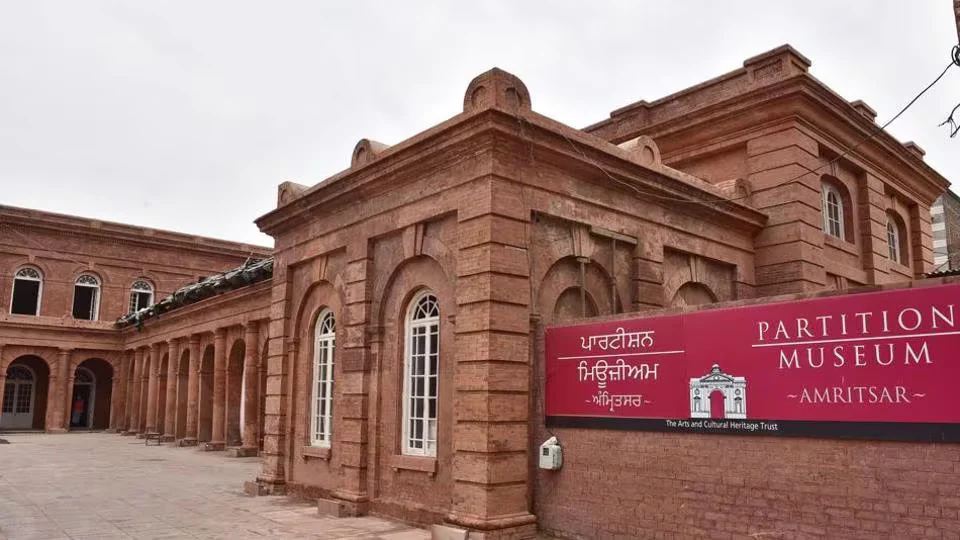
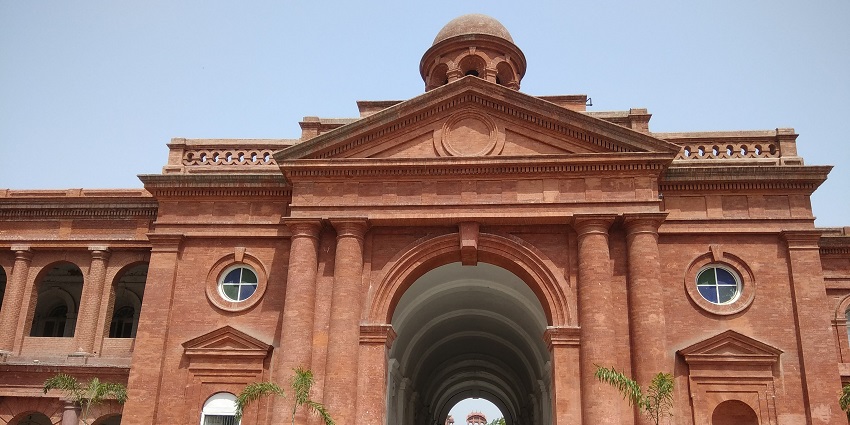
Partition Museum Amritsar is widely recognized as the first museum dedicated to the human stories of the 1947 Partition of the Indian subcontinent. Located in the historic Town Hall near Heritage Street, the museum preserves memories through oral histories, documents, personal belongings, photographs, and installations. This is not a casual walk-through attraction. It is an emotionally heavy, historically important space that asks visitors to slow down and listen.
The museum sits a short walk from major city landmarks, which makes it easy to include in a one-day Amritsar circuit. But unlike standard sightseeing stops, this visit works best with mental preparation and time discipline. In this guide, you will find a practical and respectful overview: what the museum covers, what to expect inside galleries, how much time to keep, current visit basics, and nearby places to combine after your visit.
About Partition Museum Amritsar
The Partition Museum in Amritsar was established to archive stories and materials connected to one of the largest and most traumatic migrations in modern history. The institutional framing on the official museum platform describes it as a people-focused memorial space built through contributions, stories, and preserved memories. That orientation is visible across the collection style: letters, family documents, refugee narratives, maps, newspapers, personal objects, and recorded testimonies.
Its location is central to its impact. The museum is housed in the Town Hall area, around a 5-7 minute walk from the Golden Temple zone according to official visitor guidance. Because of this proximity, many travelers combine this museum with Golden Temple Amritsar and Jallianwala Bagh in the same route.
What You See Inside: Galleries and Exhibit Themes
Gallery layouts can evolve as curatorial updates happen, but the museum generally presents a journey from pre-Partition political background to migration, loss, memory, and rebuilding. The strongest sections are usually those built around real people and donated family archives rather than only abstract timelines.
| Exhibit Focus | What It Helps You Understand |
|---|---|
| Historical background | Political and social context before 1947 |
| Migration records | Scale and intensity of displacement |
| Oral histories | First-person memory and lived experience |
| Refugee artifacts | What families carried and why it mattered |
| Archival material | Administrative and media documentation of the period |
| Hope-oriented installations | Recovery, resilience, and intergenerational remembrance |
Many visitors describe the oral history and personal artifact sections as the most affecting parts of the museum. Plan extra time for these galleries if your interest is historical depth rather than photo-friendly coverage.
Key Artifacts and Display Types
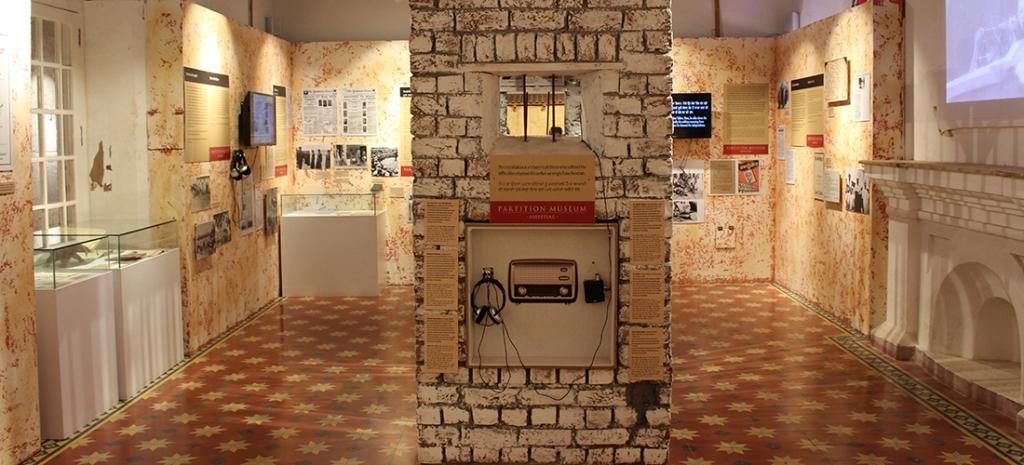
One of the museum's strengths is its archival diversity. Instead of limiting interpretation to one medium, it combines text, visual records, material objects, and voice-based memory. This format helps both younger audiences and serious history learners engage at different levels.
- Family letters and personal documents linked to migration paths.
- Photographs, identity papers, and donated household objects.
- Curated text panels tracking critical historical moments.
- Audio/video testimony formats that preserve survivor narratives.
- Installations and symbolic elements focused on remembrance and reconciliation.
This layered display style gives context to numbers that otherwise remain abstract. You do not just read about displacement; you see what was carried, what was lost, and how families remembered home.
The Emotional Journey: What To Expect as a Visitor
Partition Museum is educational, but it is also emotionally intense. Visitors may encounter stories of separation, violence, disrupted childhoods, refugee transit, and rebuilding under trauma. For many Indian families, this history is not distant; it remains part of living memory passed down across generations.
If you are traveling with children or first-time museum visitors, prepare them in advance. Keep enough time so you do not have to rush through difficult sections. A hurried visit often reduces the learning impact and can feel disrespectful to the narratives being presented.
Many visitors find it useful to schedule a quieter stop after this museum, rather than jumping directly into crowded shopping or loud entertainment spaces.
Timings, Tickets, and Visitor Information
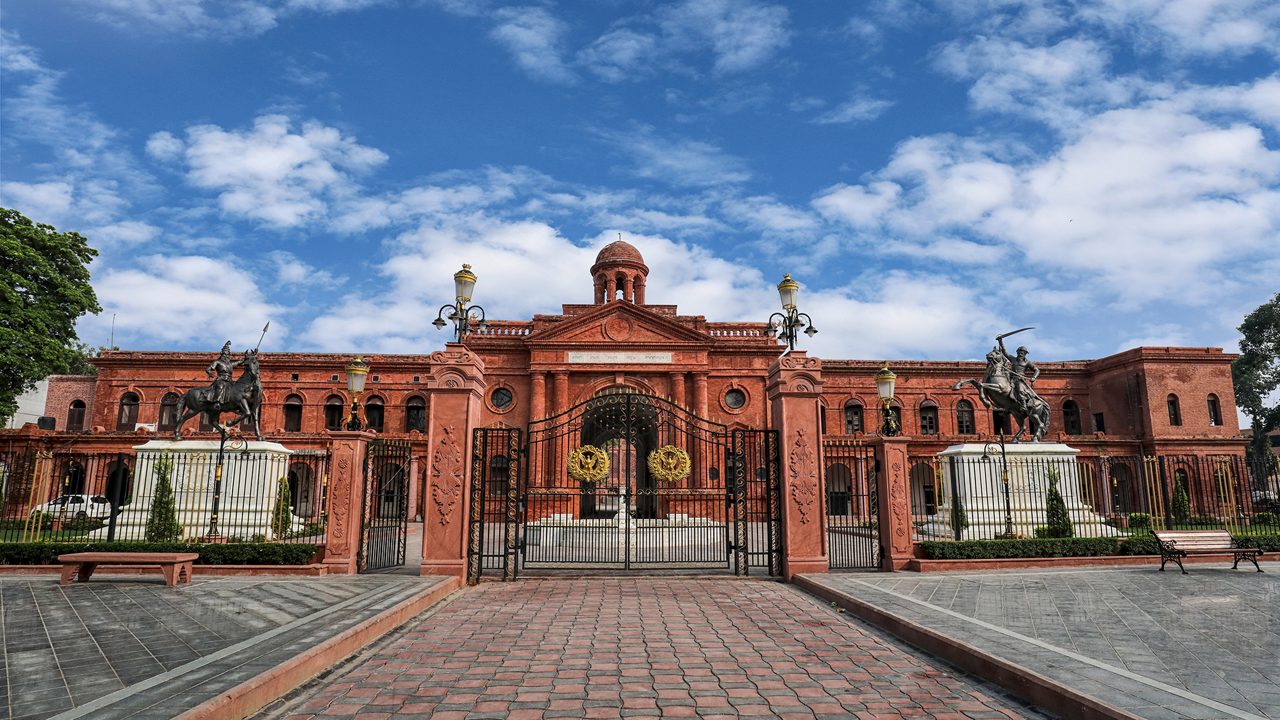
According to the official museum visit page, current Amritsar hours are 10:00 AM to 6:00 PM from Tuesday to Sunday, with Monday closure. The same source lists closure on specific national dates as well. Ticketing information listed there includes separate pricing by visitor category, including concessions for young children and Partition survivors.
| Visitor Info Item | Current Published Guidance |
|---|---|
| Working days | Tuesday to Sunday |
| Closed day | Monday |
| Timing | 10:00 AM to 6:00 PM |
| Indian ticket | INR 10 (as listed on official page) |
| Foreign ticket | INR 250 (as listed on official page) |
| Children | Free for age 5 and below (as listed) |
Important: museums can revise policies, ticket rates, and photography rules. Official guidance currently mentions that photography/videography is prohibited inside the museum. Always verify the latest conditions from the official museum channels before visiting.
How To Reach Partition Museum in Amritsar
The museum is in Town Hall, Katra Ahluwalia, near Heritage Street. Official route guidance states that it is within walking distance from the Golden Temple area. This makes it easy to reach on foot if you are already in the old city heritage circuit.
By Air
From Sri Guru Ram Dass Jee International Airport, travelers usually take taxi/cab/auto to the heritage core and continue to Town Hall.
By Rail
From Amritsar Junction, local auto/cab options are widely available for a short transfer to Town Hall.
By Road and Local Mobility
Autos and app-based cabs are common in the city. If you are self-driving, use designated nearby parking areas and complete the final stretch on foot.
Visit Flow: A Better Way To Experience the Museum
If you want depth, follow a simple structure instead of rushing section to section. Start with historical context panels and timeline spaces first so that later personal stories have clearer background. Then move to migration and oral history galleries, and keep at least 20 to 30 uninterrupted minutes in these zones. Most visitors who feel overwhelmed usually entered the most emotional sections without building enough historical framework.
After completing core galleries, pause in any reflection-oriented area before exiting. This helps process what you have seen and avoids reducing the visit to a checklist item. If you are traveling as a group, agree in advance that silence and slower pacing are part of the plan. The museum is strongest when visited thoughtfully, not quickly.
Best Time To Visit and How Much Time To Keep
For a quieter experience, weekdays and earlier daytime slots are generally better than holiday rush windows. Amritsar's cooler season months are more comfortable for combined city walking routes. Most visitors should keep at least 1 to 2 hours for a meaningful museum visit. If you read every panel and engage with oral histories carefully, 2 to 3 hours is more realistic.
Do not treat this as a quick 20-minute stop between food breaks. This museum rewards attention and patience.
Why This Museum Matters for Students and Researchers
Partition Museum is not only a tourist destination. It is also useful for students, educators, and researchers working on migration history, memory studies, oral archives, and post-colonial South Asian history. The institution's public archive orientation and narrative diversity make it a valuable entry point for people who want to understand lived history beyond textbook summaries.
For academic visitors, it is useful to prepare a focused question before arriving: for example, refugee movement patterns, language of memory in testimonies, or changes in border narratives across generations. A focused lens helps you read exhibits more deeply and makes your visit more productive. If you are planning a longer history route in the city, combine this with places to visit in Amritsar and photography spots in Amritsar for broader context mapping.
Nearby Attractions You Can Combine
The Town Hall location allows a strong heritage loop on the same day. Common combinations include Golden Temple Amritsar, Jallianwala Bagh, and the evening Wagah Border ceremony. For broader city planning, use places to visit in Amritsar and Amritsar travel guide.
Practical Tips Before You Go
- Carry a valid ID and some cash even if you prefer digital payments.
- Keep phone on silent mode and maintain low conversation volume inside galleries.
- Avoid planning this visit in the final 30 minutes before closing.
- Respect no-photography rules where enforced.
- If traveling with elders, check lift and accessibility support on arrival.
- Pause at reflection spaces; this is part of the museum experience, not extra time.
Final Take
Partition Museum Amritsar is one of India's most important historical memory spaces because it preserves people-first narratives, not just state timelines. It helps visitors understand Partition through evidence, testimony, and lived experience rather than through simplified summaries.
It is also one of the few public spaces where national history is felt through individual memory, making the visit deeply personal even for those with no direct family archive from 1947.
If you want your Amritsar trip to include depth alongside devotion and sightseeing, keep this museum high on your itinerary. Plan enough time, visit respectfully, and combine it with nearby historical sites for a complete understanding of the city's layered past. The experience often stays with visitors for years.
Location
Frequently Asked Questions
Q1.Where is Partition Museum located in Amritsar?
Q2.What are the timings of Partition Museum Amritsar?
Q3.What is the entry fee for Partition Museum?
Q4.What can we see at Partition Museum?
Q5.How much time is needed to visit Partition Museum?
Q6.Is photography allowed inside Partition Museum?
Q7.Why was Partition Museum established?
Q8.How do I reach Partition Museum in Amritsar?
Recommended For You
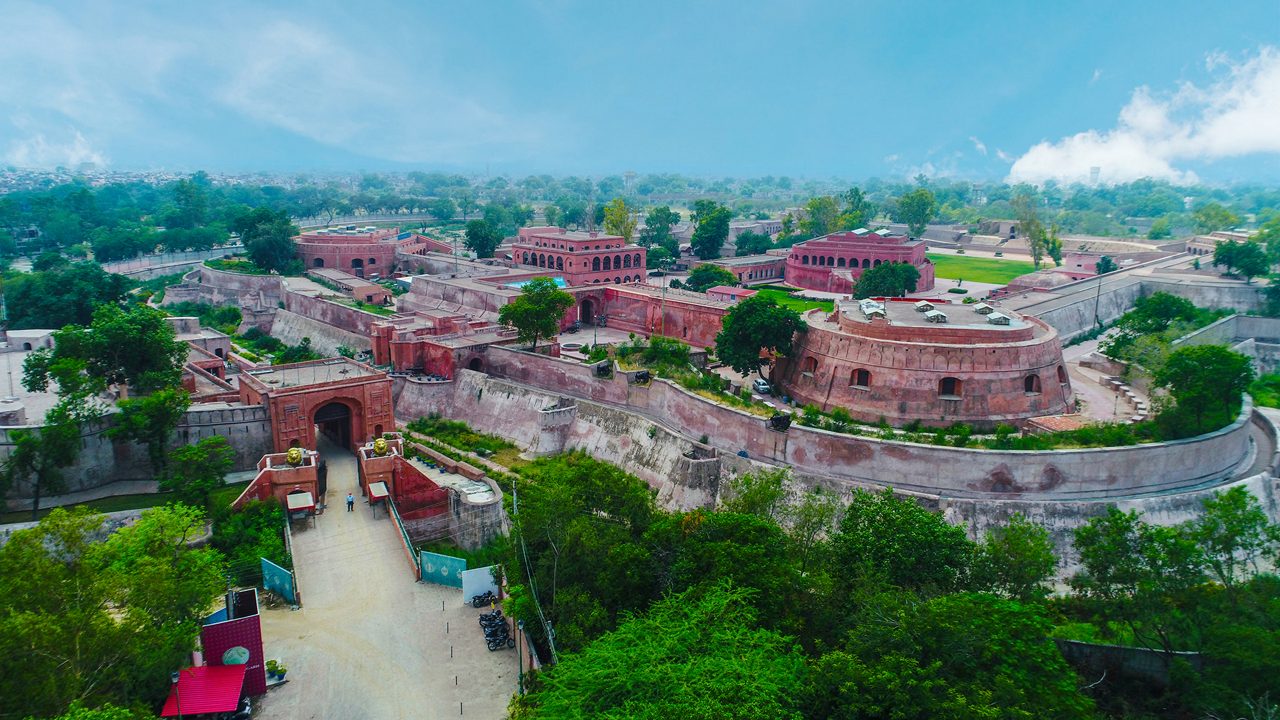
Amritsar: Complete Travel Plan Places And Weather
Complete Amritsar travel guide featuring Golden Temple, Wagah Border, Jallianwala Bagh, Partition Museum, Punjabi cuisine & practical tips.
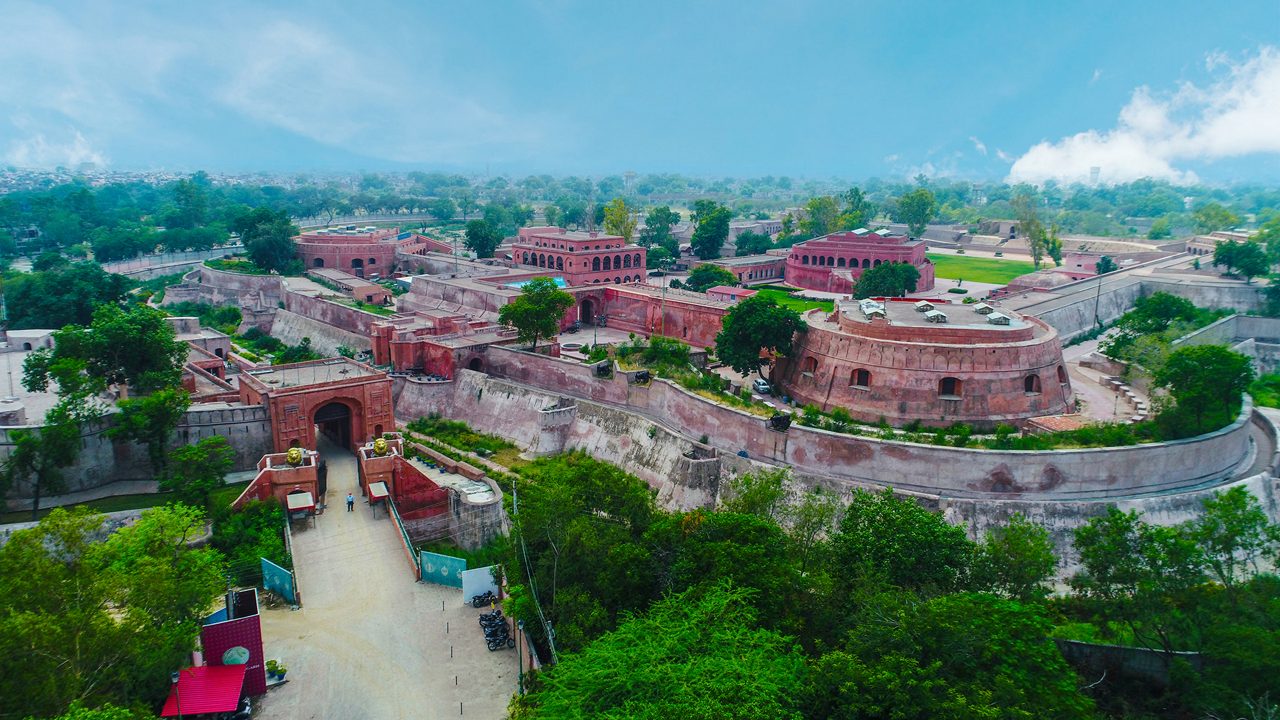
Photography Spots in Amritsar: Best Angles, Timings & Landmark Views
Capture the best photography spots in Amritsar with route planning, timing tips, low-light guidance, and respectful shooting practices.
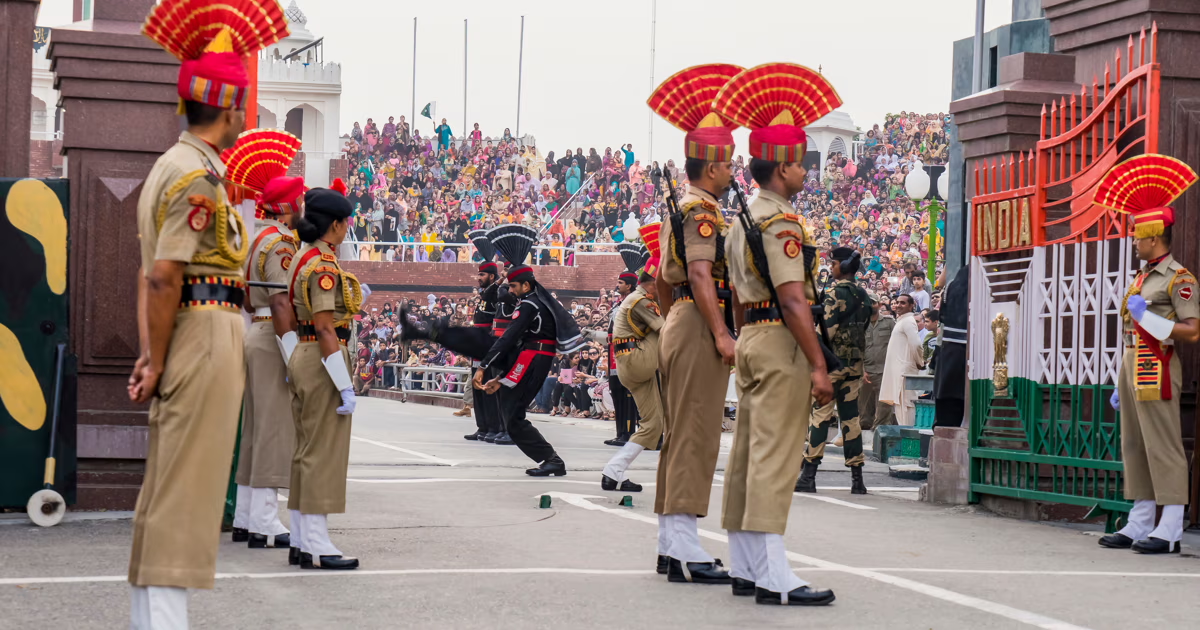
Wagah Border Ceremony: Timings, Seating & Ticket Process
Experience the patriotic Wagah Border Beating Retreat Ceremony. Complete guide to timings, entry tickets, VIP passes, how to reach from Amritsar, and tips for this spectacular India-Pakistan border ritual.
Never Miss an Adventure
Get the latest trekking guides, travel tips, and exclusive offers delivered straight to your inbox.
