
Places to Visit in Bagalkot: Karnataka Heritage

Ananya Sharma
February 9, 2026
Best places to visit in Bagalkot Karnataka. Badami caves, Pattadakal temples, Aihole & more. Complete travel guide.
Introduction
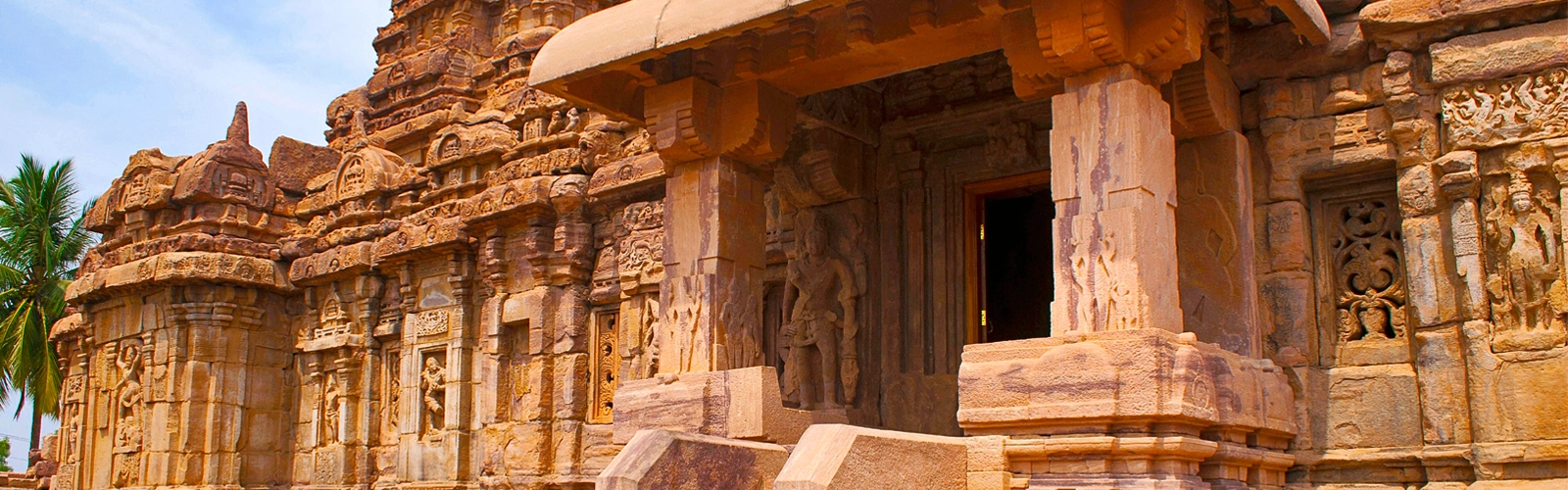
Bagalkot district in Karnataka stands as one of India's most historically significant regions, housing a treasure trove of ancient monuments that span centuries of architectural evolution. As the heartland of the mighty Chalukya dynasty, this region witnessed the birth and maturation of South Indian temple architecture, leaving behind a legacy that continues to awe visitors to this day. The district is home to not one but multiple UNESCO World Heritage Sites, making it a must-visit destination for history enthusiasts, architecture students, and cultural travelers.
What makes Bagalkot truly special is the way it showcases the complete journey of Indian temple architecture - from experimental designs to perfected masterpieces. The famous temple triangle of Badami, Pattadakal, and Aihole lies within this district, offering visitors an unparalleled opportunity to witness architectural evolution across different sites. Beyond these UNESCO gems, the district is dotted with numerous other temples, cave complexes, and sacred sites, each with its own unique story and significance.
The region's historical importance goes beyond just architecture. Bagalkot was a center of learning, culture, and political power for several centuries. The confluence of the Krishna and Malaprabha rivers added to its religious significance, attracting saints, poets, and scholars. Today, as you walk through these ancient sites, you're not just seeing monuments - you're experiencing the heritage of a civilization that shaped South Indian culture and art.

Badami Cave Temples
Badami, formerly known as Vatapi, served as the capital of the Early Chalukya dynasty and remains one of Karnataka's most spectacular heritage sites. The town is famous for its four magnificent rock-cut cave temples carved into a stunning red sandstone cliff that rises dramatically beside the serene Agastya Lake. Dating from the 6th to 7th centuries, these caves represent some of the earliest and finest examples of Indian rock-cut architecture, showcasing the religious harmony and artistic excellence of the Chalukya period.
The four caves are dedicated to different religious traditions, demonstrating the inclusive nature of Chalukya rule. Cave 1 is dedicated to Lord Shiva and features an exquisite carving of Nataraja, the cosmic dancer in his 81 dancing poses. The ceiling contains magnificent paintings from the Chalukya period, making it particularly special for art historians. Cave 2 is devoted to Lord Vishnu and showcases his various incarnations, including the impressive Trivikrama form where he measures the cosmos with three steps.
Cave 3 is the largest and most elaborate, also dedicated to Vishnu but featuring more detailed carvings and larger-than-life sculptures. This cave stands as a masterpiece of Chalukya art, with the massive 4.5-foot high Vishnu statue being particularly noteworthy. Cave 4, the only one dedicated to Jainism, contains beautiful carvings of Tirthankaras, reflecting the religious diversity of the period. Each cave follows a similar pattern - a verandah with pillars, a pillared hall, and a small sanctum - but the architectural treatment and sculptural details vary, showing the evolution of Chalukya style.
Beyond the caves, Badami offers other attractions worth exploring. The Bhutanatha Temples, situated on the banks of Agastya Lake, present a beautiful example of later Chalukya architecture. The ruins of the Badami Fort atop the cliff offer panoramic views of the town and the surrounding landscape. The Archaeological Museum houses various sculptures and artifacts found in the region, providing context for your visit. The setting itself is magical - the red sandstone cliffs reflected in the tranquil lake, especially during sunrise and sunset, creating a photographer's paradise.
Visit Details
| Information | Details |
|---|---|
| Timings | 6:00 AM - 6:00 PM daily |
| Entry Fee | ₹25 (Indians), ₹300 (foreigners) |
| Photography | Free (no tripod allowed in caves) |
| Time Required | 3-4 hours |
| Best Time | Early morning or late afternoon |
Pattadakal Temples (UNESCO World Heritage Site)
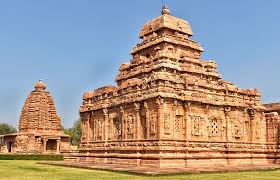
Pattadakal, meaning 'place of coronation,' holds a special place in Indian history as the ceremonial site where Chalukya kings were crowned. This group of ten temples, built in the 7th and 8th centuries, represents the pinnacle of Chalukya architectural achievement and earned UNESCO World Heritage status in 1987. What makes Pattadakal unique is its harmonious blend of Northern (Nagara) and Southern (Dravida) architectural styles, earning it the nickname 'the cradle of temple architecture.'
The Virupaksha Temple, the largest and most impressive in the complex, was built by Queen Lokamahadevi to commemorate her husband Vikramaditya II's victory over the Pallavas. This magnificent temple is the only complete temple at Pattadakal and served as the model for the famous Kailasha Temple at Ellora. The temple features a grand entrance gateway, a massive pillared hall, and an intricately carved vimana (tower) that rises majestically above the sanctum. The sculptural panels on the walls depict scenes from the Ramayana and Mahabharata, with the carvings of Uma Maheswara being particularly noteworthy.
The Mallikarjuna Temple, built by Vikramaditya II's second queen, is similar in style to the Virupaksha Temple but slightly smaller. The Papanatha Temple stands out for its unique blend of architectural styles - the northern Nagara style tower combined with southern Dravidian elements. The Sangameshwara Temple, the oldest in the complex, built by King Vijayaditya, represents early Chalukya architecture with its simple, elegant design. The Galaganatha Temple, with its curvilinear northern style shikhara, shows the Chalukya's experimentation with different architectural traditions.
The sculptural art at Pattadakal is truly exceptional. The walls of these temples are covered with intricately carved panels depicting gods, goddesses, celestial beings, mythological scenes, and everyday life from the Chalukya period. The quality of craftsmanship is remarkable, with each figure displaying individual character and detailed treatment. The narrative sculptures, particularly those from the epics, tell stories through visual art, demonstrating the artists' mastery of both technique and storytelling.
Visit Details
| Information | Details |
|---|---|
| Timings | 6:00 AM - 6:00 PM daily |
| Entry Fee | ₹25 (Indians), ₹300 (foreigners) |
| Photography | Free |
| Time Required | 2-3 hours |
| Audio Guide | Available at ticket counter |

Aihole - Temple Town of Karnataka
Aihole, often called the 'cradle of temple architecture' or 'the primary school of Chalukya architecture,' represents the experimental phase where architects perfected their craft. With over 125 temples scattered across the village, Aihole is essentially an open-air architectural laboratory showing the evolution of temple design. Located about 35 kilometers from Badami, this ancient town was the first capital of the Chalukyas and contains temples dating from the 5th to 8th centuries.
The Durga Temple, despite its name not being dedicated to Goddess Durga, is Aihole's most famous structure. Its unique apsidal plan resembling Buddhist chaitya halls makes it architecturally significant. The temple features richly carved pillars, a semicircular rear with intricate sculptures, and detailed exterior panels depicting various deities. The Lad Khan Temple, one of the earliest structures, shows the transition from rock-cut to structural temple architecture with its massive plain pillars and sloping roof reminiscent of earlier wooden buildings.
The Ravanaphadi Cave, a rock-cut temple from the late 6th century, contains beautiful relief sculptures of Shiva in various forms, including the remarkable Ardhanarishwara (half male, half female) representation. The Huchappayya Matha is notable for its curvilinear tower, an early experiment in Nagara style architecture. The Meguti Jain Temple, the only dated monument at Aihole with an inscription from 634 AD, provides valuable historical information and offers panoramic views from its hilltop location.
What makes Aihole truly special is that it shows the process of architectural evolution - you can see experiments that worked, those that didn't, and the gradual refinement of techniques. It's like reading an architectural textbook in stone, where each temple represents a chapter in the development of South Indian temple architecture. A visit to Aihole, combined with Badami and Pattadakal, gives you a complete understanding of how Chalukya architecture developed from experimental beginnings to mature mastery.
Visit Details
| Information | Details |
|---|---|
| Timings | 6:00 AM - 6:00 PM daily |
| Entry Fee | Free (some temples nominal fee) |
| Time Required | 3-4 hours |
| Guide | Highly recommended |
Kudala Sangama
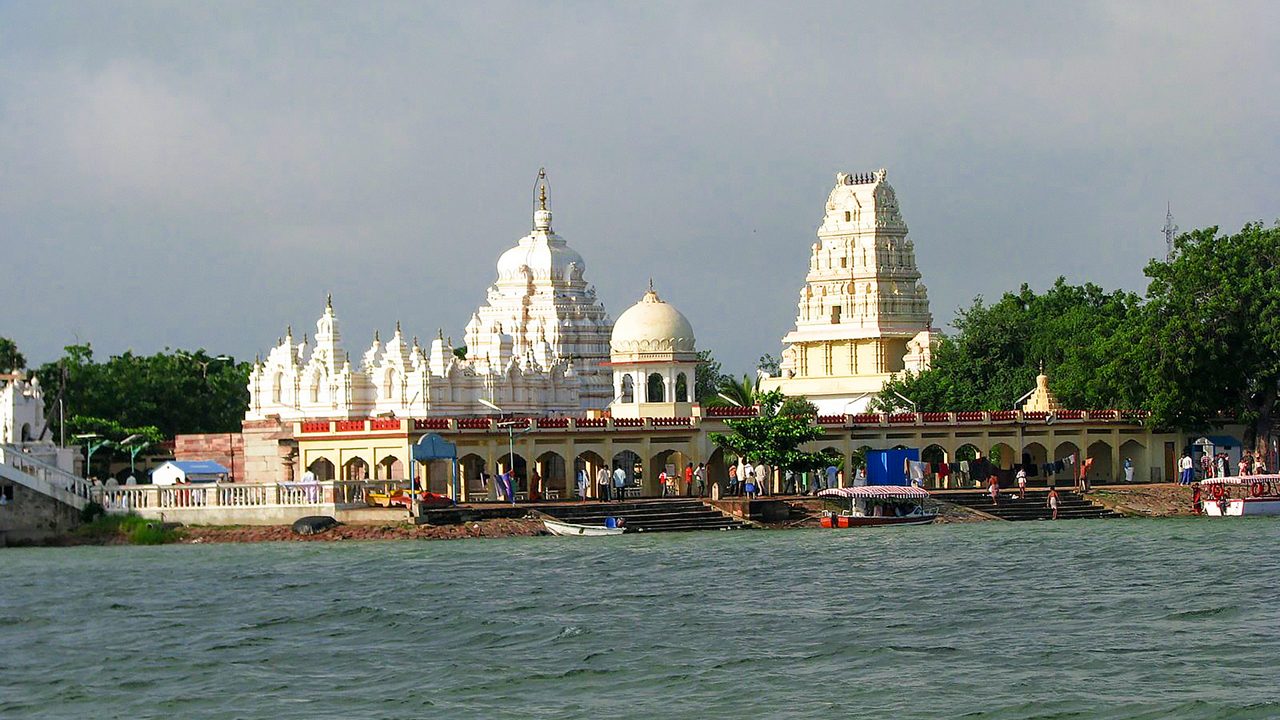
Kudala Sangama, one of the most sacred pilgrimage sites in Karnataka, marks the confluence of the Krishna and Malaprabha rivers. This place holds immense religious significance, particularly for followers of the Lingayat faith, as it is the samadhi (final resting place) of the 12th-century philosopher and social reformer Basavanna (also known as Basaveshwara). Basavanna was a visionary who preached equality, opposed caste discrimination, and worked for social reform, making this site not just a religious destination but a symbol of progressive thought.
The main attraction at Kudala Sangama is the Sangameshwara Temple, an ancient shrine dedicated to Lord Shiva. The temple's serene location at the river confluence adds to its spiritual atmosphere. The Aikya Mantapa, where Basavanna attained samadhi, is another important site visited by devotees. A modern museum near the temple provides insights into Basavanna's life and teachings, displaying artifacts, manuscripts, and information about the Lingayat faith.
The natural setting of Kudala Sangama is breathtaking. The two rivers meet here, creating a scenic landscape that's perfect for quiet contemplation and spiritual reflection. The sound of flowing waters, the ancient temple, and the peaceful ambiance create an atmosphere of tranquility that stays with visitors long after they leave. During festivals, particularly on Basava Jayanti (Basavanna's birth anniversary), the place comes alive with celebrations, drawing thousands of devotees from across Karnataka and neighboring states.
Banashankari Temple
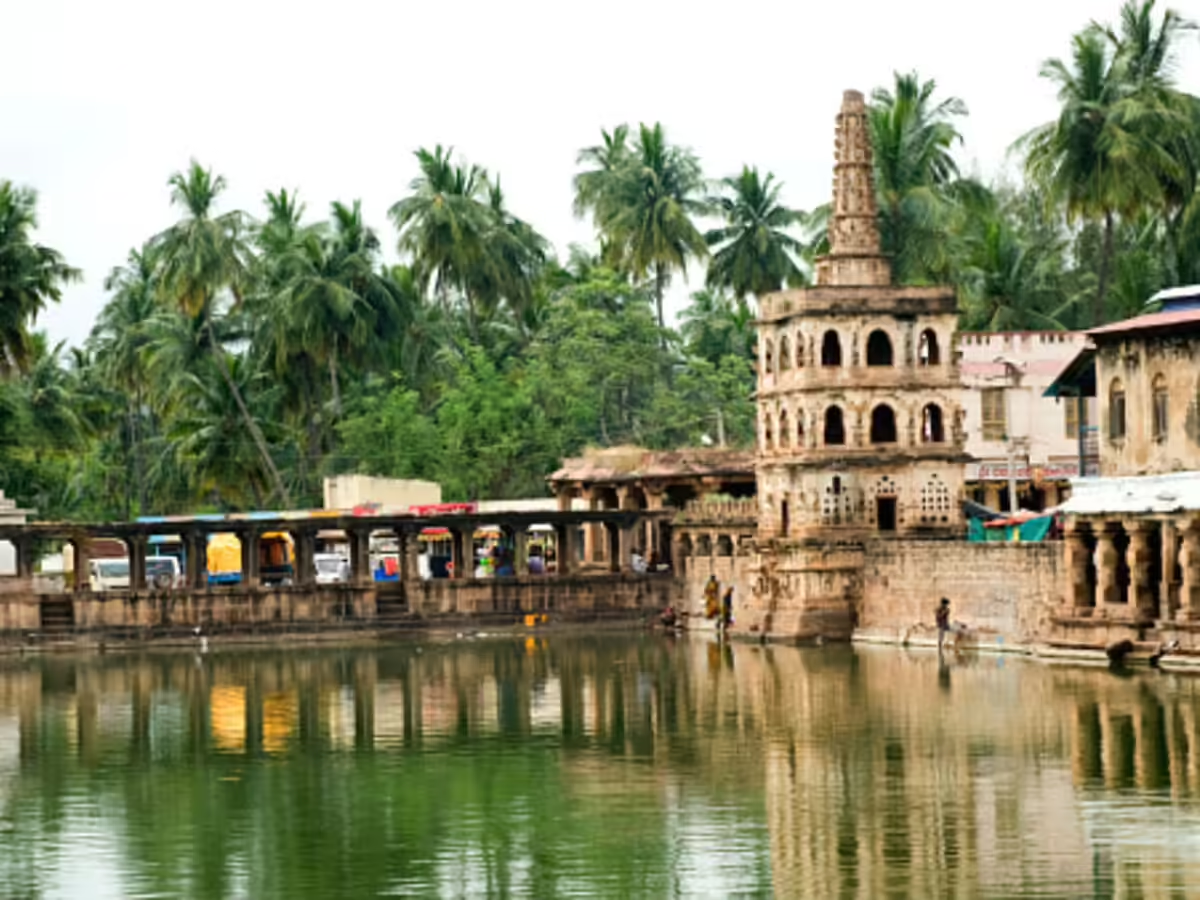
The Banashankari Temple, located near Badami, is dedicated to Goddess Banashankari, a form of Goddess Durga worshiped primarily in Karnataka. The temple, dating back to the 8th century, is set in a picturesque location surrounded by hills and features a sacred tank called Haridra Teertha. The goddess is considered the family deity of the Chalukya kings, which explains the temple's historical importance and patronage.
The temple architecture is in the Dravidian style, though the original structure has undergone modifications over the centuries. The rock-cut shrine and the ancient sculptures testify to its antiquity. The temple's main deity is an eight-armed goddess depicted in a fierce form, symbolizing her power to protect devotees from evil forces. The annual fair held here in January-February attracts thousands of devotees and transforms the quiet temple complex into a vibrant celebration of faith.
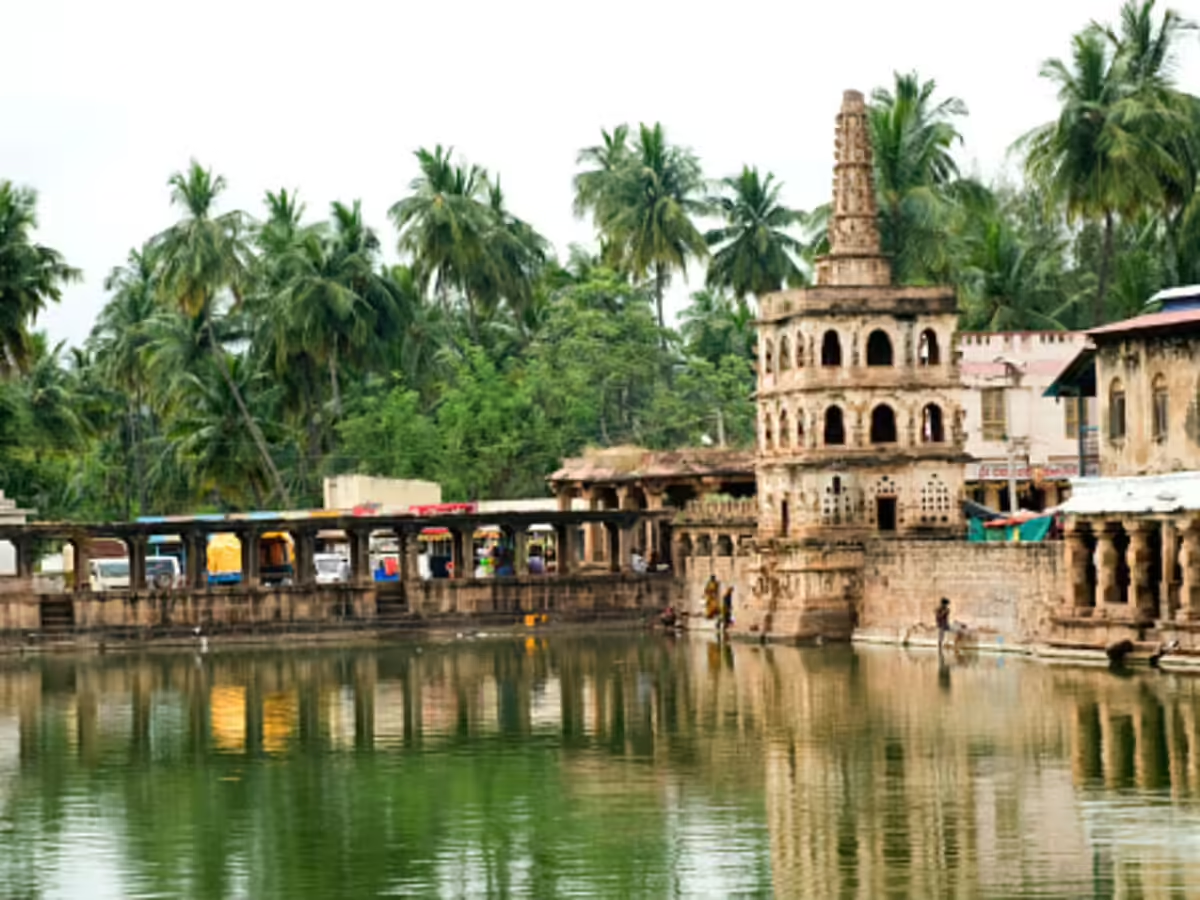
The Haridra Teertha tank, surrounded by stone steps and small shrines, is an integral part of the temple complex. Devotees believe that bathing in this sacred tank brings blessings and washes away sins. The tank is especially beautiful during the monsoon when it's full of water, reflecting the temple and surrounding hills. The temple complex, with its combination of religious significance, historical importance, and natural beauty, offers visitors a complete spiritual experience.
Visit Details
| Information | Details |
|---|---|
| Timings | 6:00 AM - 8:00 PM daily |
| Entry Fee | Free |
| Best Time | October-March or during annual fair |
| Time Required | 1-2 hours |
Mahakuta Temple Complex
The Mahakuta Temple Complex, often called the 'Varanasi of the South,' is a group of temples situated in a serene setting surrounded by hills. The complex, dating from the 6th to 7th centuries, is dedicated primarily to Lord Shiva and represents early Chalukya architecture in a more intimate, contemplative setting compared to the grand monuments at Badami and Pattadakal. The temples are built around a sacred tank called Vishnu Pushkarini, which adds to the spiritual atmosphere of the place.
The Mahakuteshwara Temple, the main shrine in the complex, is dedicated to Lord Shiva and features a beautifully carved shikhara in the early Chalukya style. The temple walls contain numerous sculptural panels depicting various forms of Shiva, including his cosmic dance (Nataraja) and his manifestation as Bhairava. The complex also contains several smaller temples, each with its own unique features and carvings. The presence of both Shaiva (Shiva-worshipping) and Vaishnava (Vishnu-worshipping) elements in the complex reflects the religious harmony of the Chalukya period.
The sacred tank, fed by a natural spring, is believed to have healing properties. Devotees take ritual baths here before offering prayers at the temples. The cool, clear waters of the tank, surrounded by ancient temples and lush greenery, create a peaceful environment perfect for meditation and spiritual practice. Inscriptions found in the complex provide valuable historical information about the Chalukya dynasty and the temple's patronage.
What makes Mahakuta special is its relative seclusion compared to the more famous sites nearby. While Badami and Pattadakal attract large crowds, Mahakuta offers a quieter, more intimate experience. Here, you can sit by the ancient tank, listen to the birds, and contemplate in peace, just as pilgrims have done for over a thousand years. It's the perfect place to experience the spiritual essence of ancient Karnataka without the distractions of mass tourism.

How to Reach Bagalkot
By Air
The nearest airport to Bagalkot is Hubballi Airport, located approximately 110 kilometers away. Hubballi is well-connected to major Indian cities including Bangalore, Mumbai, Hyderabad, and Chennai with regular flights. From the airport, you can hire a taxi or take a bus to reach Bagalkot (approximately 2.5 hours). Belgaum Airport, about 190 kilometers away, is another option, though it has fewer flight connections.
By Train
Bagalkot has its own railway station, though it's a small station with limited connectivity. The nearest major railway station is Badami, just 5 kilometers from Badami town and 40 kilometers from Bagalkot city. Badami station is connected to Hubballi, Bijapur, and other major cities in Karnataka. For travelers from other states, the best option is to take a train to Hubballi or Solapur and then proceed to Bagalkot by road.
By Road
Bagalkot is well-connected by road to major cities in Karnataka and neighboring states. The district is approximately 480 kilometers from Bangalore (about 9-10 hours by road), 450 kilometers from Hyderabad (about 8 hours), and 160 kilometers from Hubballi (about 3 hours). State transport buses run regular services to Bagalkot from these cities. Private taxis and self-driving are good options for those who prefer flexibility and comfort.
Best Time to Visit Bagalkot
The ideal time to visit Bagalkot is from October to March, when the weather is pleasant and comfortable for exploring the outdoor temple sites. The winter months (November to February) are particularly delightful, with daytime temperatures ranging from 15°C to 28°C, perfect for walking around the monuments. The clear skies during winter also make for excellent photography conditions.
March to May can be quite hot, with temperatures often exceeding 40°C. While exploring temples is possible during this period, it's best to start very early in the morning (around 6 AM) and take a break during the midday heat. The monsoon season (June to September) brings rain to the region. While the green landscape during monsoon is beautiful, the rain can make temple exploration uncomfortable and the humidity levels can be high. However, the crowds are fewer during this period, which some travelers might prefer.
Suggested Itinerary
Here's a recommended 3-day itinerary to explore the major attractions in Bagalkot district:
Day 1: Badami
- Start early at 6 AM and explore the four cave temples
- Visit the Bhutanatha Temples by Agastya Lake
- Climb up to the Badami Fort for panoramic views
- Visit the Archaeological Museum
- Enjoy sunset at the lake with the caves as backdrop
Day 2: Pattadakal and Aihole
- Morning: Visit Pattadakal temples (UNESCO site)
- Afternoon: Drive to Aihole (45 minutes)
- Explore major temples at Aihole including Durga Temple, Lad Khan Temple
- Visit Ravanaphadi Cave and other sites
Day 3: Mahakuta, Banashankari, and Kudala Sangama
- Morning: Visit Mahakuta Temple Complex
- Mid-morning: Visit Banashankari Temple
- Afternoon: Drive to Kudala Sangama for river confluence and temple visit
Where to Stay
Bagalkot district offers various accommodation options to suit different budgets:
Badami has the most options for accommodation, ranging from budget guesthouses to mid-range hotels. Popular choices include Badami Court, Krishna Villas, and Hotel Mookambika Residency.
Bagalkot City has limited but decent options for those who prefer to stay in the district headquarters.
Homestays are becoming popular in the region, offering visitors a chance to experience local culture and hospitality. Several families in Badami and surrounding villages offer homestay experiences.
Travel Tips
Wear comfortable walking shoes with good grip as you'll be walking on uneven stone surfaces and climbing stairs. The temple complexes are large and require considerable walking.
Hire a local guide at each site - this is highly recommended, especially at Aihole and Pattadakal. The historical and architectural significance of these monuments is best understood with expert commentary. Guides can be hired at the ticket counters or temple entrances.
Carry water, sunscreen, and a hat, especially during hot weather. The temple sites are exposed to the sun with limited shade. Binoculars can be helpful for observing detailed carvings on temple towers and upper portions.
Respect the religious nature of the sites - some temples are still actively worshipped. Speak softly, don't touch the sculptures, and dress modestly. Photography is allowed and free at most sites, but avoid using flash inside caves.
Start your temple visits early in the morning to avoid crowds and heat. The morning light is also ideal for photography. The sites are relatively empty before 9 AM, giving you uninterrupted exploration time.
Combine your Bagalkot visit with other places to visit in Karnataka for a complete cultural experience of the state.
Conclusion
Bagalkot district represents one of India's richest heritage regions, offering visitors an unparalleled journey through the evolution of temple architecture. From the experimental designs at Aihole to the mature masterpieces at Pattadakal, and the magnificent cave temples of Badami, this region tells the story of how a dynasty's artistic vision created a lasting legacy. The monuments here are not just stone structures - they are repositories of history, art, culture, and spiritual wisdom that have survived for over 1,400 years.
What makes Bagalkot special is the completeness of the experience it offers. Unlike many heritage sites where you see monuments from a single period or style, Bagalkot presents a complete architectural narrative. You can witness the experimentation, the failures, the innovations, and the final mastery of temple builders. This makes it particularly valuable for those interested in understanding the process of artistic creation.
Beyond the monuments, the natural beauty of the region - the red sandstone cliffs, the serene lakes, the sacred rivers, and the peaceful countryside - adds to the visitor experience. The spiritual atmosphere at sites like Kudala Sangama and Mahakuta provides a counterpoint to the architectural grandeur, offering moments of quiet reflection amidst ancient stones.
For travelers seeking to understand India's rich cultural heritage, Bagalkot offers an experience that is both educational and inspiring. It's a place where history comes alive, where art speaks across centuries, and where the achievements of the past continue to inspire the present. A visit to Bagalkot is not just a tourist trip - it's a pilgrimage into India's glorious architectural and spiritual heritage. Learn more about the region's past through its history or explore local flavors via Bagalkot street food.

Location
Frequently Asked Questions
Q1.What are the famous places to visit in Bagalkot?
Q2.Why is Badami famous?
Q3.Is Pattadakal worth visiting?
Q4.What is special about Aihole temples?
Q5.What is the best time to visit Bagalkot?
Q6.How to reach Bagalkot?
Q7.What is the distance between Badami and Pattadakal?
Q8.What are the entry fees for Bagalkot monuments?
Recommended For You
Places to Visit in Karnataka: Coast, Hills & Heritage Cities
Explore the best places to visit in Karnataka with a complete guide to Hampi, Coorg, Mysore, beaches, wildlife parks, trekking routes, and practical travel planning.
Hoysala Temples Karnataka: Belur-Halebidu Circuit, Timings & Route
Complete guide to Hoysala temples in Karnataka including Belur, Halebidu, and Somnathpura with temple circuit planning, history, and travel tips.
Hampi: 20 Best Places to Visit - Karnataka Heritage
Explore places to visit in Hampi with temples, royal enclosures, viewpoints, river activities, and practical zone-based itinerary planning.
Never Miss an Adventure
Get the latest trekking guides, travel tips, and exclusive offers delivered straight to your inbox.
