
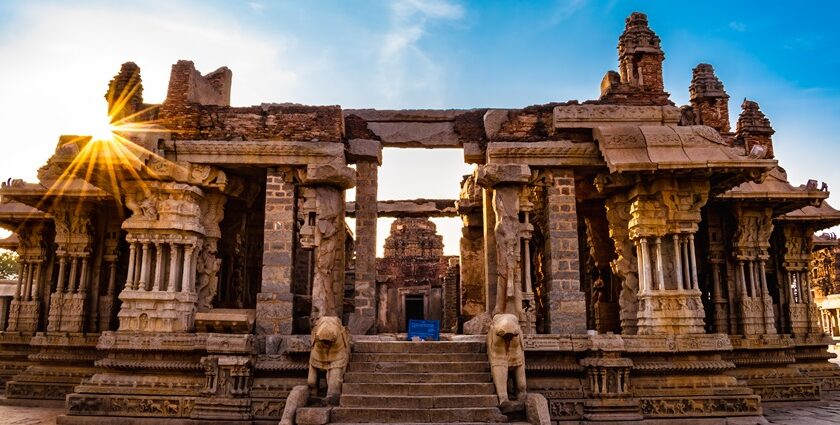
Hampi: 20 Best Places to Visit - Karnataka Heritage

Ananya Sharma
January 10, 2026
Explore places to visit in Hampi with temples, royal enclosures, viewpoints, river activities, and practical zone-based itinerary planning.
Introduction: Why Hampi Feels Like an Open-Air Civilizational Archive
Hampi is one of India's most distinctive heritage landscapes, where temple architecture, royal enclosures, boulder geography, and river ecology intersect in one vast UNESCO-listed zone. If you are searching for places to visit in Hampi, the best plan is not to chase isolated monuments. Hampi works through clusters: sacred center, royal center, river-side experiences, and viewpoint circuits. This approach gives better context and reduces local transit fatigue.
Many first-time travelers underestimate site scale and climate impact. Distances are manageable on paper, but walking, monument depth, and mid-day heat can significantly alter your pace. This guide helps you sequence priorities, understand what each zone offers, and decide what to cover in one day, two days, or three days. For deeper planning, pair this with Hampi travel guide, Virupaksha Temple guide, and practical add-ons like restaurants in Hampi.
Quick Planning Snapshot
| Item | Recommendation |
|---|---|
| Ideal trip duration | 2 to 3 days |
| Best season | October to February |
| Best for | Architecture, history, photography, slow heritage travel |
| Local movement | Auto, bike rental, selective walking clusters |
| Core strategy | Cover by zones, not random monument hopping |
1. Virupaksha Temple: Sacred Continuity in a Ruin Landscape
Virupaksha Temple is often the first stop in Hampi itineraries because it remains a living temple and offers historical continuity rather than only archaeological remains. This site helps you understand that Hampi is not a dead city fragment; it is a layered cultural environment where ritual and heritage coexist.
Start early to avoid crowd pressure and heat. If you are serious about architecture, take time for tower proportions, mandapa space, and surrounding streetscape alignment. A rushed 20-minute stop misses much of the value.
- Best for: Devotional + heritage balance.
- Suggested duration: 1 to 1.5 hours.
- Tip: Modest attire and respectful movement in active ritual areas.
Detailed reference: Virupaksha Temple Hampi.
2. Vijaya Vittala Temple Complex and Stone Chariot Belt
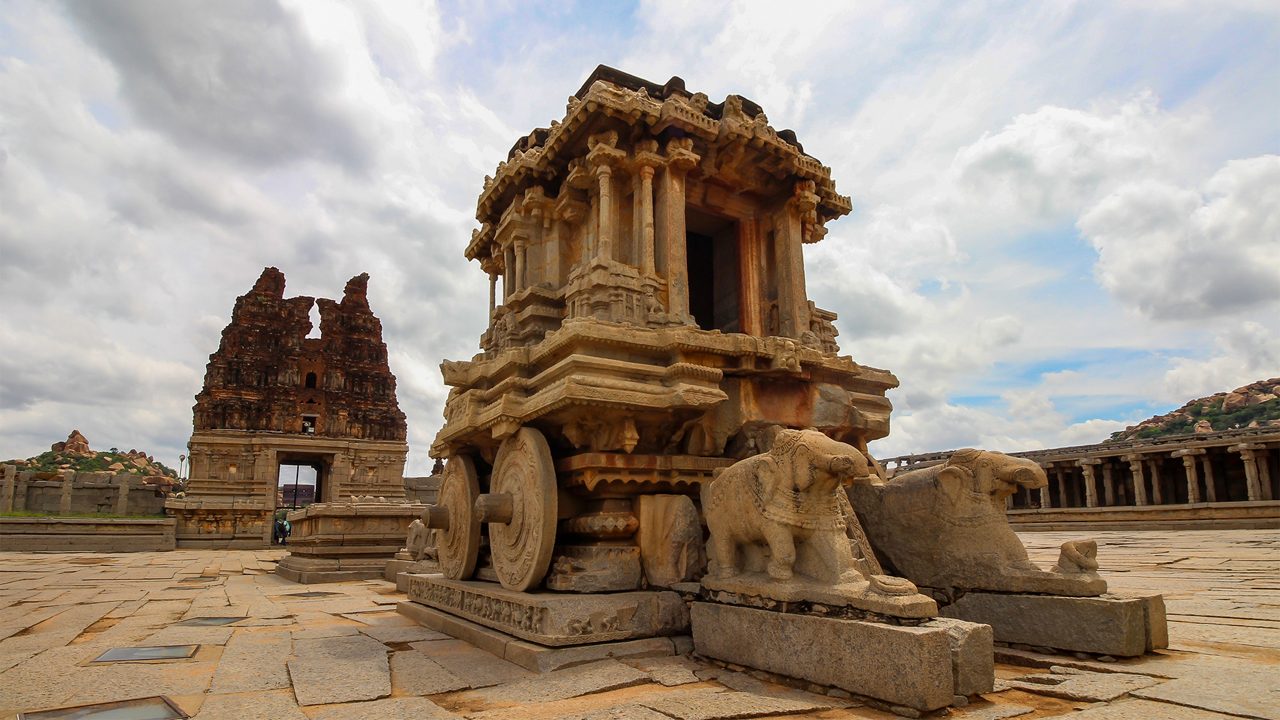
This is one of the most iconic places to visit in Hampi and often the visual center of travel photography from the region. The stone chariot and monumental layout are major highlights, but the deeper experience comes from understanding spatial design, rhythm of columns, and ceremonial architecture logic.
Allocate serious time here. It is easy to underestimate how large the complex feels on foot. Keep hydration and hat support, especially in warm months. If you are traveling with elders, plan more rest breaks and shorter loops.
- Best for: Architecture enthusiasts and first-time Hampi visitors.
- Suggested duration: 2 to 3 hours.
- Tip: Morning light helps both comfort and photography.
3. Hampi Bazaar and Cultural Streetscape Context
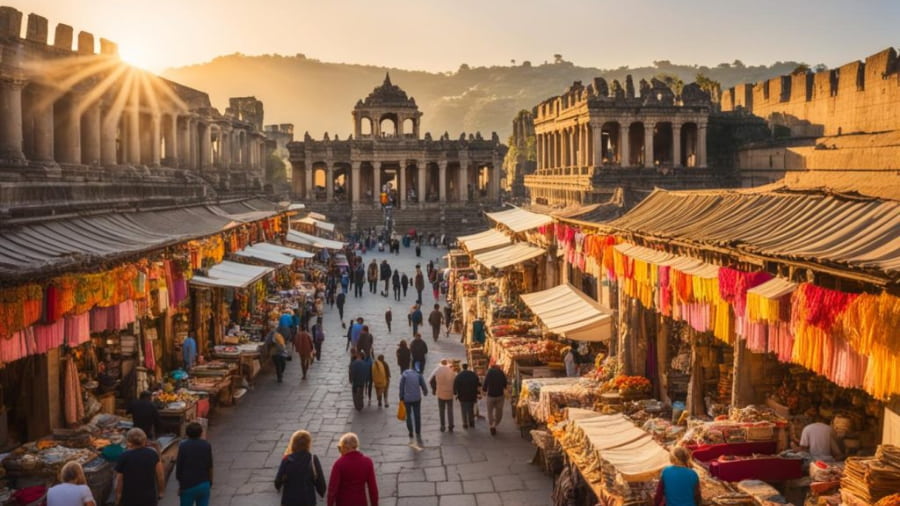
Hampi Bazaar is not only a market lane reference; it represents how religious, commercial, and social life was once embedded in spatial planning. Even in its present form, the corridor gives context to temple-based economic life and travel circulation.
Use this segment as a transition block between temple visits and viewpoint climbs. It is also useful for short rest, tea breaks, and local orientation before moving toward Matanga side circuits.
- Best for: Context-building and heritage route continuity.
- Suggested duration: 30 to 60 minutes.
- Add-on: Pair with local guide insights for stronger interpretation.
4. Matanga Hill: Sunrise-Sunset View Strategy
Matanga Hill is a high-value viewpoint in Hampi and a strong way to understand the boulder topography at city scale. Instead of treating it as a random climb, use it strategically in early or late light windows. Midday attempts are usually less comfortable and less rewarding visually.
Climb with practical footwear, water, and controlled pace. If your plan already includes multiple high-movement segments, choose either sunrise or sunset, not both on the same day, to avoid fatigue spillover.
- Best for: Panoramic orientation and photography.
- Effort: Moderate, depending route and weather.
- Safety: Descend with enough daylight margin.
5. Lotus Mahal, Zenana Enclosure, and Royal Zone Planning
The royal enclosure side shows a different face of Hampi than temple clusters. Lotus Mahal and associated structures help explain courtly space usage, political architecture, and protection-oriented planning logic. This area is especially useful for travelers who want to go beyond headline monuments.
Combine this block with a calm pace and avoid stacking it with long inter-zone transfers on the same afternoon. The value here is interpretive depth, not speed.
- Best for: History-focused travelers and architecture students.
- Suggested duration: 1.5 to 2.5 hours.
- Tip: Keep one concise map view before entering to avoid route confusion.
6. Underground Temple and Lesser-Discussed Stops
Underground temple-style segments and less-crowded nodes add a reflective layer to Hampi itineraries. They are not always visually grand in the same way as headline sites, but they reveal structural variety and ritual geography that many travelers miss.
These stops are best used as secondary anchors in a two-day or three-day plan. If you have only one day, prioritize major monuments first and include these only if schedule allows.
- Best for: Repeat visitors and heritage-depth travelers.
- Suggested duration: 30 to 60 minutes per stop.
7. Tungabhadra River Side and Coracle Experience
The river edge in Hampi provides ecological and experiential contrast to stone-heavy monument circuits. Coracle rides and river viewpoints are popular, but they should be planned with weather and timing awareness. Afternoon heat and crowd spikes can reduce comfort.
Use this as an evening wind-down segment after major temple blocks. If you are traveling with children, river-side activity can be a welcome low-intensity close to the day.
- Best for: Relaxed close to a high-walk day.
- Tip: Use verified operators and check safety basics before boarding.
- Pair with: Nearby food stop and early night rest.
8. Suggested 1-Day, 2-Day, and 3-Day Hampi Frameworks
| Duration | Recommended Flow |
|---|---|
| 1 Day | Virupaksha + Vittala + one viewpoint + short river segment |
| 2 Days | Day 1 sacred center + Bazaar, Day 2 royal enclosure + river + sunset point |
| 3 Days | Add lesser-known temples, slower interpretation, and food-market exploration |
Do not optimize for attraction count. Optimize for physical pace, monument depth, and transport efficiency.

9. Best Time to Visit Hampi
October to February is generally the most comfortable period for covering Hampi's outdoor circuits. Summer heat can be intense and significantly reduce walk quality. Monsoon can bring greener frames and cooler moments but also humidity and occasional movement disruption depending route conditions.
- Comfort season: Post-monsoon to winter months.
- Summer strategy: Early starts + long midday breaks.
- Monsoon strategy: Flexible pacing and gear readiness.
10. How to Reach and Move Around Hampi
Most travelers reach via Hospete-side connectivity and then continue by road. Within Hampi, mixed transport works best: short auto segments, controlled walking, and optional bike rentals for inter-zone movement. Keep realistic transfer buffers because repeated short relocations consume more time than expected.
- Entry corridor: Hospete-connected access.
- Intra-zone movement: Auto + walk + selective rental mobility.
- Tip: Lock next stop before leaving current site.
For food and local planning support, use restaurants in Hampi and shopping Hampi.
11. Common Mistakes to Avoid
- Trying to cover all headline monuments in one rushed day.
- Ignoring heat and hydration planning in open stone zones.
- Skipping viewpoint segments that provide route context.
- No transport sequencing between sacred and royal areas.
- Over-reliance on memory instead of route notes/maps.
A simple zone-first strategy prevents most avoidable Hampi planning failures.
12. Budget Snapshot
Hampi works across budget levels. Costs depend on stay style, local transport frequency, and guide usage.
- Budget day: INR 1,500 to 2,800 per person.
- Mid-range day: INR 3,500 to 6,000 per person.
- Premium day: INR 7,500+ per person.
Carrying cash backup and hydration essentials helps avoid friction in long on-ground days.
13. Quick Route Logic for First-Time Visitors
If this is your first Hampi trip, keep your first day focused on one iconic temple, one major complex, and one sunset viewpoint. Leave secondary sites for day two. This simple rule keeps the trip smooth and preserves attention for architecture details.
Travelers who split days by zones usually retain more historical context than those who move randomly between scattered points.
14. First-Time Hampi Route Prioritization
If this is your first Hampi visit, prioritize Virupaksha Temple, Vittala complex, one royal-zone segment, and one sunset viewpoint. Skip low-impact detours on day one and keep time for interpretation at key monuments. This approach reduces route fatigue and gives stronger historical understanding.
Travelers with limited mobility can replace long walks with short auto-linked loops and spend more time at fewer high-value stops. Hampi rewards depth, not speed.
15. Heat-Management Plan for Day Tours
Hampi afternoons can be physically demanding in open stone zones. Keep a midday buffer for hydration, lunch, and short rest before continuing to late-evening viewpoints. This single adjustment improves energy retention and helps you enjoy monument details instead of rushing through final stops in fatigue mode for comfort.
Conclusion
The best places to visit in Hampi are best understood as a connected heritage system, not isolated ruins. A balanced itinerary with Virupaksha, Vittala, Bazaar context, royal zone, and one river-view segment gives a strong first experience.
With zone-based sequencing and weather-aware pacing, Hampi becomes one of India's most rewarding historical journeys.
Location
Frequently Asked Questions
Q1.How many days are needed for Hampi?
Q2.What is the best time to visit Hampi?
Q3.How do I reach Hampi from Bengaluru?
Q4.What is special about Vijaya Vittala Temple?
Q5.Can we do coracle rides in Hampi?
Q6.Where should I stay for Hampi sightseeing?
Q7.Is Hampi safe for solo travelers?
Q8.Can Hampi be covered in two days?
Recommended For You
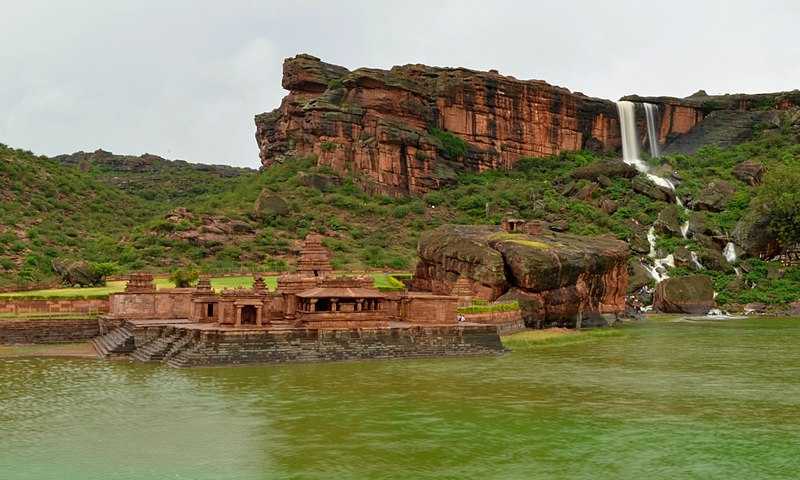
Places to Visit in Karnataka: Coast, Hills & Heritage Cities
Explore the best places to visit in Karnataka with a complete guide to Hampi, Coorg, Mysore, beaches, wildlife parks, trekking routes, and practical travel planning.
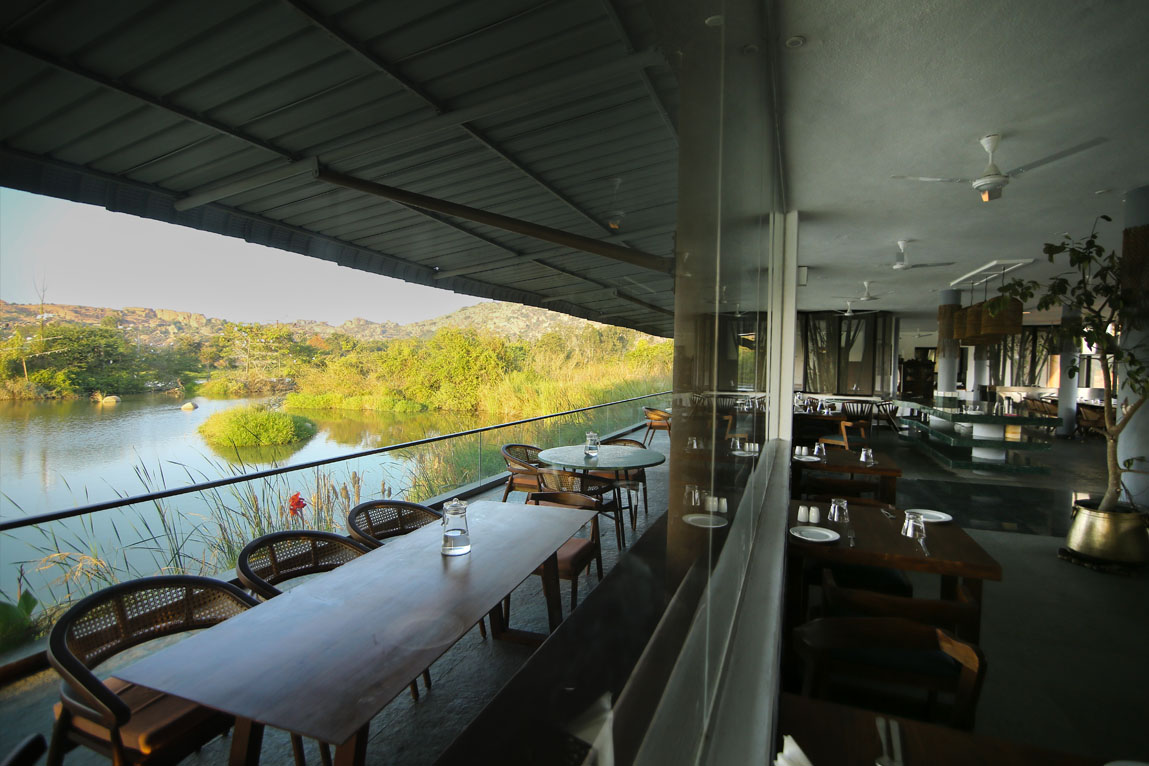
Restaurants Hampi: Best Areas, Food Types, and Tips
Restaurants in Hampi guide with area-wise planning, weather-aware meal timing, and practical stop sequencing for heritage travel days.
Shopping in Hampi: Handicrafts & Souvenirs
Discover shopping in Hampi Karnataka: stone carvings, Lambani tribal handicrafts & religious souvenirs. Complete UNESCO World Heritage Site shopping guide.
Never Miss an Adventure
Get the latest trekking guides, travel tips, and exclusive offers delivered straight to your inbox.
