
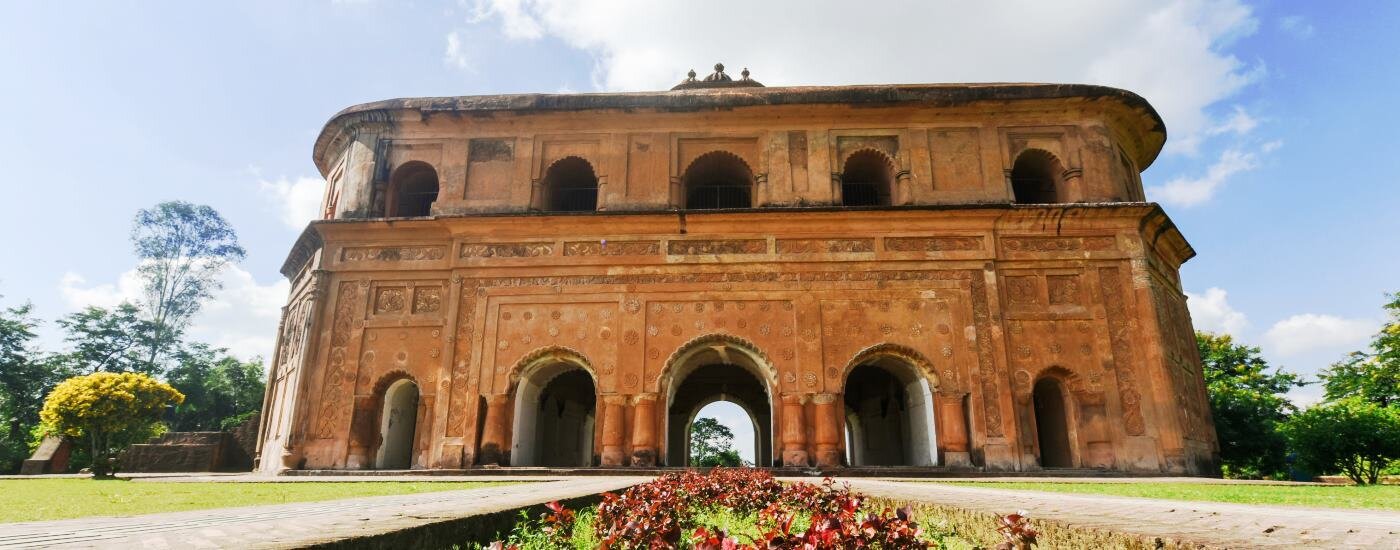
Places to Visit in Dibrugarh: Tea Gardens, Riverfront & Local Attractions

Rahul Garg
January 6, 2026
Explore the best places to visit in Dibrugarh including tea gardens, Brahmaputra cruises, temples, parks and nearby excursions in Assam.
Introduction to Dibrugarh, the Tea City of India
Dibrugarh sits in Upper Assam on the southern bank of the Brahmaputra and is widely known as the Tea City of India. It is one of those destinations where the pace naturally slows down: river mornings, long tea-garden roads, and local neighborhoods where food and culture still feel deeply rooted. Many travelers use Dibrugarh as a transit point for Arunachal Pradesh, but the city itself deserves dedicated time. Its tea heritage, ferry links, religious sites, and nearby eco-zones create a well-rounded itinerary for both first-time and repeat visitors.
If you are planning an Assam circuit, Dibrugarh works best with two to three nights. That gives enough room for tea estate visits, riverfront time, and a short excursion day. For temple-focused exploration, you can also check temples in Dibrugarh. Food lovers should pair sightseeing with local recommendations from places to eat in Dibrugarh, and if you are expanding your route across the state, keep places to visit in Assam as your broader planning reference.

Tea Gardens and Plantation Experiences
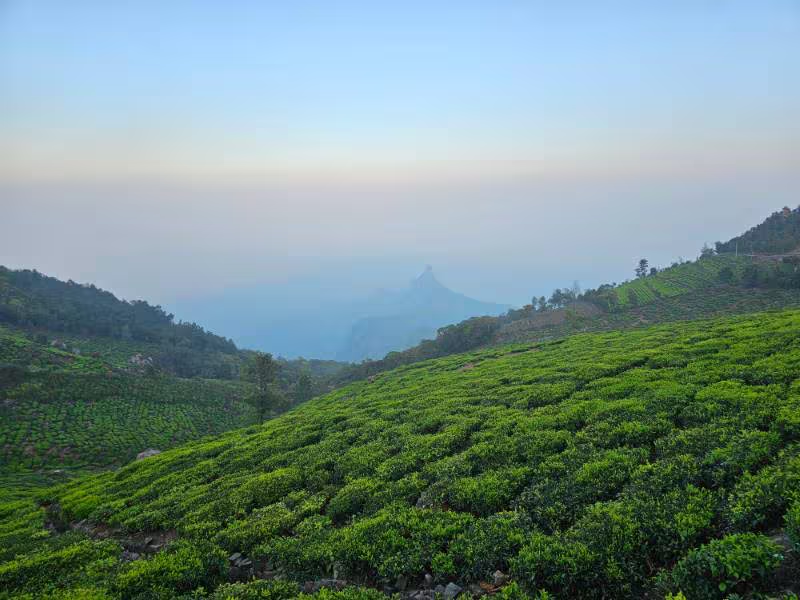
The strongest identity of Dibrugarh comes from tea. The landscape around the city is layered with tea estates that have shaped local economy, architecture, and lifestyle for generations. Even a short drive outside the main town shows why tea culture remains central to travel in this region. While some estates operate with restricted access, guided visits and tea-tasting experiences are increasingly available through hotels and local operators.
Mancotta and Heritage Tea Zones
Mancotta Tea Estate and surrounding belts are often highlighted for scenic roads and colonial-era plantation history. Depending on permissions and package type, you may explore processing narratives, tea plucking demonstrations, and tasting sessions where Assam’s strong, malty character becomes easy to understand. March to May is especially photogenic because gardens are lush and weather is usually manageable for walks.
Tea-Tasting and Buying Tips
Try tasting multiple grades instead of buying quickly at the first outlet. Ask for harvest period details and brewing suggestions, especially if you prefer lighter cups. Estate shops and trusted city tea stores both offer good options, but quality and pricing vary, so compare before final purchase. If you plan to carry tea as gifts, pick vacuum-sealed packs and keep them away from moisture throughout travel.
River Cruises and Waterfront in Dibrugarh
The Brahmaputra gives Dibrugarh a distinct rhythm. Evenings by the riverfront are relaxed, with locals gathering for walks, light snacks, and sunset views. Seasonal cruise and boat options are available through operators, and while experiences vary by water level and weather, a river session is one of the most rewarding things to do in Dibrugarh.
Sunset Cruises and Local Boat Rides
A typical sunset river outing lasts about two to three hours and includes open views of changing light, wide water channels, and occasional glimpses of birdlife. Private and shared options both exist, so choose based on budget and group size. If you prefer quieter time, opt for early-morning boat rides when light is softer and crowd levels are lower.
Planning Notes for the Waterfront
Carry a light layer even in warmer months because breeze intensity can increase after sunset. During monsoon windows, always confirm operations the same day. River travel in Assam is highly weather-dependent, so a flexible day plan works better than fixed-hour scheduling.
Temples and Spiritual Landmarks
Dibrugarh and nearby zones have a mix of temples, namghars, and community prayer spaces that reflect Assam’s spiritual continuity. While the city may be marketed mainly for tea, religious sites are an important part of local identity and often become meaningful stops for travelers seeking slower, culturally grounded experiences.
Popular local visits include Devi Padumani-style shrines, Janardan temple circuits, and neighborhood namghars where festivals create a deeply communal atmosphere. You can plan these in one half-day block or pair with market walks. For a temple-first route and timings, use the dedicated guide on Dibrugarh temples.
Parks, Nature, and Wildlife Options Near Dibrugarh
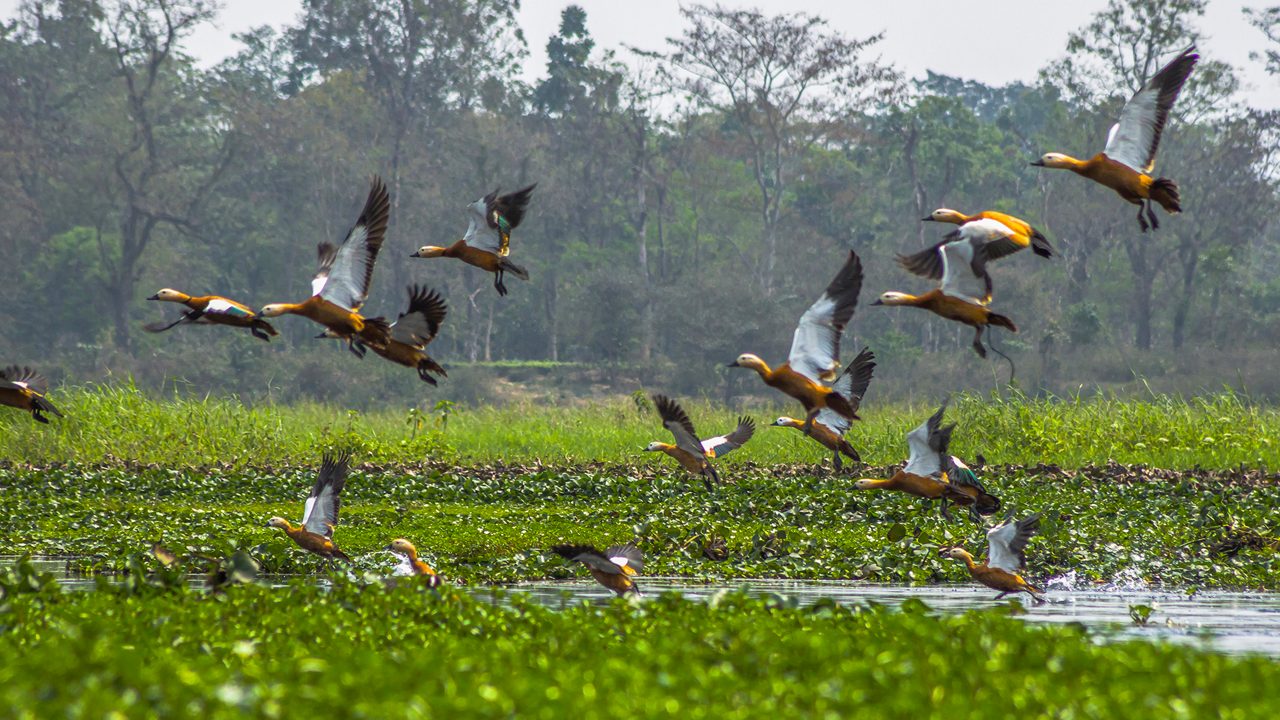
Nature access is another reason Dibrugarh stands out. Short drives can take you to forest belts and eco-rich zones that contrast beautifully with city roads and tea estates. Birdwatchers and slow travelers often keep a full day for these areas.
Dibru-Saikhowa National Park
Located at a practical excursion distance, Dibru-Saikhowa is known for riverine ecosystems, grasslands, and biodiversity that attracts wildlife enthusiasts. Boat-based and land-based experiences vary by season. Early departure is essential, and local guides are strongly recommended for route clarity and responsible exploration.
Jeypore Rainforest and Kakojan Belt
The rainforest stretches near Dibrugarh offer a different mood: dense greenery, quieter roads, and a chance to experience Northeast India’s layered ecology without extreme trekking. Carry leech protection in wet months and avoid loud activity in sensitive zones.
Museums, Academic Institutions, and City Culture
Dibrugarh’s cultural identity is not limited to tea. Educational institutions, old neighborhoods, and public spaces collectively shape the city’s character. Assam Medical College and Dibrugarh University add historical and intellectual depth, while local markets showcase everyday Assamese life through textiles, produce, and crafts.
If you want a grounded city day, start with a simple breakfast, walk through a major market, visit one cultural point, and leave the evening for tea and riverfront. This pace helps you experience Dibrugarh beyond checklist tourism.
Nearby Excursions from Dibrugarh
Dibrugarh connects well to several destinations and can be used as a base for short side trips. Majuli-bound ferry planning is often discussed by travelers, though routes and practical transfers should be confirmed locally before committing. Tinsukia, Sivasagar, Digboi, and Arunachal-side gateways are also common names in extended itineraries.
Suggested Add-On Circuits
A practical route is Dibrugarh + Tinsukia + Sivasagar if you want heritage and regional history. Another route is Dibrugarh + Arunachal entry points for travelers moving into hill terrain after plains exploration. Keep travel buffers because road and river schedules are affected by season.
Best Time to Visit Dibrugarh
| Season | Months | Travel Experience | Ideal For |
|---|---|---|---|
| Spring to Early Summer | Mar to May | Lush tea gardens, manageable weather | Tea tours, sightseeing, photography |
| Monsoon | Jun to Sep | Heavy rain, greener landscapes, delays possible | Off-season travel, nature-focused trips |
| Post-Monsoon/Autumn | Oct to Nov | Cleaner skies, better mobility | Balanced city + excursion itinerary |
| Winter | Dec to Feb | Cool mornings, pleasant daytime climate | Comfortable sightseeing and food trails |
For most travelers, October to March is the easiest window for itinerary reliability. If tea-garden greens are your priority, spring works very well.
How to Reach Dibrugarh
Dibrugarh is one of the better-connected cities in Upper Assam. It has airport access, rail links, and road connectivity to key regional towns. From Guwahati, you can travel by train, flight, or long-distance road route depending on budget and time. Flights are fastest, while trains offer a scenic overland perspective.
Local transport within the city includes cabs, autos, and hotel-arranged vehicles. For tea estate and wildlife excursions, pre-booked cabs with local drivers are more practical than spot hires, especially if you are starting early.
Final Travel Tips for Dibrugarh Sightseeing
Plan Dibrugarh as a two-speed destination: calm city experiences plus one or two targeted excursions. Keep one flexible half-day for weather-linked changes, especially if your plan includes river activity. Pack comfortable footwear, lightweight layers, and rain-ready gear in shoulder months. Most importantly, leave room in your schedule for unplanned tea stops and conversations; that is often where Dibrugarh feels most memorable.
Location
Frequently Asked Questions
Q1.How many days are enough for Dibrugarh sightseeing?
Q2.What is the best time to visit Dibrugarh?
Q3.What is Dibrugarh famous for?
Q4.Can tourists visit tea gardens in Dibrugarh?
Q5.Are river cruises available in Dibrugarh?
Q6.How do I travel from Guwahati to Dibrugarh?
Q7.Is Dibrugarh safe for travelers?
Q8.Can I plan a trip to Majuli from Dibrugarh?
Recommended For You
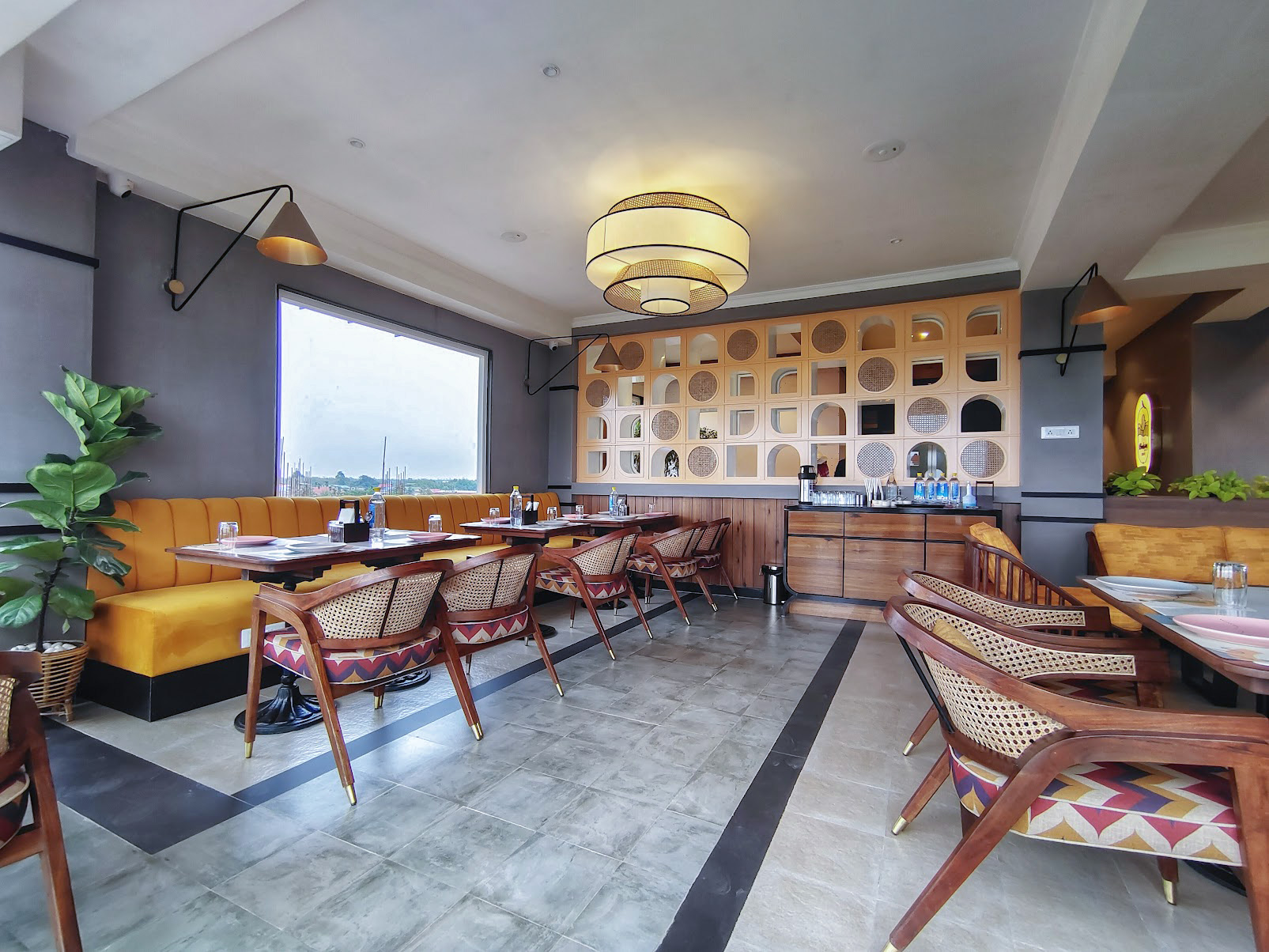
Best Cafes in Dibrugarh: Tea, Coffee & Cozy Cafe Vibes
Explore the best cafes in Dibrugarh for Assam tea, coffee, local snacks, and work-friendly seating with practical tips on timing, budget, and area planning.
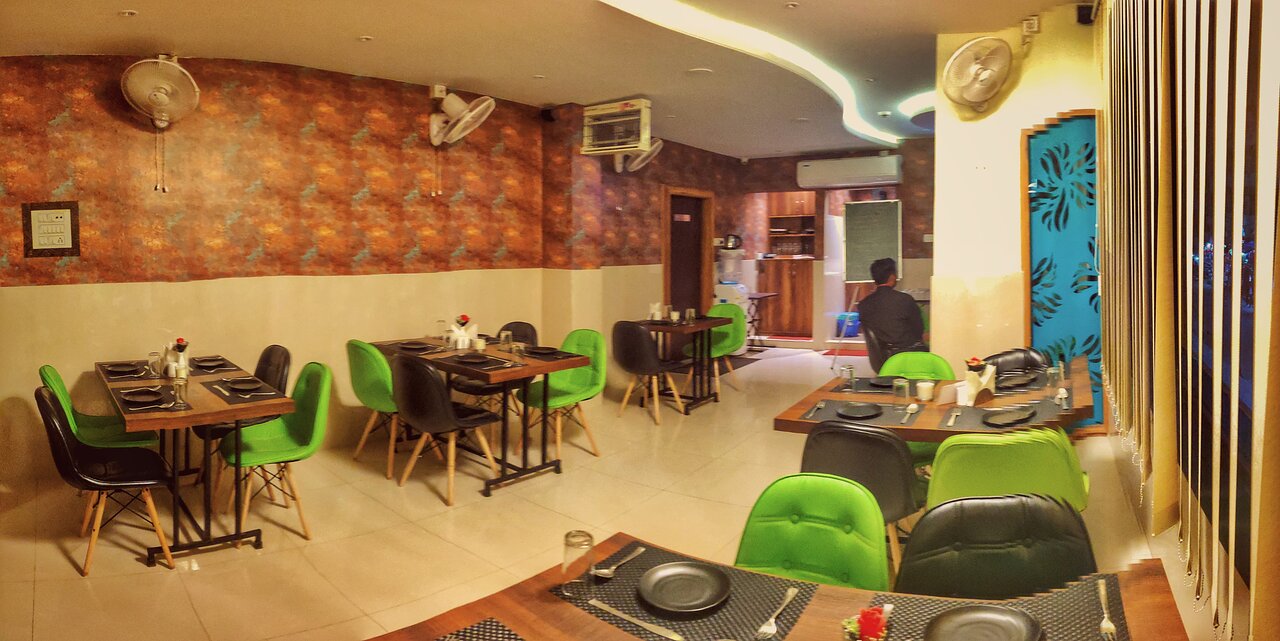
Restaurants in Dibrugarh: Assamese Cuisine, Cafes & Dinner Spots
Find the best restaurants in Dibrugarh for Assamese cuisine, fish and non-veg specialties, veg meals, cafes, and hotel dining with practical budget tips.

Shopping in Dibrugarh: Tea, Silk & Assam Crafts
Discover shopping in Dibrugarh Assam: tea gardens, golden Muga silk, mekhela chador & handicrafts. Complete Northeast India shopping guide.
Never Miss an Adventure
Get the latest trekking guides, travel tips, and exclusive offers delivered straight to your inbox.
