

Shopping in Dibrugarh: Tea, Silk & Assam Crafts

Rohan Malhotra
November 23, 2025
Discover shopping in Dibrugarh Assam: tea gardens, golden Muga silk, mekhela chador & handicrafts. Complete Northeast India shopping guide.
Shopping in Dibrugarh: Tea City's Authentic Assamese Experience
Dibrugarh, known as the "Tea City of India," represents Upper Assam's commercial and cultural heart. Located on the banks of the Brahmaputra River, this city has grown from being a significant tea trade center during British colonial times to a modern urban hub that retains strong connections to Assamese traditions. Shopping in Dibrugarh offers visitors authentic Assamese products—particularly tea, silk textiles, and handicrafts—while providing insights into the region's unique cultural heritage. The city's strategic location, serving as a gateway to Arunachal Pradesh and other parts of Northeast India, has influenced its commercial character. Dibrugarh's markets feature products from the tea gardens that surround the city, silk weaving traditions from across Assam, and handicrafts from various tribal communities of the Northeast. This diversity makes shopping here an exploration of the region's cultural and economic landscape. Unlike metro cities where shopping often means malls and branded retail, Dibrugarh's shopping scene emphasizes local products. The famous Assam tea that the region exports worldwide, the exquisite Muga silk that's unique to this state, traditional Assamese dress like mekhela chador, and handicrafts that showcase tribal artistry—these represent Dibrugarh's shopping specialties. The shopping experience here differs from typical tourist markets in its authenticity. Many shops have operated for generations, serving local communities rather than catering specifically to tourists. This means prices reflect genuine market value rather than inflated tourist rates, and products represent actual local use rather than simplified souvenirs meant for outsiders.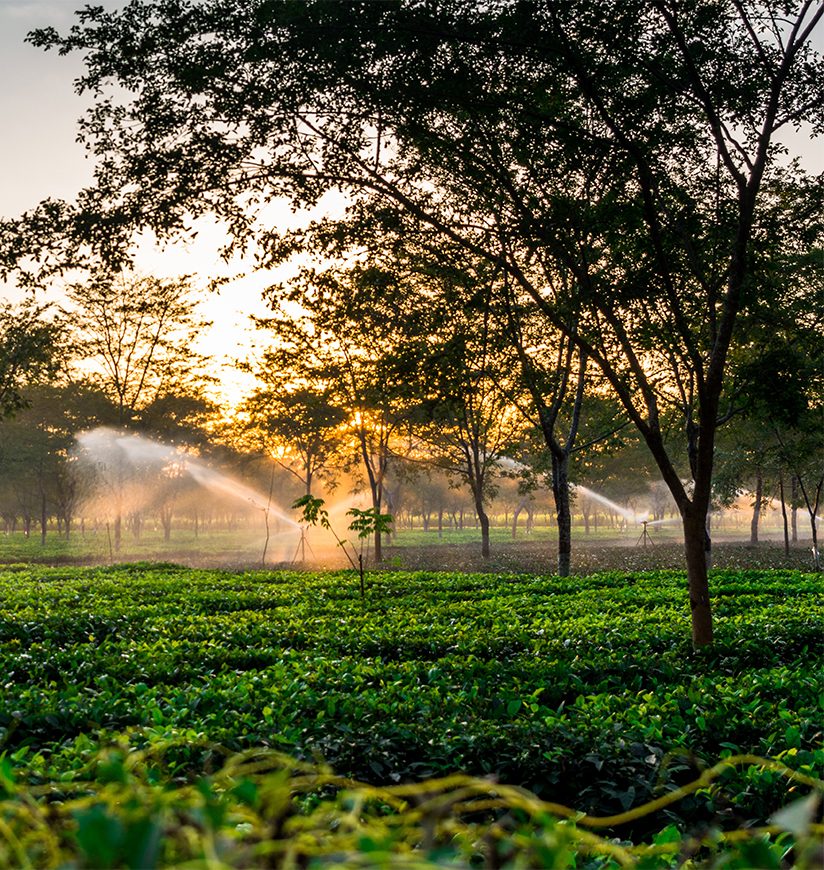
Top Shopping Areas in Dibrugarh
For larger Assam city comparison, check shopping in Guwahati before finalizing your market list.
AT Road (Assam Trunk Road) functions as Dibrugarh's primary shopping artery. This busy road features retail outlets, showrooms, and establishments representing various commercial categories. What makes AT Road practical for shoppers is the concentration of options—clothing stores, electronics showrooms, banks, and restaurants all along this thoroughfare. New Market, despite its name, represents one of Dibrugarh's established commercial areas. This central market serves daily shopping needs—groceries, clothing, household items, and services. The market features both permanent shops and temporary vendors, creating a vibrant commercial atmosphere that reflects local commerce. KB Road (Khanapara Block Road) has developed as another commercial corridor in Dibrugarh. This area features retail outlets catering to various needs. The advantage of shopping along KB Road is manageable crowds compared to more central areas and easier parking. Mughal Gardens area, while primarily residential, has local markets serving neighborhood needs. These markets are particularly convenient for daily necessities—fresh produce, groceries, and essential services. For visitors staying in this area, these neighborhood markets provide convenient shopping without requiring travel to commercial districts. Shopping malls in Dibrugarh, though newer and fewer than in larger cities, provide modern retail experiences. Reliance Trends, Pantaloons, and other national brands have outlets in Dibrugarh, bringing contemporary fashion to the city. These malls are particularly useful for branded clothing and modern retail experiences. Government emporiums deserve special mention for authentic handicraft shopping. These state-run outlets ensure quality assurance and fair pricing for artisans. The products here represent genuine Assamese and Northeastern craftsmanship, making these emporiums reliable sources for traditional items.Assam Tea & Tea Products Shopping
Assam tea, globally renowned for its strong, malty character, represents Dibrugarh's most famous shopping item. The city is surrounded by tea gardens—lush green plantations that produce some of India's finest tea. Shopping for tea in Dibrugarh offers access to fresh, garden-direct products that tea connoisseurs appreciate. Understanding tea varieties helps in making informed purchases. Orthodox tea, processed using traditional methods, features whole leaves and complex flavors. This variety commands premium prices and is preferred by tea enthusiasts who appreciate nuanced flavor profiles. CTC (Crush, Tear, Curl) tea, processed differently for faster infusion, produces stronger, darker liquor that's popular with milk and sugar. Green tea, white tea, and oolong tea represent other varieties available in Dibrugarh.| Tea Type | Characteristics | Price Range (per kg) |
|---|---|---|
| Orthodox | Whole leaf, complex | ₹400 - ₹2,000 |
| CTC | Strong, robust | ₹200 - ₹600 |
| Green Tea | Light, health-focused | ₹300 - ₹1,200 |
| White Tea | Delicate, premium | ₹800 - ₹3,000 |
Assam Silk: Muga, Pat & Eri
If your itinerary extends north, compare buyer expectations with shopping in Gangtok.
Assam silk represents one of India's most prestigious textile traditions, and Dibrugarh offers excellent opportunities to purchase these premium fabrics. What makes Assam silk special is the unique varieties—Muga, Pat, and Eri—that aren't produced anywhere else in the world. Muga silk, often called "golden silk" for its natural golden-yellow color, represents Assam's most prestigious textile export. This silk, produced by silkworms that feed on som and sualu leaves (specific to Assam), develops its distinctive golden color without any dyeing. Muga silk is renowned for durability—legends say Muga garments outlive their owners. The silk's natural sheen increases with each wash, making it more beautiful over time. Muga silk prices reflect its premium status. A pure Muga silk mekhela chador (traditional Assamese dress) typically costs between ₹25,000 and ₹1,00,000+ depending on workmanship and design complexity. Muga silk sarees range from ₹20,000 to ₹80,000 or more. These are investment pieces that can last generations with proper care. Pat silk, another Assam variety, features bright white or off-white colors. Unlike Muga's golden hue, Pat silk takes dye beautifully, allowing for colorful patterns and designs. Pat silk is generally more affordable than Muga, with sarees starting around ₹8,000-15,000 and going up to ₹50,000 for intricate work. Eri silk, sometimes called "peace silk" or "Ahimsa silk," represents a unique ethical approach to silk production. Unlike other silks where silkworms are killed during harvesting, Eri silk production allows silkworms to complete their lifecycle. Eri silk has thermal properties—it's warm in winter and cool in summer. The fabric has a slightly textured appearance and is often used for winter wear, shawls, and home furnishings.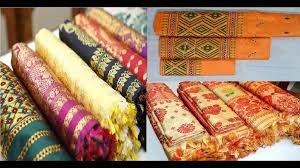 Products available in Dibrugarh include traditional Assamese dress (mekhela chador), sarees, shawls, stoles, and fabric lengths for custom tailoring. Government emporiums and established silk stores provide authenticity certificates, particularly important when buying expensive Muga silk.
Silk Mark certification helps verify genuine silk. This certification, provided by the Central Silk Board, indicates pure silk content. For premium purchases like Muga silk, requesting Silk Mark certification ensures authenticity and justifies the premium price.
Custom orders for Muga and Pat silk are possible. Some shops can coordinate with weavers to create custom pieces with specific designs, colors, or combinations. This requires advance ordering and typically involves higher costs than ready-made pieces, but results in personalized items exactly as desired.
Products available in Dibrugarh include traditional Assamese dress (mekhela chador), sarees, shawls, stoles, and fabric lengths for custom tailoring. Government emporiums and established silk stores provide authenticity certificates, particularly important when buying expensive Muga silk.
Silk Mark certification helps verify genuine silk. This certification, provided by the Central Silk Board, indicates pure silk content. For premium purchases like Muga silk, requesting Silk Mark certification ensures authenticity and justifies the premium price.
Custom orders for Muga and Pat silk are possible. Some shops can coordinate with weavers to create custom pieces with specific designs, colors, or combinations. This requires advance ordering and typically involves higher costs than ready-made pieces, but results in personalized items exactly as desired.
Traditional Assamese Dress
Mekhela chador represents Assam's traditional dress for women, consisting of two pieces—the mekhela (lower garment, like a sarong) and chador (upper drape). This dress, worn by Assamese women for festivals, weddings, and formal occasions, showcases the state's weaving traditions. Purchasing a mekhela chador in Dibrugarh offers authentic choices in various silk varieties. Muga mekhela chador, with its golden hue, represents the most prestigious option, often reserved for weddings and major ceremonies. Pat mekhela chador, featuring colorful designs, works well for festivals and celebrations. Cotton and blended varieties provide options for daily wear. Prices for mekhela chador vary dramatically based on fabric and workmanship. Simple cotton versions might cost ₹2,000-4,000. Silk versions start around ₹8,000-12,000 and go up to ₹50,000-1,00,000 for premium Muga with intricate weaving. Ready-made mekhela chador sets are available, as are fabric pieces for those who prefer custom tailoring. Assamese sarees represent another traditional dress option. While mekhela chador is more culturally specific to Assam, sarees are worn across India and appeal to broader audiences. Assamese silk sarees feature distinctive weaving patterns, often incorporating nature-inspired motifs—flowers, birds, and geometric designs that reflect Assamese aesthetics. Men's traditional Assamese dress includes dhoti and kurta, often in silk for formal occasions. These are less commonly worn daily but remain important for ceremonies and cultural events. Silk dhotis, particularly in Muga or Pat silk, make excellent gifts for men who appreciate traditional textiles. Gamusa, the traditional Assamese towel, represents a more affordable textile purchase. This cotton cloth, featuring woven patterns at the ends, has cultural significance beyond its practical use. It's exchanged during Bihu festival and used in various ceremonies. Embroidered or premium versions with intricate weaving make attractive wall hangings or decorative pieces. Fitting services for mekhela chador are available in Dibrugarh. Since wearing this traditional garment involves specific draping techniques, many shops provide assistance with fitting and styling. This service is particularly valuable for those not familiar with how to wear mekhela chador properly.Handicrafts & Local Art
Handicrafts from Assam and the broader Northeast region feature prominently in Dibrugarh's markets. These handicrafts, created by various tribal communities, showcase artistic traditions passed down through generations and represent some of India's most distinctive craft heritage. Bamboo and cane crafts deserve special attention. Assam's bamboo artisans create incredible variety—baskets for storage and carrying, furniture pieces, mats, decorative items, and functional objects. The craftsmanship involves weaving thin bamboo strips into intricate patterns that are both beautiful and durable. Prices vary based on size, complexity, and artisan reputation. Bell metal crafts represent another Assamese specialty. Bell metal, an alloy of copper and tin, is used to create utensils (xaor and bati—traditional Assamese eating bowls and spoons), decorative items, and religious artifacts. The distinctive sound of bell metal utensils is considered auspicious in Assamese culture. These items make practical and culturally meaningful purchases. Pottery from Assamese artisans, though less known than some other crafts, deserves attention. Traditional pots for storing water and curd, earthenware for cooking, and decorative pottery pieces showcase local clay traditions. These items connect buyers to ancient craft traditions that continue in contemporary times. Assamese jewelry features distinctive designs that set it apart from jewelry made elsewhere in India. Gold and silver jewelry from Assam often incorporates nature-inspired motifs—flowers, birds, and traditional patterns. The jewelry, particularly gold pieces from certain traditional artisan communities, represents both adornment and investment. Handloom textiles beyond silk include cotton fabrics with tribal motifs, shawls with distinctive patterns from various communities, and woven fabrics used for both clothing and home furnishings. These handloom pieces support traditional weavers and preserve textile heritage.| Handicraft Category | Products | Price Range |
|---|---|---|
| Bamboo Crafts | Baskets, furniture, mats | ₹200 - ₹15,000 |
| Bell Metal | Utensils, decorative | ₹300 - ₹10,000 |
| Handloom Textiles | Shawls, fabrics | ₹500 - ₹8,000 |
| Jewelry | Gold, silver pieces | ₹1,000 - ₹50,000 |
Other Local Specialties
To add nearby attractions between shopping slots, read places to visit in Assam.
Assam spices available in Dibrugarh include varieties less common in other parts of India. Bhut jolokia (ghost pepper), among the world's hottest chilies, is grown in Assam and available in Dibrugarh markets. This extremely spicy chili requires careful handling but adds authentic Assamese character to dishes when used judiciously. Pickles from Assam feature distinctive flavor profiles. Assamese pickle recipes often use mustard oil as base, incorporating local ingredients like bamboo shoot, bhut jolokia, and various regional vegetables. These pickles make excellent gifts and add variety to pantry collections. Honey from Assam's hives, particularly wild honey from forest areas, represents another local specialty. Organic honey from various floral sources—litchi, mustard, multi-flora—offers different flavor profiles. The honey's purity and distinctive taste reflect Assam's diverse flora. Arunachalee crafts, available due to Dibrugarh's proximity to Arunachal Pradesh, add variety to shopping options. Crafts from various Arunachali tribes include woven bags, distinctive jewelry, and carved wooden items. These pieces represent cultural traditions from India's easternmost state. Cane products, similar to bamboo crafts but using cane instead, include furniture, bags, and storage containers. Cane furniture, particularly popular in Assam, combines durability with traditional aesthetics. Cane bags and storage items provide lightweight, attractive options for practical use. Traditional masks, used in Assamese cultural performances like bhaona (traditional theater), represent artistic crafts with cultural significance. While full-sized performance masks may be too large for most buyers, smaller versions created as decorative items make unique purchases.Shopping Tips & Best Time
If you are heading to the mountains next, align timing with Sikkim travel guide suggestions.
Best time for shopping in Dibrugarh coincides with pleasant weather and cultural events. October to March offers comfortable temperatures for outdoor market exploration. April brings Bohag Bihu (Assamese New Year), when markets feature special products and cultural celebrations add shopping atmosphere. Market timing generally follows standard Indian patterns—most shops open around 10 AM and close by 8 PM. Government emporiums may close earlier (around 6-7 PM). Tea garden outlets sometimes have different hours aligned with factory operations—checking in advance is advisable. Cash remains important in Dibrugarh's traditional markets, particularly for handicraft purchases and smaller establishments. While digital payments are gaining acceptance, carrying sufficient cash ensures smooth transactions, especially in areas where digital infrastructure might be limited. Bargaining in Dibrugarh works differently than in some other Indian markets. Government emporiums have fixed prices. Handicraft sellers may expect some negotiation, but the culture here is generally softer than in tourist-oriented markets. Polite bargaining is more effective than aggressive negotiation. Purchasing from government emporiums for premium items (silk, expensive handicrafts) ensures authenticity and quality. While prices might be slightly higher than in private shops, the authenticity certificates and quality assurance provide value, especially for significant purchases. Supporting local artisans directly, when possible, ensures your money reaches the creators. Some markets allow direct purchase from artisans, particularly during festival times when craftspeople set up temporary stalls. These direct purchases often provide better value for both buyer and artisan.Conclusion
Shopping in Dibrugarh transcends mere retail activity—it's an opportunity to engage with Assam's rich cultural traditions, support local artisans, and acquire products that represent centuries of craftsmanship. Whether it's premium tea fresh from nearby gardens, exquisite Muga silk that's unique to this region, traditional Assamese dress, or handicrafts showcasing tribal artistry, Dibrugarh offers authentic shopping experiences that connect buyers to the heart of Assamese culture. The city's position as Upper Assam's commercial center, combined with its proximity to tea gardens and diverse tribal communities, creates shopping opportunities that few places can match. Approach shopping with curiosity, appreciation for craftsmanship, and willingness to engage with local traditions—Dibrugarh rewards this approach with discoveries and purchases that become treasured possessions.Location
Frequently Asked Questions
Q1.What are the best shopping places in Dibrugarh?
Q2.What is Dibrugarh famous for shopping?
Q3.Where to buy Assam tea in Dibrugarh?
Q4.Where to buy Muga silk in Dibrugarh?
Q5.What to buy from Dibrugarh?
Q6.Are there good markets in Dibrugarh?
Q7.What are market timings in Dibrugarh?
Q8.Is bargaining acceptable in Dibrugarh?
Recommended For You
Shopping in Gangtok: MG Marg & Local Markets
Discover shopping in Gangtok Sikkim: MG Marg pedestrian street, Tibetan handicrafts, Temi tea & Buddhist souvenirs. Complete Himalayan shopping guide.
Places to Visit in Assam: Itinerary, Best Time & Top Attractions
Plan your Assam trip with practical route circuits, day-wise itinerary ideas, seasonal timing tips, and budget-friendly travel planning.

Sikkim: Complete Travel Plan Places And Weather
Complete Sikkim travel guide featuring Gangtok, Tsomgo Lake, Nathula Pass, monasteries, trekking, Kangchenjunga & practical tips.
Never Miss an Adventure
Get the latest trekking guides, travel tips, and exclusive offers delivered straight to your inbox.
