
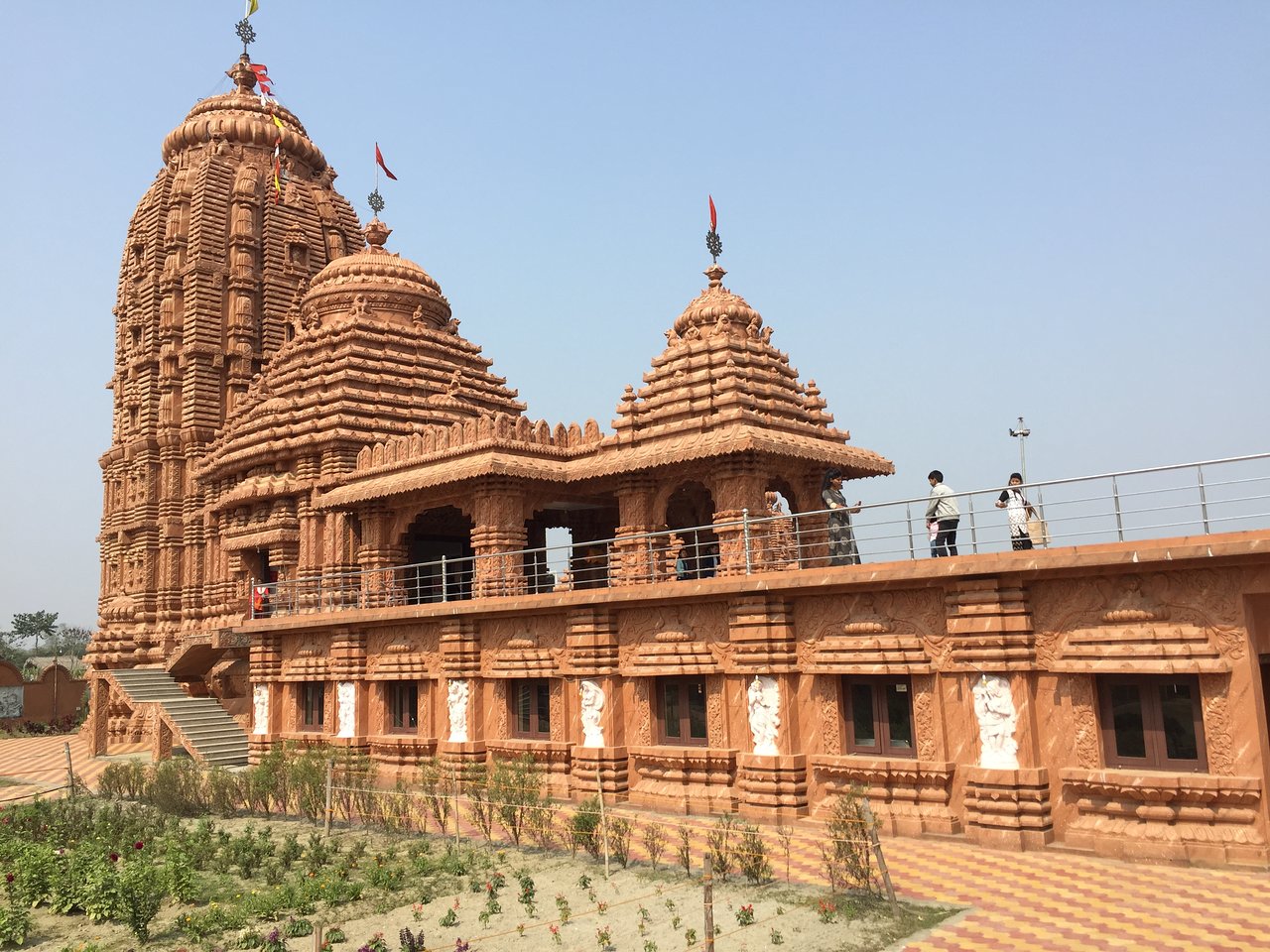
Temples in Dibrugarh: 10 Sacred Sites

Rahul Garg
December 26, 2025
Explore 10 famous temples in Dibrugarh, Assam. Discover spiritual sites, Hanuman temple & religious places.
Introduction to Dibrugarh Temple Heritage
Dibrugarh, often called the tea city of India for its vast tea estates, holds a rich spiritual heritage that complements its natural beauty. Located in Upper Assam, the city's temple landscape reflects the diverse religious traditions of the region, blending Hindu worship with Buddhist influences and incorporating unique Assamese architectural styles.
What makes Dibrugarh's temple scene particularly interesting is this diversity alongside accessibility. The city has temples dedicated to various deities—Hanuman, Shiva, Kali—and each maintains distinct worship traditions. The region's proximity to Buddhist sites in neighboring areas adds another spiritual dimension. For travelers exploring Assam beyond its natural beauty and tea gardens, understanding the temple heritage adds meaningful cultural depth.
This guide covers Dibrugarh's most important temples, practical information for visits, and temple circuit planning tips to help you explore efficiently.
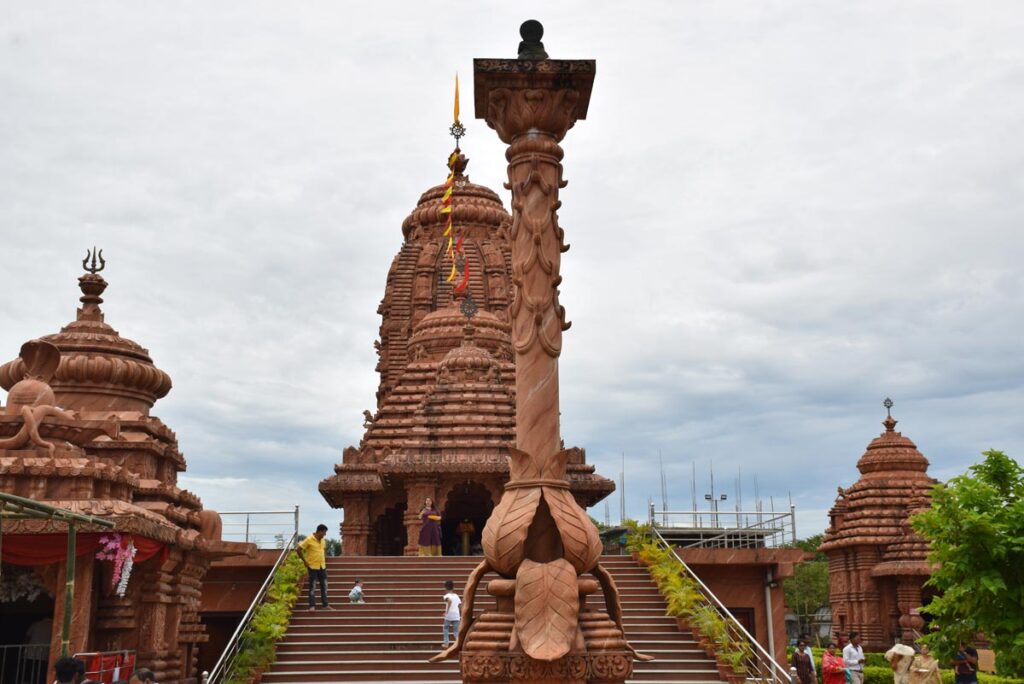
Hanuman Temple Dibrugarh
>Hanuman Temple is Dibrugarh's most famous temple and one of the significant Hanuman shrines in Assam. Located near the town center, the temple is dedicated to Lord Hanuman, the monkey god known for devotion and strength. The temple's establishment dates to the early 20th century, and it has grown to become an important spiritual center for devotees in the region.The temple follows traditional Assamese architectural style, with clean lines and practical design suited to local worship patterns. What makes this Hanuman Temple particularly notable is the strong following it maintains, especially on Tuesdays and Saturdays—days considered auspicious for Hanuman worship. The temple atmosphere during morning and evening aarti reflects genuine devotion and community participation.
Devotional Atmosphere and Festivals
The temple maintains regular worship activities throughout the day, with devotees visiting for darshan and prayer. Hanuman Jayanti, the birthday celebration of Lord Hanuman, is a major festival at this temple. The celebration includes special pujas, processions, and community participation. Regular aarti sessions in morning and evening create a devotional ambiance that visitors often find meaningful.
Practical Information
| Detail | Information |
|---|---|
| Location | Near Dibrugarh town center |
| Timings | 5:00 AM - 9:00 PM (all days) |
| Duration | 45 minutes for standard visit |
| Best Time | Tuesdays and Saturdays; Hanuman Jayanti |
| Deity | Lord Hanuman |
| Special | Tuesdays considered highly auspicious; Hanuman Jayanti celebrations |
| Atmosphere | Peaceful and devotional |
| Access | Walking distance from town center; auto-rickshaw available |
Deoram Dol Temple
Deoram Dol Temple, located within Dibrugarh city, is an ancient Dol temple with historical significance. The temple's unique dome structure and traditional Assamese architecture make it architecturally interesting. Built during the Ahom period, the temple represents the temple-building traditions of Assam's royal dynasty.
What sets Deoram Dol Temple apart is its connection to Deodhar (traditional religious merchandise) selling. Devotees visiting the temple often purchase Deodhar items as part of their spiritual practice. This connection between temple worship and traditional commerce adds cultural value to the visit. The temple maintains regular worship and sees increased devotee footfall during festival seasons.
Practical Information
- Location: Dibrugarh city
- Timings: 6:00 AM - 8:00 PM
- Duration: 1 hour for temple visit
- Best Time: Festival seasons for cultural experience
- Architecture: Traditional Assamese with unique dome structure
- Special: Deodhar selling point; traditional merchandise available
- History: Built during Ahom period
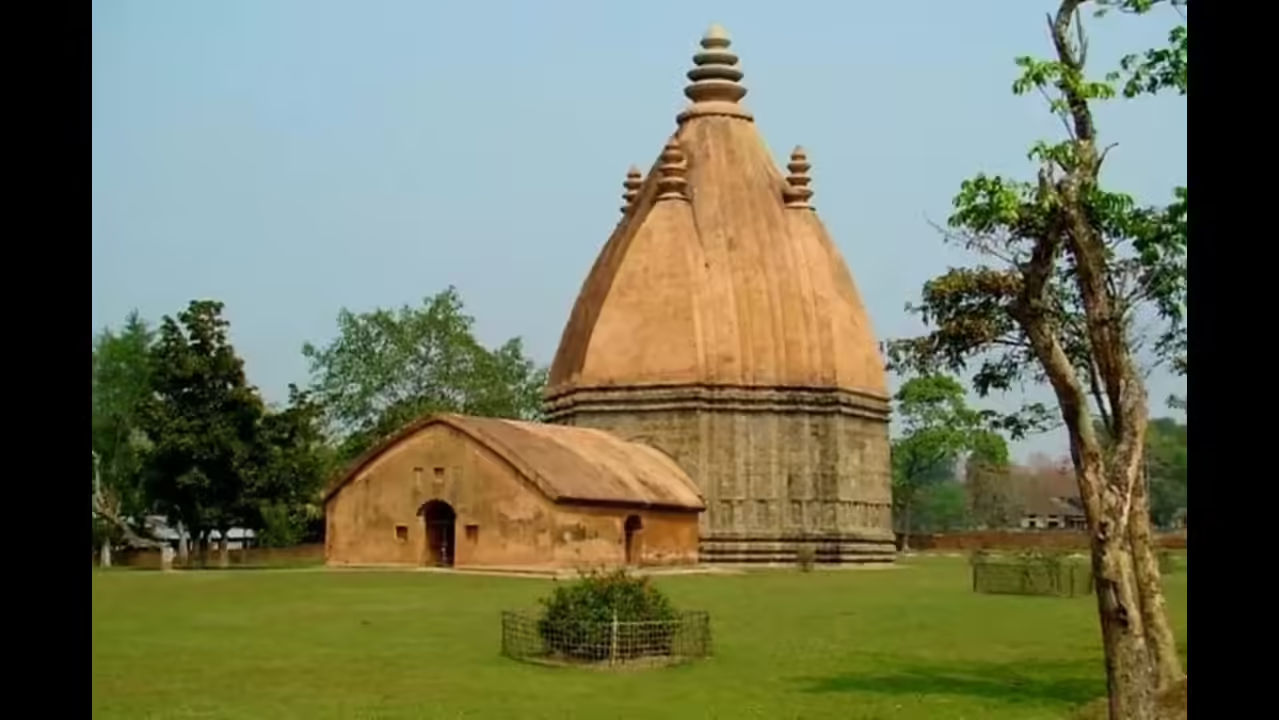
Kali Mandir Dibrugarh
Kali Mandir, located in central Dibrugarh, is a temple dedicated to Goddess Kali. The temple's architecture follows North Indian temple style, which is distinct within Assam's predominantly Assamese temple landscape. This architectural difference makes Kali Mandir visually interesting and reflects the diversity of temple influences in the region.
The temple was established by local devotees and has grown through community support. Goddess Kali worship maintains an intense devotional atmosphere, especially during Kali Puja and Navratri celebrations. The temple sees significant participation from local community during these festivals, with special decorations, pujas, and cultural programs.
Devotees typically offer red hibiscus flowers and sweets to Goddess Kali, following traditional worship patterns. The temple's central location makes it accessible for both regular daily worship and special festival visits.
Practical Information
- Location: Central Dibrugarh
- Timings: 6:00 AM - 9:00 PM
- Duration: 45 minutes for darshan
- Best Time: Kali Puja, Navratri for festival experience
- Deity: Goddess Kali
- Architecture: North Indian style (distinct in Assam)
- Special: Kali Puja celebrations; intense devotional atmosphere
- Offerings: Red hibiscus flowers, sweets
Shiva Temples in Dibrugarh
Dibrugarh maintains a strong Shiva worship tradition, with the main Shiva temple located in the city center. This temple, dedicated to Lord Shiva, follows traditional Assamese architectural style and maintains regular worship activities throughout the day. The temple's significance increases during Mahashivratri, the great night of Shiva, which is celebrated with special pujas and large devotee gatherings.
The temple architecture incorporates elements of the Nagara style, which is characteristic of Shiva temples in eastern India. Devotees offer milk and bel leaves (bilva patra) to Lord Shiva, following traditional worship practices. The temple's atmosphere during Sawan (Shravan month, dedicated to Shiva worship) becomes particularly charged with devotional energy.
Practical Information
- Location: Dibrugarh city center
- Timings: 5:00 AM - 9:00 PM
- Duration: 1 hour for temple visit
- Best Time: Mahashivratri for special celebrations; Sawan month
- Architecture: Traditional Nagara style
- Offerings: Milk, bel leaves, bilva patra
- Atmosphere: Spiritual and peaceful
Buddhist Monasteries Nearby
While Dibrugarh itself focuses on Hindu temples, the surrounding Assam region has important Buddhist monasteries that reflect another spiritual tradition of the area. For travelers interested in exploring Assam's complete spiritual landscape, visiting these monasteries adds valuable perspective.
Tengapani: Located approximately 50-100 kilometers from Dibrugarh, Tengapani is a significant Buddhist site with historical importance. The monastery represents Tibetan Buddhist influence in the region and offers insight into Buddhist meditation and worship practices.
Namdapha: Another Buddhist site in the region, Namdapha provides opportunities to experience Tibetan Buddhist traditions, prayer ceremonies, and monastery architecture. These sites require dedicated day trips from Dibrugarh but offer unique spiritual experiences distinct from Hindu temple visits.
Practical Information for Monastery Visits
- Distance: 50-100 kilometers from Dibrugarh
- Duration: Half day to full day per monastery
- Best Time: Winter months for comfortable travel
- Culture: Tibetan Buddhist traditions
- Architecture: Traditional Tibetan style
- Special: Prayer ceremonies; meditation opportunities
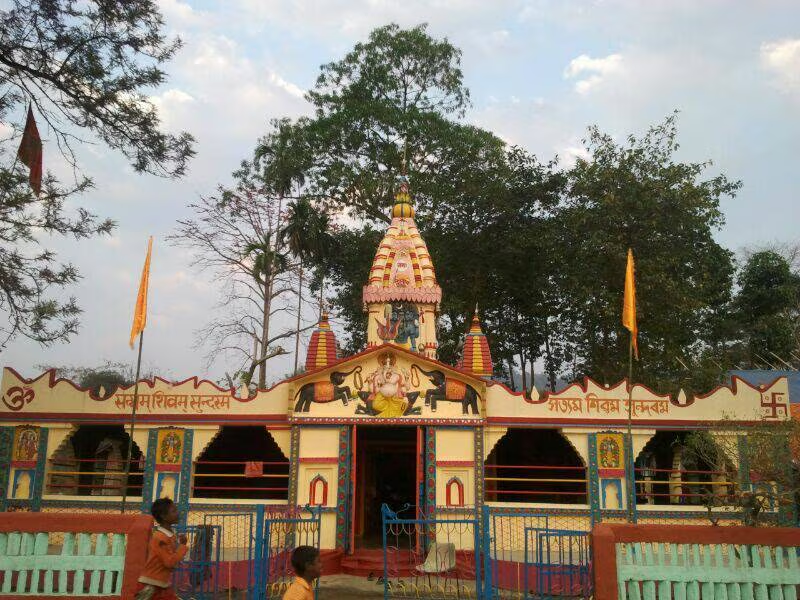
Vaishnavite Satras Nearby
Majuli Island, located approximately 200 kilometers from Dibrugarh, represents one of the most significant centers of Vaishnavite culture in Assam. The island houses several Satras (Vaishnavite monasteries) that are important centers of Neo-Vaishnavism, Assam's distinct devotional tradition focusing on Lord Krishna.
The Satras are not just spiritual centers but also cultural hubs where traditional dance (Sattriya), music (Borgeet), and rituals are preserved and practiced. For travelers interested in experiencing Assam's cultural and religious traditions beyond Hindu temples, a visit to Majuli Island's Satras provides deep cultural immersion.
Practical Information for Majuli Visit
- Distance: Approximately 200 kilometers from Dibrugarh
- Duration: Full day trip recommended
- Best Time: Winter season for pleasant weather
- Culture: Neo-Vaishnavism
- Activities: Traditional dance, music, rituals
- Architecture: Traditional Assamese
- Access: Ferry from Nimatighat (near Jorhat)
Other Religious Sites
Beyond the Hindu temples, Dibrugarh's religious landscape includes other worship sites reflecting Assam's diverse spiritual traditions:
Gurdwara: Dibrugarh has a Sikh place of worship (Gurdwara) serving the local Sikh community. The gurdwara maintains regular prayer services and represents Sikhism's presence in the region.
Churches: Colonial-era churches in Dibrugarh represent Christian worship traditions in the region. These churches, some established during British period, add architectural and historical diversity to the city's religious landscape.
Mosques: Islamic heritage sites, including mosques, represent Muslim worship traditions in Dibrugarh. These sites are part of the city's multi-religious character.
Jain Temples: While Jain presence in Dibrugarh is smaller compared to major temple traditions, the Jain community maintains its places of worship, contributing to the city's religious diversity.
Temple Planning Tips
Best Time to Visit Dibrugarh Temples
October to April offers the most comfortable weather for temple visits in Dibrugarh. Winter months provide cool, pleasant conditions for exploring temples and making day trips to nearby Buddhist sites or Majuli Island. Summer months (May-June) can be hot, making early morning or evening visits more comfortable. Monsoon season (July-September) brings rain; check local conditions for visits to Satras or monasteries that may involve river crossings.
Duration for Temple Tour
A temple tour covering Dibrugarh's major Hindu temples typically requires 1-2 days. Hanuman Temple, Deoram Dol, Kali Mandir, and the main Shiva temple can all be covered within the city efficiently. Day trips to Buddhist monasteries or Majuli Island require additional time. A 2-3 day itinerary allows for comprehensive exploration of Dibrugarh temples plus one extended trip to a nearby spiritual site.
Transportation
Dibrugarh city temples are accessible by auto-rickshaw, taxi, or walking depending on your location within the city. For day trips to Buddhist monasteries (Tengapani, Namdapha), hiring a taxi is practical. The journey to Majuli Island requires reaching Nimatighat first (approximately 150 km from Dibrugarh) and then taking the ferry to the island.
Accommodation
Dibrugarh city offers the best accommodation base for temple visits. Staying in the city center provides easy access to restaurants, transport hubs, and all temples as day trips. Hotels range from budget options to mid-range properties. For those planning to visit Majuli Island, staying overnight on the island requires advance booking as accommodation options are limited.
Dress Code and Temple Etiquette
Modest, traditional clothing is recommended for all Dibrugarh temples. Footwear must be removed before entering temple premises. Photography rules vary by temple—ask permission before taking photos inside sanctums. Maintaining silence in prayer zones and following queue discipline ensures smooth darshan for everyone.
Food and Prasadam
Most temples distribute prasadam, which can be accepted as blessings. Dibrugarh's Assamese cuisine offers excellent dining options after temple visits. Local food includes Assam thali, various fish preparations, traditional sweets like pitha and laddoo, and of course, Assam tea. Combining temple visits with culinary exploration provides a complete Dibrugarh experience.
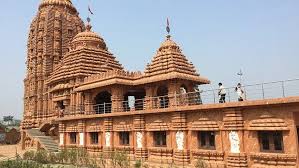
Conclusion
Dibrugarh's temple landscape offers a meaningful spiritual journey through diverse Hindu traditions, from Hanuman devotion to Shiva worship, from Kali temple intensity to Buddhist monastery tranquility. The city's temples maintain genuine devotion while remaining accessible to visitors. Nearby spiritual sites, including Buddhist monasteries and Vaishnavite Satras on Majuli Island, add further dimensions to the Assamese spiritual experience.
Whether you're seeking blessings at Hanuman Temple, exploring Assam's Buddhist heritage, or experiencing the unique Vaishnavite culture of Majuli, Dibrugarh and its surrounding regions deliver rich and varied spiritual encounters. Plan your temple visits with realistic time allocation, respect temple customs, and combine spiritual exploration with Dibrugarh's natural beauty—tea gardens, river landscapes, and the unique character of Upper Assam.
For broader Assam temple exploration, you can also read about temples in Guwahati, plan your Nagoland visit through Kohima travel guide, or explore other regions through temples in Imphal.
Location
Frequently Asked Questions
Q1.What are the famous temples in Dibrugarh?
Q2.Where is Hanuman Temple located in Dibrugarh?
Q3.What is special about Deoram Dol Temple?
Q4.How much time is needed to visit temples in Dibrugarh?
Q5.Are there Buddhist monasteries in Dibrugarh?
Q6.What is the best time to visit Dibrugarh temples?
Q7.How to reach Dibrugarh by air?
Q8.Are accommodations available near temples?
Recommended For You
Temples in Chittoor: 12 Sacred Sites
Explore 12 famous temples in Chittoor district. From Tirupati to Srikalahasti, discover sacred Hindu temples.
Temples in Guntur: 15 Sacred Sites
Explore 15 famous temples in Guntur, Andhra Pradesh. From Amaravati to Mangalagiri, discover spiritual heritage sites.
Temples in Hyderabad: 20 Sacred Sites
Explore 20 famous temples in Hyderabad. From Birla Mandir to Chilkur Balaji, discover spiritual sites, timings & heritage.
Never Miss an Adventure
Get the latest trekking guides, travel tips, and exclusive offers delivered straight to your inbox.
