
Goa Gajah Temple Bali: History, Entry Fee & Visiting Hours

Priya Mehta
February 18, 2026
Discover Goa Gajah Temple Bali with history, key highlights, entry guidance, dress code tips, and nearby route planning.
Goa Gajah Temple Bali: History, Rituals, and Visit Planning
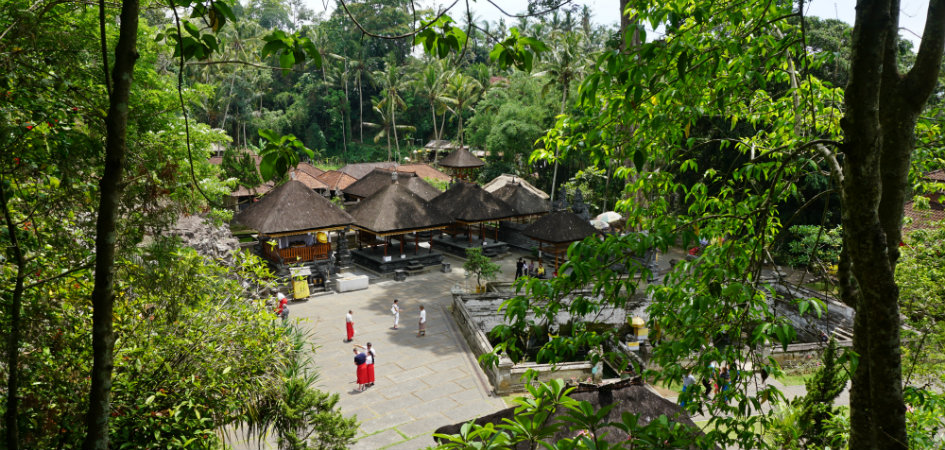
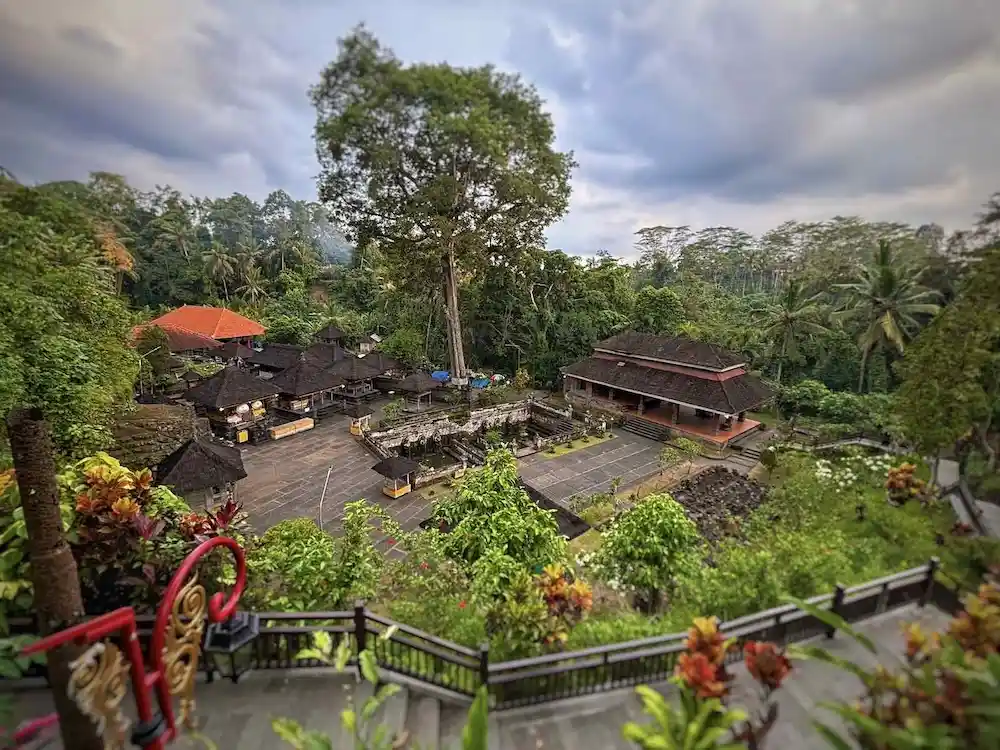
Goa Gajah Temple Bali, often called the Elephant Cave, is one of the island’s most important archaeological and spiritual sites near Ubud. It combines cave shrine symbolism, bathing pools, and layered Hindu-Buddhist heritage in a compact temple complex. Many travelers add it as a quick stop, but the site is best experienced with slow movement, historical context, and respect for living ritual space.
This guide covers what to see, how to plan timing, temple etiquette, and practical route pairings around Ubud. If you are building a cultural Bali circuit, combine this visit with Lempuyang Temple Bali, Ulun Danu Beratan Temple Bali, and Pura Tirta Empul Bali.
Why Goa Gajah Matters Historically
Goa Gajah is significant because it reflects a long period of spiritual and artistic exchange in Bali. The site includes stone carvings, cave chamber symbolism, and water structures that connect ritual function with architectural form. Even though the complex is smaller than some major Balinese temples, its archaeological depth makes it essential for travelers interested in heritage, not only scenic photos.
Visitors who arrive with no context often move too quickly through the cave and pools. A better approach is to observe one zone at a time: entrance carving, cave interior, water pools, and surrounding grounds. This sequence helps you understand the site’s layered meaning.
Main Areas to Explore
The temple complex can be explored comfortably in one to two hours if paced well. Focus on structural details and ritual layout rather than rushing for checklist coverage.
| Zone | What to Notice | Visitor Tip |
|---|---|---|
| Cave entrance | Carved facade and symbolic mouth-like opening | Observe details before entering |
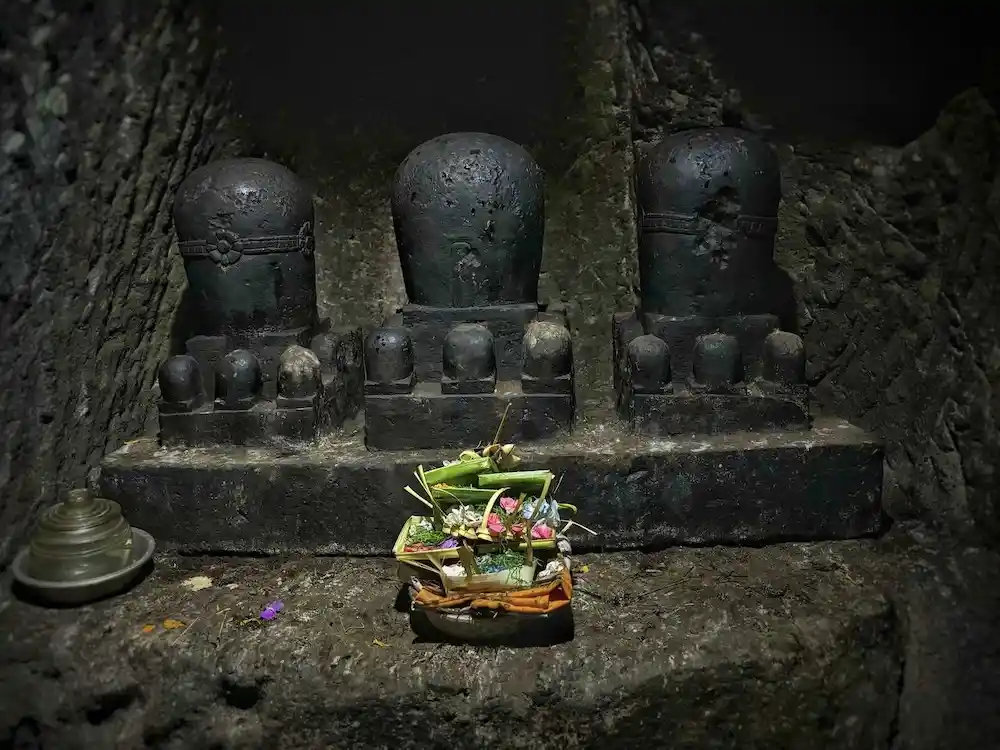
| Cave interior | Shrine space and meditative atmosphere | Keep silence and avoid blocking movement |
| Bathing pools | Historic water features and sculptures | Best photographed in softer light |
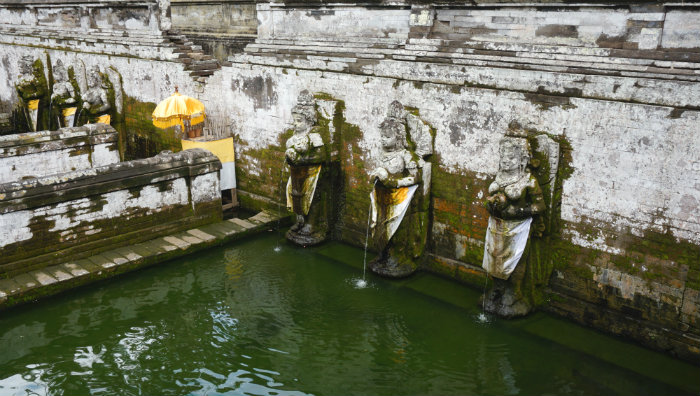
Spend extra time around the bathing pools, as they hold major visual and historical value. Morning visits usually provide cleaner movement and better photography conditions.
Entry, Timing, and Practical Planning
Opening hours and entry fees can update over time, so verify on arrival or through current local channels before departure. The site is often busiest in midday windows when group tours peak. If your schedule allows, go early or later in the day for a calmer experience.
Avoid packing too many temples in one route segment. Goa Gajah works best when paired with one nearby cultural stop and one meal break, not a high-speed multi-temple sprint. For seasonal context, check broader island guidance from best time to visit Bali.
Dress Code and Temple Etiquette
As with most Balinese sacred sites, modest dress is expected. Sarong use may be required depending on current entry protocol. Maintain respectful behavior: low voice, no intrusive posing in prayer areas, and no disruption during rituals.
- Wear shoulders-and-knees-covered clothing or use provided coverings.
- Follow local signs and staff instructions without argument.
- Avoid loud group movement in cave and shrine areas.
- Do not touch sacred objects unless explicitly permitted.
- Keep pathways clear for devotees and temple staff.
Respectful conduct improves both spiritual integrity of the site and your own travel experience.
How to Reach Goa Gajah from Ubud
Goa Gajah is commonly visited from Ubud by scooter, private car, or cab. Transfer time is manageable, but traffic can vary by season and daytime congestion. If you are traveling with family or elderly visitors, private transport with flexible stop control is usually the easiest option.
A practical route pattern is Ubud morning departure, Goa Gajah first, one nearby temple or rice-terrace add-on, then return before late-day traffic peaks. Keep buffer time for ticket queues and walking through the complex.
Nearby Add-Ons for a Cultural Day
After Goa Gajah, choose only one or two add-ons for quality pacing. Good options include temple continuity at Petitenget Temple Bali or coastal evening transition with Uluwatu Temple Bali. Travelers seeking broad route planning can use Bali travel guide resources before finalizing.
Keep your final stop lighter than your first. Goa Gajah invites slow attention, and preserving that pace leads to better memory and less fatigue.
Conclusion
Goa gajah temple bali is a compact but deeply meaningful heritage site that rewards careful, respectful travel. Plan around timing, dress code, and route simplicity. With thoughtful pacing and historical context, the Elephant Cave becomes one of the most memorable cultural experiences in a Bali itinerary.
Deeper Cultural Context for Goa Gajah Visitors
Goa Gajah is most meaningful when understood as a layered spiritual landscape rather than a single cave entrance photo point. The relationship between cave space, bathing pools, and surrounding grounds suggests a ritual environment shaped by meditation and purification traditions over long periods. Spend time reading site boards and observing how each zone connects before moving on.
For first-time visitors in Bali, the best pattern is one cultural temple in the morning and one contrasting stop later in the day, such as a terrace walk or food-focused experience. This gives enough mental space to absorb details rather than rushing through multiple temples with similar visual elements. If temple hopping is unavoidable, keep each stop short but intentional.
Responsible travel at Goa Gajah means protecting sacred atmosphere while still enjoying history. Stay within marked paths, avoid climbing restricted structures, and keep respectful distance from ritual activity. These small behaviors preserve site dignity and improve the experience for everyone.
Common Mistakes to Avoid at Goa Gajah
The most common mistake is rushing directly to the cave entrance and leaving quickly. This skips the bathing pools and symbolic layout that make the site historically meaningful. Always walk the full complex once before concluding your visit.
Another frequent issue is overplanning nearby stops and arriving tired. Keep one main temple and one secondary add-on only. Slower pacing creates better observation and fewer logistical problems across Bali roads.
Keep your schedule light and your observation depth high. Goa Gajah rewards patience more than speed.
Arrive early and let the site unfold slowly.
Keep the visit gentle, focused, and respectful from entry to exit.
Location
Frequently Asked Questions
Q1.What is Goa Gajah Temple famous for?
Q2.Where is Goa Gajah located?
Q3.Is Goa Gajah a spiritual site?
Q4.Do I need a sarong at Goa Gajah?
Q5.How much time is needed at Goa Gajah?
Q6.Can Goa Gajah be combined with Ubud attractions?
Q7.What is the best time to visit Goa Gajah?
Q8.Is photography allowed at Goa Gajah?
Recommended For You
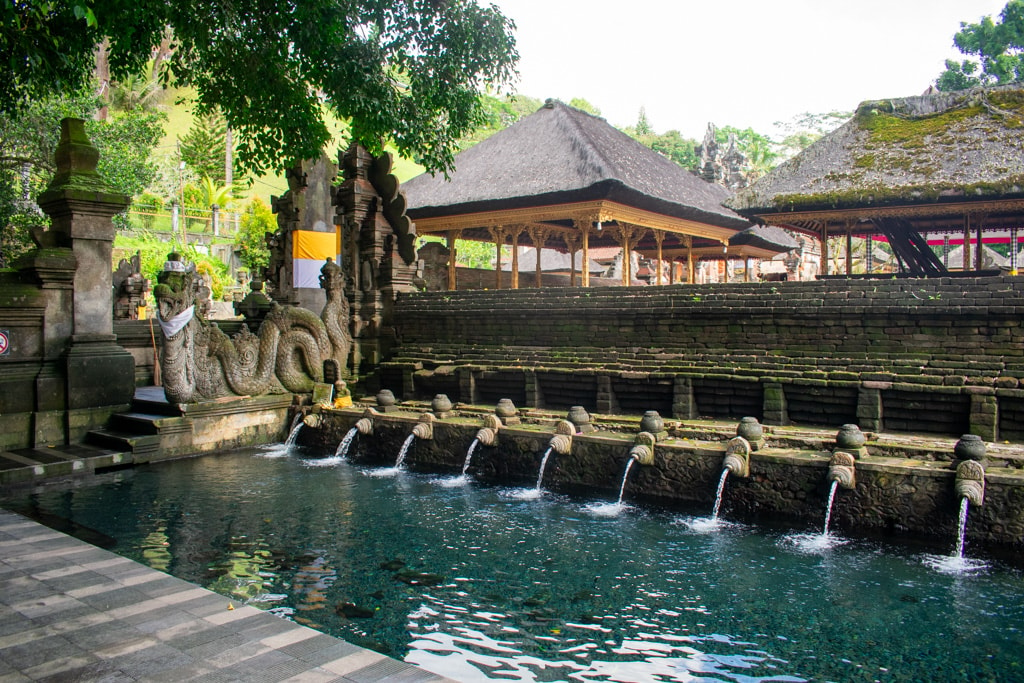
Pura Tirta Empul Bali: Holy Water Rituals, Timings & Dress Code
Visit Pura Tirta Empul Bali's Holy Water Temple. Complete guide to Melukat purification ritual, timings, history & how to reach. Sacred temple experience.
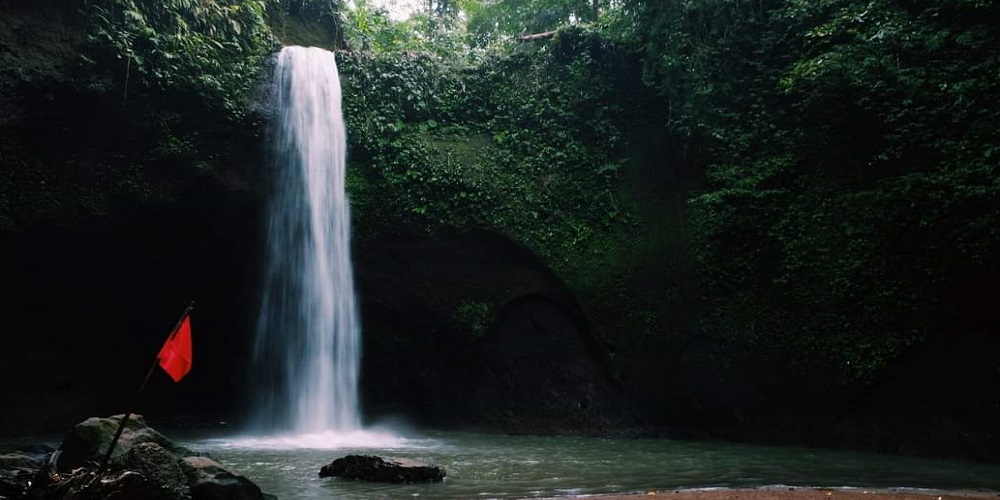
Tibumana Waterfall Bali: Route, Entry Fee & Best Hours
Discover the enchanting Tibumana Waterfall in Bali, featuring stunning twin cascades, a crystal-clear natural pool perfect for swimming, and a serene jungle setting. Complete guide with practical tips on how to reach, best time to visit, and what to expect.
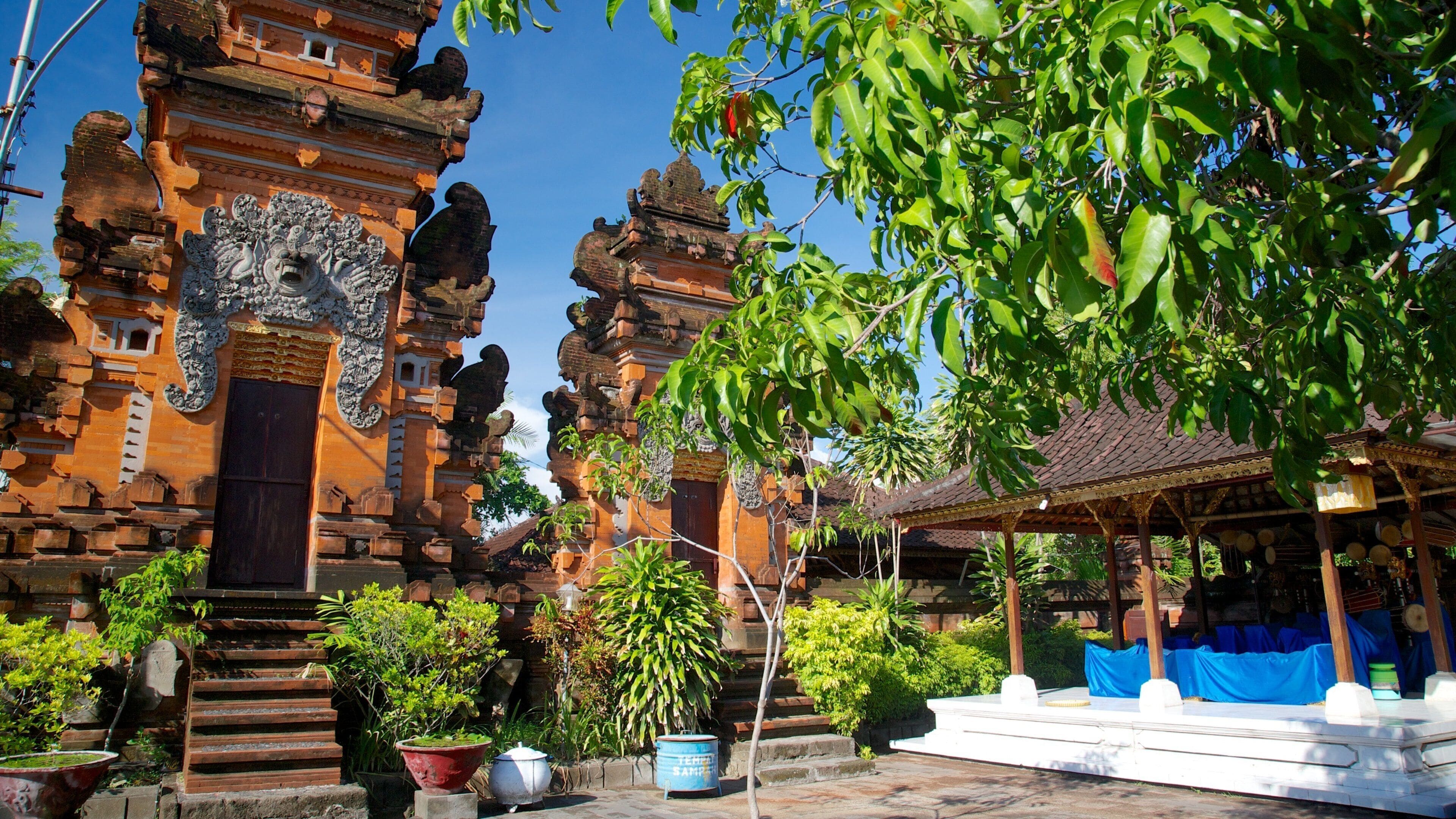
Petitenget Temple Seminyak Bali: Timings, Dress Code & Visitor Tips
Discover Petitenget Temple in Seminyak Bali - ancient sea temple with ceremonies, timings, dress code, and cultural significance. Complete visitor guide with photography tips and nearby attractions.
Never Miss an Adventure
Get the latest trekking guides, travel tips, and exclusive offers delivered straight to your inbox.
