
Virupaksha Temple Hampi: Timings, History & Hampi Circuit Highlights

Priya Mehta
February 18, 2026
Discover Virupaksha Temple in Hampi, a 1400-year-old living shrine showcasing Vijayanagara architecture, sacred shrines, and spiritual heritage.
Introduction to Virupaksha Temple
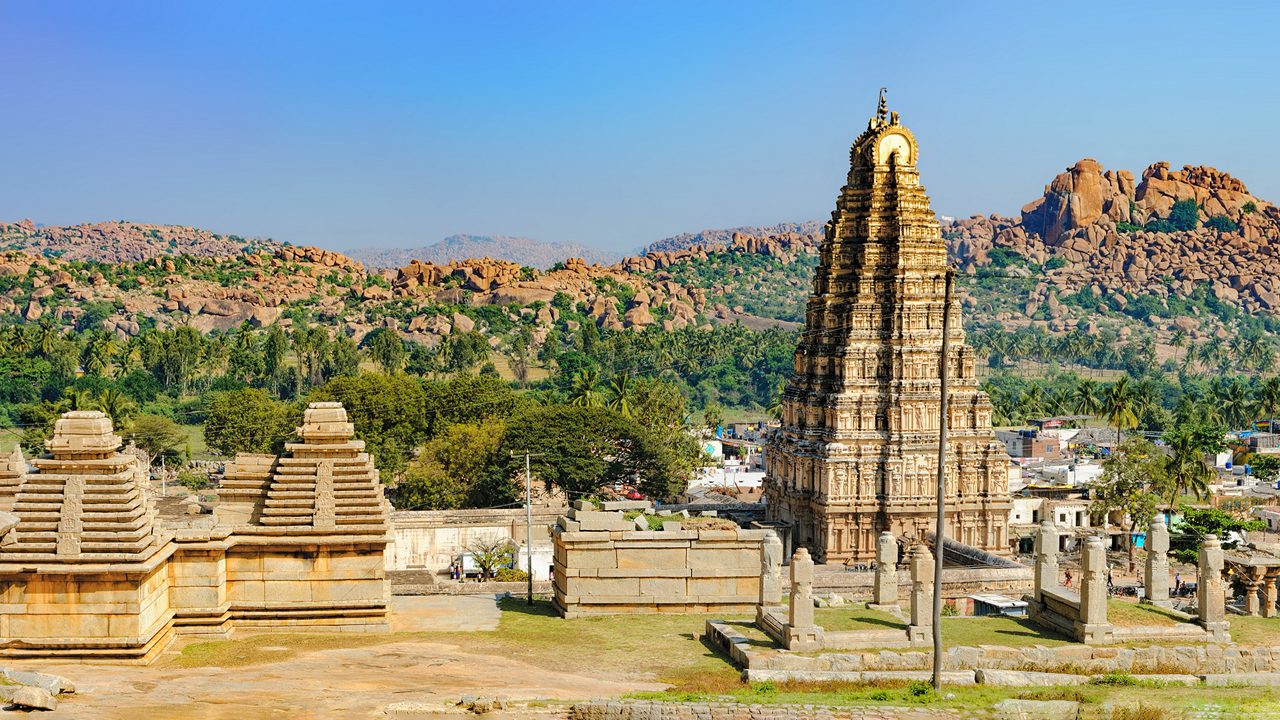
Standing as the crown jewel of Hampi's UNESCO World Heritage Site, Virupaksha Temple is a living testament to the grandeur of the Vijayanagara Empire. This sacred shrine, dedicated to Lord Shiva, has been in continuous worship for over 1,400 years, making it one of India's oldest functioning temples. The temple's magnificent architecture, spiritual significance, and historical importance draw millions of devotees and history enthusiasts annually.
Historical Significance
The origins of Virupaksha Temple trace back to the 7th century, though the present structure primarily dates from the Vijayanagara period (14th-16th centuries). The temple flourished under the patronage of Vijayanagara rulers, who considered Lord Virupaksha (Shiva) their deity. Unlike most Hampi monuments that suffered destruction during the 1565 battle of Talikota, Virupaksha Temple miraculously survived and continued to serve as an active place of worship.
Architectural Marvel
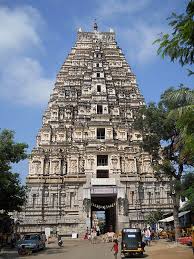
The temple complex showcases the pinnacle of Dravidian architecture. The main attraction is the 50-meter tall eastern gopuram (gateway), adorned with intricate carvings of Hindu deities, mythological scenes, and celestial beings. The nine-tiered structure dominates Hampi's skyline and creates an awe-inspiring first impression. The temple features three main towers: the eastern Raya Gopuram, the inner Kanana Gopuram, and the northern Bisle Gopuram, each showcasing different architectural styles from various periods.
Sacred Sanctums
The temple complex houses several shrines dedicated to different deities. The main sanctum enshrines Lord Virupaksha (Shiva) in the form of a lingam. The shrine of Goddess Pampa, Shiva's consort, holds equal importance and attracts numerous devotees. Other shrines include those dedicated to Bhuvaneshwari, the navagrahas (nine planets), and various forms of Shiva. Each shrine has its own unique rituals and significance, contributing to the temple's spiritual atmosphere.
The Infamous Pinhole Camera Effect
One of Virupaksha Temple's most fascinating features lies in its main sanctum. The temple's ancient architects created a pinhole camera effect through a small opening in the ceiling. Sunlight streams through this aperture to cast an inverted image of the main gopuram onto a wall inside the temple. This remarkable phenomenon, discovered centuries before the invention of cameras, demonstrates the advanced scientific knowledge of ancient Indian builders.
The Great Courtyard and Pillared Halls
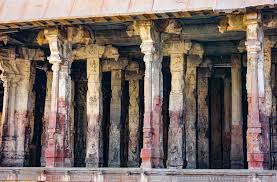
The temple's expansive courtyard can accommodate thousands of devotees during festivals. The Ranga Mandapa, or pillared hall, features stunning musical pillars that produce different musical notes when tapped. These 56 pillars, each carved from a single stone, showcase the extraordinary craftsmanship of Vijayanagara artisans. The hall's ceiling paintings, though faded with time, still display traces of vibrant colors depicting scenes from Hindu epics.
The Sacred Tank and Triple-Shrine
Behind the main temple lies the sacred tank, known as the Manmatha Pushkarini. Devotees believe that bathing in this holy water cleanses sins and grants blessings. The tank's serene surroundings provide a peaceful space for meditation and reflection. Nearby stands the triple-shrine structure, an architectural curiosity where three shrines share a common platform, representing the unity of different aspects of the divine.
Festivals and Celebrations
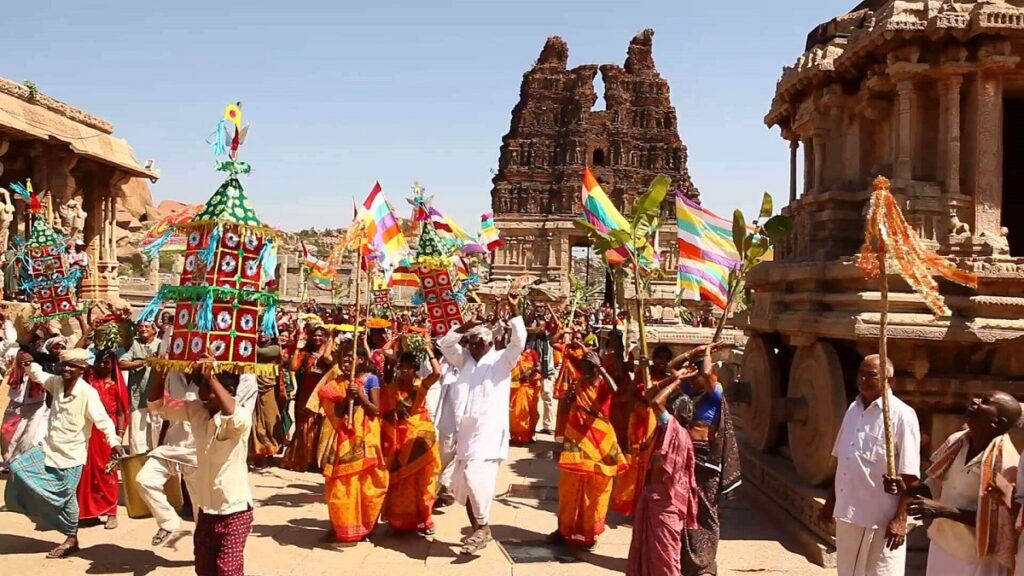
Virupaksha Temple comes alive during festivals, especially the annual chariot festival held in February or March. The magnificent temple chariot, decorated with flowers and lights, carries the deity's processional image through the streets of Hampi. The festival draws devotees from across Karnataka and neighboring states, creating a vibrant atmosphere of devotion and celebration. Another important festival is the marriage festival of Lord Virupaksha and Goddess Pampa, celebrated with great pomp and ceremony.
Best Time to Visit
The ideal time to visit Virupaksha Temple is between October and March when the weather remains pleasant for exploration. Early morning visits offer the best experience, with fewer crowds and peaceful ambiance for darshan. The temple opens at 6:00 AM, and the morning aarti (ritual worship) provides a spiritually uplifting experience. Winter months also allow comfortable exploration of other Hampi monuments nearby.
How to Reach Hampi
For a complete trip framework beyond just the temple, our Hampi travel guide covers stay zones, ruins circuits, and seasonal planning. Hampi is well-connected by road, rail, and air. The nearest railway station is Hospet, located 13 kilometers away, with regular trains from major cities like Bangalore, Hyderabad, and Goa. The closest airport is Hubli Airport, approximately 160 kilometers from Hampi. Regular buses and taxis operate from Hospet to Hampi. For those driving from Bangalore, the journey takes about 6-7 hours via well-maintained roads.
Exploring the Temple Complex
Allow at least 2-3 hours to explore Virupaksha Temple thoroughly. Start with the main sanctum, then move to the various shrines within the complex. Don't miss the musical pillars, but remember that photography is restricted in certain areas. Engage a local guide who can explain the historical and religious significance of various features. The temple's ancient inscriptions provide valuable insights into Vijayanagara history and culture.
Nearby Attractions
After visiting Virupaksha Temple, explore other Hampi attractions within walking distance. For a fuller list of shrines across the ruins, see our guide to temples of Hampi. The Hampi Bazaar, located opposite the temple, offers local handicrafts and souvenirs. The Virupaksha Temple's geometrically stepped tank and the nearby monolithic Nandi statue are worth visiting. Other significant sites include the Vitthala Temple, Lotus Mahal, and the Royal Enclosure, all accessible by bicycle, auto-rickshaw, or rented mopeds.
Accommodation Options
Hampi offers various accommodation options to suit different budgets. The temple area has several guesthouses and homestays within walking distance of Virupaksha Temple. For those seeking more comfort, resorts and hotels are available in Hospet. Staying near the temple allows early morning visits and participation in temple rituals without travel constraints. Book in advance during festival seasons as accommodations fill quickly.
Dining and Local Cuisine
Several eateries near the temple serve both South Indian and North Indian cuisine. For authentic local food, visit the restaurants mentioned in restaurants hampi. Most places offer vegetarian options, and some serve continental dishes for international tourists. Don't miss trying local Karnataka specialties like bisi bele bath, jolada roti, and Mysore pak during your visit.
Temple Timings and Entry
Virupaksha Temple remains open from 6:00 AM to 1:00 PM and from 5:00 PM to 9:00 PM. The temple closes in the afternoon for rituals. There is no entry fee, though donations are welcome. Photography is allowed in the outer areas but prohibited inside the main sanctum. Dress modestly, covering shoulders and knees, as this is an active place of worship. Remove footwear before entering the temple premises.
Tips for Visitors
- Visit early morning or late afternoon to avoid crowds and heat.
- Wear comfortable footwear as you'll need to remove it frequently.
- Carry a scarf or shawl to cover your head if desired.
- Respect local customs and maintain silence in prayer areas.
- Don't miss the evening aarti ceremony for a truly spiritual experience.
- Hire an authorized guide for detailed historical information.
- Carry water and sun protection, especially during summer months.
- Combine your visit with other Hampi attractions for a complete experience.
Spiritual Experience
Beyond its historical and architectural significance, Virupaksha Temple offers a deeply spiritual experience. The continuous chanting of mantras, the fragrance of incense, and the sight of devotees offering prayers create an atmosphere of transcendental peace. Whether you're a religious seeker or a history enthusiast, the temple's sacred energy leaves a lasting impression on all who visit.
Preservation and Conservation
The Archaeological Survey of India maintains Virupaksha Temple as a protected monument. Ongoing conservation efforts aim to preserve the temple's structural integrity while maintaining its religious functions. Visitors are requested to follow guidelines to help protect this precious heritage site. The temple's inclusion in the UNESCO World Heritage List ensures international attention and support for its preservation.
Conclusion
Virupaksha Temple stands as a magnificent bridge between India's glorious past and living present. If Vijayanagara-era stonework interests you, the Hoysala temples of Karnataka make a rewarding architectural comparison on a wider Karnataka temple trail. Its towering gopurams, sacred shrines, and centuries-old traditions offer visitors a unique glimpse into the spiritual and cultural legacy of the Vijayanagara Empire. A visit to this extraordinary temple is not just a sightseeing excursion but a journey through time and spirituality that leaves an indelible mark on every traveler's soul.
Location
Frequently Asked Questions
Q1.What are the Virupaksha Temple timings?
Q2.Is there an entry fee for Virupaksha Temple?
Q3.How old is Virupaksha Temple Hampi?
Q4.What is special about Virupaksha Temple?
Q5.How much time is needed to visit Virupaksha Temple?
Q6.What is the best time to visit Virupaksha Temple?
Q7.Is photography allowed inside Virupaksha Temple?
Q8.How to reach Virupaksha Temple in Hampi?
Q9.What is the dress code for Virupaksha Temple?
Q10.Are there guides available at Virupaksha Temple?
Recommended For You
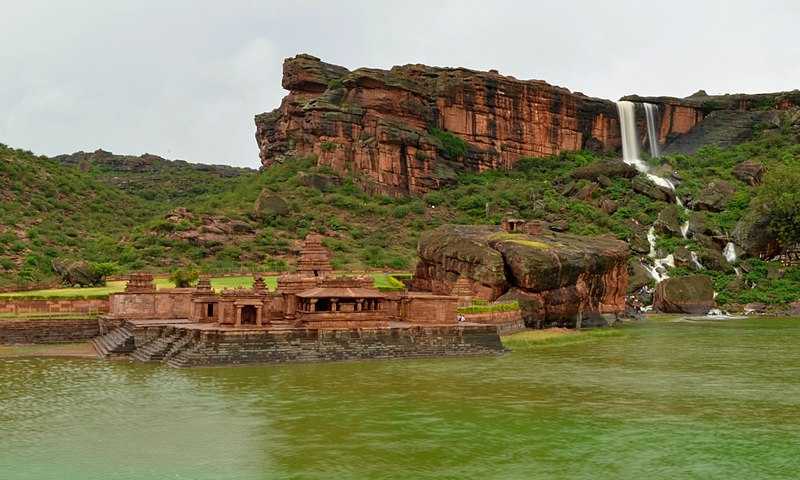
Places to Visit in Karnataka: Coast, Hills & Heritage Cities
Explore the best places to visit in Karnataka with a complete guide to Hampi, Coorg, Mysore, beaches, wildlife parks, trekking routes, and practical travel planning.
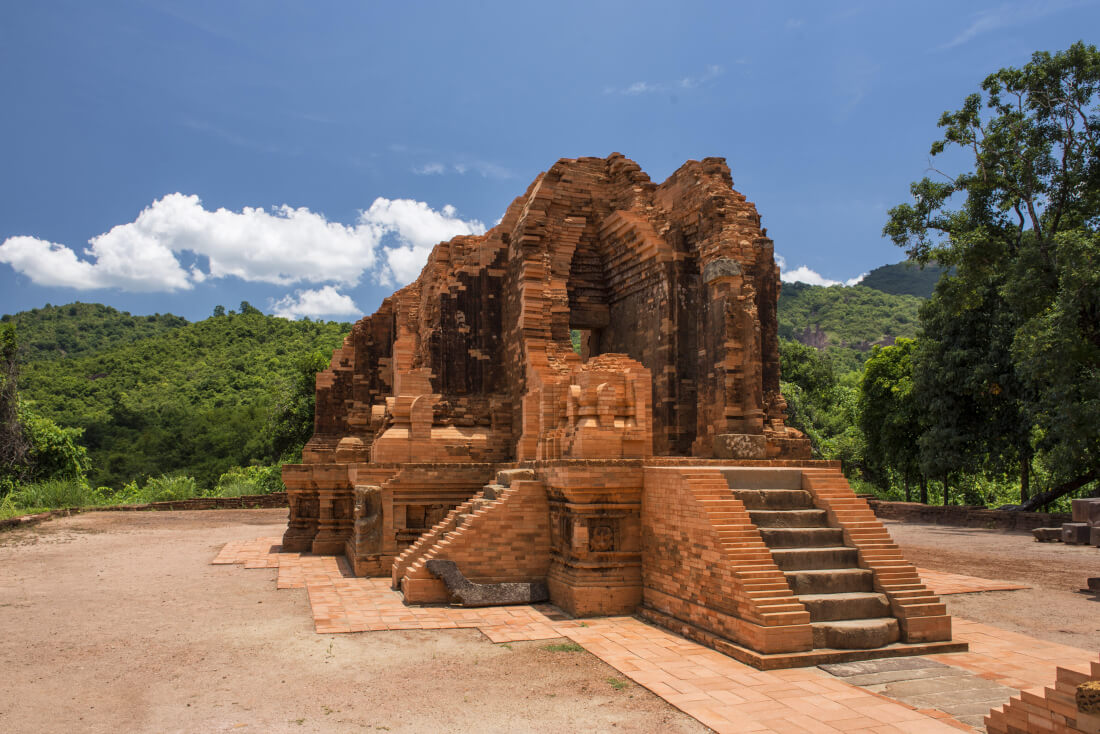
Best Hindu Temples in Vietnam: Heritage Guide and Tips
Explore Hindu temples in Vietnam with cultural context, route planning, and practical travel tips for meaningful heritage visits.
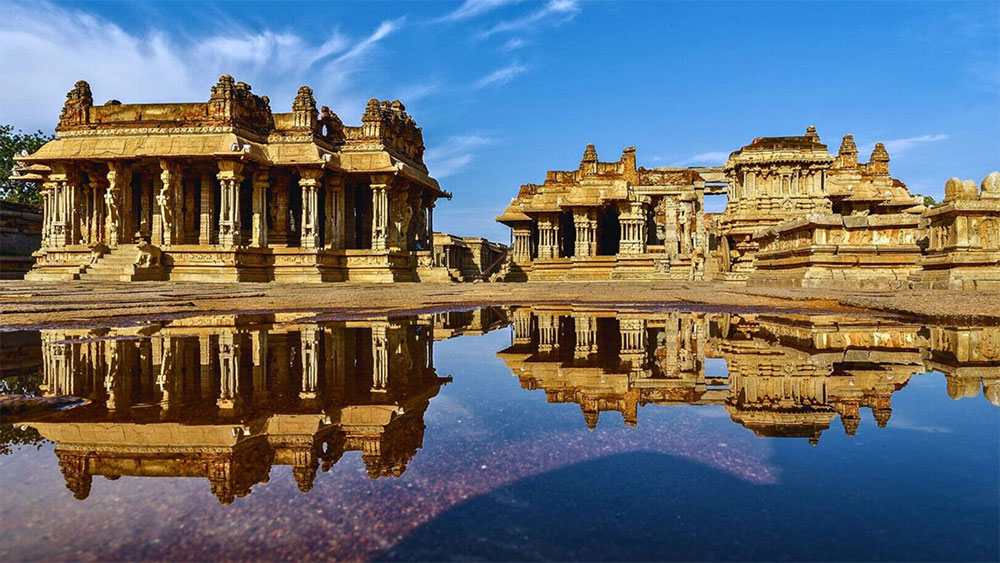
Temples of Hampi: Complete Guide to Vijayanagara Empire's Sacred Heritage
Discover the magnificent temples of Hampi, a UNESCO World Heritage Site. Explore Virupaksha, Vittala, and more Vijayanagara empire temples with our complete travel guide.
Never Miss an Adventure
Get the latest trekking guides, travel tips, and exclusive offers delivered straight to your inbox.
