
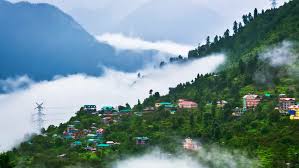
Places to Visit in Himachal Pradesh: Smart Route Planning for Mountains, Culture, and Adventure

Priya Mehta
February 25, 2026
Plan the best places to visit in Himachal Pradesh with route-based travel strategy, season planning, and practical corridor-wise itinerary tips.
Why Himachal Planning Is More Important Than Destination Lists
Himachal Pradesh is one of the most frequently planned mountain trips in India, yet many itineraries underperform because they prioritize quantity over route logic. Travelers often combine distant valleys in one short schedule, spend most of their time in transit, and miss the best weather windows. The smarter approach is to group destinations by corridor and altitude. For first-time travelers, compare your route choices with best places in Himachal and align seasonal windows using best time to visit Himachal.
Himachal rewards focused planning: one region for short trips, two linked regions for longer plans. If your base is Kangra side, combine cultural and landscape routes through Dharamshala and nearby experiences from Mcleodganj instead of attempting distant valley jumps.
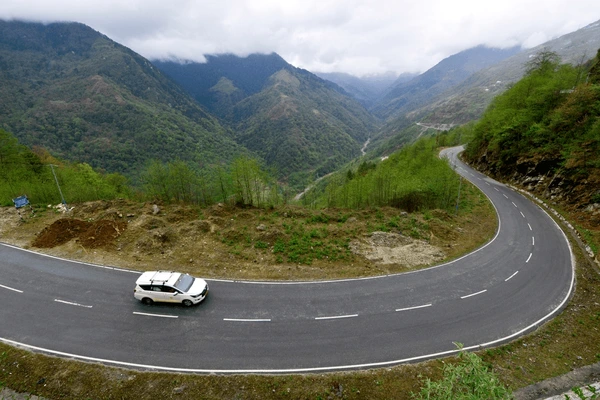
Top Places to Visit in Himachal Pradesh by Travel Style
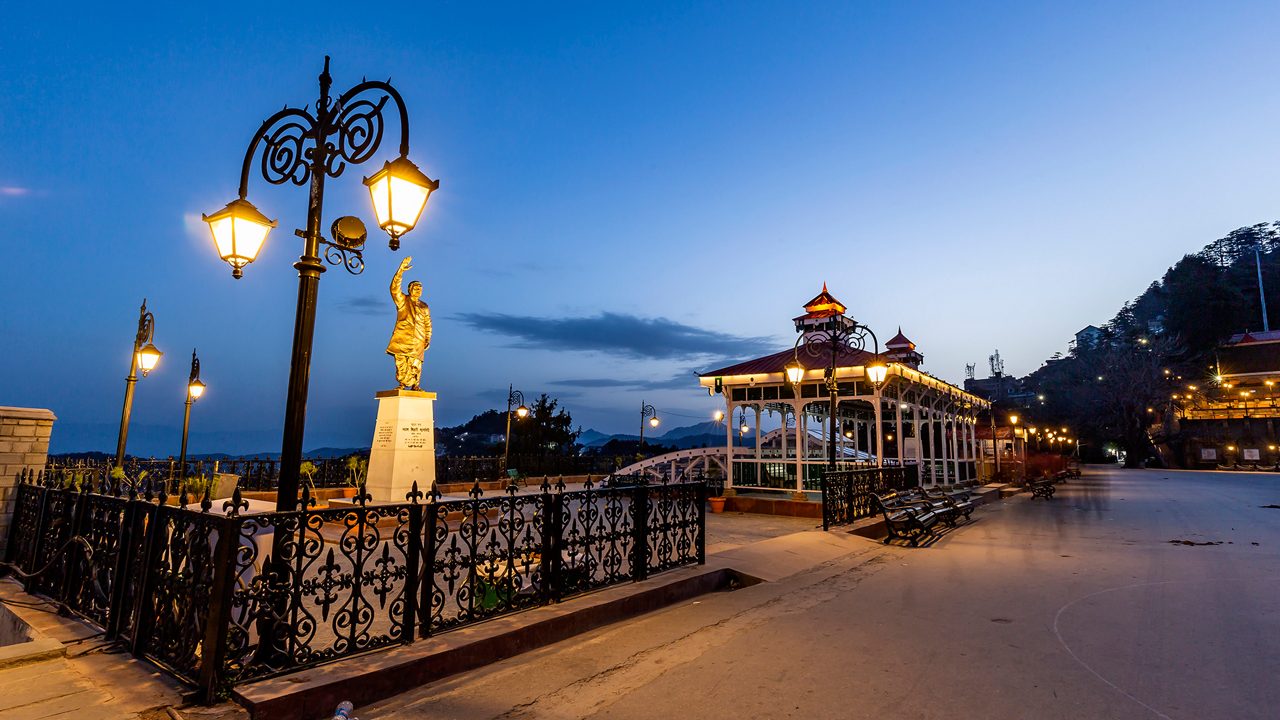
For first-time hill travel: Shimla and nearby circuits offer easier access and broad accommodation options.
For culture and monastery routes: Dharamshala and Mcleodganj provide spiritual spaces, cafes, and scenic day walks.
For valley stays: Kullu-Manali axis works for mixed groups with both leisure and activity options.
For quieter mountain pacing: Tirthan, Shoja, and Jalori-side routes suit slower travelers.
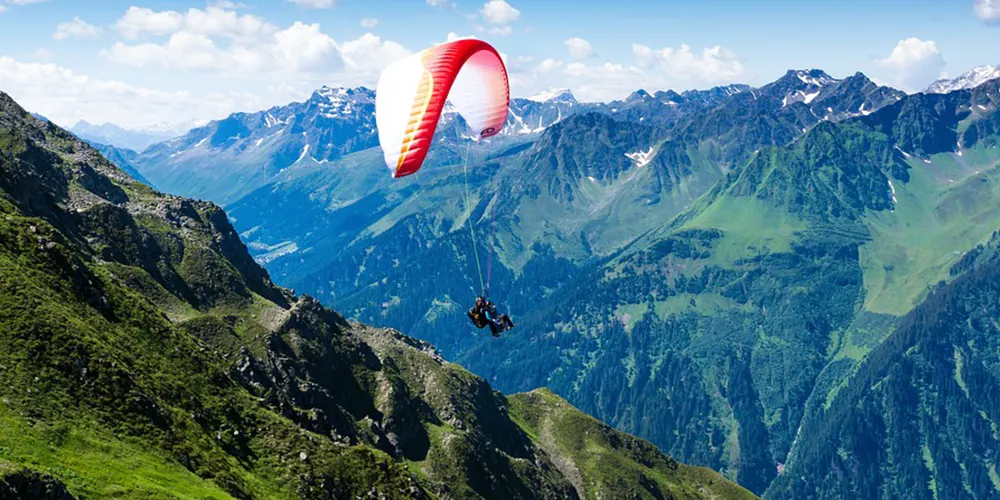
For adventure-focused plans: high-altitude and trek-linked regions need stronger logistics and weather discipline.
For family vacations: choose low-complexity bases with short daily movement and predictable facilities.
How to Build a Practical Himachal Itinerary
Use a corridor model. Pick one entry route and build nearby loops rather than zigzagging between distant regions. A 4-day trip should usually stay within one corridor. A 6-8 day trip can combine two linked zones if transfer days are clearly defined. This structure minimizes fatigue and gives better landscape immersion.
Daily planning should include one primary activity and one optional secondary stop. Avoid hard commitments for every hour. Mountain roads and weather can shift your timeline quickly, so flexibility is not optional in Himachal; it is core planning logic.
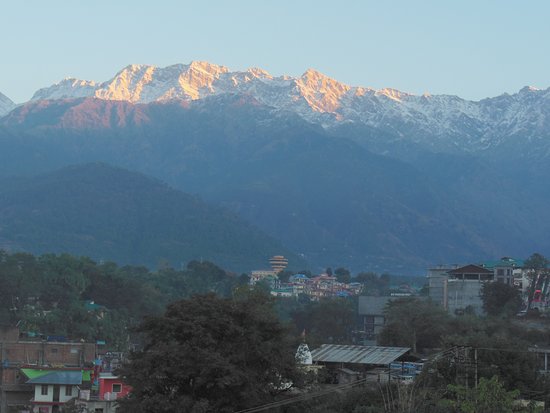
Best Time to Visit Himachal
March to June works for broad-access travel and family routes. Monsoon months can be green and beautiful, but road conditions may vary and should be checked daily. September to November is often excellent for clear views and stable travel in many regions. Winter routes can be rewarding but need extra preparation for cold and occasional access disruptions.
Always plan clothing and transport by altitude, not just by state-level forecast. Himachal weather can vary sharply in a single itinerary day. Carry layered clothing and keep one buffer window for delays.
Adventure, Nature, and Responsible Travel
Adventure experiences are a major reason travelers choose Himachal, but overpacking activity schedules can reduce safety and enjoyment. Keep one physically demanding block per day and add rest windows. Hydration, acclimatization, and pace control matter more than checklist speed.
Responsible travel is especially important in mountain regions. Avoid littering, keep noise low near villages and monasteries, and support local services where possible. Himachal’s appeal depends on preserving both environment and community rhythm.
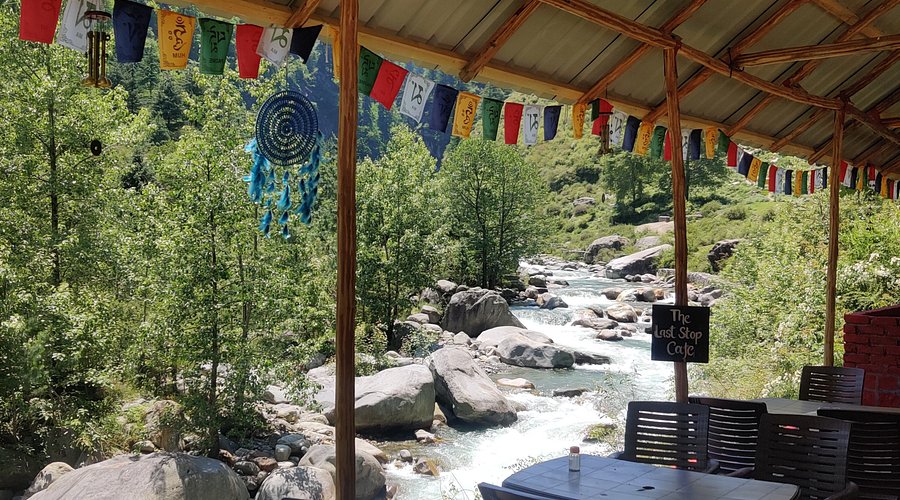
Transport, Stay Areas, and Budgeting
Road travel dominates Himachal itineraries, so transfer time realism is critical. Map distance in hours, not only kilometers. Stay decisions should prioritize route efficiency. A scenic property far from your next-day movement path may look attractive but can increase overall fatigue.
Budgeting is straightforward when split into transport, stay, food, and activity categories. Early bookings help during peak windows. For shoulder seasons, flexible bookings may offer better value if weather patterns are uncertain.
Sample 6-Day Himachal Plan
Day 1: Arrival and light acclimatization walk.
Day 2: Main local exploration in base town.
Day 3: Day route to nearby viewpoints and cultural spots.
Day 4: Transfer to second linked corridor.
Day 5: Nature/adventure block with controlled pacing.
Day 6: Return with buffer and short local stop.
This structure keeps a strong balance between movement and depth.
Common Mistakes on Himachal Trips
Most mistakes come from unrealistic route stacking, late starts, and no weather buffer. Another common issue is selecting destinations based on social media without evaluating road effort and group fitness. Keep plans simple, start early, and leave margin for mountain variability.
Corridor-Based Destination Combinations
For practical planning, think in corridors rather than individual names. A Shimla-focused corridor can include nearby villages, short viewpoints, and gentle activity blocks. A Dharamshala-Mcleodganj corridor can include monastery visits, cafes, and moderate local hikes. A Kullu-Manali corridor can balance leisure with activity-based options. This approach keeps your trip coherent and reduces energy lost in long repositioning drives.
When selecting corridors, consider your group type. Couples may prefer scenic and cafe-focused loops, families may need stable logistics and shorter transfer segments, and adventure groups may prioritize elevation and terrain variation. One corridor done well usually creates better memories than two corridors done in a hurry.
Altitude and Health Awareness in Himachal
Even in non-extreme routes, altitude and weather variation can affect sleep, hydration, and energy. Increase water intake gradually, avoid overexertion on arrival day, and keep activity progression realistic. If your route includes higher elevations, build acclimatization into planning rather than treating it as optional. Good health pacing protects both safety and enjoyment.
Travelers should also maintain basic mountain discipline: early starts, weather checks before departure, and backup route awareness. Do not rely only on social posts for road conditions. Local advice and day-of checks are always more reliable in mountain corridors.
Long-Weekend Sample Structure
A long-weekend format can be highly effective in Himachal if timed correctly. Day one should prioritize arrival and local orientation. Day two can carry your main exploration loop. Day three should include one medium-effort experience with an early wrap-up. Day four is ideal for a flexible half-day and return movement. This structure prevents last-day fatigue and lowers return-stress.
If your trip overlaps with holidays, book transport and stay earlier than usual and leave additional road buffer. Peak windows can change practical travel times significantly. A realistic long-weekend design helps you enjoy Himachal instead of managing avoidable logistics pressure.
Packing and Gear Essentials for Himachal
Himachal packing should be layered and route-specific. Carry quick-dry inner layers, one warm outer layer, rain protection in uncertain months, and reliable footwear for uneven paths. Even in moderate itineraries, weather can shift quickly between day and evening. Keep a small daypack with water, snacks, and medicine essentials so short exploration loops remain comfortable.
If you are driving, include basic road-trip preparedness: downloaded maps, power bank, emergency contact list, and clear fuel planning before remote stretches. This preparation reduces on-road anxiety and keeps the trip focused on experience rather than reactive logistics.
Road Trip Discipline for Self-Drive Travelers
Self-drive Himachal trips are rewarding when speed discipline and daylight planning are followed strictly. Start early, avoid aggressive overtakes, and keep evening arrival targets realistic. Mountain comfort depends more on steady driving than on covering extra kilometers.
Route realism, early departures, and weather-aware planning are the strongest factors for a successful Himachal experience.
Conclusion
The best places to visit in Himachal Pradesh are the ones that match your pace, season, and travel intent. Plan by corridor, not by random popularity lists. Reduce transfers, increase experience quality, and keep weather flexibility built into every day. Done right, Himachal offers not just scenic beauty but a deeply restorative travel rhythm for families, couples, solo travelers, and adventure groups.
Location
Frequently Asked Questions
Q1.What are the top places to visit in Himachal Pradesh?
Q2.How many days are ideal for Himachal travel?
Q3.When should I visit Himachal?
Q4.Can families travel comfortably in Himachal?
Q5.Is monsoon travel possible in Himachal?
Recommended For You
Adventure Sports in Himachal Pradesh: Activities, Seasons & Safety
Plan adventure sports in Himachal with the right activity mix, season mapping, operator checks, and safety-first itinerary design.
Dhauladhar Range Himachal: Trek Routes, Peaks & Best Season
Plan the Dhauladhar Range trip with the right season, trail strategy, safety rules, and practical Dharamshala-McLeodganj logistics.
Best Places to Visit in Dharamshala: Top Spots
Discover the best places to visit in Dharamshala, from the Dalai Lama Temple and HPCA Stadium to Triund Trek, Bhagsu Waterfall, and Kangra Fort.
Never Miss an Adventure
Get the latest trekking guides, travel tips, and exclusive offers delivered straight to your inbox.
