
Adventure Sports in Himachal Pradesh: Activities, Seasons & Safety
Rahul Garg
February 25, 2026
Plan adventure sports in Himachal with the right activity mix, season mapping, operator checks, and safety-first itinerary design.
Introduction
Himachal Pradesh is one of India’s strongest adventure states because it supports multiple activity types across short travel radii: paragliding zones, trekking routes, snow sports hubs, river stretches, and mountain biking corridors. But most travelers plan activity-first and logistics-later, which creates avoidable cancellations, safety compromises, and wasted budget. The right approach is location clustering: choose one region, match activities to season, then build realistic transfer windows. This guide gives you a planning framework that works for first-time and repeat adventure travelers. You will find activity-season mapping, base-town strategy, fitness and gear requirements, booking discipline, and risk controls that matter on ground. If you are building your first Himachal circuit, start with best places to visit in Himachal Pradesh and then fit activity days instead of the reverse. That single change improves completion rate dramatically.
How to Choose the Right Activity Mix
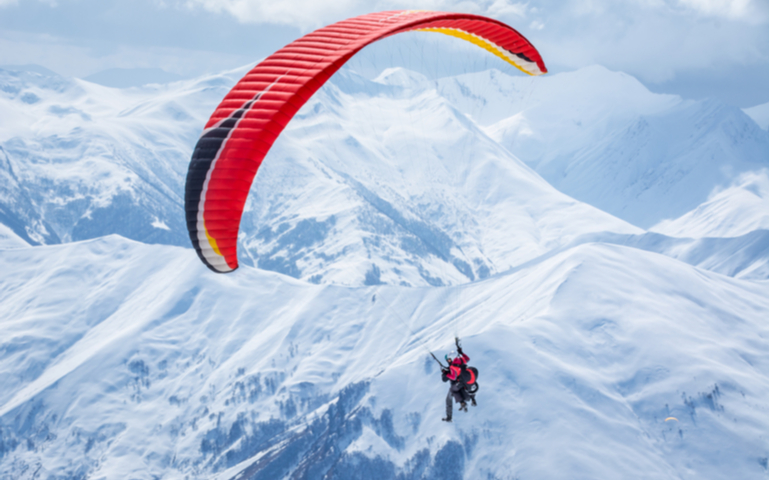
Pick activities based on physical demand tier. Tier 1: low-moderate effort activities like short guided zipline circuits and controlled beginner sessions. Tier 2: moderate effort activities like day treks, beginner rafting stretches, and mountain trail biking. Tier 3: higher effort activities requiring stronger fitness and weather flexibility. Many travelers over-pack tier 2 and tier 3 in one trip and underperform on all of them. Keep one high-effort day followed by one recovery or low-effort day. For family/mixed groups, choose one universal activity and one optional split activity. If your base includes valley roads, add transfer buffer because weather, roadwork, and weekend traffic can delay movement significantly. Adventure quality is not defined by number of activities; it is defined by completion safety and actual enjoyment.
Top Adventure Sports and Best Regions
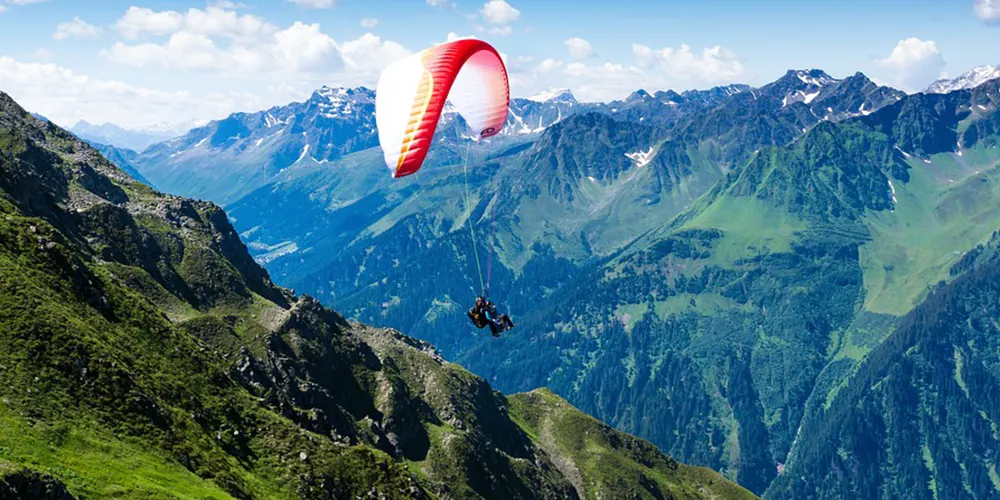
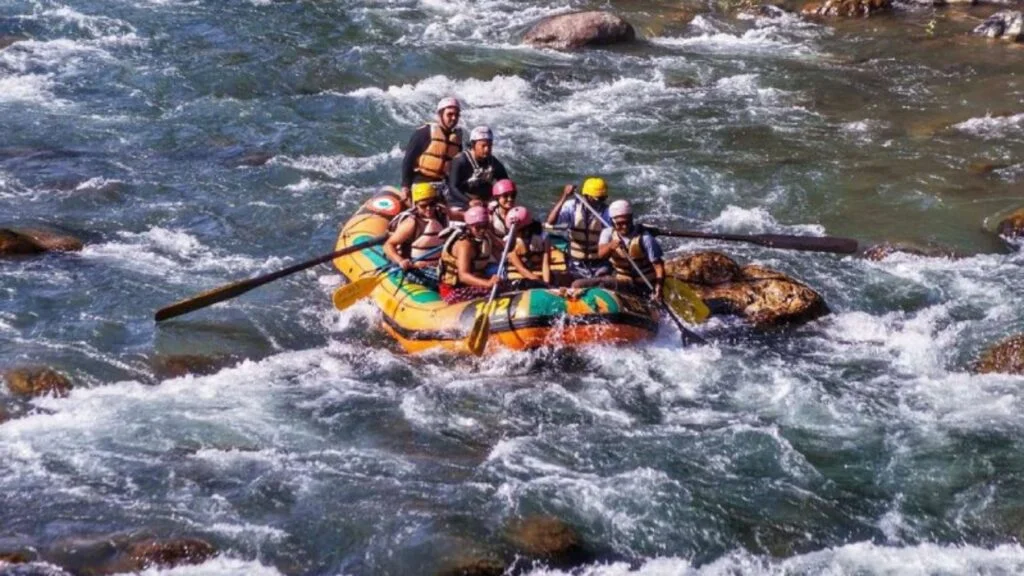
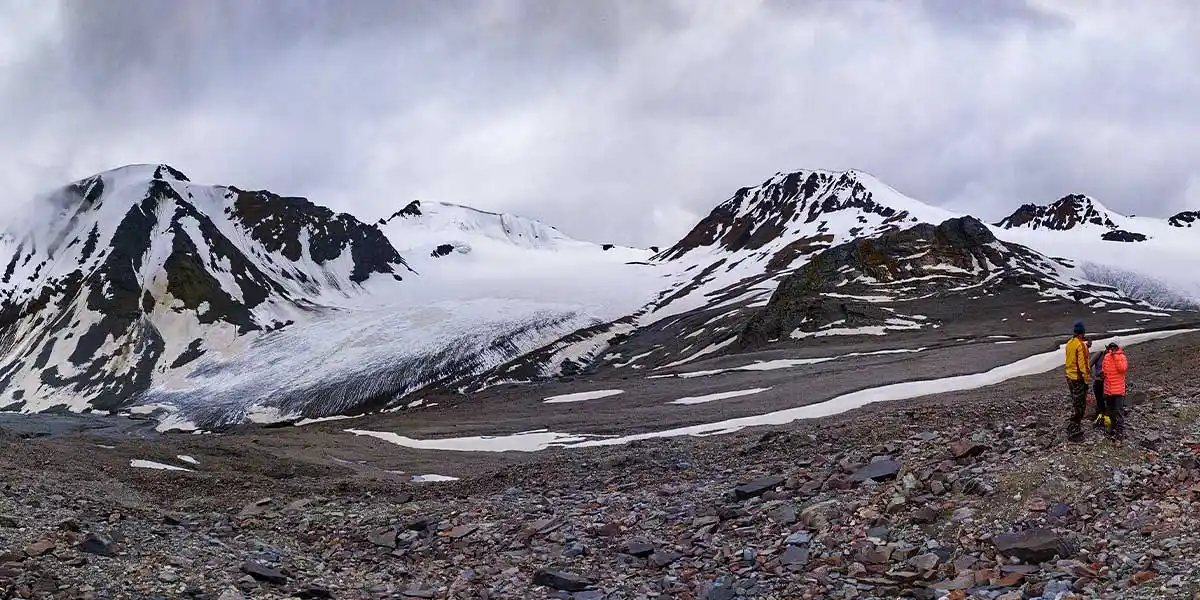
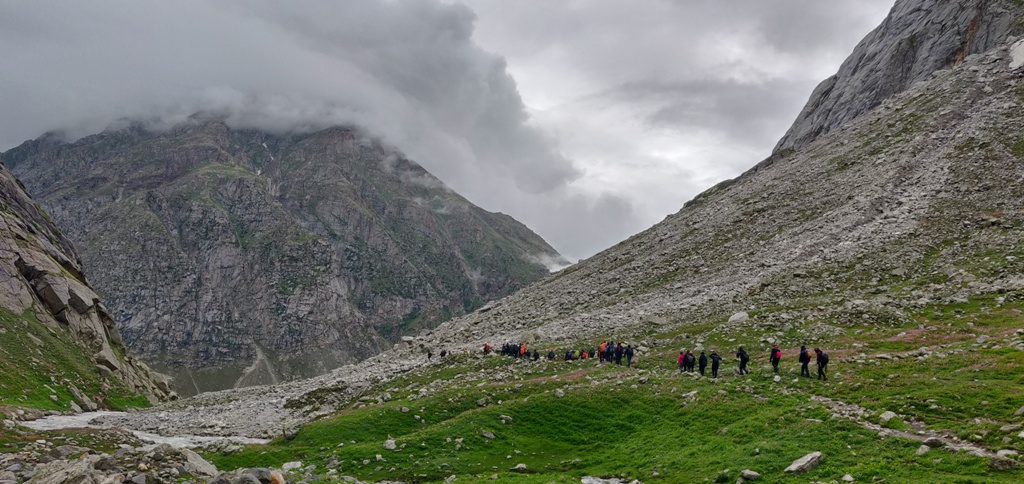
Trekking: Himachal has routes for every level, from short ridge climbs to multi-day alpine trails. First-time trekkers should focus on guided moderate routes before attempting advanced lines. Paragliding: select windows with stable weather and certified operators only. River adventure: rafting intensity depends on river section and water level; never choose a random provider near peak flow without credentials. Snow/seasonal mountain sports: high demand in winter hubs, with equipment quality varying by operator. Mountain biking: best for riders with basic off-road control and endurance. To structure trek-heavy planning, combine with trekking in Himachal Pradesh and treks from Manali. For snow-sports and mixed-activity combos, Solang Valley Manali is often a practical anchor.
Seasonal Planning That Actually Works
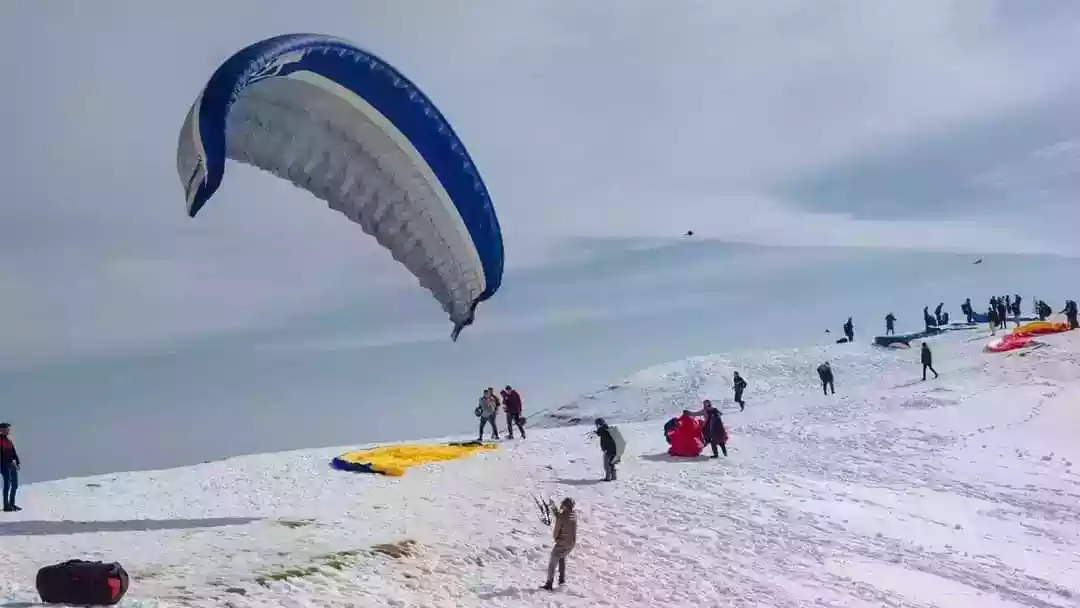
April to June is a popular multi-activity period with accessible roads and broad operator availability. September to November is excellent for cleaner views and more stable trek/ride windows after monsoon. Monsoon months can still support selected activities, but risk increases for landslides, route closure, and trail conditions. Winter is high-potential for snow-based experiences but requires tighter clothing prep and transport flexibility. Do not copy social media dates blindly; activity viability depends on that week’s weather and local advisories. Always revalidate operations 24-48 hours before your booked slot. Keep backup plans inside the same town so your day is not lost if one activity cancels. Effective adventure itineraries are adaptive itineraries.
Operator Selection and Safety Filters
Before booking any adventure sport, check operator credentials, guide ratio, safety brief process, equipment condition, and emergency protocol. Ask specific questions: who is lead instructor, what happens in weather interruption, what is cancellation/refund logic, and where is nearest medical support. Avoid providers who skip pre-activity briefing or push upsells aggressively without discussing safety basics. For rafting and paragliding, protective gear quality is non-negotiable. For trekking support, confirm route familiarity and altitude-response experience. If operator responses are vague, move on. One extra hour of verification can prevent a full day loss or safety issue. Also keep personal travel insurance if you are doing multiple adventure activities in one trip.
Fitness and Preparation
You do not need elite fitness for most mainstream Himachal adventure activities, but you do need baseline stamina and mobility. Build at least two to three weeks of preparation with regular brisk walking, stair intervals, and light mobility work. Hydration and sleep matter more than people expect at altitude and in physically demanding days. Avoid heavy alcohol the night before an activity day. Eat simple, digestible meals before early starts. Carry essentials: reusable water bottle, energy snacks, quick-dry layer, rain/wind shell, sunscreen, and basic medication. For mountain routes, keep one warm backup layer even in mild season windows. Prepared travelers enjoy more and recover faster.
Sample 4-Day Adventure Plan
Day 1: Arrival and acclimatization with short evening walk. Day 2: Moderate activity (example: beginner trek or controlled river session). Day 3: Primary high-adventure day (paragliding/long trek/snow module). Day 4: Recovery plus optional low-intensity activity and return transfer. This structure protects you from fatigue stacking and leaves margin for weather reallocation. If one day is canceled, you still salvage the trip. Add town-level buffers near transit nodes to reduce transfer stress.
Booking Workflow for Better Outcomes
Use a three-step booking approach. Step 1: shortlist operator options and verify license, equipment photos, and safety briefing format. Step 2: hold your preferred time slot but keep cancellation terms documented in writing. Step 3: reconfirm weather and reporting time on the previous evening. This process prevents last-minute confusion and protects your budget. Avoid paying full non-refundable amounts too early in uncertain weather windows. For multi-activity trips, stagger payments by day rather than committing all at once. Keep copies of receipts and operator contacts offline. High-performing adventure itineraries are usually run like projects: clear checkpoints, clear backup plans, and clear decision criteria.
Regional Strategy for Better Coverage
Instead of jumping between distant districts daily, create one-region clusters: for example, one valley cluster for trekking plus local rides, or one mountain-sports cluster for seasonal snow and day activities. This reduces road fatigue and lets you complete activities in full, not partial rushed slots. Regional planning also helps with weather fallback. If one activity is canceled, another nearby option can replace it without long transfer loss. This single strategy often determines whether your trip feels professional or chaotic. Think in clusters, not pins on a map.
Pre-Activity Readiness Checklist
Before every activity slot, run a quick readiness check: sleep quality, hydration level, weather update, gear status, and emergency contact clarity. This two-minute routine catches most avoidable issues early. If any one factor is weak, adjust intensity instead of forcing the original plan. Adventure travel rewards smart adaptation, not rigid execution. Teams that run this checklist consistently usually finish more activities safely and with better energy.
Budget Strategy
Adventure budgets vary widely based on region, operator quality, season, and private vs shared format. Set budget in three buckets: mandatory (activity + transport + stay), safety (gear + medical + insurance), and flexibility (backup activity + contingency transfers). Travelers who ignore the flexibility bucket face trip disruption when one slot fails. Book critical activities early in peak season, but keep cancellable stays where possible. Cash reserve helps in regions with unstable digital connectivity. Never choose lowest price blindly in adventure travel. In this category, underpricing often means equipment compromise or rushed operations.
Conclusion
Himachal can deliver one of India’s best adventure itineraries if you plan by region, season, and activity difficulty. Keep operator verification strict, protect weather buffers, and avoid overloading consecutive high-exertion days. A focused 3-5 day adventure plan with realistic pacing will outperform a crowded checklist trip every time. Build around quality completion, not quantity, and Himachal will reward you with safer, stronger, and more memorable adventure outcomes.
Location
Frequently Asked Questions
Q1.Which season is best for adventure sports in Himachal?
Q2.Are Himachal adventure sports suitable for beginners?
Q3.How do I select a safe adventure operator?
Q4.What adventure sports can I try in Himachal Pradesh?
Q5.Do I need any prior experience for paragliding or rafting in Himachal?
Recommended For You
White Water Rafting in Rishikesh: Rapids, Season & Safety
Plan white water rafting in Rishikesh with stretch comparison, safety tips, seasonal advice, and practical budget planning for a safe adventure experience.
Best Time to Visit Himachal Pradesh: Season-Wise Guide by Region
Find the best time to visit Himachal Pradesh with season-wise guidance for families, snow trips, road journeys, and trekking routes.
Treks in Manali: Best Routes, Camps & Difficulty Levels
Explore the best treks in Manali with difficulty-wise options, season planning, fitness prep, and practical trekking tips.
Never Miss an Adventure
Get the latest trekking guides, travel tips, and exclusive offers delivered straight to your inbox.
