
Taj Mahal Agra: Ticket Price, Timings, Entry Gates & Tips

Ananya Sharma
February 3, 2026
Visit Taj Mahal in Agra - the world's most beautiful monument and one of the Seven Wonders. Complete guide with timings, tickets, history, and travel tips.
Introduction: Wonder of the World
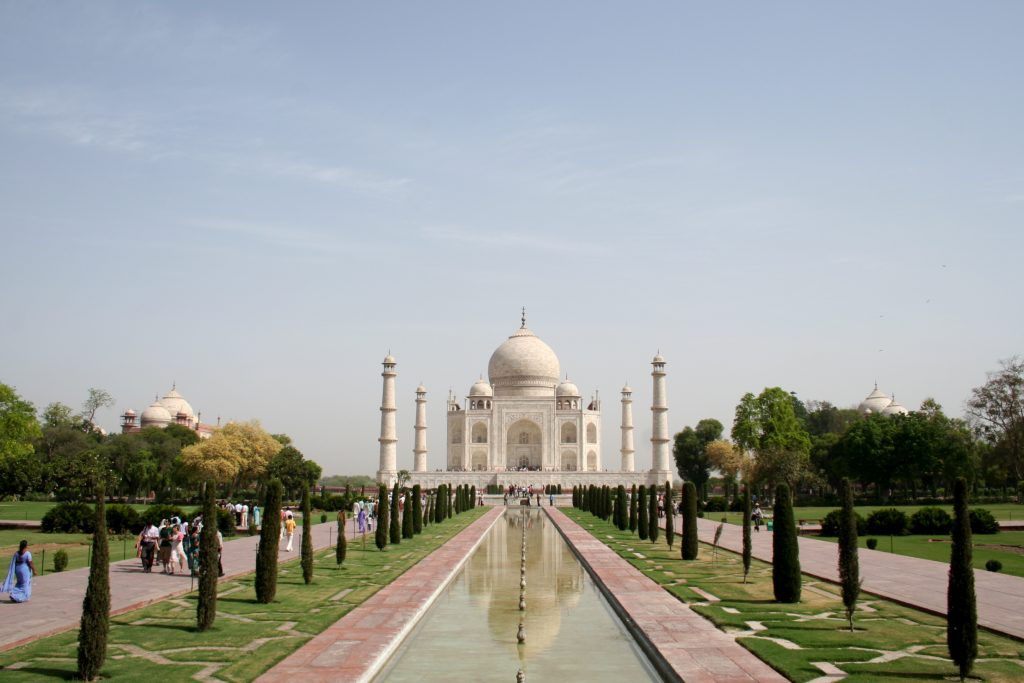
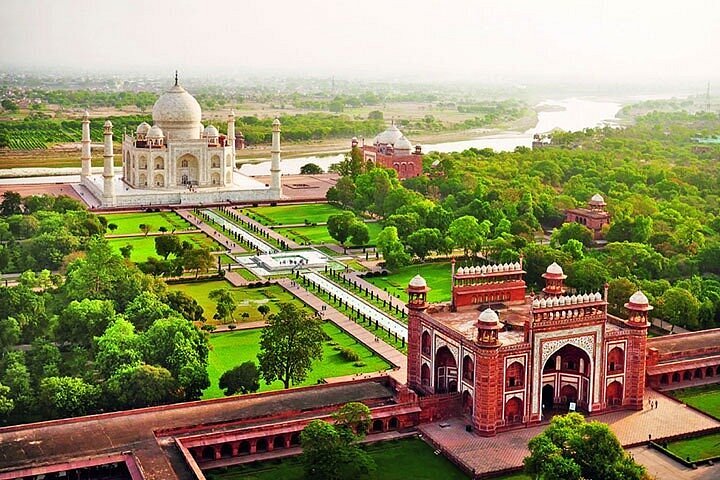
Standing on the banks of the Yamuna River, the Taj Mahal is not just India's most famous monument—it's one of the Seven Wonders of the World and a UNESCO World Heritage Site that has captivated millions for centuries. This pristine white marble mausoleum, commissioned by Mughal Emperor Shah Jahan in memory of his beloved wife Mumtaz Mahal, is the ultimate symbol of eternal love. When you first glimpse the Taj Mahal through the main gateway, it's easy to understand why it attracts over 7 million visitors annually. The monument seems to change color throughout the day—pinkish in the morning, milky white in the evening, and golden under the full moon. This architectural masterpiece took 22 years and 20,000 workers to complete, with materials sourced from across Asia and the finest artisans of the Mughal Empire dedicating their lives to its creation. Whether you're a history enthusiast, architecture lover, or simply someone ticking off a bucket-list item, the Taj Mahal delivers an experience that transcends expectations. This comprehensive guide covers everything you need to know: timings, tickets, history, photography tips, and practical advice to make your visit unforgettable.Historical Significance
 The Taj Mahal's story begins with love, tragedy, and an emperor's grief.
The Love Story:
Shah Jahan and Mumtaz Mahal were married in 1612, and theirs was a love that became legendary. Mumtaz was Shah Jahan's trusted companion and advisor, accompanying him on military campaigns and bearing him 14 children. When she died during childbirth in 1631, Shah Jahan was heartbroken.
The Commission:
Grief-stricken, Shah Jahan commissioned the Taj Mahal as a mausoleum for his beloved wife. Construction began in 1632 and continued for 22 years until 1653. The emperor was so devastated that he reportedly went into mourning for two years, and when he emerged, his hair had turned white.
The Architects:
Ustad Ahmad Lahori was the principal architect, while Amanat Khan designed the calligraphy. Over 20,000 workers including artisans, craftsmen, and laborers from across India, Central Asia, and the Middle East contributed to the construction.
The Tragic End:
Ironically, Shah Jahan's son Aurangzeb overthrew him and imprisoned him in Agra Fort nearby. Legend says Shah Jahan spent his final years gazing at the Taj Mahal from his prison window. When he died in 1666, he was buried beside Mumtaz in the Taj Mahal—the only asymmetrical element in an otherwise perfectly symmetrical monument.
UNESCO Recognition:
The Taj Mahal was designated a UNESCO World Heritage Site in 1983 and was named one of the New Seven Wonders of the World in 2007. It's described by UNESCO as "the jewel of Muslim art in India and one of the universally admired masterpieces of the world's heritage."
The Taj Mahal's story begins with love, tragedy, and an emperor's grief.
The Love Story:
Shah Jahan and Mumtaz Mahal were married in 1612, and theirs was a love that became legendary. Mumtaz was Shah Jahan's trusted companion and advisor, accompanying him on military campaigns and bearing him 14 children. When she died during childbirth in 1631, Shah Jahan was heartbroken.
The Commission:
Grief-stricken, Shah Jahan commissioned the Taj Mahal as a mausoleum for his beloved wife. Construction began in 1632 and continued for 22 years until 1653. The emperor was so devastated that he reportedly went into mourning for two years, and when he emerged, his hair had turned white.
The Architects:
Ustad Ahmad Lahori was the principal architect, while Amanat Khan designed the calligraphy. Over 20,000 workers including artisans, craftsmen, and laborers from across India, Central Asia, and the Middle East contributed to the construction.
The Tragic End:
Ironically, Shah Jahan's son Aurangzeb overthrew him and imprisoned him in Agra Fort nearby. Legend says Shah Jahan spent his final years gazing at the Taj Mahal from his prison window. When he died in 1666, he was buried beside Mumtaz in the Taj Mahal—the only asymmetrical element in an otherwise perfectly symmetrical monument.
UNESCO Recognition:
The Taj Mahal was designated a UNESCO World Heritage Site in 1983 and was named one of the New Seven Wonders of the World in 2007. It's described by UNESCO as "the jewel of Muslim art in India and one of the universally admired masterpieces of the world's heritage."
Architecture & Design
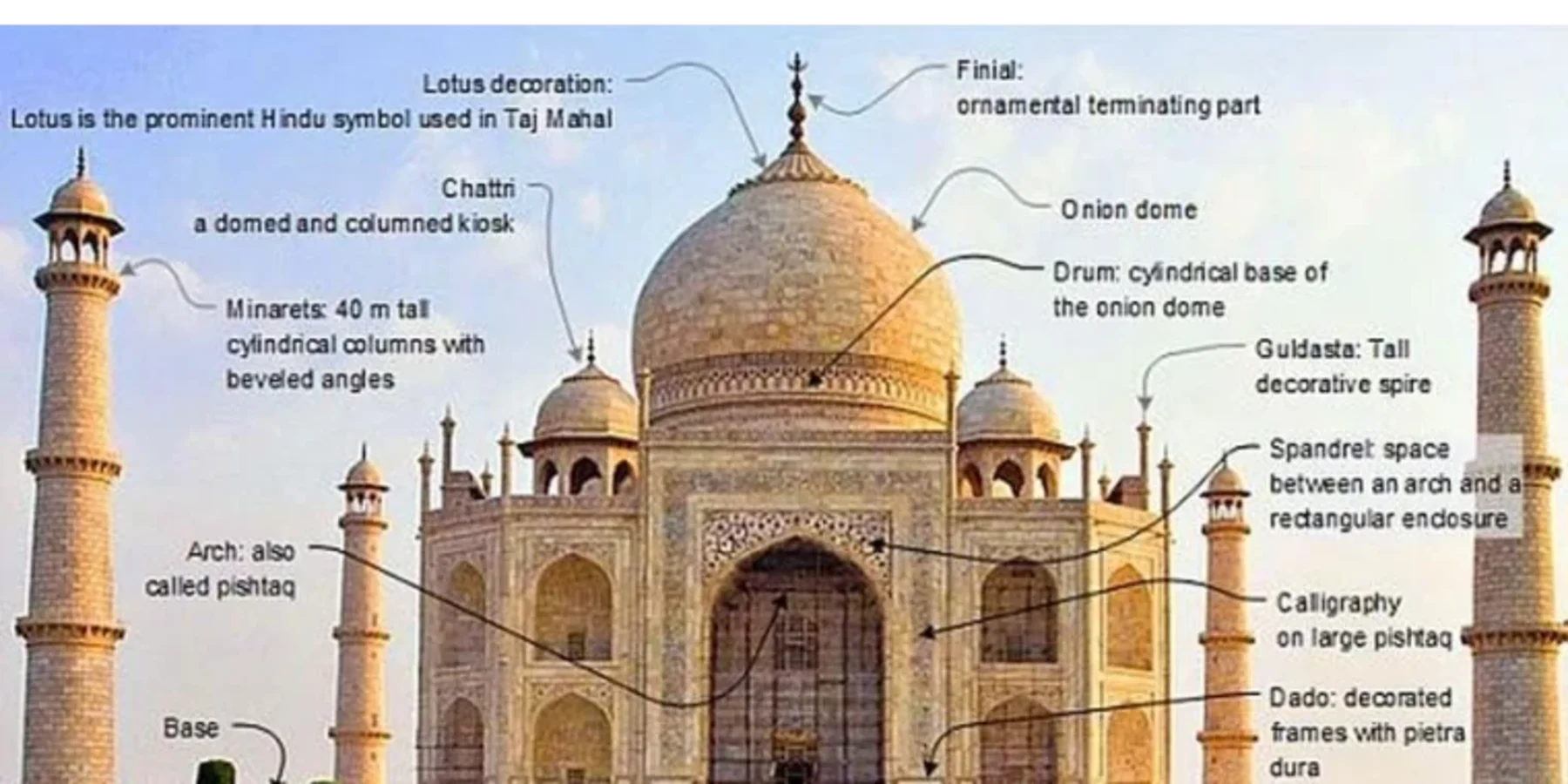 The Taj Mahal represents the pinnacle of Mughal architecture, combining elements from Persian, Islamic, and Indian architectural styles.
Key Features:
The Taj Mahal represents the pinnacle of Mughal architecture, combining elements from Persian, Islamic, and Indian architectural styles.
Key Features:
- Main Mausoleum: 73 meters (240 feet) high, built entirely of white marble from Makrana, Rajasthan
- The Dome: 35 meters high, topped with a golden finial
- Four Minarets: 40 meters each, positioned at the corners and slightly tilted outward to protect the mausoleum if they fall
- Pietra Dura: Intricate inlay work with 28 types of semi-precious stones including jade, crystal, lapis lazuli, amethyst, and turquoise
- Calligraphy: Quranic verses inlaid in black marble
- Charbagh Garden: Traditional four-part garden divided by water channels
- Reflection Pool: Perfectly positioned to reflect the monument
- Early Morning: Pinkish hue as the sun rises
- Midday: Brilliant white under bright sun
- Afternoon: Milky white
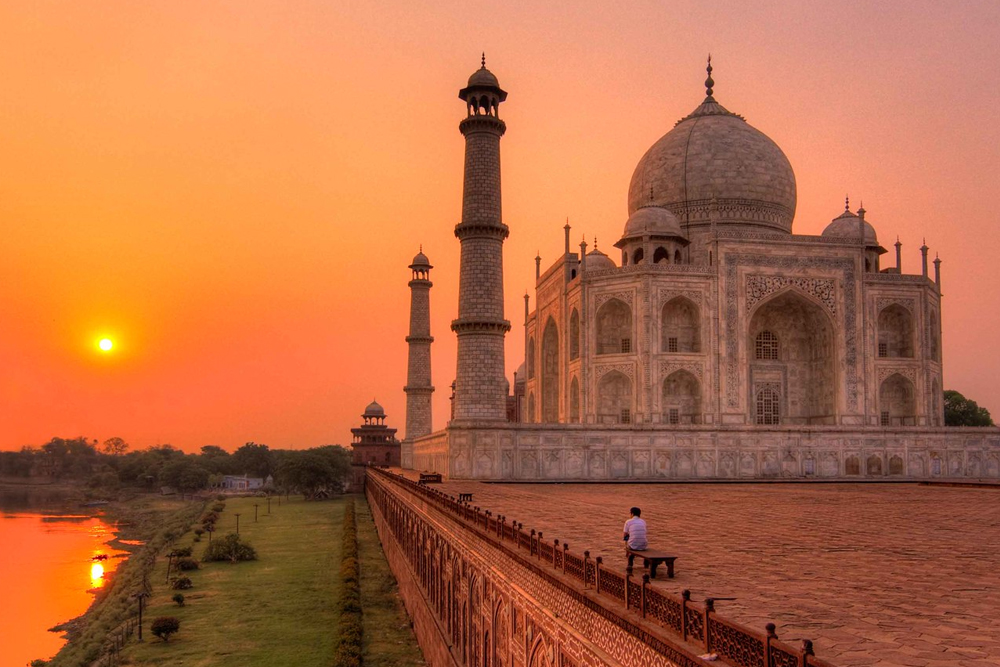
- Sunset: Golden yellow
- Full Moon: Ethereal blue-white glow
Best Time to Visit Taj Mahal
 Choosing the right time dramatically impacts your experience:
Sunrise (6:00-7:00 AM) – Best Overall
- Lighting: Soft pink and golden light on the marble
- Crowds: Much fewer visitors than later in the day
- Temperature: Comfortable, especially in summer
- Photography: Best lighting conditions
- Tip: Arrive 15 minutes before sunrise for the best experience
Sunset (5:00-6:30 PM) – Golden Hour
- Lighting: Golden yellow light creates magical atmosphere
- Views: Beautiful from Mehtab Bagh across the river
- Temperature: Pleasant, especially in winter
- Photography: Spectacular sunset shots
Full Moon Night – Special Experience
- Viewing: Available 2 days before and after full moon
- Duration: 8:30 PM to 12:30 AM (30-minute slots)
- Tickets: ₹750 for Indians, ₹1,200 for foreigners
- Booking: Must be booked 24 hours in advance
- Atmosphere: Ethereal, otherworldly glow
Seasonal Considerations:
- Winter (October-March): Best weather, pleasant temperatures
- Summer (April-June): Very hot, fewer crowds
- Monsoon (July-September): Lush green surroundings, dramatic sky
Timings & Tickets
Opening Timings:
- Sunrise to Sunset: Open from sunrise (usually 6:00 AM) to sunset (usually 6:30 PM)
- Closed: Every Friday
- Night Viewing: 2 days before and after full moon (except Fridays)
Ticket Prices:
| Category | Daytime Ticket | ASI Monument Fee | Total |
|---|---|---|---|
| Indian Citizens | ₹50 | ₹20 | ₹70 |
| Foreigners | ₹1,100 | ₹200 | ₹1,300 |
| SAARC/BIMSTEC | ₹540 | ₹200 | ₹740 |
| Children (below 15) | Free | Free | Free |
| Night Viewing (Indians) | ₹750 | - | ₹750 |
| Night Viewing (Foreigners) | ₹1,200 | - | ₹1,200 |
Ticket Booking:
- Online: Book through official ASI website (skip the queue)
- Offline: Available at ticket counters near gates
- ID Required: Carry valid ID proof
- Timing: Tickets allow 3-hour visit
Entry Gates:
- East Gate: Best for sunrise visit, nearest to Taj Ganj hotels
- West Gate: Main gate, most crowded
- South Gate: Near Agra Fort, less crowded
Photography Tips
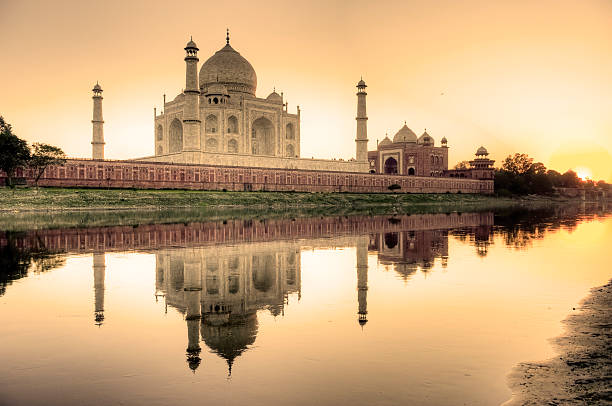 The Taj Mahal is one of the most photographed monuments in the world—here's how to get the perfect shot:
Best Spots:
The Taj Mahal is one of the most photographed monuments in the world—here's how to get the perfect shot:
Best Spots:
- Central Platform: The classic view through the main gateway
- Reflection Pool: Perfect symmetry reflected in the water
- Mehtab Bagh: Sunset view across the Yamuna River
- Red Sandstone Mosque: Taj Mahal from the side
- Allowed: Mobile phones, still cameras (free)
- Restricted: Tripods not allowed inside
- Prohibited: Video cameras, drones, commercial photography (requires permission)
- Interior Photography: Allowed but without flash
- Sunrise: Soft light, fewer crowds, pink marble glow
- Sunset: Golden hour, dramatic backlighting
- Full Moon: Ethereal blue-white glow (night viewing required)
- Overcast: Moody, dramatic sky
How to Reach Taj Mahal
- From Agra Cantonment Station: 6 km, 15-20 minutes by auto-rickshaw or taxi
- From Agra Fort: 2.5 km, 10 minutes by auto-rickshaw
- From Delhi: 230 km, 3-4 hours by road via Yamuna Expressway
- Agra Cantonment: Main railway station, best connected
- Agra Fort: Closer to Taj Mahal
- From Delhi: Yamuna Expressway (3-4 hours)
- Buses: Regular UPSRTC and private buses
- Driving: Most convenient, parking available
- Auto-Rickshaw: Most convenient, negotiate price beforehand
- Cycle Rickshaw: Budget-friendly, good for short distances
- Taxi: Available from hotels and railway station
- Prepaid Booth: Available at railway station for fair prices
Nearby Attractions
Agra Fort: Located just 2.5 km from the Taj Mahal, this UNESCO World Heritage Site was the main residence of the Mughal emperors. Shah Jahan was imprisoned here by his son Aurangzeb and spent his final years gazing at the Taj Mahal. Mehtab Bagh: Located across the Yamuna River, this garden offers the best sunset view of the Taj Mahal. It's also the spot where Shah Jahan reportedly planned to build a black Taj Mahal for himself. Fatehpur Sikri: Located 38 km from Agra, this abandoned Mughal capital is another UNESCO World Heritage Site featuring stunning architecture. Itmad-ud-Daulah (Baby Taj): Often called the "Baby Taj," this mausoleum is considered a draft of the Taj Mahal with beautiful pietra dura work.Travel Tips
- Book Online: Skip the queue by booking tickets online through the official ASI website
- Arrive Early: Sunrise visit offers best experience with fewer crowds
- Dress Modestly: Respect the religious significance—cover shoulders and knees
- Carry Water: Especially important in summer months
- Hire Guide: Learn about the history and architecture from licensed guides
- Avoid Touts: Ignore unauthorized guides and photographers
- Security Check: Allow extra time for mandatory security screening
- Prohibited Items: No food, tobacco, headphones, mobile chargers, or tripods
- Footwear: Comfortable walking shoes—there's lots of walking
- Winter: Carry light jacket for early morning visits
Conclusion: Eternal Beauty
The Taj Mahal is more than a monument—it's a testament to love, grief, and human creativity. Whether you're watching it glow pink at sunrise, shine white under the noon sun, or shimmer gold at sunset, the Taj Mahal never fails to inspire awe. For millions around the world, visiting the Taj Mahal is a lifelong dream. The reality doesn't disappoint. Standing before this pristine marble masterpiece, you understand why it took 22 years to build and why it's considered one of the world's most beautiful buildings. Combine your Taj Mahal visit with Agra Fort for a complete Mughal heritage experience, or explore the nearby India Gate in Delhi for more iconic Indian landmarks. If you want to see how other Mughal-era monuments compare, the Qutub Minar in Delhi showcases a different chapter of Indo-Islamic architecture, while places to visit in Agra besides Taj Mahal can round out a longer Agra itinerary. Either way, the Taj Mahal delivers an experience that stays with you forever—a monument to love that transcends time.Location
Frequently Asked Questions
Q1.What are the Taj Mahal visiting timings?
Taj Mahal is open from sunrise to sunset (typically 6:00 AM to 6:30 PM) every day except Friday.
Key Timings:
- Opens at sunrise (approximately 6:00 AM)
- Closes at sunset (approximately 6:30 PM)
- Closed on Fridays for prayers
- Night viewing available 2 days before and after full moon (8:30 PM to 12:30 AM)
The monument is open 365 days a year except Fridays. Visitors are allowed 3 hours per entry.
Q2.What is the ticket price for Taj Mahal?
Taj Mahal ticket prices vary by visitor category:
Daytime Tickets:
- Indian Citizens: ₹50 + ₹20 ASI fee = ₹70 total
- Foreigners: ₹1,100 + ₹200 ASI fee = ₹1,300 total
- SAARC/BIMSTEC countries: ₹540 + ₹200 ASI fee = ₹740 total
- Children below 15 years: FREE
Night Viewing:
- Indians: ₹750 per person
- Foreigners: ₹1,200 per person
Tickets can be booked online through the official ASI website to skip queues.
Q3.Which day is Taj Mahal closed?
The Taj Mahal is closed every Friday.
On Fridays, the monument is closed for regular visitors to allow for Friday prayers at the mosque within the complex.
Important Notes:
- Closed only on Fridays for daytime visits
- Night viewing on Fridays is also suspended
- Open all other days of the week, including national holidays
- During special occasions, announcements may be made regarding extended visiting hours
Plan your visit accordingly—avoid Fridays if you want to see the Taj Mahal.
Q4.Who built the Taj Mahal and why?
The Taj Mahal was built by Mughal Emperor Shah Jahan between 1632 and 1653.
The Reason:
Shah Jahan commissioned the Taj Mahal as a mausoleum for his beloved wife Mumtaz Mahal, who died during childbirth in 1631.
The Love Story:
Shah Jahan and Mumtaz Mahal were married in 1612 and had an exceptionally close relationship. When she died, the emperor was devastated and reportedly went into mourning for two years.
Construction:
The construction took 22 years and was completed in 1653. Over 20,000 workers, artisans, and craftsmen contributed to building this masterpiece.
Q5.How long did it take to build Taj Mahal?
The Taj Mahal took 22 years to build, from 1632 to 1653.
Construction Details:
- Started: 1632 (one year after Mumtaz Mahal's death)
- Completed: 1653
- Total duration: 22 years
- Workers: Over 20,000 artisans, craftsmen, and laborers
- Cost: ₹32 crore at that time (approximately ₹70 billion in today's value)
- Materials sourced from: Across India, Sri Lanka, Afghanistan, and Arabia
Ustad Ahmad Lahori was the principal architect, and Amanat Khan designed the calligraphy.
Q6.What is the best time to visit Taj Mahal?
The best time to visit Taj Mahal is at sunrise (6:00-7:00 AM).
Why Sunrise is Best:
- Pinkish golden light on the white marble
- Much fewer crowds than later in the day
- Comfortable temperature, especially in summer
- Perfect lighting conditions for photography
Other Good Times:
- Sunset (5:00-6:30 PM): Beautiful golden hour light
- Full moon night: Ethereal blue-white glow (special viewing)
- Winter (October-March): Pleasant weather for exploring
Avoid midday (too bright) and Fridays (closed).
Q7.Is photography allowed inside Taj Mahal?
Yes, photography is allowed inside the Taj Mahal with some restrictions.
Allowed:
- Mobile phone photography everywhere
- Still cameras (free of charge)
- Photography inside the mausoleum
Not Allowed:
- Tripods inside the complex
- Video cameras (require special permission)
- Drones (strictly prohibited)
- Commercial photography without permit
Tips:
- No flash photography inside the mausoleum
- Best photography spots are central platform and reflection pool
- For professional photography, obtain permission in advance
Q8.What is the best time to visit Taj Mahal for photography?
The best time for Taj Mahal photography is sunrise (6:00-7:00 AM).
Why Sunrise:
- Soft, diffused light that creates beautiful colors
- Pink and golden hues on the white marble
- Fewer crowds means unobstructed shots
- Reflection in the pool is most dramatic
Other Great Times:
- Sunset: Golden backlighting, dramatic sky
- Full moon: Ethereal blue-white glow (requires night viewing ticket)
- Overcast days: Moody, dramatic sky
Arrive 15 minutes before sunrise for the best experience. Avoid midday when harsh light creates deep shadows.
Recommended For You

Best Local Food in Agra: Must-Try Dishes and Tips
Best local food in Agra guide with breakfast-to-dinner sequencing, street food timing, sweet-shop planning, and practical budget tips.
India Gate Delhi: Best Time, Nearby Spots & Night Visit Details
Visit India Gate Delhi with this complete guide covering history, architecture, timings, evening experience, nearby attractions, and practical travel tips.
Shopping in Agra: Complete Guide to Souvenirs, Handicrafts & Markets
Discover shopping in Agra with our complete guide. Marble inlay work, Sadar Bazaar, handicrafts, leather goods, souvenirs, and bargaining tips.
Never Miss an Adventure
Get the latest trekking guides, travel tips, and exclusive offers delivered straight to your inbox.
