
Places to Visit in India in June: Cool Hills, Beaches & Monsoon Destinations

Rahul Garg
November 29, 2025
Explore best places to visit in India in June. Hill stations, beaches & mountains. Monsoon travel guide with tips.
Introduction: June Travel in India
June marks the onset of the monsoon season across most of India, bringing with it a refreshing change in the weather and landscape. As the scorching summer heat begins to wane, nature comes alive with the first showers, turning the countryside into a lush green paradise. This transitional period offers unique travel opportunities for those willing to embrace the changing seasons. Whether you seek the misty charm of hill stations, the dramatic landscapes of the Himalayas, or the romantic allure of beaches in off-season, June presents diverse options for every type of traveler.
For families, June is particularly special as it coincides with summer vacations, making it an ideal time for memorable family getaways. The hill stations burst into life with blooming valleys and cascading waterfalls, while the mountains of North India offer perfect conditions for adventure enthusiasts. Meanwhile, beach destinations like Goa and the Andamans experience fewer crowds and more affordable rates, creating perfect conditions for those seeking a quieter coastal retreat. This comprehensive guide explores the best places to visit in India in June, helping you plan the perfect monsoon getaway.
Hill Stations in North India
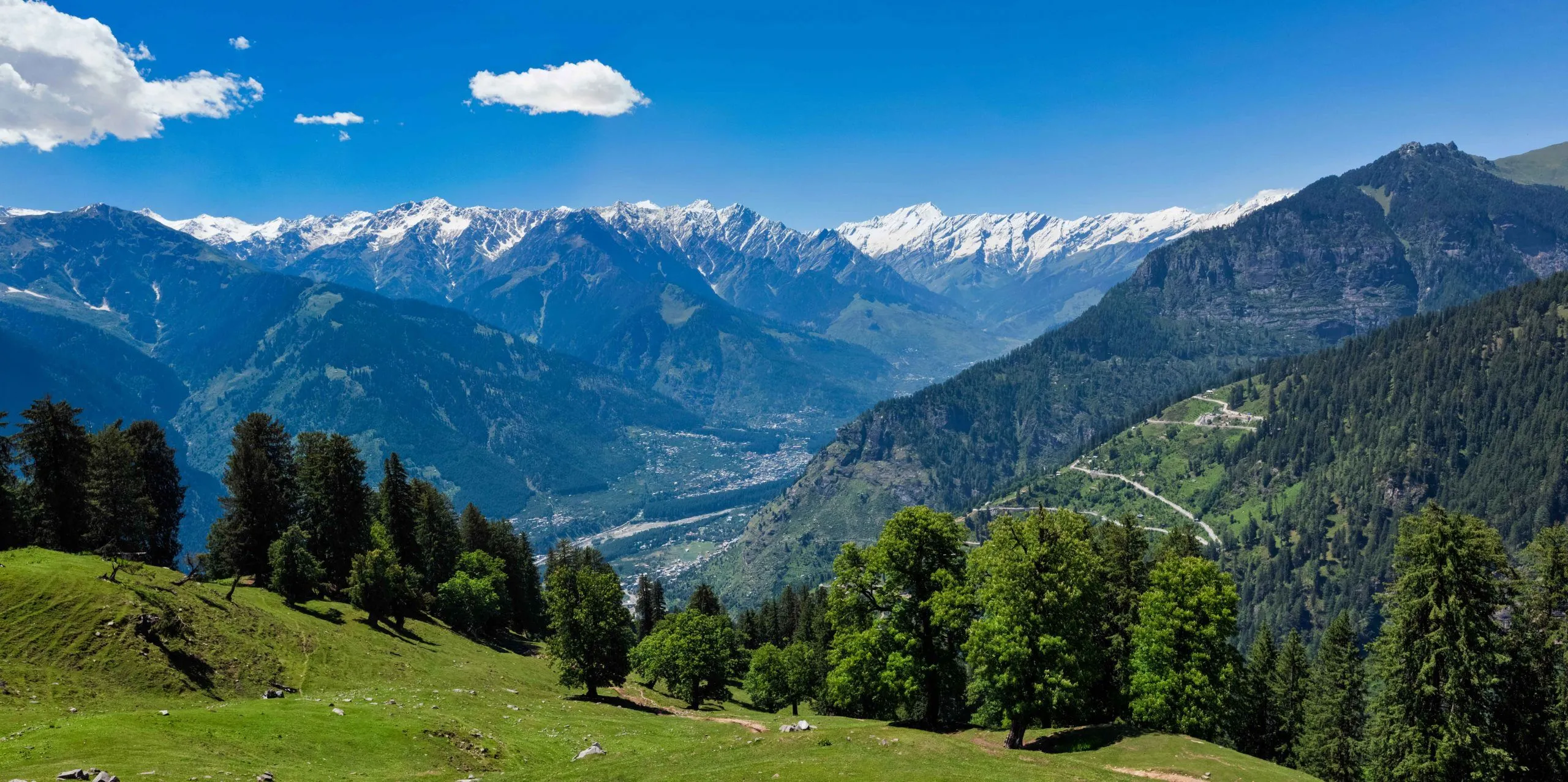
The northern hill stations offer a perfect escape from the summer heat, with June bringing pleasant weather and stunning natural beauty. These destinations become particularly magical as the first monsoon clouds arrive, creating dramatic skylines and misty mountain views.
Manali
Manali in June is nothing short of magical. The valley is in full bloom, with apple orchards displaying their white and pink flowers, and the surrounding mountains lush with fresh greenery. The weather remains pleasantly cool, with daytime temperatures ranging from 15°C to 25°C, perfect for outdoor activities. Rohtang Pass usually remains accessible in early June, offering spectacular views of snow-capped peaks and glaciers. Adventure enthusiasts can indulge in paragliling, river rafting in the Beas River, and trekking to nearby destinations like Hampta Pass and Chandratal Lake. The Solang Valley offers adventure activities, while Old Manali provides a bohemian atmosphere with its charming cafes and vibrant nightlife.
Shimla
Shimla, the Queen of Hills, retains its colonial charm in June, with weather that's perfect for leisurely walks along Mall Road and Ridge. The town is dotted with heritage buildings from the British era, including the Viceregal Lodge and Christ Church. The Jakhu Temple offers panoramic views of the surrounding mountains and valleys. Summer Hill and Annandale provide peaceful retreats away from the crowds. The nearby Kufri offers opportunities for horse riding and nature walks, while Chail's palace and world's highest cricket ground make for interesting day trips. The toy train ride from Kalka to Shimla is an experience in itself, passing through 102 tunnels and 864 bridges, offering stunning views of the Himalayan foothills.
Shillong
Known as the Scotland of the East, Shillong in June is a sight to behold. The rolling hills turn emerald green with monsoon showers, and waterfalls like Elephant Falls and Bishop Falls flow at their fullest. The town offers a unique blend of Khasi culture and colonial heritage. Ward's Lake, with its picturesque gardens, is perfect for boating, while the Don Bosco Centre for Indigenous Cultures offers fascinating insights into Northeast India's rich tribal heritage. The nearby Shillong Peak offers panoramic views of the city and surrounding hills. For nature enthusiasts, the Laitlum Canyons offer breathtaking sunrise views, while the David Scott Trail provides excellent trekking opportunities through pristine forests and villages.
Gangtok
Gangtok, Sikkim's capital, offers stunning mountain views and a perfect blend of natural beauty and Buddhist culture. In June, the weather remains pleasant, and the mountain ranges provide dramatic backdrops to this charming hill town. The Rumtek Monastery, one of the largest in Sikkim, offers spiritual solace and architectural marvels. The Ban Jhakri Falls and the nearby Ranka Monastery provide serene natural settings. A ride on the Gangtok Ropeway offers panoramic views of the town and surrounding mountains. The nearby Nathula Pass, on the Indo-China border, usually remains accessible in early June, offering stunning views of the Himalayas and the opportunity to visit the highest motorable road in the world. The Tsomgo Lake, with its changing colors throughout the day, is a must-visit destination.
Leh-Ladakh
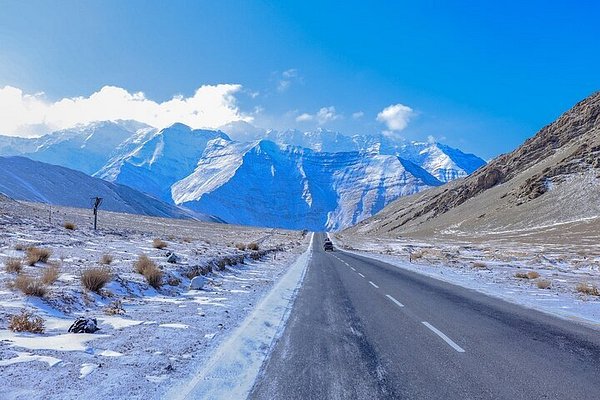
June marks the opening of the tourist season in Leh-Ladakh, as the high mountain passes become accessible after being snowed in during winter. This is one of the best months to visit, with clear skies, warm days, and cool nights. The region offers some of India's most stunning landscapes, from the azure waters of Pangong Tso Lake to the dramatic Nubra Valley. The Leh Palace, with its nine stories of Tibetan architecture, offers insights into Ladakh's royal heritage. The Thiksey Monastery, resembling the Potala Palace in Lhasa, provides stunning views and spiritual experiences. Adventure enthusiasts can undertake the challenging Khardung La Pass journey or explore the stunning Magnetic Hill. The Hemis Festival, usually held in June, brings the region to life with colorful masked dances and celebrations.
McLeodganj
McLeodganj, home to the Dalai Lama and the Tibetan government-in-exile, offers a unique cultural experience in June. The weather is perfect for trekking, with the famous Triund trek offering stunning views of the Dhauladhar ranges. The town is dotted with Buddhist monasteries, including the Namgyal Monastery and Tsuglagkhang Complex, where the Dalai Lama resides. The Bhagsu Waterfall and temple provide a serene natural retreat, while the Dal Lake offers boating opportunities. The Tibetan culture is vibrant here, with excellent cuisine, handicrafts, and Buddhist teachings readily available. For adventure enthusiasts, the nearby Kareri Lake trek and Indrahar Pass offer challenging routes through pristine landscapes.
Nainital
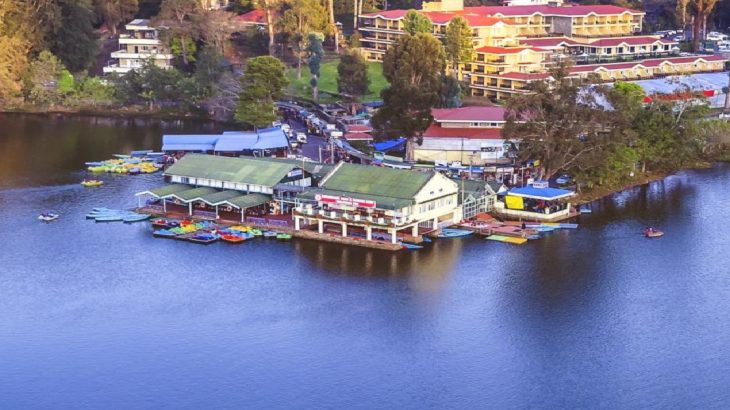
The Lake City of Nainital comes alive in June, with the famous Naini Lake offering boating opportunities against a backdrop of misty hills. The Naina Devi Temple, situated on the lake's northern shore, is a significant pilgrimage site. The Mall Road offers shopping and dining experiences with stunning lake views. Nearby attractions include Snow View Point, reached by cable car, offering panoramic views of the Himalayan peaks. The Eco Cave Gardens provide fun activities for children, while Tiffin Top offers excellent hiking and picnic spots. The nearby Sattal (Seven Lakes) and Bhimtal offer quieter alternatives with similar natural beauty. The Jim Corbett National Park, about two hours away, offers wildlife safari opportunities for nature enthusiasts.
Mussoorie
Known as the Queen of Hills, Mussoorie in June offers pleasant weather and stunning views of the Shivalik ranges and Doon Valley. The Kempty Falls, cascading from a height of 40 feet, is a major attraction and perfect for a refreshing dip. Gun Hill, the second highest peak in Mussoorie, offers panoramic views and can be reached by cable car. Lal Tibba, the highest point, offers stunning sunrise views. The Camel's Back Road, with its natural rock formation resembling a camel, is perfect for peaceful walks. Company Garden provides beautifully landscaped gardens and picnic spots. The nearby Cloud End offers a serene forest retreat, while the Jharipani and Bhatta Falls provide natural swimming opportunities.
Hill Stations in South India
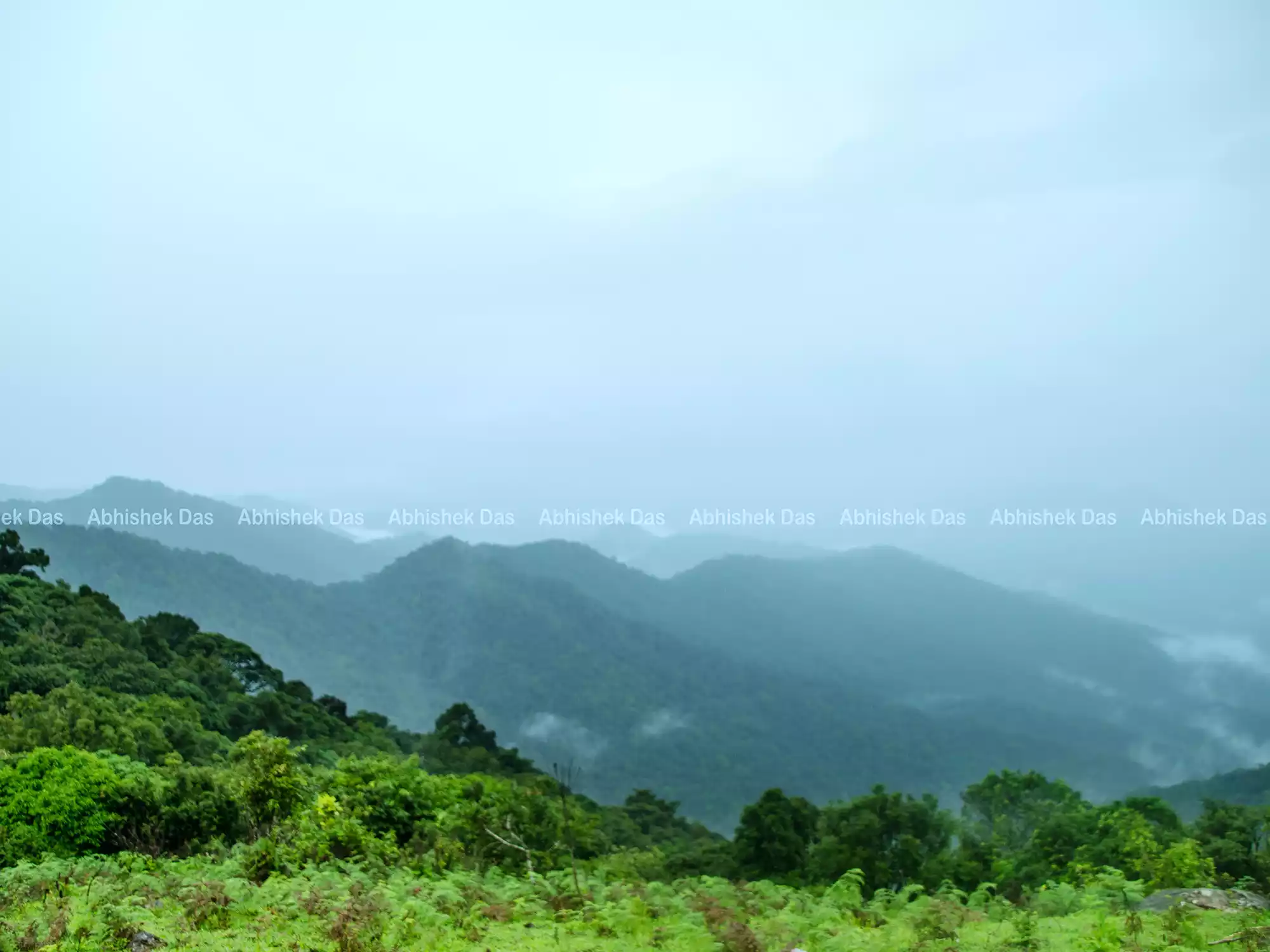
The southern hill stations offer a different charm, with tea and coffee plantations, spice gardens, and a unique cultural heritage. June brings misty mornings and pleasant afternoons, perfect for exploring these verdant landscapes.
Munnar
Munnar, Kerala's most famous hill station, is at its scenic best in June. The tea plantations, covering acres of rolling hills, turn a vibrant green with the monsoon showers. The Eravikulam National Park, home to the endangered Nilgiri Tahr, offers opportunities for wildlife viewing. The Mattupetty Dam provides boating opportunities, while the Echo Point offers stunning views and, as the name suggests, echoes. The Top Station offers panoramic views of the Western Ghats, while the Kundala Lake offers serene boating experiences. The Tea Museum provides insights into the history of tea plantations in the region. For adventure enthusiasts, the nearby Kolukkumalai offers the highest tea plantation in the world and excellent trekking opportunities.
Ooty
Ooty, or Udhagamandalam, the Queen of Hill Stations in South India, offers a colonial charm and stunning natural beauty in June. The Nilgiri Mountain Railway, a UNESCO World Heritage Site, provides a nostalgic toy train journey through stunning landscapes. The Ooty Lake, with its boating facilities, is a major attraction. The Botanical Gardens, spread over 55 acres, house exotic plants and a fossilized tree trunk. Doddabetta Peak, the highest point in the Nilgiris, offers panoramic views of the surrounding hills and valleys. The nearby Coonoor, with its Sim's Park and Lamb's Rock, offers quieter alternatives. The Pykara Lake and Waterfalls provide natural retreats, while the Rose Garden offers stunning displays of roses in various colors.
Coonoor
Coonoor, situated at an altitude of 1,856 meters, offers a quieter alternative to Ooty with similar natural beauty. Sim's Park, a botanical garden with rare plants and flowers, is a major attraction. The Lamb's Rock viewpoint offers stunning views of the Coimbatore plains. The Dolphin's Nose viewpoint provides dramatic cliff-edge views. The tea gardens surrounding Coonoor offer opportunities for tea tasting and understanding tea production. The Catherine Falls, cascading from a height of 250 feet, is a stunning sight during the monsoon. The nearby Droog Fort, at 6,000 feet, offers trekking opportunities and panoramic views.
Kodaikanal
Kodaikanal, the Princess of Hill Stations, offers a misty, romantic charm in June. The star-shaped Kodaikanal Lake is perfect for boating and cycling around its perimeter. Coaker's Walk, a 1-kilometer paved path along the edge of a cliff, offers stunning views of the valley below. The Pillar Rocks, towering to a height of 400 feet, offer dramatic views. The Bear Shola Falls, named after the bears that once frequented the area, is particularly scenic during the monsoon. The Berijam Lake, in the Palani Hills, offers pristine natural beauty and requires prior permission to visit. The Kurinji Temple and Poombarai Village offer insights into local culture and traditions.
Coorg
Coorg, or Kodagu, known as the Scotland of India, offers stunning landscapes of coffee plantations, spice gardens, and mist-covered hills. June brings the monsoon, turning the entire region into a lush green paradise. Abbey Falls, cascading through coffee plantations, is particularly scenic during the rains. The Dubare Elephant Camp offers opportunities for elephant interactions and rides. The Raja's Seat, a sunset viewpoint, offers panoramic views of the surrounding hills and valleys. The Talacauvery, the origin of the Cauvery River, is a significant pilgrimage site. The Nisargadhama, an island formed by the Cauvery River, offers bamboo cottages, deer parks, and boating opportunities. The coffee plantations offer tours and tasting sessions, providing insights into one of India's finest coffee-growing regions.
Chikmagalur
Chikmagalur, situated in the foothills of the Mullayanagiri range, is India's coffee heartland. June brings refreshing showers that rejuvenate the coffee plantations and spice gardens. The Mullayanagiri Peak, the highest peak in Karnataka, offers challenging treks and stunning views. The Baba Budangiri range offers both spiritual significance and natural beauty. The Hebbe Falls, cascading through coffee estates, is particularly scenic during the monsoon. The Hirekolale Lake offers serene boating opportunities. The Kemmangundi Hill Station, with its Z Point viewpoint and Raj Bhavan, offers additional trekking opportunities and natural beauty. The coffee plantations in Chikmagalur offer estate stays and tours, providing a unique experience of plantation life.
Wayanad
Wayanad, in Kerala's northern highlands, offers a perfect blend of wildlife, waterfalls, and plantation landscapes. The Wayanad Wildlife Sanctuary, part of the Nilgiri Biosphere Reserve, offers opportunities for wildlife viewing and jungle safaris. The Chembra Peak, the highest peak in Wayanad, offers challenging treks with a heart-shaped lake halfway up. The Edakkal Caves, with prehistoric petroglyphs, offer insights into ancient human history. The Meenmutty Falls, cascading from a height of 300 meters, is one of Kerala's most spectacular waterfalls. The Pookode Lake, with its scenic beauty and boating facilities, is perfect for a relaxing afternoon. The Thirunelli Temple, an ancient Vishnu temple situated in the Brahmagiri Hills, offers spiritual solace amidst stunning natural beauty.
Yercaud
Yercaud, known as the Jewel of the South, offers a quieter alternative to the more crowded hill stations. The Yercaud Lake, situated in the center of town, offers boating opportunities and peaceful surroundings. The Lady's Seat offers panoramic views of the surrounding hills and valleys. The Killiyur Falls, cascading from a height of 90 feet, is particularly scenic during the monsoon. The Shevaroy Temple, situated atop the Shevaroy Hills, offers spiritual significance and panoramic views. The Bear's Cave, with its ancient rock formations, offers interesting exploration opportunities. The coffee plantations surrounding Yercaud offer tours and estate stay options, providing a unique experience of plantation life.
Beach Destinations
June offers the perfect opportunity to visit beach destinations during their off-season, with fewer crowds, more affordable rates, and a different kind of beauty with monsoon clouds as dramatic backdrops.
Goa
Goa in June is completely different from its peak season avatar. For comprehensive Goa information, Goa complete travel guide is recommended. The beaches are quiet, the shacks are fewer, but the natural beauty is at its peak. The monsoon turns Goa into a lush green paradise, with waterfalls like Dudhsagar at their most spectacular. The fewer crowds mean you can enjoy the beaches in solitude, watching the dramatic monsoon skies and feeling the refreshing sea breeze. The rates for accommodation and activities are significantly lower, making it a budget-friendly option. The spice plantations offer tours during this season, and the beaches become perfect for long, peaceful walks. The off-season also means you can explore the Goan countryside, with its paddy fields and coconut groves, without the usual tourist crowds.
Gokarna
Gokarna offers laid-back beaches and spiritual significance, making it perfect for those seeking a quieter coastal experience. The Om Beach, named for its Om-shaped formation, offers stunning views and peaceful surroundings. Kudle Beach and Half Moon Beach provide even more secluded options. The Mahabaleshwar Temple, one of the important Shiva temples in South India, draws pilgrims throughout the year. The monsoon adds a different charm to Gokarna, with the hills turning lush green and the beaches taking on a dramatic, moody beauty. The trek between the beaches, through scenic hills and forests, is particularly enjoyable in the pleasant June weather.
Varkala
Varkala offers a unique combination of cliffs and beaches, with the Papanasam Beach situated at the base of majestic cliffs. The cliff top is lined with cafes and shops, offering stunning views of the Arabian Sea below. The Sivagiri Mutt, a spiritual center founded by social reformer Sree Narayana Guru, attracts pilgrims and spiritual seekers. The Janardanaswamy Temple, an ancient Vishnu temple, is another important religious site. The monsoon turns the cliffs dramatic, with the sea often rough and the views stunning. The cliff offers excellent sunset viewing opportunities, and the beaches provide peaceful settings for relaxation and contemplation.
Andaman Islands
The Andaman Islands offer a mix of sun, sea, and occasional rain in June, making it perfect for those who don't mind a bit of tropical weather. The beaches, like Radhanagar Beach and Elephant Beach, offer pristine white sands and crystal-clear waters. The cellular jail in Port Blair offers insights into India's freedom struggle. Havelock Island and Neil Island offer quieter alternatives to the main tourist areas. The monsoon adds a different charm to the islands, with the rain forests coming alive and the waterfalls at their best. Snorkeling and diving opportunities remain available on calmer days, offering stunning views of the coral reefs and marine life.
Puducherry
Puducherry, with its French colonial heritage and spiritual significance, offers a unique coastal experience. The French Quarter, with its colonial buildings and tree-lined streets, offers a glimpse into the town's colonial past. The Promenade Beach is perfect for evening walks, with views of the Bay of Bengal. The Aurobindo Ashram, founded by Sri Aurobindo and the Mother, attracts spiritual seekers from around the world. Auroville, the international township nearby, offers unique architectural experiences and a vision of human unity. The monsoon adds a romantic charm to Puducherry, with the French Quarter taking on a moody, atmospheric beauty.
Mahabalipuram
Mahabalipuram, with its UNESCO World Heritage Shore Temple and rock-cut monuments, offers a perfect blend of history and beaches. The Shore Temple, built in the 8th century, stands as a testament to the Pallava dynasty's architectural prowess. The Five Rathas, rock-cut temples resembling chariots, offer stunning examples of ancient Indian architecture. The Arjuna's Penance, a massive bas-relief carving, is one of the largest in the world. The beaches in Mahabalipuram offer peaceful settings for relaxation, and the monsoon adds drama to the ancient monuments, with the sea providing a stunning backdrop.
Kerala Beaches
Kerala's beaches, from Kovalam to Varkala, offer different experiences. Kovalam, with its three crescent-shaped beaches - Lighthouse Beach, Hawa Beach, and Samudra Beach - offers excellent swimming and relaxation opportunities. Varkala, with its cliff-top setting, offers stunning views and spiritual significance. The monsoon turns the Kerala coastline dramatic, with the Arabian Sea often rough and the beaches taking on a moody beauty. The houseboat cruises in the backwaters remain available in Varkala, offering a unique perspective on Kerala's coastal ecosystem.
Monsoon Destinations
June is the perfect time to experience India's monsoon destinations, where the first rains transform landscapes and create stunning natural spectacles. Those planning trips in South India might also want to visit Coonoor or Coorg.
Lonavala
Lonavala, in Maharashtra's Sahyadri ranges, comes alive with the first monsoon showers. The hills turn a vibrant green, and waterfalls like Bhushi Dam and Tiger Point become major attractions. The Rajmachi Fort offers trekking opportunities and stunning views. The Karla and Bhaja Caves, ancient Buddhist rock-cut caves, offer insights into India's ancient heritage. The monsoon turns Lonavala into a misty, magical wonderland, with clouds often hanging low over the hills. The nearby Khandala offers similar natural beauty, with the Tiger Leap viewpoint offering dramatic views of the valley below.
Kerala
Kerala, God's Own Country, is at its most beautiful during the monsoon. The backwaters, with their houseboat cruises, offer a unique perspective on the monsoon season. The hill stations like Munnar and Wayanad turn into lush green paradises. The waterfalls, from Athirappilly to Vazhachal, are at their most spectacular. The monsoon is also the time for Ayurveda treatments in Kerala, with many centers offering special monsoon packages. The entire state transforms, with the paddy fields turning green, the forests coming alive, and the entire landscape taking on a verdant hue.
Cherrapunji
Cherrapunji, once the wettest place on earth, offers a unique monsoon experience. The Nohkalikai Falls, the tallest plunge waterfall in India, is particularly spectacular during the monsoon. The Mawsmai Caves offer spelunking opportunities. The Seven Sisters Falls offer stunning views of cascading water. The Living Root Bridges, made from the aerial roots of rubber fig trees, offer unique examples of bioengineering and sustainable living. The monsoon in Cherrapunji is an experience in itself, with near-constant rain creating a misty, ethereal atmosphere.
Mawsynram
Mawsynram, currently the wettest place on earth, offers an even more intense monsoon experience than nearby Cherrapunji. The rainfall here is truly spectacular, with the entire landscape covered in a constant mist. The Mawphlang Sacred Forest offers a glimpse into Khasi traditions and beliefs. The monsoon in Mawsynram is for those who truly love the rain and want to experience it at its most intense.
Spiti Valley
Spiti Valley, situated in the rain shadow region of the Himalayas, is accessible in June and offers stark, dramatic landscapes devoid of the monsoon's effects. The Key Monastery, one of the oldest in the world, offers stunning views and spiritual solace. The Chandratal Lake, with its changing colors, is a must-visit. The Pin Valley National Park offers opportunities for wildlife viewing. The villages of Spiti, with their unique culture and traditional architecture, offer insights into life in one of India's most remote regions.
Ladakh
Ladakh, with its high-altitude desert landscape, remains completely untouched by the monsoon, making it the perfect destination for those seeking clear skies and dry weather in June. The Pangong Tso Lake, with its changing colors, is a major attraction. The Nubra Valley, with its sand dunes and double-humped Bactrian camels, offers unique experiences. The Hemis Monastery offers insights into Buddhist culture and hosts the famous Hemis Festival. The monsoon-free weather in Ladakh makes it one of the best places to visit in June for those seeking adventure and natural beauty.
Udaipur
Udaipur, the City of Lakes, takes on a romantic charm during the monsoon. The lakes, including Lake Pichola and Fateh Sagar, become more dramatic with monsoon clouds as backdrops. The City Palace, one of the largest palace complexes in Rajasthan, offers insights into Rajput royalty. The Jag Mandir, situated on an island in Lake Pichola, offers stunning views. The monsoon brings a cooling effect to Udaipur's typically hot weather, making it more comfortable to explore the city's many palaces, temples, and gardens.
Offbeat & Less Explored
For those seeking unique experiences away from the tourist crowds, June offers opportunities to explore some of India's less-visited destinations.
Ziro Valley
Ziro Valley, in Arunachal Pradesh, offers a unique landscape of paddy fields and pine-covered hills. The Apatani tribe, who inhabit the valley, have a unique culture and sustainable farming practices. The valley is particularly beautiful in June, with the paddy fields lush green and the hills misty. The Ziro Music Festival, usually held in late September, has put this valley on the map, but June offers a quieter, more authentic experience of this beautiful region.
Tawang
Tawang, in Arunachal Pradesh, is home to the Tawang Monastery, the largest in India and second largest in the world. The monastery offers stunning views and insights into Tibetan Buddhism. The Sela Pass, at 13,700 feet, offers dramatic views and is one of the highest motorable passes in India. The nearby Madhuri Lake offers peaceful surroundings. June offers pleasant weather and clear skies, making it a great time to explore this remote and beautiful region.
Majuli
Majuli, the world's largest river island, situated in the Brahmaputra River, offers a unique cultural experience. The island is known for its satras (Vaishnavite monasteries), which preserve Assamese culture and traditions. The Mishing tribe inhabits the island, with their unique customs and traditions. The monsoon brings the Brahmaputra to life, and the island's landscape transforms with the changing river levels. Majuli is under threat from erosion, making a visit now particularly significant before parts of this unique island disappear.
Valley of Flowers
The Valley of Flowers, a UNESCO World Heritage Site in Uttarakhand, starts blooming in June. The valley, with its endemic alpine flowers, offers stunning displays of natural beauty. The trek to the valley is moderately challenging and offers views of stunning Himalayan landscapes. The nearby Hemkund Sahib, a Sikh pilgrimage site, adds spiritual significance to the region. June is when the valley begins to burst into color, with flowers like primulas, saxifrages, and poppies starting to bloom.
Kaas Plateau
The Kaas Plateau, known as the Valley of Flowers of Maharashtra, starts showing its colors in June. The plateau, with its endemic flowers, offers stunning displays during the monsoon season. The flowers that bloom here are found nowhere else, making this a unique botanical experience. The nearby Kaas Lake and Bamnoli Lake offer additional natural beauty. June is early in the flowering season, but the plateau begins to show its colors, making it a great time to visit before the peak crowds arrive in September and October.
Hampi
Hampi, a UNESCO World Heritage Site, offers a unique combination of history and natural beauty. The ruins of the Vijayanagara Empire, spread across 26 square kilometers, offer insights into one of India's greatest empires. The monsoon turns the boulder-strewn landscape green, adding a different dimension to the already stunning ruins. The Virupaksha Temple, the Vitthala Temple with its musical pillars, and the Royal Enclosure are major attractions. The monsoon also brings life to the Tungabhadra River, which flows through Hampi.
Family & Kid-Friendly Places
June, being summer vacation time, is perfect for family trips. These destinations offer activities and experiences that cater to both adults and children.
Jim Corbett
Jim Corbett National Park, India's oldest national park, offers excellent wildlife safari opportunities. The park is home to Bengal tigers, elephants, leopards, and numerous other species. Jeep safaris and elephant safaris are available, offering opportunities to see wildlife in their natural habitat. The park remains open in June (though the buffer zones may close later in the monsoon), and the forests are lush and green. The Corbett Museum, located in the former home of Jim Corbett, offers insights into the life of this famous conservationist.
Ranthambore
Ranthambore National Park, one of India's premier tiger reserves, offers excellent wildlife viewing opportunities. The park's dry deciduous forests make wildlife sightings easier. The Ranthambore Fort, situated within the park, offers historical significance and panoramic views. The park remains open in June, and while tiger sightings can never be guaranteed, the monsoon brings new life to the forest. The nearby Trinetra Ganesh Temple adds spiritual significance to the region.
Nainital
Nainital, with its lake and surrounding hills, offers numerous activities for families. Boating on Naini Lake is a must-do experience. The Naina Devi Temple offers cultural and spiritual significance. The Eco Cave Gardens offer fun activities for children, with caves and tunnels to explore. Snow View Point, reached by cable car, offers stunning views and is an exciting experience for children. The nearby Sattal and Bhimtal offer quieter alternatives with similar lake activities. The combination of natural beauty and activities makes Nainital a perfect family destination.
Manali
Manali offers numerous activities for families. The Rohtang Pass offers stunning views and snow activities (early June). Solang Valley offers adventure activities like paragliding and zorbing, which are exciting for both adults and children. The Hidimba Temple, surrounded by cedar forests, offers cultural and spiritual significance. The Manu Temple and Vashisht Village offer additional cultural experiences. The pleasant weather and numerous activities make Manali a great family destination.
Ooty
Ooty offers numerous family-friendly activities. The Nilgiri Mountain Railway, a UNESCO World Heritage Site, is an exciting toy train experience for children. The Botanical Gardens, with their exotic plants and flowers, offer educational and visual experiences. The Ooty Lake offers boating opportunities. Doddabetta Peak offers stunning views and can be reached by road, making it accessible for families. The nearby Pykara Lake and Waterfalls offer additional natural beauty and activities.
Mysore
Mysore, with its palaces and gardens, offers numerous family-friendly activities. The Mysore Palace, one of India's most beautiful palaces, offers insights into royal heritage. The Brindavan Gardens, with their musical fountains, are particularly beautiful at night. The Chamundi Hills offer panoramic views and the Chamundeshwari Temple. The Mysore Zoo, one of India's best, offers opportunities to see numerous animal species. The Sand Sculpture Museum offers unique artistic experiences. The combination of culture, history, and activities makes Mysore a great family destination.
Jaipur
Jaipur, the Pink City, offers numerous family-friendly activities. The Amber Fort, with its elephant rides (subject to regulations) and stunning architecture, offers both cultural and exciting experiences. The Hawa Mahal, with its unique architecture, is a must-visit. The City Palace offers insights into Rajput royalty. Jantar Mantar, with its astronomical instruments, offers educational experiences. The Albert Hall Museum offers insights into Rajasthan's cultural heritage. The combination of history, culture, and activities makes Jaipur a perfect family destination.
Goa
Goa, even in the off-season, offers numerous family-friendly activities. The beaches offer opportunities for swimming and playing in the sand. The spice plantations offer educational tours. The Dudhsagar Falls, though best visited in a guided tour, offer stunning natural beauty. The Ancestral Goa museum offers insights into Goan culture. The off-season means fewer crowds and more affordable rates, making it a great budget-friendly family destination.
June in India offers diverse travel opportunities, from the misty hill stations to the dramatic monsoon destinations, from the quiet beaches to the offbeat adventures. Whether you're seeking family-friendly activities, cultural experiences, natural beauty, or adventure, there's a destination for you. The monsoon adds a unique charm to the landscape, transforming it into a lush green paradise. So pack your bags, embrace the monsoon, and embark on a journey to discover the best places to visit in India in June. Coastal options like places to visit in Odisha also stay relatively cool and less crowded through the monsoon lead-in of June.

Location
Frequently Asked Questions
Q1.Is June a good time to visit India?
Q2.Where should I go in India in June?
Q3.What is the weather like in India in June?
Q4.Which hill stations are best in June?
Q5.Are beaches good to visit in June?
Q6.Is it safe to travel during monsoon?
Q7.What should I pack for June travel?
Q8.What are the best family destinations in June?
Recommended For You
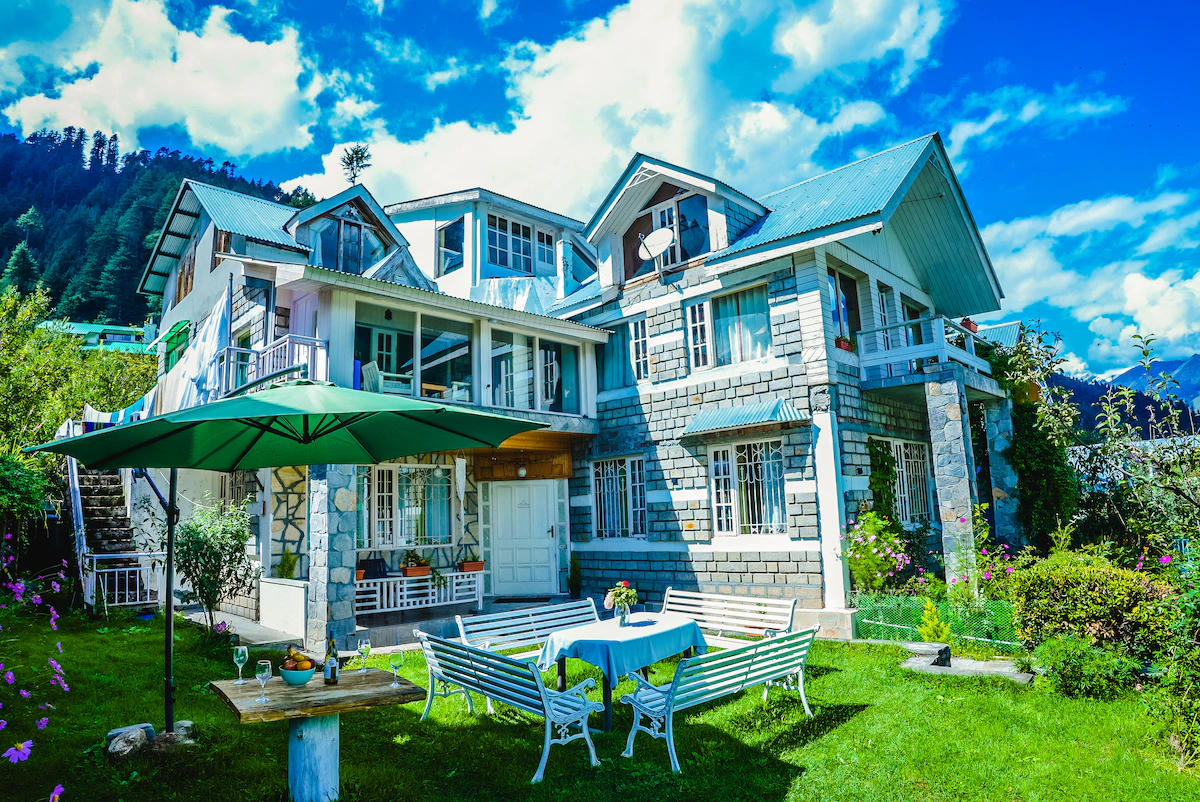
Best Airbnbs in Manali: Complete Stay Guide for Mountain Lovers
Find the best Airbnbs in Manali with area-wise stay advice, seasonal pricing, accommodation types, and practical booking tips for mountain lovers.
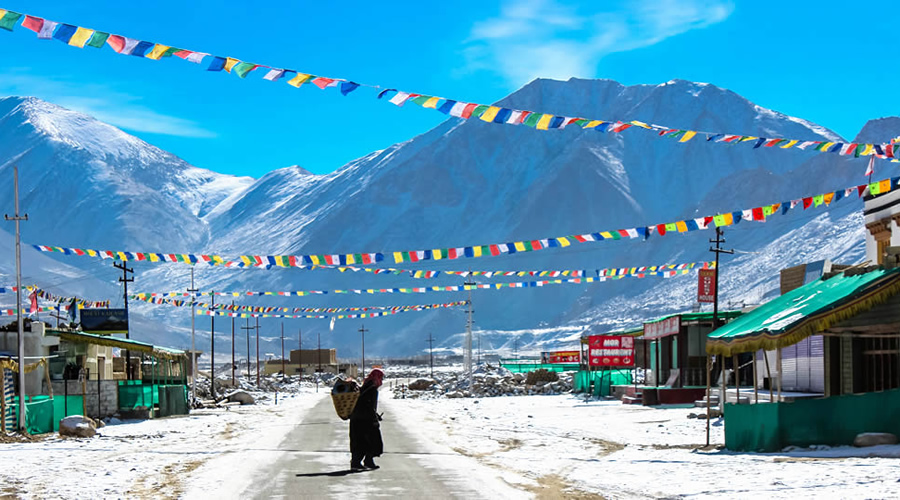
Ladakh in December: Weather, Road Status & Winter Experiences
Visit Ladakh in December. Weather, temperature, frozen lakes, snowfall, road conditions, accessible places & complete winter travel guide.
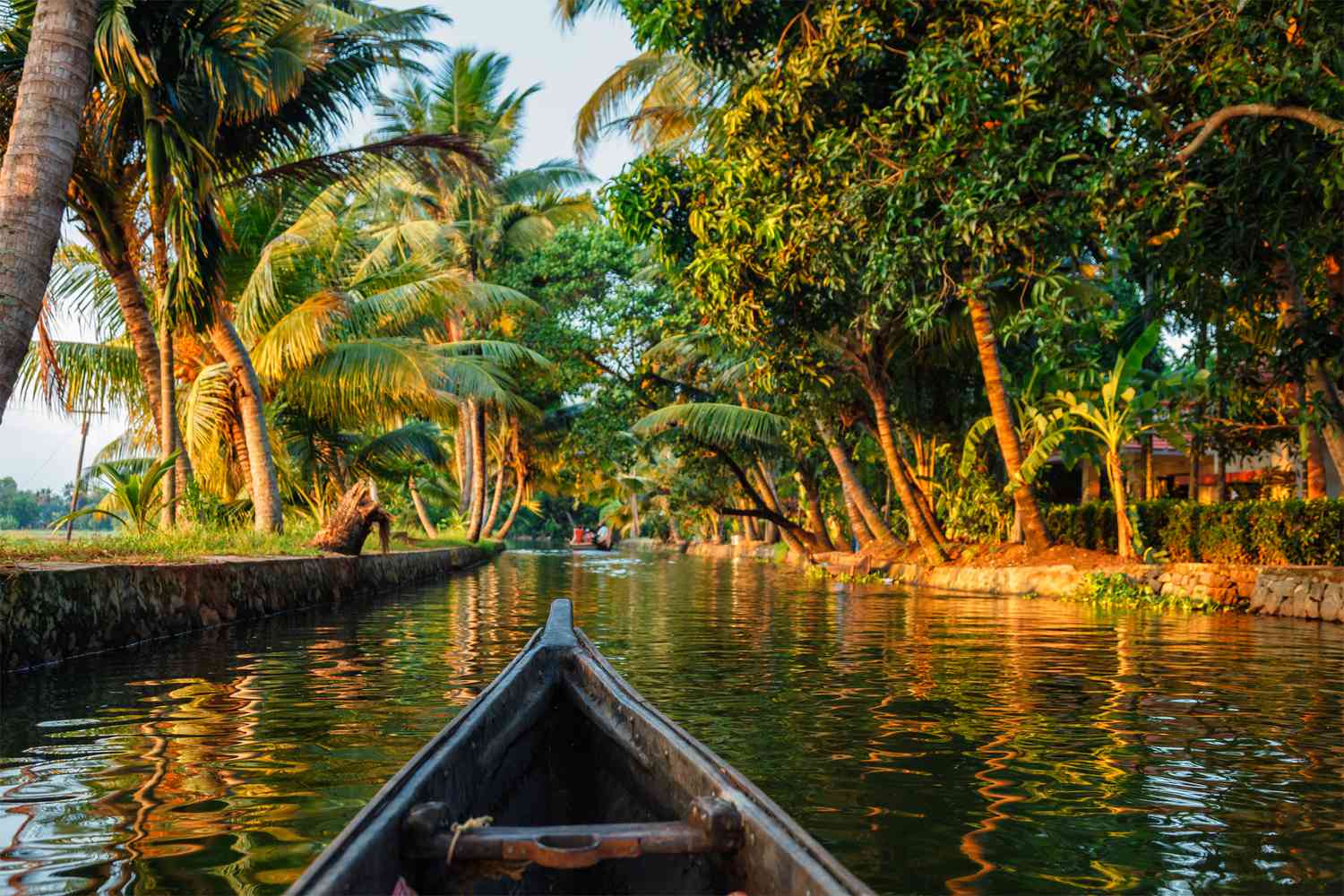
Backwaters of Kerala: Best Routes, Houseboats & Ideal Season
Explore Kerala backwaters with houseboats, Alleppey-Kumarakom routes, pricing & authentic experiences. Complete travel guide.
Never Miss an Adventure
Get the latest trekking guides, travel tips, and exclusive offers delivered straight to your inbox.
