
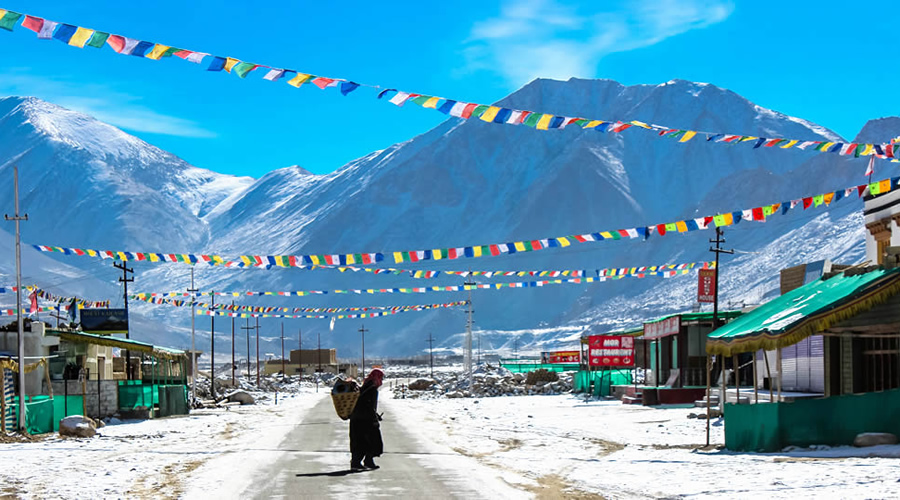
Ladakh in December: Weather, Road Status & Winter Experiences

Priya Mehta
January 26, 2026
Visit Ladakh in December. Weather, temperature, frozen lakes, snowfall, road conditions, accessible places & complete winter travel guide.
Ladakh in December: Complete Winter Travel Guide
Ladakh in December is a high-risk, high-reward experience. You get dramatic winter landscapes, minimal crowds, and a stark beauty that summer visitors never see, but you also face harsh cold, limited services, and strict planning requirements. People searching this keyword usually ask three core questions: is it open, is it safe, and how should I plan. This guide answers all three with practical depth.
Before booking, understand this clearly: winter Ladakh is not a casual checklist trip. It requires realistic acclimatization, weather flexibility, and contingency planning. For seasonal comparison, pair this guide with best time to visit Ladakh and Leh Ladakh bike guide before final decisions.

Weather and Ground Reality in December
December brings sub-zero temperatures, dry air, and sharp day-night variation. Morning and night cold can be severe, and exposed travel windows become physically demanding without proper layering. Water lines may freeze, road sections can become risky, and daily routines depend heavily on weather.
This month is suitable only for travelers comfortable with basic discomfort and slower movement. If your priority is comfort-first sightseeing, consider shoulder seasons instead.
Is Ladakh Open in December
Leh remains accessible mainly by air in winter windows, while many high passes and road routes from Manali side are not viable in this period. Local movement is possible in and around Leh based on weather and route status, but flexibility is non-negotiable. Never lock rigid day plans without backup options.
Keep one spare day in your schedule for weather disruption. Winter delays are normal, not exceptional.
Safety First: Who Should Travel in December
December travel is best for experienced mountain travelers, photographers, and low-crowd seekers with solid preparation. It is less suitable for first-time high-altitude travelers, families with very young children, or anyone with unmanaged cold/altitude sensitivity.
If you still plan to go, prioritize health over itinerary ego. Descending or skipping a route due to weather is a smart decision, not a failure.

What to Pack for Ladakh in December
Layering system: thermal base, fleece mid-layer, insulated outer shell. Extremity protection: gloves, wool socks, face/neck cover, warm cap. Footwear: insulated grip-friendly shoes. Essentials: lip care, moisturizer, sunglasses, power banks, medicines, reusable warm bottle.
Pack for function first, style second. Poor gear decisions in Ladakh winter can quickly reduce trip safety and enjoyment.
What to Do in Ladakh in December
Leh town winter exploration
Walk shorter loops in sunlight windows and return early before severe evening chill.
Monastery visits
Select nearby monasteries based on open-route status and daylight limits.
Winter photography
December light is dramatic and clean. Keep battery management tight because cold drains power rapidly.
Local culture and food
Use winter days for local cuisine sessions, market interaction, and slow cultural experiences inside Leh.
To extend route ideas, compare with Pangong guide and Nubra Valley planning, but verify winter feasibility before committing.
Accommodation in December
Not all properties run full winter operations. Choose stays that confirm heating, hot water schedules, and winter staff availability. Hotels with winterized rooms reduce fatigue significantly and improve recovery between outdoor windows.
Book reliable airport transfers in advance, especially for late arrivals in severe weather periods.
Winter Budget Planning
Lower budget: basic heated stays and limited movement days. Mid-range: better room comfort with curated local trips. Premium: insulated boutique stays and private transport flexibility.
In winter, paying extra for reliable warmth and transport often gives better value than saving money on fragile logistics.
Pros and Cons of December Travel
Pros: minimal crowd, unique landscapes, distinctive photo opportunities, deeper local interaction. Cons: severe cold, route restrictions, service limitations, higher risk if poorly prepared.
Your decision should depend on trip goals. If you want extreme winter character, December is unmatched. If you want broad sightseeing comfort, it may not be the right month.
Essential Winter Tips
- Keep the first day light for acclimatization.
- Hydrate even when you do not feel thirsty.
- Start routes early and return before dark.
- Check weather and road status every morning.
- Keep backup plans for every major day.
Final Verdict
Ladakh in December is unforgettable for travelers who prepare correctly and accept winter realities. It is not about covering maximum attractions. It is about experiencing Ladakh’s quiet, raw, high-altitude winter character safely and mindfully.
For broader winter comparison, review mountain passes in Ladakh and Ladakh in winter to finalize whether December matches your travel style.
Detailed Itinerary Optimization
A stronger trip comes from sequencing, not just destination count. Keep each day focused on one core movement axis and one flexible backup option. For example, in mountain routes, start with viewpoint windows in the morning and keep denser transfers for later only if weather remains stable. This pattern protects both safety and travel satisfaction while reducing rushed decision-making.
Meal and rest planning also influence experience quality more than most travelers expect. Schedule one stable meal stop and one lighter break in every active day. Hydration and temperature management are especially important in high-altitude or coastal humidity conditions. These small decisions improve energy, photography outcomes, and your ability to adapt when plans shift.
Accommodation selection should be based on route logic, not only visuals. A scenic stay that adds two hours of daily commute can reduce overall trip quality. Prioritize location, access reliability, and essential comfort features. If remote work or calls are needed, confirm network consistency before booking. For family travel, check meal timing and heating or cooling support in advance.
When weather uncertainty is high, build a layered plan: primary route, secondary route, and local fallback loop. This avoids day loss and keeps momentum during unpredictable windows. Keep offline maps, cash backup, and emergency essentials ready. Experienced travelers treat these as standard planning, not optional extras.
If you are extending the journey, useful related reading includes best time to visit ladakh, leh ladakh bike trip guide, guide to pangong lake ladakh, nubra valley ladakh.
Local Culture and Responsible Travel
Respect for local culture improves both safety and hospitality outcomes. Dress appropriately in spiritual spaces, ask before close-up photography, and avoid high-noise behavior in quiet settlements. In sensitive ecological zones, follow no-litter discipline and avoid single-use plastics where possible. Responsible behavior helps preserve destinations and keeps local communities supportive of tourism.
Support local businesses where feasible: guides, homestays, regional eateries, and small handicraft sellers. This gives your trip stronger local value and often produces better insight than standardized tourist circuits. Authentic recommendations usually come from people who live in the destination, so leave time for conversation and flexible discovery.
Finally, maintain realistic pace. High-output itineraries look impressive on paper but often reduce enjoyment in real conditions. A good trip is not measured by maximum check-ins, but by quality of experience, safety, and meaningful memory retention. Plan smart, stay flexible, and let the destination unfold with its natural rhythm.
Detailed Itinerary Optimization
A stronger trip comes from sequencing, not just destination count. Keep each day focused on one core movement axis and one flexible backup option. For example, in mountain routes, start with viewpoint windows in the morning and keep denser transfers for later only if weather remains stable. This pattern protects both safety and travel satisfaction while reducing rushed decision-making.
Meal and rest planning also influence experience quality more than most travelers expect. Schedule one stable meal stop and one lighter break in every active day. Hydration and temperature management are especially important in high-altitude or coastal humidity conditions. These small decisions improve energy, photography outcomes, and your ability to adapt when plans shift.
Accommodation selection should be based on route logic, not only visuals. A scenic stay that adds two hours of daily commute can reduce overall trip quality. Prioritize location, access reliability, and essential comfort features. If remote work or calls are needed, confirm network consistency before booking. For family travel, check meal timing and heating or cooling support in advance.
When weather uncertainty is high, build a layered plan: primary route, secondary route, and local fallback loop. This avoids day loss and keeps momentum during unpredictable windows. Keep offline maps, cash backup, and emergency essentials ready. Experienced travelers treat these as standard planning, not optional extras.
If you are extending the journey, useful related reading includes best time to visit ladakh, leh ladakh bike trip guide, guide to pangong lake ladakh, nubra valley ladakh.
Local Culture and Responsible Travel
Respect for local culture improves both safety and hospitality outcomes. Dress appropriately in spiritual spaces, ask before close-up photography, and avoid high-noise behavior in quiet settlements. In sensitive ecological zones, follow no-litter discipline and avoid single-use plastics where possible. Responsible behavior helps preserve destinations and keeps local communities supportive of tourism.
Support local businesses where feasible: guides, homestays, regional eateries, and small handicraft sellers. This gives your trip stronger local value and often produces better insight than standardized tourist circuits. Authentic recommendations usually come from people who live in the destination, so leave time for conversation and flexible discovery.
Finally, maintain realistic pace. High-output itineraries look impressive on paper but often reduce enjoyment in real conditions. A good trip is not measured by maximum check-ins, but by quality of experience, safety, and meaningful memory retention. Plan smart, stay flexible, and let the destination unfold with its natural rhythm.
Location
Frequently Asked Questions
Q1.Is Ladakh open for tourists in December?
Q2.Is it safe to visit Ladakh in December?
Q3.What is the weather in Ladakh in December?
Q4.Are roads to Ladakh open in December?
Q5.What can we see and do in Ladakh in December?
Q6.How to reach Ladakh in December when roads are closed?
Q7.What should I pack for Ladakh in December?
Q8.Where to stay in Ladakh in December and is accommodation available?
Recommended For You
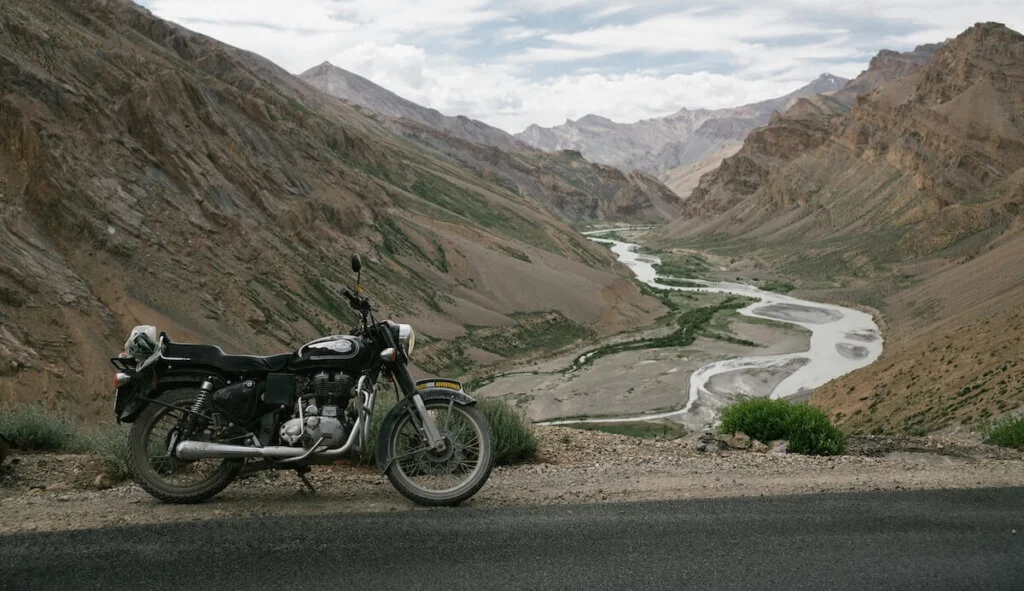
Leh Ladakh Bike Trip: Complete Route And Itinerary Plan
Plan Leh Ladakh bike trip with route choices, itinerary, cost, permits, acclimatization tips, and practical riding prep for a safer high-altitude ride.
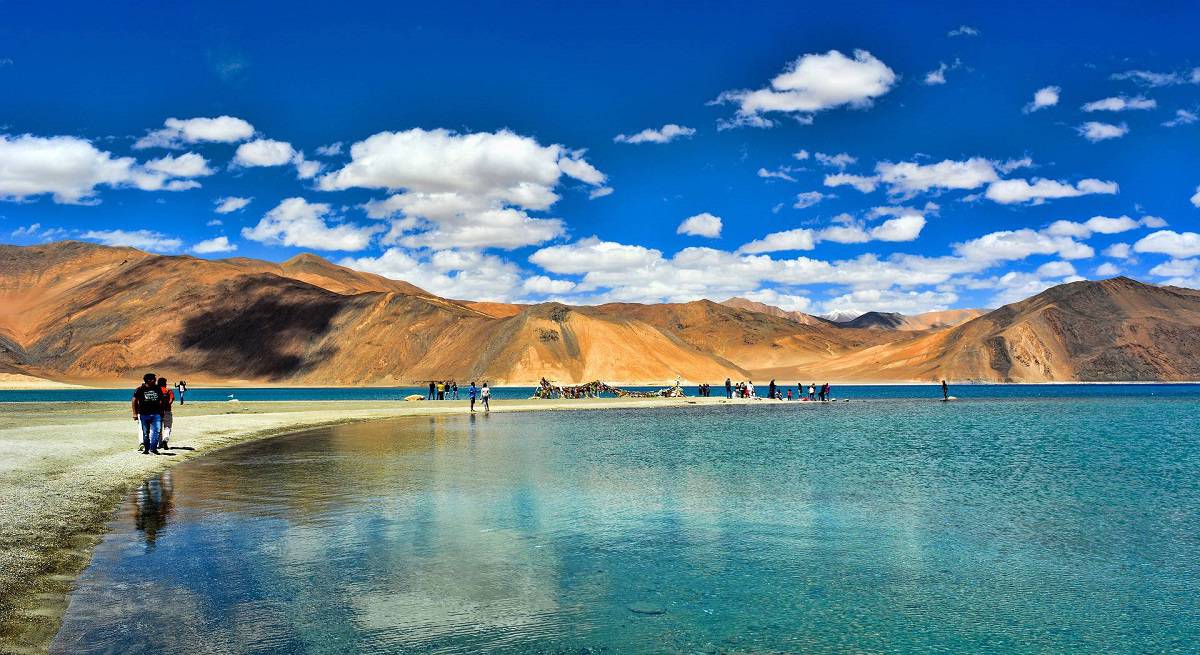
Pangong Lake Ladakh: Best Time, Permit Rules & Stay Options
Complete Pangong Lake guide: best time to visit, permits, how to reach from Leh, stay options & travel tips.
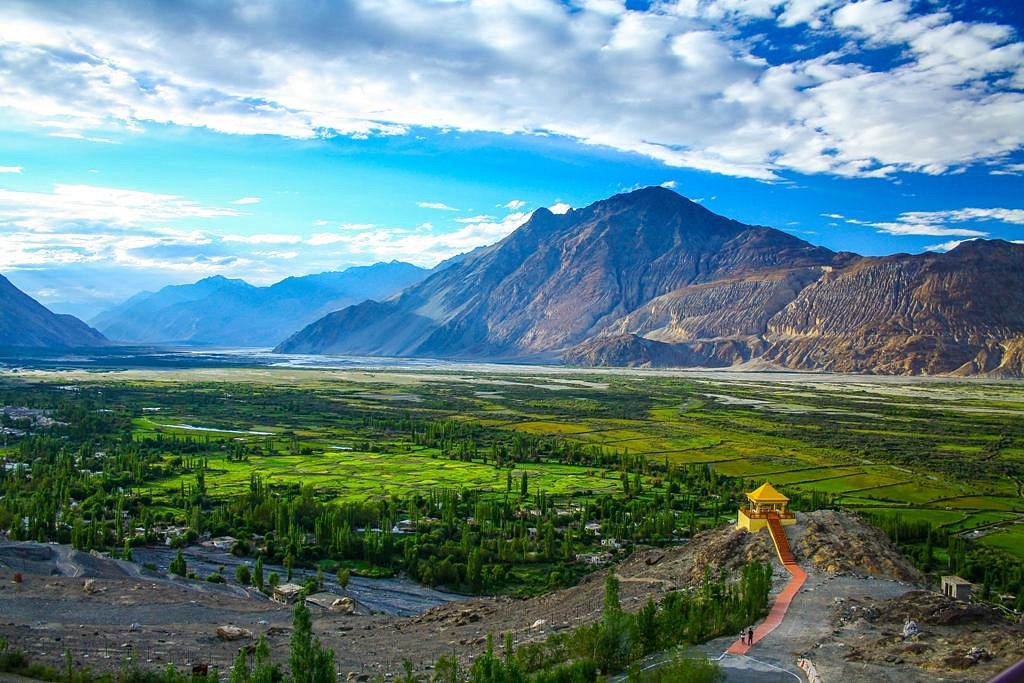
Nubra Valley Ladakh: Itinerary, Permits, Route & Stay Options
Plan your Nubra Valley Ladakh trip with route strategy, acclimatization tips, season guidance, and practical budget planning.
Never Miss an Adventure
Get the latest trekking guides, travel tips, and exclusive offers delivered straight to your inbox.
