
Places to Visit in Kalpetta: Wayanad Attractions & Day Route

Ananya Sharma
February 17, 2026
Explore Kalpetta's waterfalls, caves, peaks & more. Complete Wayanad travel guide with trekking routes, wildlife & tips.
Gateway to Wayanad's Green Paradise
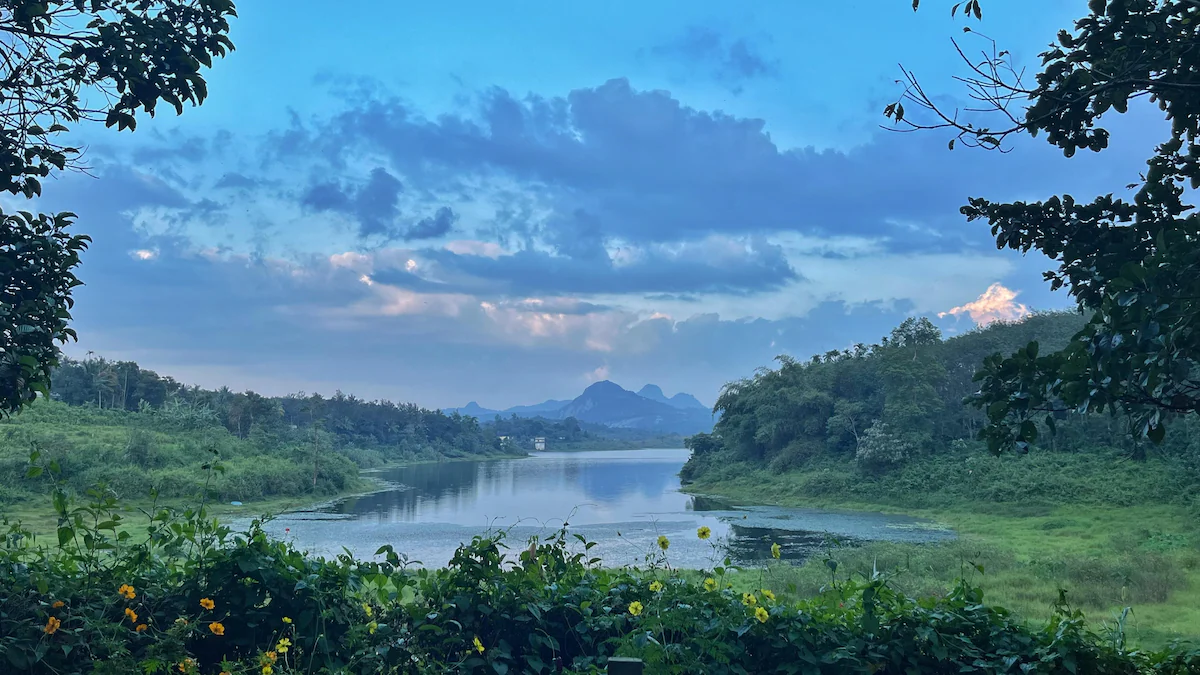
Nestled in the Western Ghats of Kerala, Kalpetta serves as the headquarters and beating heart of Wayanad district. This charming town, surrounded by lush coffee plantations, spice gardens, and mist-covered hills, offers travelers a perfect blend of natural beauty, cultural richness, and adventurous experiences. Unlike typical tourist hubs that feel commercialized, Kalpetta retains its authentic small-town charm while providing all the amenities travelers need for exploration. For broader exploration of Kerala, consider visiting places to visit Wayanad.
What makes Kalpetta special is its strategic location—it's centrally positioned within Wayanad, making it an ideal base for exploring the region's diverse attractions. From stunning waterfalls that cascade down forested cliffs to ancient caves with prehistoric etchings, from panoramic mountain peaks to serene temples, Kalpetta's surroundings pack an incredible variety of experiences into a relatively small geographic area.
As you travel through Kalpetta and its vicinity, you'll notice the landscape transforming around every bend. Dense forests give way to manicured tea gardens, then open up to panoramic vistas of valleys stretching to the horizon. This ecological diversity supports an equally rich variety of flora and fauna, making Kalpetta a paradise for nature enthusiasts and wildlife lovers.
Whether you're a thrill-seeker looking for trekking challenges, a nature lover seeking peaceful retreats, a history buff interested in ancient civilizations, or simply someone who wants to escape into Kerala's countryside, Kalpetta has something to offer. If you also plan to visit places to visit Ulli, you can combine it with your Wayanad trip.
This guide will take you through the must-visit places, practical travel information, and insider tips to make your Kalpetta experience unforgettable.Waterfalls & Natural Wonders
Wayanad's waterfalls are among its most enchanting attractions, and several spectacular falls are easily accessible from Kalpetta. Each waterfall has its own character—some thunder down from great heights, others cascade gently through rocky terrain, but all offer refreshing escapes into nature.
Soochipara Falls (Sentinel Rock Waterfalls): Located approximately 23 kilometers from Kalpetta, Soochipara Falls is a three-tiered waterfall that drops from a height of about 200 meters through the dense forest. The falls get their name from the rock shaped like a needle (soochi in Malayalam) that stands near the waterfall. What makes Soochipara special is the setting—surrounded by dense evergreen forests that harbor diverse wildlife, including rare species of birds and butterflies.
>The trek to Soochipara Falls involves a 15-20 minute walk downhill through tea and spice plantations. The path is well-defined but can be slippery during monsoon, so wear proper footwear. At the base, you can stand under the cascading water for a natural massage, though the force is strong during peak flow. The pool at the bottom is perfect for a refreshing dip, though swimming should be avoided during heavy rains.Meenmutty Falls: At 300 meters, Meenmutty is Wayanad's second-highest waterfall and certainly one of its most spectacular. Located 29 kilometers from Kalpetta, this waterfall requires a 2-kilometer trek through forest to reach the base. The falls cascade down in three tiers, creating a dramatic sight that's especially impressive during and immediately after the monsoon when the water volume is highest.
The trek to Meenmutty Falls is moderately challenging and involves descending steps and walking on uneven terrain. The journey takes approximately 30-45 minutes one way through deciduous forests where you might spot langurs and various bird species. The base area offers stunning views of the falls, but be prepared for a strenuous climb back up. Visit during morning hours when the forest is alive with bird calls and the light creates beautiful effects on the cascading water.
Kanthanpara Falls: For those seeking easier access, Kanthanpara Falls, located 22 kilometers from Kalpetta, is an excellent choice. Though smaller than Soochipara and Meenmutty at about 30 meters height, Kanthanpara is equally beautiful and much more accessible—you can practically drive up to the viewpoint. The falls cascade down rocks in multiple streams, creating a picturesque scene that's especially photogenic.

Kanthanpara is ideal for families with children or those who prefer not to undertake strenuous treks. The area around the falls has been developed with seating areas, small shops selling snacks and tea, and adequate parking. You can walk right up to the base of the falls, though the rocks can be slippery. Visit during weekdays for a more peaceful experience.
Banasura Sagar Dam: While not a waterfall, Banasura Sagar Dam deserves mention among Wayanad's natural wonders. Located 24 kilometers from Kalpetta, this is India's largest earthen dam and the second-largest in Asia. The dam's reservoir, with its numerous islands dotting the water, creates a stunning landscape against the backdrop of Banasura Hills.
The dam offers speedboat rides (₹500-700 per person for 30 minutes) that take you around the reservoir, providing close-up views of the islands and surrounding hills. The boating experience is particularly beautiful during sunset when the golden light reflects off the water and distant hills. For a different perspective, trek to the viewpoint on Banasura Hills—the 1.5-hour uphill walk rewards you with panoramic views of the dam and reservoir spread out below like a map.
Caves & Historical Sites
Wayanad's ancient caves provide fascinating glimpses into prehistoric human settlement in the region. These aren't just geological formations—they're time capsules preserving etchings and artifacts from civilizations that lived here thousands of years ago.
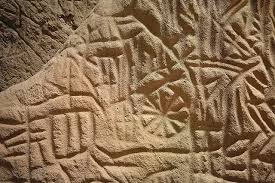
Edakkal Caves: Located 25 kilometers from Kalpetta, Edakkal Caves are among Kerala's most fascinating archaeological sites. What makes these caves remarkable are the prehistoric petroglyphs (rock carvings) found within them—some of the finest examples of ancient rock art in South India. The carvings, believed to date back to the Neolithic era (approximately 6,000 years ago), depict human figures, animals, tools, and symbols whose exact meanings continue to intrigue archaeologists.
Reaching Edakkal Caves requires a trek of about 45 minutes to 1 hour from the parking area. The path winds up through coffee plantations and rocky terrain, gaining approximately 1,000 feet in elevation. The trek is moderately strenuous but manageable for most people with average fitness. Wear proper walking shoes with good grip—the rocks can be slippery, especially during monsoon.
The caves themselves are actually two natural rock formations that have come together to create a shelter. The main cave has a large opening where sunlight streams in, illuminating the petroglyphs. You'll need to climb metal stairs and navigate through some narrow passages to see all the carvings. Guides are available at the site (₹100-200) who can explain the significance of various carvings—highly recommended if you want to understand what you're seeing.
Wayanad Heritage Museum: Located in Ambalavayal, about 12 kilometers from Kalpetta, this small but informative museum provides excellent context for understanding Wayanad's history and culture. The museum displays artifacts ranging from Neolithic tools (some over 4,000 years old) to tribal artifacts, coins, pottery, and hunting implements used by indigenous communities.
Particularly interesting are the tribal artifacts including musical instruments, hunting tools, and household items that provide insights into the traditional way of life of Wayanad's indigenous communities. The museum also has displays on the region's archaeological excavations, helping visitors understand the area's historical significance. If you're visiting Edakkal Caves, the Heritage Museum makes an excellent complementary stop.
Jain Temple (Sultan Bathery): Located in Sultan Bathery town, approximately 24 kilometers from Kalpetta, this ancient Jain temple dates back to the 13th century. Though technically not within Kalpetta town, it's close enough to include in a day of local sightseeing. The temple, dedicated to Ananthanatha Swami (a Tirthankara in Jainism), features traditional Kerala temple architecture with intricate wood carvings.
What makes this temple historically significant is its connection to the Jain community that once thrived in Wayanad. The temple was built during the reign of the Vijayanagara Empire and served as an important Jain religious center for centuries. Tipu Sultan used the temple as his ammunition storehouse (hence the town's name, Sultan Bathery, which derives from Sultan's battery), which explains why the temple survived—Tipu respected its sanctity despite using it for military purposes.
Peaks & Viewpoints
Wayanad's terrain, characterized by hills and valleys, offers numerous viewpoints that provide spectacular vistas of the surrounding landscape. These elevated positions are perfect for photography, sunrise/sunset viewing, or simply soaking in the breathtaking scenery.
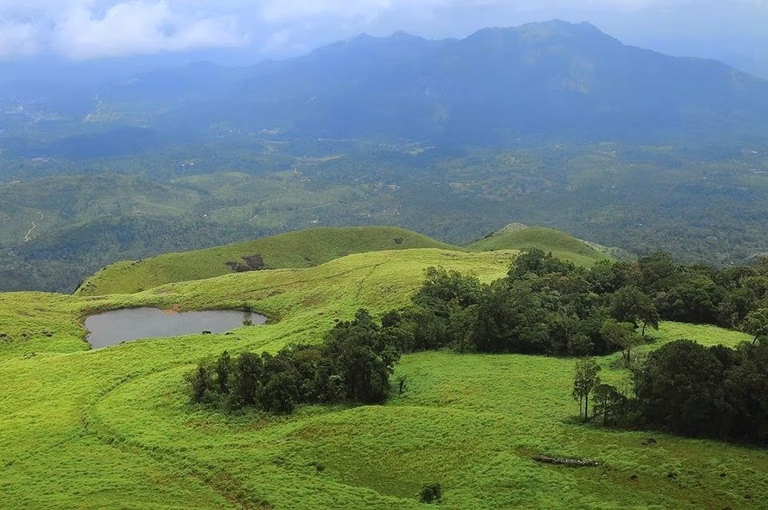
Chembra Peak: At 2,100 meters (6,890 feet), Chembra Peak is Wayanad's highest point and one of its most popular trekking destinations. Located 17 kilometers from Kalpetta near the town of Meppadi, Chembra Peak offers a moderately challenging trek that rewards you with panoramic views of the entire Wayanad district and even neighboring districts on clear days.
The trek to Chembra Peak's summit takes approximately 3-4 hours round trip. The path winds through tea plantations initially, then enters shola forests (high-altitude montane forests), and finally emerges onto grasslands near the summit. The trek is moderately strenuous with some steep sections, but manageable for anyone with reasonable fitness. Guides are mandatory (₹350-500) and can be arranged at the forest office where you obtain entry passes and pay nominal fees (₹50 for Indians, ₹200 for foreigners).
The highlight of the Chembra Peak trek is the heart-shaped lake (hridya sarasu in Malayalam) located about halfway to the summit. This natural lake, shaped like a perfect heart, never dries up even during the hottest months. Local legend says the lake represents the heart of a princess who fell in love with a traveler, and when they couldn't be together, their tears formed this heart-shaped lake. The lake area makes an excellent rest stop before continuing to the summit.
From the summit, on a clear day, you can see the entire Wayanad plateau, the Nilgiri Hills in Tamil Nadu, and even the Nilambur forests. The view is particularly spectacular at sunrise when the first rays of sun paint the sky and landscape in brilliant colors. Most trekkers start very early (5-6 AM) to reach the summit for sunrise.
Banasura Hills: The second-highest peak in Wayanad after Chembra, Banasura Hills (2,079 meters) offers trekking opportunities with fewer crowds than Chembra. The hills are part of the Western Ghats and provide stunning views of the Banasura Sagar Dam reservoir below. Treks here range from moderate to challenging, depending on how far up you want to go.
Unlike Chembra, Banasura Hills treks don't require guides or permits, making them more accessible for spontaneous visits. The terrain includes grasslands, rocky patches, and some shola forest sections. You're likely to encounter grazing cattle and perhaps some wildlife including langurs and various bird species. The viewpoint offers excellent sunset views, with the sun setting behind the hills painting the sky in dramatic colors.
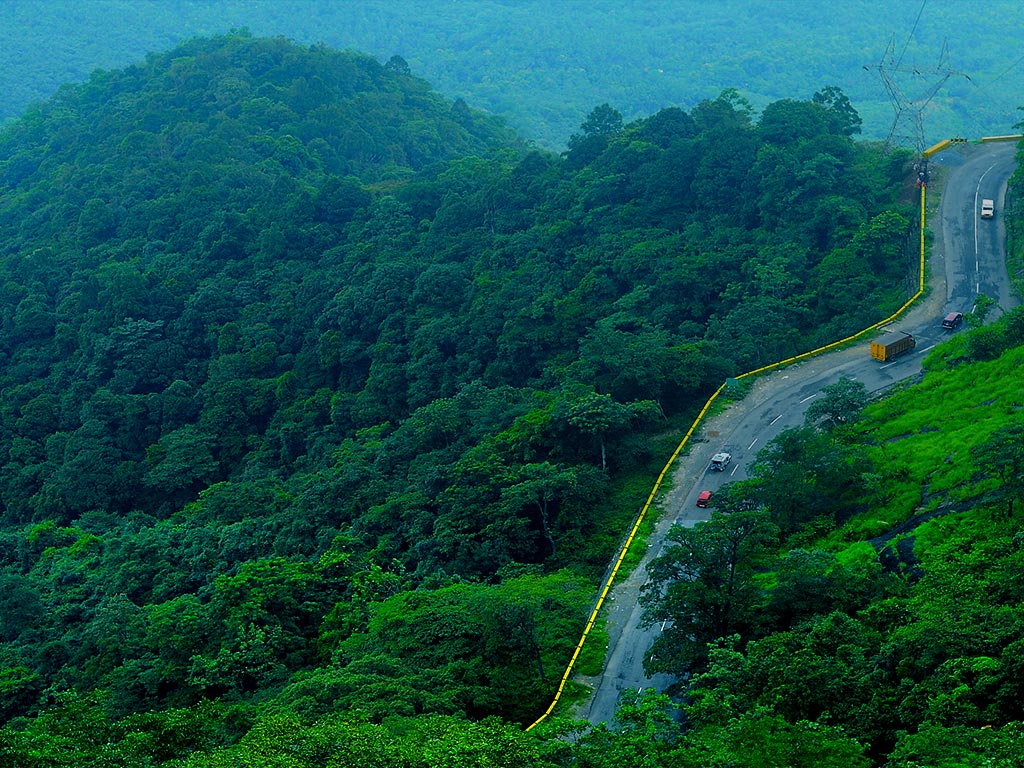
Lakkidi Viewpoint: Though not a peak you trek to, Lakkidi Viewpoint deserves mention for its accessibility and stunning views. Located at the gateway to Wayanad on the Kozhikode-Mananthavady road, Lakkidi sits at an elevation of 700 meters and receives among the highest rainfall in Kerala. The viewpoint offers panoramic vistas of the winding mountain roads, valleys, and mist-covered hills stretching into the distance.
What makes Lakkidi special is the dramatic landscape—the viewpoint sits at a hairpin bend where the road descends through multiple curves into the valley below. The view is particularly atmospheric during monsoon when mist rolls through the valleys, creating an otherworldly scene. Stop here when entering or leaving Wayanad via the Kozhikode route—it's right on the main road, has parking, and requires no trekking to access.
Wildlife & Nature
Wayanad's location within the Western Ghats biodiversity hotspot makes it incredibly rich in wildlife. Several protected areas around Kalpetta offer opportunities to experience this biodiversity firsthand.
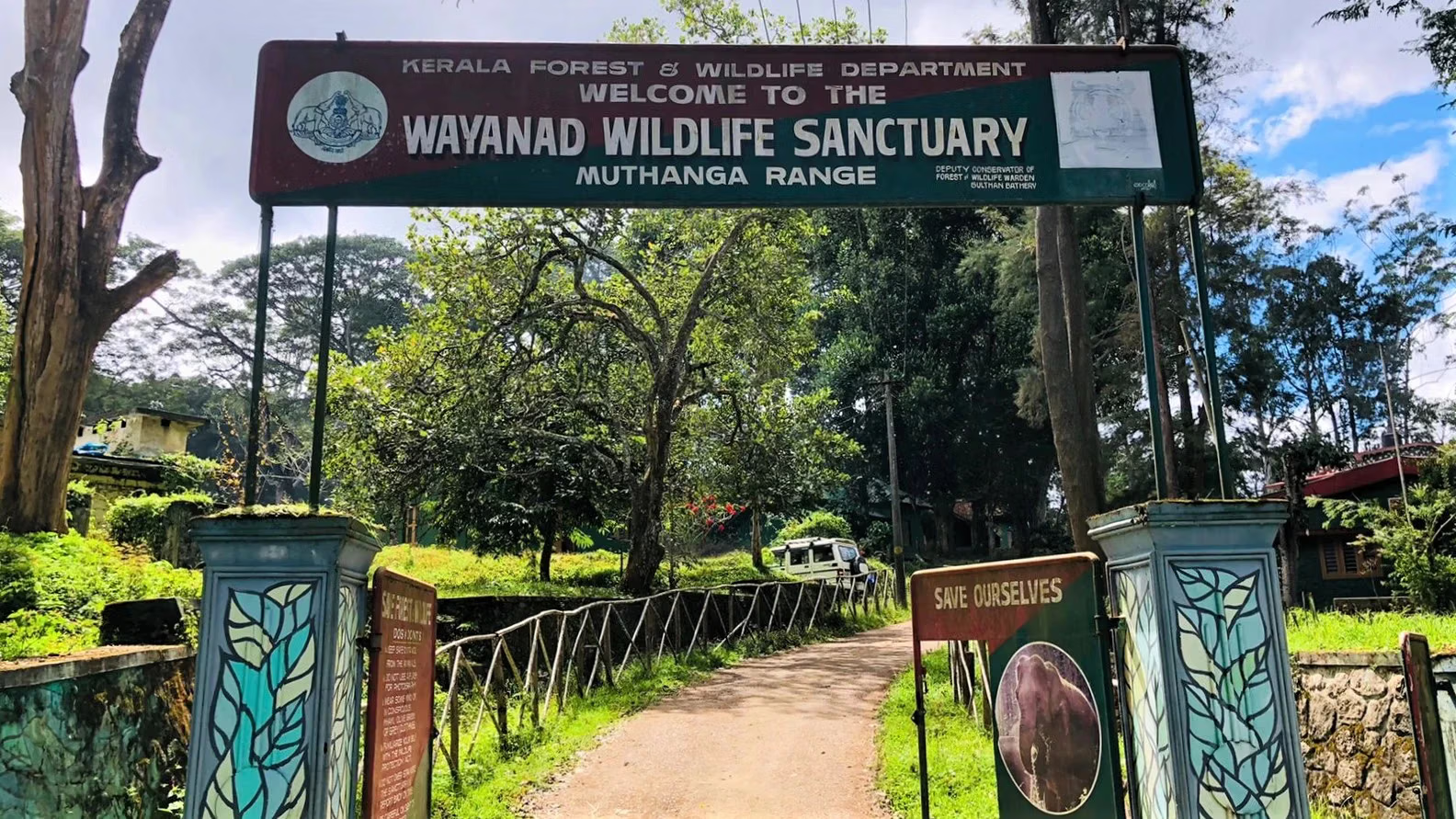
Wayanad Wildlife Sanctuary (Muthanga): Located approximately 25 kilometers from Kalpetta, this 345-square-kilometer sanctuary is part of the Nilgiri Biosphere Reserve and forms a contiguous forest with Bandipur Tiger Reserve in Karnataka and Mudumalai in Tamil Nadu. The sanctuary's diverse habitat includes tropical moist deciduous forests, semi-evergreen forests, and patches of bamboo and teak plantations.
The sanctuary is home to elephant herds, tigers (though rarely seen), leopards, sloth bears, various deer species (spotted deer, sambar, barking deer), and numerous smaller mammals. Birdlife is abundant with over 200 species recorded including the Malabar grey hornbill, peafowl, woodpeckers, and various raptors. Reptiles including the King Cobra and python inhabit the forest, though sightings are rare.
Jeep safaris (₹400-700 per person depending on nationality) are conducted twice daily—early morning (6:30-8:30 AM) and late afternoon (3:30-5:30 PM). The morning safari offers better wildlife sightings as animals are most active. Book safaris in advance during peak season (October-May). The safari covers approximately 20-30 kilometers of forest roads over 2-2.5 hours. The sanctuary is closed from February to March during the calving season for elephants—check current status before visiting.
Pookote Lake: This natural freshwater lake, located 15 kilometers from Kalpetta near Vythiri, is one of Wayanad's most popular tourist attractions. The lake is surrounded by forests and hills, creating a serene setting perfect for boating, nature walks, and photography. A freshwater aquarium on the lake's edge displays fish species found in Wayanad's waterways.
Boating is the main activity here—pedal boats (₹100-150 for 30 minutes) and row boats (₹150-200) are available. The lake is relatively small, so 30 minutes is sufficient to explore. Early morning visits offer the best experience with calm water reflecting the surrounding forests and hills, fewer crowds, and better wildlife spotting opportunities (you might see otters or various bird species).
A walking path circles the lake, taking approximately 30-45 minutes to complete. The path goes through some forest sections where you might spot birds, butterflies, and sometimes small mammals. The area around the lake has been developed with a spice garden (₹10 entry), a children's park, and several small shops selling spices, handicrafts, and snacks.
Temples & Spiritual Sites
Wayanad's spiritual landscape includes both ancient temples with rich histories and natural sites considered sacred by indigenous communities.
Thirunelli Temple: Located approximately 30 kilometers from Kalpetta near the Karnataka border, this ancient Vishnu temple is believed to date back over 1,000 years. The temple's location in the Brahmagiri Hills, surrounded by forest, creates a spiritually charged atmosphere. What makes Thirunelli special is the ritual of pithru tharpanam—ancestors' rites—that devotees perform here to honor their departed ancestors.
The temple architecture follows traditional Kerala style with a sloping roof, wooden carvings, and a surrounding courtyard. A rock spring called Papanashini (destroyer of sins) flows near the temple—devotees bathe in this spring before entering the temple, believing it washes away sins. The temple sees maximum footfall during new moon days and during the annual festival (April-May).
The drive to Thirunelli itself is beautiful, passing through tea and coffee plantations, forest sections, and offering scenic valley views. Combine your temple visit with a trip to Kuruva Island or Pakshipathalam (caves) if you have a full day for sightseeing.
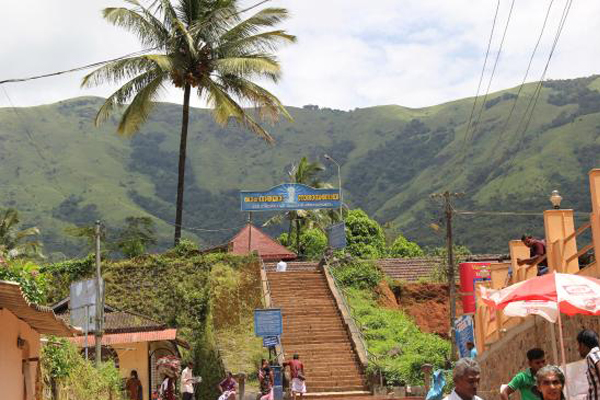
Seetha Lava Kusha Temple: Located in Pulpally, about 25 kilometers from Kalpetta, this temple is dedicated to Sita (from the Ramayana epic) and her sons Lava and Kusha. According to local legend, this is the spot where Sita stayed during her exile and gave birth to Lava and Kusha. The temple has unique significance as one of the few temples in India dedicated to Sita.
The temple's architecture is simple but beautiful, surrounded by paddy fields that create a peaceful atmosphere. The annual festival (January-February) draws devotees from across Kerala and Karnataka. The temple is particularly important to the local community, and visiting during festival times provides insights into rural Kerala's religious traditions.
Valliyoorkkavu Temple: Located near Mananthavady (approximately 30 kilometers from Kalpetta), this Bhagavathi temple is one of Wayanad's most important family deities. The temple's location on a small hill creates a dramatic setting, especially during the annual festival (February-March) when the entire area comes alive with celebrations.
The temple is particularly significant to tribal communities of Wayanad, who have unique rituals and traditions associated with their worship here. The temple architecture follows traditional Kerala style, and the surrounding forest creates a spiritually charged atmosphere. Visit during non-festival times for a peaceful experience and the opportunity to observe daily rituals.
Plantations & Gardens
Wayanad's economy has traditionally been based on agriculture, and the region's plantations offer visitors fascinating insights into spice cultivation, tea production, and the rural economy.
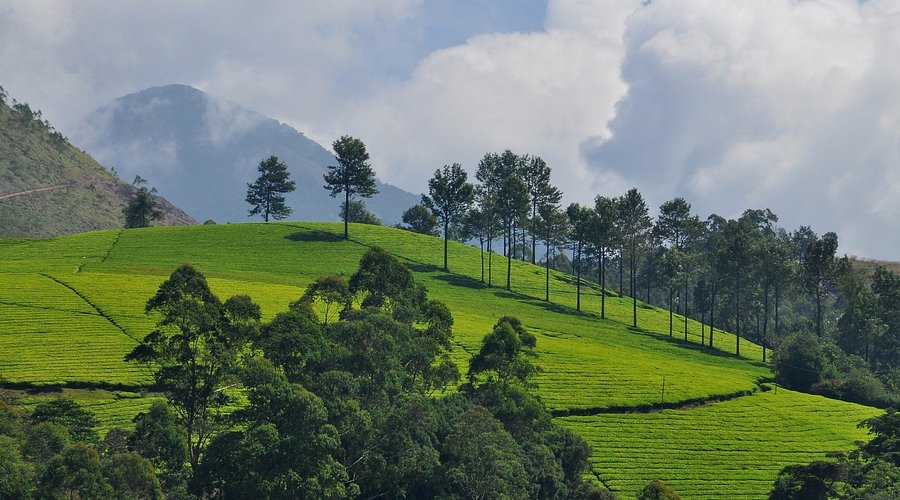
Tea Plantations (Vythiri, Meppadi): The rolling hills around Kalpetta are carpeted with tea gardens that create stunningly green landscapes. While many tea plantations are privately owned and not open to tourists, some estates in Vythiri and near Meppadi offer tours (₹50-100 per person) where you can learn about tea cultivation, processing, and the lives of tea plantation workers.
The best way to experience tea plantations is to drive or cycle through the estate roads. The terrain is hilly, so cycling requires some fitness, but the experience of riding through endless tea gardens with mist-covered hills in the background is unforgettable. Early morning is the best time—the light is soft, mist often lingers in the valleys, and the tea pickers are just starting their work.
Coffee Plantations: Wayanad produces some of India's finest coffee, both Arabica and Robusta varieties. Many homestays and resorts near Kalpetta are located within working coffee plantations, allowing guests to explore the estates. Coffee harvest season (November-February) is particularly interesting when you can see coffee berries being picked and processed.
Some estates offer tours explaining the coffee cultivation process—from seedlings to processing and finally to the roasted beans. The tours typically end with a coffee tasting session where you can sample Wayanad's premium coffee. Contact local homestays to arrange plantation tours.
Spice Gardens: Wayanad's climate is perfect for growing spices including pepper, cardamom, cinnamon, cloves, nutmeg, and vanilla. Many farms near Kalpetta offer spice garden tours (₹100-200 per person) where you can see these plants growing and learn about their cultivation, harvesting, and processing.
The tours typically last 1-1.5 hours and include walking through the plantation while guides explain each spice plant, its uses, and economic importance. Most tours end with a spice shop where you can buy fresh, high-quality spices directly from the source. Popular spice gardens include Priyadarshini Tea Environs, Green Magic Home, and various organic farms in the Vythiri area.
Kalpetta and its surroundings offer an incredible diversity of experiences that make Wayanad one of Kerala's most rewarding destinations. Whether you spend three days or a week, you'll find yourself wanting to return to this green paradise where nature, culture, and adventure come together in perfect harmony.
Location
Frequently Asked Questions
Q1.How many days are enough for Kalpetta?
Q2.What is the best time to visit Wayanad?
Q3.Is Kalpetta worth visiting?
Q4.What are the main attractions in Kalpetta?
Q5.Which waterfalls are best in Wayanad?
Q6.How difficult is Chembra Peak trek?
Q7.How to reach Kalpetta from Bangalore?
Q8.Is Wayanad safe for families?
Recommended For You
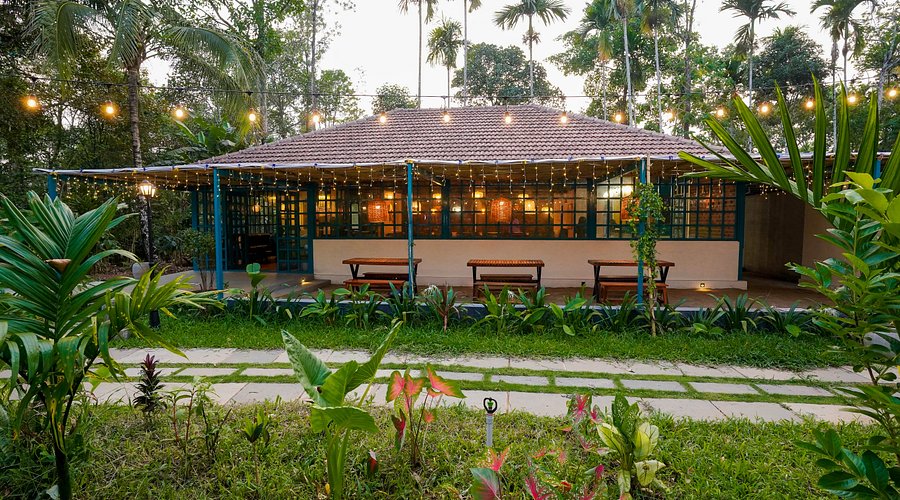
Restaurants Wayanad: Kerala Hill Food
Discover the best restaurants in Wayanad through homestay meals, resort dining, local Kerala cuisine, vegetarian options, and tea-estate food experiences.
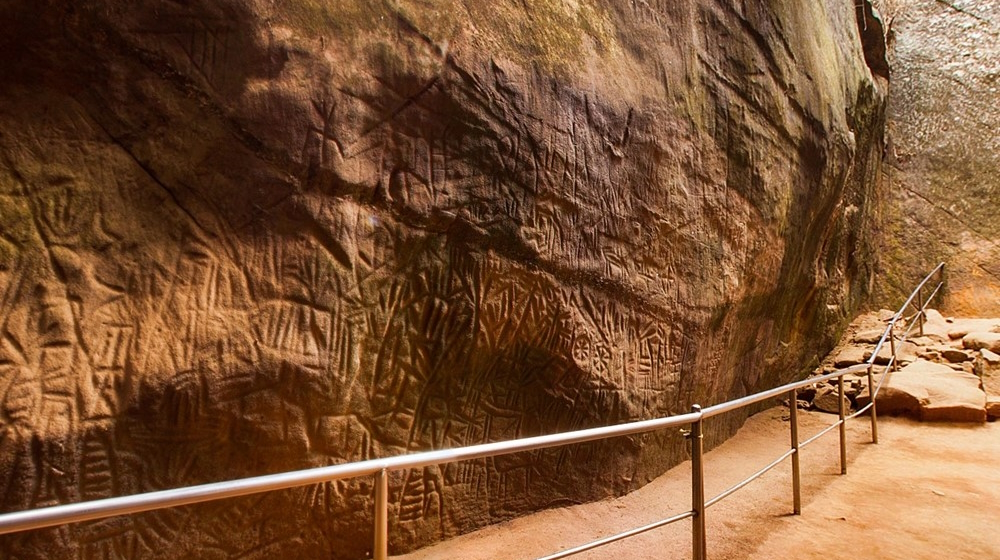
Edakkal Caves Wayanad: Complete Guide to 6000-Year-Old Petroglyphs
Discover Edakkal Caves in Wayanad, home to 6,000-year-old Neolithic petroglyphs. Our complete guide covers trekking, timings, entry fees, history, and practical tips for exploring these remarkable ancient rock shelters with South India's finest prehistoric carvings.
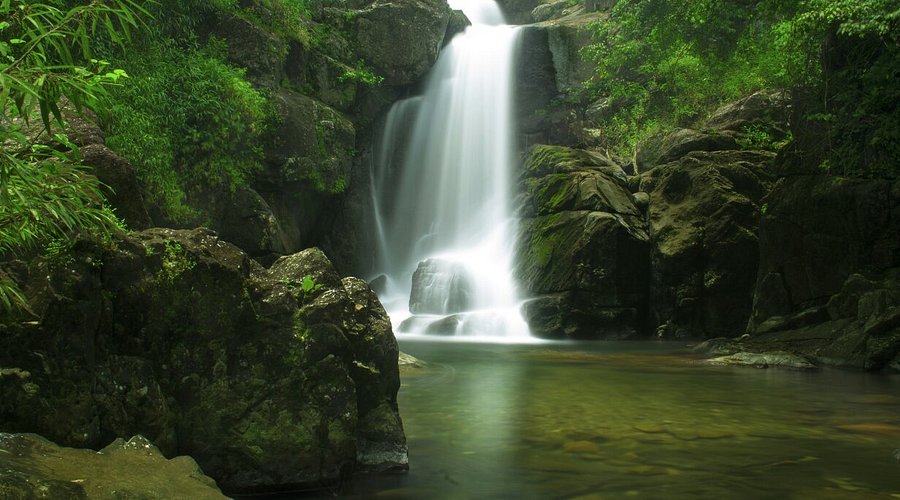
Meenmutty Waterfalls Wayanad: Trek Guide & Tips
Explore Meenmutty Waterfalls Wayanad with trekking tips, season guide, safety checklist, and nearby attraction combinations.
Never Miss an Adventure
Get the latest trekking guides, travel tips, and exclusive offers delivered straight to your inbox.
