
Places to Visit in Katra Beyond Vaishno Devi: Nearby Attractions

Priya Mehta
December 30, 2025
Discover places to visit in Katra beyond Vaishno Devi with top nearby temples, scenic routes, practical itineraries, and travel tips for families and pilgrims.
Introduction: Katra Is More Than a Pilgrimage Base
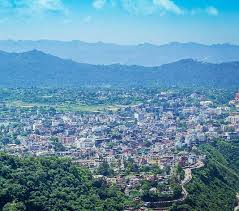
Most travelers know Katra as the gateway to Shri Mata Vaishno Devi, but the region offers more than a single shrine route. If you are searching for places to visit katra, you can build a well-rounded itinerary that includes spiritual sites, scenic viewpoints, nearby caves, river-side landscapes, and short adventure-style experiences in the Trikuta foothills. Katra works for pilgrims, family groups, and travelers exploring Jammu and Kashmir beyond Srinagar routes.
The biggest planning mistake is treating Katra as only an overnight stop. With one extra day, you can explore cultural and natural spots around the town, reduce travel fatigue, and experience the region at a better pace. This guide covers core attractions, route logic, local travel tips, and seasonal planning so your Katra trip is practical and meaningful.
Use this guide whether you are visiting for darshan, a short family holiday, or a wider Jammu and Kashmir circuit.
Katra at a Glance
| Planning Factor | Quick Insight |
|---|---|
| Main travel purpose | Vaishno Devi pilgrimage plus nearby sightseeing |
| Best trip length | 2 to 3 days for balanced darshan and local exploration |
| Best season | March to June and September to December |
| Closest major city | Jammu (airport and road hub) |
| Top add-on attractions | Bhairav route, Baba Dhansar, Shiv Khori, local temple circuits |
1) Shri Mata Vaishno Devi Bhawan
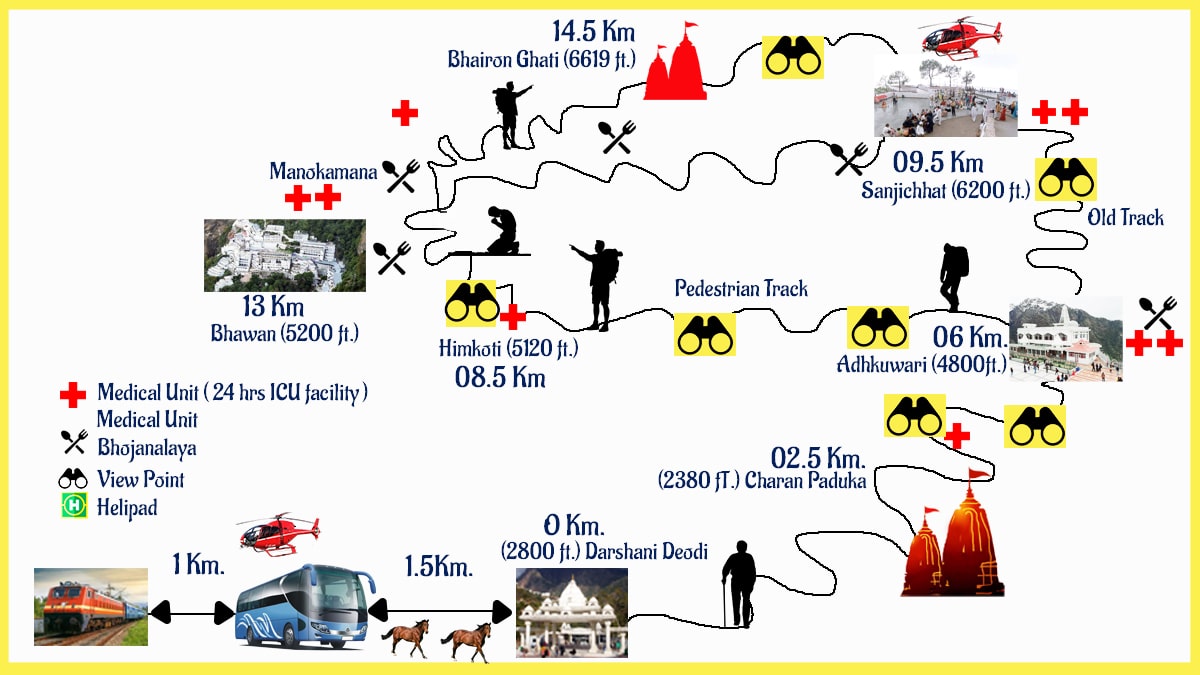
No Katra itinerary is complete without Bhawan, the central shrine at the heart of this region's spiritual identity. The traditional route from Katra to Bhawan is around 13 km and can be done by foot, pony, palki, battery car segments in designated stretches, or helicopter plus onward movement depending on booking and availability.
What to plan before the yatra
- Complete registration and check official updates before arrival.
- Start timing based on crowd season and your fitness level.
- Carry light wool layer, water, and basic medicines.
- Use authorized service providers only for transport options.
Bhawan remains open year-round, but queue duration and weather comfort vary by season and festival flow.
2) Bhairavnath Temple (Post-Bhawan Segment)
Bhairavnath Temple is traditionally considered an important part of the pilgrimage circuit after Bhawan darshan. The uphill extension is shorter than the main climb but can be physically demanding if you are already fatigued. Plan this segment with energy and weather in mind.
Why this stop matters
- Strong religious significance in Vaishno Devi tradition.
- Mountain views and route completion value.
- Can be combined on the same day with careful pacing.
If traveling with elders, keep realistic time buffers and avoid forcing this stretch in poor weather.
3) Baba Dhansar Temple
Located within driving range from Katra, Baba Dhansar is known for its spiritual setting and natural beauty around the shrine area. The site often attracts travelers looking for a calmer devotional stop outside peak Bhawan rush. The surrounding terrain and seasonal greenery make it a good half-day extension.
Who should include Baba Dhansar
- Families wanting spiritual sightseeing without long high-altitude trekking.
- Travelers with one extra day in Katra.
- Visitors interested in temple-plus-nature combinations.
Road conditions and local seasonal factors can affect visit timing, so plan with local updates.
4) Shiv Khori Cave (Extended Day Trip)
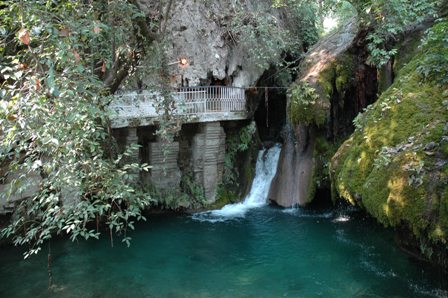
Shiv Khori is one of the most popular excursion options from Katra for travelers interested in cave pilgrimage experiences. The site is generally approached as a dedicated day trip due to distance and movement time. It is not ideal as a quick add-on after a heavy yatra day.
Planning tips for Shiv Khori
- Start early from Katra for better pace.
- Keep meal and hydration stops pre-planned.
- Expect moderate crowd variation during festive periods.
- Use private/shared cab options based on group size.
If your itinerary is tight, choose either Shiv Khori or a rest-and-local Katra day, not both.
5) Dera Baba Banda (Cultural-Historical Stop)
Dera Baba Banda is a historically significant Sikh site in the wider Katra-Jammu belt and offers a quieter cultural pause compared to high-footfall pilgrimage routes. It works well for travelers interested in adding a heritage layer to their spiritual journey.
This destination is often underplanned, but can be meaningful for those who prefer historical context and less crowded spaces.
6) Nau Deviya and Local Temple Circuits
Beyond the flagship shrine route, Katra has local temple circuits and nearby spiritual points that can fill a half day meaningfully. These are practical for families who want an easier schedule after the Bhawan climb.
Best use of local circuits
- Recovery day after yatra exertion.
- Short-distance spiritual travel with lower logistics load.
- Photography and local market pairing in the evening.
For broader temple inspiration in the region, see famous temples in Jammu and Kashmir.
7) Adventure and Nature Around Katra
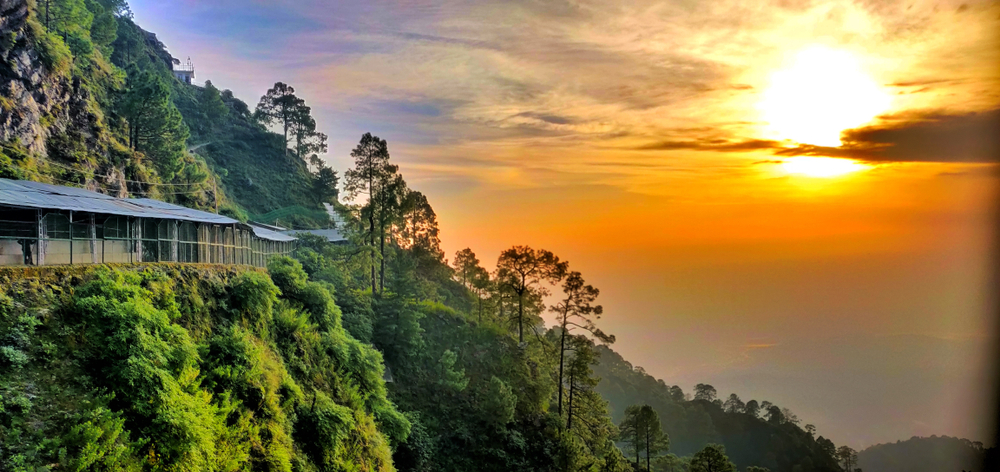
Katra is primarily a pilgrimage hub, but it also supports light adventure and nature-led activity depending on local operators and season. Hill walks, viewpoint drives, and route photography are common. Some seasonal activity operators may offer guided experiences around Trikuta foothills.
Low-intensity activity ideas
- Morning hill-view walks near town perimeter zones.
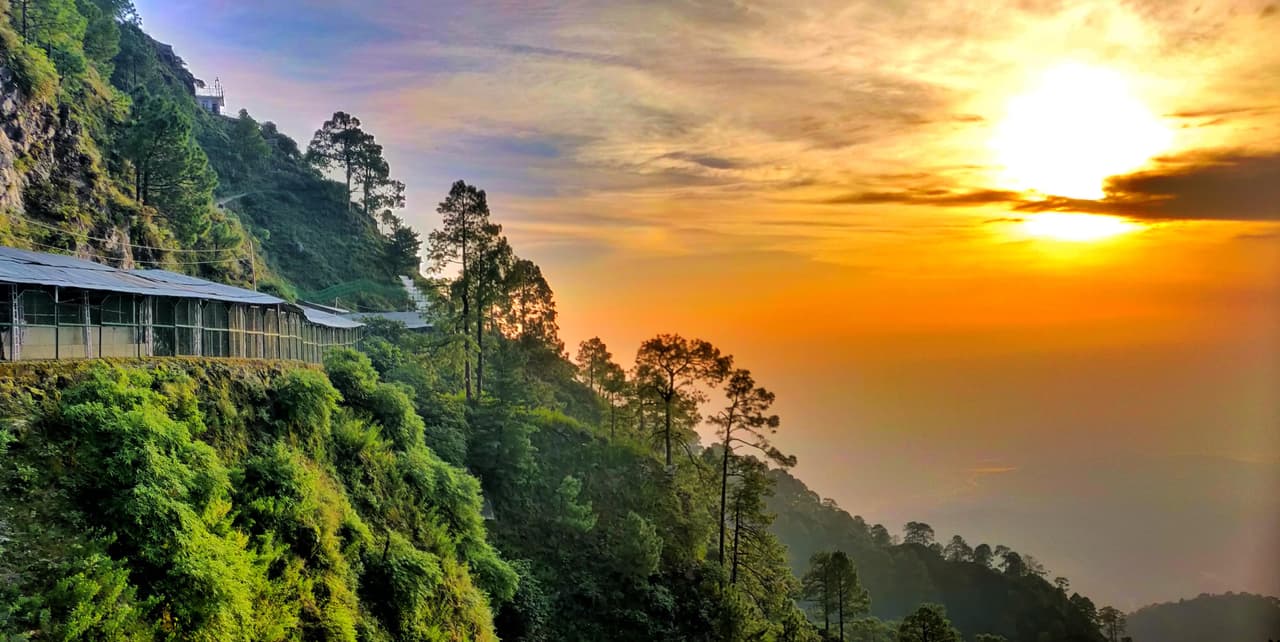
- Short scenic drives and sunset points.
- Photography-focused nature loops.
If you want stronger mountain leisure experiences, combine your Katra plan with hill stations in Jammu and Kashmir.
Best Time to Visit Katra
| Season | Travel Character | Recommendation |
|---|---|---|
| March to June | Pleasant to warm weather, strong accessibility | Excellent for family and first-time trips |
| July to August | Monsoon influence and wet-route variability | Travel possible with rain buffers |
| September to December | Comfortable weather, festive movement periods | Very good for darshan + sightseeing |
| January to February | Cold conditions, lighter but weather-sensitive movement | Suitable for winter-preferring travelers |
Always align your timing with crowd expectations and physical comfort, especially for night or early-morning yatra starts.
How to Reach Katra
By train
Katra has direct rail connectivity via Shri Mata Vaishno Devi Katra station, which is the most convenient mode for many pilgrims.
By air
Nearest major airport is Jammu. From there, road transfer to Katra is straightforward.
By road
Regular bus and taxi routes connect Katra with Jammu and nearby regional hubs.
Local movement tips
- Pre-book local cab for nearby day trips.
- Keep one full recovery buffer after Bhawan trek.
- Avoid late-night long drives after physically heavy days.
For wider regional movement context, use how to reach Jammu to Srinagar.
Suggested 2-Day Katra Itinerary
| Day | Focus | Plan |
|---|---|---|
| Day 1 | Pilgrimage | Vaishno Devi yatra, Bhawan, optional Bhairav extension |
| Day 2 | Local exploration | Baba Dhansar or Shiv Khori (choose one), evening market and rest |
If you have a third day, add Dera Baba Banda or a hill-station extension route.
Family-Friendly 3-Day Katra Plan
If you are traveling with children or senior citizens, a 3-day plan gives much better comfort than rushing a single-night schedule. Day 1 can focus on arrival, early evening rest, and registration formalities. Day 2 can be dedicated to Vaishno Devi yatra with buffer time for weather and queues. Day 3 can be used for one nearby attraction like Baba Dhansar or local temple-market exploration before departure.
This format reduces physical strain and avoids the common error of doing long road excursions immediately after the trek. It also allows better hotel recovery, meal timing, and safer movement for mixed-age groups.
Katra Budget and Cost Planning
| Expense Category | Typical Impact | Practical Tip |
|---|---|---|
| Stay | Variable by season and festival rush | Book early in peak months and compare near-route hotels |
| Local transport | Can increase with last-minute bookings | Pre-book day cabs for Shiv Khori or Baba Dhansar routes |
| Pilgrimage services | Depends on mode and availability | Use only official or authorized channels |
| Food and essentials | Moderate in town, variable on routes | Keep light snacks and hydration for trek windows |
Cost predictability improves when you finalize transport and accommodation before arrival. This is especially useful during long weekends and festival periods when on-spot pricing can spike.
Yatra-Day Logistics You Should Not Ignore
- Start with realistic cut-off timing rather than ideal timing.
- Keep one backup weather window for high-footfall days.
- Carry minimal luggage for easier movement on the route.
- Use official updates for route advisories and service status.
- Plan return rest before attempting long onward transfers.
These small decisions make a significant difference in comfort and safety for first-time visitors.
What to Pack for Katra Trips
- Comfortable walking shoes with grip.
- Layered clothing for temperature change.
- Rain cover in monsoon months.
- Valid ID, digital and physical copies.
- Basic medicines and hydration support.
Common Mistakes to Avoid
- Underestimating trek fatigue and overplanning next-day travel.
- Choosing multiple long-distance day trips after yatra.
- Ignoring seasonal weather effects on movement.
- Using unverified transport/service providers.
- Skipping rest and hydration during pilgrimage days.
Conclusion
Katra is far more than a single-stop pilgrimage town when planned with intent. Beyond Vaishno Devi, travelers can explore Bhairav route extensions, Baba Dhansar, Shiv Khori, and nearby cultural-spiritual destinations for a fuller regional experience.
Build your trip with one core darshan day, one exploration day, and realistic physical pacing. Add a buffer for weather, queues, and rest to keep the journey comfortable for all travelers, especially families with elders and children on tight schedules. This simple structure makes Katra travel smoother, safer, and significantly more rewarding.
Plan smart, pace well, travel light.
Location
Frequently Asked Questions
Q1.How many days are needed for Katra?
Q2.What are the top attractions in Katra besides Vaishno Devi?
Q3.Is Katra only for religious tourism?
Q4.How far is Vaishno Devi Bhawan from Katra?
Q5.What is the best time to visit Katra?
Q6.Is helicopter service available from Katra side routes?
Q7.How far is Shiv Khori from Katra?
Q8.What is Baba Dhansar famous for?
Recommended For You
Kashmir Trip Cost: Budget Breakdown for 3, 5 and 7 Days
Know Kashmir trip cost for couple, family & solo. Get breakdown of hotels, transport, food & sightseeing. Plan budget 3-7 days trip.
How to Travel from Jammu to Srinagar: Route, Time & Cost
Complete Jammu to Srinagar travel guide by flight, train, bus, and road with route tips, updated rail context, local transport, and planning advice.
Kashmir: Complete Travel Plan Places And Weather
Complete Kashmir travel guide! Discover best time to visit, places to visit, itineraries, things to do, budget planning & tips for your Kashmir valley trip.
Never Miss an Adventure
Get the latest trekking guides, travel tips, and exclusive offers delivered straight to your inbox.
