
Why Thailand is Famous: Top Reasons

Priya Mehta
January 7, 2026
Discover why Thailand is famous for tourism. Beaches, food, culture, temples, nightlife, shopping & complete guide to what makes Thailand incredible.
Introduction: Land of Smiles
Thailand, often called the "Land of Smiles," captivates millions of visitors annually with its unique combination of warm hospitality, stunning natural beauty, rich cultural heritage, and incredible value for money. From the glittering temples of Bangkok to the pristine beaches of the islands, from the vibrant nightlife of Pattaya to the tranquil villages of the north, Thailand offers experiences that appeal to every type of traveler.
What makes Thailand truly special is its ability to deliver world-class experiences at budget prices. Whether you're seeking luxury resorts or backpacking adventures, Thailand provides exceptional value. The country's tourism infrastructure is well-developed, transportation is affordable and convenient, the food is legendary, and the people are genuinely welcoming. It's no wonder that Thailand has become one of the world's most beloved destinations.
Stunning Beaches & Islands
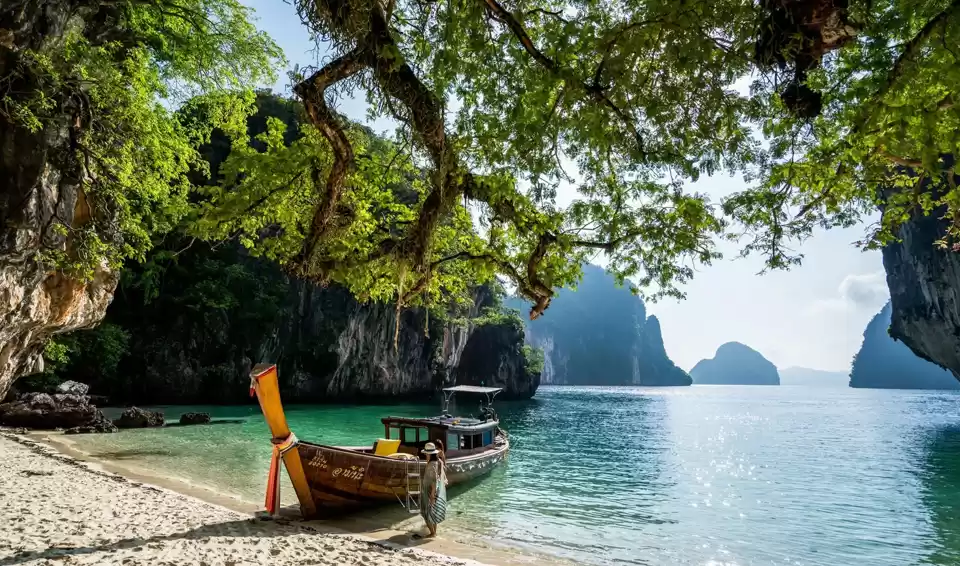
Thailand's beaches are the stuff of tropical dreams, with powdery white sand, crystal-clear turquoise waters, and swaying palm trees. From world-famous islands like Phuket, Koh Samui, and Koh Tao to the idyllic eastern beaches of Krabi and Trang, the country offers coastal paradise for every preference and budget.
Phuket
Thailand's largest island offers stunning beaches like Patong (vibrant nightlife), Karon (perfect for families), and Kata (good for couples). The island also serves as a base for exploring nearby gems like Phi Phi Islands, famous for their limestone cliffs rising dramatically from emerald waters. The island's diversity means you can find everything from luxury resorts to budget beach huts, all with the legendary Thai hospitality.
Koh Samui
The perfect blend of natural beauty and modern development, Koh Samui features palm-fringed beaches, jungle-covered mountains, and coconut groves. The island offers excellent diving sites, luxury resorts, and a laid-back atmosphere that's hard to find elsewhere. Whether you're seeking romance, adventure, or simply relaxation, Koh Samui delivers it all with that distinctive Thai warmth.
Krabi Province
The gateway to some of Thailand's most stunning islands, Krabi Province offers dramatic limestone karsts, hidden lagoons, and pristine beaches. Railay Beach, with its powdery sand and shallow turquoise waters, is often voted among the world's most beautiful. The islands here feel more untouched, perfect for those seeking tranquility away from crowds.
Koh Tao
Small, laid-back, and incredibly beautiful, Koh Tao is the ultimate escape from the modern world. The island's limited development has preserved its natural charm – crystal waters, dramatic rock formations, and simple beachfront bungalows. It's a diver's paradise with easy access to some of Thailand's best coral reefs. The sunsets here are legendary, drawing crowds to the western beach each evening.
Rich Cultural Heritage
Thailand's cultural heritage is a fascinating blend of Buddhist, Hindu, and animist traditions, creating a unique tapestry of temples, festivals, and spiritual practices that you won't find anywhere else in Southeast Asia.
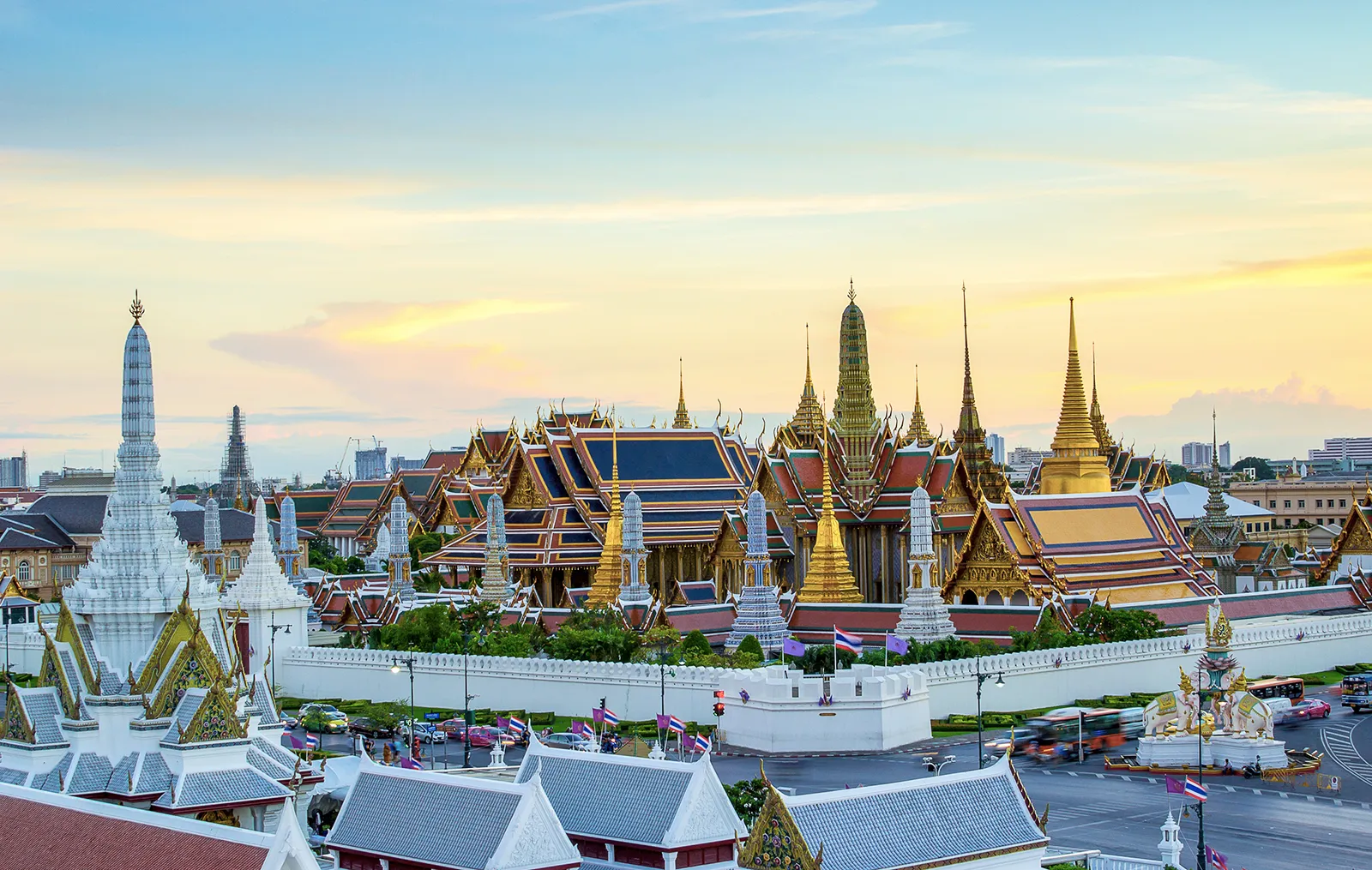
Grand Palace Bangkok
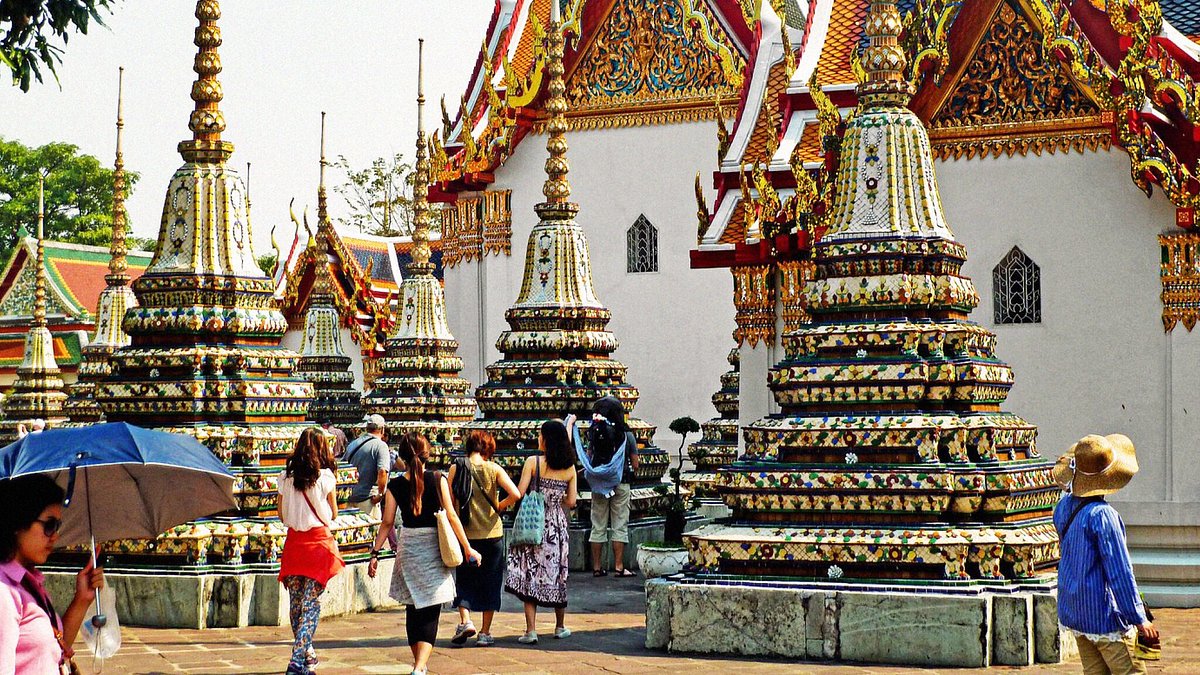
The spiritual and architectural heart of Bangkok, the Grand Palace is a sprawling complex that served as the official residence of Thai kings for 150 years. The temple buildings, with their glittering golden spires reaching toward the sky, are among the most photographed in Thailand. Visitors should dress modestly (covering shoulders and knees) and be prepared for the heat – but the cultural immersion is priceless.
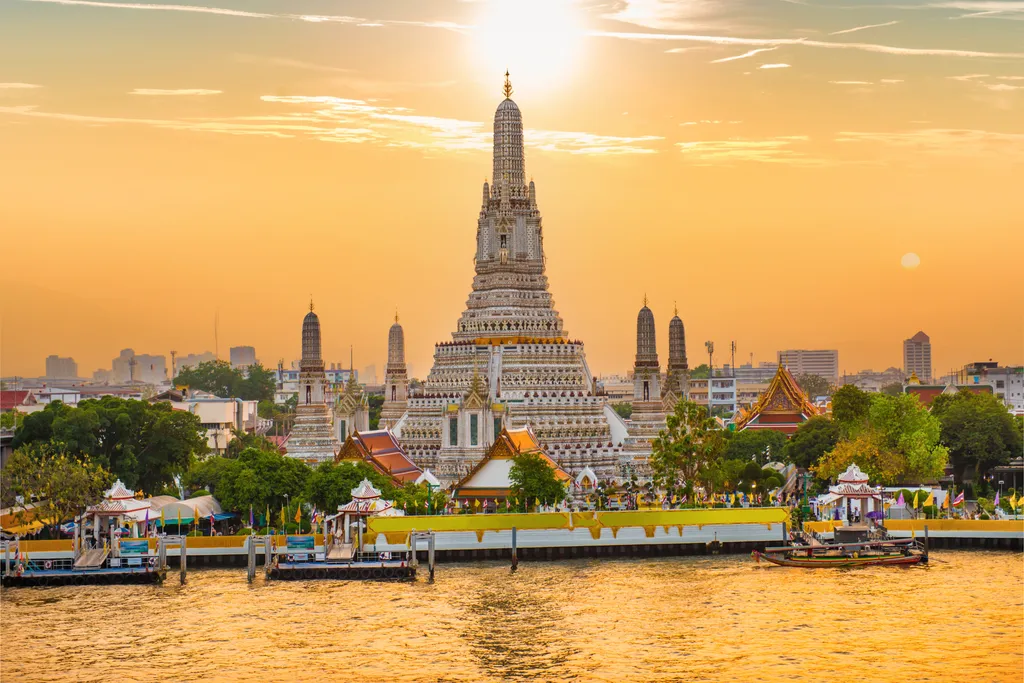
Wat Arun
Thailand's most revered temple houses the Emerald Buddha, a stunning statue carved from a single piece of jade. Standing 66 meters tall, this sacred site draws pilgrims and curious visitors alike. The temple's architecture reflects traditional Thai craftsmanship, and the spiritual atmosphere is palpable. It's an essential Bangkok experience that provides insight into Thai Buddhism and artistry.
Chiang Mai Temples
The northern city of Chiang Mai is home to over 300 ancient temples, each with its own character and significance. From the elaborate Wat Phra Singh with its famous nag (serpents) to the peaceful Wat Umong on the mountain, the temples of Chiang Mai offer a spiritual journey through Thai Buddhist art and architecture. The city's temple-hopping culture makes it a paradise for cultural enthusiasts.
Ayutthaya
Thailand's former capital, Ayutthaya, is a UNESCO World Heritage site featuring extensive temple ruins that tell the story of the once-mighty Siamese kingdom. The crumbling but magnificent prangs (towers) rise dramatically from the green landscape, creating a scene that's both historical and photogenic. Visiting at sunrise or sunset offers magical atmosphere and fewer crowds.
World-Famous Thai Cuisine
Thai cuisine is celebrated worldwide for its perfect balance of sweet, sour, salty, and spicy flavors. From street food to fine dining, every meal is an adventure for your taste buds. The cuisine reflects Thailand's tropical abundance – fresh seafood, aromatic herbs, exotic fruits, and of course, rice, the beloved staple.
Street Food Culture
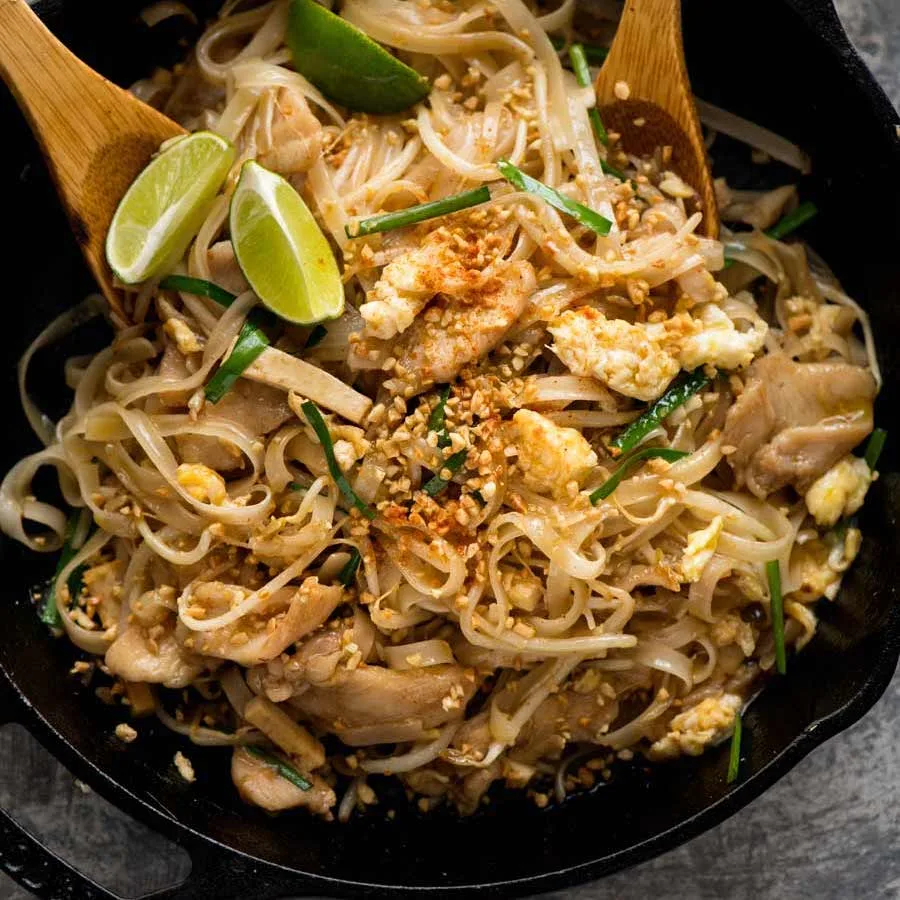
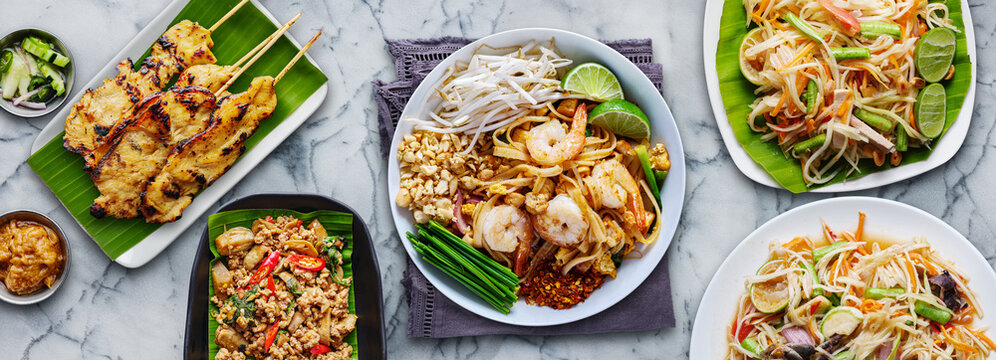
The streets of Thailand come alive at night with vendors selling incredible dishes at unbelievably affordable prices. Pad Thai (stir-fried noodles) is the national dish – a perfect harmony of rice noodles, fresh shrimp, bean sprouts, peanuts, lime, and that famous sweet chili sauce. Every vendor has their own recipe, and trying different versions is part of the Thai experience.
Must-Try Dishes
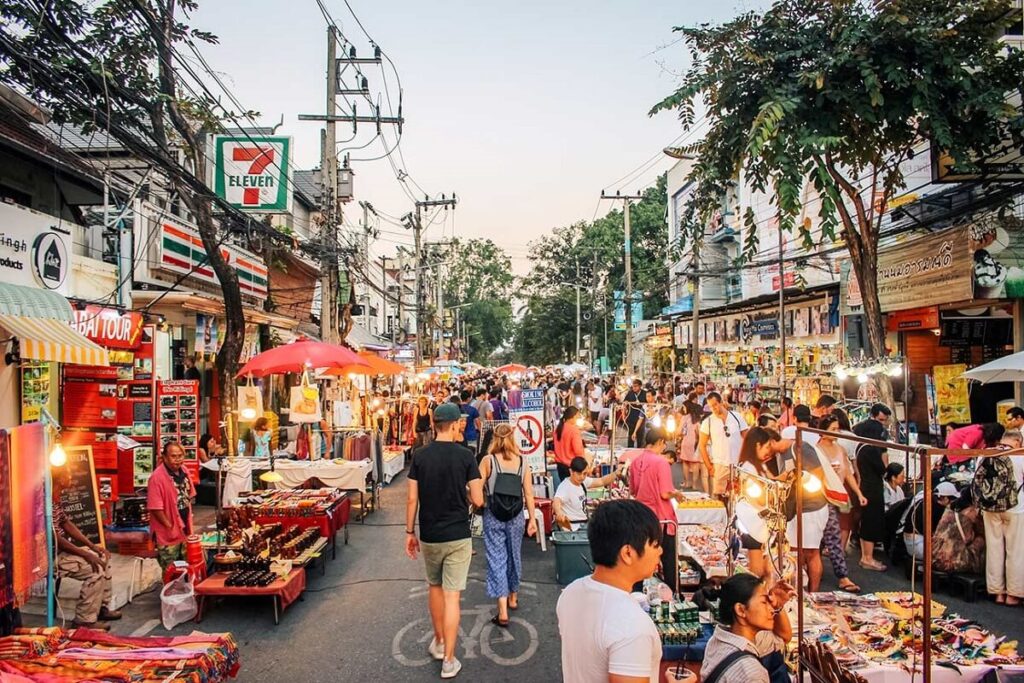
Beyond Pad Thai, don't miss Tom Yum Goong (spicy shrimp soup with herbs), Som Tum (green papaya salad with dried shrimp), Green Curry (rich, coconut-based curry), and Mango Sticky Rice (the perfect dessert). The night markets of Bangkok and Chiang Mai offer opportunities to sample dozens of dishes in one evening – it's like a culinary theme park!
Fine Dining
Thailand's fine dining scene, particularly in Bangkok, rivals that of many world cities. From Michelin-starred restaurants to innovative fusion cuisine, the quality and creativity are exceptional. Street food chef Jay Fai earned a Michelin star for his Pad Thai, bringing global recognition to Thailand's humble national dish. The combination of world-class dining and incredibly affordable prices makes Thailand a food lover's paradise.
Vibrant Nightlife
When the sun goes down, Thailand transforms. From the legendary full moon parties of Koh Phangan to the sophisticated rooftop bars of Bangkok, from the fire shows of Pattaya to the night markets of Chiang Mai, Thailand offers nightlife experiences that cater to every mood and energy level.
Khao San Road Bangkok
The world's most famous street, Khao San Road, comes alive after dark with neon lights, music blasting from every establishment, and an incredible energy. Backpackers and locals mix, creating a legendary party atmosphere that's both chaotic and irresistible. It's a bucket-list experience for anyone who loves to celebrate life.
Rooftop Bars
For a more sophisticated nightlife experience, Bangkok's rooftop bars offer stunning views of the city skyline along with craft cocktails and international DJs. From Tichuca to Above Romaine, these venues combine Thai hospitality with world-class service. The perfect setting for romantic evenings or watching the sunset over the glittering cityscape.
Pattaya Nightlife
The beach resort town of Pattaya is famous for its vibrant entertainment scene. Walking Street comes alive with bars, clubs, and cabaret shows. The Walking Street entertainment complex offers everything from beer bars to go-go bars to ladyboy cabarets. It's lively, accessible, and incredibly fun, though the scene can get a bit wild after midnight.
Affordable Luxury
One of Thailand's most appealing aspects is that luxury here doesn't cost a fortune. Whether you're staying at a 5-star resort on a private island or a boutique hotel in Bangkok, you'll often pay less than you would for equivalent accommodations in Europe or North America.
Value for Money
The exchange rate works in your favor – your money goes much further. Luxury resorts can be found for $100-200 per night in low season. Fine dining meals cost $10-20, street food meals cost $1-3, and even luxury experiences like spa treatments are surprisingly affordable. This value proposition has made Thailand a dream destination for travelers from budget backpackers to those seeking indulgence.
World-Class Hospitality
The famous Thai hospitality goes beyond politeness – it's genuine warmth and caring. Hotel staff often go above and beyond to help guests, restaurant owners remember your preferences after one visit, and locals offer assistance without expectation. This culture of service makes every visitor feel like a VIP, regardless of their budget.
Adventure Activities
Beyond temples and beaches, Thailand offers incredible adventure opportunities for thrill-seekers and nature lovers. From scuba diving in world-class reefs to trekking through lush jungles, from rock climbing on limestone cliffs to zip-lining through pristine rainforests, the adventures are endless.
Scuba Diving
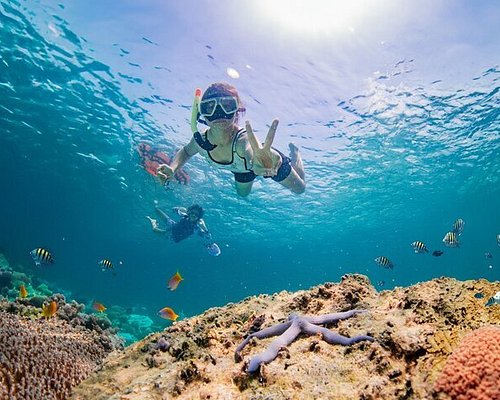
Thailand is one of the world's top scuba diving destinations. The waters around islands like Koh Tao and Koh Similan offer visibility that exceeds 30 meters, revealing vibrant coral reefs teeming with marine life. Whether you're a certified diver or a beginner taking your first lesson, Thailand's underwater world will leave you breathless.
Jungle Trekking
The northern region of Chiang Mai and Chiang Rai offers excellent jungle trekking opportunities. National parks like Doi Inthanon and Khao Sok protect diverse ecosystems where elephants, monkeys, and exotic birds thrive. Multi-day jungle treks take you through pristine forests to hidden waterfalls and remote hill tribe villages where you can experience traditional ways of life.
For the adventurous, night jungle treks and wildlife spotting expeditions offer thrilling encounters with Thailand's rich biodiversity. Elephant sanctuaries provide ethical ways to interact with these magnificent animals. The combination of physical challenge and wildlife viewing makes jungle trekking one of Thailand's most rewarding experiences.
Rock Climbing
The limestone karsts of Railay Beach, Ton Sai, and Krabi Province offer world-class rock climbing routes. From beginner-friendly areas to challenging overhanging routes, the crags provide climbing for all skill levels. The dramatic backdrop of turquoise waters and jungle-covered cliffs makes every climb feel epic.
Professional guides and equipment rental are readily available, making it easy for visitors to try rock climbing even without prior experience. The unique landscape of Thailand – climbing above the beach rather than traditional mountain crags – adds to the adventure.
Water Sports
With its extensive coastline and numerous islands, Thailand is a paradise for water sports enthusiasts. Kayak through limestone sea caves in Krabi, kiteboard at the windy beaches of Hua Hin, wakeboard in Pattaya, or take a traditional long-tail boat trip to explore hidden coves and lagoons. The warm tropical waters make water activities enjoyable year-round.
Thailand's unique combination of natural beauty, rich culture, incredible food, vibrant nightlife, affordable luxury, and adventure opportunities makes it a destination that truly has it all. Whether you're seeking spirituality on a mountaintop, relaxation on a pristine beach, excitement in a world-class city, or adventure in the jungle, Thailand delivers experiences that create lifelong memories and keeps travelers returning year after year.
To build a complete Thailand itinerary, add food in Thailand and shopping in Thailand to your plan.
Location
Frequently Asked Questions
Q1.What is Thailand most famous for?
Q2.Is Thailand good for tourists?
Q3.Is Thailand expensive for tourists?
Q4.What is the best time to visit Thailand?
Q5.Is Thailand safe for solo travelers?
Q6.What should I not do in Thailand?
Q7.Do I need a visa for Thailand?
Q8.What is the currency in Thailand?
Recommended For You
Best Food in Thailand: 20 Must-Try Dishes & Street Eats
Discover the best food in Thailand. From Pad Thai to Tom Yum Goong. A complete guide to Thai street food, curries, and local delicacies for every foodie.
Shopping in Thailand: Bangkok Markets, Night Bazaars & Mall Deals
Discover best shopping in Thailand. From Bangkok malls to floating markets, explore Thai silk, handicrafts & bargaining tips.
Best Places to Visit Bangkok: Complete Travel Guide 2026
Discover Bangkok's best places: Grand Palace, Wat Arun, floating markets, street food, shopping & more. Complete travel guide.
Never Miss an Adventure
Get the latest trekking guides, travel tips, and exclusive offers delivered straight to your inbox.
