

Places to Visit in Turkey: Istanbul, Cappadocia & Coastal Highlights

Priya Mehta
January 16, 2026
Discover best places to visit in Turkey. Istanbul, Cappadocia, Antalya & more. Hot air balloons, ruins & beaches. Complete Turkey itinerary.
Introduction: Turkey - Where East Meets West
Turkey occupies one of the most strategic locations on Earth, bridging Europe and Asia across the Bosphorus Strait. This unique position has shaped its identity for centuries, creating a country where Roman, Byzantine, and Ottoman civilizations left remarkable marks. Turkey offers an extraordinary range of experiences - from the bustling streets of Istanbul to the otherworldly landscapes of Cappadocia, from the turquoise beaches of Antalya to the ancient ruins of Ephesus. Whether you seek history, natural wonders, or cultural immersion, Turkey delivers at every turn.
What makes Turkey special is its diversity. In one trip, you can explore underground cities, float above fairy chimneys in hot air balloons, walk through Roman theaters, swim in thermal pools, and experience the warmth of Turkish hospitality. The cuisine alone is worth the journey - kebabs, baklava, Turkish tea, and traditional breakfasts create unforgettable food memories. This guide covers Turkey's top destinations, practical planning tips, and suggested itineraries to help you make the most of your visit.
For more international travel planning, check out cheapest flights to Europe from India and 1-month Europe trip cost from India.
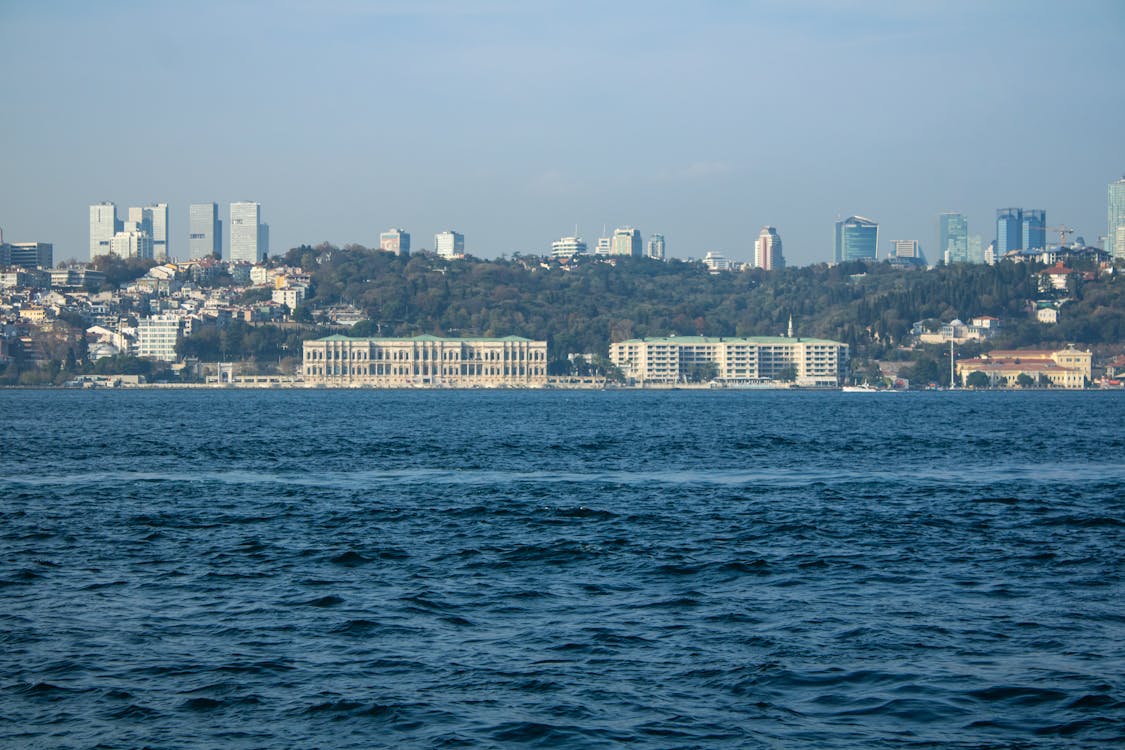
1. Istanbul - The Historic Capital
Istanbul is Turkey's crown jewel and usually the first stop for travelers. This city of 15 million straddles two continents, offering an unmatched blend of East and West. Istanbul served as capital to three empires - Roman, Byzantine, and Ottoman - and this layered history is visible everywhere. The European side holds the major attractions while the Asian side offers residential neighborhoods and panoramic views.
The city works best when explored over at least 3-4 days. Focus your sightseeing on the Sultanahmet district for major monuments, spend one evening along the Bosphorus, and explore neighborhoods like Galata and Karakoy for contemporary culture. Istanbul's efficient public transport connects everything, though ride-sharing apps work well for cross-city movements.
Hagia Sophia
Hagia Sophia is Istanbul's most iconic landmark and a testament to architectural ambition. Built as a cathedral in 537 AD, converted to a mosque after the Ottoman conquest, and now a mosque again, its massive dome has stood for nearly 15 centuries. The interior combines Christian mosaics with Islamic calligraphy, creating a unique visual narrative of Turkey's complex history. Arrive early to avoid crowds and take time to absorb the scale and serenity of this remarkable space.
Blue Mosque (Sultan Ahmed Mosque)
Across the park from Hagia Sophia, the Blue Mosque earns its name from thousands of blue Iznik tiles lining its interior. Completed in 1616, it features six minarets and one of Istanbul's most photogenic courtyards. Entry is free, but visitors must dress modestly and remove shoes. The best time to visit is between prayer times when the mosque is open to tourists.
Topkapi Palace
Topkapi Palace served as the main residence of Ottoman sultans for nearly 400 years. The massive complex includes courtyards, imperial chambers, the Harem, and the Treasury containing priceless artifacts like the Topkapi Dagger. Allow at least 2-3 hours to explore properly. The palace offers insights into Ottoman court life and the administrative machinery of one of history's most powerful empires.
Grand Bazaar and Spice Bazaar
The Grand Bazaar is one of the world's oldest and largest covered markets, with over 5,000 shops across 61 streets. Everything is here - carpets, ceramics, jewelry, spices, and textiles. Bargaining is expected and part of the experience. The nearby Spice Bazaar (Egyptian Bazaar) is smaller but more aromatic, selling Turkish delights, spices, teas, and nuts. Visit both for authentic market culture without feeling pressured to buy.
Bosphorus Cruise
A Bosphorus cruise offers the best perspective on Istanbul's geography and architecture. Short two-hour public ferries or private sunset tours take you between Europe and Asia, passing palaces, mansions, and fortresses along the strait. The cruise reveals why Istanbul's location made it such a strategic prize throughout history. Choose sunset timing for the most atmospheric views and photo opportunities.
Basilica Cistern
The Basilica Cistern is the largest of Istanbul's hundreds of ancient underground water reservoirs. Built in 532 AD, this atmospheric space features 336 marble columns and subdued lighting that creates an almost mystical environment. Medusa head column bases add to the intrigue. The cistern provided water to the Great Palace above and is now one of Istanbul's most unique attractions.
Galata Tower
For panoramic views across Istanbul's seven hills, climb the Galata Tower. This medieval stone tower dates to the 14th century and offers 360-degree vistas of the historic peninsula, Golden Horn, and modern districts. The surrounding Galata and Karakoy neighborhoods have evolved into Istanbul's trendiest cafe and dining areas, making this a good stop for morning sightseeing followed by lunch.
2. Cappadocia - Fairy Chimneys
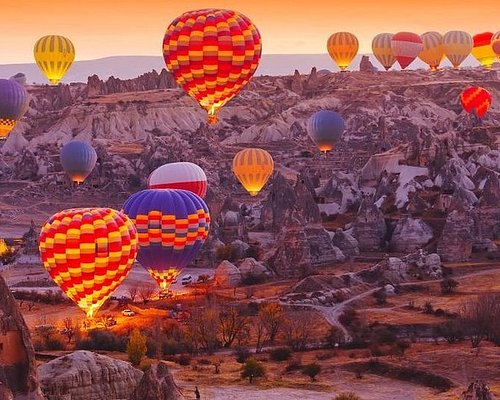
Cappadocia represents one of the most extraordinary landscapes on Earth. Volcanic eruptions millions of years ago created soft tuff rock that wind and rain sculpted into valleys, cones, and fairy chimneys. Early Christians carved rock-cut churches and underground cities here, creating a UNESCO World Heritage site that feels otherworldly. The region around Goreme, Urgup, and Avanos offers multiple attractions within a 30-40 minute drive of each other.
The signature Cappadocia experience is the hot air balloon flight at sunrise. Hundreds of balloons rise above the valleys as the sun illuminates the fairy chimneys - it is visually spectacular and worth the premium cost. Beyond balloons, explore open-air museums, underground cities, and scenic valleys on foot or horseback. Cappadocia rewards travelers who spend at least 3 days experiencing different perspectives on this unique terrain.
Goreme Open-Air Museum
The Goreme Open-Air Museum contains Cappadocia's best-preserved rock-cut churches. Monks carved these chapels into cliffs between the 10th and 12th centuries, painting interiors with vivid Byzantine frescoes depicting biblical scenes. The Dark Church has the most impressive artwork and requires a separate ticket. Allow 2-3 hours to visit the main churches and understand how early Christian communities lived and worshipped in this landscape.
Underground Cities
Derinkuyu and Kaymakli are the most accessible of Cappadocia's underground cities, with Derinkuyu being deeper and Kaymakli more claustrophobic but easier to navigate. These multi-level subterranean complexes once housed thousands of people with ventilation shafts, wells, chapels, and living quarters carved 8 stories underground. They served as refuges during invasions and showcase remarkable engineering capabilities. Choose one underground city - both offer similar experiences but exploring both might feel repetitive.
Uchisar Castle
Uchisar Castle is the highest point in Cappadocia, offering panoramic views across Pigeon Valley and surrounding villages. The castle is actually a rock outcrop riddled with tunnels and rooms, climbable via stairs to the summit. Sunrise and sunset are particularly magical times to visit when light plays across the valleys below. The surrounding village of Uchisar has several cave hotels and restaurants, making it a good alternative base to Goreme.
Love Valley and Pasabag
Love Valley contains some of Cappadocia's most distinctive fairy chimneys, with phallic rock formations that create an almost surreal landscape. Pasabag, also called Monk's Valley, features mushroom-shaped formations with multiple caps that seem to defy gravity. Both valleys are best explored on foot through short hiking trails that offer close-up views and plenty of photo opportunities. Rent a scooter or car to access these more remote locations easily.
Avanos Pottery
Avanos sits along the Kizilirmak (Red River), Turkey's longest river. The town has been a pottery center for over 4,000 years, with clay from the riverbanks used to create distinctive ceramics with red hues. Visit a traditional pottery workshop to watch the kick-wheel technique that has changed little across centuries. Many demonstrations are free and include the chance to try throwing clay yourself - a fun hands-on experience for all ages.
3. Antalya - Turquoise Coast
Antalya serves as the gateway to Turkey's Mediterranean coast, offering both historic attractions and beach access. The city combines a well-preserved old town (Kaleici) with modern resorts and convenient transport connections. From Antalya, you can explore ancient cities like Perge and Aspendos, swim at Konyaalti Beach, or venture east to the stunning coastal scenery between Kas and Kekova.
Antalya works well as both a destination and a base for exploring the Turkish Riviera. Spend 2-3 days here, using one day for old town sightseeing, one for ancient sites, and one for beach time. The climate is mild for most of the year, though summer months can be hot - ideal beach weather but challenging for archaeological site exploration.
Kaleici Old Town
Kaleici is Antalya's historic heart, a maze of narrow Ottoman-era streets, stone houses, and boutique hotels within ancient city walls. The Hadrian Gate marks the main entrance to the old quarter, while the harbor area comes alive at sunset with restaurants and bars. Visit the Antalya Museum in this area for one of Turkey's best archaeological collections, including artifacts from Perge, Side, and nearby sites.
Duden Waterfalls
Antalya has two Duden waterfalls - Upper Duden in the city and Lower Duden where the river cascades directly into the Mediterranean. Upper Duden offers park settings and picnic areas, while Lower Duden requires a boat to appreciate fully. Both provide refreshing escapes from summer heat and make for pleasant half-day excursions combined with other sightseeing.
Perge and Aspendos
Perge, 15 kilometers from Antalya, contains impressive Roman ruins including a stadium, baths, and colonnaded streets. Aspendos, about 40 kilometers away, features one of the best-preserved Roman theaters in the world with excellent acoustics still used for performances today. Both can be visited as a day trip from Antalya and offer insight into the region's importance during Roman times.
| Region | Key Attractions | Best For |
|---|---|---|
| Istanbul | Hagia Sophia, Blue Mosque, Topkapi | History, culture, urban experience |
| Cappadocia | Hot air balloons, underground cities, Goreme Museum | Unique landscapes, photography, adventure |
| Antalya | Kaleici, beaches, ancient ruins | Coastal relaxation, history, beach holidays |
| Pamukkale | Travertine terraces, Hierapolis | Natural wonder, thermal pools |
4. Pamukkale - Cotton Castle
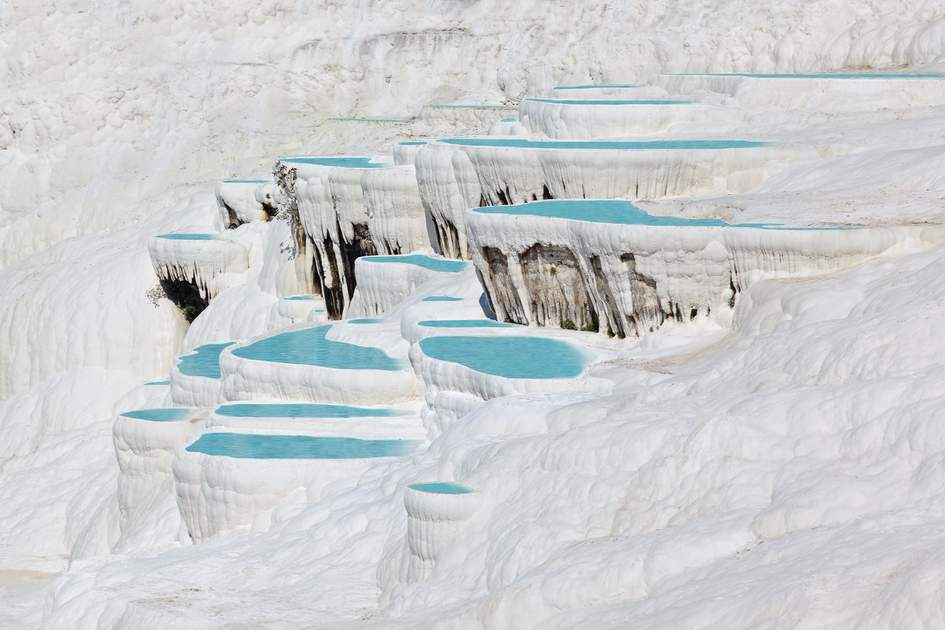
Pamukkale means "cotton castle" in Turkish, an apt name for the white travertine terraces that cascade down the hillside. These terraces formed over millennia from mineral-rich thermal waters that deposited calcium carbonate as they cooled. The site combines the terraces with the ancient Roman spa city of Hierapolis above, creating a dual attraction that UNESCO protects as a World Heritage site.
The terraces are most photogenic at sunrise or sunset when the white stone glows in golden light. Visit early morning to avoid both crowds and harsh midday sun. Some areas restrict foot traffic to protect the delicate formations - follow designated paths and remove shoes where required. The thermal pools offer a unique bathing experience, thoughwater temperature varies by season.
Travertine Terraces
The white terraces of Pamukkale look like something from another planet. Thermal water emerges at 35°C from springs near the top and flows down, depositing calcium carbonate that hardens into travertine basins. Walking barefoot across the shallow pools while surrounded by white formations is surreal. The basins near the top are most active and photogenic, while lower sections offer broader valley views.
Hierapolis Ancient City
Hierapolis was founded as a thermal spa resort in the 2nd century BC and grew into a major Roman city. Extensive ruins include the Temple of Apollo, a massive Roman theater with impressive views, colonnaded streets, and the Nymphaeum. The site is large enough to require 2-3 hours for thorough exploration. Many visitors skip Hierapolis to focus on the terraces, but this is a mistake - the ancient city adds significant historical context.
Cleopatra's Pool
Cleopatra's Pool (also called the Antique Pool) is filled with thermal water and contains fallen Roman columns, creating an atmospheric swimming setting. Legend claims Cleopatra herself swam here, though this is likely myth. The pool has a separate entrance fee from the main Pamukkale complex and offers a relaxing way to conclude a day of walking the terraces and ruins.water temperature remains comfortable year-round.
5. Ephesus - Ancient Ruins
Ephesus was one of the most important cities of the ancient world, first Greek, then Roman, and eventually a major early Christian center. Today, it stands as the best-preserved classical city in the Eastern Mediterranean and one of Turkey's top archaeological attractions. The ruins are extensive and well-restored, allowing visitors to imagine life when Ephesus had 250,000 residents and ranked among the world's largest cities.
Allow at least 3-4 hours for a proper visit. Arrive early to avoid both crowds and heat. The site is largely uncovered, so sun protection, water, and comfortable walking shoes are essential. Ephesus is often visited from coastal bases like Kusadasi or Selcuk, but spending a night nearby allows a more relaxed experience and possible return visits.
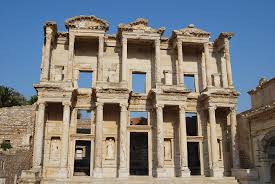
Library of Celsus
The Library of Celsus is Ephesus's most iconic structure, a reconstructed facade that once housed 12,000 scrolls. Built in the 2nd century AD as a tomb for Roman consul Celsus, the library was the third-largest in the ancient world. The two-story facade with Corinthian columns and statues creates one of the most photographed archaeological scenes anywhere. The restoration work has been so successful that it's often difficult to distinguish original from reconstructed elements.
Temple of Artemis
The Temple of Artemis at Ephesus was one of the Seven Wonders of the Ancient World, though little remains today except a single reconstructed column and foundation stones. The temple was four times larger than the Parthenon in Athens and drew pilgrims from across the Mediterranean. A nearby museum displays recovered artifacts including the famous Artemis statue. While the site itself is modest, standing where this once-great temple stood offers a moment to reflect on the transience of human achievement.
The Great Theater
Ephesus's Great Theater could seat 25,000 people and remains remarkably intact. The acoustic design allowed performers to be heard from the highest rows without amplification. Climb to the top for views across the entire archaeological site and the valley beyond. The theater was used for everything from plays to gladiator fights to political assemblies - a multi-purpose entertainment venue in the Roman tradition.
Terraced Houses
The Terrace Houses require a separate ticket but are worth the extra cost and time. These Roman villas belonged to wealthy Ephesians and feature remarkably preserved mosaics, frescoes, and underfloor heating systems. The ongoing excavation provides insight into elite domestic life - seeing well-preserved bedrooms, dining rooms, and bathing areas makes the ancient world feel surprisingly relatable. Allow 45-60 minutes for this section.
House of the Virgin Mary
Located on Bulbul Mountain above Ephesus, this stone house is believed by some to be where the Virgin Mary spent her final years. The site has been a pilgrimage destination since the 19th century and is recognized by both Catholic and Orthodox churches. The small stone structure with a chapel feels peaceful regardless of religious belief. The setting offers forest views and a moment of quiet reflection after exploring bustling Ephesus.
6. Bodrum - Resort Town
Bodrum sits on the Aegean coast and represents Turkey's sophisticated resort scene. The town combines summer beach culture with historical sites, nightlife, and an upscale atmosphere that attracts Turkish celebrities and international visitors alike. Bodrum Castle dominates the harbor, while beaches like Gumbet and Bitez offer daytime relaxation. The town comes alive at night with bars, restaurants, and clubs staying open until dawn during peak season.
Bodrum works best for travelers who want to combine sightseeing with resort relaxation. Use days for beaches and historical sites, evenings for harbor-side dining, and nights for exploring the town's renowned nightlife. Summer brings crowds and higher prices but also the full energy that makes Bodrum famous. Spring and autumn offer milder weather and better value.
Bodrum Castle
Bodrum Castle was built by the Knights of St. John in the 15th century and served as their base in the Aegean. Today, the castle houses the Museum of Underwater Archaeology, showcasing treasures recovered from shipwrecks along the Turkish coast. The ramparts offer harbor views and photo opportunities. The castle is the town's primary historical attraction and worth 1-2 hours for both the architecture and the fascinating underwater archaeology exhibits.
Mausoleum at Halicarnassus
The Mausoleum at Halicarnassus was another of the Seven Wonders of the Ancient World, built for King Mausolus in the 4th century BC. Earthquakes and Crusader quarrying destroyed most of the structure, but excavated remains are now preserved at the site. The massive base and scattered architectural elements help visitors imagine the scale and splendor of what was once one of antiquity's most impressive monuments.
Bodrum Marina and Beaches
The marina area is Bodrum's social heart, lined with yachts, cafes, and restaurants. Stroll here in the evening for the classic Bodrum experience of harbor views with waterfront dining. Popular beaches include Gumbet (closer, more developed) and Bitez (quieter, more relaxed). Both can be reached by dolmus (shared minibus). For a more upscale beach experience, beach clubs along the peninsula offer sunbeds, service, and full-day packages.
7. Other Must-Visit Places
Beyond the major circuits, Turkey offers destinations that reward travelers who venture off the standard routes. These places require more planning but deliver unique experiences without the crowds found at major attractions.
Ankara
Ankara is Turkey's modern capital and second-largest city, though it receives far fewer tourists than Istanbul. The Anitkabir, the massive mausoleum of Mustafa Kemal Ataturk, is the primary attraction - an impressive monument to Turkey's founder. The Museum of Anatolian Civilizations contains one of the world's finest collections of artifacts from the region's pre-classical periods. Ankara is worth a day if you want to understand modern Turkey beyond its tourist facade.
Konya
Konya is the spiritual home of the Whirling Dervishes and the Sufi poet Rumi. The Mevlana Museum, built around Rumi's tomb, is Turkey's most visited museum after Topkapi Palace. Konya is conservative and religiously important, offering a contrast to Turkey's coastal resorts and cosmopolitan centers. Visit in December for the annual Mevlana Festival when dervishes perform their mesmerizing whirling ceremonies.
Troy
Troy was believed to be myth until excavations in the 19th century revealed the actual site of Homer's Iliad. The archaeological site contains remains of nine successive cities built atop each other over 4,000 years. A replica Trojan horse at the entrance references the legendary wooden horse from the epic. The site requires imagination but rewards those with an interest in ancient history and archaeology.
Mount Nemrut
Mount Nemrut features massive stone heads of gods and kings arranged around a tomb-sanctuary from the 1st century BC. These colossal statues, some standing 8 meters tall, were once part of a grandiose funerary monument. The remote mountain location requires effort to reach, but sunrise views across the heads with the surrounding mountain ranges create a surreal and unforgettable scene. Best visited between May and October when roads are accessible.
Safranbolu
Safranbolu is an Ottoman-era town whose preserved architecture earned UNESCO World Heritage status. The old town features hundreds of traditional Ottoman houses with distinctive bay windows and cobblestone streets. The town was a stop on the caravan trade route and was famous for saffron production. Today, many houses have been converted into boutique hotels, making Safranbolu a peaceful base for exploring Turkey's Black Sea region.
Fethiye and Oludeniz
Fethiye serves as gateway to one of Turkey's most beautiful coastal stretches. Nearby Oludeniz (Dead Sea) features a lagoon with incredibly still, turquoise waters and one of the world's top paragliding launch sites from Baba Mountain. The Blue Cruise (gulet tour) industry operates from Fethiye, offering multi-day sailing voyages along the Turquoise Coast to Antalya. Butterfly Valley, accessible only by boat or a demanding hike, adds to the region's natural attractions.
8. Turkey Itinerary Suggestions
How you structure your Turkey trip depends on available time and interests. Turkey's size means choosing between comprehensive coverage and depth in selected regions. Domestic flights connect major cities efficiently, while buses offer budget-friendly intercity transport.
7 Days: Istanbul and Cappadocia
A week allows you to experience Turkey's two most iconic destinations without rushing. Spend 4 days in Istanbul visiting major monuments, exploring neighborhoods, and taking a Bosphorus cruise. Fly to Cappadocia for 3 days of hot air balloons, underground cities, and valley exploration. This itinerary provides excellent variety - urban culture, history, and surreal landscapes - without excessive travel time.
10 Days: Istanbul, Cappadocia, and the Aegean Coast
Add the Aegean to the 7-day base for a more comprehensive experience. After Istanbul and Cappadocia, fly to Izmir or transfer by bus to visit Ephesus and Pamukkale over 3 days. Both sites can be managed from Selcuk or Kusadasi as bases. This addition introduces classical archaeology and Turkey's natural thermal wonders to your itinerary.
14 Days: Comprehensive Turkey
Two weeks allows for near-complete coverage of Turkey's highlights. After Istanbul, Cappadocia, Ephesus, and Pamukkale, add 3-4 days on the Turquoise Coast based in Antalya or Fethiye. Use this time for beaches, ancient sites like Perge and Aspendos, or a Blue Cruise. The remaining days can add either the capital Ankara or additional time in regions you found most engaging. This pace is demanding but gives excellent exposure to Turkey's diversity.
9. Best Time to Visit Turkey
Turkey's varied geography means different regions have optimal visiting windows. April to May and September to October generally offer the best overall conditions - comfortable temperatures for sightseeing, fewer crowds than peak summer, and reasonable accommodation prices.
Summer (June to August) brings hot weather, especially in the interior and coastal areas. This is beach season but challenging for extensive walking at archaeological sites. Winter (November to March) is cold in the interior with snow possible in Cappadocia and eastern regions, but milder along the coasts. Istanbul is atmospheric in winter with fewer tourists, though some services have reduced hours.
For hot air balloons in Cappadocia, spring and autumn offer the most stable flying conditions and clearest views. Beach destinations peak in July and August. Shoulder season travelers often find the best balance of weather, crowds, and pricing.
10. How to Reach Turkey
From India
Multiple airlines offer direct flights from Delhi and Mumbai to Istanbul, with flight times around 7 hours. Turkish Airlines, Air India, and IndiCodes provide options. Visa is required for Indian passport holders - Turkey offers e-visa for convenient online application. Check current visa requirements as policies can change.
Domestic Transport
Turkey's domestic flight network connects major cities efficiently and is often worth the cost for long distances like Istanbul to Cappadocia or coastal regions. Buses are extensive, comfortable, and budget-friendly, though travel times can be long due to mountainous terrain. Car rental offers flexibility for exploring regions like Cappadocia or the Turquoise Coast, though driving in Istanbul is challenging.
Getting Around Cities
Istanbul has comprehensive public transport including metro, trams, buses, and ferries. The Istanbulkart card works across all systems. Other cities have bus networks and in some cases, light rail. Taxis and ride-sharing apps are widely available in urban areas.
11. Practical Tips for Turkey Visitors
- Apply for e-visa before travel - process is online and typically fast.
- Respect mosque dress codes - women cover hair, both genders wear modest clothing.
- Carry cash - many smaller establishments and vendors still prefer Turkish Lira.
- Bargain in markets but with good humor - it's expected cultural practice.
- Use museum passes if visiting multiple sites - they offer good value.
- Try Turkish breakfast spreads - they're substantial and culturally important.
- Drink tea with locals - it's the universal social gesture in Turkey.
- Learn a few Turkish phrases - locals appreciate the effort.
- Stay hydrated during summer sightseeing - temperatures can be high.
- Book popular attractions online when possible to skip ticket lines.
Final Take
Turkey offers one of the most diverse travel experiences available anywhere. Istanbul's layered history, Cappadocia's surreal landscapes, Pamukkale's thermal terraces, and Ephesus's classical ruins represent only highlights of what this bridge between continents offers. The combination of Byzantine, Ottoman, and Roman heritage creates historical depth unmatched by most countries, while the cuisine, hospitality, and natural beauty make it memorable beyond monuments. With good planning, Turkey delivers a trip that feels both educational and inspirational.
Location
Frequently Asked Questions
Q1.How many days are required for Turkey?
Q2.What is the best time to visit Turkey?
Q3.Is Turkey safe for Indian tourists?
Q4.Which is better - Istanbul or Cappadocia?
Q5.What are the must-visit places in Turkey?
Q6.Can we visit Pamukkale and Ephesus together?
Q7.How much does a Turkey trip cost from India?
Q8.Is Turkey expensive for tourists?
Q9.Do I need visa for Turkey?
Q10.What is the currency in Turkey?
Recommended For You

Places to Visit Thailand with Family
Best places to visit Thailand with family. Bangkok, Chiang Mai, Phuket & more. Complete family travel guide with tips and itineraries.

Best Places to Visit Vietnam: Top 15 Spots
Discover Vietnam's top 15 must-visit destinations including Ha Long Bay, Hoi An, Hanoi, and Da Nang. This comprehensive travel guide covers the best time to visit, costs, itineraries, and essential tips for exploring Southeast Asia's most captivating country.

Places to Visit in Malaysia: Cities, Islands & Nature Escapes
Discover the best places to visit in Malaysia with a complete guide covering Kuala Lumpur, Langkawi, Penang, Borneo, highlands, itinerary planning, and travel tips.
Never Miss an Adventure
Get the latest trekking guides, travel tips, and exclusive offers delivered straight to your inbox.
