
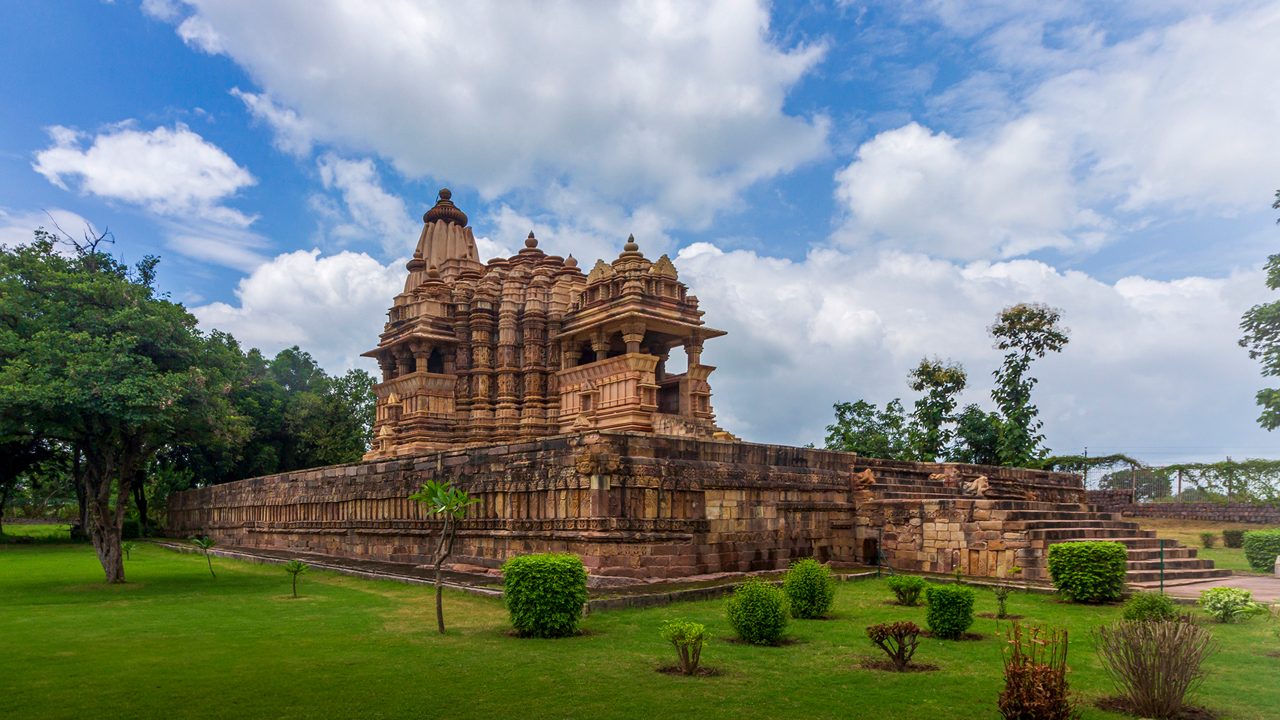
Khajuraho Temples: Complete Guide to India's Erotic Sculptures

Priya Mehta
February 18, 2026
Discover Khajuraho Temples, UNESCO World Heritage site famous for stunning architecture & erotic sculptures. Complete guide with timings, history, and travel tips.
Introduction: India's UNESCO World Heritage Temple Complex
Nestled in the heart of Madhya Pradesh, the Khajuraho Group of Monuments stands as one of India's most magnificent UNESCO World Heritage Sites, renowned worldwide for their stunning architecture and provocative erotic sculptures. Built between 950 and 1050 CE by the Chandela dynasty, these 25 surviving temples represent the pinnacle of Nagara-style architecture and artistic expression in medieval India. What makes Khajuraho truly extraordinary is not just the explicit nature of some sculptures, but the sophisticated philosophy behind them—celebrating human passion and divine love as interconnected aspects of existence.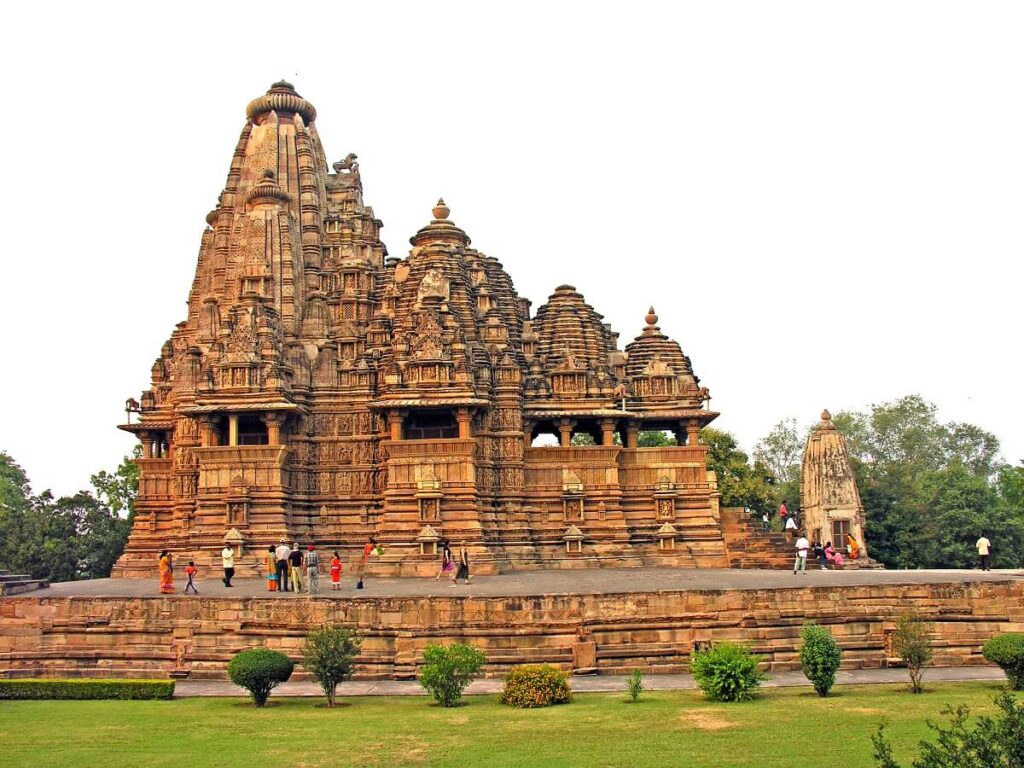 The Khajuraho temples were originally part of a larger complex of 85 temples, spread over 21 square kilometers. Today, the remaining temples are divided into three geographical groups: Western, Eastern, and Southern. Despite their fame for erotic art, these sculptures actually constitute only about 10% of the total artwork—the majority depict scenes from daily life, battles, processions, and celestial beings, offering a fascinating window into 11th-century Indian society.
What strikes visitors most profoundly is the remarkable state of preservation these temples maintain after nearly a millennium. The intricate carvings, from the massive outer walls to the smallest interior details, showcase the extraordinary skill of artisans who could transform stone into lace-like patterns that seem almost too delicate to be carved from rock. The temples are not just architectural marvels but repositories of cultural history, capturing moments of celebration, spirituality, and human emotion frozen in sandstone.
The artistic philosophy behind Khajuraho's sculptures reflects the Tantric tradition, which viewed all aspects of life—including sexuality—as manifestations of divine energy. Rather than being merely pornographic, these artworks represent a sophisticated understanding of human desire as a pathway to spiritual realization. The temples stand as a testament to a society that could openly celebrate human passion while simultaneously honoring spiritual devotion, creating a unique balance that few other cultures have achieved.
The Khajuraho temples were originally part of a larger complex of 85 temples, spread over 21 square kilometers. Today, the remaining temples are divided into three geographical groups: Western, Eastern, and Southern. Despite their fame for erotic art, these sculptures actually constitute only about 10% of the total artwork—the majority depict scenes from daily life, battles, processions, and celestial beings, offering a fascinating window into 11th-century Indian society.
What strikes visitors most profoundly is the remarkable state of preservation these temples maintain after nearly a millennium. The intricate carvings, from the massive outer walls to the smallest interior details, showcase the extraordinary skill of artisans who could transform stone into lace-like patterns that seem almost too delicate to be carved from rock. The temples are not just architectural marvels but repositories of cultural history, capturing moments of celebration, spirituality, and human emotion frozen in sandstone.
The artistic philosophy behind Khajuraho's sculptures reflects the Tantric tradition, which viewed all aspects of life—including sexuality—as manifestations of divine energy. Rather than being merely pornographic, these artworks represent a sophisticated understanding of human desire as a pathway to spiritual realization. The temples stand as a testament to a society that could openly celebrate human passion while simultaneously honoring spiritual devotion, creating a unique balance that few other cultures have achieved.
Historical Significance: The Chandela Dynasty Legacy
The story of Khajuraho begins with the Chandela dynasty, a Rajput clan that ruled the region between the 9th and 13th centuries CE. According to local legends, the temples' origin traces back to a fascinating myth involving the Moon God and a beautiful Brahmin maiden, Hemavati. The legend tells that the Moon God, entranced by her beauty, descended to earth and their union produced a son named Chandravarman, who founded the Chandela dynasty. It was this lineage that commissioned the magnificent temples as an expression of devotion and artistic patronage.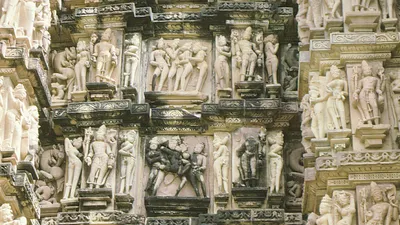 Historical records indicate that the construction began during the reign of Yasovarman (c. 925-950 CE) and continued for over a century under successive rulers. Each Chandel king added to the complex, creating a living tradition of architectural excellence. The temples were not built simultaneously but evolved over generations, with each ruler commissioning monuments that reflected contemporary artistic innovations while maintaining stylistic continuity. The scale of resources required—both in terms of materials and skilled labor—demonstrates the extraordinary prosperity of the Chandela kingdom, which controlled important trade routes across central India.
What's particularly remarkable is that these temples survived the turbulent history of medieval India, including Islamic invasions that destroyed many other religious structures throughout North India. The remote location of Khajuraho, surrounded by dense forests, likely contributed to their preservation. Additionally, when the region came under Islamic rule, the temples were abandoned and forgotten, swallowed by the jungle until British engineer T.S. Burt rediscovered them in 1838, guided by local tribespeople who had preserved the memory of these sacred spaces.
The temples faced neglect and natural decay for centuries before archaeological efforts in the 20th century restored them to their current glory. Today, they stand not just as monuments to artistic achievement but as survivors of history, embodying the resilience of cultural heritage despite political upheavals and changing social mores. The fact that sculptures depicting explicit sexuality survived in conservative India for nearly a millennium is itself remarkable, speaking to the respect these temples commanded even in changing times.
Historical records indicate that the construction began during the reign of Yasovarman (c. 925-950 CE) and continued for over a century under successive rulers. Each Chandel king added to the complex, creating a living tradition of architectural excellence. The temples were not built simultaneously but evolved over generations, with each ruler commissioning monuments that reflected contemporary artistic innovations while maintaining stylistic continuity. The scale of resources required—both in terms of materials and skilled labor—demonstrates the extraordinary prosperity of the Chandela kingdom, which controlled important trade routes across central India.
What's particularly remarkable is that these temples survived the turbulent history of medieval India, including Islamic invasions that destroyed many other religious structures throughout North India. The remote location of Khajuraho, surrounded by dense forests, likely contributed to their preservation. Additionally, when the region came under Islamic rule, the temples were abandoned and forgotten, swallowed by the jungle until British engineer T.S. Burt rediscovered them in 1838, guided by local tribespeople who had preserved the memory of these sacred spaces.
The temples faced neglect and natural decay for centuries before archaeological efforts in the 20th century restored them to their current glory. Today, they stand not just as monuments to artistic achievement but as survivors of history, embodying the resilience of cultural heritage despite political upheavals and changing social mores. The fact that sculptures depicting explicit sexuality survived in conservative India for nearly a millennium is itself remarkable, speaking to the respect these temples commanded even in changing times.
Architectural Brilliance: Nagara Style Perfection
The Khajuraho temples represent the high point of North Indian temple architecture, specifically the Central Indian variant of the Nagara style. What distinguishes these structures is their distinctive elevation plan, characterized by a series of ascending peaks (shikharas) that create a mountain-like silhouette against the sky. The temples are built on high raised platforms, necessary both for structural stability and symbolic elevation, raising the sacred space above the mundane world.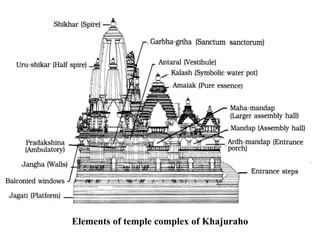 The architectural layout follows a consistent pattern across most temples: an entrance porch (ardha-mandapa), a hall (mandapa), and the sanctum sanctorum (garbha-griha) housing the main deity. The larger temples also feature a transept (maha-mandapa) with lateral transepts, creating a cruciform plan that allows for elaborate circumambulation rituals. The walls are divided into horizontal bands, each featuring different sculptural themes—gods and goddesses in the upper registers, celestial beings and mythical creatures in the middle, and human figures and daily life scenes at eye level.
What makes Khajuraho's architecture truly extraordinary is the integration of structure and sculpture. Unlike many temples where sculpture is decorative, here the carved figures are integral to the architectural composition. The intervening projections between the sculptural panels create a rhythmic play of light and shadow, making the temple facade seem alive and dynamic. The intercolumniations between pillars feature maidens in various poses, known as surasundaris, who appear to support the temple structure with their graceful presence.
The temples are constructed from sandstone quarried from nearby Panna, with different blocks fitted together without mortar using a technique called dry masonry. The precision of this jointing is such that the structures have withstood earthquakes and centuries of weather without significant damage. The architects also designed sophisticated water management systems, with channels and drains that carried rainwater away from the foundations, contributing to the temples' longevity.
Perhaps the most innovative architectural element is the use of intersecting planes and offsets to create depth and dimensionality. Rather than being flat surfaces, the temple walls feature multiple layers of projection and recession, creating three-dimensional sculpture that changes appearance as the sun moves across the sky. This dynamic quality makes each temple seem different at various times of day, with the golden light of sunrise and sunset creating particularly dramatic effects on the carved surfaces.
The architectural layout follows a consistent pattern across most temples: an entrance porch (ardha-mandapa), a hall (mandapa), and the sanctum sanctorum (garbha-griha) housing the main deity. The larger temples also feature a transept (maha-mandapa) with lateral transepts, creating a cruciform plan that allows for elaborate circumambulation rituals. The walls are divided into horizontal bands, each featuring different sculptural themes—gods and goddesses in the upper registers, celestial beings and mythical creatures in the middle, and human figures and daily life scenes at eye level.
What makes Khajuraho's architecture truly extraordinary is the integration of structure and sculpture. Unlike many temples where sculpture is decorative, here the carved figures are integral to the architectural composition. The intervening projections between the sculptural panels create a rhythmic play of light and shadow, making the temple facade seem alive and dynamic. The intercolumniations between pillars feature maidens in various poses, known as surasundaris, who appear to support the temple structure with their graceful presence.
The temples are constructed from sandstone quarried from nearby Panna, with different blocks fitted together without mortar using a technique called dry masonry. The precision of this jointing is such that the structures have withstood earthquakes and centuries of weather without significant damage. The architects also designed sophisticated water management systems, with channels and drains that carried rainwater away from the foundations, contributing to the temples' longevity.
Perhaps the most innovative architectural element is the use of intersecting planes and offsets to create depth and dimensionality. Rather than being flat surfaces, the temple walls feature multiple layers of projection and recession, creating three-dimensional sculpture that changes appearance as the sun moves across the sky. This dynamic quality makes each temple seem different at various times of day, with the golden light of sunrise and sunset creating particularly dramatic effects on the carved surfaces.
The Three Temple Complexes: Western, Eastern & Southern
The surviving Khajuraho temples are geographically divided into three groups, each with distinct characteristics and significance. Understanding this division helps visitors plan their exploration more effectively, as each group offers different experiences and highlights.Western Group of Temples
The Western Group is the largest and most magnificent, containing the most famous temples including the Kandariya Mahadeva, the largest and most ornate temple in the entire complex. This group is located in the central area and is part of the ASI protected compound where tickets are required. The Lakshmana Temple, dedicated to Vishnu, is another highlight, featuring some of the finest sculptures in Khajuraho. The Chitragupta Temple, dedicated to Sun God Surya, is unique for its east-facing orientation and features an impressive 5-foot idol of the deity driving a chariot. The Matangeshvara Temple, dedicated to Shiva, is the only temple in the Western Group still used for active worship, allowing visitors to experience traditional Hindu rituals. The Vishvanatha Temple, though smaller than Kandariya Mahadeva, showcases exquisite sculptures and features an impressive Nandi bull pavilion. The Western Group also includes the Varaha Temple, which houses a massive boar incarnation of Vishnu sculpture carved from a single stone block.Eastern Group of Temples
Located closer to the Khajuraho village, the Eastern Group consists of both Hindu and Jain temples, reflecting the religious pluralism of medieval India. The Parsvanatha Temple, the largest Jain temple, features some of the most graceful sculptures in the complex, particularly the surasundaris (celestial maidens) adorning its walls. The Adinatha Temple, another Jain structure, is smaller but equally beautiful in its proportions and carvings. The Ghantai Temple, named for the bell-and-chain motifs that once decorated its pillars, is now partly ruined but still impressive. The Hindu temples in this group include the Brahma Temple (which actually houses a Vishnu linga, not Brahma), and the Vamana Temple, dedicated to the dwarf incarnation of Vishnu. The Javari Temple, though small, features some of the most refined carvings in Khajuraho.Southern Group of Temples
The Southern Group is the smallest, located about 5 kilometers from the main town, but contains some architectural gems. The Dulhadev Temple, dedicated to Shiva, is particularly renowned for its graceful sculptures of celestial maidens and intricate architectural details. The Chaturbhuja Temple, standing alone in a field, houses a massive 9-foot high four-armed Vishnu statue and is known for its impressive entranceway.Famous Sculptures: Beyond the Erotic Art
While Khajuraho is famous for its erotic sculptures, these represent only a small fraction of the artistic wealth displayed across the temple walls. The vast majority of sculptures depict everyday life, divine beings, and symbolic representations of cosmic principles. This diversity makes Khajuraho one of the most comprehensive visual records of medieval Indian society.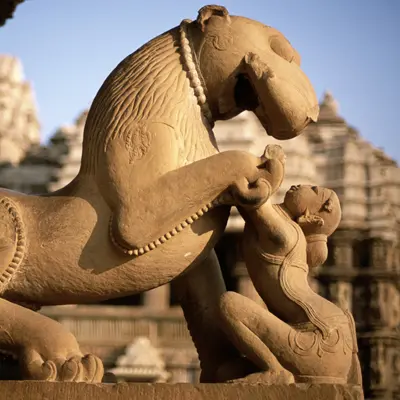 The most celebrated non-erotic sculptures include the surasundaris—celestial maidens who appear in various poses on temple walls. These graceful figures are shown engaged in everyday activities: applying kohl to their eyes, adjusting their earrings, writing letters, playing with parrots, or simply standing in tribhanga (three-bend) pose that defines Indian classical aesthetics. Each surasundari is individualized, with distinct features, hairstyles, and jewelry, suggesting that the sculptors modeled them after real women they observed.
The temples also feature numerous depictions of gods and goddesses from the Hindu pantheon. Shiva appears in multiple forms—as Nataraja (cosmic dancer), as Yogeshvara (lord of yoga), and as the ascetic. Vishnu appears in his various incarnations, particularly as Varaha (the boar who rescued the earth) and Narasimha (man-lion avatar). Goddesses like Durga, Chamunda, and various forms of Devi are depicted with the fierce beauty characteristic of Shakti tradition.
Mythological scenes from the great epics—Ramayana and Mahabharata—are carved in detail, as are stories from Krishna's life. Battle scenes show armies with elephants, horses, and foot soldiers, providing insights into medieval warfare. Processional scenes depict musicians, dancers, and ordinary citizens celebrating festivals, offering a glimpse into the vibrant cultural life of 11th-century India.
Animal sculptures are particularly noteworthy for their naturalistic portrayal. Lions, elephants, horses, and mythical creatures like makaras (crocodile-elephant hybrids) are carved with anatomical precision and expressive detail. These weren't merely decorative—animals held symbolic significance in Hindu cosmology and temple architecture.
The famous erotic panels, often located between the mandapa and sanctum, depict couples (mithunas) in various sexual positions. Rather than being pornographic, these sculptures represent the Tantric view that sexual energy, when sublimated, can lead to spiritual awakening. The couples are shown in moments of intimacy but always with dignity and grace, their faces expressing devotion rather than mere lust. Some scholars interpret these as symbolic representations of the union of individual soul with universal consciousness.
The most celebrated non-erotic sculptures include the surasundaris—celestial maidens who appear in various poses on temple walls. These graceful figures are shown engaged in everyday activities: applying kohl to their eyes, adjusting their earrings, writing letters, playing with parrots, or simply standing in tribhanga (three-bend) pose that defines Indian classical aesthetics. Each surasundari is individualized, with distinct features, hairstyles, and jewelry, suggesting that the sculptors modeled them after real women they observed.
The temples also feature numerous depictions of gods and goddesses from the Hindu pantheon. Shiva appears in multiple forms—as Nataraja (cosmic dancer), as Yogeshvara (lord of yoga), and as the ascetic. Vishnu appears in his various incarnations, particularly as Varaha (the boar who rescued the earth) and Narasimha (man-lion avatar). Goddesses like Durga, Chamunda, and various forms of Devi are depicted with the fierce beauty characteristic of Shakti tradition.
Mythological scenes from the great epics—Ramayana and Mahabharata—are carved in detail, as are stories from Krishna's life. Battle scenes show armies with elephants, horses, and foot soldiers, providing insights into medieval warfare. Processional scenes depict musicians, dancers, and ordinary citizens celebrating festivals, offering a glimpse into the vibrant cultural life of 11th-century India.
Animal sculptures are particularly noteworthy for their naturalistic portrayal. Lions, elephants, horses, and mythical creatures like makaras (crocodile-elephant hybrids) are carved with anatomical precision and expressive detail. These weren't merely decorative—animals held symbolic significance in Hindu cosmology and temple architecture.
The famous erotic panels, often located between the mandapa and sanctum, depict couples (mithunas) in various sexual positions. Rather than being pornographic, these sculptures represent the Tantric view that sexual energy, when sublimated, can lead to spiritual awakening. The couples are shown in moments of intimacy but always with dignity and grace, their faces expressing devotion rather than mere lust. Some scholars interpret these as symbolic representations of the union of individual soul with universal consciousness.
Light & Sound Show: Evening Spectacle
One of the most popular attractions at Khajuraho is the evening Light & Sound Show, held in the Western Group temple complex. This 50-minute presentation narrates the history, mythology, and artistic significance of the temples against the backdrop of illuminated monuments. The show runs in both English and Hindi, with different timings for each language. The show begins with the voice of the legendary sculptor who supposedly created these temples, speaking from the past about the vision behind Khajuraho. Through dramatic narration, music, and strategically placed lights, the show brings to life the story of the Chandela dynasty, the spiritual philosophy behind the erotic sculptures, and the cultural milieu that produced such extraordinary art. The temples are selectively illuminated during the performance, creating a magical atmosphere as different architectural features are highlighted. The English show typically runs at 6:30 PM (winter) and 7:30 PM (summer), while the Hindi show follows at 7:30 PM (winter) and 8:30 PM (summer). It's advisable to check current timings as they change seasonally. Tickets cost ₹250 for Indians and ₹700 for foreigners (prices subject to change). The show is popular, so arriving 30 minutes early is recommended to secure good seats. What makes the show particularly worthwhile is that it provides context that enhances daytime temple exploration. Understanding the symbolism, history, and artistic philosophy before seeing the temples up close makes the experience much more meaningful. The show also features some recreation of how the temples might have looked when newly built, covered in white lime plaster and painted in vibrant colors—a far cry from the weathered sandstone we see today.Visiting Information: Practical Details
Planning a visit to Khajuraho requires understanding practical details like timings, entry fees, and seasonal considerations. The information below will help you organize your trip effectively.| Category | Details |
|---|---|
| Temple Timings | Sunrise to Sunset (approximately 6 AM to 6 PM) |
| Western Group Entry | Indians: ₹40, Foreigners: ₹600 (Free for children under 15) |
| Audio Guide | ₹250 (available at ticket counter) |
| Photography | Free (still cameras allowed, drones prohibited) |
| Video Recording | ₹25 additional fee |
| Best Time to Visit | October to March |
| Suggested Duration | 2 full days |
| Dress Code | Modest clothing preferred (religious site) |
How to Reach Khajuraho
Despite its remote location, Khajuraho is reasonably accessible by air, rail, and road. The information below will help you plan your journey.| Transport Mode | Details |
|---|---|
| By Air | Airport: Khajuraho Airport (HJR) - 3 km from town |
| Flights From | Delhi, Varanasi, Mumbai (seasonal) |
| By Rail | Khajuraho Railway Station - 5 km from town |
| By Road | Connected to Jhansi (175 km), Satna (120 km) |
Best Time to Visit Khajuraho
Khajuraho experiences extreme climate variations, and choosing the right time to visit significantly impacts your experience. The region has hot summers, a monsoon season, and pleasant winters, each offering different advantages for temple exploration. Winter (October to March): This is undoubtedly the best time to visit Khajuraho. Daytime temperatures range from 15°C to 30°C, making temple exploration comfortable. The weather is dry with clear skies, ideal for photography. January can get quite chilly in the early mornings and evenings (as low as 5°C), so carrying light woolens is advisable. This is also peak tourist season, so the site can be crowded, and hotel rates are at their highest. The famous Khajuraho Dance Festival (see below) takes place in February, making this an especially popular time. Summer (April to June): Summers are extremely hot, with temperatures frequently exceeding 40°C and sometimes reaching 45°C. The heat makes daytime temple exploration exhausting, though the lack of crowds means you might have the monuments largely to yourself. If visiting in summer, plan activities for early morning and late afternoon, resting indoors during the peak heat hours. Hotel rates are significantly lower during this period. Carry sun protection, stay hydrated, and dress appropriately for the heat. Monsoon (July to September): The monsoon brings moderate to heavy rainfall, transforming the parched landscape around Khajuraho into lush greenery. Temperatures become more pleasant (25°C to 35°C), but high humidity can make it feel muggy. The wet sandstone takes on deeper colors, creating atmospheric photography opportunities. However, rain can disrupt sightseeing plans, and some pathways become muddy. The number of tourists is lowest during monsoon, so if you don't mind getting wet, this can be a peaceful time to visit with excellent hotel deals. For photography enthusiasts, the golden hours of sunrise and sunset offer spectacular lighting regardless of season. The temples face different directions, so the best light varies—morning light is ideal for the Lakshmana Temple, while late afternoon creates beautiful effects on Kandariya Mahadeva. Plan multiple visits to key temples at different times to capture the changing light.Khajuraho Dance Festival
One of the most compelling reasons to visit Khajuraho in February is the annual Khajuraho Dance Festival, a week-long celebration of classical Indian dance held against the backdrop of the illuminated temples. Typically scheduled in the last week of February, this festival brings together the finest dancers from across India, performing various classical traditions including Bharatanatyam, Kathak, Odissi, Kuchipudi, Manipuri, and Kathakali. The festival creates a magical synthesis of ancient dance and ancient architecture, with performances held in an open-air auditorium constructed specifically for this event. As dancers interpret mythological stories through movement, gesture, and expression, the illuminated temple silhouettes rise behind them, creating an unforgettable visual spectacle. The connection between dance and temple sculpture is particularly poignant—many sculptures on the temple walls depict dancers in various poses, and seeing live dance in this context brings the stone to life. Beyond the evening performances, the festival typically includes daytime events like craft fairs, where artisans from Madhya Pradesh and neighboring states showcase traditional handicrafts. Food stalls serve local cuisine, giving visitors a taste of regional culinary traditions. Cultural programs and workshops are sometimes organized, offering deeper engagement with Indian arts. If you're planning to visit during the festival, book accommodation well in advance (at least 2-3 months prior) as hotels fill up quickly. Festival tickets are available at the venue or can be booked online through official MP Tourism websites. The event attracts culture enthusiasts from across India and internationally, creating a vibrant atmosphere of artistic appreciation. Even if you're not visiting during the festival, Khajuraho offers year-round opportunities to experience Indian classical dance. Some hotels in town regularly host dance performances for guests, particularly during peak tourist season. Additionally, the Madhya Pradesh tourism department occasionally organizes cultural programs at the temples, especially during national holidays.Where to Stay in Khajuraho
Khajuraho offers accommodation options ranging from budget guesthouses to luxury heritage properties, with most hotels located within walking distance or a short drive from the temple complexes. The main concentration of hotels is on the road leading to the Western Group temples. Luxury Hotels: The Taj Chandela (5-star) offers luxury amenities including a swimming pool, spa, and beautifully landscaped gardens. The Radisson Jass Khajuraho (5-star) is another premium option with modern facilities and proximity to the temples. These properties typically charge between ₹7,000-15,000 per night depending on season. Mid-Range Hotels: Options like Hotel Clarks Khajuraho, Hotel Temple View, and Hotel Usha Bundela offer comfortable rooms, restaurants, and reasonable rates (₹3,000-5,000 per night). These hotels are conveniently located and provide good value for money. Budget Options: Numerous guesthouses and budget hotels offer basic accommodation for ₹800-2,000 per night. Popular choices include Hotel Zen, Hotel Gautama, and various guesthouses near the main market. While basic, these are clean and safe, with friendly staff who can provide local tips. Heritage Properties: Some heritage properties have been converted into boutique hotels, offering period charm with modern amenities. These provide a more intimate experience but are typically more expensive than mid-range hotels. For those planning extended stays in Madhya Pradesh, combining Khajuraho with visits to Panna National Park (just 45 km away) or Orchha and Jhansi creates a comprehensive heritage and nature circuit. Many travel operators offer packages covering these destinations together.Nearby Attractions: Extend Your Journey
While Khajuraho's temples deserve dedicated time, several nearby attractions can be combined to create a richer travel experience. Madhya Pradesh's Bundelkhand region offers historical sites, wildlife sanctuaries, and natural wonders within reachable distance. Panna National Park (45 km): Just an hour's drive from Khajuraho, Panna is a tiger reserve that offers excellent wildlife viewing opportunities. Besides tigers, the park is home to leopards, wild dogs, various deer species, and over 200 bird species. The park is particularly renowned for its successful tiger reintroduction program. Safari options include jeep tours and boat rides on the Ken River, which flows through the park. Combining cultural exploration at Khajuraho with wildlife adventures in Panna creates a balanced itinerary. The park is open from October to June (closed during monsoon). Raneh Falls (20 km): Located on the Ken River, Raneh Falls is known for its spectacular canyon formations created by crystalline granite rocks in various colors—pink, red, and gray. The falls are most dramatic during and immediately after the monsoon when water levels are high. The contrasting rock formations create a unique geological landscape that's quite different from typical waterfalls. Best visited between July and November. Pandav Falls (35 km): Another scenic waterfall on the Ken River, Pandav Falls is surrounded by lush greenery and local legend associates it with the Pandava brothers from the Mahabharata epic. A small shrine dedicated to the Pandavas exists nearby. The falls are particularly beautiful after the monsoon and offer a peaceful picnic spot. Ajaigarh Fort (80 km): Perched on a hilltop, this historic fort offers panoramic views of the surrounding countryside. Though largely in ruins, the fort's strategic location and architectural remnants provide insights into the region's military history. The journey to Ajaigarh itself is scenic, passing through rural Madhya Pradesh landscapes. Kalinjar Fort (100 km): One of the most historically significant forts in India, Kalinjar has been mentioned in ancient Hindu texts and played a crucial role in medieval Indian history. The fort houses numerous temples, sculptures, and architectural remains spanning different periods. The Neelkanth Temple within the fort is particularly impressive. Kalinjar is associated with both Hindu and Islamic history, having been controlled by various dynasties including the Chandelas, Bundelas, and Mughals. For travelers interested in exploring more of Madhya Pradesh's heritage, Orchha (170 km) and Jhansi (175 km) offer fascinating historical sites. Orchha's magnificent temples and cenotaphs, combined with Jhansi's fort and historical significance, create an enriching extension to a Khajuraho trip. The state tourism website and travel operators offer various itineraries combining these destinations.Photography Tips for Khajuraho
Khajuraho is a photographer's paradise, but capturing the essence of these temples requires some planning and technique. The following tips will help you make the most of your photography expedition. Timing is Everything: As with most architectural photography, the golden hours—shortly after sunrise and before sunset—offer the most flattering light. The low-angle sun creates long shadows that highlight the sculptural details and adds warmth to the sandstone. The temples face different directions, so research which temple gets good light at which time. The Lakshmana Temple is particularly beautiful in morning light, while Kandariya Mahadeva glows during late afternoon. Lenses and Equipment: A wide-angle lens (16-35mm or 24-70mm) is ideal for capturing temple exteriors and architectural elements. A telephoto zoom (70-200mm or 70-300mm) is valuable for detailed sculpture shots, allowing you to frame specific carvings without distortion. A prime lens with a wide aperture (f/1.8 or f/2.8) is useful for low-light conditions inside temples. If you have a drone, note that drone photography is prohibited within the temple complex, but you might be able to capture aerial views from outside the protected areas (check current regulations). Composition Techniques: The temples offer countless opportunities for creative composition. Look for patterns and repetition—the rhythmic placement of sculptures along walls, the geometric precision of architectural elements. Frame shots through doorways and between pillars to create depth. Include human figures to provide scale and illustrate the monumental proportions of the structures. The play of light and shadow across the carved surfaces creates natural contrast that adds dimension to your images.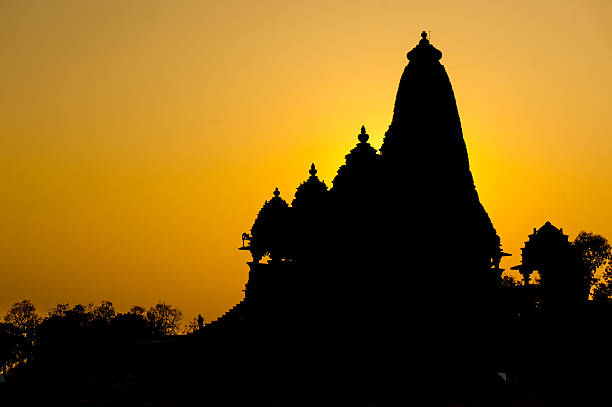 Detail Shots: While wide shots establish the context, close-up details reveal the extraordinary craftsmanship. Focus on individual sculptures, particularly the expressive faces and graceful poses of surasundaris. Capture the intricate jewelry, elaborate hairstyles, and delicate features that bring these stone figures to life. The erotic panels, though famous, deserve careful composition that respects both their artistic merit and cultural context.
Interior Photography: Inside temples, light levels can be low. Use higher ISO settings (800-1600) or a tripod for stability (though check if tripods are allowed—some temple authorities restrict them). If photographing ritual ceremonies or worship, be respectful and ask permission first. Never use flash inside the sanctum or during active worship.
Weather Considerations: If visiting during monsoon, the wet sandstone takes on rich, saturated colors that create atmospheric images. Overcast days provide soft, diffused light ideal for capturing sculptural details without harsh shadows. Winter mornings may feature mist that adds mood to your temple photographs. Always carry weather protection for your equipment.
Ethical Photography: Remember that these are active religious sites. Be respectful of worshippers, particularly at the Matangeshvara Temple where rituals continue daily. Avoid photographing people without permission, especially during religious ceremonies. Don't block pathways or climb on temple structures to get a shot. The Archaeological Survey of India prohibits commercial photography without prior permission—carry a copy of your passport and visa if using professional equipment.
Detail Shots: While wide shots establish the context, close-up details reveal the extraordinary craftsmanship. Focus on individual sculptures, particularly the expressive faces and graceful poses of surasundaris. Capture the intricate jewelry, elaborate hairstyles, and delicate features that bring these stone figures to life. The erotic panels, though famous, deserve careful composition that respects both their artistic merit and cultural context.
Interior Photography: Inside temples, light levels can be low. Use higher ISO settings (800-1600) or a tripod for stability (though check if tripods are allowed—some temple authorities restrict them). If photographing ritual ceremonies or worship, be respectful and ask permission first. Never use flash inside the sanctum or during active worship.
Weather Considerations: If visiting during monsoon, the wet sandstone takes on rich, saturated colors that create atmospheric images. Overcast days provide soft, diffused light ideal for capturing sculptural details without harsh shadows. Winter mornings may feature mist that adds mood to your temple photographs. Always carry weather protection for your equipment.
Ethical Photography: Remember that these are active religious sites. Be respectful of worshippers, particularly at the Matangeshvara Temple where rituals continue daily. Avoid photographing people without permission, especially during religious ceremonies. Don't block pathways or climb on temple structures to get a shot. The Archaeological Survey of India prohibits commercial photography without prior permission—carry a copy of your passport and visa if using professional equipment.
Understanding the Erotic Sculptures
The erotic sculptures of Khajuraho have fascinated, shocked, and perplexed visitors for centuries. Understanding their context and symbolism is essential for appreciating these temples beyond mere curiosity about their sexual content. Symbolic Interpretation: The most widely accepted scholarly interpretation is that these sculptures represent the Tantric philosophical tradition, which views all aspects of human experience—including sexuality—as manifestations of divine energy. In Tantric philosophy, the same energy that drives human passion, when properly channeled, can lead to spiritual enlightenment. The sculptures are not merely depicting sexual acts but using physical union as a metaphor for the soul's union with the divine. Aesthetic Philosophy: Medieval Indian aesthetics celebrated the human body as the finest creation of nature. Unlike Western art traditions that often associated nudity with shame or sin, Indian classical tradition viewed physical beauty as a reflection of divine perfection. The sculptures celebrate the human form in all its aspects—physical, emotional, and sensual—without the moral ambiguity that later influences, particularly Victorian prudery, imposed on them. Social Context: It's important to understand that these sculptures were created in a society where sexuality was discussed openly and celebrated rather than suppressed. The Chandela period was relatively liberal in its social attitudes, and temple art reflected contemporary cultural values. The sculptures are not hidden away in corners but occupy prominent positions on temple walls, suggesting that their creators saw nothing shameful about celebrating human passion alongside devotion. Structural Placement: Notice where the erotic sculptures appear on the temples. They're typically located between the main hall (mandapa) and the sanctum (garbha-griha), symbolically placed at the threshold between the mundane and the sacred. Some scholars interpret this as representing the transition from earthly passion to spiritual devotion. The placement suggests that physical desire, when transcended, leads to higher consciousness. Comparative Context: Khajuraho is not unique in featuring erotic temple art. Similar sculptures exist at temples in Konark (Sun Temple), Bhubaneswar, and various South Indian temples. What makes Khajuraho exceptional is the sheer number and sophisticated artistic treatment of these sculptures. The Chandela artisans created perhaps the most comprehensive celebration of human sexuality in Indian temple art. Historical Misunderstanding: For centuries, these sculptures were misinterpreted by Western observers through the lens of their own cultural biases. Victorian-era British commentators dismissed them as "obscene" or "pornographic," failing to understand the sophisticated philosophical framework within which they were created. Modern scholarship has corrected this misunderstanding, recognizing the sculptures as complex symbolic expressions rather than mere depictions of physical acts. Artistic Excellence: Beyond their symbolic significance, the erotic sculptures are masterpieces of artistic technique. The artists skillfully captured human anatomy, emotional expression, and the dynamics of physical intimacy. The couples are shown in various positions, but always with grace and dignity. Their faces express devotion and tenderness rather than mere lust, elevating these works above mere pornography to the realm of high art.Conclusion
The Khajuraho temples represent one of humanity's greatest artistic achievements—a testament to what happens when technical mastery, philosophical depth, and creative freedom converge. These monuments are more than architectural wonders; they're repositories of cultural memory, preserving the aesthetic values, social attitudes, and spiritual insights of a civilization that flourished a millennium ago. What makes Khajuraho truly remarkable is that it continues to provoke and inspire nearly a thousand years after its creation. In an age where public art rarely challenges viewers, these temples remind us that great art should engage both the senses and the intellect. They force us to question our assumptions about beauty, sexuality, and spirituality, demonstrating that these aspects of human experience are not contradictory but complementary elements in the search for meaning. For the modern traveler, Khajuraho offers multiple layers of experience: architectural appreciation, historical inquiry, spiritual exploration, and artistic inspiration. Whether you're a student of ancient history, a practitioner of Indian philosophy, an art enthusiast, or simply a curious traveler seeking experiences beyond the ordinary, these temples speak to something fundamental about the human capacity to create beauty that transcends time. As you walk through the temple complexes, watching the sun move across the sandstone surfaces and bring different sculptures to life throughout the day, you're participating in a dialogue that has continued for generations. The medieval sculptors who created these works, the kings who commissioned them, the devotees who worshipped here, the villagers who preserved their memory during centuries of neglect, and the archaeologists who restored them—all are part of this ongoing conversation across time. In a world that often seems increasingly divided between materialism and spirituality, between physical pleasure and religious devotion, Khajuraho's temples stand as a reminder that these apparent opposites can be integrated into a unified vision of human experience. They challenge us to embrace life in all its dimensions—sacred and profane, spiritual and sensual, eternal and everyday—with the same wholehearted acceptance that the Chandela artisans brought to their work. Most importantly, Khajuraho reminds us that great art, like great civilization, is inclusive. It doesn't exclude any aspect of human experience but celebrates everything that makes us human. In this sense, the temples are not just monuments to the past but beacons for the future—urging us toward a world where beauty, wisdom, and passion can coexist in harmonious balance.Location
Frequently Asked Questions
Q1.What are the timings for Khajuraho Temples?
Q2.What is the entry fee for Khajuraho Temples?
Q3.Why are Khajuraho temples famous for erotic sculptures?
Q4.How many days are needed to visit Khajuraho?
Q5.What is the best time to visit Khajuraho?
Q6.How to reach Khajuraho from major cities?
Q7.What is the Khajuraho Dance Festival?
Q8.Are guides available at Khajuraho temples?
Q9.Is photography allowed inside Khajuraho temples?
Q10.What is the significance of Khajuraho temples?
Q11.Which are the must-visit temples in Khajuraho?
Q12.What should I wear when visiting Khajuraho temples?
Recommended For You
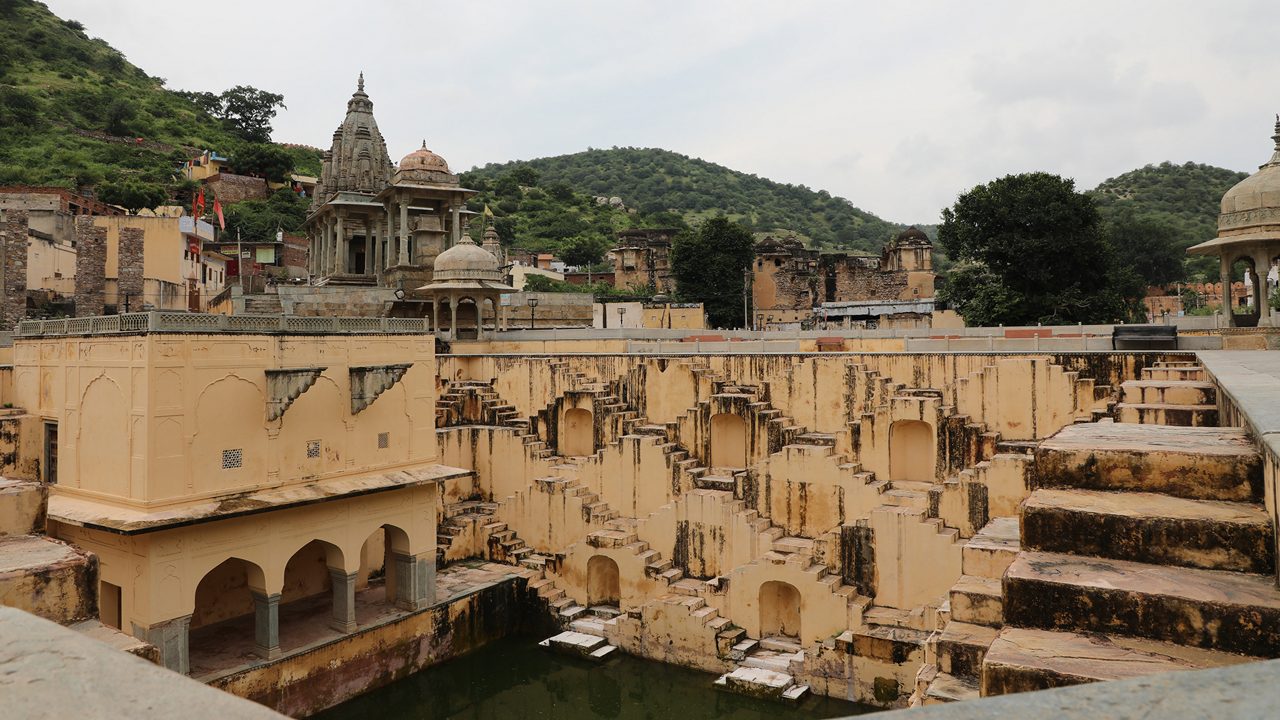
Panna Meena ka Kund Jaipur: Stepwell History, Entry & Photo Tips
Discover Panna Meena ka Kund, Jaipur's hidden stepwell gem near Amber Fort. Explore its 8-story symmetrical architecture, 3,500 steps, and rich history dating back to the 16th century.
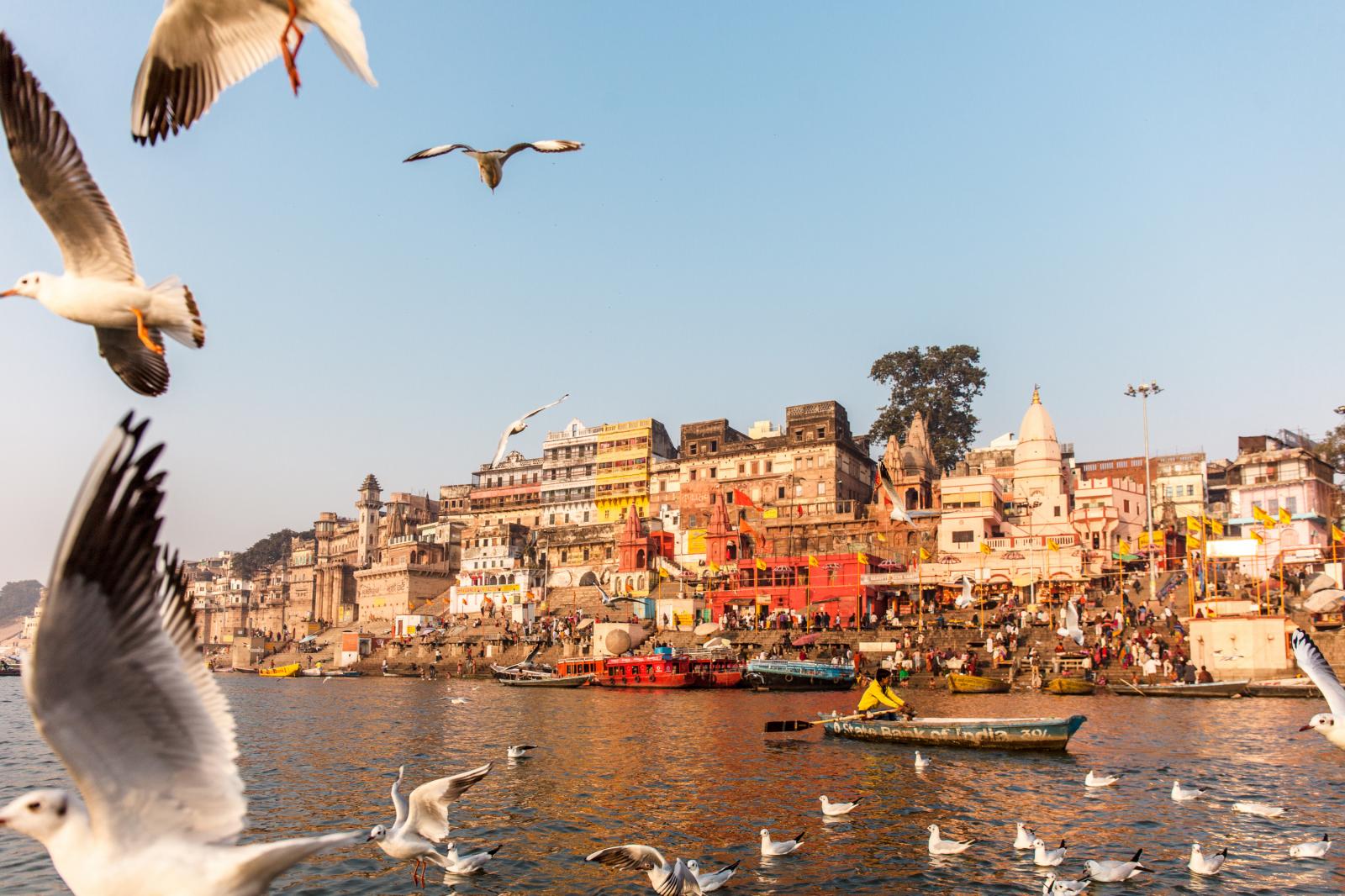
Best Time to Visit Varanasi: Weather, Ganga Aarti Season & Crowd Levels
Discover the best time to visit Varanasi with month-wise weather, Ganga Aarti comfort windows, festival crowd insights, and practical planning tips.
Temples in Thanjavur: The Great Living Chola Heritage
Explore Thanjavur's magnificent Brihadeeswara Temple & UNESCO-listed Chola temples. Discover architecture, history, rituals and travel guide.
Never Miss an Adventure
Get the latest trekking guides, travel tips, and exclusive offers delivered straight to your inbox.
