
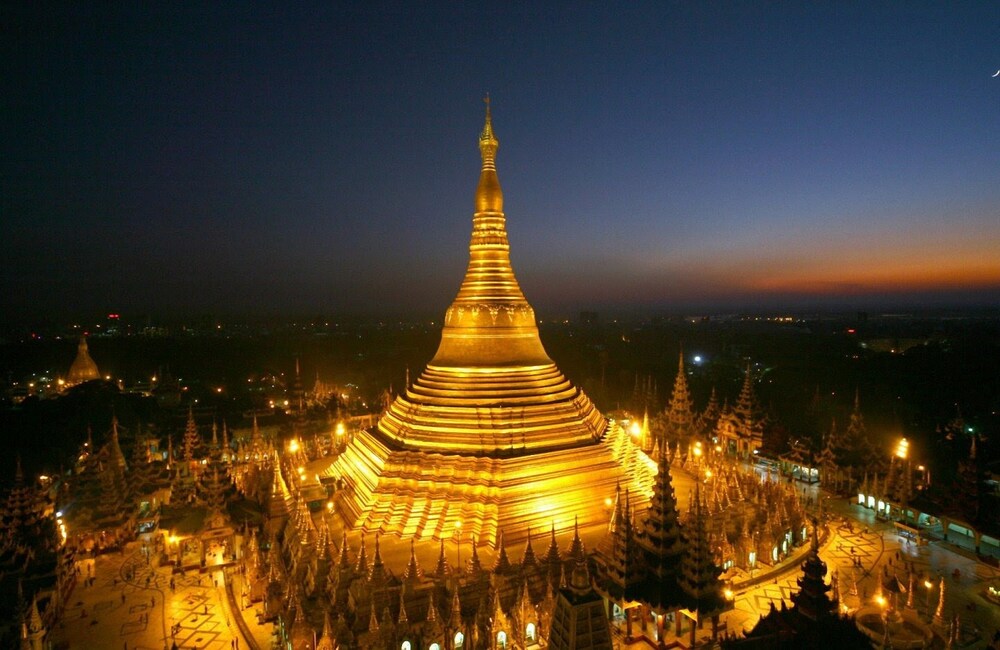
Global Vipassana Pagoda Mumbai: Timings, Meditation Sessions & Entry

Priya Mehta
February 18, 2026
Plan your Global Vipassana Pagoda Mumbai visit with timings, entry details, meditation context, and ferry-road route tips.
Introduction to Global Vipassana Pagoda Mumbai
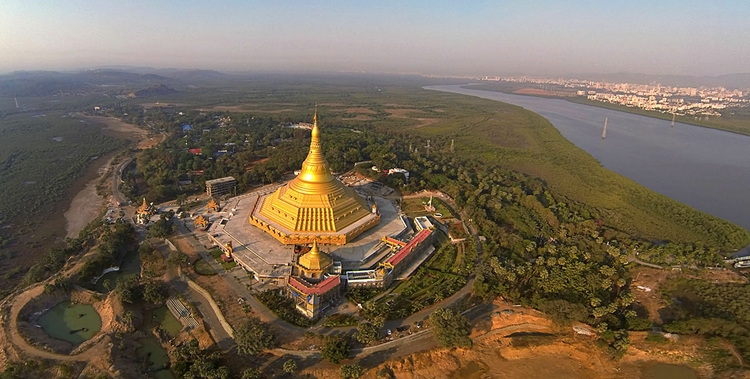
Global Vipassana Pagoda Mumbai is one of the city’s most distinctive spiritual landmarks, located near Gorai in the north-west coastal belt. It combines meditation, architecture, and heritage in one destination, making it relevant for travelers, spiritual seekers, and weekend explorers alike. Unlike many urban attractions, the pagoda offers a slower experience built around silence, reflection, and cultural context.
This guide covers timings, entry rules, how to reach by ferry and road, meditation facilities, architecture significance, and practical visitor tips. If you are planning a wider city circuit, combine this with places to visit in Mumbai and street food in Mumbai.
Timings and Entry Fee
The Global Vipassana Pagoda usually operates in daytime visiting windows, with specific meditation hall access rules and session discipline in place. Entry to the complex is generally free, which is one of the reasons it remains popular among local and outstation visitors.
- Entry fee: Usually free for regular visit access.
- Meditation areas: Follow silence and seating rules.
- Best time: Morning and late afternoon for lower heat and lighter crowds.
Timings can change on special days, so verify current information before departure.
How to Reach Global Vipassana Pagoda
From Borivali Side
Most visitors use the Borivali-Gorai route, then continue to the pagoda zone by local transfer or ferry-linked movement depending on the chosen approach.
Ferry and Jetty Movement
Gorai access often involves short ferry segments used by visitors heading toward local attractions in the same belt. Travel time depends on waiting time, crowd levels, and onward connection availability.
Road-Based Access
Private cabs and personal vehicles are also used, especially by families and groups. Keep extra time during weekends and holiday traffic windows.
Architecture: Why the Pagoda Is Special
The pagoda is widely known for its massive pillarless dome and large meditation hall design. Architecturally, it stands out in Mumbai because it combines visual scale with spiritual function, instead of being just a photo landmark. The structure draws from traditional Buddhist design inspirations while using modern engineering methods for stability and visitor flow.
For architecture-focused travelers, this is one of the strongest cultural stops in Mumbai’s outer circuit, alongside heritage sites in the city core such as CST Mumbai.
Meditation Facilities and Vipassana Context
The site is associated with Vipassana meditation tradition and serves as a space for awareness-based practice and educational orientation. Casual visitors can experience the atmosphere respectfully, while serious practitioners may explore structured Vipassana courses through official channels linked to the tradition.
- Maintain silence in designated areas.
- Dress modestly and avoid disruptive behavior.
- Follow staff guidance for session halls and restricted areas.
Buddha Relics, Gallery, and Museum Experience
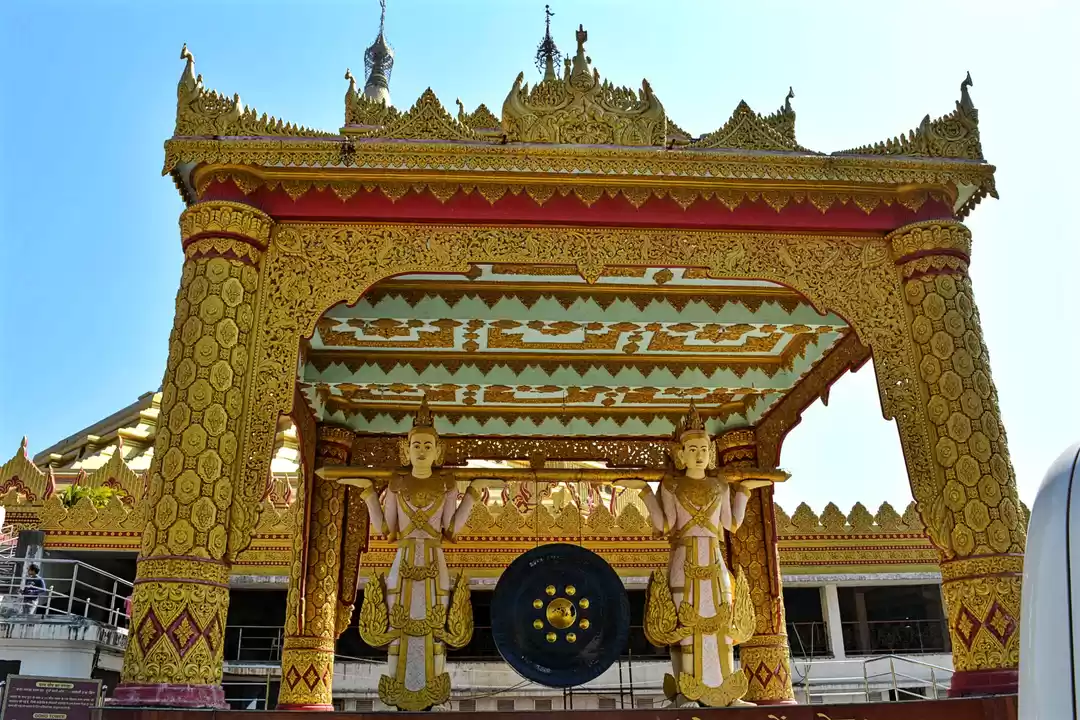
Visitors usually spend time in the interpretive sections that explain Buddhist heritage, Vipassana history, and the cultural significance of the pagoda project. This makes the visit more meaningful than a short visual stop.
If you enjoy heritage-focused city exploration, pair this visit with Mani Bhavan Mumbai and Banganga Tank.
Photography Rules and Visitor Etiquette
Photography is often easier in open external zones than inside silence-focused sections. Always prioritize posted rules and local instructions. Drone use and intrusive filming in spiritual spaces should be avoided unless clearly permitted.
Best Time to Visit and Practical Tips
- Visit in cooler morning/evening slots for comfort.
- Carry water, sun protection, and basic cash backup.
- Keep footwear and clothing appropriate for spiritual spaces.
- Add buffer time for ferry and local transfers.
Conclusion
Global Vipassana Pagoda Mumbai offers a rare combination of architecture, silence, and spiritual depth within a major metro region. With proper timing and route planning, it can be one of the most rewarding half-day experiences in the Mumbai area.
History and Origins of the Pagoda
The Global Vipassana Pagoda was built as a tribute to Buddhist teacher S.N. Goenka, who played a central role in reviving the modern Vipassana meditation movement across India and abroad. Construction drew on donations and volunteer support from meditation practitioners worldwide, and the project took shape over several years before its formal inauguration in the late 2000s. The dome enshrines relics of the Buddha, donated through international channels connected to Myanmar and Sri Lanka, giving the site a layer of religious authenticity beyond its scale as a monument.
Unlike temples built primarily for daily ritual worship, the pagoda was conceived from the outset as an educational and meditative space. Its design intentionally supports large silent gatherings, reflecting the tradition's emphasis on collective, disciplined practice rather than individual devotional ceremony.
Comparing the Pagoda with Other Mumbai Landmarks
Most first-time visitors expect a typical temple experience and are surprised by how different the pagoda feels compared to central Mumbai attractions. Where sites like Haji Ali Dargah or Mahalakshmi Temple draw large crowds around active ritual worship, the pagoda's atmosphere leans toward stillness and structured silence, closer to a meditation retreat than a bustling pilgrimage stop.
This contrast is part of what makes it worth including in a broader Mumbai itinerary. After a busy morning covering markets or heritage buildings in South Mumbai, many travelers use an afternoon at the pagoda to reset before continuing their trip. The Gorai coastal setting also offers a change of pace from the density of the city core, with more open space, greenery, and quieter walking paths around the main dome.
Seasonal Visiting Notes
Weather meaningfully affects the pagoda experience because much of the site involves outdoor walking between the main dome, surrounding gardens, and interpretive halls. Winter months (November to February) bring the most comfortable temperatures and are generally considered the best season for a relaxed visit. Summer (March to May) can be intensely hot in the open plaza areas, so an early morning visit is strongly advised if traveling during this period.
The monsoon season (June to September) adds a different character, with lush greenery around the complex, though ferry schedules and outdoor movement can be affected by heavy rain. Visitors traveling during monsoon should check ferry operation status in advance and build extra time into their plans, since road access can also slow down during peak downpours.
Tips for a Meaningful Visit
Because the pagoda rewards a slower pace, rushing through it like a typical sightseeing stop reduces the value of the visit. Allocate at least two to three hours if you want to see the interpretive galleries, walk the gardens, and spend quiet time inside the main hall rather than just photographing the dome from outside.
- Avoid scheduling the pagoda as the last stop after a physically tiring day, since the experience benefits from arriving with a calmer mindset.
- If traveling with children, prepare them in advance for the emphasis on quiet behavior inside meditation zones.
- Combine the visit with nearby Gorai beach areas for a half-day coastal and spiritual outing rather than treating it as an isolated stop.
- Check for any special guided walkthroughs or informational sessions offered on weekends, which can add helpful context for first-time visitors unfamiliar with Vipassana practice.
Location
Frequently Asked Questions
Q1.What are the timings of Global Vipassana Pagoda?
Q2.How do I reach Global Vipassana Pagoda from Mumbai?
Q3.Is there an entry fee for Global Vipassana Pagoda?
Q4.Can I meditate at Global Vipassana Pagoda?
Q5.What is the dress code at the pagoda?
Q6.Is photography allowed inside?
Q7.What is the best time to visit?
Q8.Can I enroll in Vipassana courses from here?
Recommended For You
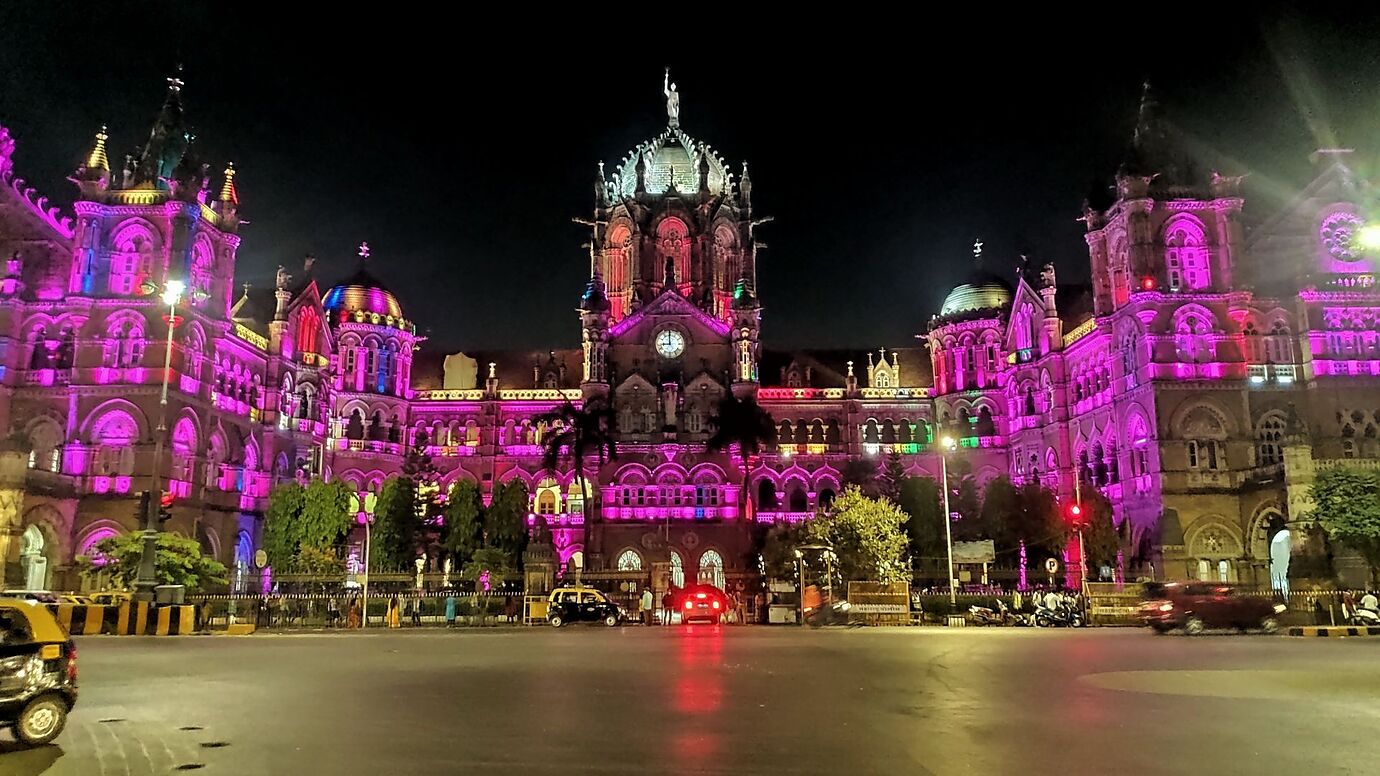
CSMT Mumbai: Complete Guide to Victoria Terminus Heritage Site
Discover Chhatrapati Shivaji Maharaj Terminus (CSMT), Mumbai's UNESCO World Heritage Site. Explore Victorian Gothic architecture & heritage gallery guide.
India Gate Delhi: Best Time, Nearby Spots & Night Visit Details
Visit India Gate Delhi with this complete guide covering history, architecture, timings, evening experience, nearby attractions, and practical travel tips.
Mani Bhavan Mumbai: Gandhi's Historical Home
A complete Mani Bhavan Mumbai guide with history, museum walkthrough, timings context, how to reach, and nearby South Mumbai heritage places.
Never Miss an Adventure
Get the latest trekking guides, travel tips, and exclusive offers delivered straight to your inbox.
